
The Business Case for Organic Sugarcane in Commercial Juice Bars
As consumer preferences shift toward clean-label, health-conscious beverages, juice bars are increasingly looking to upgrade their menus. Freshly extracted sugarcane juice is already a high-margin product, but offering certified organic cane juice allows operators to tap into a premium market segment. However, transitioning from conventional to organic sugarcane sourcing introduces unique supply chain challenges, strict certification requirements, and higher upfront costs.
For procurement managers and juice bar owners, successfully navigating this transition requires a strategic approach. This guide provides a comprehensive roadmap for sourcing organic sugarcane, managing logistics, and leveraging organic certifications to command premium juice pricing.
Understanding Organic Food Certifications for Sugarcane
Before marketing your product as “organic,” you must ensure that your supply chain complies with recognized organic food certifications (such as USDA Organic in the US, or EU Organic in Europe). The certification process for sugarcane covers several critical areas:
- Soil Management: The land must be free of prohibited synthetic fertilizers and pesticides for a specified period (typically three years) before the first organic harvest.
- Pest and Weed Control: Farmers must rely on biological pest control, crop rotation, and manual weeding rather than chemical herbicides.
- Post-Harvest Handling: Once cut, organic sugarcane cannot be treated with synthetic fungicides or preservatives, which are commonly used on conventional stalks to extend shelf life during transit.
- Facility Compliance: If you are purchasing pre-peeled or pre-cut stalks, the processing facility must also hold an organic handling certification to ensure no cross-contamination occurs.
Supply Chain Challenges and Cost Implications
Sourcing organic sugarcane is inherently more complex than buying conventional stalks. Procurement teams must account for several operational realities.
1. Logistics and Cold Chain Management
Because organic sugarcane lacks synthetic surface treatments, it is more susceptible to oxidation and microbial growth at the cut ends. To prevent spoilage, operators must invest in rapid logistics and strict cold-chain management. Stalks should be transported and stored at optimal temperatures (typically between 2°C and 5°C) to maintain maximum freshness and sugar yield.
2. Yield Variations and Minimum Order Quantities (MOQs)
Organic farming often results in slightly lower crop yields compared to conventional methods. Consequently, organic sugarcane farms may require higher MOQs to justify the logistical effort of supplying commercial juice bars. Buyers should negotiate contracts that account for seasonal variations in stalk diameter and juice yield.
3. Cost Analysis: Conventional vs. Organic
The cost of organic sugarcane sourcing is generally 20% to 40% higher than conventional sourcing. Here is a typical breakdown of the cost implications:
| Factor | Conventional Sugarcane | Certified Organic Sugarcane |
|---|---|---|
| Base Cost | Standard market rate | 20-40% premium |
| Shelf Life (Cut) | Up to 2-3 weeks (treated) | 7-10 days (requires cold storage) |
| Logistics | Standard freight | Refrigerated freight required |
| Retail Price Potential | Standard menu pricing | Premium markup (30-50% higher) |
A Roadmap for Sourcing Organic Sugarcane
To establish a reliable supply of organic sugarcane, follow these strategic steps:
Step 1: Vet Certified Suppliers
Request current, valid organic certificates from potential farms or distributors. Verify the scope of the certificate to ensure it covers the specific variety of sugarcane you intend to purchase. Look for suppliers with a proven track record of supplying commercial food service operations.
Step 2: Request Samples and Test Yields
Before committing to a large contract, order sample batches. Test the stalks in your commercial electric sugarcane juicers to evaluate the juice yield, Brix level (sugar content), and flavor profile. Organic stalks can vary in density, making high-quality extraction equipment essential to maximize your ROI.
Step 3: Establish Delivery Schedules
Given the shorter shelf life, opt for frequent, smaller deliveries rather than bulk monthly shipments. Work with local or regional organic farms when possible to reduce transit times and minimize carbon footprint—a strong selling point for organic consumers.
Maximizing ROI: The Role of High-Quality Extraction Equipment
When you are paying a premium for organic sugarcane, you cannot afford inefficient extraction. Traditional manual juicers or low-quality machines leave valuable juice behind in the bagasse (the fibrous pulp).
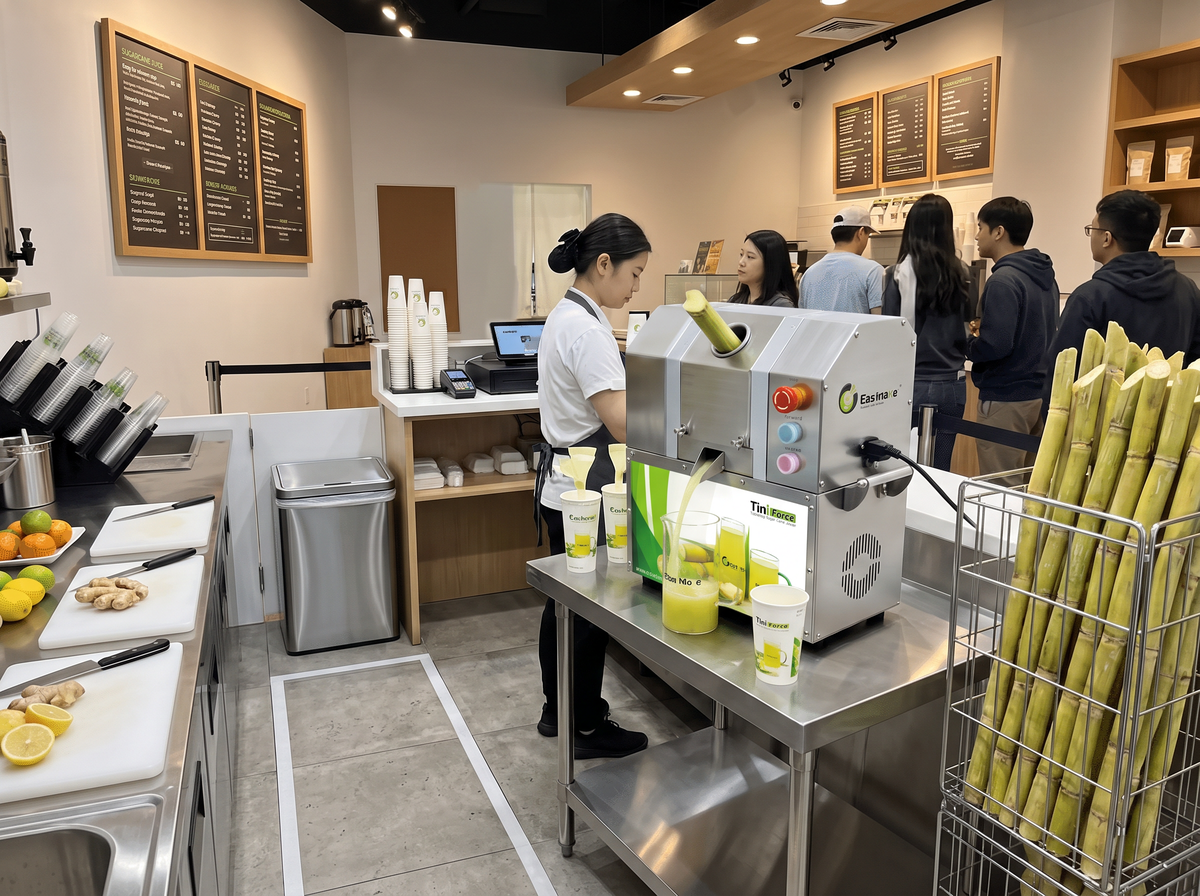
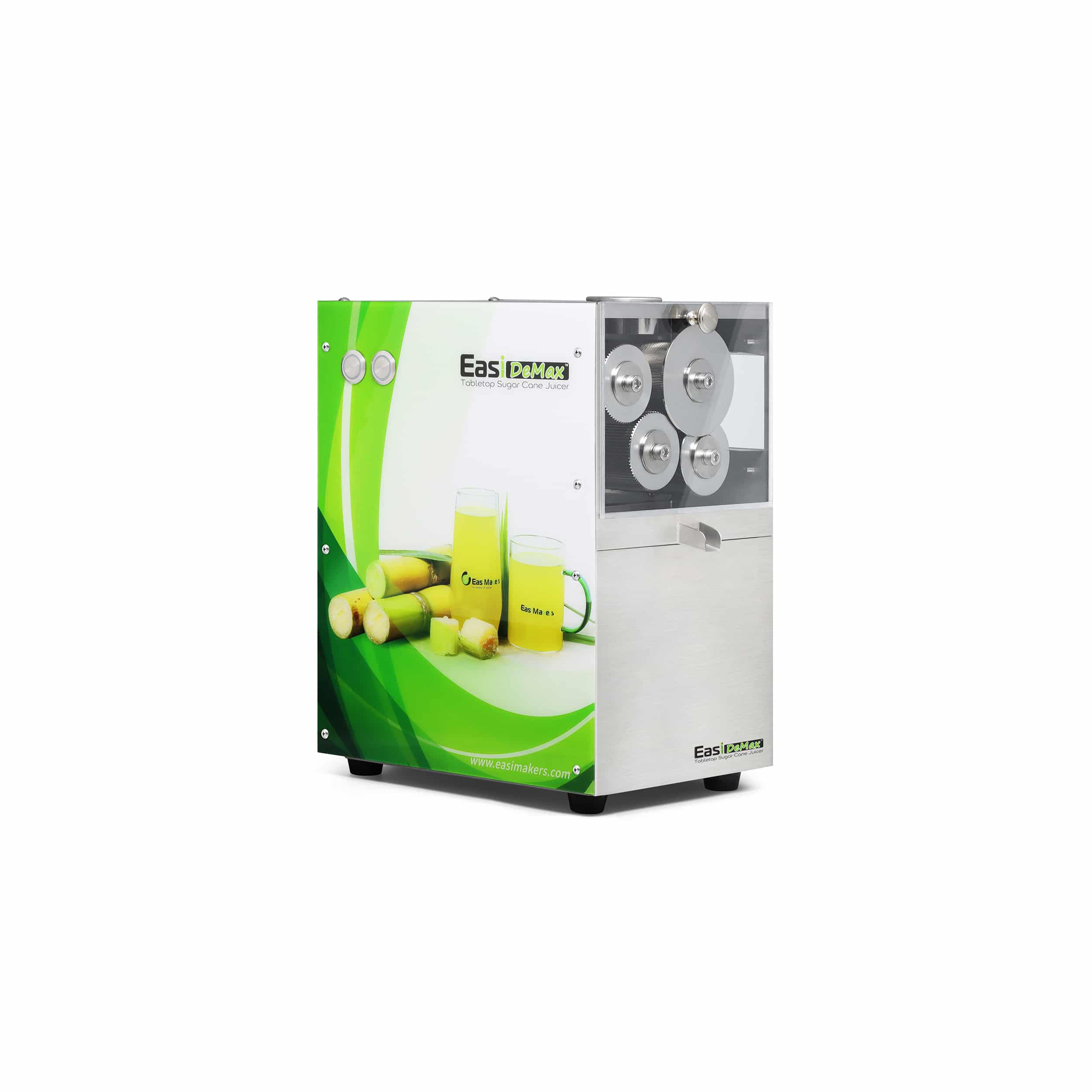
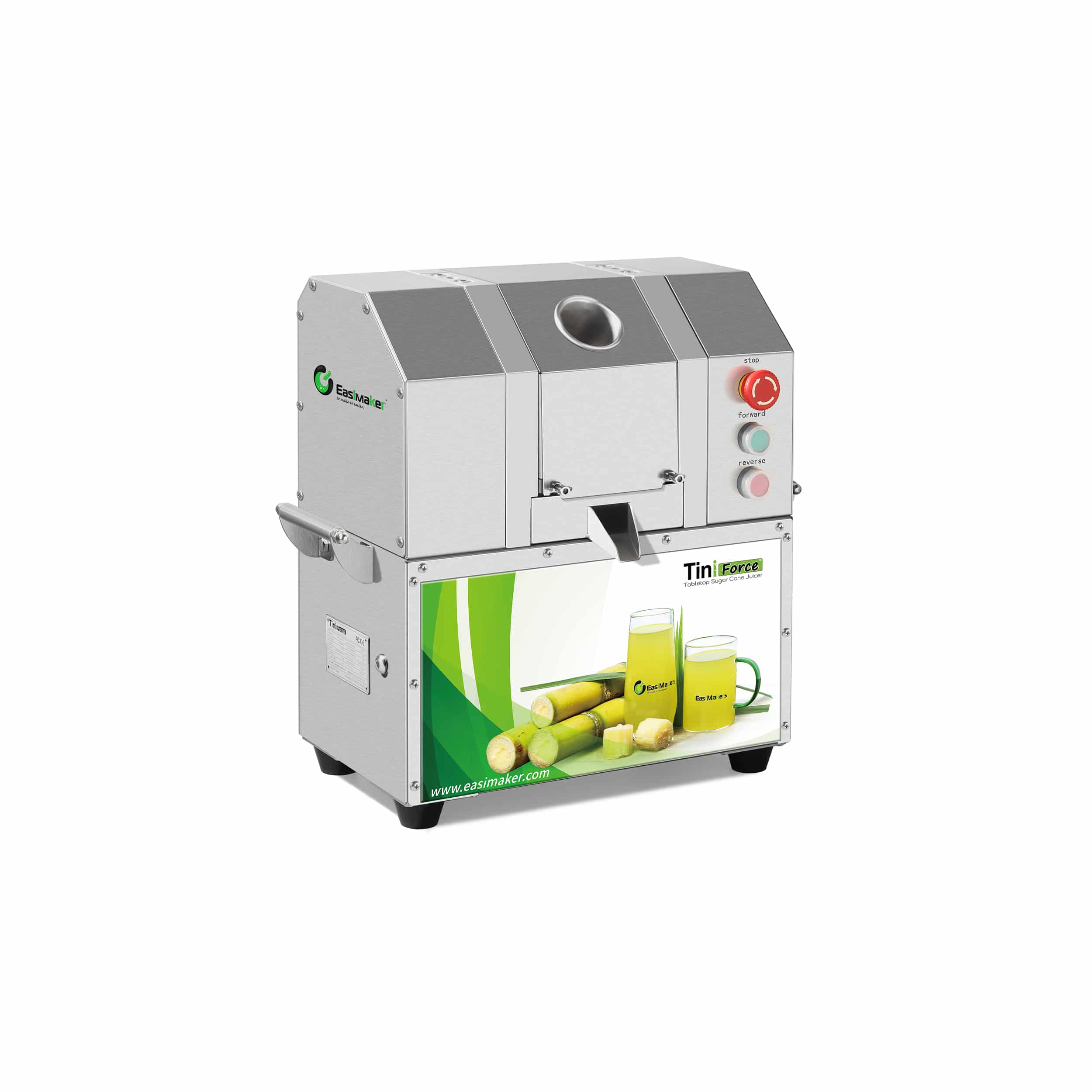
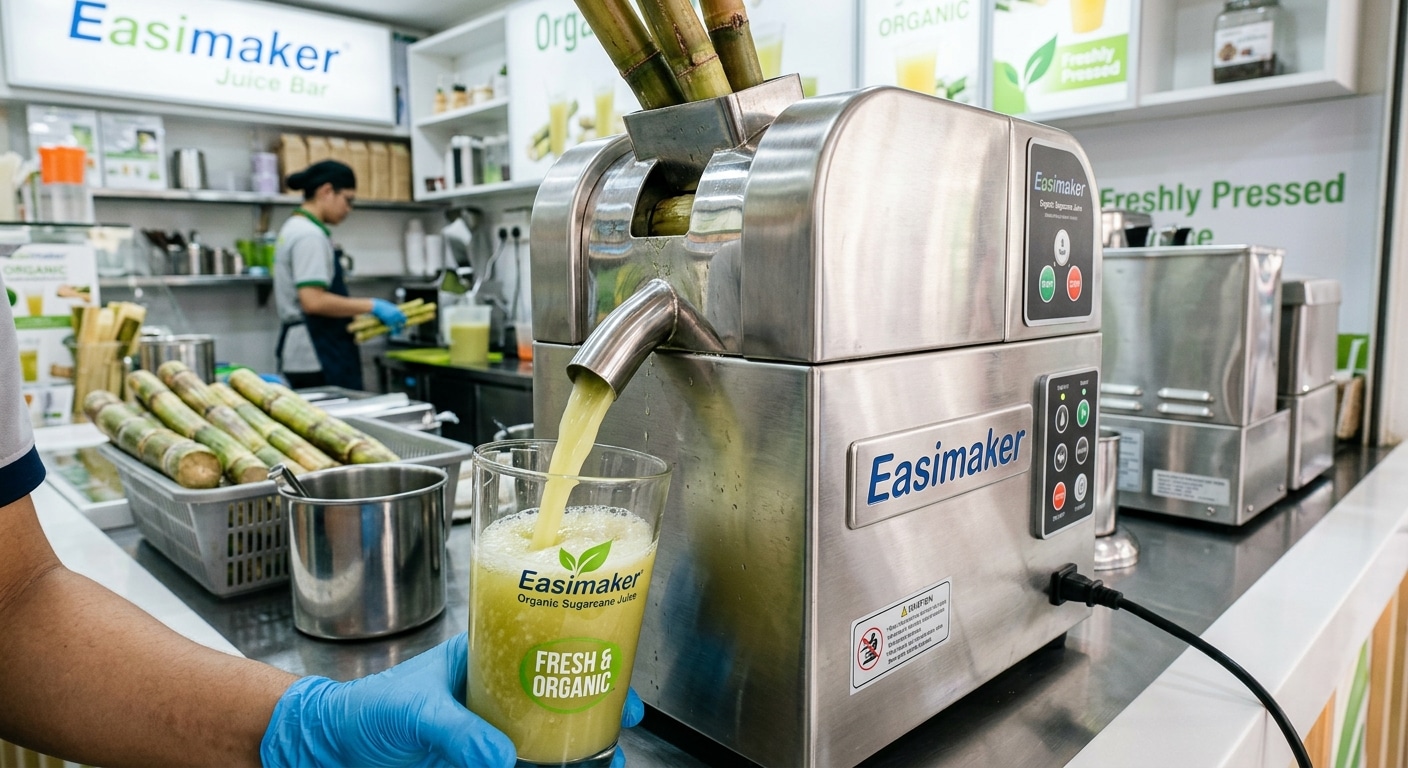
To protect your margins, juice bars must utilize commercial-grade, electric sugarcane juicers. These machines offer higher extraction rates, consistent pressure, and food-grade stainless steel components that meet strict health and safety standards. Furthermore, using a dedicated electric juicer ensures that your premium organic stalks are processed hygienically, without the risk of cross-contamination from inferior equipment materials.
Juice Bar Marketing: Leveraging the Organic Label
Sourcing organic sugarcane is only half the battle; communicating that value to your customers is how you justify premium juice pricing. Here are effective strategies for juice bar marketing:
- Menu Transparency: Clearly label your sugarcane juice as “100% Certified Organic.” Use menu callouts to explain that your juice is free from synthetic pesticides and chemical fertilizers.
- Visual Merchandising: Display the fresh organic stalks prominently in your store. Consumers associate the vibrant green color and natural appearance of the stalks with health and vitality.
- Storytelling: Share the story of your sourcing journey. Highlight the specific farms you partner with and emphasize your commitment to sustainable agriculture.
- Health-Focused Pairings: Market organic cane juice as a natural energy booster or pre-workout drink. Pair it with other high-value organic ingredients like ginger, turmeric, or calamansi to create signature, high-margin functional beverages.
Frequently Asked Questions (FAQs)
1. How do I verify a supplier’s organic certification?
Always ask for a copy of their organic certificate and check the expiration date. You can also verify the certification number through national databases, such as the USDA Organic Integrity Database.
2. Does organic sugarcane taste different from conventional sugarcane?
While the fundamental flavor is similar, many operators and consumers report that organic sugarcane offers a cleaner, more robust flavor profile due to better soil health and the absence of chemical residues.
3. How long does organic sugarcane last once delivered?
Unpeeled organic sugarcane typically lasts 7 to 10 days when stored properly in a refrigerated environment (2°C – 5°C). Peeled stalks should be juiced within 2 to 3 days.
4. Can I use the same juicer for organic and conventional sugarcane?
If you plan to market your juice as certified organic, you must prevent cross-contamination. This means thoroughly cleaning and sanitizing your electric sugarcane juicer between batches, or ideally, dedicating a specific machine solely to organic processing.
5. Is the higher cost of organic sugarcane worth it for a juice bar?
Yes, provided you are in a market with health-conscious consumers willing to pay a premium. The higher retail price of organic juice typically offsets the increased sourcing and logistical costs, often resulting in better overall profit margins.
Ready to Upgrade Your Juice Bar Operations?
Sourcing premium organic sugarcane requires precision, from the farm to the cup. Ensure you are getting the absolute most out of your high-value ingredients with professional-grade extraction equipment. Request a quote / Get a sample today to learn how our commercial electric sugarcane juicers can maximize your yields and elevate your juice bar’s profitability.