The Science Behind Sugarcane Juice’s Nutritional Profile and Health Benefits

Introduction

Sugarcane juice has gained attention in the B2B food and beverage sector due to its natural energy properties and potential health-supporting compounds. For suppliers, distributors, and brand owners seeking functional beverages, understanding its nutritional profile, processing considerations, and market opportunities is critical.

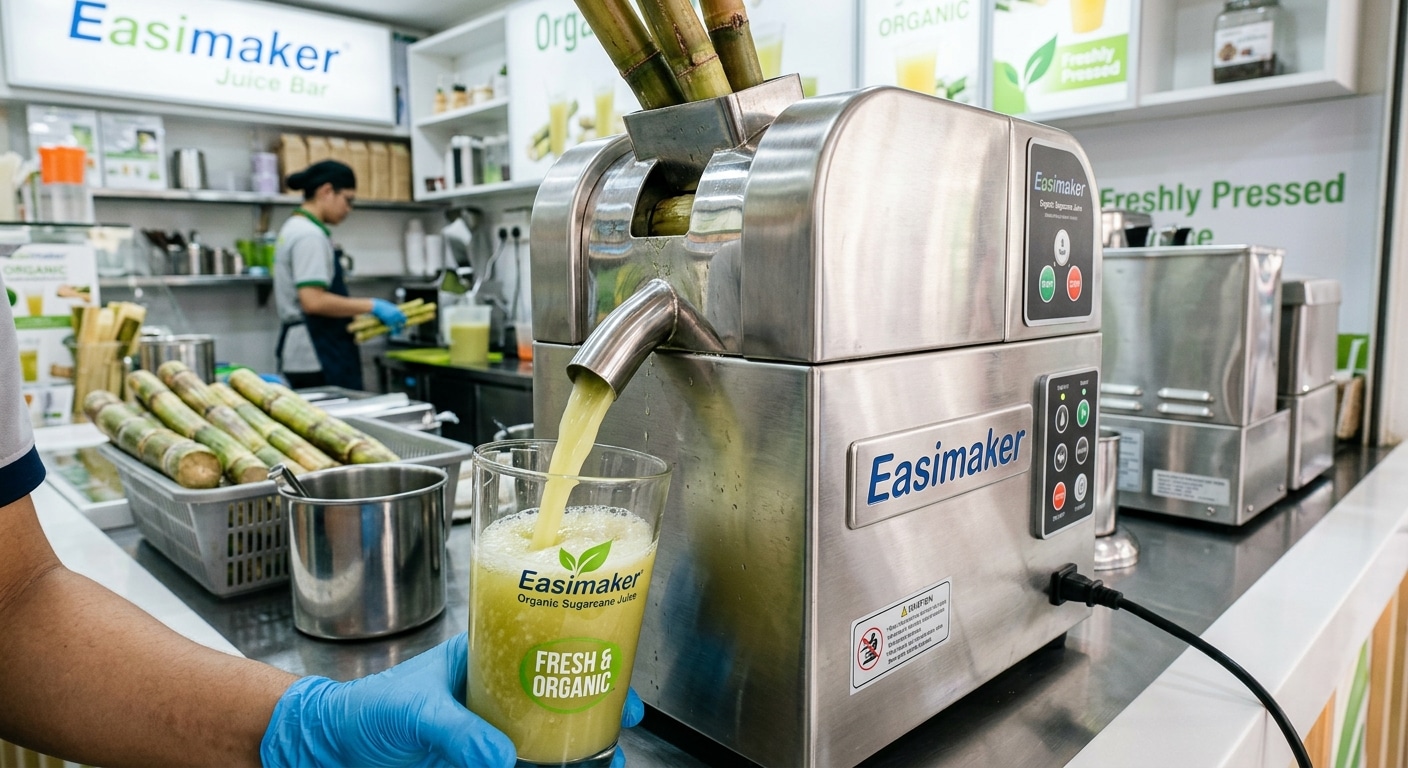
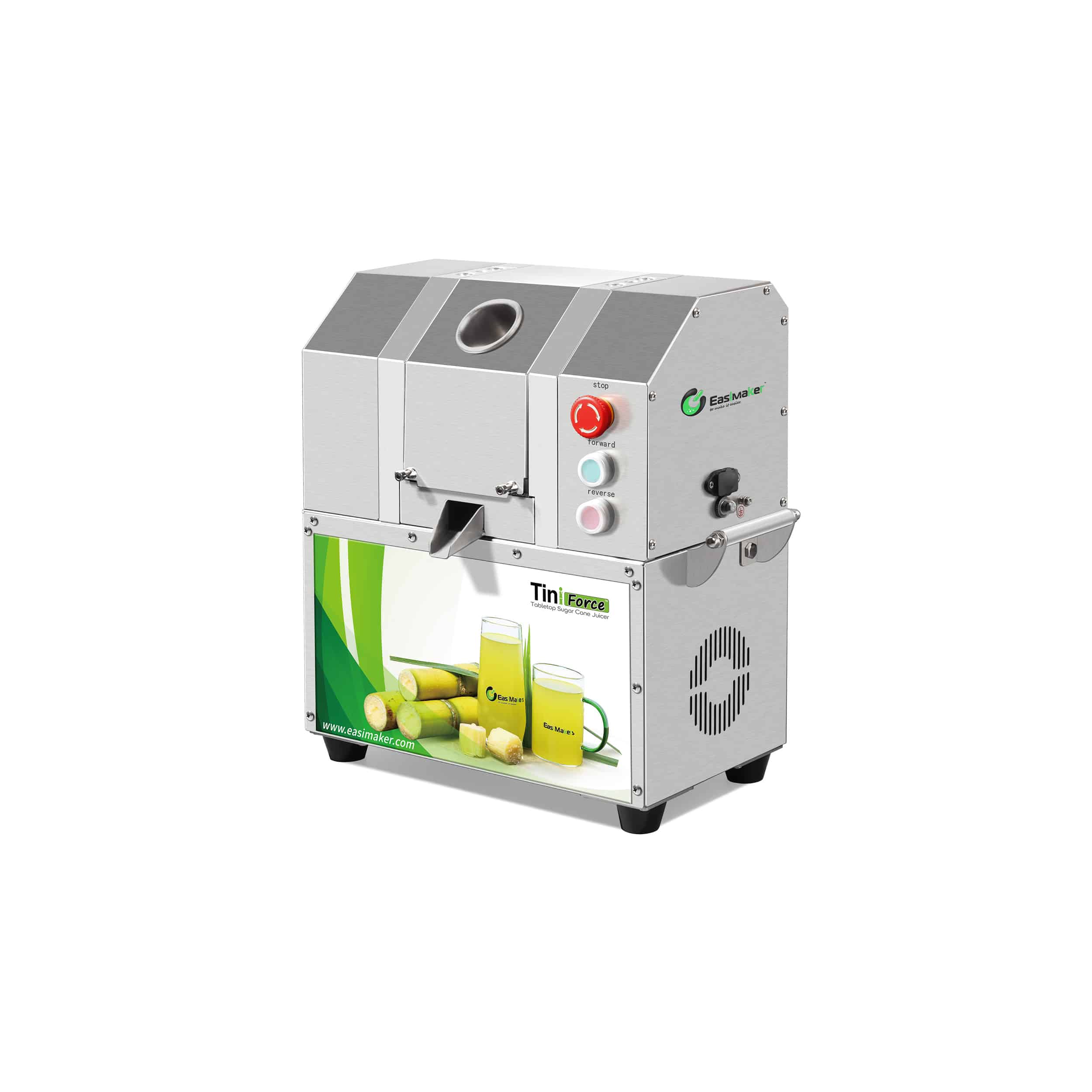
Industrial sugarcane juice extractor TiniForce S3-3

Key Nutritional Components of Sugarcane Juice

Sugarcane juice contains natural sugars, minerals, and antioxidants, making it suitable for functional beverage applications. Typical nutritional components per 100ml include:

  • Carbohydrates: 10–13g, primarily sucrose, providing immediate energy.
  • Minerals: Calcium, magnesium, potassium, and iron, supporting electrolyte balance and metabolic functions.
  • Antioxidants: Polyphenols and flavonoids that contribute to oxidative stress reduction.
  • Vitamins: Trace amounts of vitamin C and B-complex vitamins.

Health Benefits Relevant for Product Development

When positioning sugarcane juice as a functional ingredient, consider the following benefits:

  • Natural Energy Booster: Its simple sugars provide rapid energy, suitable for sports or recovery beverages.
  • Antioxidant Support: Phenolic compounds may support cellular defense mechanisms.
  • Detox Potential: Traditional applications suggest benefits in liver support and hydration, though regulatory claims should be cautious.

Processing and Technical Considerations

Juice Extraction

High-capacity industrial extractors like the TiniForce S3-3 ensure efficient sugarcane crushing while minimizing oxidation. Key factors include:

  • Blade pressure and speed settings affecting yield and consistency.
  • Sanitation protocols to prevent microbial growth in raw juice.
  • Temperature management to retain antioxidants and reduce caramelization.

Quality and Stability

Sugarcane juice is highly perishable. Options to extend shelf life include:

  • Cold storage (0–4°C) immediately after extraction.
  • Short-term pasteurization under controlled conditions.
  • Packaging in oxygen-impermeable containers to reduce oxidation.

Specifications for B2B Procurement

For bulk buyers, specifications to consider include:

  • Purity: Percentage of sucrose and absence of contaminants.
  • Moisture Content: Typical ranges 85–88%.
  • Packaging: Flexible options include bulk tanks, aseptic cartons, or returnable bottles.
  • MOQ & Lead Time: Often 500–1000L minimum per order; lead times depend on extraction schedules.

Buying Guide

Steps for sourcing sugarcane juice for commercial production:

  1. Request a sample to verify taste, sugar content, and antioxidant levels.
  2. Confirm packaging and transport requirements for your region.
  3. Evaluate supplier extraction and hygiene protocols.
  4. Negotiate MOQ and timelines according to production volume.
  5. Ensure proper documentation for regulatory compliance.

FAQs

  • Q1: How long does fresh sugarcane juice remain stable?
    A: Typically 24–48 hours under refrigeration; pasteurized juice lasts longer.
  • Q2: Can sugarcane juice be blended with other functional ingredients?
    A: Yes, but consider pH compatibility and stability of antioxidants.
  • Q3: What packaging is preferred for export?
    A: Aseptic cartons or stainless-steel bulk tanks reduce spoilage risk.
  • Q4: How is antioxidant content measured?
    A: Standard assays include DPPH or total phenolic content tests.
  • Q5: Are there sugar content variations among suppliers?
    A: Yes, factors include cane variety, maturity, and extraction method.
  • Q6: Is industrial-scale extraction different from traditional methods?
    A: High-capacity machines improve yield and hygiene while maintaining quality.
  • Q7: What logistics considerations are key?
    A: Cold chain transport and rapid delivery minimize degradation.
  • Q8: Can sugarcane juice be labeled as a natural energy product?
    A: Claims must comply with local food regulations; verify with authorities.

Conclusion and CTA

Understanding sugarcane juice’s nutritional profile and technical handling is critical for B2B buyers seeking high-quality, functional beverage ingredients. For tailored sourcing, packaging options, and sample evaluation, Request a quote / Get a sample.

The Science Behind Sugarcane Juice’s Nutritional Profile and Health Benefits

Introduction to Sugarcane Juice and Its Benefits

Sugarcane juice is not only a refreshing beverage but also a powerful source of vital nutrients. This naturally sweet drink has been consumed for centuries, with its numerous health benefits becoming more recognized in recent years. In this post, we delve into the nutritional profile of sugarcane juice, exploring its various health benefits, including its antioxidant properties, detoxification abilities, and role as a natural energy booster.

Key Nutritional Benefits of Sugarcane Juice

Sugarcane juice is a natural source of essential nutrients such as vitamins, minerals, and antioxidants. Let’s explore the key components that make this drink a powerhouse for your health:

1. Rich in Antioxidants

Sugarcane juice contains a variety of antioxidants that help protect the body from oxidative stress. These antioxidants, including flavonoids and phenolic compounds, play a critical role in preventing cell damage and reducing inflammation. Regular consumption of sugarcane juice can support overall health by reducing the risk of chronic diseases like heart disease and cancer.

2. Natural Detoxifier

One of the most notable benefits of sugarcane juice is its ability to aid in detoxification. The juice acts as a natural diuretic, helping to flush out toxins and waste from the body. It promotes liver health by supporting the detoxifying functions of the liver, ensuring that the body stays clean and free from harmful substances.

3. A Boost of Natural Energy

Unlike artificial energy drinks, sugarcane juice provides a natural boost of energy. The natural sugars, including sucrose, in sugarcane juice are easily absorbed by the body, offering a quick energy source without the sugar crash associated with processed alternatives. This makes sugarcane juice an excellent choice for a post-workout drink or an energy booster throughout the day.

How Sugarcane Juice Fits into a Balanced Diet

Incorporating sugarcane juice into your daily diet can be a beneficial step towards enhancing your overall health. However, it’s important to consume it in moderation as part of a balanced diet. While it provides essential nutrients, it is still high in natural sugars, so portion control is key. Combining sugarcane juice with other nutrient-dense foods can help maximize its benefits while keeping your calorie intake in check.

Buying and Manufacturing Considerations

When purchasing sugarcane juice or equipment like sugarcane juicers, it’s essential to choose reliable suppliers that offer high-quality products. For businesses interested in producing sugarcane juice, understanding manufacturing processes, packaging, and quality assurance is crucial to ensure product consistency and safety. Equipment should meet industry standards to ensure efficiency and hygiene during production.

FAQs

1. How should sugarcane juice be stored?

Sugarcane juice should be stored in a cool place, preferably refrigerated, to maintain freshness. It should be consumed within a few days to prevent spoilage.

2. Can sugarcane juice be consumed by diabetics?

While sugarcane juice contains natural sugars, it is best for individuals with diabetes to consult with a healthcare provider before incorporating it into their diet.

3. How is sugarcane juice beneficial for skin health?

Sugarcane juice contains glycolic acid, which is known to help with skin rejuvenation, making it beneficial for improving skin texture and reducing the appearance of blemishes.

Conclusion

Sugarcane juice is a natural, nutrient-rich beverage that provides a wide range of health benefits, including antioxidant protection, detoxification, and a boost of natural energy. For businesses and health-conscious individuals alike, incorporating sugarcane juice into your routine can be a step towards a healthier lifestyle. Request a quote or get a sample today to explore the potential of this amazing drink.

Leveraging Social Media to Promote Your Sugarcane Juice Business

Introduction

For B2B buyers and operators in the sugarcane juice industry, establishing a strong social media presence is increasingly essential. Whether you supply juice bars, equipment, or raw sugarcane, social media marketing can drive brand awareness, customer engagement, and ultimately business growth.

This guide provides actionable strategies for leveraging platforms like Instagram, Facebook, LinkedIn, and TikTok to promote sugarcane juice products and related services effectively.

Understanding Key Concepts

Social Media Marketing for B2B Juice Businesses

Unlike B2C campaigns, B2B social media marketing focuses on building trust, demonstrating expertise, and facilitating business partnerships. Content should highlight product quality, operational efficiency, and technical advantages of your equipment or ingredients.

Online Engagement Metrics

Key performance indicators include follower growth, post reach, click-throughs to your product pages, and inquiries generated. These metrics help refine content strategies and identify which posts resonate with other businesses.

Platform Options and Posting Strategies

Instagram & Facebook

  • Content Ideas: Short video demos of sugarcane juice extraction, showcasing Easimaker machines in action, behind-the-scenes sourcing, and seasonal promotions.
  • Posting Strategy: 3–5 posts per week; use stories for daily updates and polls for engagement.

LinkedIn

  • Content Ideas: Industry news, supplier partnerships, case studies, and operational insights.
  • Posting Strategy: 2–3 professional posts per week; focus on establishing authority and connecting with other business owners.

TikTok & Short-Form Video Platforms

  • Content Ideas: Quick, engaging clips demonstrating the juice process, highlighting product features, and sharing customer success stories.
  • Posting Strategy: 4–6 times per week to build visibility among younger operators and franchise owners.

Technical Considerations and Visual Quality

High-quality visuals are critical. Videos should clearly show sugarcane being processed with Easimaker juice machines, emphasizing hygiene, output consistency, and operational speed. For images, ensure proper lighting, stable framing, and concise captions explaining features.

Include technical specifications or unique selling points subtly, such as extraction capacity per hour, maintenance cycles, and durability.

Manufacturing, Quality, and Testing Highlights

Share insights about equipment maintenance, juice freshness, and packaging standards. Highlight typical quality checks like filtration, pulp separation, and hygiene practices. These details reassure potential buyers about reliability and operational excellence.

Buying Guide for Business Customers

  • MOQ: Typical orders for equipment or raw sugarcane batches can vary; clearly communicate minimum quantities and bulk options.
  • Customization: Branding on packaging, machine attachments, or signage can be highlighted in posts.
  • Artwork and Files: Provide clear guidelines for any co-branded promotions or digital campaigns.
  • Sampling and Trials: Offer limited-use demos of machines or juice samples to new business leads.
  • Timelines: Specify lead times for delivery, installation, and social media content approval processes.

Practical Tips for Engagement

  • Encourage customer-generated content by sharing videos or photos from client juice bars.
  • Use hashtags strategically, including both industry (#SugarcaneJuice, #JuiceBarEquipment) and platform-specific trending tags.
  • Respond promptly to inquiries, emphasizing operational support and reliability.
  • Schedule content around business seasons, trade shows, or supply cycles.

FAQs

  • Q: How often should I post on social media for maximum impact?
    A: Maintain consistency; 3–5 posts on Instagram/Facebook, 2–3 on LinkedIn, and 4–6 short-form videos on TikTok weekly is typical.
  • Q: Can I showcase my Easimaker machines in posts?
    A: Yes, focus on functionality, output, and hygiene. High-quality images/videos are recommended.
  • Q: Should I use the same content across all platforms?
    A: No; tailor content to platform audiences and format preferences.
  • Q: What are the best engagement tactics?
    A: Interactive polls, client success stories, and prompt responses to inquiries work effectively.
  • Q: How do I measure ROI from social media?
    A: Track inquiries, leads generated, and engagement metrics to correlate with sales growth.
  • Q: Can I repurpose B2B content for B2C channels?
    A: Only when the messaging aligns with both operational insight and consumer appeal.
  • Q: What image quality is acceptable?
    A: High-resolution images and well-lit videos are preferred; highlight Easimaker machines clearly.

Call to Action

Start building your social media presence today. Showcase your sugarcane juice products, engage with potential clients, and elevate your brand authority. Request a quote / Get a sample to begin leveraging social media for measurable business growth.

The Environmental Benefits of Sugarcane Juice Production for Eco-Conscious Businesses

Introduction: Sustainable Sugarcane Juice Production

For businesses sourcing natural beverages, understanding the environmental impact of sugarcane juice production is essential. Manufacturers, distributors, and brand owners are increasingly prioritizing eco-friendly practices to reduce their carbon footprint while meeting consumer demand for sustainable products.

Industrial electric Easimaker sugarcane juice machine operating in a sustainable production facility

Key Concepts in Eco-Friendly Sugarcane Juice Production

Sugarcane juice production involves multiple stages, from farming to processing. The environmental considerations include:

  • Sustainable farming methods: Using crop rotation, organic fertilizers, and efficient irrigation reduces soil degradation and water consumption.
  • Energy efficiency: Electric juice extraction systems, such as the Easimaker electric sugarcane juicer, lower energy consumption compared to older mechanical systems.
  • Waste management: Byproducts like bagasse can be repurposed for fuel, animal feed, or compost.

Options and Comparisons: Eco-Friendly Practices

Farming Practices

  • Conventional farming: Often relies on chemical fertilizers and pesticides; higher yields but larger environmental footprint.
  • Organic and regenerative farming: Uses natural fertilizers and maintains soil health; lower chemical runoff and enhanced sustainability.

Juice Extraction Technology

  • Electric sugarcane juicers: More energy-efficient, consistent output, and reduced noise. Recommended for mid-to-large scale operations.
  • Mechanical systems: Less energy-efficient, may require more maintenance; suitable for small-scale or manual operations.

Technical Factors and Specifications

When selecting production equipment and processes, consider:

  • Throughput capacity: typical ranges 50–500 kg/hour for commercial electric juicers.
  • Material standards: stainless steel construction for hygiene and corrosion resistance.
  • Energy consumption: aim for models with optimized motors to reduce electricity use.
  • Integration with waste management: systems that allow bagasse collection and reuse.

Manufacturing, Quality, and Testing Considerations

High-quality sugarcane juice production requires:

  • Regular equipment inspection for wear and tear.
  • Calibration of juicing pressure to avoid over-processing and minimize pulp waste.
  • Consistent monitoring of sugarcane quality to optimize extraction efficiency.

Buying Guide for Industrial Juice Equipment

  • MOQ and customization: Typical minimum order quantities vary; discuss with suppliers for custom throughput or dimensions.
  • Artwork and labeling: If packaging is involved, ensure eco-friendly materials are selected.
  • Sampling and lead times: Request product samples and confirm shipping schedules to align with production plans.
  • Integration with waste reduction: Check if the supplier provides options for bagasse handling and composting.

FAQs

  1. What is the environmental advantage of using electric sugarcane juicers? Reduced energy use, consistent extraction, and quieter operation compared to mechanical systems.
  2. How can bagasse be utilized sustainably? It can be used for biofuel, composting, or as animal feed.
  3. Are organic farming methods scalable for industrial juice production? Yes, with proper planning, although yields may be lower than conventional methods.
  4. How do I ensure compliance with local environmental regulations? Confirm guidelines with local authorities and integrate recommended waste and water management practices.
  5. What is the typical lifespan of an electric sugarcane juicer? With proper maintenance, high-quality units can last 5–10 years in commercial operations.
  6. Can I integrate sugarcane juice production into existing beverage lines? Yes, with modular equipment and proper hygiene controls.
  7. What factors affect juice yield? Cane quality, extraction pressure, and machine throughput all influence yield.
  8. How can I reduce water usage in juice production? Employ drip irrigation in farming and recycle cleaning water when feasible.

Conclusion and Call to Action

Adopting eco-friendly practices in sugarcane juice production—from sustainable farming to energy-efficient electric juicers and responsible waste management—helps businesses reduce their environmental impact while meeting consumer demand for green products. To explore industrial solutions tailored to your operation, [YABG_LINK:0].

[YABG_LINK:1]

How Seasonal Trends Affect Sugarcane Juice Sales and Production

Introduction: The Role of Seasonal Variations in Sugarcane Juice Sales

As a staple in many tropical and subtropical regions, sugarcane juice is a popular beverage, particularly during warmer months. However, just like many other agricultural products, its sales and production are influenced by seasonal fluctuations. Understanding these seasonal trends is crucial for juice bar owners, operators, and businesses in the sugarcane juice industry. In this post, we’ll explore how different seasons impact production and sales, and provide actionable strategies for optimizing output during peak and off-peak seasons.

Key Concepts: Seasonal Trends in the Sugarcane Juice Market

Seasonal trends refer to the predictable changes in consumer behavior, demand, and environmental conditions throughout the year. In the case of sugarcane juice, these fluctuations are closely tied to:

  • Climate and temperature variations, which directly affect consumer preference.
  • Availability of fresh sugarcane, impacting production capacity.
  • Cultural and regional events that drive consumption.

These factors can lead to significant peaks and dips in both demand and supply, making it essential for businesses to plan ahead and adapt to market changes.

Understanding Demand Fluctuations Across Seasons

Demand for sugarcane juice often follows the patterns of the weather. For instance, during hot seasons, particularly in tropical regions, there is a higher demand for refreshing beverages like sugarcane juice. However, during cooler months, the demand tends to decrease.

Regional holidays and festivals, which are often concentrated in certain months, can also influence demand. For example, sugarcane juice sales may increase during peak festival seasons when consumers indulge in traditional beverages.

Key Factors Driving Seasonal Demand

  • Temperature and Weather: Higher temperatures lead to increased thirst and demand for refreshing drinks like sugarcane juice.
  • Festivals and Events: Regional holidays and festivals are key drivers of increased demand for sugarcane juice.
  • Consumer Preferences: Warmer months make consumers more likely to opt for fresh, natural beverages like sugarcane juice over other options.

Strategies for Adapting to Seasonal Changes

For sugarcane juice businesses, it’s essential to optimize production and sales strategies throughout the year to manage fluctuations in demand effectively. Here are some key strategies:

1. Production Planning and Inventory Management

To ensure smooth operations throughout the year, it’s important to align production planning with seasonal demand. During peak seasons, businesses may need to ramp up production to meet the higher demand. Conversely, during the off-peak season, production should be scaled back to avoid wastage and reduce operational costs.

Effective inventory management is crucial. Ensuring that there is enough stock of fresh sugarcane during high-demand months while not overstocking during low-demand periods can help optimize costs and resources.

2. Adjusting Sales Strategies for Different Seasons

Seasonal sales trends should inform marketing efforts. During peak seasons, businesses can leverage promotions and seasonal offers to drive sales. On the other hand, during off-peak times, it may be beneficial to target niche markets, such as health-conscious consumers, or experiment with introducing new flavors to appeal to different consumer segments.

3. Expanding into New Markets

If your business is located in a region with limited seasonal demand, consider expanding into new markets with more consistent or year-round demand. This might involve exploring international markets where demand for sugarcane juice exists year-round or targeting different regions with varying seasonal climates.

4. Innovating Product Offerings

During the off-peak season, consider diversifying the product line. This might include introducing variations like flavored sugarcane juice, offering smoothies or other cold-pressed beverages, or creating seasonal product bundles that can appeal to different customer preferences. These variations can help maintain consumer interest even when demand for traditional sugarcane juice is lower.

Manufacturing and Quality Control Considerations

During periods of high demand, maintaining consistent product quality becomes a challenge. Sugarcane juice must be processed and stored carefully to avoid spoilage, especially in warmer climates. Businesses should invest in quality control systems and ensure all equipment, such as the sugarcane juice extractors, are in top condition. Regular maintenance and quality assurance checks will help maintain product standards during busy seasons.

Buying Guide for Sugarcane Juice Equipment

If you’re considering upgrading or expanding your juice production, choosing the right equipment is crucial. When selecting a sugarcane juice extractor, consider factors such as:

  • Automation and Efficiency: Electric machines, like the Easimaker sugarcane juice extractor, offer faster production rates compared to manual models, especially during peak seasons.
  • Durability: The equipment should withstand high-frequency use and operate efficiently during peak demand periods.
  • Maintenance Requirements: Look for machines that are easy to clean and maintain to ensure smooth operation with minimal downtime.

By investing in reliable, high-performance machinery, you can ensure that production meets demand while maintaining high-quality standards.

FAQs

1. How can I predict sugarcane juice demand during off-peak seasons?

Track historical sales data, monitor weather patterns, and identify potential consumer events or holidays that could increase demand. Seasonal demand forecasting tools can help refine this process.

2. What are the best ways to maintain product quality during peak seasons?

Invest in high-quality equipment, ensure proper storage and refrigeration, and implement routine quality control checks to maintain consistency throughout high-demand months.

3. How can I effectively manage inventory during fluctuating demand?

Use inventory management software to track stock levels, plan production cycles, and avoid overproduction during low-demand periods. Regular reviews will allow for more accurate adjustments based on real-time data.

4. What are some innovative ways to increase sales during the off-peak season?

Introduce new products or services, offer promotions, and target niche markets, such as health-conscious consumers or those looking for seasonal variations of sugarcane juice.

5. How can I expand my business into other regions?

Research regional demand, adapt your products to local preferences, and explore new sales channels, including online sales and international exports, to increase market reach.

Conclusion

Seasonal trends are an inherent aspect of the sugarcane juice market, and understanding how they impact sales and production is key to business success. By planning ahead, adjusting strategies, and investing in the right equipment, businesses can navigate the challenges of seasonal demand and ensure steady growth throughout the year.

Request a quote / Get a sample

Leveraging Technology to Improve Sugarcane Juice Extraction Efficiency

Introduction: The Evolving World of Sugarcane Juice Extraction

The demand for high-quality sugarcane juice continues to rise globally, driven by the health-conscious consumer and the growing interest in natural beverages. However, the process of extracting juice from sugarcane can be challenging, especially when balancing efficiency with the quality of the final product. With advances in technology, particularly automation and smart sensors, businesses in the sugarcane juice industry now have an opportunity to enhance extraction efficiency while maintaining or even improving juice quality.

Understanding Extraction Efficiency: What Does It Mean?

Extraction efficiency refers to the ability of a sugarcane juicing machine to extract the maximum amount of juice from each stalk of sugarcane, without excessive waste or unnecessary energy consumption. Improving this efficiency can lead to reduced operational costs, higher yields, and better product quality. Achieving these improvements requires the right combination of technological upgrades and machinery improvements.

Key Technologies Shaping Sugarcane Juice Extraction

Several technological advancements have revolutionized the way sugarcane juice is extracted. The most notable among them include:

1. Automation: A Game Changer for Consistency and Speed

Automation in sugarcane juicers allows for the continuous processing of large volumes of sugarcane with minimal human intervention. Automated machines not only increase processing speed but also reduce the chances of human error, ensuring more consistent juice quality. With automation, businesses can optimize production lines and meet high-demand seasons without sacrificing performance or quality.

2. Smart Sensors: Ensuring Precision and Quality Control

Modern juicing machines equipped with smart sensors provide real-time data that helps monitor and adjust critical parameters such as pressure, temperature, and extraction speed. These sensors can detect even minor fluctuations, ensuring the juice extraction process stays within optimal parameters, thus enhancing juice quality and operational efficiency. By maintaining consistent conditions, smart sensors help businesses avoid juice degradation and excessive waste.

3. Energy-Efficient Systems: Reducing Costs and Environmental Impact

Energy consumption is a major cost factor for businesses in the food and beverage industry. Energy-efficient systems in sugarcane juicers help reduce electricity usage by using advanced motors, heat recovery systems, and optimized processing techniques. This not only lowers operational costs but also aligns with sustainability goals by minimizing the environmental footprint of juice production.

4. Data Analytics: Leveraging Machine Learning for Continuous Improvement

Machine learning algorithms can process the vast amounts of data collected from juicing machines, providing valuable insights into performance trends and opportunities for improvement. By analyzing this data, operators can predict machine failures, optimize juice yield, and adjust operations for maximum efficiency. As these systems become more advanced, they will enable predictive maintenance, further reducing downtime and costs.

Impact on Operational Costs and Juice Quality

The implementation of these technologies has significant implications for both operational costs and juice quality. By improving extraction efficiency, businesses can:

  • Reduce Waste: Automation and precision control minimize the loss of sugarcane juice, ensuring that more of the raw material is used effectively.
  • Lower Energy Costs: Energy-efficient machines reduce the overall power consumption, leading to a decrease in utility costs.
  • Enhance Product Consistency: Smart sensors and automation ensure that every batch of juice meets quality standards, reducing the variation in taste and texture.
  • Increase Output: Faster processing speeds, combined with reduced downtime, allow businesses to process more sugarcane in less time, thus increasing overall production capacity.

Choosing the Right Juicing Technology for Your Business

When selecting a sugarcane juicer for your business, it’s important to consider factors such as:

  • Machine Capacity: Ensure the juicer can handle your expected volume of sugarcane per day.
  • Customization Options: Some juicing machines offer customization for specific juice extraction methods or special features that can improve efficiency for your specific needs.
  • Energy Efficiency: Look for machines designed to minimize energy usage while maximizing output.
  • Maintenance Needs: Consider the ease of maintaining the machine, including access to spare parts and technical support.

Conclusion: Maximizing Efficiency and Profitability

Technological advancements in sugarcane juice extraction are not just trends; they are essential for staying competitive in a growing and demanding market. By investing in automation, smart sensors, energy-efficient systems, and data-driven solutions, businesses can significantly enhance operational efficiency, reduce costs, and improve juice quality. Whether you are a sugarcane juice manufacturer or distributor, now is the time to explore these technologies and elevate your production processes.

[YABG_LINK:1]

FAQs

1. What are the key benefits of automation in sugarcane juicing?

Automation reduces human error, increases processing speed, and ensures more consistent juice quality, all while optimizing the production line.

2. How do smart sensors improve juice extraction?

Smart sensors monitor real-time parameters such as pressure and temperature, allowing for precise adjustments to optimize extraction conditions and improve juice quality.

3. Can energy-efficient juicers really save on operational costs?

Yes, energy-efficient systems reduce electricity consumption, leading to significant savings in energy costs while also supporting sustainability initiatives.

4. How can machine learning enhance the efficiency of sugarcane juicing?

Machine learning analyzes machine performance data to predict maintenance needs, optimize juice yield, and improve overall operational efficiency.

5. What factors should I consider when selecting a commercial sugarcane juicer?

Consider the juicer’s capacity, customization options, energy efficiency, and maintenance needs when choosing the right machine for your business.

[YABG_LINK:2]

Interested in improving your sugarcane juice extraction efficiency? Request a quote or get a sample today!

Innovative Sugarcane Juice Flavors to Attract Health‑Conscious Customers

Innovative Sugarcane Juice Flavors to Attract Health-Conscious Customers

Health-conscious consumers are reshaping the juice market. They are looking beyond basic soft drinks and expect fresh, functional, and low-processed beverages. For juice bar owners and beverage brands, sugarcane juice is a strong platform: naturally sweet, refreshing, and compatible with many healthy ingredients.

This guide is written for juice bar operators, café chains, and beverage developers who already offer (or plan to offer) sugarcane juice, and want to build modern, profitable flavor menus that work with commercial sugarcane juicers and standardized recipes.

Why Sugarcane Juice Appeals to Health-Conscious Consumers

Sugarcane juice, when pressed fresh and served immediately, aligns with several demands from modern consumers:

  • Fast and clean preparation: With a professional sugarcane juicer, operators can serve made-to-order drinks in seconds, without complex prep.
  • Customizable sweetness: Sugarcane juice is already naturally sweet, so you can reduce or avoid added syrups.
  • Transparent ingredients: Guests can see fresh cane stalks and whole fruits/vegetables being processed, supporting a “clean label” image.

On the equipment side, choosing a reliable sugarcane juicer with stable extraction performance and easy cleaning supports consistent flavor and safe operation during peak hours.[YABG_LINK:0]

Key Flavor Strategy: Think in Platforms, Not Single Drinks

To scale your menu and operations, it helps to think in flavor platforms built around sugarcane juice as the base:

  • Fresh & citrusy: Sugarcane + lemon, lime, orange, or grapefruit.
  • Green & detox-style: Sugarcane + leafy greens, cucumber, celery.
  • Fruity & tropical: Sugarcane + pineapple, mango, passionfruit.
  • Herbal & botanical: Sugarcane + mint, basil, ginger, lemongrass.
  • Functional & boosted: Sugarcane + chia, matcha, turmeric, activated charcoal (where regulations allow).

Within each platform, you can create multiple SKUs by adjusting ratios, garnishes, and names, while keeping production simple and efficient behind the counter.

Trending Sugarcane Juice Flavor Combinations

1. Citrus & Electrolyte-Focused Blends

Citrus-based sugarcane juices are familiar, easy to explain, and widely accepted across markets.

  • Classic Hydration Cane
    Sugarcane + lemon + a pinch of sea salt.
    Positioning: “refreshing post-workout drink” or “natural isotonic-style option”.
  • Grapefruit Clean Cane
    Sugarcane + red grapefruit + mint leaves.
    Positioning: “light bitter-sweet profile” for customers reducing very sweet beverages.
  • Vitamin C Cane Mix
    Sugarcane + orange + lime.
    Positioning: “citrusy energy boost”; consider seasonal promotion during cooler months.

2. Green “Detox-Style” Sugarcane Combinations

Many consumers look for green juices but prefer them slightly sweet and less bitter. Sugarcane juice balances that perfectly.

  • Green Balance Cane
    Sugarcane + cucumber + spinach or kale.
    Tip: keep greens at 10–20% of total juice volume to maintain a pleasant flavor.
  • Cane & Celery Cooler
    Sugarcane + celery + lemon.
    Target: customers already used to vegetable juices and low-sugar diets.
  • Cane Matcha Fizz
    Sugarcane + cold-brewed matcha + sparkling water (post-mix).
    Positioning: “gentle energy” or “green tea twist”.

3. Tropical & Exotic Profiles

Tropical sugarcane drinks are strong visual and social-media performers, especially when served with clear ice and fresh garnishes.

  • Cane & Pineapple Classic
    Sugarcane + pineapple + lime.
    Tip: This can be your high-volume SKU, easy to standardize for chains.
  • Mango Cane Smooth-Style
    Sugarcane + mango puree + a touch of lime.
    Blend: ideal for high-powered blenders; keep sugarcane juice as the main liquid base.
  • Passionfruit Cane Spritz
    Sugarcane + passionfruit pulp + soda water.
    Positioning: “light sparkling special”; suitable as a premium-priced line.

4. Herbal, Spiced & Wellness-Oriented Blends

Herbal and spiced cane drinks speak directly to health-conscious demographics who value perceived functional benefits.

  • Cane Ginger Shot (diluted)
    Sugarcane + ginger + lemon.
    Option: offer as a shot (50–80 ml) or as a full drink with more cane juice.
  • Cane Turmeric Glow
    Sugarcane + fresh turmeric + black pepper + lemon.
    Note: Turmeric has an intense flavor; start with low dosage and test.
  • Cane Mint Cooler
    Sugarcane + mint + lime.
    All-season bestseller: simple to prep and widely liked.

Seasonal Sugarcane Juice Menus: Spring, Summer, Autumn, Winter

Seasonal menus help you keep regular customers engaged and give you a framework for marketing campaigns and social media content.

Spring: Fresh & Light

  • Spring Green Cane – sugarcane + cucumber + green apple + mint.
  • Cane Berry Start – sugarcane + strawberry + lemon.

Menu note: Use language like “spring limited edition” or “seasonal launch” to create urgency.

Summer: Cooling & Hydrating

  • Watermelon Cane Freeze – sugarcane + watermelon + lime.
  • Coconut Cane Refresher – sugarcane + coconut water + a pinch of salt.
  • Lemon Mint Cane Slush – blended sugarcane + lemon + mint + ice.

Operational tip: Summer volumes are often highest; ensure your sugarcane juicers can handle continuous duty and easy cleaning cycles to avoid downtime during peak hours.[YABG_LINK:1]

Autumn: Comfort & Mild Spice

  • Cane Apple Spice – sugarcane + apple + cinnamon stick (as garnish).
  • Cane Ginger Lime Warmer – sugarcane + ginger + lime (can be offered slightly warmed where local preference and safety allow).

Winter: Warming & Immune-Focused Positioning

  • Citrus Cane Boost – sugarcane + orange + lemon + ginger.
  • Cane Herbal Comfort – sugarcane + lemongrass + ginger + mint (served at cool or room temperature according to local habits).

When discussing functional or immune-related benefits, keep claims general and compliant with local regulations. Avoid medical promises; instead, use wording such as “warming”, “comforting”, or “rich citrus blend”.

Designing Recipes for Consistency and Speed

For B2B operators and chains, consistency across locations is critical. When you design sugarcane juice recipes, consider the following:

1. Standardize Ratios

  • Define sugarcane juice as a percentage of total volume, e.g., 60–80% of the drink.
  • Use simple dose guidelines: “200 ml cane juice + 50 g fruit + 5 ml lemon juice”.
  • Create laminated recipe cards or digital SOPs for staff training.

2. Match Ingredients to Your Equipment

The mechanical design of your sugarcane juicer and your blender/shaker setup affects which ingredients work best:

  • Hard ingredients (fresh ginger, turmeric) can be pressed together with sugarcane, depending on your juicer’s feeding and safety features. Always follow machine guidelines.
  • Soft fruits (mango pulp, berries) are usually better blended with the juice after pressing to avoid clogging.
  • Leafy greens & herbs can be pressed with sugarcane or blended, depending on your preferred mouthfeel.

Before rolling out new recipes, test them on the actual model of sugarcane juicer you use, checking throughput, extraction rate, and cleaning time after high-fiber ingredients.[YABG_LINK:2]

3. Sweetness & Dilution Control

  • Offer 2–3 sweetness levels: “original”, “less sweet”, and “no extra sweeteners”.
  • Use pure water or coconut water for dilution instead of refined syrups when targeting health-conscious segments.
  • Clearly communicate this on the menu, e.g., “We can adjust sweetness on request”.

Menu Presentation: How to Sell Healthy Sugarcane Drinks

Use Simple, Benefit-Focused Names

Instead of technical or overly creative names, combine a descriptive flavor with one clear benefit cue. For example:

  • “Hydrating Lemon Cane”
  • “Green Balance Cane”
  • “Tropical Cane Energy”
  • “Cane Ginger Defense” (keeping the claim general)

Structure the Menu for Fast Decisions

  • Group drinks under 3–4 categories: Hydration, Green & Light, Tropical, Herbal & Spiced.
  • Highlight 4–6 signature sugarcane juices with photos.
  • Use icons for attributes: “No added sugar”, “100% juice base”, “Vegan”, etc. (only where accurate).

Price Positioning

Many operators successfully treat sugarcane juice as a premium fresh product. Consider:

  • A base price for plain sugarcane juice.
  • A surcharge for added fruits, herbs, and functional ingredients.
  • Bundle offers such as “any sugarcane juice + snack” during off-peak hours.

SEO Tips: Attract Health-Conscious Customers Online

Your menu and website can also work as a local SEO tool to attract customers searching for healthy drinks.

On Your Website and Delivery Platforms

  • Include phrases such as “fresh sugarcane juice”, “healthy sugarcane drinks”, and “sugarcane juice with lemon/ginger/mint” in product descriptions.
  • Add location-based phrases where relevant, such as “fresh sugarcane juice in [city]”.
  • Use short explanations under each drink, e.g., “Fresh-pressed sugarcane juice with mint and lime, no added refined sugar”.

Content Ideas for Better Visibility

  • Blog posts on topics like “Benefits of fresh sugarcane juice vs. soft drinks” or “Why health-conscious customers love sugarcane juice blends”.
  • Recipe-style posts showcasing your seasonal sugarcane menu, with high-quality photos.
  • Short educational videos of your staff using a professional sugarcane juicer to prepare popular flavors.

Consistent online messaging around sugarcane juice, healthy drinks, and fresh-pressed juice helps customers find your business when searching for alternatives to sugary sodas or packaged juices.

Quality & Safety Considerations for Sugarcane Juice Operations

Innovative flavors only work if your product quality is reliable. Key points to manage:

1. Freshness and Holding Time

  • Fresh sugarcane juice is usually served immediately after pressing for best taste and quality.
  • If you store juice short-term (e.g., under refrigeration), follow local food safety regulations and clearly define maximum holding times in your SOPs.

2. Equipment Cleaning and Maintenance

  • Choose a sugarcane juicer designed for easy disassembly and cleaning of food-contact parts.[YABG_LINK:3]
  • Implement a cleaning schedule: quick rinses during the day, full cleaning and sanitizing after closing.
  • Train staff carefully on safe operation, especially around crushing rollers and feed inlets.

3. Raw Material Handling

  • Rinse cane stalks thoroughly before feeding into the juicer.
  • Check for mold, pests, or damage and reject poor-quality cane.
  • Standardize cane length and trimming to match your juicer’s feed design and reduce jamming.

Buying Guide: Scaling Sugarcane Juice in Your Business

If you plan to build a sugarcane-focused drink line or open multiple outlets, integrate product development with equipment planning.

1. Equipment Selection Factors

  • Throughput: Estimate peak demand (drinks per hour) and choose juicer models that comfortably exceed that volume.
  • Motor power & roller design: These affect extraction efficiency, the ability to process harder cane, and noise levels.
  • Portability vs. built-in: Decide between compact countertop units for small kiosks and more robust models for high-traffic shops or central production.

2. Sampling and Menu Development

  • Start with a small test menu (4–6 SKUs) and gather customer feedback.
  • Use sampling campaigns for new sugarcane flavors, especially seasonal items.
  • Consult equipment suppliers for typical operating parameters, maintenance needs, and best practices for new recipes.

3. Standard Operating Procedures (SOPs)

  • Document recipes with exact measures.
  • Define preparation steps from cane washing to serving.
  • Include daily cleaning and inspection checklists for juicers.

FAQs: Sugarcane Juice Flavors & Operations

1. Which sugarcane juice flavors usually sell best?

In many markets, simple combinations like sugarcane with lemon, mint, or ginger perform strongly. Tropical blends (pineapple, mango) and green-style options also sell well when presented clearly as healthy and refreshing.

2. Can I adjust sugar levels for different customer preferences?

Yes. You can adjust flavor by modifying the proportion of sugarcane juice to other ingredients and by avoiding additional sweeteners. Offer “less sweet” variants and explain this option on your menu and online channels.

3. How many sugarcane juice SKUs should I start with?

For a new outlet, 4–6 core sugarcane drinks are usually enough to test demand: one plain, one citrus, one tropical, one green, and one herbal/spiced, plus one seasonal option.

4. Do I need special equipment for flavored sugarcane juices?

You need a reliable sugarcane juicer as the base, plus standard bar equipment (blender, shaker, refrigerated display). Some ingredients can be pressed directly with cane; others are better added after pressing. Check your juicer’s usage guidelines.

5. How should I photograph sugarcane juices for my menu and website?

Use clear glasses, visible ice, and fresh garnishes (lime slices, mint, ginger). Shoot near natural light and show the sugarcane juicer in the background where possible to emphasize freshness and transparency.

6. Are there regulations specific to sugarcane juice?

Regulations vary by country and region. You should follow local food safety and hygiene rules for fresh juices, including storage temperatures, holding times, and equipment cleaning. When in doubt, consult local authorities or a food safety specialist.

Next Steps: Build Your Sugarcane Juice Program

Innovative sugarcane juice flavors can differentiate your juice bar, attract health-conscious customers, and justify premium pricing. The key is to combine a reliable sugarcane juicer, well-tested recipes, and clear menu communication.

Need help selecting equipment or testing recipes with commercial sugarcane juicers?

Request a quote / Get a sample to discuss suitable juicer models, capacity planning, and sugarcane menu concepts for your business.

Exploring the Role of Sugarcane Juice in Vegan and Plant-Based Diets

Introduction: Sugarcane Juice for Plant-Based Businesses

As plant-based diets continue to expand globally, the demand for natural, sustainable beverages is growing. Sugarcane juice has emerged as a versatile ingredient that appeals to health-conscious consumers and vegan markets. This guide is designed for B2B buyers, including food and beverage brand owners, ingredient distributors, and operations managers, offering a practical overview of sugarcane juice in commercial applications.


Key Concepts: Understanding Sugarcane Juice

Sugarcane juice is extracted from the stalks of sugarcane plants, providing a naturally sweet, unprocessed liquid. It is rich in carbohydrates and contains micronutrients such as potassium, magnesium, and iron. For vegan and plant-based applications, sugarcane juice offers:

  • Natural sweetness without animal-derived ingredients.
  • Versatility in formulations: beverages, smoothies, sauces, and functional drinks.
  • Alignment with sustainable sourcing trends.

Options and Comparisons for B2B Buyers

Fresh vs. Pasteurized Sugarcane Juice

Fresh juice: Offers maximum flavor and nutrients but requires rapid distribution and refrigeration. Ideal for local or short-shelf-life products.

Pasteurized juice: Extends shelf life (typically 7–14 days refrigerated), reduces microbial risk, and facilitates wider distribution. Consider tradeoffs between freshness and logistics.

Packaging Formats

  • Bulk liquid in food-grade containers (IBC totes or drums) for processing or co-packing.
  • Single-serve bottles or tetra packs for ready-to-drink products.
  • Freeze-dried or powdered sugarcane extracts for extended storage and ease of transport.

Specifications and Technical Considerations

  • Soluble solids content: typically 14–18 °Brix for fresh juice; affects sweetness and viscosity.
  • pH range: 5.0–5.5, relevant for fermentation or beverage formulation.
  • Storage temperature: 0–4°C for fresh juice; pasteurized juice can tolerate slightly higher refrigeration.
  • Microbial limits: critical for food safety; follow HACCP or equivalent local guidelines.

Manufacturing and Quality Practices

Commercial sugarcane juice production involves:

  • Washing and preparing sugarcane stalks to reduce debris and microbial load.
  • Extraction using industrial mills or juicers, e.g., TiniForce S3-3 [YABG_LINK:1].
  • Optional pasteurization or microfiltration to extend shelf life.
  • Quality control for sugar content, pH, and microbial levels.

Packaging should minimize oxidation and contamination. For branded beverages, consider labeling options and compliance with local food regulations.

Buying Guide for B2B Clients

  • MOQ: Bulk orders often start at 500–1000 liters, depending on supplier capabilities.
  • Customization: Available for sweetening levels, pasteurization, or packaging formats.
  • Artwork and labeling: Confirm print specifications if co-packing or private labeling.
  • Sampling: Request pilot samples to evaluate flavor, color, and viscosity before full-scale orders.
  • Lead times: Typically 2–4 weeks for production and shipping; seasonal factors may affect supply.

FAQs

  1. Is sugarcane juice suitable for all vegan products? Yes, it is plant-derived and compatible with vegan formulations.
  2. Can it be blended with other plant-based drinks? Yes, common pairings include coconut water, almond milk, and fruit juices.
  3. What is the typical shelf life? Fresh juice: 1–2 days refrigerated; pasteurized: 7–14 days.
  4. Does pasteurization affect taste? Minimal; flavor differences are subtle and should be evaluated via sample tasting.
  5. Are there export restrictions? Check local regulations on food safety, microbial limits, and labeling requirements.
  6. What packaging options exist for distribution? Bulk IBCs, single-serve bottles, or freeze-dried powders.
  7. How to ensure consistent quality? Work with suppliers offering QC reports, Brix measurement, and microbial testing.

Conclusion and Next Steps

Sugarcane juice is a valuable ingredient for businesses targeting vegan and plant-based markets. Its natural sweetness, functional versatility, and alignment with sustainable trends make it a compelling choice for B2B product lines. Evaluate suppliers on freshness, processing, and packaging options to ensure product quality.

Request a quote / Get a sample to start sourcing sugarcane juice for your plant-based products today.

Exploring the Role of Sugarcane Juice in Vegan and Plant-Based Diets

Introduction: Why Sugarcane Juice Matters for Vegan & Plant-Based Brands

Vegan and plant-based consumers are moving away from artificial flavors, refined sugars, and heavily processed beverages. At the same time, they still expect great taste, clean labels, and credible sustainability stories.

For juice bars, cafés, foodservice chains, and beverage brands, fresh sugarcane juice is emerging as a natural, minimally processed option that fits modern plant-based diet trends. It can be served pure, blended with fruits, or used as a base for functional drinks and mocktails.

This article is written for B2B decision-makers – including operators, procurement managers, and brand owners – who are exploring whether sugarcane juice and commercial sugarcane juicers are a strategic fit for their vegan or plant-based menu and product portfolio.


Key Concepts: Sugarcane Juice and Plant-Based Diets

Is Sugarcane Juice Vegan?

Sugarcane juice is pressed directly from sugarcane stalks. No animal-derived ingredients are required in extraction, so the juice itself is naturally vegan and aligns well with plant-based diets.

The main vegan considerations are not about the juice itself, but about:

  • Cross-contamination – Is the juicer shared with dairy or other non-vegan products?
  • Cleaning chemicals – Are food-contact surfaces cleaned with food-safe, approved detergents?
  • Added ingredients – Are flavorings, sweeteners, or toppings vegan-friendly?

Sugarcane Juice vs. Refined Sugar

Many plant-based consumers are differentiating between whole or minimally processed ingredients and refined sweeteners:

  • Refined sugar – Often highly processed; some regions still use bone char in refining, which raises vegan concerns.
  • Sugarcane juice – A fresh, unrefined liquid extracted directly from the cane, retaining more of the natural flavor and some micronutrients compared with many refined products.

For vegan-positioned products, communicating the use of fresh sugarcane juice instead of refined sugar can support a more natural, plant-based brand story, provided local labelling regulations are respected.

Nutritional Profile and Health-Conscious Positioning

Health-focused vegan consumers are still cautious about sugar intake. Positioning sugarcane juice correctly is important: it is not a low-sugar beverage, but it can align with the demand for more natural, less processed sweeteners.

General Nutritional Characteristics

Nutrient content varies with cane variety and pressing method, but in general, fresh sugarcane juice:

  • Is primarily a source of carbohydrates (natural sugars).
  • Contains small amounts of minerals such as potassium, calcium, and magnesium (exact values depend on origin and processing).
  • Provides minor quantities of antioxidant compounds derived from the plant.

Because values differ by region and process, brands should conduct their own lab testing to generate reliable nutrition facts panels for retail or packaged products.

How Vegan Consumers Use Sugarcane Juice

From a health-conscious perspective, sugarcane juice is typically positioned as:

  • A naturally sweet base to reduce or replace refined sugar in smoothies and juices.
  • An occasional indulgence drink that feels cleaner and less processed than many soft drinks.
  • A plant-based alternative in mocktails, where traditional recipes might rely on syrups or refined sugar.

Operators can manage portion size and recipe design to balance sweetness, calories, and perceived health benefits.

Applications in Vegan and Plant-Based Menus

Front-of-House: Fresh-Pressed Sugarcane Juice

For juice bars and cafés, a visible counter-top sugarcane juicer can act as both a production tool and a marketing asset. Fresh pressing creates a strong perception of freshness and transparency, which resonates with plant-based customers.

Common vegan menu uses include:

  • Pure sugarcane juice served over ice, optionally with lemon or lime.
  • Mixed juices – sugarcane pressed together with ginger, mint, or citrus.
  • Plant-based smoothies using sugarcane juice as the main liquid instead of plant milk or water.
  • Mocktails – sugarcane juice combined with herbs, spices, and cold-brew teas.

Back-of-House: Ingredient for Plant-Based Product Development

For manufacturers and multi-site chains, sugarcane juice can act as an ingredient in:

  • Bottled or canned beverages with a natural sweetener angle.
  • Ready-to-drink (RTD) plant-based blends (e.g., cane juice with fruit, tea, or botanicals).
  • Frozen dessert bases such as sorbets or popsicles, where sugarcane juice complements fruit flavors.

In these use cases, consistent extraction and standardized Brix (sugar content) are important. Professional sugarcane juicers help reduce variation compared with manual methods.

Sustainability and Plant-Based Positioning

Sustainability is central to many vegan and plant-based purchasing decisions. Sugarcane can support that narrative when managed responsibly, though impacts vary by region and farming practice.

Key Sustainability Talking Points (To Validate Locally)

  • High-yield crop: Sugarcane tends to have high biomass yield per hectare, which can make it efficient from a land-use perspective.
  • By-product utilization: Bagasse (fibrous residue) can be repurposed for energy production or other uses in some supply chains.
  • Minimal processing on-site: Pressing fresh juice in-store avoids some stages of industrial refining, which can support a “less processed” message.

Because farming methods, water use, and labor standards differ by country, brands should verify their own supply chain data and avoid generic claims. When sustainability is central to your marketing, it is advisable to request documentation or certifications from growers and distributors where available.

Technical Considerations When Adding Sugarcane Juice to Your Vegan Offer

Juicer Selection and Performance

For B2B buyers, the juicing equipment often determines whether sugarcane juice is commercially viable. Key technical factors include:

  • Throughput capacity: Estimate peak-hour demand and select a machine that can comfortably exceed that volume to avoid bottlenecks.
  • Extraction efficiency: Better extraction means more juice per kilogram of cane, improving cost per serving.
  • Material and build quality: Food-contact parts are typically stainless steel; robust construction helps maintain hygiene and reduce downtime.
  • Ease of cleaning: Vegan operators often emphasize cleanliness; machines with accessible rollers and removable trays make frequent cleaning more practical.
  • Footprint and noise: For open counters or compact kitchens, compact machines with controlled noise levels are preferred.

Hygiene and Food Safety

Sugarcane juice is typically served fresh and is not always pasteurized in on-site operations. This makes food safety procedures critical:

  • Implement a regular cleaning schedule for the juicer, including rollers, juice trays, and splash zones.
  • Use food-safe detergents and follow manufacturer guidance on cleaning intervals.
  • Train staff on safe handling of raw sugarcane and avoidance of physical contaminants (e.g., dirt, stones).
  • Monitor holding times if juice is pre-pressed and stored chilled; follow your local food safety regulations for shelf life.

Where sugarcane juice is used as an ingredient in packaged products, additional controls such as pasteurization, filtration, and microbiological testing may be required. Requirements differ by jurisdiction, so consultation with local food safety experts is recommended.

Consistency and Recipe Standardization

In plant-based menus, flavor consistency is essential. Natural variations in sugarcane can affect sweetness and color. To manage this, operators can:

  • Standardize cane suppliers and varieties where possible.
  • Use a refractometer to periodically check Brix and adjust recipes (e.g., adding more ice or water when juice is very sweet).
  • Define standard pour sizes for each drink and train staff accordingly.

Buying Guide for Sugarcane Juicers in Vegan-Focused Operations

Key Evaluation Criteria

When evaluating a sugarcane juicer for a vegan or plant-based venue, consider:

  • Capacity vs. footprint: Match machine size to your expected traffic and counter space.
  • Power requirements: Confirm voltage and frequency compatibility with your country’s electrical standards.
  • Safety features: Look for guards, emergency stops, and designs that reduce direct hand contact with moving parts.
  • Maintenance and spare parts: Ask about availability of rollers, gears, and seals, as well as service networks or remote support.
  • Noise and vibration: Important for open kitchens and premium café environments.

MOQ, Sampling, and Trials

Operators and distributors often prefer to test the concept before full rollout. A typical approach is:

  1. Sample or pilot unit: Acquire one machine to validate throughput, juice yield, and customer response in a single site.
  2. Short-term menu test: Run sugarcane juice specials or plant-based mocktails for several weeks, tracking sales and feedback.
  3. Operational review: Evaluate cleaning time, staff workload, cane sourcing logistics, and wastage.
  4. Scale-up planning: Based on pilot data, define quantities for multi-site deployment, including any spare units.

Lead times and minimum order quantities (MOQ) will depend on the specific juicer model and destination country. For project planning, it is sensible to allow additional buffer for international shipping and customs clearance.

Checklist: Is Sugarcane Juice Right for Your Vegan Business?

  • Do your target customers value natural, minimally processed sweeteners?
  • Can your team manage daily cleaning and food safety requirements?
  • Is there reliable access to fresh sugarcane in your market?
  • Does your concept support a visible juicing experience that adds value to the brand?
  • Do you have a clear product plan (pure juice, blends, mocktails, RTD products)?

If most answers are yes, sugarcane juice can be a strong addition to your vegan and plant-based offering, differentiating you with a unique taste and story.

FAQ: Sugarcane Juice for Vegan & Plant-Based Operations

1. Is sugarcane juice always considered vegan?

The juice itself is plant-based and vegan. Potential issues relate to how it is processed or served – for example, shared machines with dairy, or non-vegan additives. With proper separation and ingredient control, sugarcane juice can be confidently marketed as vegan-friendly.

2. How does sugarcane juice compare to other plant-based juices nutritionally?

Sugarcane juice generally has a higher sugar content than many vegetable juices and is more comparable to fruit juices in sweetness. It may contain small amounts of minerals and plant compounds, but it is not typically used as a primary source of vitamins or minerals. Operators should treat it as a naturally sweet beverage rather than a low-calorie health drink.

3. Can sugarcane juice be used in low-sugar vegan products?

Because sugarcane juice is naturally sweet, it is challenging to formulate genuinely low-sugar products where it is a major component. However, it can be used in reduced refined sugar concepts, where part of the sweetness comes from sugarcane juice in combination with other ingredients, provided this aligns with local labelling regulations.

4. What is the typical shelf life of fresh sugarcane juice?

Fresh, unpasteurized sugarcane juice is usually consumed shortly after pressing, often within hours, especially in warm climates. Where cold storage and pasteurization are used, shelf life can be extended, but exact times depend on processing and packaging. Always follow local food safety guidance and conduct stability testing for packaged products.

5. How can we communicate the sustainability of sugarcane juice without overclaiming?

Focus on verifiable aspects, such as using fresh-pressed juice, minimizing processing, or partnering with suppliers that can provide documentation on farming practices. Avoid broad, unsupported environmental claims. When in doubt, keep the message factual and transparent.

6. What kind of maintenance do sugarcane juicers require?

Routine maintenance typically includes daily cleaning of food-contact parts, periodic inspection of rollers and gears, lubrication where specified by the manufacturer, and timely replacement of seals and wear parts. Following the manufacturer’s manual helps maintain hygiene, performance, and machine lifespan.

7. Can one sugarcane juicer handle multiple locations’ demand?

Each location usually needs its own machine to ensure freshness and operational efficiency. Centralized pressing for multiple outlets is possible in some models, but then you must manage chilled distribution, food safety controls, and shelf-life considerations. Most vegan cafés and juice bars prefer on-site pressing to enhance the customer experience.

Next Steps: Bring Sugarcane Juice to Your Vegan Menu

As vegan and plant-based consumers look for more natural, transparent beverage options, sugarcane juice offers an interesting balance of taste, story, and simplicity. With the right equipment and operating procedures, it can become a signature element in your menu or product line.

Ready to explore sugarcane juicers for your business?
Request a quote or ask for a trial unit to test sugarcane juice on your plant-based menu before scaling across locations.

Request a quote / Get a sample

The Economic Impact of Sugarcane Juice Businesses in Emerging Markets

Introduction: The Growing Importance of Sugarcane Juice Businesses

The sugarcane juice industry is gaining traction in emerging markets as local businesses meet the rising demand for natural, refreshing beverages. In developing economies, the industry not only serves as a vital source of income but also plays an essential role in economic growth, job creation, and sustainability. This article delves into the economic impact of sugarcane juice businesses in these regions, shedding light on market trends, investment opportunities, and the positive ripple effects on local economies.

Key Concepts and Definitions

Sugarcane juice is a popular beverage extracted from fresh sugarcane stalks, known for its natural sweetness and nutritional value. The production process typically involves crushing fresh sugarcane to extract juice, which is then served as a refreshing drink in local markets. In emerging markets, sugarcane juice businesses range from small, local vendors to larger processing operations, contributing to both informal and formal sectors of the economy.

Market Trends Driving Growth

Rising Demand for Natural Beverages

As consumers in emerging markets become more health-conscious, the demand for natural, non-sugary beverages is increasing. Sugarcane juice, with its minimal processing and nutritional benefits, is emerging as a go-to option for health-conscious consumers. This trend is especially prevalent in regions like Southeast Asia, Latin America, and parts of Africa, where sugarcane cultivation is abundant, and local populations are seeking healthier alternatives to carbonated soft drinks.

Government Support and Infrastructure Development

Many developing countries have started to recognize the potential of the sugarcane juice industry as a driver for rural development and economic diversification. Government initiatives, such as tax incentives, subsidies, and infrastructure investments, are encouraging the growth of local sugarcane juice businesses. These policies help establish a more sustainable and profitable industry, which, in turn, creates more business opportunities and improves the economic outlook of the region.

Investment Opportunities in the Sugarcane Juice Industry

Small-Scale Enterprises and Vendor Opportunities

In emerging markets, small-scale sugarcane juice vendors provide an accessible entry point for entrepreneurs and investors. These businesses require minimal capital to start, often only needing basic equipment such as sugarcane crushers and juice dispensers. Due to the low barriers to entry, individuals from rural or underserved communities are particularly well-positioned to enter the market and contribute to its expansion.

Large-Scale Processing and Export Opportunities

On the other hand, larger-scale sugarcane juice businesses are emerging in the form of processing plants and bottling facilities, particularly in countries with well-established sugarcane industries. These larger operations have the potential to scale and export sugarcane juice products globally, tapping into the growing market for healthy beverages in developed countries. Investment in machinery, automated systems, and logistics infrastructure will be essential for these larger businesses to compete on an international scale.

Positive Economic Impact on Developing Countries

Job Creation and Poverty Reduction

The growth of the sugarcane juice industry directly contributes to job creation in rural and developing areas. From field workers and machine operators to delivery drivers and shop attendants, the industry creates numerous employment opportunities across various skill levels. This job creation, in turn, leads to poverty reduction and improved living standards for communities reliant on agriculture and small businesses.

Boosting Local Economies and Supporting Rural Development

As the sugarcane juice industry expands, local economies benefit from the increased demand for agricultural products and services. Farmers who grow sugarcane and other supporting industries such as logistics, packaging, and retail all experience growth. Moreover, the success of sugarcane juice businesses often leads to the development of supporting infrastructure, such as improved roads, energy access, and water management systems, which further enhances local economic development.

Manufacturing and Quality Considerations

As with any product, ensuring the quality of sugarcane juice is crucial for maintaining consumer trust and growing market share. Businesses must implement stringent quality control measures during the extraction, processing, and packaging stages. These measures include regular product testing, hygiene certifications, and compliance with local health and safety regulations. Additionally, businesses should consider sustainable sourcing practices, such as using eco-friendly packaging and minimizing waste during production, to align with global environmental standards.

Buying Guide: What to Consider Before Investing in Sugarcane Juice Businesses

Minimum Order Quantities (MOQ) and Customization

When considering suppliers for sugarcane juice machinery or ingredients, businesses should be mindful of MOQ requirements and customization options. Smaller vendors may have lower MOQs, making it easier for startups to test the market before committing to larger quantities. Larger suppliers may offer more customization options, such as branding and packaging, which could help differentiate the product in the competitive market.

Sampling and Lead Times

Sampling plays a key role in evaluating product quality and determining whether a supplier is a good fit. Businesses should request samples before placing large orders, ensuring the quality meets their specifications. Lead times for machinery or ingredient delivery can vary depending on the region and supplier. Entrepreneurs should consider the time needed for equipment installation or ingredient sourcing before making their purchasing decisions.

Timelines and Regulatory Compliance

It is essential to consider timelines for product delivery, including any regulatory compliance and certification requirements. Sugarcane juice producers must meet food safety and health regulations in their respective regions. For businesses that plan to export, understanding international standards and compliance is crucial for success in the global market.

FAQs

1. What are the main benefits of investing in sugarcane juice businesses in emerging markets?

Investing in sugarcane juice businesses in developing regions offers numerous benefits, including access to a growing market of health-conscious consumers, low entry costs for small businesses, and potential government support through subsidies and tax incentives. Moreover, it provides job creation and boosts local economies.

2. What are the key challenges of the sugarcane juice industry in emerging markets?

Some challenges include limited access to financing, infrastructure issues, and the need for consistent supply chains. There may also be challenges related to quality control, especially for smaller-scale producers.

3. How can businesses ensure the quality of sugarcane juice products?

Maintaining quality in sugarcane juice production requires stringent quality control processes, regular testing, and adherence to hygiene and safety standards. It’s also crucial to source fresh and high-quality raw materials and invest in reliable production equipment.

4. Is there potential for exporting sugarcane juice to developed countries?

Yes, there is significant potential for exporting sugarcane juice to developed markets, particularly as consumers become more health-conscious and seek natural beverages. However, meeting international standards and ensuring reliable logistics are key to success in export markets.

5. What are the key factors to consider when choosing suppliers for sugarcane juice production equipment?

Key factors to consider include lead times, MOQ, customization options, product quality, and the supplier’s reputation in the market. Businesses should also assess the supplier’s experience in working with emerging markets and their ability to provide local support.

Conclusion

The sugarcane juice industry holds immense potential for economic growth in emerging markets. Whether you’re an investor, entrepreneur, or established business, there are numerous opportunities to contribute to this growing sector. By understanding market trends, investment potential, and key considerations for quality and supply chain management, businesses can harness the economic benefits of this thriving industry.

Request a quote / Get a sample