
Shenzhen, China, October 2026
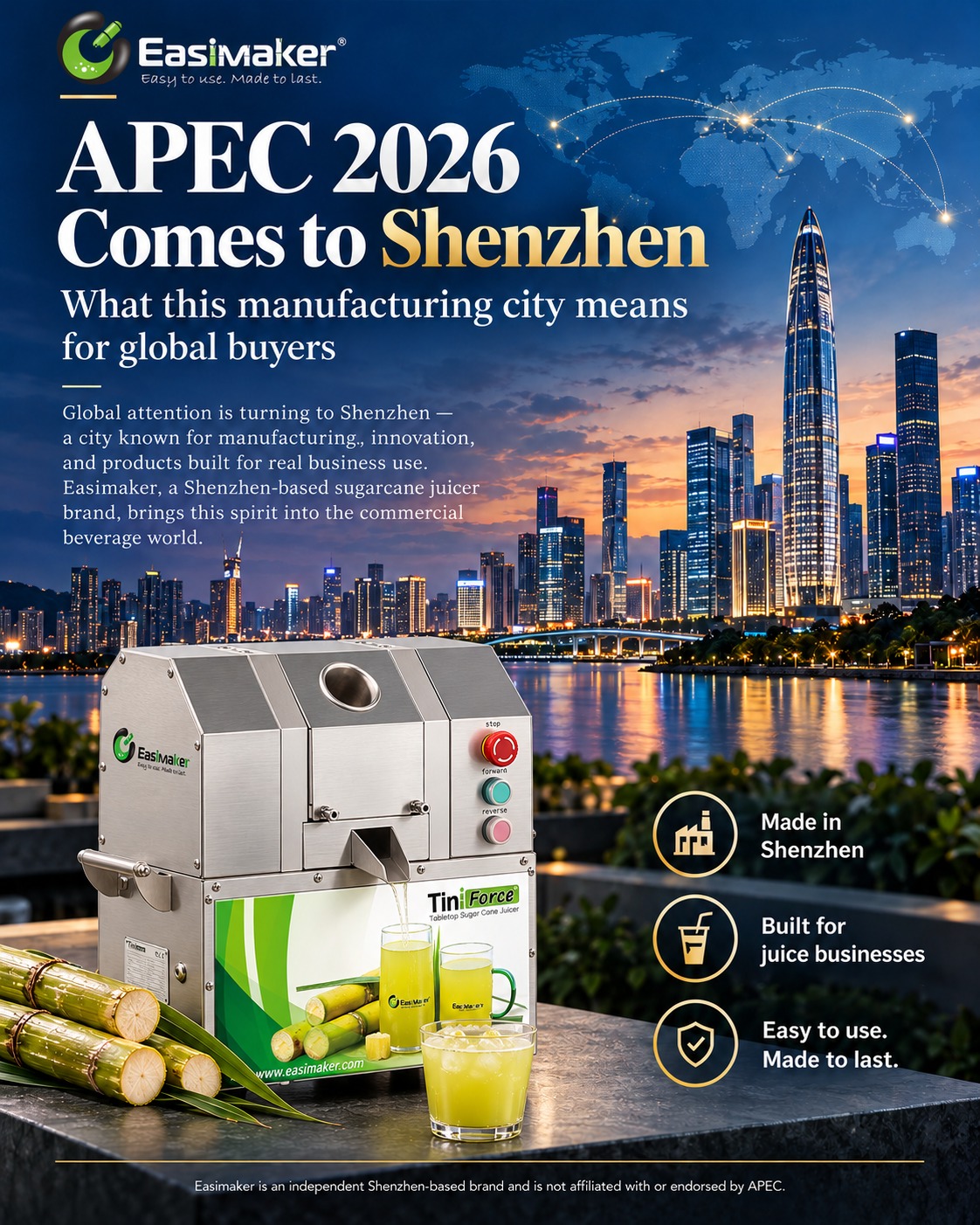
As Shenzhen prepares to host the APEC Economic Leaders’ Meeting in November 2026, regional cooperation provides a timely context for discussing the equipment used by food businesses across the Asia-Pacific. This year’s APEC theme is “Building an Asia-Pacific Community to Prosper Together”, with priorities of openness, innovation and cooperation. For Easimaker, a commercial sugarcane juicer brand based in Shenzhen, that context raises a practical question: what should an overseas food business expect from the equipment it buys? [1]
For a juice shop, restaurant or cafe, the answer involves more than output and purchase price. The machine will become part of a daily food preparation routine. Its food contact surfaces, cleaning access, operating limits and supporting documentation all deserve attention. As a brand serving commercial users, we see these questions as an essential part of a useful conversation between manufacturer, distributor and operator.
Bringing Regional Trade Down to the Counter
A commercial juicer purchased across borders ultimately has to work in a specific business. An operator in Singapore, Malaysia or Australia needs equipment that suits the available space, expected workload and local requirements. A successful purchase depends on understanding those conditions before the machine arrives.
From Easimaker’s perspective, the connection with APEC 2026 is practical. Regional cooperation encourages businesses to look beyond their own markets; equipment suppliers then need to explain their products in terms that overseas customers can assess. Clear specifications, usable instructions and evidence behind technical claims help turn an enquiry into an informed decision.
For commercial juice equipment, that conversation should begin with the preparation process itself. Customers see fresh cane and a finished drink. Operators need to understand every surface and component involved in making it.
Food Safety Begins Along the Juice Path
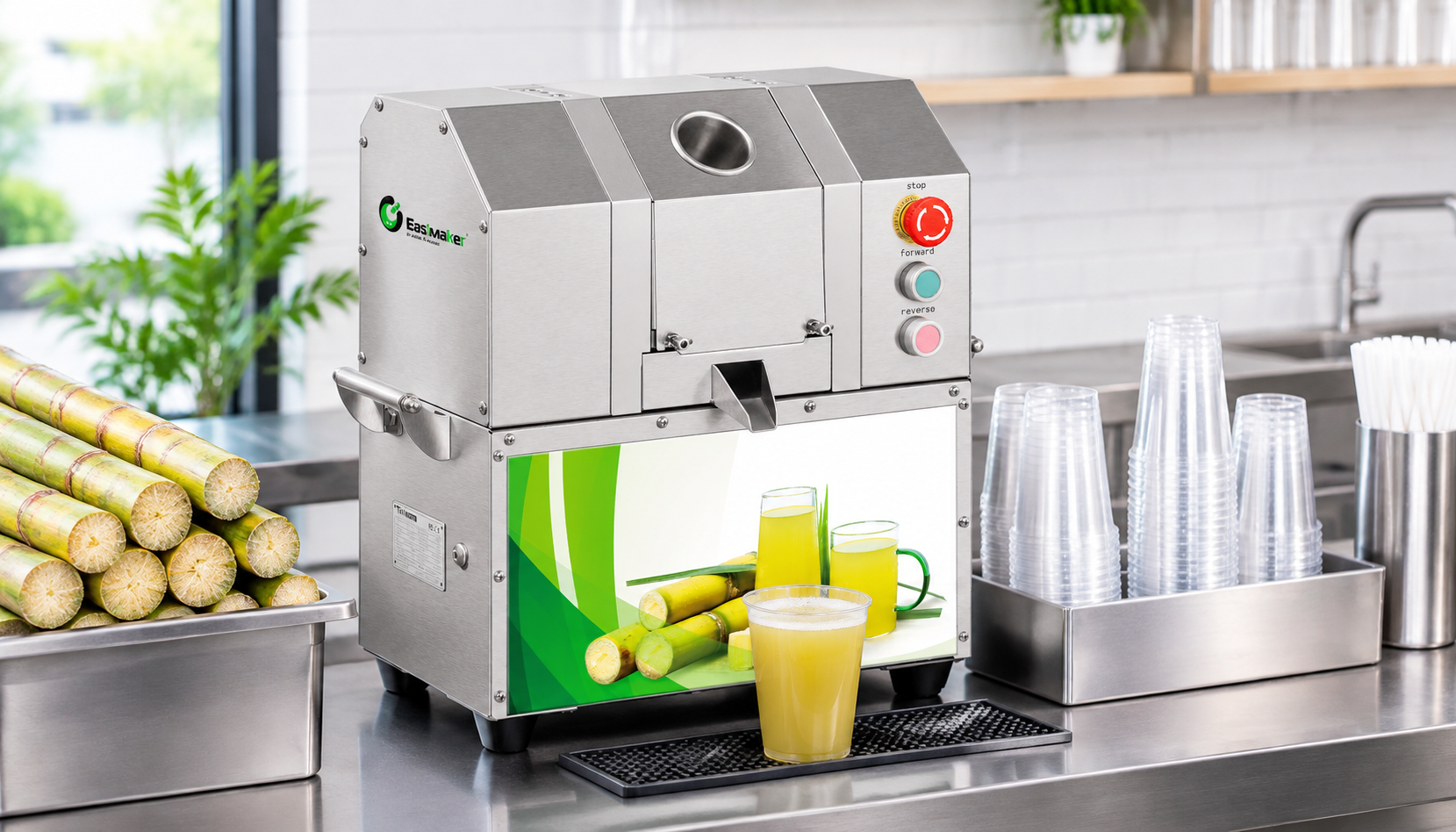
The exterior cabinet is only one part of a sugarcane juicer. Buyers should also examine the route from the cane inlet through the pressing area to the juice collection components and outlet. Depending on the design, this can include rollers, trays, filters, seals and other parts that are difficult to assess from a product photograph.
The relevant question is whether each food contact material and finish is suitable for its intended use. NSF identifies material safety and cleanable construction as important aspects of food equipment assessment. A stainless steel exterior alone cannot demonstrate those qualities throughout a machine. Buyers should ask which materials are used in the actual food contact areas and what documentation is available to support their suitability. [2]
At Easimaker, we believe these questions belong in the product discussion from the beginning. They help operators assess the parts that affect preparation directly, including non-metal components where they contact the cane or juice.
Cleaning Design Has to Work in Practice
Sugarcane pressing leaves fibrous residue and juice on the equipment. An operator therefore needs access to the areas where material collects, including the pressing section, collection tray, filter and outlet. A cabinet that is easy to wipe down is useful, but the internal cleaning routine also needs to be understood.
Before choosing a machine, buyers should request a demonstration of the complete cleaning process after actual pressing:
- Which parts are removable?
- Which areas are cleaned in place?
- Can staff inspect the surfaces for remaining residue?
- How are the components reassembled correctly?
These details reveal how the machine will fit into a working day.
Food Standards Australia New Zealand distinguishes cleaning, which removes dirt and food residue, from sanitising, which addresses microorganisms. Its guidance explains that cleaning must take place before sanitising. That distinction matters when assessing whether an equipment routine supports effective hygiene. [3]
Operators should follow the equipment instructions, the sanitising product instructions and applicable local requirements. The permitted washing method should also be clear. A stainless steel body does not establish that the entire powered machine can be hosed down, particularly around electrical components.
Reliability Means Understanding the Workload
The conditions behind a performance claim matter to a commercial buyer. A short demonstration with one piece of cane provides limited information about repeated operation during a busy service period. Cane size, preparation, operating duration and the environment should all be part of the discussion.
For Easimaker, reliability begins with matching the equipment to the work expected of it. Buyers should describe their likely volume and operating pattern, while suppliers should explain the recommended limits, feeding method and maintenance requirements for the proposed model. Output figures are more useful when the test conditions are stated clearly.
Instructions for abnormal operation matter as well. Staff need to know how to stop the machine and respond if feeding becomes irregular, a blockage occurs or an unusual sound develops. Troubleshooting should follow the manufacturer’s procedure rather than improvisation around moving parts.
Our phrase “Made to last” expresses a product priority within this practical setting. Long-term commercial use involves appropriate operation, inspection and maintenance. Buyers need to understand those responsibilities alongside the machine’s advertised performance.
Standards Give Buyers a Basis for Asking Better Questions
International purchasing brings different documents and terminology into the same conversation. Food contact materials, sanitation design, electrical safety and mechanical hazards are distinct areas of assessment. Buyers should identify what each document covers and whether it applies to the model they are ordering.
For example, NSF/ANSI 8 addresses food protection and sanitation requirements for commercial powered food preparation equipment, while NSF/ANSI 51 addresses materials and finishes used in food equipment. The appropriate standard and assessment scope need to be confirmed for the particular product. Mentioning a standard in a brochure does not establish certification to it. [4]
NSF describes its food equipment certification process as including product assessment and production facility audits. A material document, an individual test report and certification of a finished machine therefore provide different kinds of evidence. Operators and distributors should request documentation identifying the covered model, issuing body and scope. [2]
The destination market must also be considered. A buyer should confirm the requirements applied to the intended installation with the relevant local authority or qualified adviser. Regional trade does not remove the need to check product suitability and documentation for the business where the machine will be used.
Cooperation Also Happens Between Suppliers and Operators
Easimaker sees cooperation in everyday product conversations. An overseas operator can explain their cleaning routine, local installation conditions and staff’s experience with equipment. A distributor can identify the documents buyers need and the questions that repeatedly arise in their market. Those details give the supplier a clearer basis for assessing the proposed machine.
This exchange is particularly useful when a buyer is considering a sugarcane juicer for the first time. Discussing the actual workflow helps clarify what belongs in the equipment instructions and what the business needs to organise around the machine, including ingredient handling, clean utensils, waste removal and staff training.
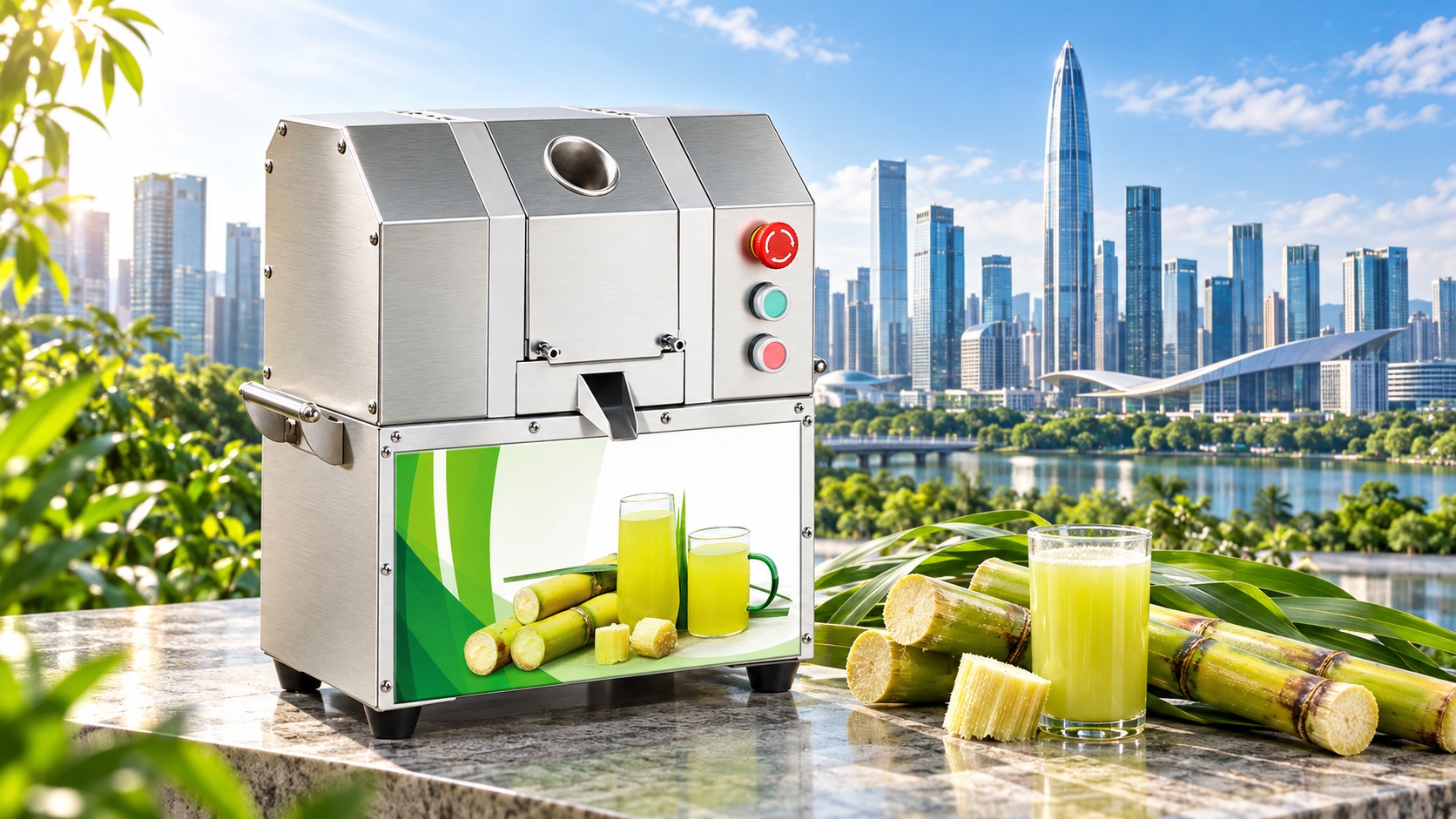
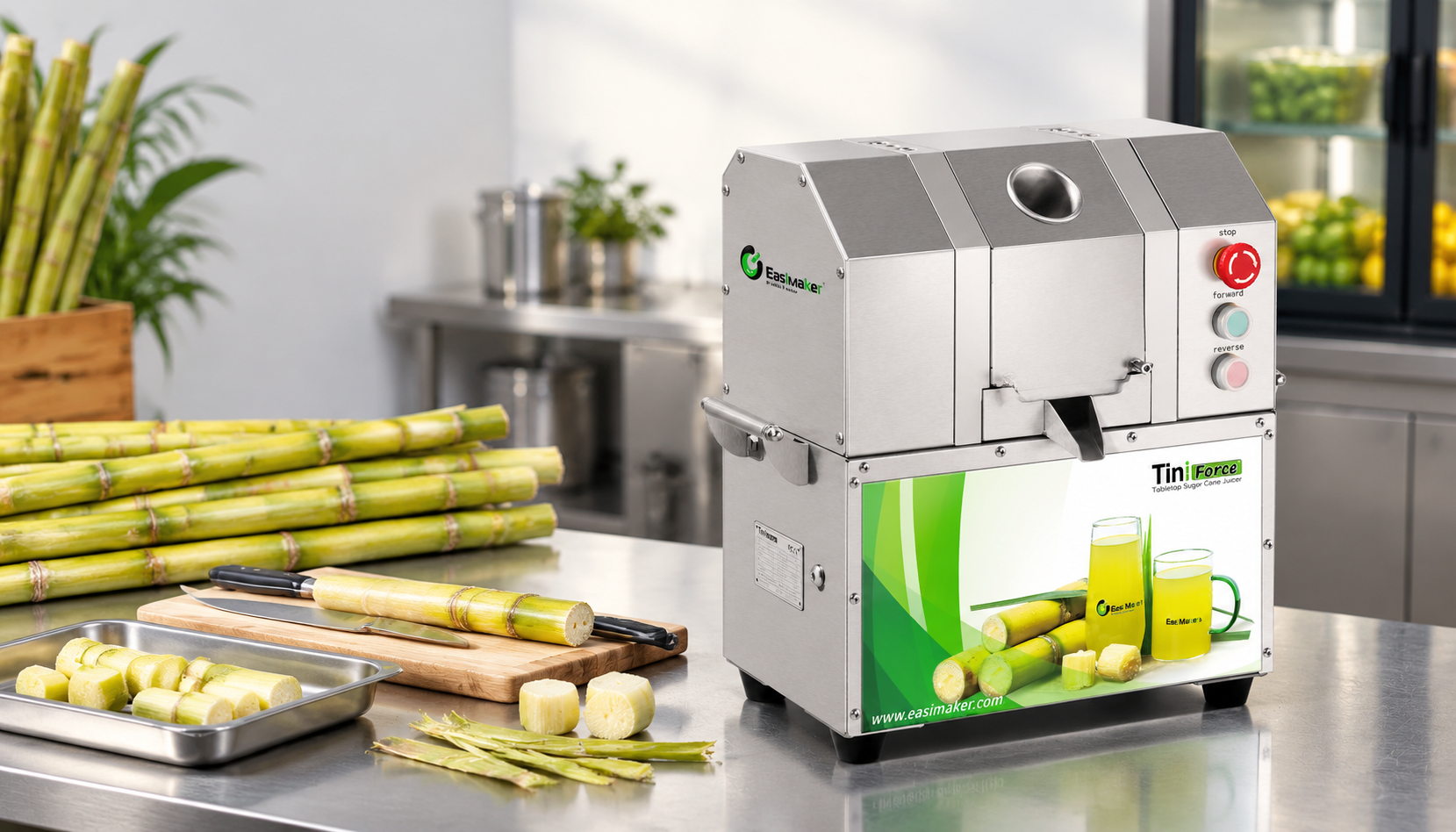
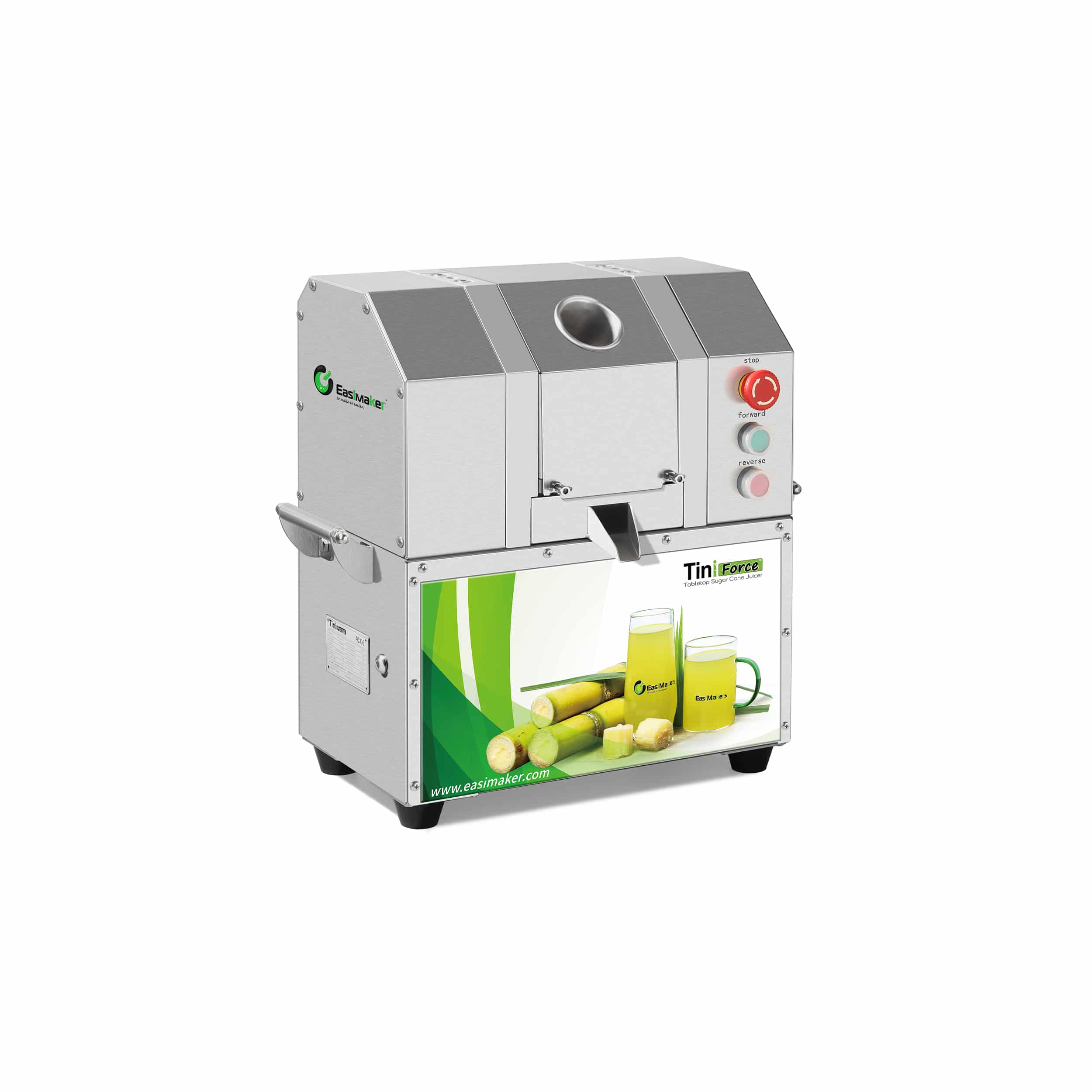
For TiniForce, our product focus is the daily work of preparing fresh sugarcane juice. Ease of use should include understanding the controls, reaching the areas that need cleaning and operating within clear limits. These are practical priorities that connect product design with the responsibilities of a food business.
An Easimaker Perspective during APEC 2026 Shenzhen
The attention surrounding APEC 2026 gives Easimaker an opportunity to contribute a small, practical perspective from Shenzhen’s commercial equipment sector. For the businesses buying our type of product, an informed decision depends on understanding how the machine handles food, how it will be cleaned and maintained, and what its documentation demonstrates.
As Shenzhen welcomes the region’s attention, we hope discussions about commercial juice equipment will include those questions. For Easimaker, making equipment easier to understand and assess is part of building a useful relationship with the people who will work with it every day.
Easimaker
Easy to use. Made to last.
Disclaimer: Easimaker is an independent brand based in Shenzhen and has no official partnership, affiliation or endorsement relationship with APEC. References to industry standards in this article do not represent a claim that Easimaker or TiniForce holds the certifications discussed. Product certification status should be confirmed through current documentation for the specific model.
References
- APEC China 2026. About APEC China 2026. https://www.apec2026.cn/node_195.html
- NSF. Food Equipment Certification. https://www.nsf.org/food-beverage/commercial-food-equipment/food-equipment-certification
- Food Standards Australia New Zealand. Cleaning and sanitising. https://www.foodstandards.gov.au/business/food-safety/cleaning-and-sanitising
- NSF. Food Equipment Standards. https://www.nsf.org/nsf-standards/standards-portfolio/food-equipment-standards