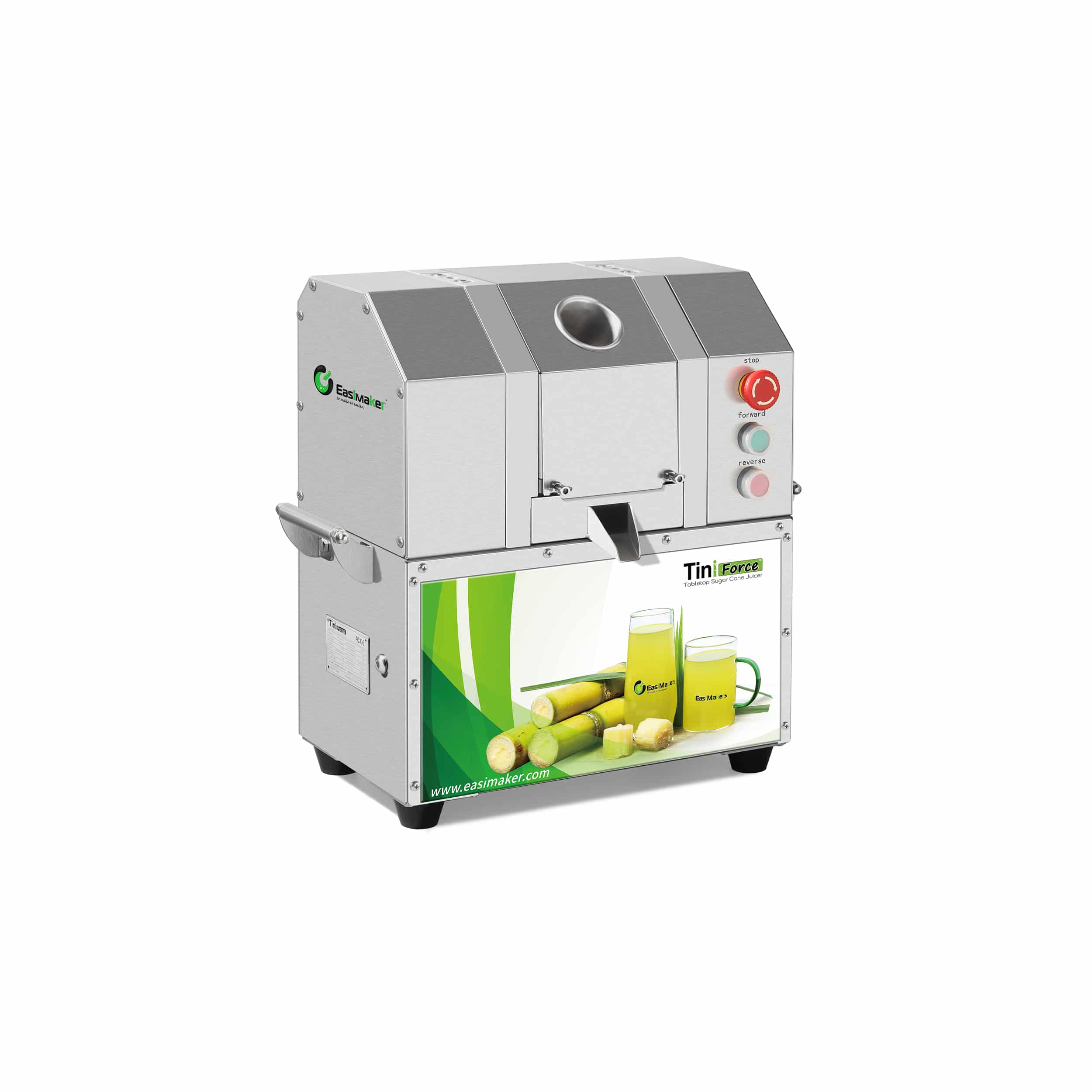

Operating a commercial juice bar, industrial beverage facility, or high-volume food service operation involves handling large quantities of sticky, sugar-rich liquids. For sugarcane juice extraction, rigorous daily cleaning is non-negotiable to maintain hygiene standards and prevent bacterial growth. However, introducing water to electrical equipment creates significant operational risks.
This is where juicer IP ratings (Ingress Protection) become a critical specification. Understanding the waterproofing and washdown safety standards of your equipment ensures staff safety, prolongs machine lifespan, and minimizes costly downtime. This comprehensive technical guide explores how to evaluate waterproof sugarcane machines, compare IP specifications, and make informed procurement decisions for your business.
What Are IP Ratings? Decoding the Standard
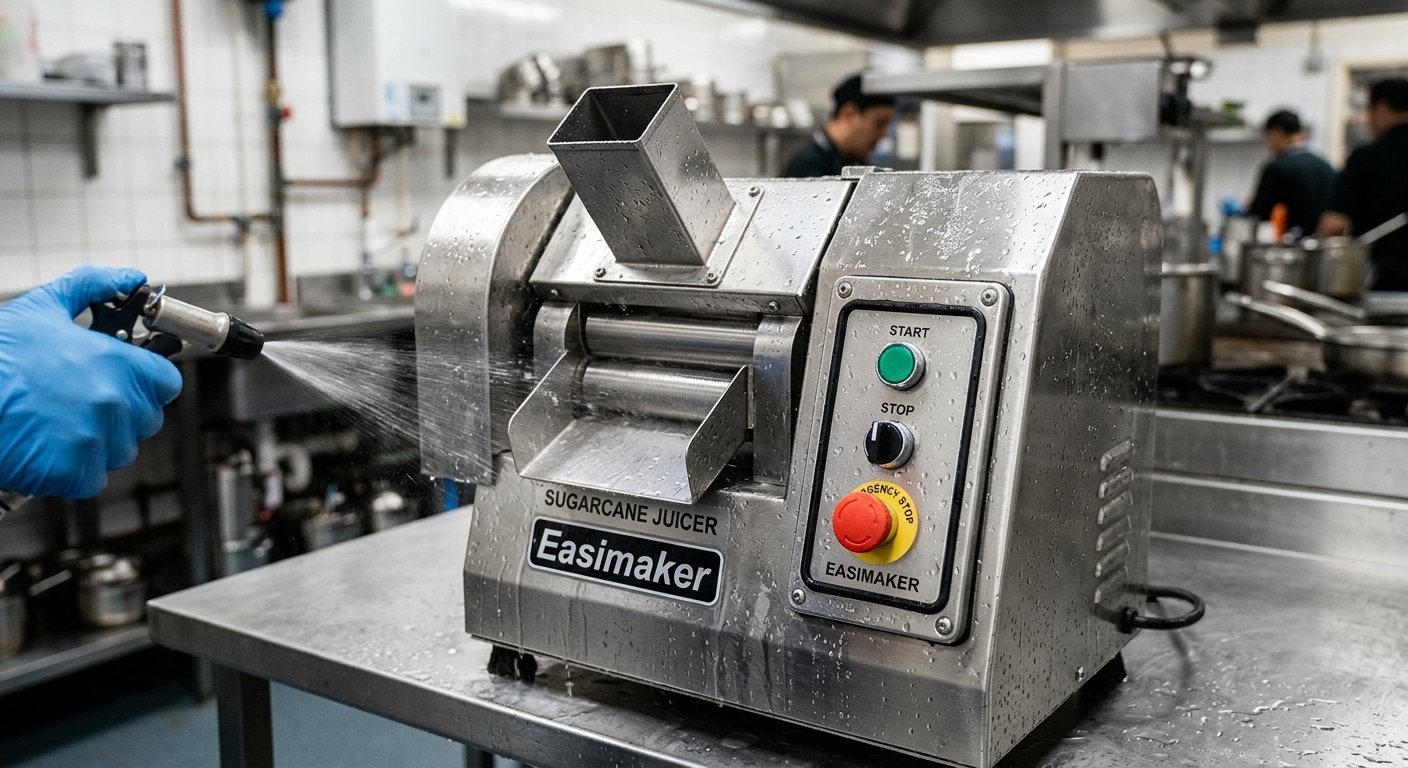
The Ingress Protection (IP) rating system is an internationally recognized standard (IEC 60529) that classifies the degree of protection provided by mechanical casings and electrical enclosures against intrusion, dust, accidental contact, and water.
An IP rating typically consists of two digits (e.g., IP55):
- First Digit (0-6): Indicates the level of protection against solid objects and dust. A rating of 5 means it is dust-protected, while 6 means it is completely dust-tight.
- Second Digit (0-8): Indicates the level of protection against liquids (water). This is the most critical metric for washdown safety in commercial juicers.
Why IP Ratings Matter for Commercial Sugarcane Juicers
Unlike standard citrus presses, sugarcane machines require powerful electric motors and heavy-duty gearboxes to crush dense cane stalks. The intersection of high-torque electrical components and a wet, sticky environment demands specialized engineering.
1. Electrical Safety in the Juice Bar
Commercial kitchens and juice bars are inherently wet environments. If water penetrates the motor housing or control switches during operation or cleaning, it can cause short circuits, electrical shocks, or even fires. A proper IP rating ensures that operators are protected from electrical hazards during their daily workflow.
2. Washdown Safety and Hygiene Compliance
Sugarcane residue is highly corrosive and prone to rapid fermentation. Facilities must sanitize equipment thoroughly, often using low-pressure hoses or wet wiping methods. A waterproof sugarcane machine allows staff to perform aggressive washdown protocols without fear of damaging the internal electronics, ensuring compliance with local health department regulations.
3. Equipment Longevity and ROI
Moisture ingress is a leading cause of premature failure in commercial electric juicers. When water reaches the motor windings or circuit boards, it causes oxidation, rust, and eventual dielectric breakdown. Investing in equipment with appropriate commercial juicer specifications reduces replacement cycles and lowers the total cost of ownership.
Comparing IP Ratings for Washdown Environments
Not all waterproof ratings are created equal. When evaluating commercial juicers, buyers typically encounter the following specifications. Here is how they compare for sugarcane extraction environments:
| IP Rating | Water Protection Level | Suitability for Sugarcane Juicers |
|---|---|---|
| IPX3 | Spraying water (up to 60 degrees from vertical) | Inadequate. Only suitable for light wiping. Cannot withstand standard cleaning protocols. |
| IPX4 | Splashing water from any direction | Minimum Standard. Suitable for careful, manual cleaning with damp cloths. Not ideal for hose-downs. |
| IPX5 | Water jets (low pressure) from any direction | Recommended. Ideal for most commercial juice bars. Withstands standard washdown procedures and accidental sprays. |
| IPX6 | Powerful water jets (high pressure) | Premium. Best for industrial settings or high-volume facilities where pressure washers are used for sanitation. |
Key Specifications to Evaluate in Waterproof Sugarcane Machines
Beyond the official IP rating, procurement teams should inspect the physical engineering of the machine to verify its durability in wet environments.
Sealed Motors and Gearboxes
The core of an electric sugarcane juicer is its motor. High-quality machines utilize fully enclosed fan-cooled (TEFC) motors or custom-sealed housings that prevent moisture from reaching the copper windings. The gearbox should also be hermetically sealed to prevent water from contaminating the lubricating oil.
Waterproof Switches and Controls
Control panels are highly susceptible to liquid damage. Look for machines equipped with silicone-covered toggle switches, membrane keypads, or IP65-rated push buttons. Emergency stop buttons must also be fully sealed against moisture.
Housing Material and Drainage Design
Even with high IP ratings, water should not pool on the machine. The best commercial juicers are constructed from food-grade stainless steel (SUS304 or SUS316) with sloped chassis designs that direct water and juice away from electrical entry points. Seamless welding reduces crevices where water and bacteria can hide.
Manufacturing, Quality, and Testing Considerations
When sourcing equipment from international manufacturers, it is essential to understand their quality assurance (QA) processes regarding waterproofing.
- Ingress Testing: Reputable factories conduct standardized water spray tests on the assembly line to verify the IP rating of the final product.
- Gasket and O-Ring Quality: The longevity of an IP rating depends heavily on the quality of rubber seals. Industrial-grade EPDM or food-safe silicone gaskets are required to maintain the seal over years of thermal cycling and chemical exposure.
- Cable Glands: The point where the power cord enters the machine is a common failure point. Ensure the manufacturer uses heavy-duty, liquid-tight strain relief connectors.
B2B Buying Guide: Procuring Waterproof Sugarcane Machines
For distributors, brand owners, and procurement managers, purchasing commercial sugarcane juicers requires careful supplier evaluation. Keep the following factors in mind:
- Customization and Voltage: Ensure the manufacturer can supply the correct voltage (e.g., 110V/220V) and plug types for your target market while maintaining the machine’s waterproof integrity.
- MOQ (Minimum Order Quantity): If you require custom branding, specialized waterproof switches, or specific stainless steel grades, factories may require a higher MOQ. Standard configurations often have lower MOQs.
- Sampling: Always request a sample unit before committing to a bulk order. Test the machine in a real-world washdown scenario to verify the manufacturer’s IP claims.
- Certifications: While an IP rating is a technical standard, check if the machine also holds relevant electrical safety certifications (CE, UL, or RoHS) required by your local jurisdiction.
Frequently Asked Questions (FAQs)
Can I use a pressure washer on an IPX5 sugarcane juicer?
No. IPX5 protects against low-pressure water jets (like a standard garden hose or sink sprayer). Using a high-pressure washer requires an IPX6 or IPX6K rating. Pressure washing an IPX5 machine can force water past the seals and damage the motor.
What happens if water enters the motor housing?
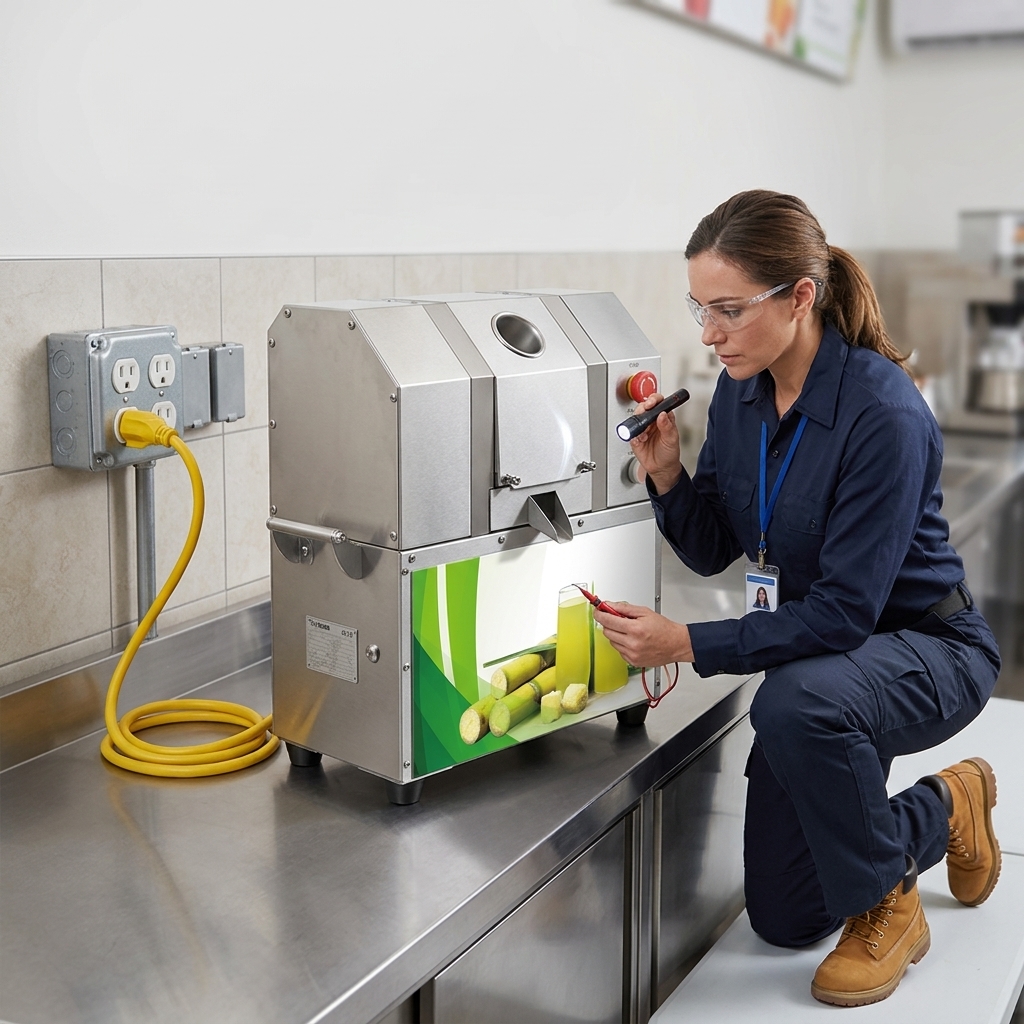
If water breaches the enclosure, it can cause immediate short circuits, trip your facility’s circuit breakers, and potentially burn out the motor windings. The machine must be immediately disconnected from power and inspected by a qualified technician.
Do IP ratings degrade over time?
Yes. The rubber gaskets, O-rings, and switch covers that provide waterproofing can degrade due to UV exposure, harsh cleaning chemicals, and general wear and tear. Regular maintenance and replacing worn seals are necessary to maintain washdown safety.
Is a stainless steel body enough to make a machine waterproof?
No. While stainless steel prevents rust and corrosion on the exterior, it does not guarantee that the internal electrical components are sealed. The machine’s internal engineering, gaskets, and switch covers determine its true IP rating.
How should staff clean an electric sugarcane juicer safely?
Staff should always disconnect the machine from the power supply before cleaning. Removable parts (rollers, trays) should be taken to a sink. The main body should be cleaned according to its specific IP rating—typically using a damp cloth, soft brush, or low-pressure spray, avoiding direct water flow into ventilation ports.
Ensure Safety and Durability in Your Operations
Investing in commercial sugarcane juicers with appropriate IP ratings is essential for protecting your staff, maintaining strict hygiene standards, and ensuring the long-term profitability of your equipment. By understanding these commercial juicer specifications, you can confidently source machines that withstand the rigorous demands of daily washdown protocols.
Looking to upgrade your equipment or source high-quality, washdown-ready electric sugarcane juicers for your distribution network? Request a quote / Get a sample today to evaluate our robust, commercially rated machines.