Table of Contents
- What You Need to Start
- Choose a Business Model
- Check Local Requirements Before Launch
- Plan Your Menu and Sugarcane Supply
- Choose Commercial Equipment for Daily Service
- Design a Practical Production Workflow
- Manage Cleaning, Maintenance, and Support
- Test, Launch, and Grow Carefully
Starting a sugarcane juice business in the USA requires more than buying a juicer. This practical guide covers business format, local compliance, equipment selection, cane sourcing, workflow, cleaning, and operating planning for commercial buyers.
What You Need to Start a Sugarcane Juice Business
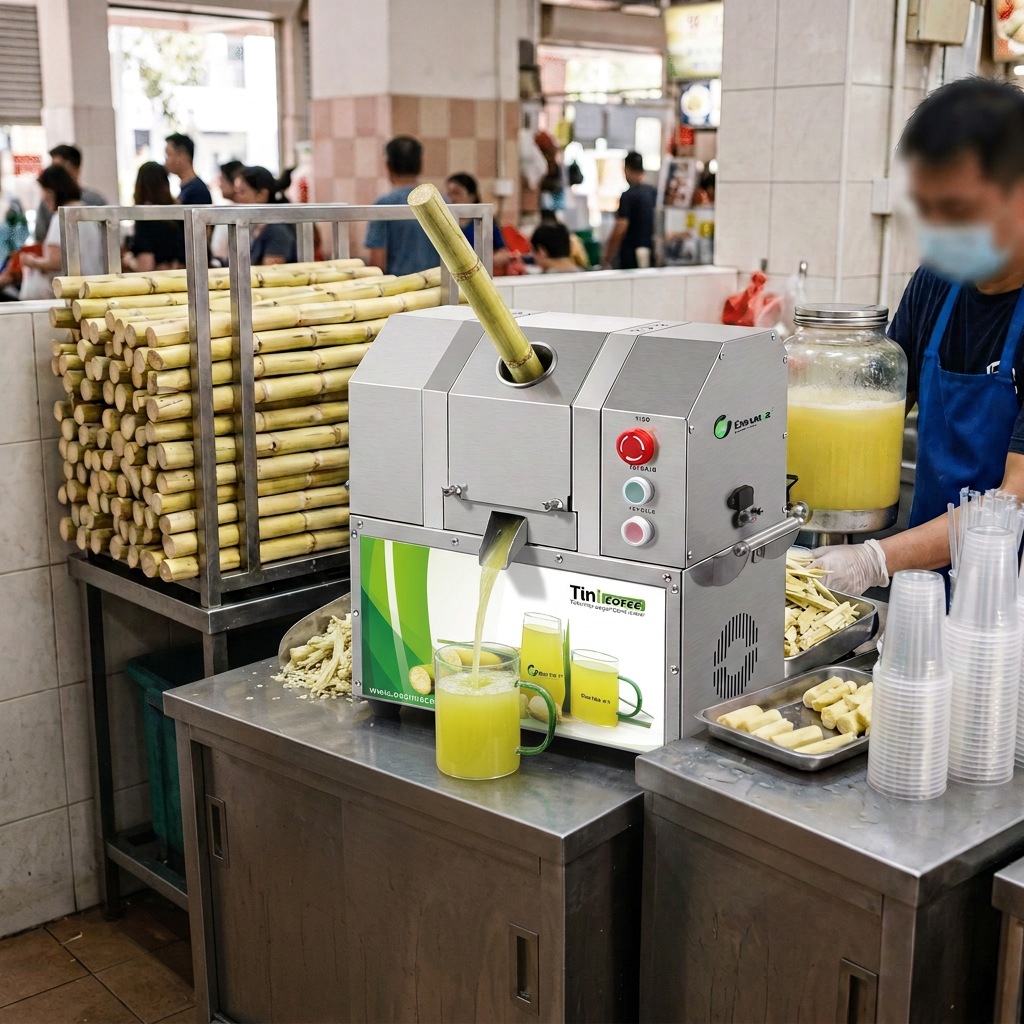
To start a sugarcane juice business in the USA, first choose a service format that fits your market, confirm the local requirements that apply to your location, secure a dependable source of food-grade sugarcane, and build a clean workflow around a commercial sugarcane juicer. Your machine, preparation area, cold holding, waste handling, cleaning routine, and staff training should work together from the first day of service.
Sugarcane juice is usually made to order by feeding cleaned cane through a roller-based juicing machine, then serving the juice promptly or handling it under the procedures required for the operation. It can suit a dedicated juice counter, food court kiosk, restaurant, specialty grocery, farmers market stall, mobile unit, or seasonal event operation. The right format depends on local rules, foot traffic, operating hours, labor, and how consistently you can receive fresh cane.
Do not begin with equipment alone. Treat the business as a foodservice operation: verify the premises and permit path, document your processes, select equipment for repeated commercial use, and ensure that you can clean and maintain it between service periods. A simple, controlled opening setup is often easier to manage than a broad menu and high-volume promise before demand has been tested.
Choose a Business Model Before You Buy Equipment
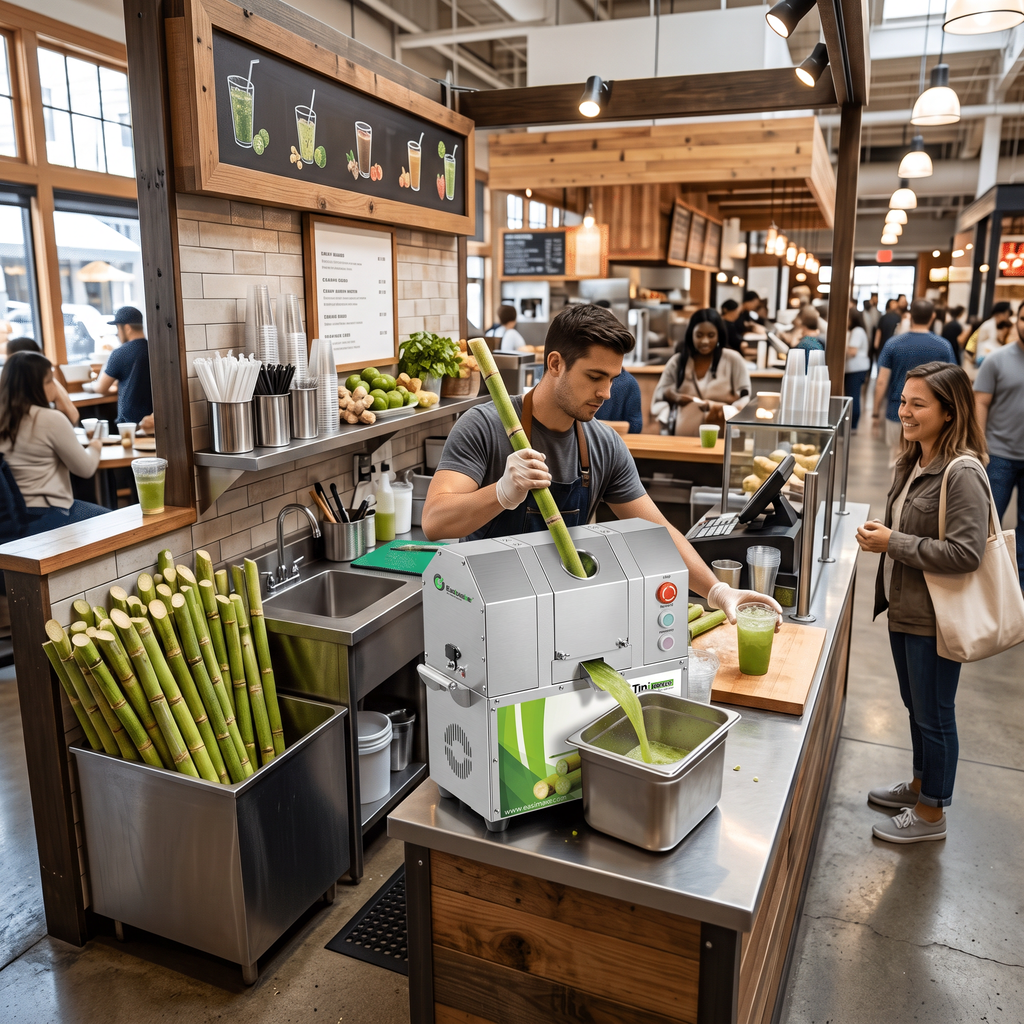
The business model determines your utility needs, prep space, staffing pattern, equipment footprint, and compliance questions. Define it before comparing machines or signing a lease.
Common formats
- Dedicated juice shop or counter: Best when you can support regular operating hours, a visible preparation area, cold storage, wash facilities, and a focused beverage menu.
- Restaurant or cafe add-on: Can be practical when an existing licensed kitchen, sink access, refrigeration, staff, and point-of-sale system are already in place. Consider whether cane preparation will interrupt other production work.
- Food court or mall kiosk: Requires close attention to power, drainage, ventilation rules where applicable, storage limits, landlord approval, and peak-period throughput.
- Mobile or event vending: Can help test demand, but vehicle or temporary-event requirements, water supply, wastewater handling, generator power, transport, and limited preparation space must be planned early.
- Specialty retail or wholesale supply: Adds packaging, labeling, storage, and distribution considerations. The correct process depends on the product, shelf-life approach, and local regulatory requirements.
For a first operation, a made-to-order model with a short menu is often the clearest place to begin. It keeps the customer proposition simple and helps the operator understand actual demand before adding packaged products, multiple sites, or a wider food menu.
Write a one-page operating brief that records your expected opening hours, busiest periods, service location, number of operators, available electrical supply, water and drainage access, cane storage space, and daily cleaning responsibility. This brief will make supplier conversations and equipment comparisons more productive.
Check Local Requirements Before Launch
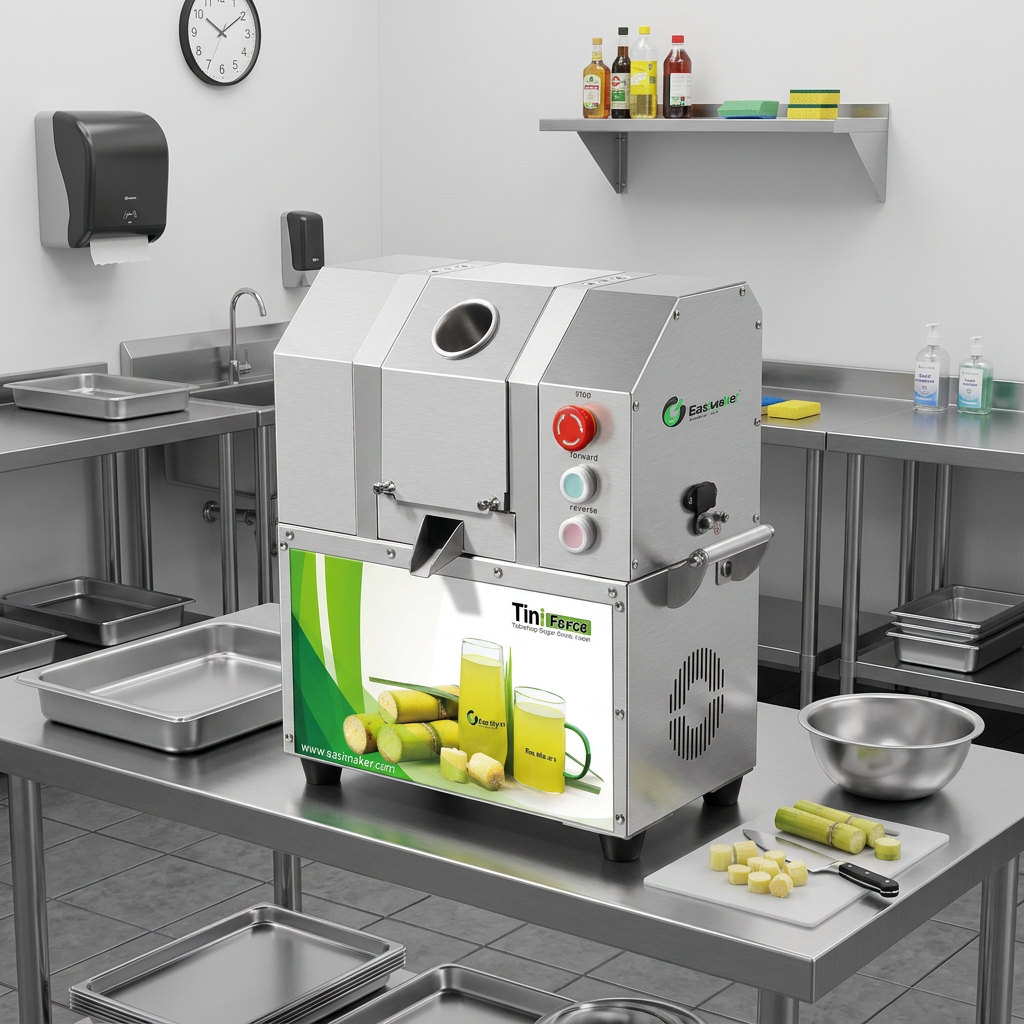
Food business requirements in the USA are not uniform across every city, county, or state. The details may depend on whether you operate from a fixed shop, shared commercial kitchen, restaurant, temporary event booth, farmers market, or mobile food unit. Speak with the relevant local health or food-service authority before committing to a site, layout, or machine.
Ask what applies to your exact operation, including food establishment permits, plan review, approved water and wastewater arrangements, handwashing facilities, warewashing, refrigeration or cold holding, employee food-safety training, pest control, waste disposal, and mobile or temporary-vending permits. A landlord, event organizer, commissary kitchen, or mall operator may also have separate construction, insurance, access, and utility requirements.
Do not assume that a workflow accepted at one venue will be accepted at another. The way you wash cane, store ingredients, collect bagasse, sanitize food-contact surfaces, hold prepared products, and transport stock should be reviewed against the requirements for your location. If you plan to sell bottled juice or distribute beyond the point of preparation, obtain specific guidance before designing labels or making shelf-life decisions.
From a business perspective, also establish the legal entity, tax registration, insurance, payment processing, bookkeeping, and supplier records appropriate to your operation. Local professional advice is useful where you need it. Equipment suppliers can explain machine specifications and service arrangements, but they cannot determine your local compliance obligations.
Plan Your Menu and Sugarcane Supply
Your menu should match the production process you can perform consistently. A made-to-order sugarcane juice menu may include plain cane juice and a limited number of clearly defined additions, subject to your local requirements and food-safety plan. Each menu item adds ingredients, storage needs, allergen or cross-contact considerations where relevant, preparation steps, and cleaning work.
Sugarcane quality directly affects service consistency. Establish a supplier relationship that can provide cane suitable for food use and capable of meeting your expected delivery schedule. Ask practical questions: where is it packed, how is it transported, what are the typical cane lengths and diameters, how is it protected from damage, and what happens when a delivery is delayed or inconsistent? Inspect incoming cane for cleanliness, damage, deterioration, and suitability before it enters production.
Plan storage around the physical volume of the cane. Whole stalks need protected space, orderly rotation, and a process that prevents incoming stock from mixing carelessly with stock already prepared for service. Keep receiving, washing, trimming, juicing, and waste handling logically separated as your site allows. The goal is not a complicated layout; it is a repeatable path that employees can follow during a busy period.
Build your initial menu around ingredients you can source reliably. Record the recipe, portion method, serving cup or packaging, price, and preparation sequence for every item. This creates a baseline for training and helps reveal whether the menu is realistic for one operator during peak traffic.
Choose Commercial Equipment for Daily Service
A commercial sugarcane juicer should be selected for your real workflow, not for a vague idea of future volume. The machine must suit the cane you receive, the number of drinks you expect to prepare during busy periods, available counter or floor space, electrical supply, cleaning access, and the support you can obtain after installation.
Start by comparing commercial equipment against your operating conditions. A home-oriented juicer may be appropriate for occasional personal use, but a public-facing business needs a machine designed around repeated operation, operator safety, maintainability, and a service environment. Review the practical differences in this guide to commercial and home sugarcane juicers before making a budget decision.
Key buying questions include:
- Can the feed opening and roller arrangement accommodate the usual cane size after your preparation process?
- Does the machine fit the electrical characteristics available at your location? Confirm voltage, frequency, plug arrangement, and any installation needs before ordering.
- Can staff safely access the areas that require daily cleaning and inspection?
- Is there enough nearby work surface for prepared cane, cups, ingredients, and sanitary handling without crowding the juicer?
- How will the operation collect and remove bagasse during service?
- Which wear items and replacement parts should be available, and how will you identify the correct parts for your model?
- What manufacturer, distributor, or local technician support is available in your market?
A structured comparison is more useful than choosing by price alone. Use a commercial sugarcane juicer selection guide to compare service volume, workspace, power supply, cleaning needs, and support. Before placing an order, ask the supplier detailed questions about compatibility, cleaning access, construction, parts, warranty terms, and delivery documentation. This checklist of questions for a sugarcane juicer manufacturer is a useful procurement reference.
Design a Practical Production Workflow
Good workflow protects product quality and makes service easier for the operator. Place the equipment so each step follows a clear order: receive and inspect cane, store it, wash and prepare it according to your procedure, feed the juicer, collect the juice, serve or transfer it as permitted, manage bagasse, and clean down the station.
Separate clean and waste paths where the layout allows. Cane preparation should not compete for space with finished drinks. Bagasse containers should be stable, easy to remove, and emptied on a planned schedule so waste does not accumulate around the machine. Cups, lids, straws, and permitted added ingredients should be within reach without forcing staff to cross the preparation area repeatedly.
Plan for the busy hour, not only the quiet hour. Run a service simulation before opening: one person receives an order, prepares cane, juices, serves, takes payment, restocks, and manages waste. Observe where the sequence slows down or creates a hygiene problem. You may find that a second prep surface, a better cane rack, additional cold storage, a dedicated waste cart, or a different counter orientation matters more than adding menu items.
Staff training should cover safe use of the machine, the exact preparation method, handwashing and surface sanitation procedures, approved cleaning chemicals, shutdown checks, and when to stop using equipment that appears damaged or abnormal. Keep operating instructions available at the station and ensure that staff know who to contact for support.
Manage Cleaning, Maintenance, and Support
Cleaning is a core operating process, not an end-of-day afterthought. Set a written schedule for pre-opening inspection, cleaning during service as needed, end-of-day cleaning, and periodic maintenance. Follow the machine manual and the chemical supplier instructions, and use only cleaning procedures that are compatible with the equipment materials and your local food-service requirements.
Daily records can be simple but useful. Note the date, operator, cleaning completion, unusual machine noise or movement, visible wear, drainage or waste issues, and any part replaced. These records help managers identify recurring problems before they interrupt service.
Keep the machine identification, purchase documents, manual, and service contact details accessible. Before opening, discuss the spare-parts path with your supplier. A practical sugarcane juicer spare-parts and support checklist can help you identify the model information, routine wear items, and service questions that should be documented for your operation.
Do not improvise repairs or continue operating a machine that has a damaged guard, unstable installation, electrical issue, unexpected noise, or abnormal performance. Isolate the equipment, follow the manufacturer guidance, and arrange qualified assessment where required. Preventive attention is generally easier to schedule than an unplanned interruption during a busy service day.
Test, Launch, and Grow Carefully
Before a full launch, run a controlled trial with the actual cane, cups, ingredients, staff, counter layout, and equipment you will use in service. Time each stage, record waste, note cleaning needs, and listen to staff feedback. The purpose is to validate the process, not to make assumptions about demand or output.
Track a small number of useful operating measures from day one: number of drinks sold by time period, cane deliveries and condition, stock loss, waste removal frequency, cleaning completion, equipment downtime, customer comments, and peak staffing needs. These records help you decide whether to adjust pricing, opening hours, inventory, layout, staffing, or equipment capacity.
Expand only after the first workflow is stable. A second machine, an additional location, a broader menu, or packaged products each add complexity. When adding a distributor range or a branded equipment programme, clarify target users, electrical-market requirements, documentation, service responsibilities, and spare-parts planning. The OEM sugarcane juicer guide for distributors and brands outlines the commercial planning questions for that type of project.
A sustainable sugarcane juice business is built on consistent purchasing, clean daily operation, suitable equipment, responsive support, and a service model matched to the local market. Focus on those fundamentals before pursuing rapid expansion.