The Economic Impact of Sugarcane Juice Businesses in Emerging Markets

Fresh sugarcane juice has moved far beyond street carts. In many emerging markets, it is becoming a formalized, equipment-driven business model with strong returns on relatively modest capital investment.

This article is for distributors, investors, equipment buyers, and foodservice operators evaluating sugarcane juice as a growth category. We focus on how modern sugarcane juice businesses drive local economic growth, the key market trends, and what this means for equipment selection and project planning.

1. Why Sugarcane Juice Matters in Emerging Markets

Sugarcane is one of the most widely grown crops in many developing countries. Turning it into freshly pressed juice close to the point of harvest creates a short, efficient value chain with strong local impact:

  • Low raw material cost, high perceived value: Cane is cheap at the farm gate, but fresh sugarcane juice is sold at a significant markup in urban and semi-urban outlets.
  • Fast payback cycles: Kiosk or shop-format sugarcane juice operations can reach breakeven relatively quickly when equipped with reliable, low-maintenance machines.
  • Job creation: Each outlet creates direct employment (operators, cashiers) and indirect jobs (farmers, transporters, technicians).
  • Urbanization & heat: In hot-climate cities, cold beverages are daily essentials; fresh cane juice fits local taste, price expectations, and nutrition preferences.

For equipment buyers, the economic logic is simple: reliable sugarcane juice machines can convert abundant local crops into a standardized, profitable beverage concept.

2. Key Concepts: From Street Cart to Scalable Beverage Business

Understanding the types of sugarcane juice businesses helps frame the economic impact and equipment needs.

2.1 Typical Business Models

  • Street carts & micro-kiosks: Low capex, often one machine and basic refrigeration. High flexibility, ideal for dense foot-traffic areas.
  • Permanent retail shops: Fixed locations in markets, malls, or near transport hubs. Higher daily throughput, more stable demand.
  • Franchise / chain formats: Standardized branding and recipes, centralized procurement, and defined operating procedures. Requires consistent machine specifications across outlets.
  • Foodservice & hospitality integration: Sugarcane juice as an add-on beverage in cafés, QSR chains, juice bars, hotels, and resorts.
  • Packaged sugarcane juice (short shelf life): Chilled, minimally processed juice sold in bottles/cups. Demands strict hygiene and reliable pressing performance.

2.2 Where Equipment Makes the Difference

Modern sugarcane juice extractors change the economics compared with traditional manual or improvised equipment:

  • Higher extraction efficiency (more juice per kg of cane)
  • Consistent output quality and hygiene
  • Reduced labor effort per liter of juice
  • Lower downtime and predictable maintenance

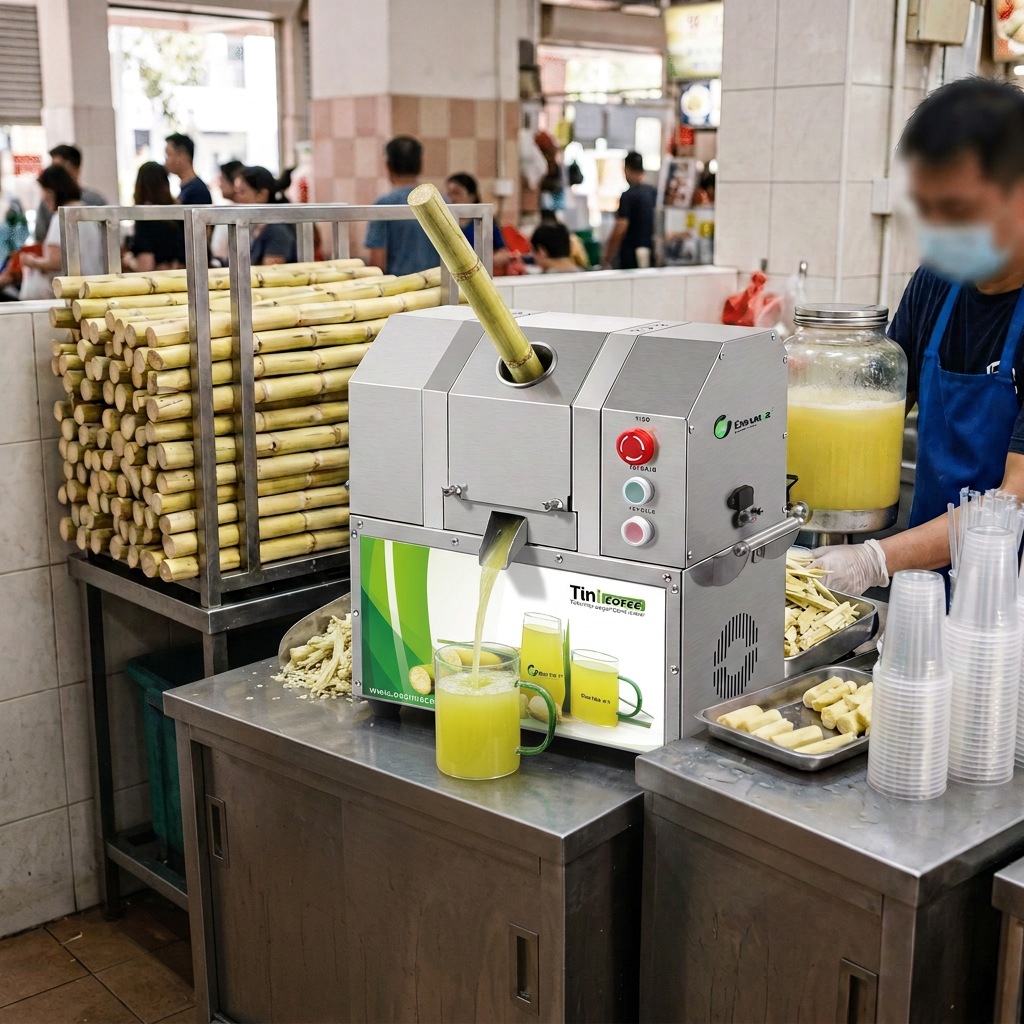
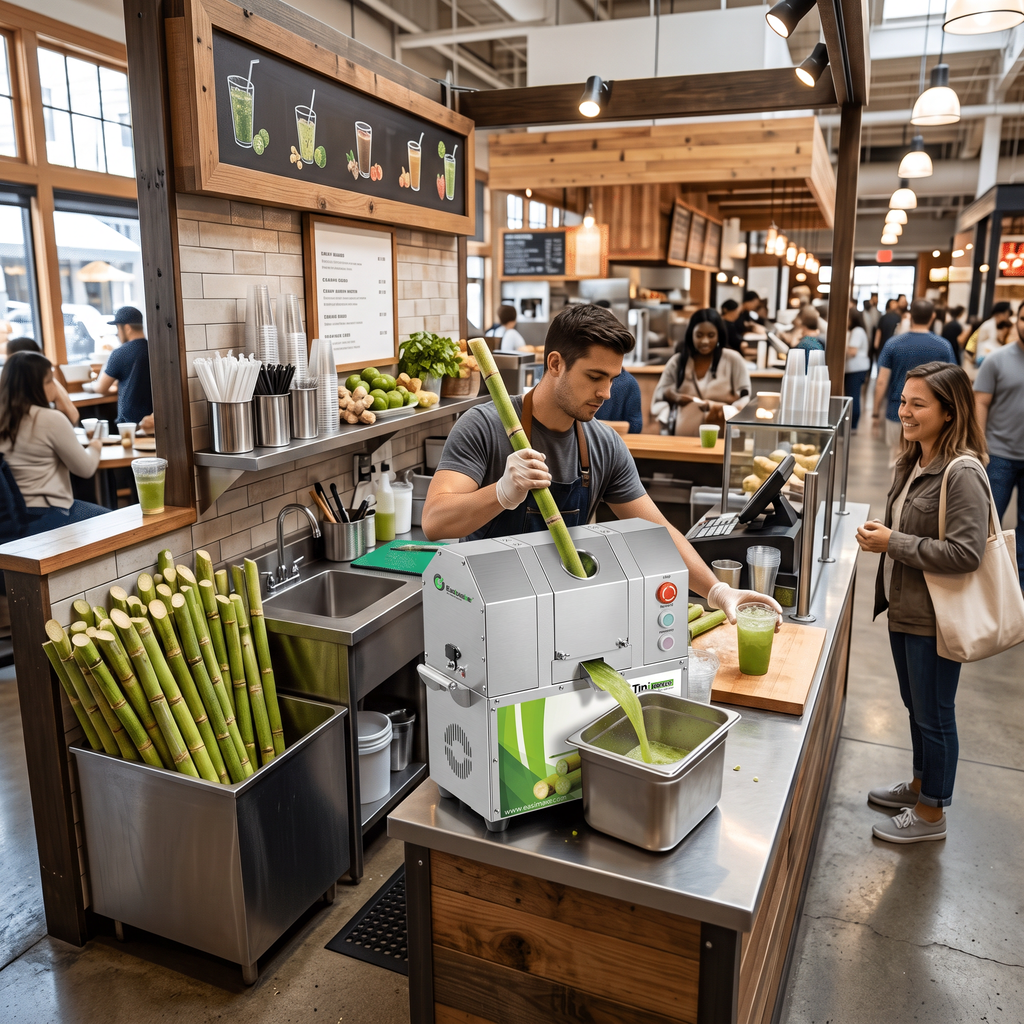
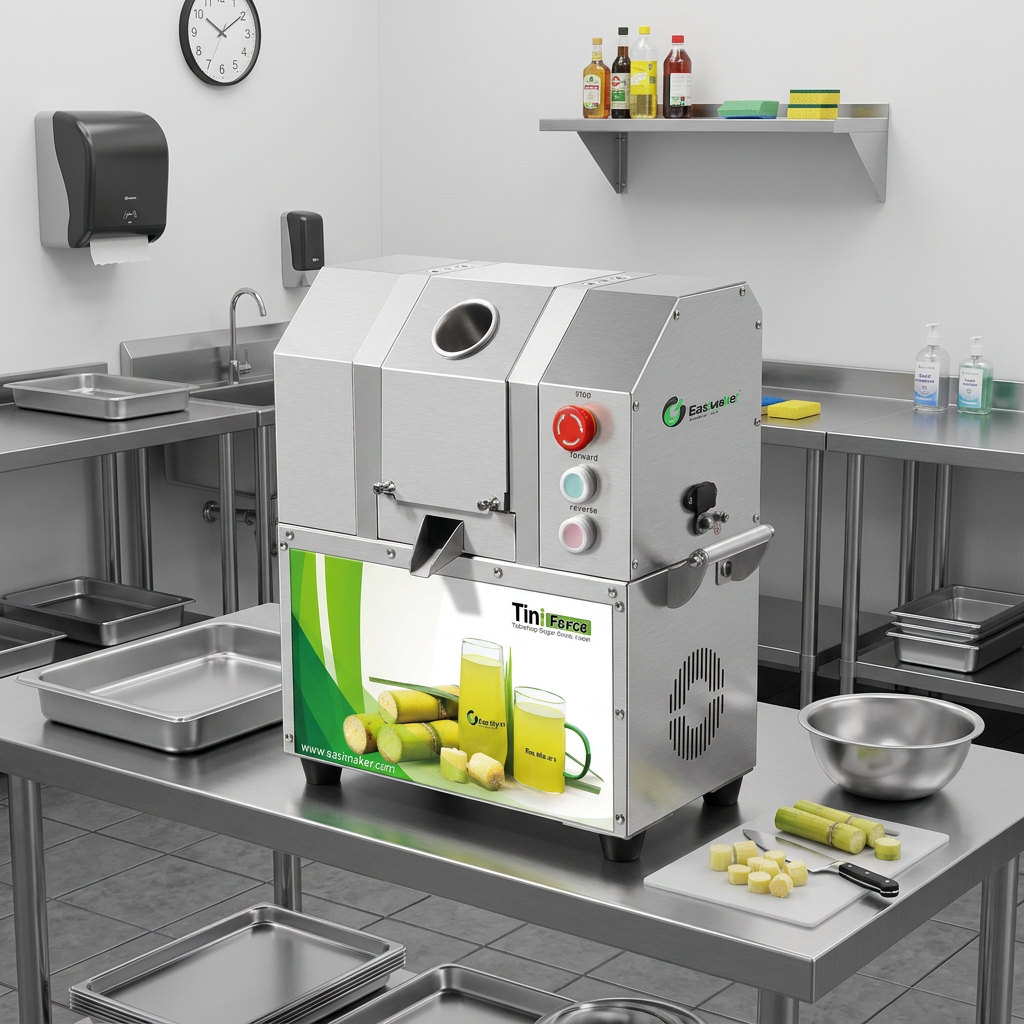
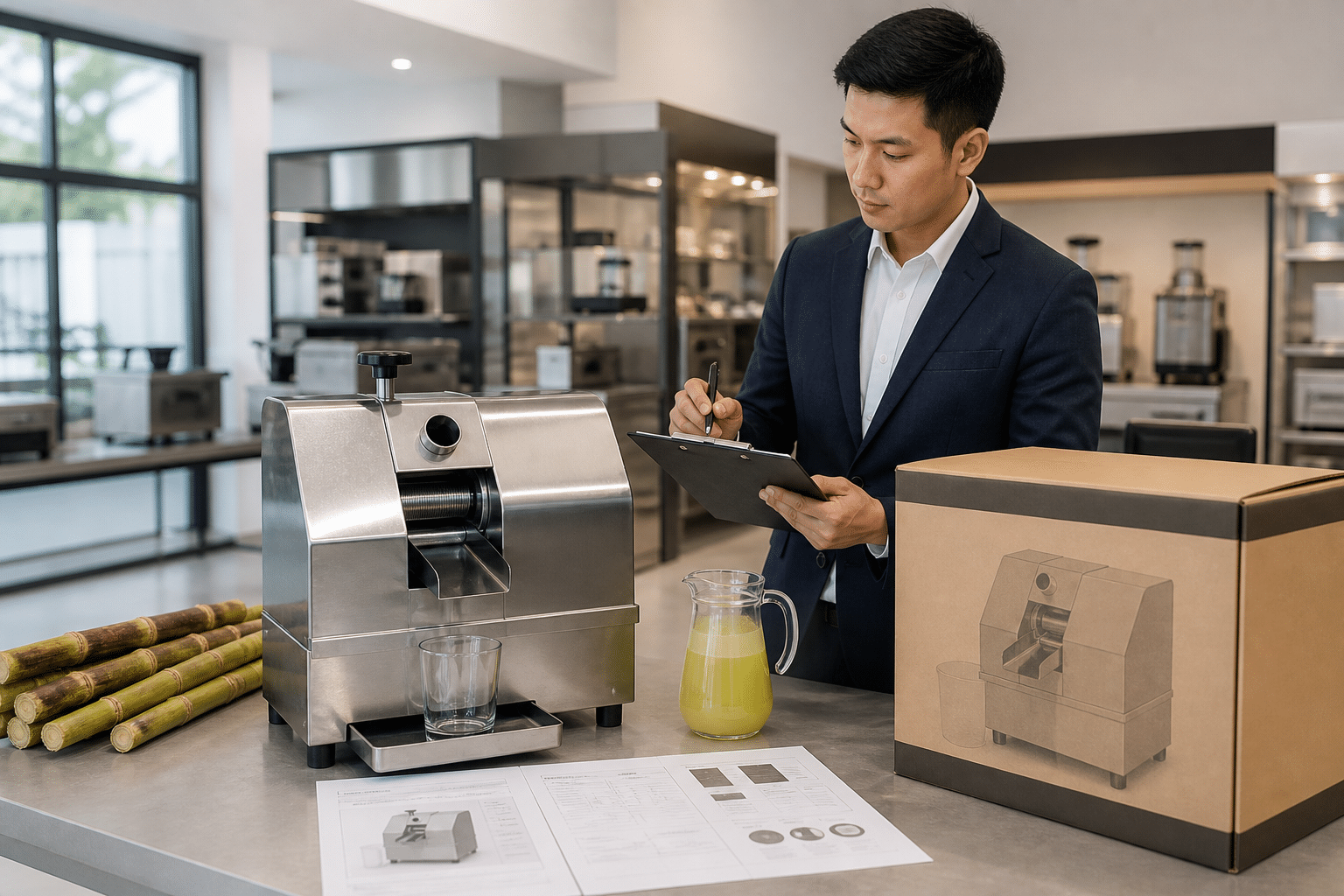
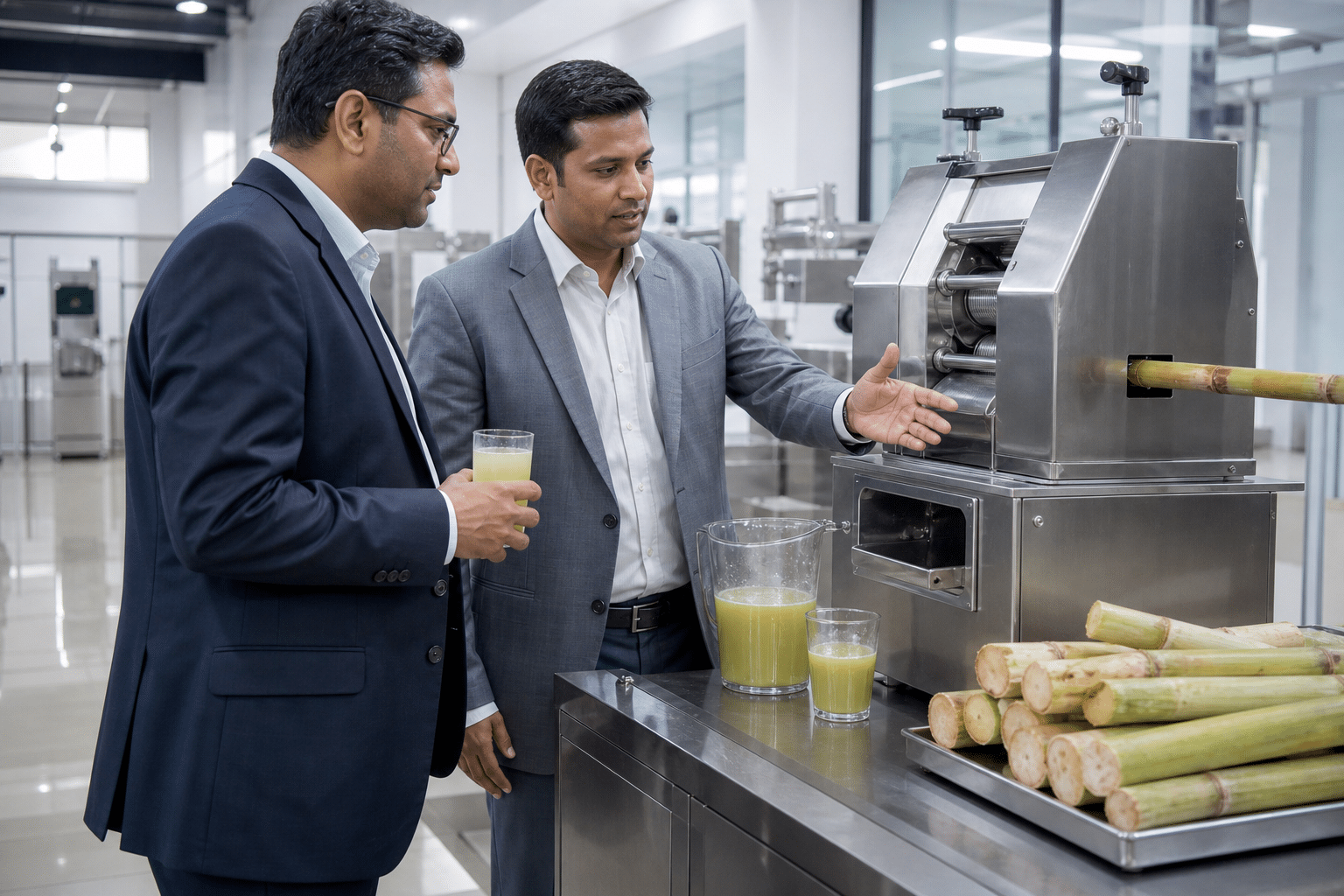
Stainless steel sugarcane juice machine operating in a modern kiosk

3. Market Trends Driving Growth

3.1 Formalization of a Traditionally Informal Sector

In many developing regions, sugarcane juice has long been sold via informal vendors. Today, several converging trends are shifting the market towards more formal, equipment-based operations:

  • Food safety regulations: Cities are gradually enforcing hygiene standards, pushing operators to upgrade from improvised presses to enclosed stainless steel machines.
  • Branding and franchising: Entrepreneurs are launching branded chains with standardized menus and operating procedures.
  • Digital payments & delivery: Integration with delivery platforms and e-wallets is easier for registered, formal businesses.

3.2 Rising Middle Class & Health-Conscious Consumers

As disposable incomes grow, consumers in emerging markets trade up from unbranded soft drinks to fresher, more natural beverages. Sugarcane juice benefits from:

  • Perception as a “natural” alternative to carbonated drinks
  • Compatibility with local flavor profiles (ginger, lemon, mint, spices)
  • Competitive pricing due to local sourcing of cane

3.3 Urban Infrastructure & Retail Modernization

Expansion of malls, transit hubs, and organized retail creates more suitable locations for standardized sugarcane juice setups. The ability to install compact, enclosed machines with simple power requirements makes it easier to integrate sugarcane juice into modern retail formats.

4. Economic Impact on Local Communities

4.1 Value Addition Close to the Farm

Instead of selling sugarcane only to large mills, growers and local traders gain an additional outlet: supplying fresh cane to juice operators. Economic impacts include:

  • Higher unit value: Cane for juice can often command better prices than bulk cane for milling, especially in peri-urban areas.
  • Reduced transport distances: Shorter supply chains lower logistics costs and losses.
  • Stabilized demand: Year-round beverage demand can smooth out cash flow, especially in warm climates.

4.2 Direct Employment & Skills Development

A single sugarcane juice outlet typically requires:

  • 1–3 operators per shift (depending on volume and operating hours)
  • Supervisors or managers for multi-outlet operations
  • Technicians for machine maintenance and basic repairs

Scaling from a single kiosk to a network of outlets multiplies employment. Over time, operators gain skills in food hygiene, customer service, and equipment handling, improving their long-term employability.

4.3 Micro-Enterprise and Franchise Opportunities

Modern machines with reasonable pricing and durable designs enable:

  • Owner-operator kiosks: Small entrepreneurs can start with one machine and upgrade as volume grows.
  • Local franchises: Regional investors can roll out standardized sugarcane juice concepts with defined equipment specs and SOPs.

5. Investment Opportunities & Business Models

5.1 Capex, Opex, and Payback Considerations

While actual numbers vary by country, typical considerations for a sugarcane juice project include:

  • Capex: Sugarcane juice machine(s), basic preparation area, cold storage, cups/packaging, and initial working capital.
  • Opex: Cane supply, electricity, labor, rent, consumables (cups, lids, straws), and maintenance.
  • Payback period: In high-traffic locations with favorable cane prices, investors often target payback within 12–24 months, assuming reliable daily throughput.

Equipment quality directly influences payback time. A machine with higher extraction efficiency and fewer breakdowns reduces lost revenue and minimizes repair costs.

5.2 Single-Outlet vs. Multi-Outlet Strategy

Model Pros Cons
Single kiosk or shop Low initial capex, simple management, flexible location choices Limited bargaining power on cane procurement; dependence on one location
Small local chain (3–10 outlets) Shared marketing, more efficient cane buying, standardized training Requires stronger systems, consistent equipment specs and maintenance planning
Regional franchise network Brand scalability, diversified locations, volume leverage for equipment and consumables Need for franchise support systems, supply chain management, and strict quality control

5.3 Role of Distributors and Equipment Partners

For international buyers and local distributors, sugarcane juice equipment is a gateway to a recurring revenue ecosystem:

  • Initial sale of machines
  • Ongoing parts, maintenance, and potential service contracts
  • Expansion projects as operators add outlets or upgrade capacity

Working with a manufacturer focused on sugarcane juice solutions helps ensure machine designs, spare parts, and technical documentation are aligned with real-world operating conditions in emerging markets.

6. Technical & Operational Factors That Affect Profitability

6.1 Core Machine Specifications

When selecting sugarcane juice machines for emerging market projects, procurement and operations teams usually prioritize:

  • Throughput capacity: Typical ranges go from compact units for small kiosks to higher-capacity machines for busy outlets. Capacity should match expected peak-hour demand.
  • Motor power & torque: Adequate torque is critical for handling harder or thicker cane, reducing stalling and downtime.
  • Material & hygiene: Food-contact surfaces are typically stainless steel. Enclosed designs help reduce contamination risk.
  • Ease of cleaning: Simple disassembly, smooth surfaces, and access for daily cleaning routines reduce labor and hygiene risks.
  • Power requirements: Machines should match local voltage/frequency and be tolerant of minor fluctuations where grids are unstable.

6.2 Durability & Maintenance in Developing Regions

In many emerging markets, equipment must withstand:

  • High ambient temperatures and humidity
  • Dusty environments in outdoor or semi-outdoor locations
  • Occasional voltage drops or spikes

Design details that matter include robust gearboxes, protected electrical components, and simple, locally serviceable parts. Clear maintenance schedules (daily cleaning, weekly checks, periodic lubrication) help extend machine life and keep operating costs predictable.

6.3 Food Safety & Compliance Considerations

Food safety requirements vary by country, but operators should consider:

  • Use of appropriate food-contact materials
  • Cleaning and sanitization procedures adapted to local regulations
  • Staff training in hygiene and machine handling

Buyers should verify local regulatory requirements with relevant authorities and ensure that equipment selection supports compliance (for example, enclosed pressing areas and easy-to-clean surfaces).

7. Buying Guide: Planning a Sugarcane Juice Project

7.1 Defining the Concept and Volume

Before choosing machines, clarify:

  • Business model (kiosk, shop, food court outlet, hotel, franchise)
  • Expected daily cups/liters of juice
  • Peak-hour demand and staffing
  • Available space and power supply

This helps align machine capacity, dimensions, and configuration with real operating needs.

7.2 Sampling and Pilot Outlets

For new markets or franchise concepts, a staged approach is often effective:

  1. Start with a pilot site to test recipes, pricing, and workflow.
  2. Collect data on throughput, cane consumption, and labor requirements.
  3. Fine-tune equipment specifications and SOPs before scaling.

Requesting a sample machine or a trial order can help verify performance under local conditions before committing to a larger rollout.

7.3 MOQ, Lead Times, and Logistics

When sourcing machines internationally, project planners typically consider:

  • MOQ: Some configurations are available from low quantities; others might require higher MOQs depending on customization.
  • Lead time: Allow time for production, quality checks, and shipping. For larger rollouts, phased deliveries may be useful.
  • Spare parts: It is good practice to order critical spares with the initial shipment to avoid downtime once machines are installed.

7.4 Branding, Layout, and Workflow

While the machine is the core, the overall outlet design also influences economic performance:

  • Ergonomic placement of cane storage, machine, and serving counter
  • Clear display of hygiene practices and preparation process
  • Branding elements that emphasize freshness and local sourcing

8. How Sugarcane Juice Businesses Strengthen Local Economies

When properly planned and equipped, sugarcane juice businesses in emerging markets can become reliable engines of local economic growth:

  • They convert abundant local crops into higher-value finished products.
  • They create jobs and entrepreneurial opportunities with manageable investment levels.
  • They encourage formalization and professionalization of a traditional product category.

Reliable, well-designed equipment sits at the center of this ecosystem, supporting consistent quality, safe operations, and sustainable profits.

9. FAQs: Sugarcane Juice Business & Equipment

Q1. What is a realistic starting scale for a sugarcane juice business?

Many operators start with a single kiosk or shop using one compact machine and then expand after validating demand. The right scale depends on local foot traffic, cane availability, and budget, but starting with 1–3 outlets is common before moving to a larger network.

Q2. How important is machine extraction efficiency for profitability?

Extraction efficiency directly affects raw material costs. Higher efficiency means more juice from the same amount of cane, reducing cost per cup. Over a season, even a modest improvement in yield can significantly impact margins.

Q3. What are the most common operational challenges?

Typical challenges include inconsistent cane quality, power fluctuations, staff turnover, and maintaining hygiene standards. Selecting robust machines and implementing clear cleaning and maintenance routines helps mitigate these issues.

Q4. Can sugarcane juice be integrated into existing foodservice operations?

Yes. Many cafés, juice bars, and quick-service outlets add sugarcane juice as an additional beverage line. The key is choosing a machine that fits available space, power supply, and daily volume, and that can be cleaned efficiently between shifts.

Q5. What should I consider for long-term maintenance?

Plan for regular cleaning, periodic inspection of rollers, seals, and drive components, and stocking essential spare parts. Establishing a basic maintenance checklist and training staff reduces unexpected downtime.

Q6. Are there specific regulatory requirements for sugarcane juice?

Regulations vary by country and city. Operators should check local food safety regulations related to fresh juice, street vending, and food-contact materials, and ensure machines and procedures support compliance.

Q7. How can I evaluate if sugarcane juice is suitable for my market?

Assess climate (hot climates favor demand), local cane production, consumer preferences for fresh drinks, and competition from other beverages. Pilot outlets or test campaigns can provide real data before large-scale investment.

10. Next Steps: Plan Your Sugarcane Juice Project

If you are evaluating sugarcane juice concepts for an emerging market—whether as an investor, distributor, or operator—careful equipment selection is one of the most impactful decisions you will make. A well-chosen machine can support years of stable operations and help turn local agricultural advantages into sustainable business growth.

Ready to explore sugarcane juice machines for your project?

  • Request detailed specifications and guidance tailored to your market
  • Discuss pilot setups, spare parts planning, and rollout strategies

Request a quote / Get a sample and start building a sugarcane juice business that supports both your profitability and local economic development.

Optimizing Energy Usage in Commercial Sugarcane Machines

Optimizing Energy Usage in Commercial Sugarcane Machines

Electricity costs are one of the biggest ongoing expenses for juice bars, cafés, kiosks, and foodservice operations running commercial sugarcane machines. For high-traffic locations or multi-store chains, even small efficiency gains per machine can translate into meaningful savings across the year.

This guide is written for business owners, operations managers, and purchasing teams who want to:

  • Reduce electricity consumption per cup of sugarcane juice
  • Select more energy-efficient sugarcane machine models
  • Train staff to use machines in a cost-effective way
  • Estimate and track measurable savings over time

While examples are general, the principles apply directly to modern commercial sugarcane juicers such as the Easimaker range designed for foodservice and juice retail businesses.


1. Key Concepts: Energy Efficiency in Sugarcane Machines

Before choosing or upgrading a sugarcane machine, it helps to clarify a few basic concepts.

1.1 Power vs. Energy Consumption

  • Power (kW): The instantaneous electrical load of the motor and auxiliary components.
  • Energy (kWh): What you actually pay for. It equals power multiplied by the operating hours.

For example, a 0.8 kW machine running continuously for 5 hours consumes about 4 kWh. A more efficient machine might deliver the same output with less power and/or in less time per serving, reducing kWh per day.

1.2 Output Efficiency: kWh per Liter of Juice

For business owners, the most practical metric is:

Energy per liter of juice (kWh/liter).

A machine that uses slightly more power but extracts juice faster and with higher yield may actually be more efficient per liter than a lower-power unit.

1.3 Duty Cycle and Peak Periods

Commercial sugarcane machines rarely run continuously at full load all day. Understanding your duty cycle (how many hours per day the machine actually crushes cane) helps select the right motor size and control strategy.

  • High-traffic shops: Long peak periods (e.g., 4–6 hours of near-continuous use)
  • Seasonal or low-volume sites: Many short runs with idle time between orders

Each pattern requires different optimization tactics, which we will cover below.


2. Energy-Efficient Sugarcane Machine Features to Look For

When specifying a new commercial juicer or planning a replacement cycle, energy-related design features are as important as price and throughput.

2.1 Efficient Motor and Drive System

Key aspects that influence efficiency include:

  • Motor rating matched to load: Oversized motors draw unnecessary current at light loads; undersized ones overheat and wear faster.
  • High-efficiency motor types: Where available, higher efficiency classes (or well-optimized induction motors) reduce heat loss and power draw.
  • Direct or optimized drive: Simple, well-aligned drive mechanisms (gearbox or chain) minimize friction losses between motor and pressing rollers.

For most urban outlets with normal line voltage, choosing a machine whose motor is correctly matched to the expected throughput is one of the easiest ways to avoid wasted energy.

2.2 Optimized Roller Design and Juice Extraction

Well-engineered rollers reduce mechanical resistance and improve extraction, which lowers energy per liter.

  • Roller surface and profile: Proper knurling and surface hardness grip the cane efficiently, reducing slipping and re-crushing.
  • Roller gap and alignment: Consistent gap avoids overloading the motor while still achieving good juice yield.
  • Multiple-pass design: Some machines achieve high yield in one pass; others use a controlled multi-pass system. The optimal design balances yield, speed, and power draw.

2.3 Intelligent Control and Safety Systems

Modern commercial sugarcane juicers may use simple control strategies that indirectly improve energy performance:

  • On-demand operation: Machines designed for quick start/stop without long warm-up times reduce idle-time electricity use.
  • Overload protection: Automatic cut-off prevents current spikes and motor damage when operators accidentally overload the machine.
  • Thermal protection: Reduces energy wastage due to overheating and prolongs motor life.

2.4 Hygienic, Low-Friction Materials

Food-contact parts are typically stainless steel, but manufacturing quality matters:

  • Smooth surfaces reduce friction and make cleaning faster, lowering the time machines run under no-load or partial-load conditions.
  • Robust housings and sealed bearings keep contaminants out, maintaining efficient operation over time.

3. Operational Tips to Reduce Electricity Consumption

Even with a well-designed machine, actual energy usage depends heavily on daily operating practices. The following strategies can usually be implemented without new equipment.

3.1 Plan Production Around Peak Demand

Instead of running the machine continuously at low usage:

  • Group orders during steady traffic periods where feasible.
  • Avoid long periods where the machine is powered on but idle.
  • Use quick start/stop functionality to run the motor only when cane is being fed.

This can be particularly effective for kiosks and cafés with clearly defined rush hours.

3.2 Proper Cane Preparation

Poorly prepared sugarcane makes the machine work harder for less output.

  • Trim and straighten cane stalks to feed smoothly and avoid jamming.
  • Remove excess dirt and debris to reduce wear and friction on rollers.
  • Cut very long stalks into manageable lengths as recommended in the machine manual.

Better preparation reduces current spikes, prevents stalling, and improves kWh per liter.

3.3 Daily Cleaning and Preventive Maintenance

Build a simple maintenance routine into your closing shift:

  • Clean rollers, juice trays, and covers thoroughly to prevent sugar build-up and stickiness.
  • Inspect for unusual vibration, noise, or overheating.
  • Follow the manufacturer’s guidance on lubrication for bearings and moving parts if applicable.
  • Check power cords and plugs for damage to avoid electrical losses and safety risks.

Well-maintained machines run more smoothly, draw less current, and have a longer service life.

3.4 Staff Training

Even an efficient machine can be operated inefficiently if staff are not trained properly. Include the following points in your training:

  • Switch the machine off immediately after each usage block, rather than leaving it on during idle time.
  • Avoid forcing oversized or badly angled cane into the rollers.
  • Follow recommended feeding speed instead of overloading the inlet.
  • Report abnormal smell, noise, or heat early to prevent costly breakdowns.

4. Estimating and Tracking Measurable Savings

To justify an upgrade or operational changes, many business owners want a simple way to quantify savings. Here is a practical approach.

4.1 Baseline: Current Electricity Usage

If sub-metering is not available, you can estimate using the motor rating and typical operating hours:

  1. Identify the motor power rating (e.g., 0.8 kW) on the nameplate.
  2. Estimate average operating hours per day (only the time the machine is actually crushing cane).
  3. Multiply: Daily kWh ≈ Motor kW × Operating hours.

Example (approximate):

  • Motor: 0.8 kW
  • Operating: 4 hours/day
  • Daily usage: 0.8 × 4 = 3.2 kWh/day
  • At $0.15 per kWh: ≈ $0.48/day, ≈ $175/year (assuming 365 days)

For chains with multiple outlets, these numbers scale quickly across locations.

4.2 Compare Machines on kWh per Liter

When evaluating a new commercial sugarcane machine, ask your supplier for guidance on expected energy use relative to output, or run a simple internal test:

  1. Measure how many liters of juice are produced in a fixed time (e.g., 1 hour under typical workload).
  2. Estimate energy use during that hour using the motor rating (or a power meter if available).
  3. Calculate: kWh per liter = kWh used / liters produced.

A machine that uses 0.6 kWh per liter versus one that uses 0.8 kWh per liter can reduce energy costs by 25% for the same output, depending on local tariffs.

4.3 Payback Period on an Upgrade

If considering replacing an older, less efficient machine with a more energy-conscious model, estimate payback as:

Payback (years) ≈ Extra investment / Annual electricity savings

For example (illustrative only):

  • Additional cost of new machine vs. basic model: $300
  • Estimated annual electricity savings: $120
  • Payback: $300 ÷ $120 ≈ 2.5 years

After the payback period, savings directly support your margins.


5. Choosing the Right Energy-Efficient Sugarcane Machine

When comparing commercial juicer models for new installations or replacements, use the following practical criteria.

5.1 Match Capacity to Business Volume

Oversizing the machine typically increases acquisition cost and may also raise idle power consumption. Consider:

  • Average and peak hourly demand (liters/hour)
  • Number of operating hours per day
  • Seasonality and expected growth in demand

Choose a model that can comfortably handle peak periods without being significantly overpowered for daily usage.

5.2 Evaluate Total Cost of Ownership, Not Just Price

Total cost of ownership (TCO) includes:

  • Initial machine cost
  • Electricity consumption over several years
  • Maintenance and spare parts
  • Downtime impact if the machine fails during peak hours

An energy-efficient machine with robust components can lower TCO, even if the purchase price is slightly higher.

5.3 Materials and Build Quality

For foodservice applications, look for:

  • High-quality stainless steel in food-contact areas
  • Stable frame and vibration-resistant construction
  • Good sealing around electrical components to prevent moisture ingress

Better build quality often results in smoother operation, lower friction, and therefore better energy performance over time.

5.4 Service Support and Spare Parts

Energy efficiency also depends on a machine being kept in good mechanical condition. When choosing a supplier, consider:

  • Availability of technical support and troubleshooting
  • Lead times for common spare parts
  • Clear maintenance instructions and training material

Reliable support helps ensure your machines maintain their designed efficiency across their full lifespan.


6. Simple Energy Optimization Checklist for Sugarcane Juice Shops

Use this checklist when reviewing your current setup or planning a new installation:

Machine Selection

  • Is the machine capacity aligned with your peak demand?
  • Does the motor rating match your usage rather than being significantly oversized?
  • Are rollers and internal components designed for efficient extraction?

Installation

  • Is voltage and wiring compliant with local requirements?
  • Is the machine placed to allow proper ventilation and heat dissipation?
  • Is there stable footing to minimize vibration and mechanical losses?

Operation

  • Do staff switch the machine off during extended idle periods?
  • Is sugarcane properly prepared and cleaned before feeding?
  • Are safety and overload protection features used correctly?

Maintenance

  • Is there a daily cleaning routine after closing?
  • Are rollers and moving parts inspected for wear monthly?
  • Are any unusual noises or heating issues addressed promptly?

7. FAQs: Energy Efficiency in Commercial Sugarcane Machines

Q1. Does a lower power (kW) motor always mean lower electricity bills?

Not necessarily. A lower kW motor that struggles with the workload may run longer or operate under stress, increasing overall energy use and wear. It is better to evaluate energy per liter of juice produced and ensure the motor is correctly sized for your demand.

Q2. How often should I service my sugarcane machine to keep it efficient?

Daily cleaning is recommended for hygiene and performance. In addition, a more thorough inspection—checking rollers, bearings, and electrical connections—every one to three months is advisable, depending on usage intensity and the manufacturer’s guidelines.

Q3. Can staff habits really impact electricity usage significantly?

Yes. Practices like leaving the machine running idle for long periods, forcing cane that causes frequent jams, or skipping cleaning can all increase power draw and shorten equipment life. Training and simple procedures can reduce these losses.

Q4. Is it worth upgrading an older but still functional machine?

It can be, especially in high-volume outlets. If newer models offer noticeably better extraction efficiency and smoother operation, the reduction in energy cost and downtime may justify replacement. Calculating a basic payback period using estimated annual savings can support your decision.

Q5. How can multi-store chains standardize energy optimization?

Chains can standardize on a specific machine model, create a shared operating and cleaning checklist, and track electricity consumption per outlet over time. Periodic internal audits or spot measurements help ensure each outlet follows the same best practices.

Q6. Do voltage fluctuations affect energy efficiency?

Voltage instability can cause motors to draw more current, run hotter, or trip protection devices, all of which reduce efficiency and reliability. In regions with unstable grids, consulting an electrician about appropriate protection and ensuring the machine’s compatibility with local supply conditions is important.


8. Next Steps: Reduce Your Operating Costs with Smarter Sugarcane Machines

Optimizing the energy usage of your commercial sugarcane machine is not only about choosing the right model; it is about combining good equipment with disciplined daily operation.

  • Review your current machine’s power rating, operating hours, and estimated annual electricity cost.
  • Identify quick operational improvements—especially staff training, cane preparation, and idle-time reduction.
  • Evaluate whether a newer, more efficient sugarcane machine could reduce your total cost of ownership over the next several years.

If you are planning new outlets, upgrading from older units, or standardizing across multiple locations, our team can help you review capacity needs, discuss energy-conscious model options, and outline practical operating guidelines tailored to your business.

Ready to optimize your sugarcane juice operation?
Request a quote / Get a sample and explore how a well-specified commercial sugarcane machine can support both your margins and your sustainability goals.