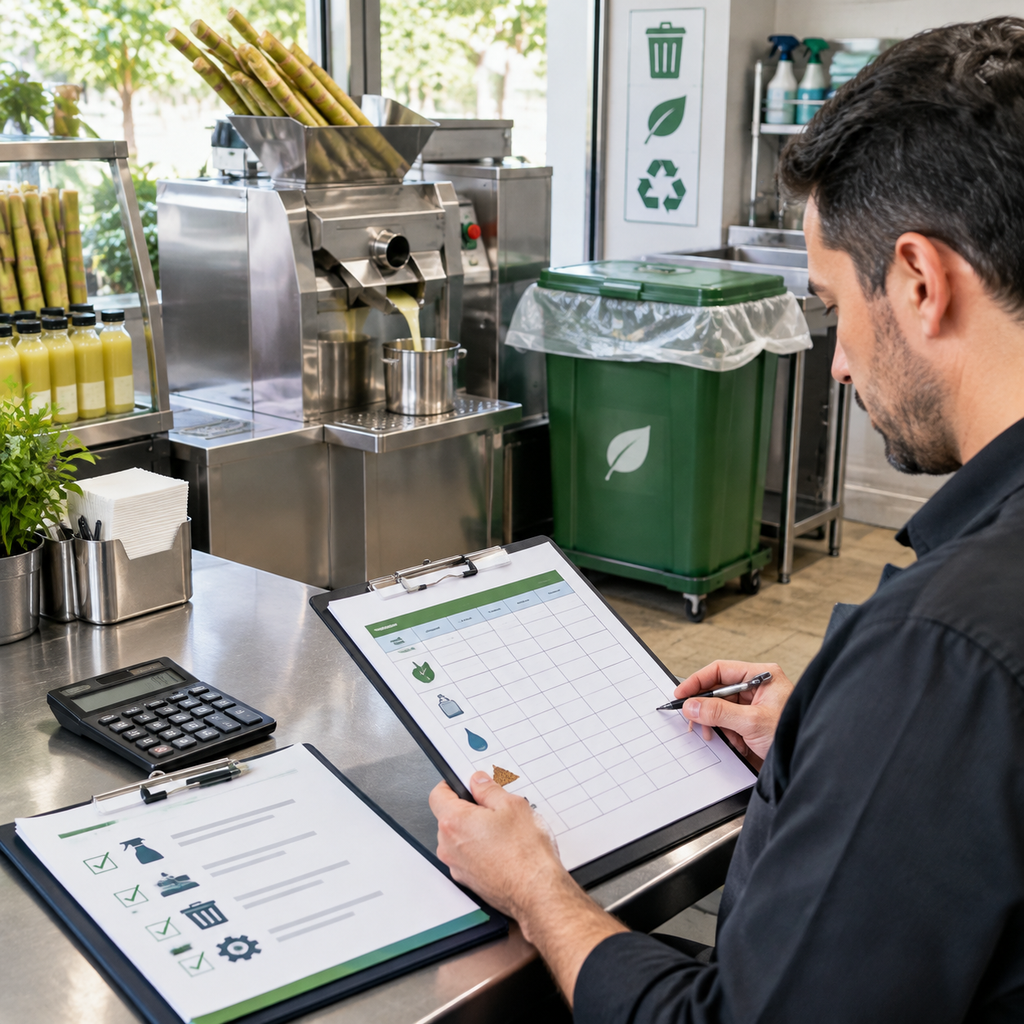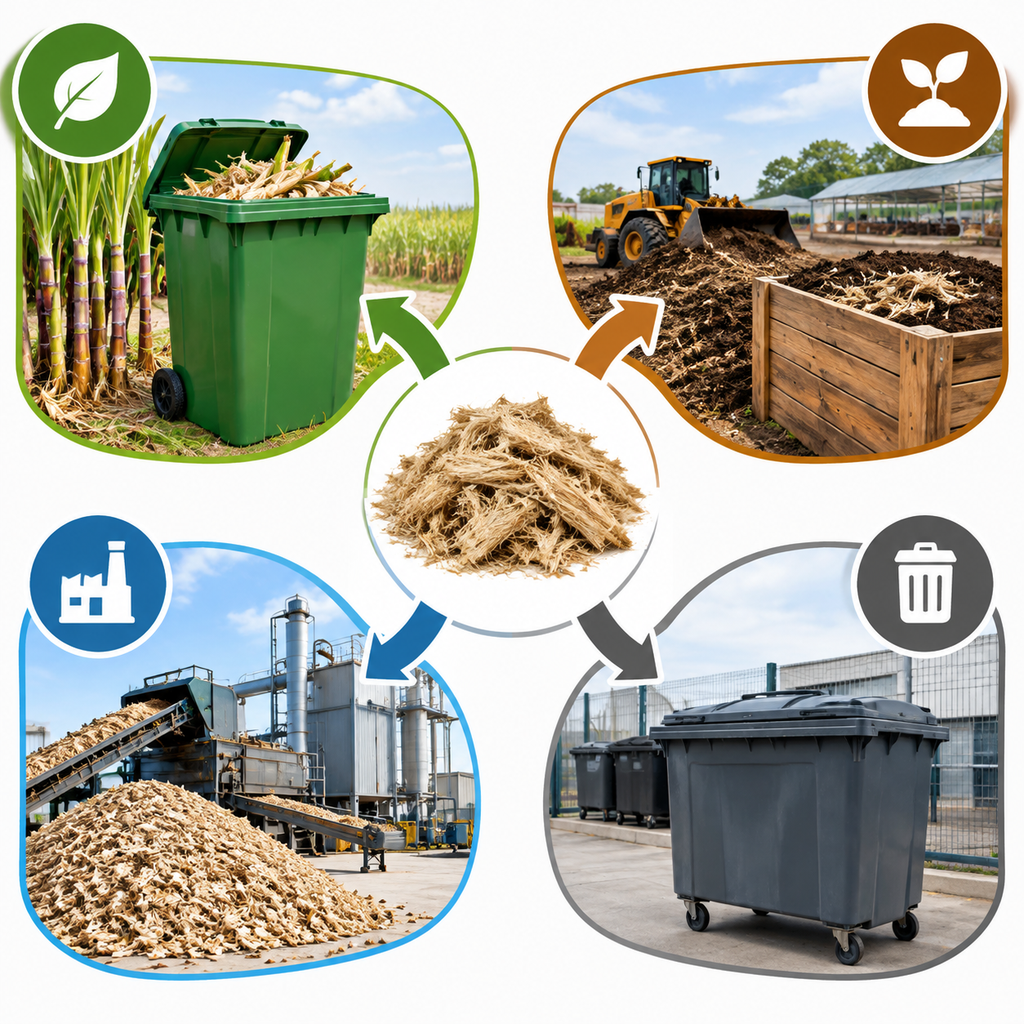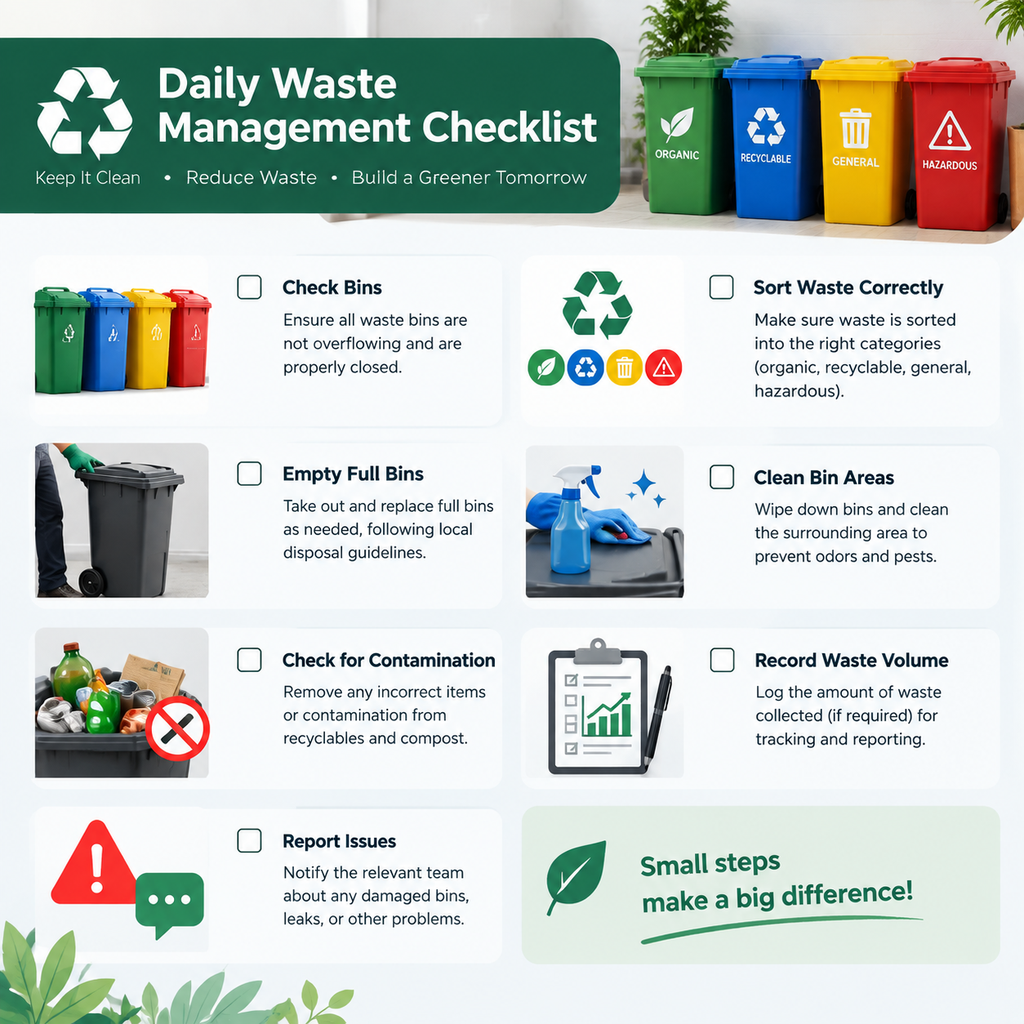
Sugarcane Juice Machine Maintenance: Ensuring Long-Term Durability in Commercial Settings

Sugarcane Juice Machine Maintenance: Ensuring Long-Term Durability in Commercial Settings

In high-traffic juice bars, kiosks, and foodservice operations, a sugarcane juice machine is a revenue-critical asset. Unplanned downtime means lost sales, product waste, and frustrated customers. With structured maintenance and correct daily handling, a quality sugarcane juicer can run reliably for years, even under heavy commercial workloads.

This guide is written for B2B operators, distributors, and purchasing managers who work with commercial sugarcane juice machines and want to maximize machine life, minimize repairs, and protect their investment.

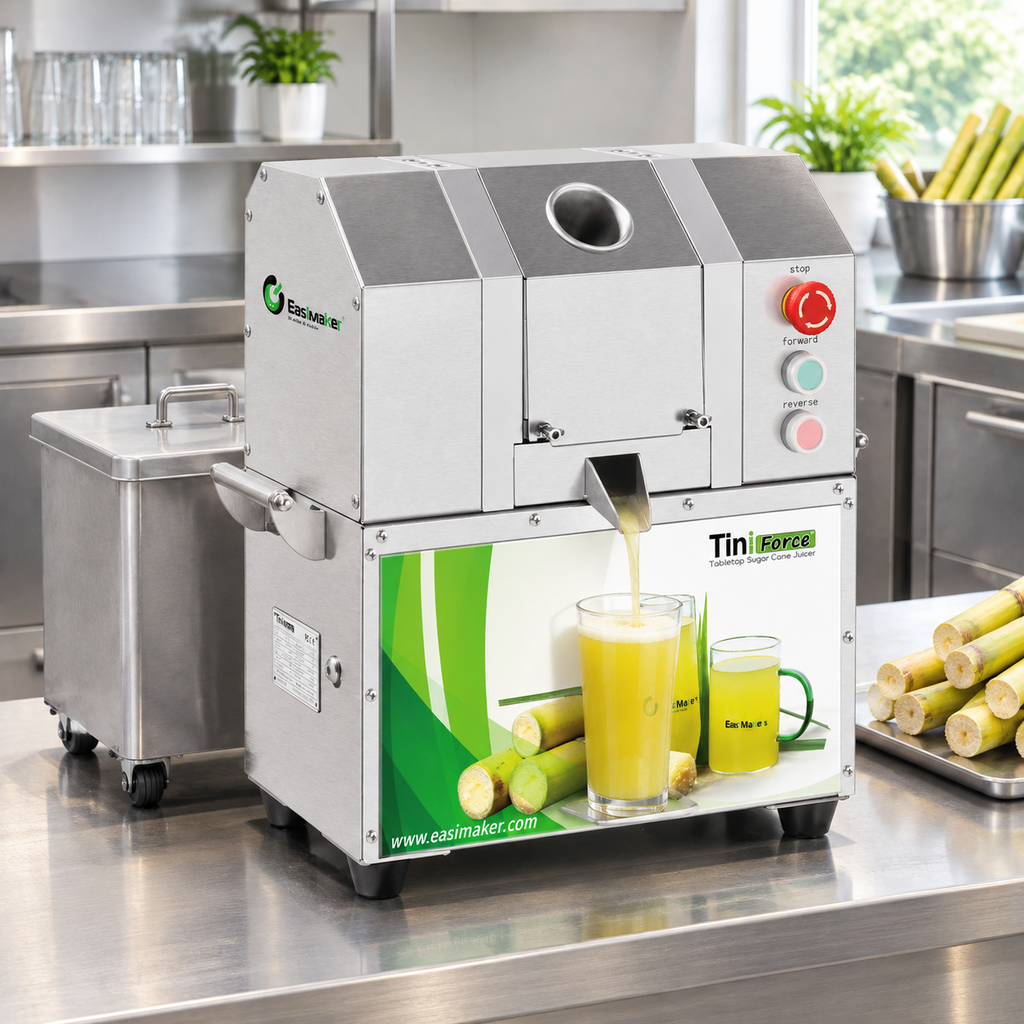
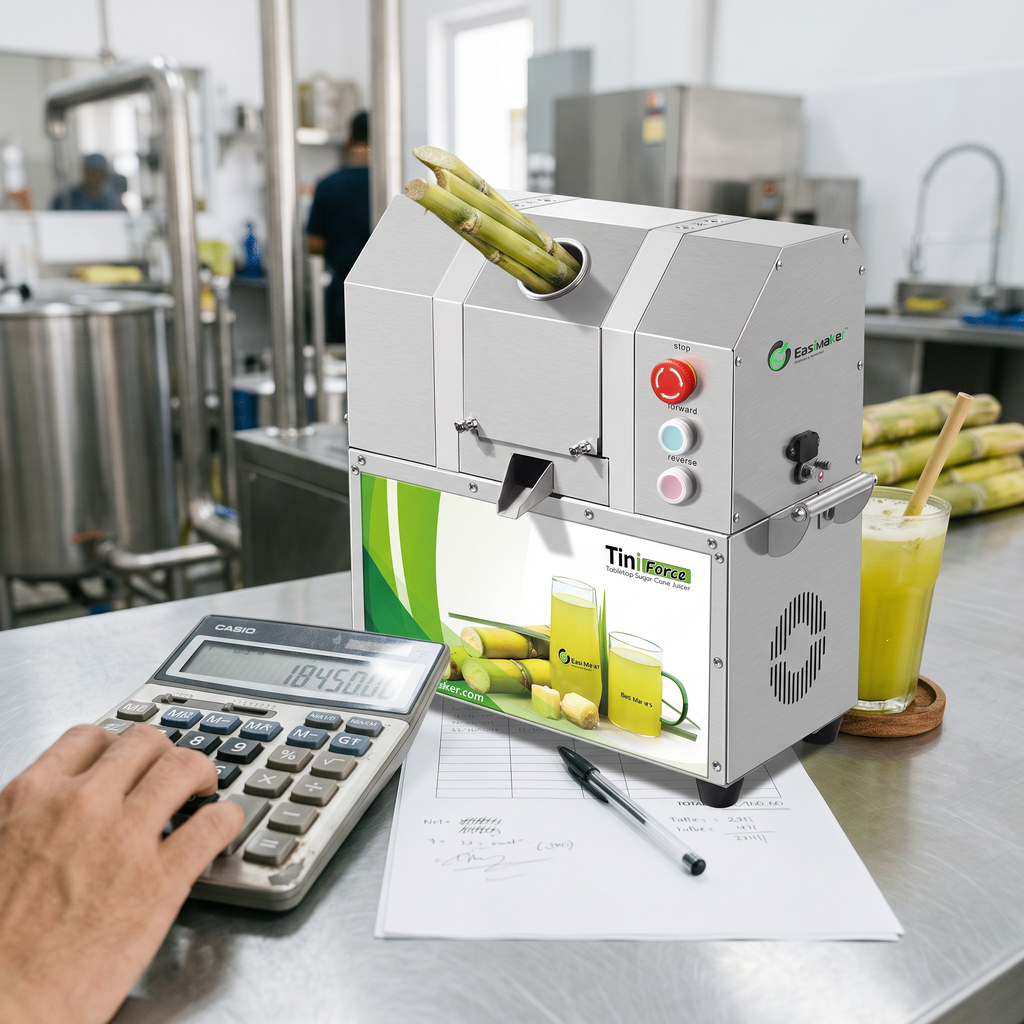
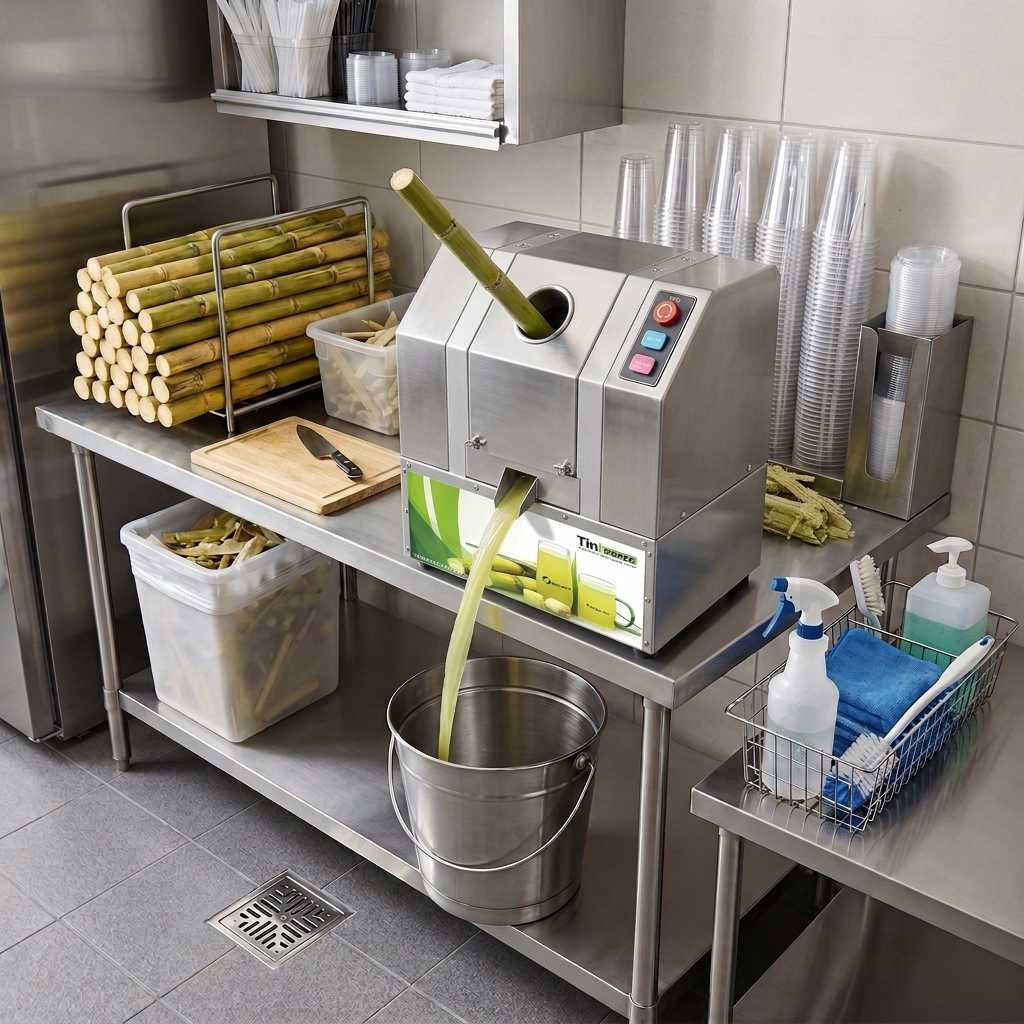
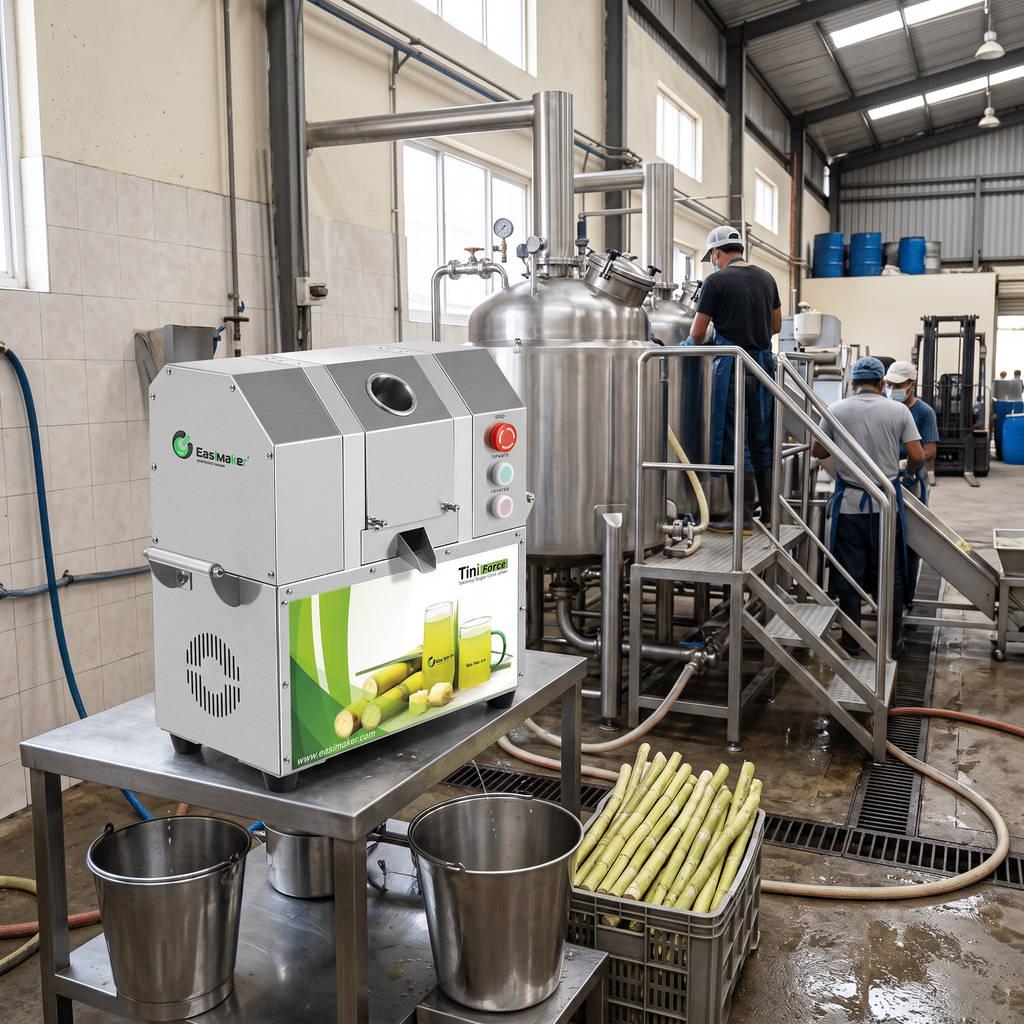
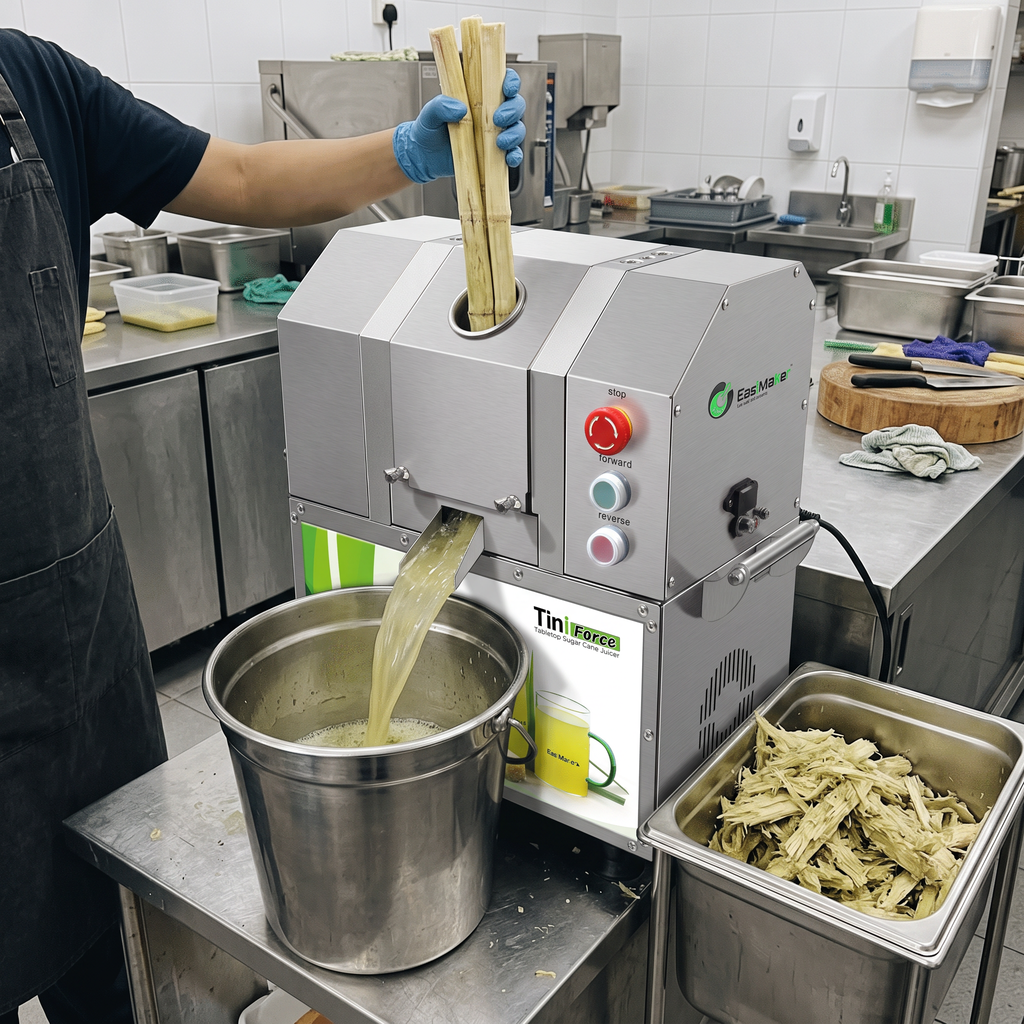
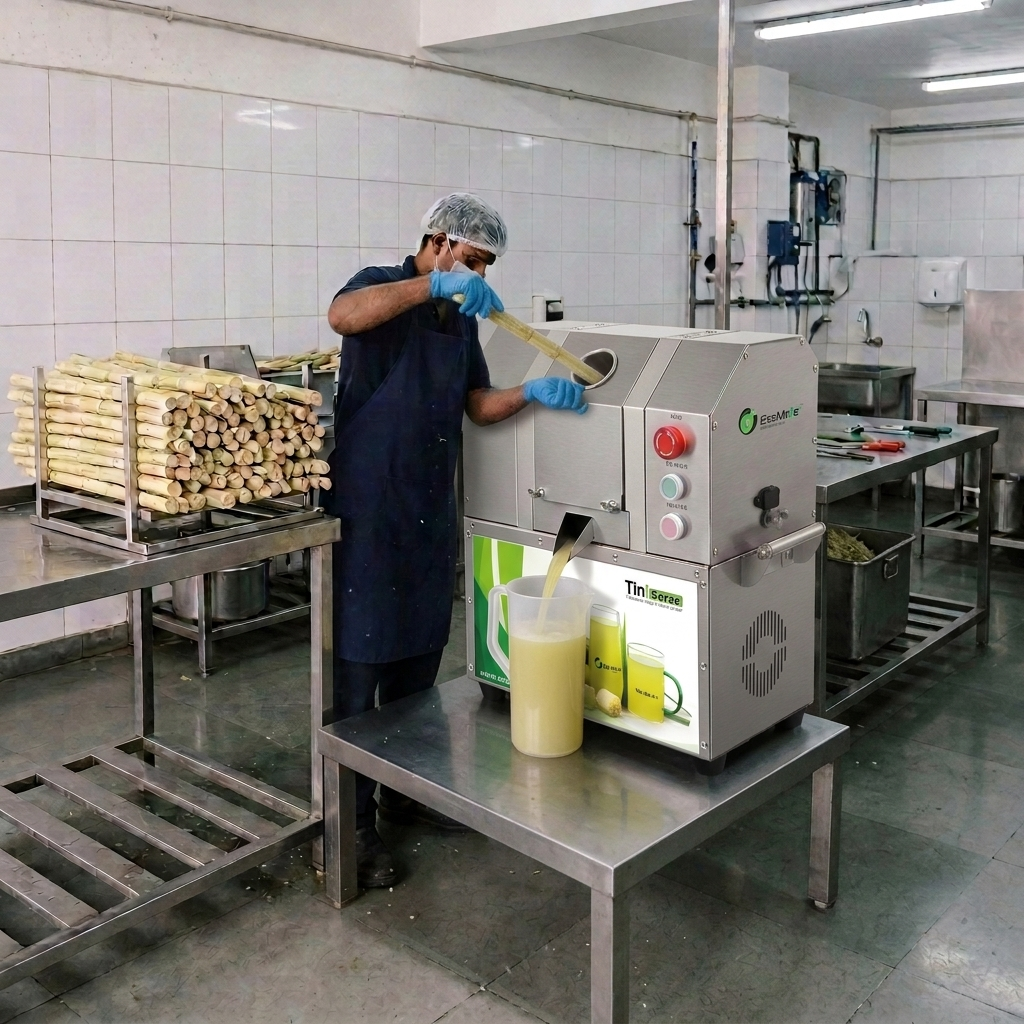
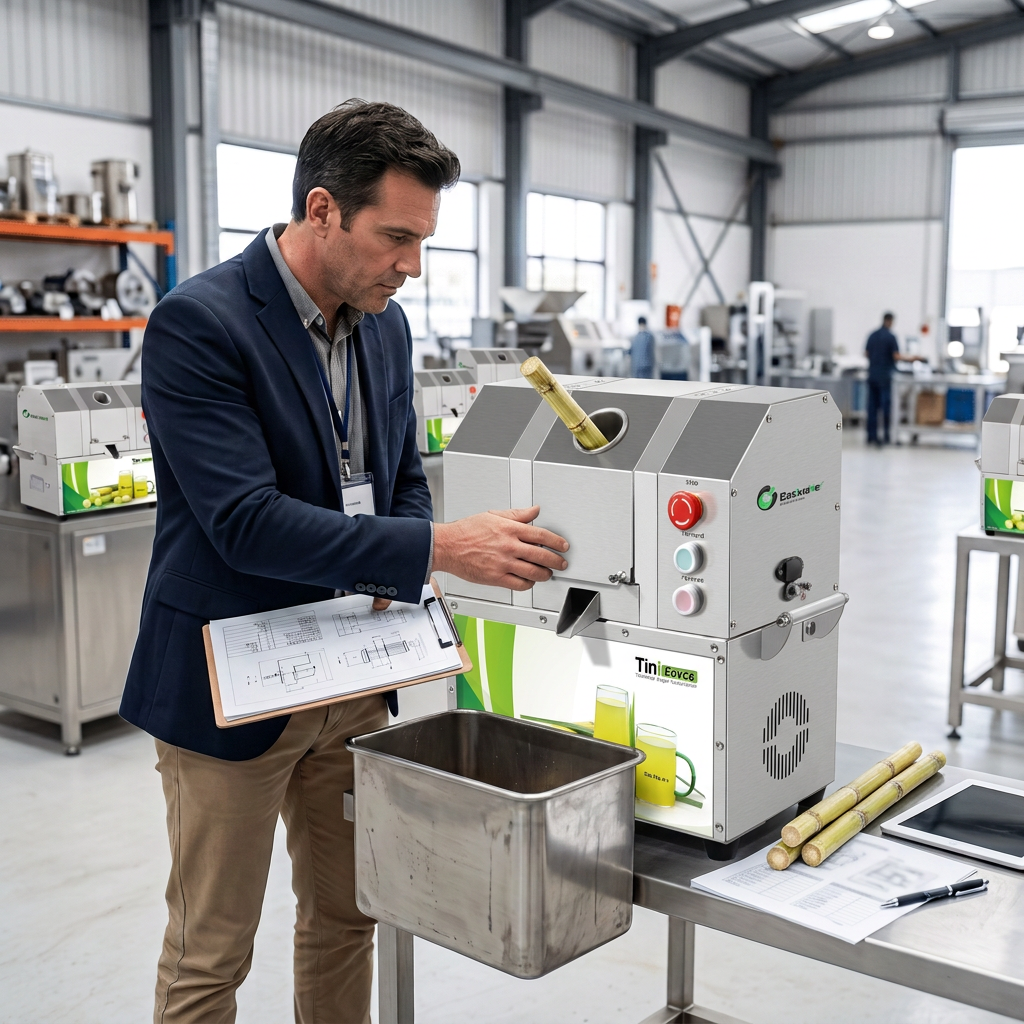
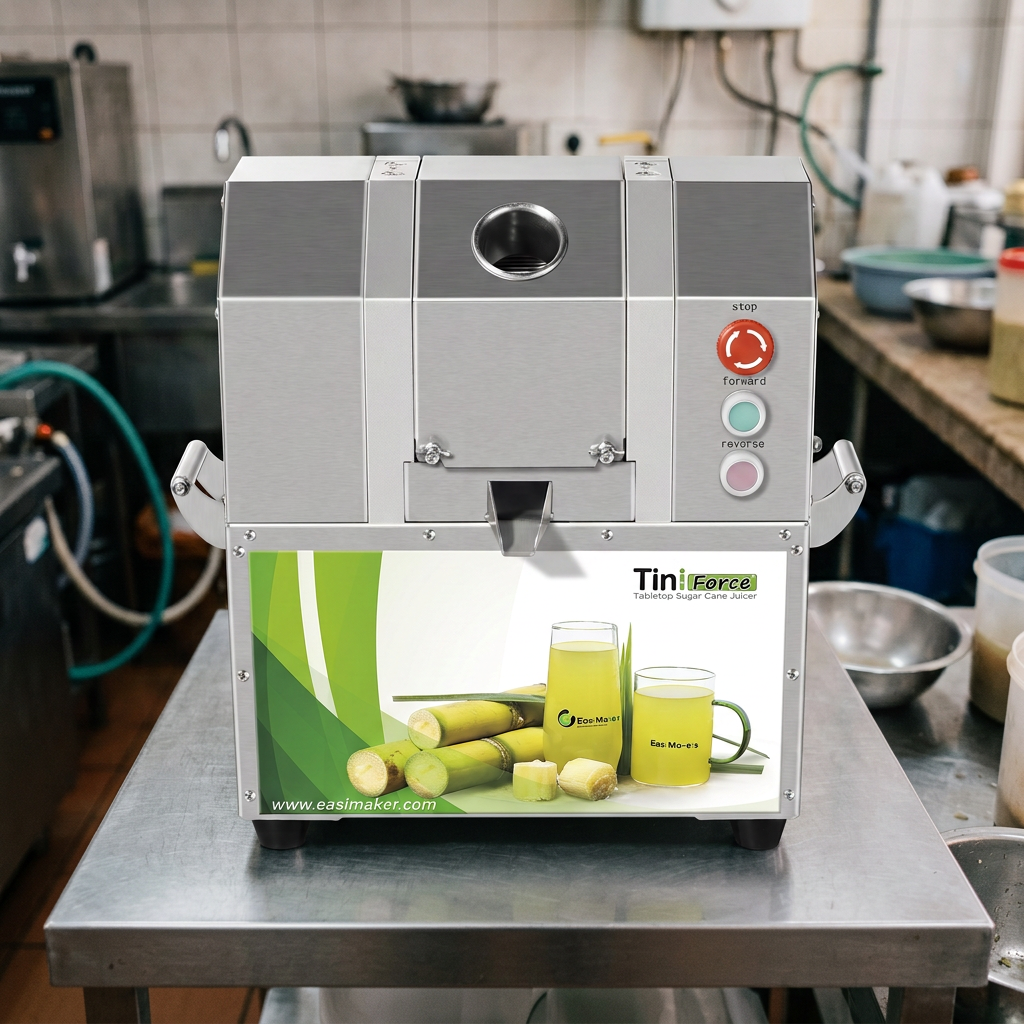
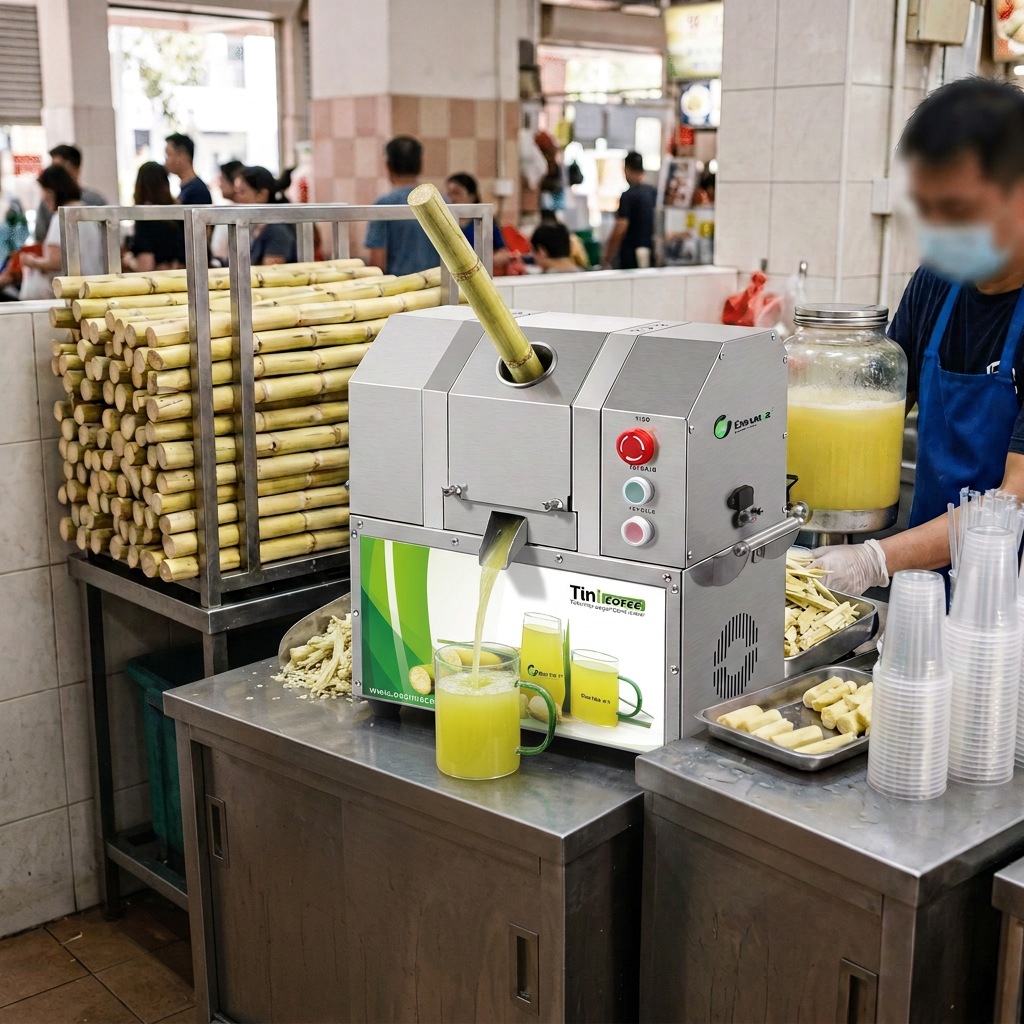
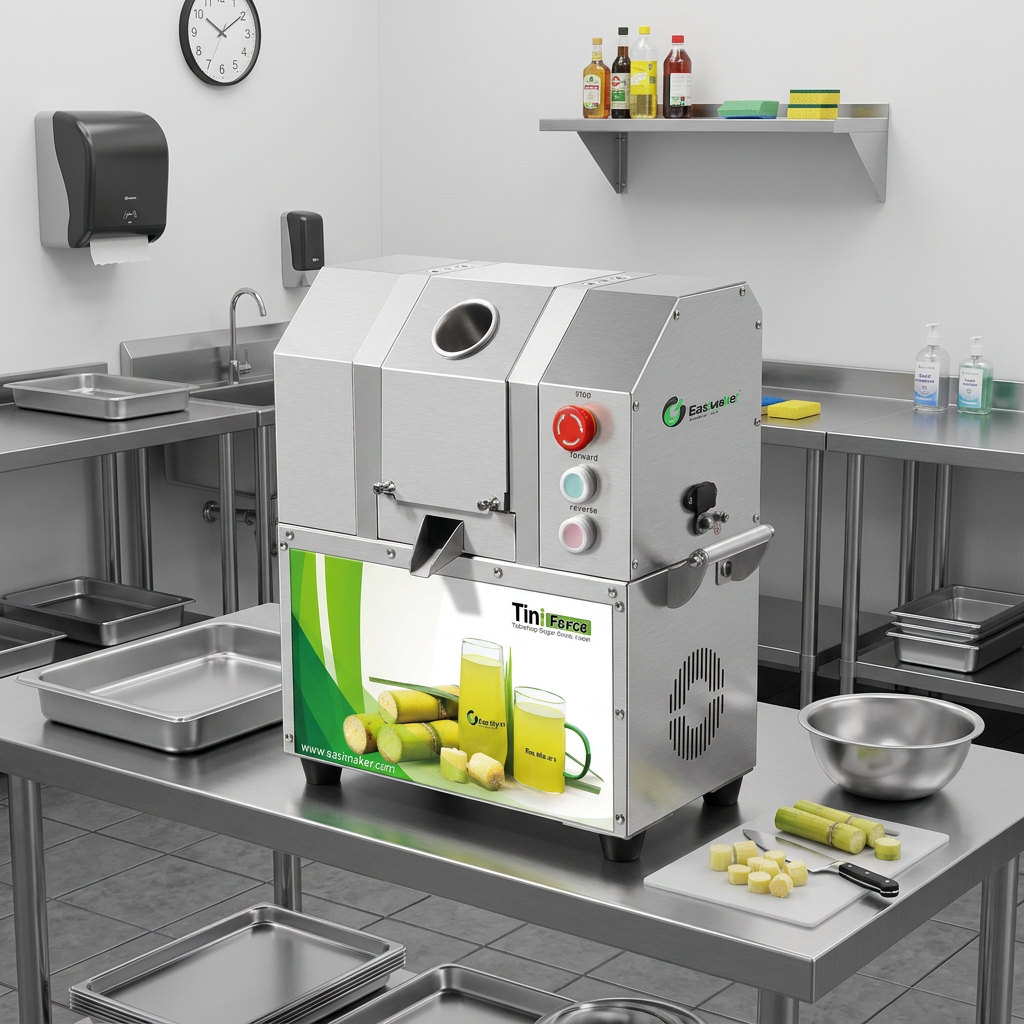
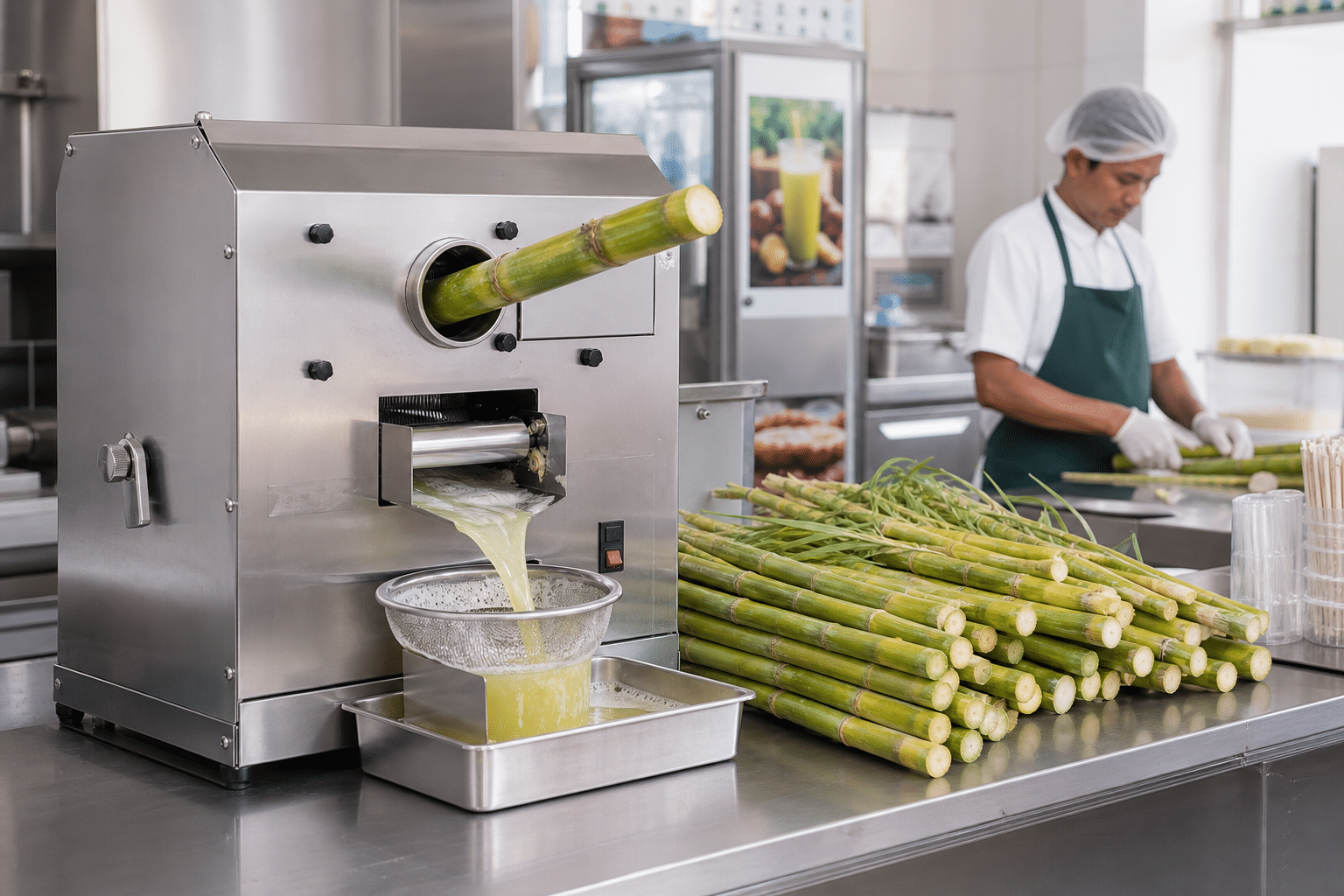
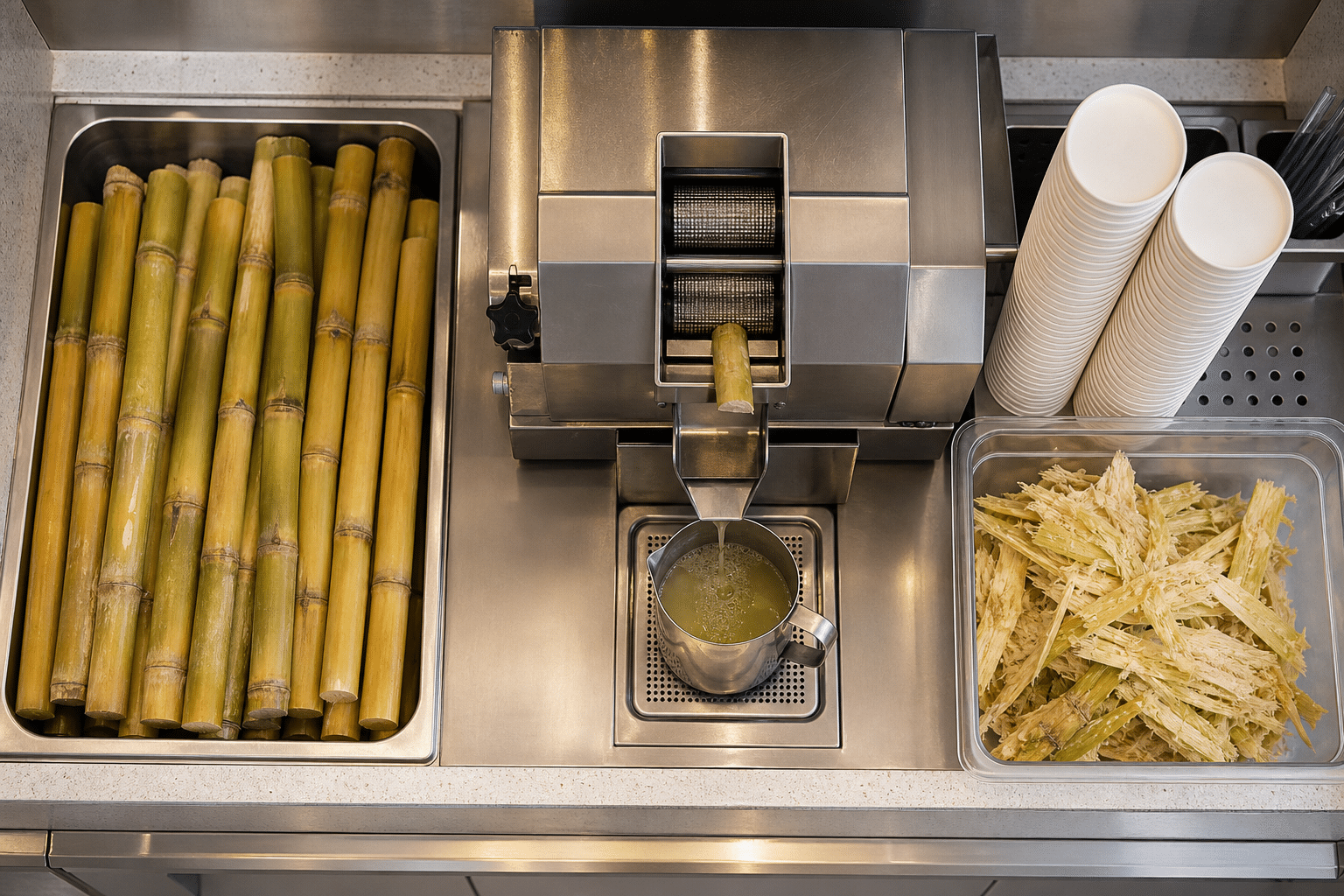
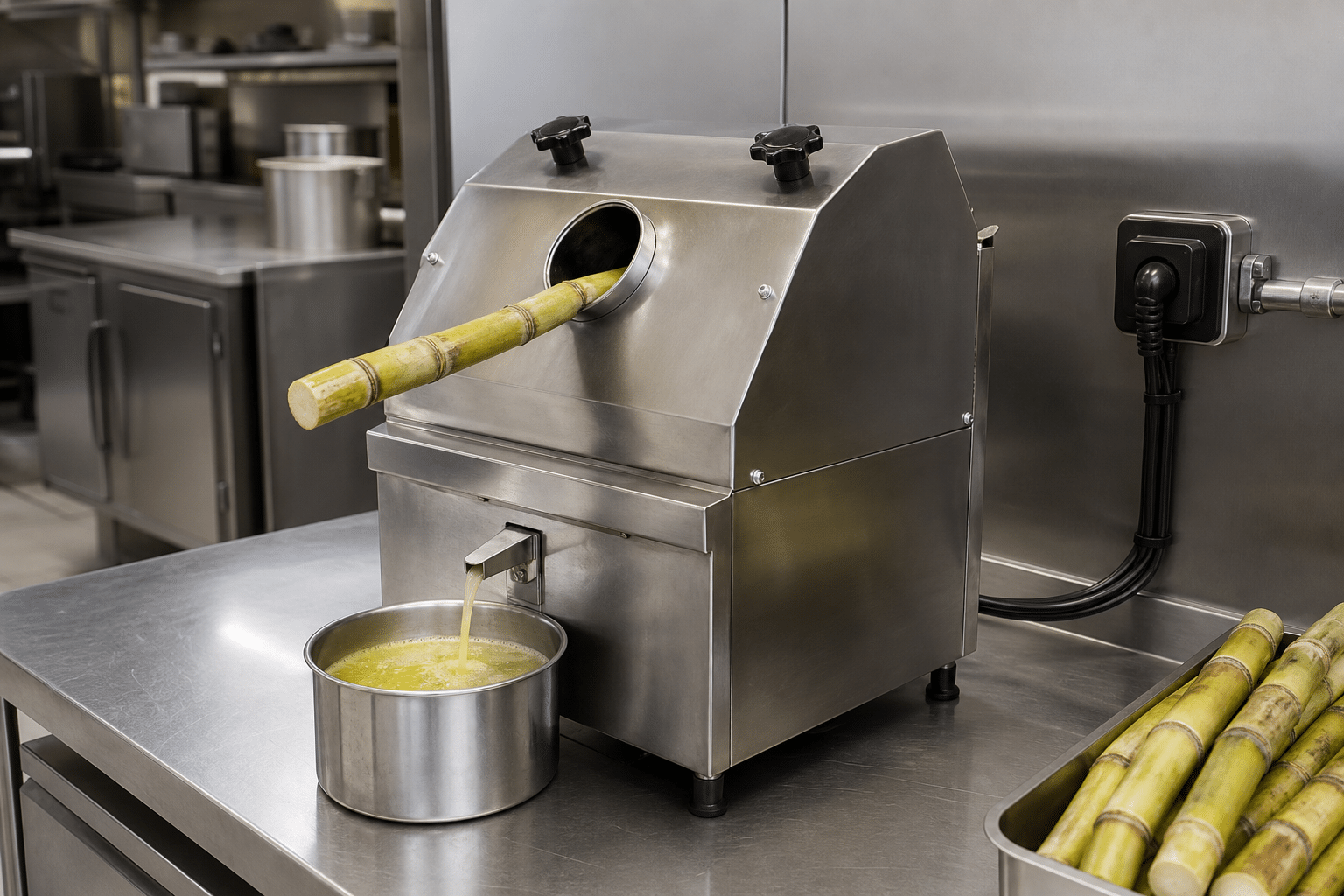
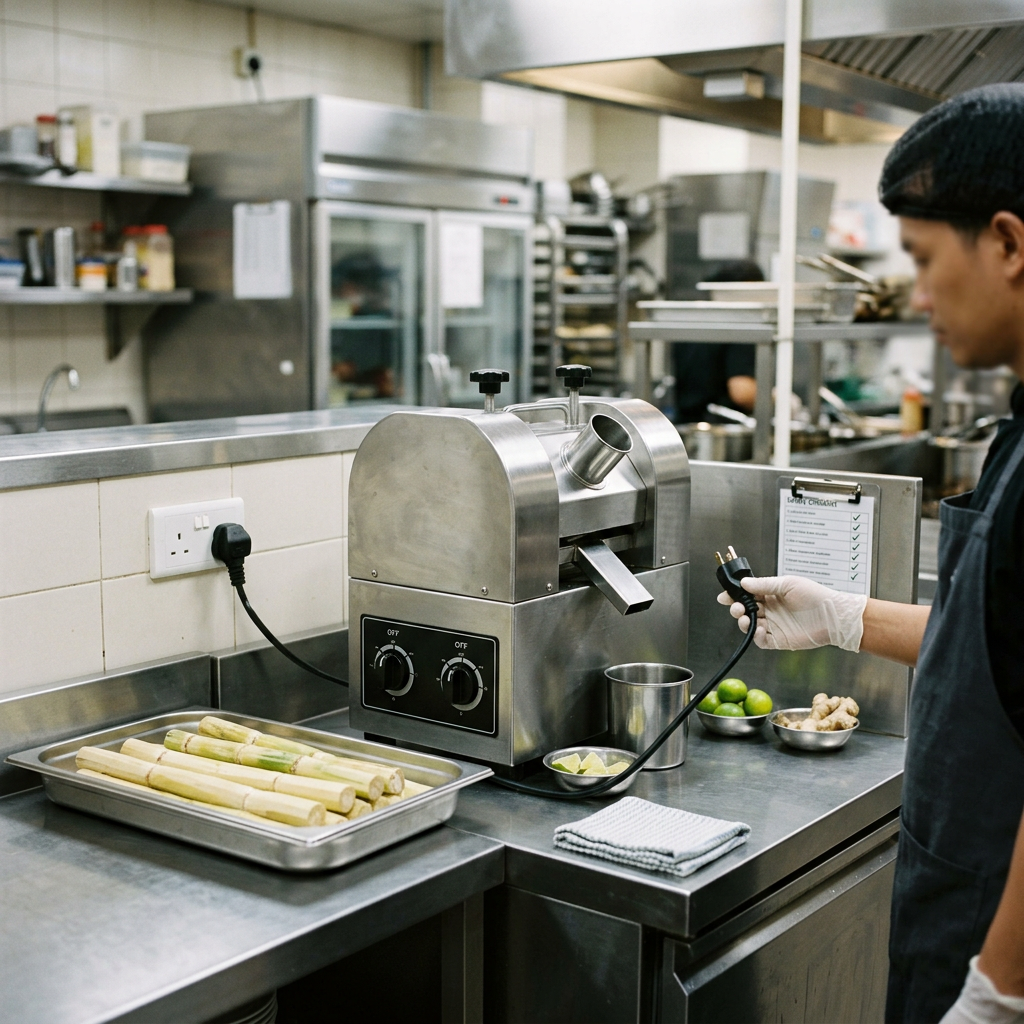
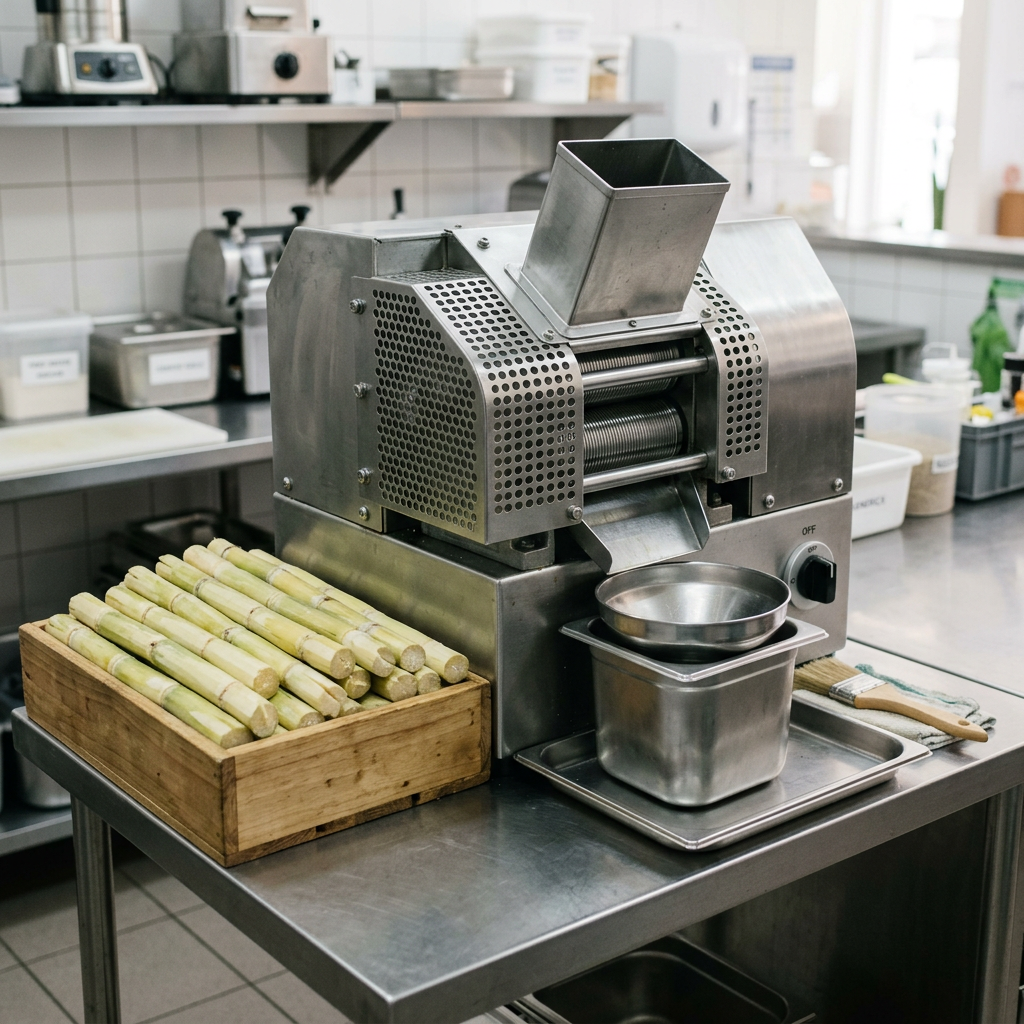
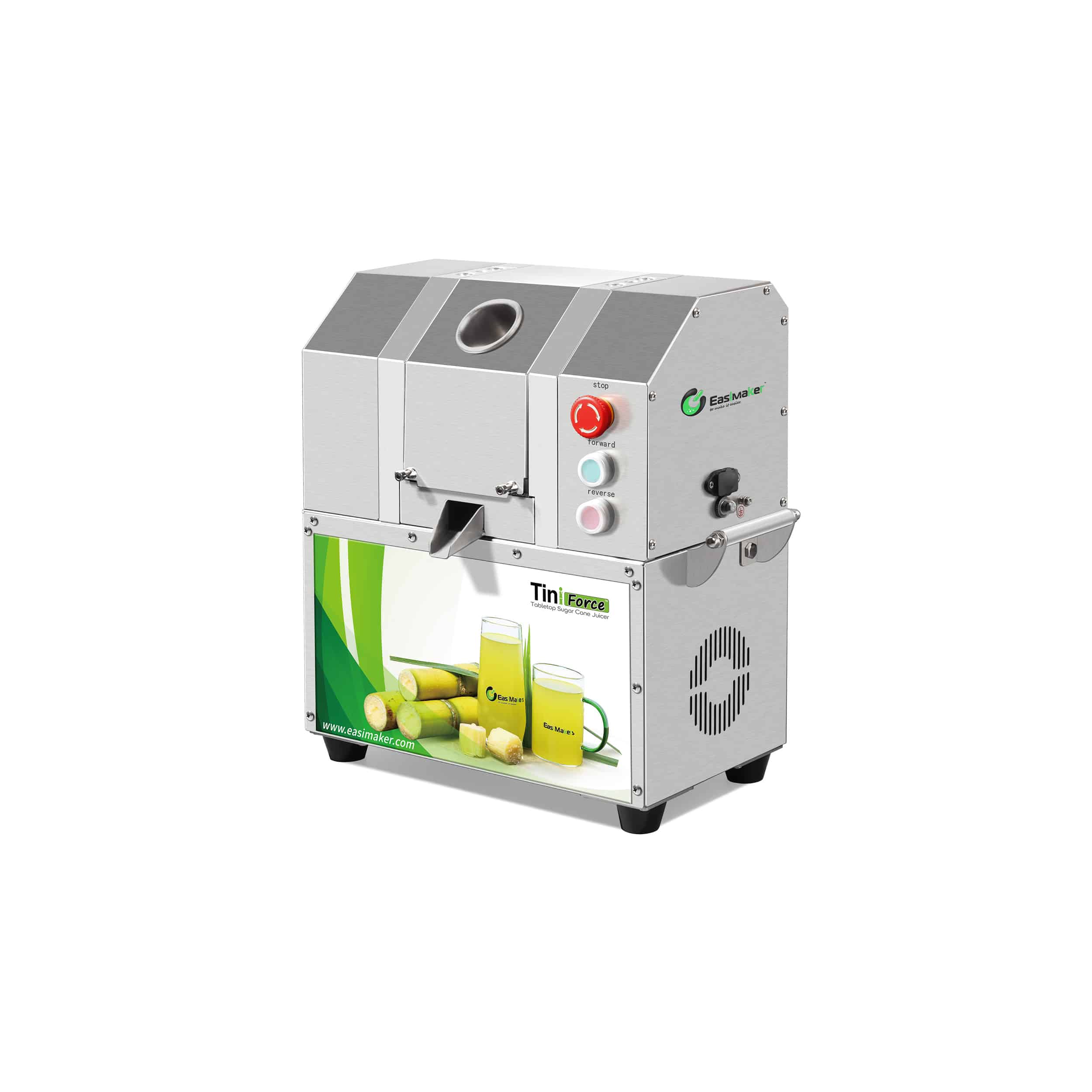
Commercial sugarcane juice machine in stainless steel for foodservice use

1. How Commercial Sugarcane Juice Machines Work (and Why Maintenance Matters)

Most commercial sugarcane juice machines share a similar structure:

  • Food-grade stainless steel housing (commonly 304 or similar grades)
  • Heavy-duty rollers that crush the cane and extract juice
  • Gearbox and drive system (direct drive or chain/belt driven)
  • Motor sized for continuous-duty commercial use
  • Juice outlet and pulp outlet with removable trays

Cane juice is sugary, moist, and slightly acidic. If it remains on metal surfaces, in crevices, or around seals, it can cause:

  • Stickiness and roller slippage
  • Premature wear of moving parts
  • Corrosion of non-stainless components
  • Bacterial growth and hygiene issues

A consistent maintenance routine ensures stable extraction performance, safer operation, and longer machine life.

2. Daily Care Checklist for Commercial Operations

Daily maintenance is the single biggest factor in longevity. The routines below are designed for busy shops running multiple shifts.

2.1 Pre-Shift Checks (Before First Use)

  • Visual inspection: Check housing, covers, and guards are correctly installed and undamaged.
  • Roller area: Ensure no cane fibers, tools, or foreign objects are in the feed area.
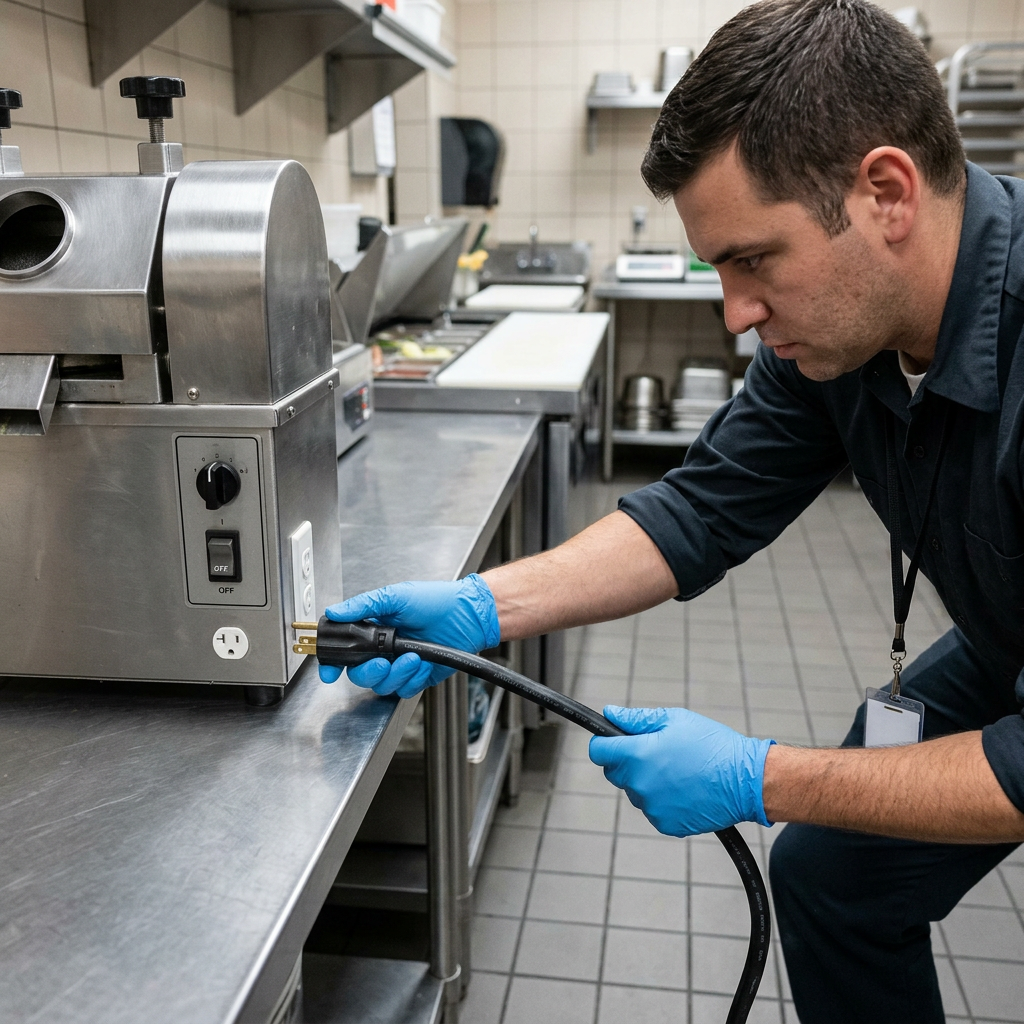
  • Power and cable: Inspect power cord and plug for cuts, burns, or loose connections.
  • Test run: Run the machine for 10–20 seconds without cane, listening for unusual noises (grinding, rattling, or knocking).

2.2 During Operation

  • Avoid overfeeding: Feed cane at a steady rate; overloading increases stress on the motor and gearbox.
  • Use appropriate cane size: If cane is too thick, split it before feeding. Forcing oversized cane can damage rollers or stall the motor.
  • Monitor temperature: If the housing feels excessively hot or a burning smell appears, stop and investigate.
  • Keep the area dry: Wipe spills around the base to prevent moisture from entering electrical components.

2.3 End-of-Day Cleaning Routine

End-of-day cleaning should be non-negotiable in any commercial setting:

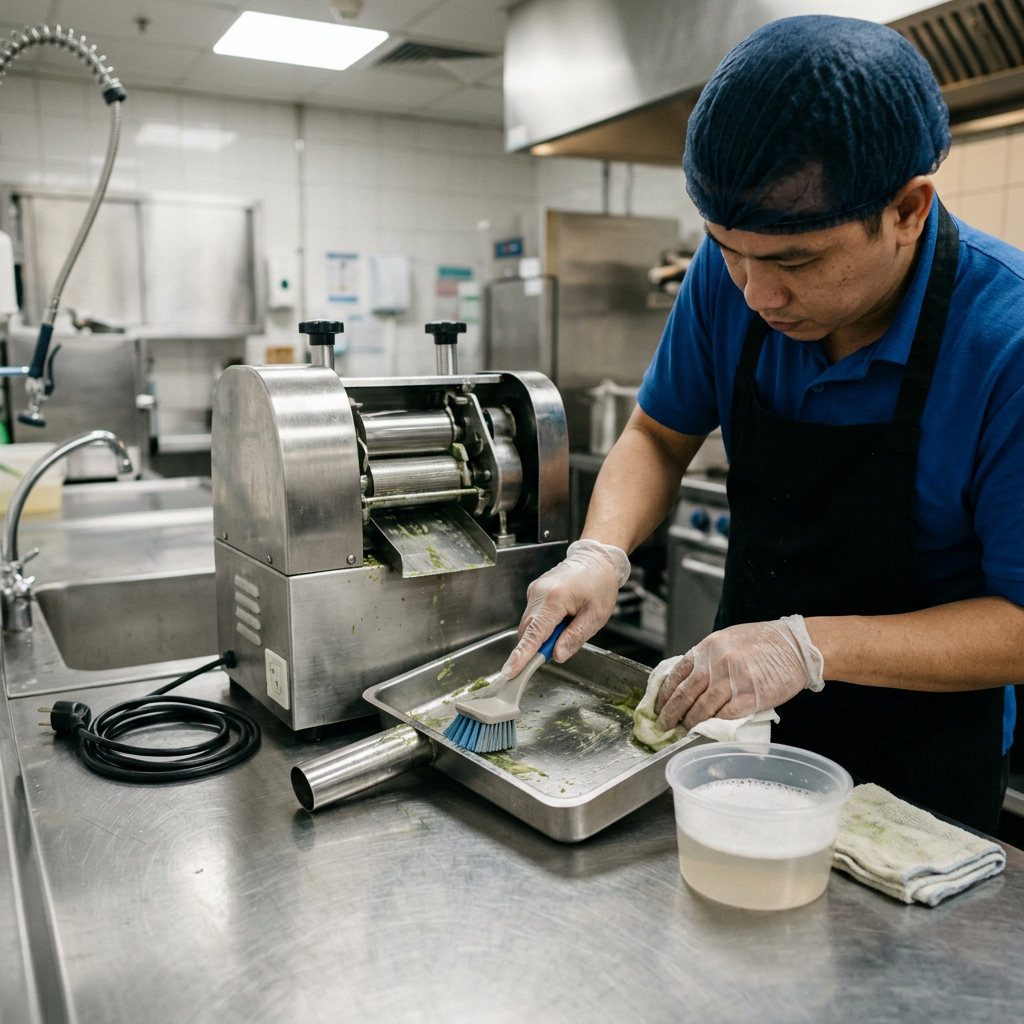
  • Disconnect power: Always unplug before cleaning to avoid electric shock or accidental start-up.
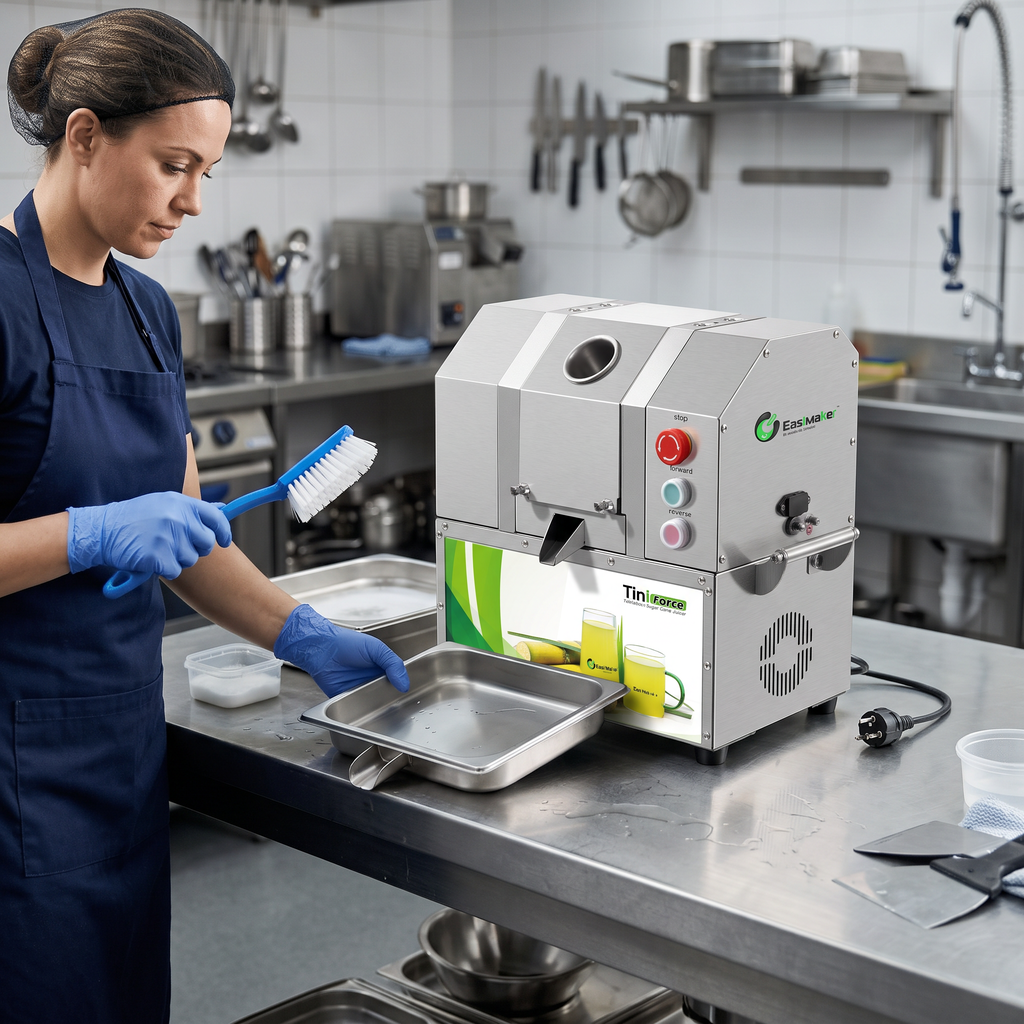
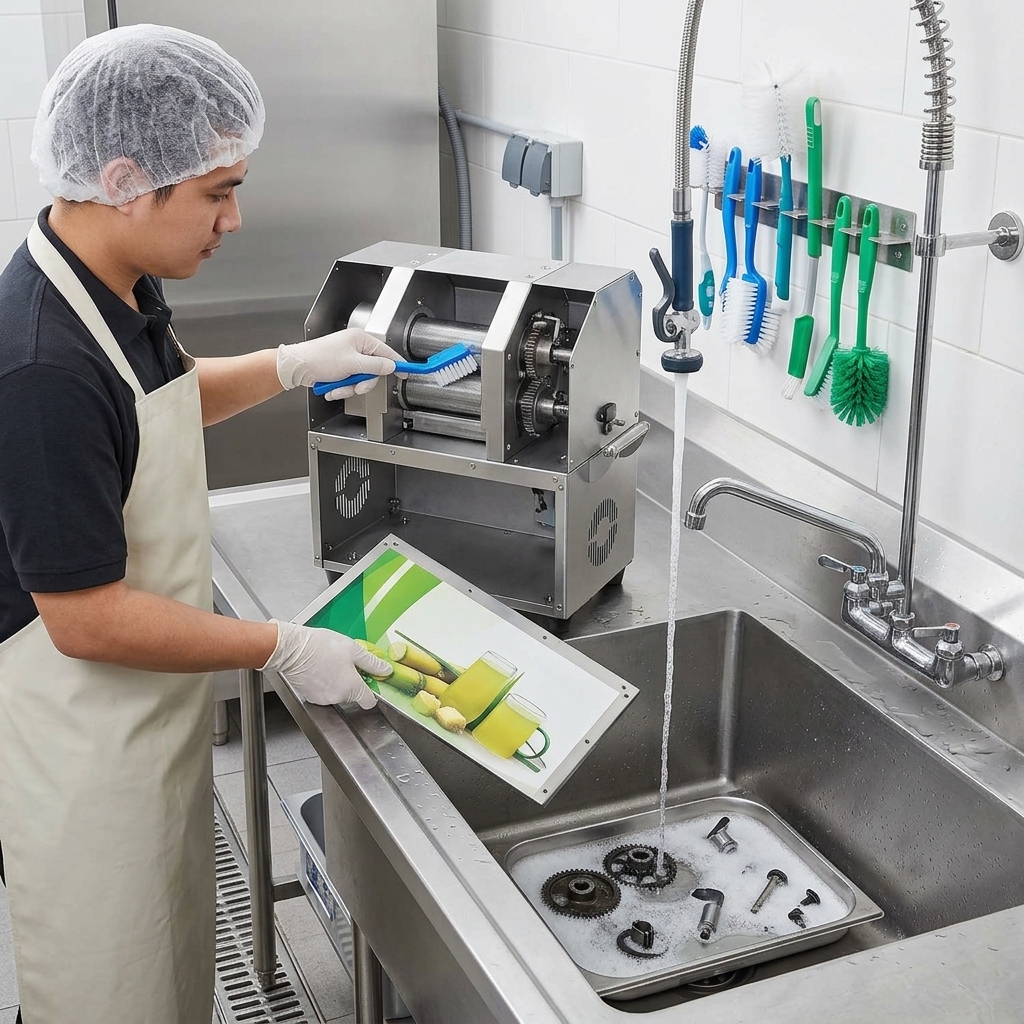
  • Disassemble removable parts: Remove trays, covers, and any detachable juice guides or filters as instructed in the user manual.
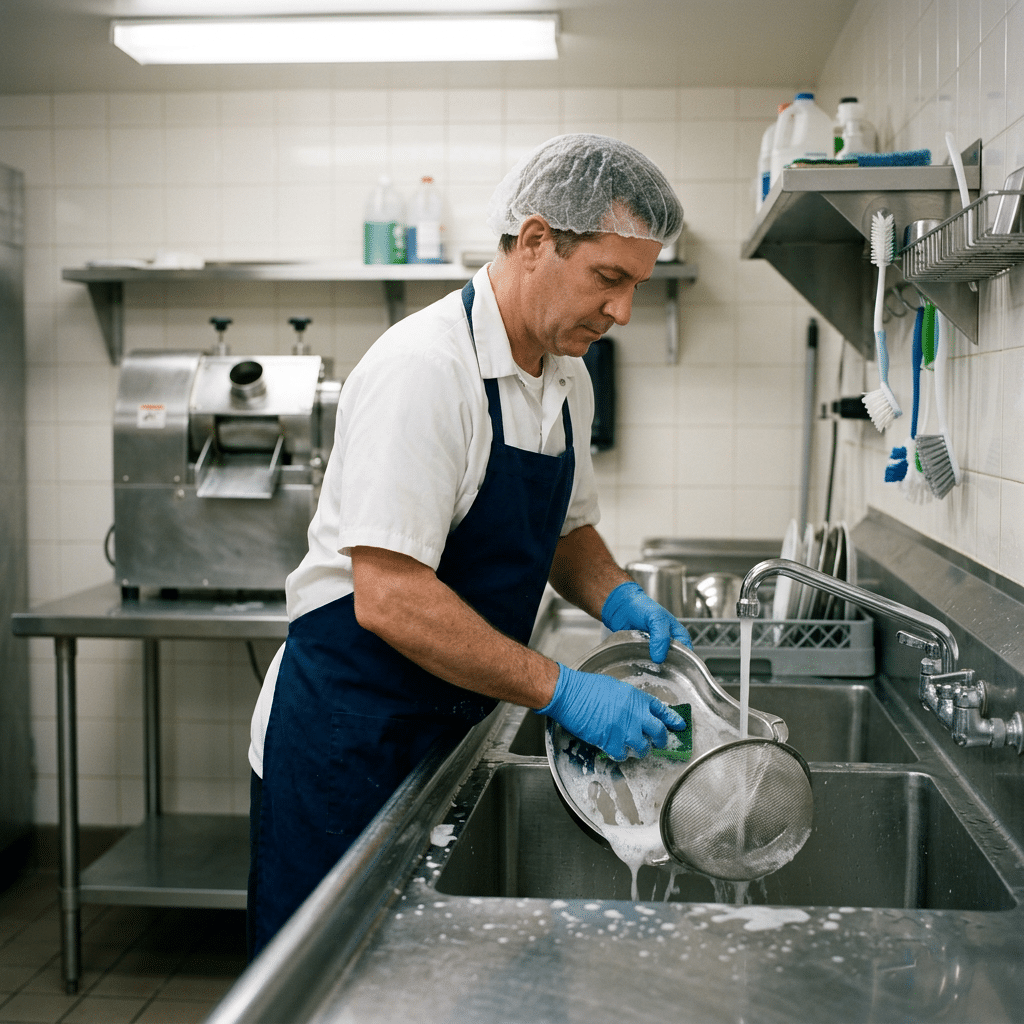
  • Rinse with warm water: Rinse food-contact surfaces to remove cane fibers and sugar residue. Avoid high-pressure jets at electrical sections.
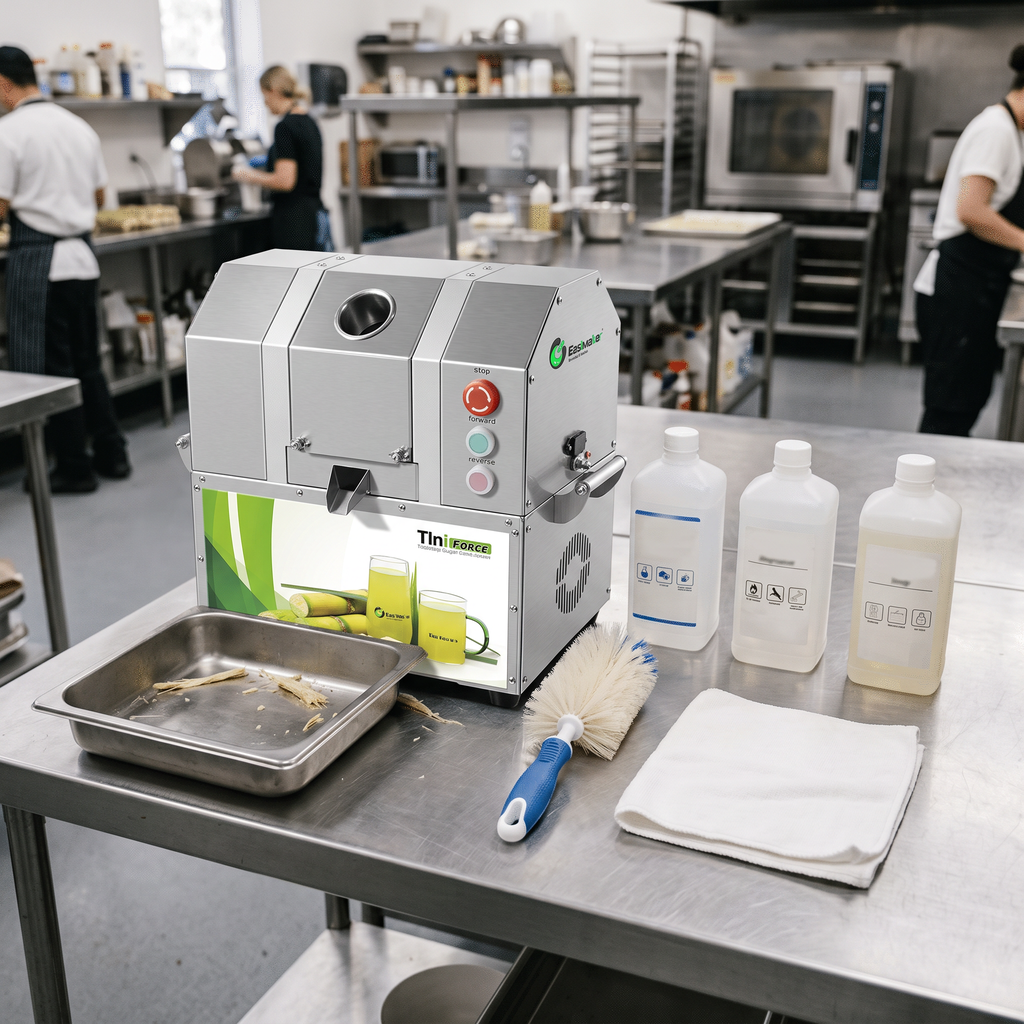
  • Mild detergent only: Use a food-safe, non-corrosive detergent and a soft brush or sponge. Do not use steel wool on stainless surfaces.
  • Rinse thoroughly: Remove all detergent before drying.
  • Dry completely: Wipe with a lint-free cloth and allow air drying where necessary to reduce corrosion risk.
  • Reassemble correctly: Ensure all guards and covers are refitted and secured, following the machine manual.

For distributors and franchise networks, standardizing this daily checklist across outlets can significantly reduce repair calls and warranty issues.

3. Weekly & Monthly Maintenance for Long-Term Durability

In addition to daily cleaning, structured weekly and monthly checks keep the mechanical and electrical systems in good condition.

3.1 Weekly Tasks

  • Deep clean rollers: Inspect rollers for hardened residue or minor rust spots. Clean with warm water and a non-abrasive brush.
  • Check fasteners: Lightly check accessible screws and bolts for looseness (do not overtighten).
  • Inspect seals and gaskets: Look for cracks, deformation, or leaks at juice outlets and covers.
  • Functional test: Run the machine with a small batch of cane and verify normal sound, speed, and juice output.

3.2 Monthly Tasks

Frequency can be adjusted depending on usage (heavy-duty operations may perform these every 2 weeks):

  • Lubrication checks: Where the design allows, inspect recommended lubrication points (e.g., chains, gears, bearings) and apply suitable food-grade lubricant as per the manual.
  • Electrical inspection: Have a qualified technician check connections, plugs, and switches for heat marks or wear.
  • Roller alignment: Check for uneven wear marks or inconsistent squeezing. Misalignment can reduce extraction efficiency and increase stress on the drive system.
  • Drainage and base: Ensure there is no standing liquid around the base or under the machine which can promote corrosion or electrical hazards.

4. Common Problems and Basic Troubleshooting

Proper maintenance reduces issues, but some common problems still appear in commercial environments. Below is a practical overview of symptoms, likely causes, and initial actions.

Symptom Possible Causes Initial Actions (Non-Technical)
Machine does not start Power issue, tripped breaker, safety switch not engaged, loose plug Check plug & outlet, confirm main switch is ON, ensure covers/guards are correctly closed, reset breaker if safe
Motor stalls during crushing Overloading, cane too thick, internal blockage Turn off and unplug, remove cane, reduce cane size, feed more slowly
Unusual noise (grinding, knocking) Foreign object in rollers, loose parts, worn bearings/gears Stop immediately, unplug, inspect visible areas; if noise persists, contact a technician
Reduced juice yield Worn rollers, roller gap too wide, slippage due to sticky residue Perform deep cleaning, check roller surface, avoid overripe/very dry cane; if unresolved, request technical inspection
Minor leaks around juice outlet Damaged gasket, loose fittings, residue buildup Clean thoroughly, check and correctly position gaskets; replace if visibly damaged

For safety and warranty reasons, more complex interventions (gearbox opening, electrical repairs, structural modifications) should be handled by the manufacturer or a qualified service partner.

5. Design and Specification Factors that Impact Maintenance

When selecting a sugarcane juice machine for a commercial project or distribution portfolio, look beyond output capacity and price. Design and material choices will directly affect maintenance effort and long-term durability.

5.1 Material Selection

  • Stainless steel construction: Housing and food-contact parts made of corrosion-resistant stainless steel (often 304 or similar grades) simplify cleaning and extend service life.
  • Food-contact surfaces: Smooth welds, rounded corners, and minimal crevices reduce residue accumulation and make hygiene management easier.
  • Roller material and finishing: Robust, corrosion-resistant rollers with proper surface finishing maintain grip without excessive fiber retention.

5.2 Ease of Disassembly and Cleaning

  • Tool-less or simple-tool access to key areas (rollers, juice tray, pulp outlet) saves time and lowers labor costs.
  • Clear separation between food zones and electrical/drive zones reduces cleaning risk.
  • Accessible drainage to prevent liquid accumulation inside the machine body.

5.3 Drive System and Motor

  • Continuous-duty motor rating: For commercial environments, motors should be chosen for repeated or extended runs, not only intermittent use.
  • Protection features: Overload protection, thermal cut-offs, and emergency stop switches can prevent severe damage under misuse.
  • Enclosed gearbox: Properly sealed gearboxes keep lubrication inside and contaminants out, reducing maintenance frequency.

6. Best Practices to Extend Machine Life in Commercial Use

Beyond routine cleaning, operational discipline and environment management greatly influence durability.

6.1 Train Staff on Correct Usage

  • Provide simple, visual SOPs for starting, operating, and shutting down the machine.
  • Emphasize not forcing objects or oversized cane into the rollers.
  • Remind staff to always unplug the machine before cleaning or removing jammed cane.

6.2 Control the Operating Environment

  • Stable, appropriate power supply: Where power fluctuations are common, consider voltage stabilization to protect the motor and control circuits.
  • Ventilation: Allow sufficient space around the machine so heat can dissipate.
  • Dry placement: Avoid standing water, floor drains directly under the machine, or exposure to rain in outdoor setups.

6.3 Manage Spare Parts and Service Support

  • Keep essential consumables (gaskets, seals, basic fasteners) in stock for multi-outlet operations.
  • Maintain a log of maintenance activities, issues, and replacements; this helps identify patterns and plan preventive servicing.
  • Coordinate with your supplier for recommended service intervals and response times for repairs.

7. Buying & Deployment Considerations for B2B Projects

For distributors, chain accounts, or brand owners planning multiple installations, maintenance should be part of the initial purchasing analysis, not an afterthought.

7.1 Matching Machine Capacity to Usage

  • Estimate peak-hour volume and daily cane throughput.
  • Select a machine model whose capacity comfortably exceeds expected peak demand to avoid constant overloading.

7.2 Installation and Commissioning

  • Verify that electrical requirements (voltage, frequency, plug type) match local conditions.
  • Ensure the counter or stand can support the machine weight and vibration.
  • Provide staff with initial hands-on training and a maintenance checklist from day one.

7.3 Service Agreements and Warranty

  • Clarify how routine maintenance affects warranty coverage.
  • Agree response times and typical spare parts availability with your supplier.
  • Document serial numbers and installation dates for each machine in your network.

8. FAQs: Sugarcane Juice Machine Maintenance and Longevity

1. How often should a commercial sugarcane juice machine be cleaned?

At minimum, food-contact areas should be cleaned at the end of every operating day. In high-volume or hygiene-sensitive environments, a mid-shift rinse and wipe-down can be added. A deeper cleaning of rollers and internal areas is recommended weekly.

2. Can staff use high-pressure water jets to clean the machine?

High-pressure jets are generally not recommended on or near electrical components and sealed gearboxes, as water ingress can damage internal parts. Use controlled water flow and avoid spraying directly at switches, motors, or ventilation openings.

3. What type of detergent is safe for cleaning?

Use a mild, food-safe detergent that is non-corrosive to stainless steel and suitable for food-contact surfaces. Avoid chlorine-heavy or highly abrasive cleaners unless specifically approved by the equipment manufacturer.

4. When should bearings, rollers, or gaskets be replaced?

Replacement intervals depend on usage intensity, cleaning quality, and the specific machine design. Warning signs include persistent noise, vibration, leaks, or notable reduction in juice extraction efficiency. For multi-unit operations, it is helpful to review these symptoms with the supplier and set preventive replacement guidelines.

5. What should be done if the machine frequently trips the circuit breaker?

Frequent tripping may indicate overloading, a power supply issue, or an electrical fault. Check that cane is not being forced through and that the outlet meets the machine’s power requirements. If the issue continues, have a qualified technician or the supplier inspect the machine and the electrical installation.

6. Is lubrication required, and can regular grease be used?

Some designs include sealed components that do not require user lubrication; others may have specified lubrication points. Only use lubricants recommended by the manufacturer, and where food-contact proximity exists, a suitable food-grade lubricant is typically advised. Avoid general-purpose grease unless clearly approved.

7. How can distributors reduce maintenance issues across multiple locations?

Standardize operating and cleaning procedures, provide consistent training, keep basic spare parts at selected sites, and implement a simple reporting system for issues. Monitoring recurring problems helps refine purchasing decisions and maintenance schedules.

9. Plan for Reliability from Day One

In commercial environments, sugarcane juice machines are expected to deliver consistent performance under demanding conditions. A combination of robust machine design, correct installation, disciplined daily care, and periodic technical checks is the most reliable way to extend service life and protect your return on investment.

If you are planning a new installation, upgrading existing equipment, or building a regional distribution program for sugarcane juice machines, it can be useful to discuss maintenance requirements and long-term durability at the quotation stage.

Ready to specify a sugarcane juice machine for your project?

  • Discuss capacity, duty cycle, and maintenance expectations with a specialist.
  • Review cleaning and service guidelines before placing volume orders.
  • Align spare parts and support plans with your deployment schedule.

Request a quote / Get a sample to evaluate a commercial sugarcane juice machine configuration that matches your operational and maintenance requirements.

Sugarcane Juice Machine Maintenance: Ensuring Long-Term Durability in Commercial Settings

In high-volume juice bars, takeaway kiosks, and foodservice chains, sugarcane juice machines often run for many hours a day. Poor maintenance quickly shows up as lower juice yield, overheating, unexpected breakdowns, and higher operating costs.

This guide is written for operators, procurement teams, and distributors who want to extend the service life of their commercial sugarcane juice machines and protect their investment. It focuses on routine maintenance, troubleshooting, and practical tips to keep machines running reliably in demanding environments.

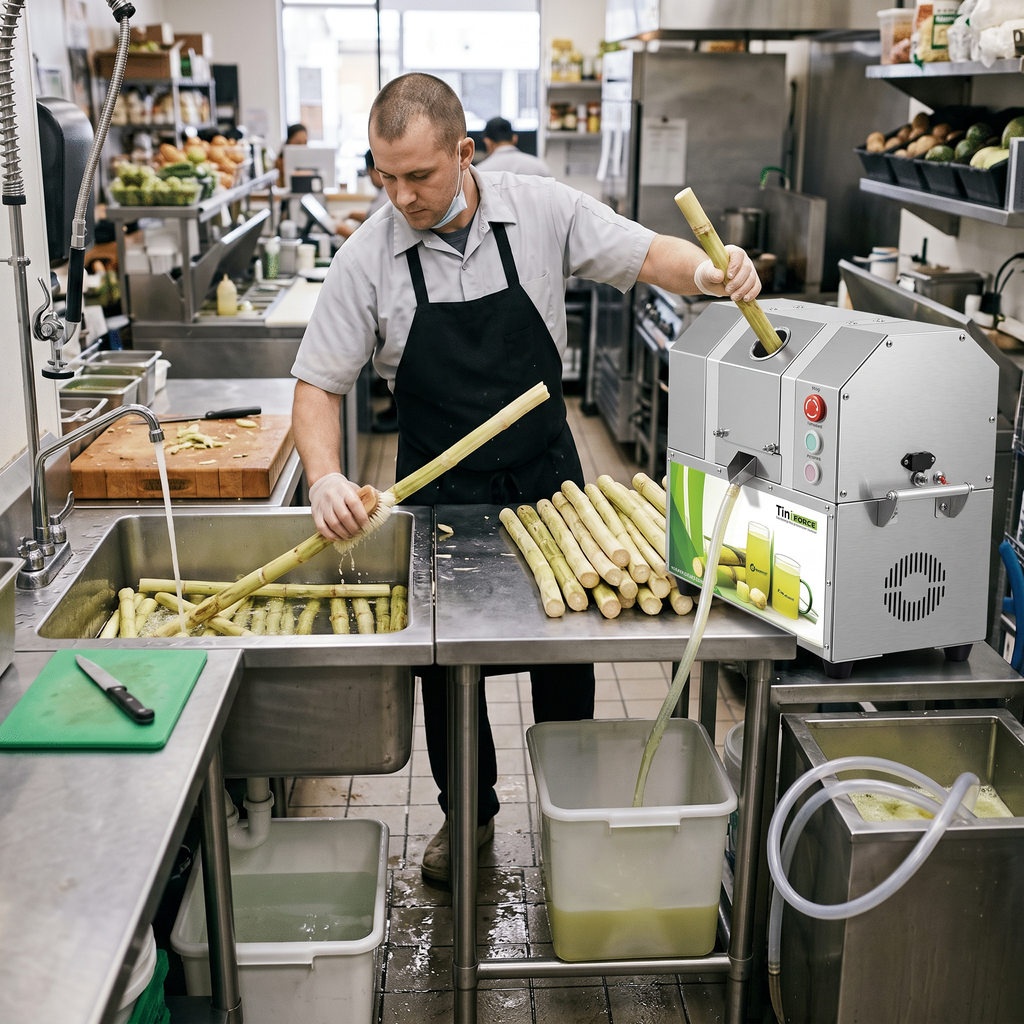
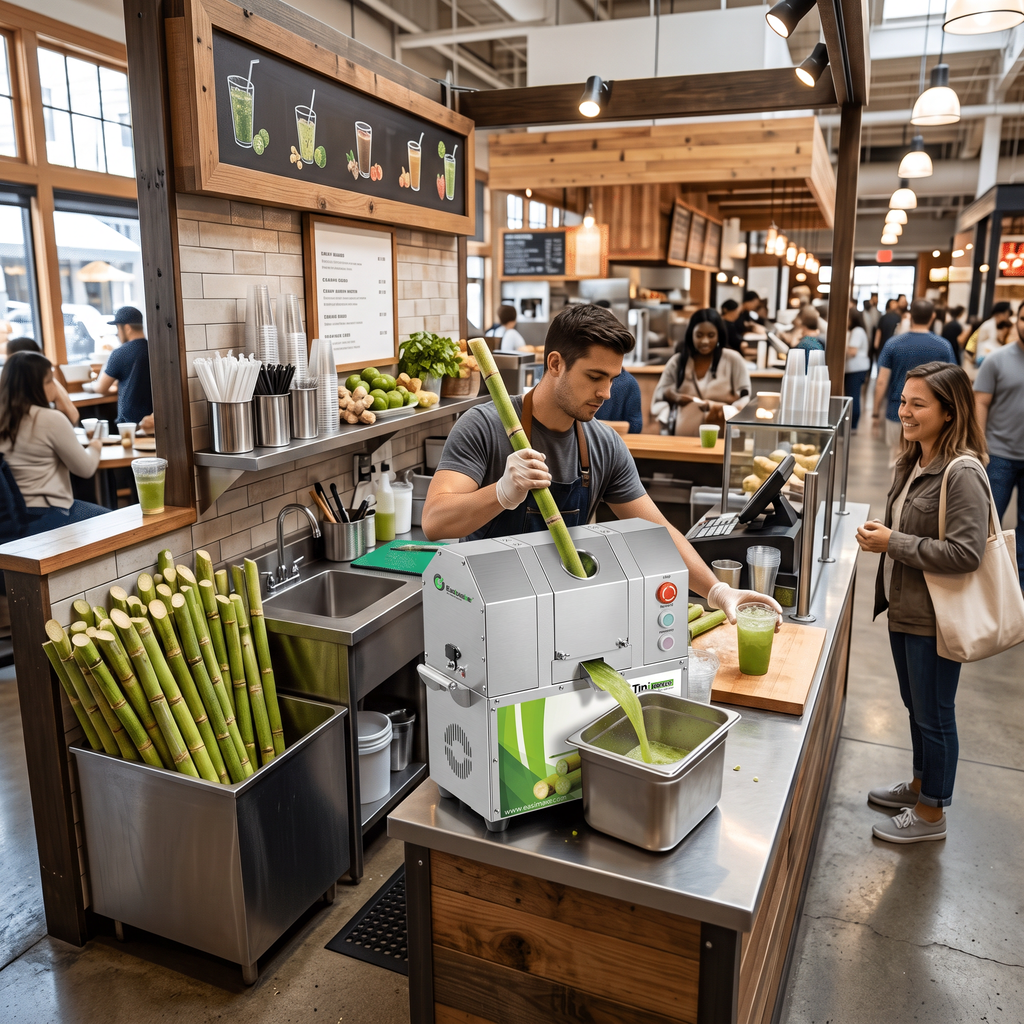
Commercial sugarcane juice machine in stainless steel for retail and foodservice use

1. Why Maintenance Matters for Commercial Sugarcane Juice Machines

A commercial sugarcane juice machine is a compact piece of food-processing equipment that combines mechanical pressing, food-contact surfaces, power transmission, and electrical components in a small footprint. In busy sites, the machine may be started and stopped dozens of times per day and exposed to sugar, moisture, and fine cane fibers.

Consistent maintenance brings clear benefits:

  • Longer equipment life: Proper cleaning and lubrication help reduce wear on rollers, bearings, gears, and motor components.
  • Stable juice yield and quality: Clean, well-aligned rollers maintain good extraction rates and avoid off-flavors caused by residue buildup.
  • Lower downtime: Early detection of abnormal noise, heat, or vibration prevents sudden failures during peak hours.
  • Better hygiene: Regular cleaning supports compliance with local food safety requirements (always confirm with local authorities).

2. Key Components That Affect Durability

Understanding the main wear points helps you design a practical maintenance routine.

2.1 Rollers and Crushing Assembly

Rollers are the core of the machine; they grip and crush the cane to extract juice. In many commercial machines, rollers are made from stainless steel for corrosion resistance and food contact safety.

Key checks:

  • Surface condition: Look for pitting, deep scratches, or visible deformation.
  • Alignment: Misalignment can cause uneven pressing and higher load on the motor.
  • Cleanliness: Fibers and dried sugar on roller surfaces can reduce grip and yield.

2.2 Bearings, Gears, and Drive System

The drive system transfers motor power to the rollers through gears, chains, or couplings. Bearings support the rotating shafts.

Watch for:

  • Unusual noise: Grinding or rattling often indicates bearing or gear wear.
  • Excessive play: Loose chains or worn gear teeth can lead to jerky operation.
  • Lubrication condition: Old grease contaminated by sugar dust or moisture loses effectiveness.

2.3 Motor and Electrical Components

The motor, switches, and wiring are critical for safety and uptime.

  • Motor temperature: Overheating can signal overloading or poor ventilation.
  • Cable and plug condition: Inspect for cuts, burns, or loose connections.
  • Control switches: Check that emergency stop and main switches operate smoothly.

2.4 Food-Contact Surfaces and Housing

Stainless steel housings and food-contact parts are designed for frequent cleaning. However, neglected cleaning can accelerate corrosion, create hygiene risks, and damage seals and gaskets.

3. Daily Maintenance Checklist (End-of-Shift Routine)

A structured daily routine is the simplest way to protect the machine. The following is general guidance; always follow the model-specific manual.

3.1 Pre-Cleaning Safety Steps

  • Switch off the machine and disconnect it from the power supply.
  • Allow hot components to cool before cleaning.
  • Train staff to never reach into the roller area while the machine is powered.

3.2 Cleaning Food-Contact Areas

  • Remove detachable parts (funnels, juice trays, covers) as specified by the manufacturer.
  • Rinse off bulk residue with clean water.
  • Wash with food-safe detergent using soft brushes; avoid abrasive pads that can scratch stainless steel.
  • Rinse thoroughly to remove all detergent.
  • Air-dry or wipe with clean, lint-free towels before reassembly.

3.3 Cleaning Rollers and Crushing Zone

Depending on the machine design, rollers may not be removable by the operator. In such cases:

  • Use a gentle water spray as allowed by the manual, avoiding direct spraying on motor vents or control panels.
  • Use a soft brush to remove attached fibers from accessible areas.
  • Never use sharp tools or metal scrapers on the rollers.

For machines designed for easier access, follow manufacturer instructions for opening guards and cleaning internal surfaces.

3.4 External Surfaces and Work Area

  • Wipe the outer housing with a damp cloth and mild detergent.
  • Dry thoroughly to reduce water spots and potential corrosion.
  • Keep the surrounding floor area clean to reduce dust and sticky residues.

4. Weekly and Monthly Maintenance Tasks

In addition to daily cleaning, schedule deeper checks at least weekly and monthly, depending on usage intensity.

4.1 Weekly Tasks

  • Visual inspection: Check for loose screws, nuts, guards, or covers.
  • Cable and plug check: Inspect for damage or excessive bending.
  • Noise and vibration test: Run the machine empty for a short period and listen for unusual sounds.
  • Roller condition: Inspect as much of the surface as is accessible for buildup or damage.

4.2 Monthly Tasks

  • Lubrication: Where specified by the manufacturer, apply food-grade grease or oil to bearings or chains. Do not over-lubricate; wipe excess to avoid attracting dust and sugar.
  • Fastener tightening: Check key bolts and nuts for tightness to maintain structural integrity.
  • Ventilation check: Confirm that motor vents and cooling openings are dust-free and not blocked by walls or other equipment.
  • Seal and gasket inspection: Check door seals, gaskets, or rubber parts for cracks or hardening and replace where required.

5. Preventive Maintenance Planning for High-Volume Sites

For busy retail or foodservice operations, preventive maintenance should be planned, not reactive.

5.1 Set Operating Hour Intervals

Instead of only using calendar intervals, track machine operating hours where possible. Maintenance at defined hour intervals (for example, every few hundred hours for deeper checks) can be more accurate than monthly or quarterly estimates.

5.2 Standardize Procedures and Training

  • Create a simple, illustrated SOP for daily and weekly tasks.
  • Train all relevant staff during onboarding and repeat periodically.
  • Use a log sheet or digital record for maintenance activities and any issues found.

5.3 Stock Basic Spare Parts

To minimize downtime, keep a small inventory of high-turnover spare parts, such as:

  • Food-contact seals and gaskets
  • Switches or buttons commonly used by staff
  • Fuses (if user-serviceable as per local regulations)

For other components like motors, gear sets, or rollers, coordinate with your supplier on typical lead times and recommended spare strategies for your usage level.

6. Troubleshooting Common Issues

Even with good maintenance, issues can arise. Below is general guidance; specific steps should follow each machine’s manual and local safety regulations.

6.1 Machine Does Not Start

  • Confirm the power source is available and the plug is connected properly.
  • Check that all safety interlocks or covers are correctly closed.
  • Inspect the main switch and any visible fuses (if accessible).
  • If the problem persists, stop troubleshooting at the electrical level and consult a qualified technician or your supplier.

6.2 Low Juice Yield or Poor Extraction

  • Inspect rollers for residue buildup; perform a thorough cleaning.
  • Verify that you are using cane of appropriate size and quality for the machine.
  • Listen for slipping sounds that might indicate loose chains or worn gears.
  • If yield issues continue, request a technical inspection to check alignment or roller wear.

6.3 Excessive Noise or Vibration

  • Stop the machine immediately if noise changes suddenly.
  • Check for foreign objects in the crushing area.
  • Inspect mounting bolts and ensure the machine is on a stable, level surface.
  • Persistent noise may indicate bearing or gear wear and should be reviewed by a technician.

6.4 Overheating or Burning Smell

  • Stop operation at once and disconnect power.
  • Check for blocked ventilation openings or operation in a confined, hot space.
  • Confirm that the machine is not being overloaded with excessively hard or oversized cane.
  • If overheating is recurrent, consult the supplier; continuing to run an overheated motor can cause permanent damage.

7. Operational Practices That Extend Machine Life

How the machine is used day-to-day has as much impact on longevity as the maintenance schedule.

7.1 Respect Capacity and Duty Cycle

  • Do not exceed the recommended cane diameter or feed rate specified in the manual.
  • Avoid continuous operation beyond recommended duty cycles; allow short rest periods during very long shifts when practical.

7.2 Use Proper Cane Preparation

  • Remove stones, dirt, and any foreign materials from cane before feeding.
  • Cut cane to recommended length where applicable; this reduces stress on the crushing mechanism.

7.3 Maintain a Clean Operating Environment

  • Prevent water from pooling under or around the machine.
  • Keep nearby cleaning chemicals away from electrical components.
  • Ensure adequate ventilation around the machine, especially near the motor.

8. Buying Considerations Related to Maintenance and Durability

When specifying sugarcane juice machines for commercial use, maintenance and serviceability should be part of the purchasing decision.

8.1 Material and Build Quality

  • Stainless steel housings and food-contact parts generally offer better corrosion resistance and cleaning performance than painted mild steel.
  • Robust enclosure design and sealed seams help reduce ingress of moisture and sugar dust into the drive system.

8.2 Access for Cleaning

  • Check how easily operators can access the crushing area and food-contact surfaces for cleaning.
  • Consider designs with removable covers, drip trays, and guides that simplify daily hygiene routines.

8.3 Service Support and Spare Parts

  • Confirm availability of key spare parts and typical lead times.
  • Check whether the supplier provides maintenance guidelines, training support, or recommended service intervals.

8.4 Matching Machine Type to Application

Select a machine model that matches your daily volume and operating environment. Different retail formats (street kiosks, shopping malls, restaurants, convenience stores) can have very different patterns of use and cleaning facilities. Discuss your application with the supplier so they can advise on suitable models and maintenance expectations.

9. FAQs: Sugarcane Juice Machine Maintenance

1. How often should a commercial sugarcane juice machine be cleaned?

Most commercial operations benefit from at least one full cleaning at the end of each working day, with light rinsing or wipe-downs during the day as needed. High-volume sites may choose to clean certain parts more frequently. Always follow the machine’s specific instructions and local hygiene requirements.

2. Can I use high-pressure water to clean the machine?

High-pressure cleaning can force water into electrical components and bearings, which may damage the machine. Unless the manufacturer specifically states otherwise, use controlled water flow, soft brushes, and mild detergent, avoiding control panels, motors, and vents.

3. What kind of lubricant should be used?

For any lubrication points that are near food-contact areas, a food-grade lubricant is generally recommended. Check the machine’s manual for the exact specification and re-lubrication interval. Avoid using non-food-grade lubricants where there is any risk of contact with juice or cane.

4. When should rollers or bearings be replaced?

Replacement intervals depend on usage intensity, cleaning practices, and the operating environment. Signs that these parts may need replacement include reduced yield, unusual noise, visible wear, or frequent alignment issues. It is best to consult the supplier or a qualified technician for inspection and recommendations.

5. How can I reduce unexpected breakdowns?

Implement a basic preventive maintenance plan (daily, weekly, monthly tasks), train staff properly, and respond quickly to early warning signs such as noise changes, overheating, or visible leaks. For very busy sites, periodic professional inspection can further reduce unplanned downtime.

6. Are there special considerations for humid or outdoor environments?

In humid or semi-outdoor locations, extra attention to drying after cleaning, protecting electrical components from moisture, and controlling rust is important. Ensure the machine is placed under cover and on a stable, dry surface. Discuss your installation environment with the supplier to select a suitable model and protection measures.

10. Plan for Long-Term Reliability

Well-chosen sugarcane juice machines, combined with disciplined daily maintenance and periodic preventive care, can operate reliably for many years in commercial environments. Small, consistent actions—correct cleaning, proper operation, and early troubleshooting—have a direct impact on total cost of ownership and uptime.

If you are evaluating new machines or planning maintenance for existing equipment, the next step is to align machine selection, spare parts, and service intervals with your actual operating conditions.

Request a Quote or Sample

If you need guidance on selecting sugarcane juice machines suitable for your volume and maintenance capabilities, or you would like to discuss sampling for your project, please contact our team.

Request a quote / Get a sample and we can help you configure the right solution and maintenance plan for your application.

Why 4 Roller Sugarcane Machines Are More Efficient Than 2 Roller

Understanding Sugarcane Juice Extraction Efficiency

In the commercial sugarcane juice industry, the difference between a profitable operation and a struggling one often comes down to extraction efficiency. For procurement officers and business owners, the choice of equipment is a long-term investment in yield. While 2-roller machines have historically served as entry-level options, the industry has shifted toward multi-roller systems, specifically 4-roller designs, to maximize output and minimize waste.

The core challenge of sugarcane processing is the fibrous nature of the stalk. Sugarcane contains a high percentage of lignin and cellulose, which act as a sponge, holding onto the juice. To extract this liquid effectively, the machine must apply consistent, staged pressure. This is where the 4-roller design significantly outperforms its 2-roller counterparts.

The Mechanics: 2-Roller vs. 4-Roller Systems

To understand why 4 rollers are superior, we must look at the mechanical interaction between the rollers and the cane stalks. In a 2-roller sugarcane machine, the cane passes through a single pinch point. This single point of contact must handle the entire task of crushing the hard exterior and squeezing the internal fibers. Often, this results in an incomplete extraction, requiring the operator to pass the bagasse (the leftover fiber) through the machine a second or third time.

In contrast, a 4-roller system, such as the EasiDeMax S4, utilizes a progressive compression strategy. The rollers are typically arranged in two sets. The first set acts as the “crusher,” breaking the rind and opening the fiber structure. The second set provides the “final press,” extracting the remaining juice from the pre-crushed stalks. This staged approach ensures that the fiber is thoroughly exhausted of its liquid content in a single pass.

Staged Pressing: The 4-Roller Advantage

Staged pressing is not just about adding more rollers; it is about the physics of juice release. When sugarcane is compressed, the juice needs a path to escape. In a 2-roller setup, the high pressure at the single nip point can actually “trap” juice within the fiber as it is compressed too quickly. A 4-roller machine allows for a more controlled release. The first stage prepares the material by increasing its permeability, and the second stage applies the high-intensity pressure needed for a high yield sugarcane juice machine to reach its full potential.

Drier Bagasse and Higher Yield

The most visible indicator of efficiency is the state of the bagasse. If the bagasse coming out of the machine is damp or heavy, juice is being wasted. A high-efficiency 4-roller machine produces bagasse that is brittle and bone-dry. For example, the EasiDeMax S4 is engineered to achieve a juice yield of up to 75%. This is a significant jump from the 50-60% yields common in standard 2-roller or lower-quality 3-roller machines. Over thousands of kilograms of cane, this 15-20% difference in yield directly translates to a lower cost per liter of juice and higher profit margins.

Comparing Specifications: 2-Roller vs. 4-Roller Models

When evaluating hardware for a commercial juice bar or bottling plant, a direct comparison of technical specifications reveals the operational gap between these designs.

Feature Standard 2-Roller Machine 4-Roller Machine (e.g., EasiDeMax S4)
Extraction Method Single-stage compression Dual-stage/Staged pressing
Typical Juice Yield 50% – 62% Up to 75%
Bagasse Quality Moist, often requires re-pressing Dry, brittle, single-pass ready
Grip & Feed Prone to slipping on thick stalks Superior grip due to multiple contact points
Motor Stress High peak load on one nip point Distributed load across four rollers
Noise Levels Often higher due to vibration Low noise (optimized gear ratios)

Technical Spotlight: The EasiDeMax S4 4-Roller Machine

The EasiDeMax S4 serves as a benchmark for what a professional-grade 4-roller machine should offer. Beyond the roller count, several engineering factors contribute to its efficiency and reliability in a B2B environment.

Material Integrity: 304 Stainless Steel

In food processing, material choice is non-negotiable. The use of 304 stainless steel for the rollers and all components that come into contact with the juice ensures corrosion resistance and compliance with international food safety standards. Sugarcane juice is naturally acidic; lower-grade metals can leach or corrode over time, affecting juice flavor and machine longevity. 304 stainless steel provides the durability required for 24/7 commercial operations.

Motor Protection and Operational Safety

A common failure point in commercial juicers is motor burnout caused by overloading. When a thick or particularly hard stalk is fed into the machine, the torque requirements spike. High-quality 4-roller machines incorporate overload protection. This system monitors the current draw and automatically shuts down the motor if it exceeds safe operating limits, preventing permanent damage. Furthermore, understanding motor power is essential for choosing a machine that can handle high-volume throughput without overheating.

Operational Benefits for Commercial Juice Businesses

For distributors and brand owners, the 4-roller design offers several operational advantages that go beyond simple juice yield:

  • Reduced Labor Costs: Because the 4-roller machine achieves maximum extraction in a single pass, operators spend less time re-feeding bagasse. This increases the cups-per-hour capacity of the station.
  • Consistent Flavor Profile: Staged pressing extracts juice more evenly from different parts of the stalk, leading to a more consistent sweetness and color in the final product.
  • Lower Maintenance: By distributing the mechanical load across four rollers instead of two, the wear and tear on individual bearings and gears are reduced, leading to longer service intervals.
  • Improved Safety: Modern 4-roller machines are designed with enclosed feeding ports and emergency stop functions, minimizing the risk of operator injury compared to older, open-roller designs.

How to Choose the Right Commercial Sugarcane Machine

Selecting the right equipment requires a balance between budget and required output. While the initial capital expenditure for a 4-roller machine is higher than a 2-roller model, the ROI is typically realized within the first few months of operation through juice savings alone. When sourcing, consider the following:

  1. Volume Requirements: If you are processing more than 50kg of cane per day, a 4-roller machine is almost always the more economical choice.
  2. Power Supply: Ensure your facility can support the wattage required for heavy-duty motors. Most commercial units run on standard 110V/220V, but the amperage draw during peak crushing should be verified.
  3. Ease of Cleaning: Look for machines with removable panels or easy-access rollers. Sugarcane juice is high in sugar and will become sticky and unsanitary if the machine cannot be cleaned thoroughly every day.

Manufacturing and Quality Assurance

At the industrial level, quality assurance (QA) is what separates a reliable machine from a liability. Professional manufacturers implement rigorous testing protocols, including load testing the motors for several hours and verifying the hardness of the stainless steel rollers. When ordering in bulk or for distribution, inquire about the factory’s QA process and their spare parts availability. A machine is only as good as the support behind it, especially when it comes to consumable parts like gears and bearings.

Frequently Asked Questions (FAQs)

1. Can a 4-roller machine handle different diameters of sugarcane?

Yes, most professional 4-roller machines like the EasiDeMax S4 feature self-adjusting tension or specific roller gaps designed to accommodate various cane thicknesses, from thin stalks to premium thick varieties.

2. Is the juice from a 4-roller machine different in taste?

The taste is generally superior because the staged pressing doesn’t “shock” the fiber as much as a high-pressure 2-roller pass, which can sometimes release more bitter compounds from the outer rind if not calibrated correctly.

3. How often do the rollers need to be replaced?

With 304 stainless steel construction and proper cleaning, rollers can last for several years of heavy use. The primary maintenance items are usually the drive belts or gears, which are easily replaceable.

4. Does a 4-roller machine consume more electricity?

While the motor may be more powerful, the total energy consumed per liter of juice produced is often lower because the machine works more efficiently and doesn’t require multiple passes.

5. What is the typical lead time for B2B orders?

Lead times vary based on customization and order volume, but standard commercial units are typically ready for shipment within 15–30 days. For large distributor orders, it is best to contact our sales team for a specific timeline.

Conclusion: Making the Shift to 4-Roller Efficiency

For any serious commercial enterprise, the 4-roller sugarcane machine represents the gold standard in juice extraction. By providing staged pressing, higher yields, and superior durability through 304 stainless steel construction, machines like the EasiDeMax S4 offer a clear path to higher profitability and operational excellence. If you are looking to upgrade your current setup or are planning a new juice venture, prioritizing extraction efficiency is the most effective way to ensure long-term success.

Ready to optimize your production? Request a quote / Get a sample today to see the difference professional-grade engineering makes.

Why Bubble Tea Shops Are Switching to Fresh Sugarcane Juice Mixers

The Shift Toward Healthier Beverage Bases

The global bubble tea market has historically relied on powdered creamers, flavored syrups, and tea concentrates. However, as the industry matures, saturation is driving shop owners to differentiate their menus. The most significant trend currently reshaping the sector is the demand for "fresh" and "natural" alternatives. This is where commercial sugarcane juice mixers (extractors) are finding a permanent place alongside espresso machines and cup sealers.

Integrating fresh sugarcane juice offers a dual advantage: it serves as a natural sweetener that replaces processed fructose, and it acts as a versatile base for fruit teas and smoothies. For B2B buyers—ranging from franchise owners to equipment distributors—understanding the operational impact and ROI of these machines is critical before procurement.

The Business Case: Menu Diversification and Margins

Adding a sugarcane juice machine is not merely about adding a single item to the menu; it is about introducing a new foundational ingredient. Unlike seasonal fruits that spoil quickly, sugarcane stalks have a relatively long shelf life when stored correctly, and the juice extraction process is on-demand, minimizing waste.

1. The "Health Halo" Effect

Modern consumers, particularly Gen Z and Millennials, are increasingly scrutinizing sugar content. Sugarcane juice is marketed as a low-glycemic, unprocessed alternative to high-fructose corn syrup. By offering "Sugarcane Oolong" or "Sugarcane Lemon" instead of syrup-based equivalents, shops can justify premium pricing while appealing to health-conscious demographics.

2. High-Margin Potential

The cost of raw sugarcane stalks relative to the yield is generally favorable in most regions with established supply chains. A commercial-grade machine ensures maximum extraction (high yield), significantly lowering the cost per milliliter compared to buying pre-packaged juice or high-end syrups.

Operational Workflow: Fitting Machines into Tight Spaces

One of the primary concerns for bubble tea shop owners is counter space. Most shops operate in high-rent, compact footprints (often under 500 sq. ft.). Equipment manufacturers have responded by developing compact, countertop sugarcane juicers designed specifically for the beverage industry.

Key Workflow Features

  • One-Pass Extraction: In a high-volume boba shop, staff cannot afford to pass the cane through multiple times. Modern commercial mixers utilize a heavy-duty 3-roller or 4-roller system to extract 95%+ of the juice in a single pass.
  • Instant Separation: Machines automatically separate dry bagasse (fiber) from the juice, depositing the waste into a concealed bin or chute, keeping the front-of-house clean.
  • Speed: A standard commercial unit can produce 2–4 liters per minute, sufficient to keep up with rush-hour demand for base mixers.

Technical Specifications to Look For

When sourcing sugarcane juice machines for a bubble tea environment, procurement officers must prioritize hygiene and durability over raw power alone.

Material Standards

The acidity of sugarcane juice combined with sugar content creates a corrosive environment. It is mandatory that all food-contact zones—rollers, juice trays, and spouts—be constructed from Food Grade 304 Stainless Steel. Cheaper alternatives using 201 stainless steel or iron rollers will corrode, leading to health code violations and equipment failure.

Safety Mechanisms

Given the torque required to crush cane, safety is non-negotiable. Look for:

  • Emergency Stop Buttons: Easily accessible on the front panel.
  • Safety Sensors: The machine should auto-shutoff if the feed chute guard is removed.
  • Reverse Function: Essential for clearing jams without manual intervention.

Noise Levels

Bubble tea shops are social spaces. Industrial crushers are too loud (often exceeding 85dB). specialized shop-grade mixers utilize enclosed gearboxes and sound-dampening housing to keep operation under 70dB, allowing normal conversation to continue during extraction.

Menu Applications: Beyond Plain Juice

To maximize the investment, shop owners use the machine to create a "Sugarcane Series." Here are common B2B applications:

Menu Item Role of Sugarcane Target Customer
Sugarcane Milk Tea Replaces sugar syrup; adds grassy/caramel note. Traditional boba drinkers seeking variety.
Citrus Cane Cooler 50% Juice / 50% Water or Tea + Lemon/Kumquat. Summer refreshment/Thirst quencher.
Green Detox Smoothie Liquid base for kale/spinach blending. Health/Fitness segment.
Coco-Cane Cloud Sugarcane juice topped with salted cream foam. Trend-chasers/Instagram users.

Maintenance and Hygiene Considerations

Sugar residue attracts bacteria and pests rapidly. For a commercial setting, the "cleanability" of the machine is a major purchasing factor.

  • Detachable Rollers: Some advanced models allow the roller assembly to be removed for soaking.
  • Flush Cleaning: For fixed-roller models, the design must allow for easy water flushing without damaging the motor.
  • Sealed Bearings: To prevent juice from entering the mechanical housing, high-quality seals are required to extend the machine’s lifespan.

Buying Guide: Sourcing the Right Equipment

When requesting quotes or samples from manufacturers, consider the following:

1. Capacity vs. Footprint

Do not buy an industrial floor-standing model for a mall kiosk. A compact tabletop model (approx. 20kg to 45kg weight) is usually sufficient for serving 100–300 cups a day.

2. Power Compatibility

Ensure the voltage (110V vs 220V) and plug type match your target market. Sugarcane machines have high torque motors; using converters is not recommended.

3. Spare Parts Availability

Rollers and bearings wear down over time. Ensure the supplier provides a spare parts kit (seals, gears) or has a local distribution center for rapid maintenance.

Frequently Asked Questions (FAQs)

How much space does a commercial sugarcane mixer require?

Most countertop models designed for bubble tea shops measure approximately 40cm x 30cm x 50cm. They require roughly the same footprint as a standard blender or fructose dispenser.

Can these machines handle different sizes of sugarcane?

Yes, commercial machines typically have a self-adjusting roller gap or a wide feed chute (up to 50-60mm) to accommodate various stalk diameters without manual splitting.

How often should the machine be cleaned?

In a commercial environment, the machine should be flushed with water every 2-3 hours to prevent stickiness and fermentation, with a deep clean (disassembly) at the end of every shift.

Is peeling necessary before juicing?

While industrial machines can crush unpeeled cane, for bubble tea applications, it is highly recommended to scrape or peel the outer hard skin. This improves the color of the juice (preventing a muddy green look) and reduces bitterness, ensuring a cleaner taste profile for beverages.

What is the typical ROI timeline?

Depending on the volume of sales, many shops report breaking even on the equipment cost within 2 to 4 months, given the high profit margin on sugarcane beverages compared to powder-based drinks.

Conclusion

Switching to fresh sugarcane juice mixers allows bubble tea shops to escape the price war of generic milk teas and enter the premium "fresh beverage" market. By selecting a machine that balances extraction efficiency, safety, and hygiene, owners can streamline operations while offering a healthier, high-demand product.

Ready to upgrade your beverage menu? Contact us today to request a quote on commercial sugarcane juice extractors or to discuss custom equipment solutions for your franchise.

Leveraging the Cold-Pressed Label: How to Command Higher Prices for Sugarcane Juice

In the competitive landscape of commercial juice bars and beverage manufacturing, the difference between a commodity product and a premium health beverage often lies in processing terminology and consumer perception. While sugarcane juice has traditionally been viewed as a low-cost street beverage in many regions, the global shift toward functional, raw, and nutrient-dense drinks presents a significant opportunity for operators.

By accurately leveraging the “cold-pressed” classification—which is inherent to the mechanical operation of professional sugarcane crushers—businesses can reposition this product. This shift allows for significantly higher price points, improved profit margins, and access to a health-conscious demographic willing to pay for quality preservation.

This guide explores the technical basis for labeling sugarcane juice as cold-pressed, the operational advantages of modern crushing equipment, and strategies for marketing this high-margin product effectively.

The Engineering Behind the “Cold-Pressed” Claim

To market a product as cold-pressed, the extraction method must minimize heat generation and oxidation. In the broader juice industry, this usually distinguishes hydraulic presses from centrifugal juicers (which use high-speed blades that introduce heat and air).

Professional sugarcane machines, specifically those utilizing multi-roller systems, naturally align with cold-pressed standards due to their mechanical design:

  • Low RPM, High Torque: Unlike centrifugal juicers that spin at 3,000+ RPM, industrial sugarcane rollers typically rotate at low speeds (often 10–20 RPM). This slow rotation prevents the friction-based heat buildup that destroys heat-sensitive enzymes and vitamins.
  • Masticating Action: The rollers utilize high pressure to crush and squeeze the fiber, extracting liquid without shredding the cane into a pulp that is exposed to rapid oxidation.
  • No External Heat: The extraction is purely mechanical. As long as the machine is maintained and lubricated correctly (ensuring no gear heat transfers to the juice path), the juice remains at ambient temperature throughout the process.

For juice bar operators, this means the standard operating procedure of a high-quality sugarcane juicer technically qualifies the output as “cold-pressed,” a label that commands a premium in the current market.

Comparing Extraction Methods: Why It Matters for Pricing

Understanding the difference between extraction methods is crucial for justifying price increases to procurement teams or retail consumers.

Feature Centrifugal Extraction Cold-Pressed / Roller Extraction
Mechanism High-speed spinning blades Slow-rotating steel rollers
Heat Generation Moderate to High (Friction) Negligible / None
Oxidation Rate High (Aerates the juice) Low (Preserves color longer)
Nutrient Retention Lower (Enzyme degradation) Maximum retention
Market Value Standard / Economy Premium / Luxury

Operational Considerations for Premium Positioning

Simply owning a machine is not enough to secure a premium position. The equipment quality and operational workflow must support the high-value claim.

1. Material Compliance and Hygiene

To sell a premium health product, the equipment must meet stringent hygiene standards. Buyers should look for machines constructed with food-grade 304 stainless steel for all juice-contact parts (rollers, trays, filters). Older models using cast iron or non-food-grade alloys can introduce metallic tastes or rust contaminants, immediately invalidating any “pure” or “premium” marketing claims.

2. One-Pass Efficiency

High-end commercial machines are designed for “one-pass” extraction. This means the cane is crushed thoroughly in a single feed, extracting 95%+ of the juice. Cheaper machines often require feeding the cane through multiple times to get a decent yield. Multiple passes increase oxidation and handling time, degrading the “fresh” quality. Investing in a powerful, high-torque motor ensures single-pass efficiency, supporting a true cold-pressed workflow.

3. Filtration and Clarity

Cold-pressed consumers expect a smooth texture. Professional machines often include integrated fine-mesh filtration systems. Ensuring the final product is free of coarse fiber (bagasse) is essential for bottling and premium service.

Marketing Strategy: From Commodity to Superfood

Once the technical foundation is established, the marketing strategy must align with the premium price point. Sugarcane juice is naturally rich in electrolytes, antioxidants, and has a low glycemic index compared to refined sugars. The “cold-pressed” label acts as a trust signal that these properties have not been altered by processing.

Packaging and Presentation

Do not serve premium cold-pressed sugarcane juice in generic plastic cups. To command a higher price:

  • Bottling: Use glass or high-quality rPET bottles with minimalist labeling. This implies shelf-stability (even if short-term) and quality.
  • Visual Proof: If operating a juice bar, ensure the machine is visible. The visual of the slow-crushing stainless steel rollers reinforces the “fresh” and “mechanical” nature of the process, distinct from noisy blenders.
  • Menu Terminology: Use terms like “Slow-Crushed,” “Raw Pressed,” and “Unpasteurized” alongside “Cold-Pressed.”

Strategic Blends

Pure sugarcane juice can be intensely sweet. To appeal to the health-conscious market and increase perceived value, create functional blends. The cold-press extraction method works excellently when co-extracting ingredients:

  • The Detox Blend: Sugarcane + Ginger + Lemon (Ginger can often be crushed directly in robust rollers).
  • The Immunity Blend: Sugarcane + Turmeric + Calamansi.

Buying Guide: Selecting the Right Machine

When sourcing equipment to support a premium sugarcane juice business, consider the following specifications to ensure reliability and product quality:

  • Roller Composition: Solid stainless steel rollers are preferred over hollow or coated rollers for durability and hygiene.
  • Safety Features: Look for emergency stop buttons and enclosed feed chutes. In many jurisdictions, open-roller machines are prohibited in commercial settings due to injury risks.
  • Cleaning Accessibility: Cold-pressed juice is highly perishable. The machine must be easy to disassemble for deep cleaning to prevent bacterial growth. Removable rollers and juice trays are a critical feature.
  • Noise Level: Premium juice bars often value ambiance. A high-quality gear reduction motor should operate quietly, unlike the high-pitched whine of centrifugal juicers.

Frequently Asked Questions (FAQs)

Does “cold-pressed” sugarcane juice have a longer shelf life?

Cold-pressed juice generally has a slightly longer shelf life than centrifugal juice due to reduced oxidation, but raw sugarcane juice is highly perishable. Without pasteurization or preservatives, it typically lasts 24–48 hours under refrigeration. The premium value comes from its freshness, not long-term storage.

Can I bottle sugarcane juice for retail sale?

Yes, but strict cold-chain management is required. Because the juice is raw and rich in natural sugars, fermentation can start quickly. Bottling immediately after extraction and keeping the product below 4°C (39°F) is essential. Consult local health regulations regarding raw juice sales.

What is the typical yield of a professional sugarcane crusher?

A high-efficiency 3-roller or 4-roller machine can typically extract 70% to 80% of the cane’s weight as juice in a single pass. This high yield is critical for maintaining healthy profit margins.

Why does sugarcane juice turn brown, and does cold-pressing stop it?

Browning is caused by the oxidation of enzymes and polyphenols in the juice. While cold-pressing significantly slows this process compared to centrifugal juicing, it does not stop it entirely. Adding a small amount of acidic citrus (lemon or lime) during extraction helps maintain the bright green color.

Is a 3-roller or 4-roller machine better for premium juice?

Generally, more rollers allow for more gradual pressure steps, maximizing yield and ensuring the fiber is completely dry upon exit. A 3-roller system is the industry standard for balancing efficiency and cost, while 4-roller systems are used for high-volume industrial applications.

Ready to upgrade your beverage menu with high-margin, cold-pressed sugarcane juice?

Request a Quote / Get a Sample

Sugarcane Juice in Fitness Centers: Tapping into the Natural Electrolyte Recovery Market

The Shift from Synthetic to Natural Recovery

For decades, the post-workout recovery market was dominated by brightly colored, synthetic isotonic drinks. However, the modern fitness consumer is evolving. Gym members, from casual enthusiasts to competitive athletes, are increasingly scrutinizing labels, seeking "clean label" products free from artificial dyes, preservatives, and refined sweeteners.

This shift presents a tangible business opportunity for fitness centers and wellness clubs. By integrating fresh sugarcane juice into on-site juice bars or vending operations, facility owners can offer a plant-based, natural alternative that rivals engineered sports drinks in electrolyte content while commanding a premium price point.

Why Sugarcane? The Nutritional Argument for Athletes

To market sugarcane juice effectively within a fitness environment, it is essential to understand its functional benefits. Unlike refined sugar (sucrose), which is stripped of nutrients, raw sugarcane juice retains its natural mineral profile.

Natural Electrolyte Profile

Sugarcane juice is naturally rich in electrolytes, specifically potassium, calcium, magnesium, and manganese. These minerals are critical for preventing muscle cramps and replenishing salts lost through sweat during rigorous exercise. For context, a typical serving of fresh sugarcane juice can contain significant potassium levels, comparable to or exceeding that of bananas or commercial coconut water.

Glycogen Replenishment

Post-workout recovery requires rapid glycogen replenishment. The natural sugars in cane juice (a mix of sucrose, fructose, and glucose) provide a quick energy source that helps restore muscle glycogen stores immediately after training. Because it is unrefined, it has a lower glycemic index (GI) than many processed sports drinks, leading to a more sustained energy release rather than a sharp spike and crash.

The Business Case: ROI and Revenue Streams

For gym owners and wellness directors, the decision to introduce a new beverage line is ultimately financial. Sugarcane juice offers a favorable margin structure compared to bottled beverages.

  • Low Raw Material Costs: Raw sugarcane stalks are generally inexpensive to source in bulk compared to the unit cost of stocking premium bottled protein shakes or coconut water.
  • High Perceived Value: Freshly pressed juice offers "theater"—the customer sees the product being made. This freshness allows operators to charge a premium (often 300% to 500% markup over raw material costs).
  • Differentiation: While most gyms offer smoothies and protein shakes, few offer fresh-pressed botanical energy drinks. This uniqueness can drive secondary spend from members who might otherwise buy a drink at a convenience store on their way home.

Operational Considerations: Equipment and Workflow

Implementing a sugarcane juice station requires specific commercial equipment. Unlike soft fruits, sugarcane is a fibrous, hard grass that requires heavy-duty crushing mechanisms.

Choosing the Right Commercial Juicer

Standard centrifugal or masticating juicers cannot handle sugarcane; they will jam or burn out immediately. You require a dedicated sugarcane press (often called a roller crusher). When selecting equipment for a gym environment, prioritize the following specifications:

  • Roller Configuration: Look for 3-roller or 4-roller systems. More rollers generally mean a higher extraction rate (more juice per stalk) and a drier waste pulp (bagasse), maximizing yield.
  • Hygiene and Material: Ensure all food-contact parts are made of Food Grade Stainless Steel (typically 304 grade). This is non-negotiable for meeting health code standards and preventing corrosion from the acidic nature of the juice.
  • Safety Features: In a busy gym environment, safety is paramount. Modern commercial machines feature enclosed rollers and emergency stop buttons to prevent finger injuries—a significant upgrade over traditional open-wheel street vendor models.
  • Noise Levels: A gym juice bar needs to be inviting, not deafening. Look for gear-driven models designed for low-decibel operation.

Storage and Shelf Life

Fresh sugarcane juice oxidizes quickly, turning dark and changing flavor within 15–30 minutes if left untreated. For a commercial setting, you have two operational models:

  1. Made-to-Order: The stalk is pressed only when the customer orders. This guarantees the highest quality and nutritional retention but requires staff time.
  2. Batch Preparation with Acidification: Adding lemon, lime, or ginger during the pressing process significantly slows oxidation and enhances the flavor profile. This allows for small batches to be kept chilled for short periods during peak hours.

Menu Engineering: Creating Recovery Blends

To maximize appeal, position sugarcane juice as a base for functional recovery blends rather than just a standalone sweetener. Consider these B2B menu concepts:

Menu Item Name Ingredients Target Benefit
The Electrolyte Charger Sugarcane, Pink Himalayan Salt, Lime Rapid hydration and salt replacement for heavy sweaters.
Anti-Inflammatory Recovery Sugarcane, Fresh Ginger, Turmeric Reduces post-workout inflammation and joint stress.
Green Energy Kick Sugarcane, Mint, Cucumber Cooling, refreshing option for high-intensity cardio recovery.

Buying Guide: Sourcing Your Equipment

When investing in machinery for a fitness center juice bar, consider the following procurement factors:

  • Capacity (Output per Hour): Calculate your peak traffic. A machine rated for 300kg/hour is overkill for a small boutique studio but necessary for a large commercial gym chain.
  • Cleaning Efficiency: Ask suppliers about the "cleaning cycle time." Can the rollers be removed easily? Does it have a reverse function to clear jams? Staff will neglect cleaning if the process is overly complex.
  • Power Requirements: Ensure your juice bar area has the appropriate voltage outlets (110V vs 220V) for heavy-duty motors.
  • Warranty and Parts: Commercial juicers are investments. Verify the availability of spare parts (gears, bearings, rollers) and the terms of the warranty.

Frequently Asked Questions

Is sugarcane juice too high in sugar for fitness enthusiasts?

While it contains natural sugars, it has a lower Glycemic Index (approx. 43) compared to refined sugar (65) or glucose (100). For post-workout recovery, the body actually needs simple carbohydrates to spike insulin slightly and drive nutrients into muscle cells. It is a functional sugar, not empty calories.

What is the maintenance requirement for a commercial sugarcane juicer?

Daily cleaning is mandatory to prevent bacterial growth and sugar crystallization, which can seize the rollers. Deep cleaning should be performed weekly. Lubrication of the gearbox is typically required annually or bi-annually depending on usage volume.

How do I source raw sugarcane stalks?

Produce distributors that service Asian or Latin American markets typically carry fresh sugarcane. For consistent B2B supply, you may need to contract with a specialized produce wholesaler who can deliver stripped and cleaned stalks, reducing prep time for your staff.

Can I bottle the juice for grab-and-go?

Only if you have pasteurization or high-pressure processing (HPP) capabilities. Raw sugarcane juice ferments rapidly. For most gyms, fresh-pressed (made to order) is the safest and most appealing model.

Conclusion

The demand for natural, functional beverages is reshaping the fitness industry. Sugarcane juice offers a unique intersection of high profit margins, operational simplicity, and genuine nutritional value for athletes. By selecting the right commercial equipment and marketing the "clean recovery" benefits, fitness centers can tap into a lucrative new revenue stream that aligns with their members’ wellness goals.

Ready to upgrade your juice bar capabilities? Request a quote for commercial-grade sugarcane juicers today and start offering the ultimate natural recovery drink.

The Ultimate Guide to Setting Up a Mobile Sugarcane Juice Cart

The global shift toward healthier, natural beverages has created a significant market opportunity for fresh sugarcane juice. Unlike processed sodas, fresh cane juice appeals to health-conscious consumers looking for raw, unpasteurized options. For entrepreneurs and distributors, a mobile sugarcane juice cart represents a high-margin, low-overhead entry point into this sector.

However, mobility introduces specific technical challenges that brick-and-mortar operations do not face. Power independence, machine weight, vibration control, and hygiene compliance are critical factors. This guide outlines the essential equipment specifications, power configurations, and operational considerations for deploying a successful mobile sugarcane juice business.

Core Equipment: Selecting the Right Portable Sugarcane Machine

The centerpiece of the operation is the extractor. In a mobile setting, you cannot rely on heavy, belt-driven industrial crushers. You require a compact, direct-drive unit that balances torque with portability.

1. Roller Configuration and Material

Efficiency in a mobile unit is defined by extraction rate—how much juice is extracted in a single pass. Multi-pass crushing slows down service and increases labor.

  • 3-Roller vs. 4-Roller Systems: A 3-roller system is the industry standard for compact machines. It typically offers a single-pass extraction rate of 75-80%. A 4-roller system increases extraction slightly but adds weight and complexity. For most mobile carts, a high-quality 3-roller system is the optimal balance.
  • Material Specification: Rollers must be manufactured from Food Grade Stainless Steel (typically SS304). Avoid galvanized iron or lower-grade steels, which can rust and violate health codes. Solid steel rollers provide better durability than hollow ones, preventing deformation under the high pressure required to crush cane.

2. Safety Protocols

Mobile environments are often crowded. Machines must have emergency stop buttons and, crucially, a narrow feed inlet that prevents operators from accidentally inserting hands or fingers. Look for machines with reverse-switch functionality to easily clear jams without dismantling the unit.

Powering Your Mobile Unit: AC vs. DC vs. Generators

Power availability is the primary constraint for mobile vendors. Your choice of power source dictates your location flexibility.

Battery-Operated (DC) Machines

Modern mobile machines often come with integrated battery systems or compatibility with external deep-cycle batteries.

  • Pros: Silent operation (ideal for indoor events, corporate parks, or noise-restricted zones), zero emissions, and complete mobility.
  • Cons: Limited runtime (typically 4-6 hours depending on load). Requires disciplined charging routines.
  • Technical Requirement: Ensure the machine runs on a 24V or 48V DC motor with sufficient torque. 12V systems often lack the power to crush thick cane stalks without stalling.

Generator-Powered (AC) Setup

Standard AC machines (110V/220V) powered by a portable generator.

  • Pros: Unlimited runtime as long as fuel is available. Can power ancillary equipment like blenders or fridges.
  • Cons: Noise and exhaust fumes can limit operating locations. Higher ongoing fuel costs and maintenance.
  • Recommendation: If using a generator, opt for an inverter generator for cleaner power delivery to protect the machine’s electronic components.

Cart Design and Workflow Optimization

Space is at a premium in a mobile cart. An efficient layout minimizes movement and maximizes throughput.

The “Clean to Dirty” Workflow

Design the cart layout to follow a linear process to prevent cross-contamination:

  1. Storage: Raw cane should be stored in a cool, shaded section, ideally vertically to prevent spoilage.
  2. Washing: A small dedicated sink or spray zone for rinsing cane before crushing.
  3. Crushing: The machine placement should allow bagasse (waste fiber) to drop directly into a concealed bin below the counter. This keeps the visual frontage clean.
  4. Filtration & Serving: Juice should pass through a strainer immediately.
  5. Payment: The transaction area should be separate from the food handling area.

Waste Management (Bagasse)

Sugarcane crushing generates significant volume in waste fiber. A mobile cart must have a high-capacity, concealed waste compartment. If the bagasse bin is too small, the operator will be forced to stop frequently to empty it, disrupting service during peak hours.

Hygiene and Compliance Considerations

Regulatory bodies inspect mobile food units rigorously. Your equipment choice directly impacts compliance.

  • Closed-Loop Design: Choose machines with enclosed crushing areas. Exposed rollers attract flies and dust, which is a major red flag for health inspectors.
  • Cleanability: The juice extraction box should be detachable or easily accessible for daily washing. Fermented sugar residue builds up quickly and ruins the taste of fresh juice.
  • Glass/Plexiglass Guards: Ensure the cart has a sneeze guard separating the customer from the preparation area.

Buying Guide: Sourcing and Manufacturing

When procuring equipment for a fleet of carts or a single startup unit, consider the following supply chain factors.

Spare Parts Availability

Sugarcane machines operate under high mechanical stress. Bearings, gears, and chains are wear components. Ensure your supplier provides a comprehensive spare parts kit and has a documented supply chain for replacements. A machine that cannot be repaired is a sunk cost.

Customization and Branding

For B2B buyers distributing these carts, the ability to apply custom vinyl wraps or laser-cut logos is essential. Check if the manufacturer offers “white label” manufacturing or ready-to-brand surfaces.

Warranty and Support

Verify the warranty terms. Does it cover the motor and gearbox? For battery-operated units, what is the warranty on the battery cells? Standard industrial warranties should cover the motor for at least 12 months.

Frequently Asked Questions

What is the typical juice yield per kilogram of sugarcane?

On a high-efficiency 3-roller machine, you can expect a yield of roughly 600ml to 750ml of juice per 1kg of sugarcane, depending on the cane variety and freshness.

Can a mobile machine handle frozen sugarcane?

No. Sugarcane must be thawed before crushing. Crushing frozen cane can damage the rollers, bearings, and gearbox due to the extreme hardness.

How often does the machine need greasing?

Chain drives and exposed gears typically require food-grade grease weekly. Sealed gearboxes usually require oil changes every 6-12 months, depending on usage intensity.

Is a cooling system necessary for the cart?

While not mandatory for the machine itself, serving cold juice is a market standard. If the machine does not have an integrated cooling system (which is heavy and power-hungry), you must allocate space for an insulated ice bin or a portable DC-powered refrigeration unit.

Next Steps

Launching a mobile sugarcane juice business requires balancing portability with industrial-grade durability. Whether you are outfitting a single food truck or procuring a fleet of carts for a franchise, selecting the right machinery is the first step toward operational success.

Ready to configure your mobile setup? Contact us today to discuss machine specifications, power options, and custom cart designs tailored to your market needs.

Request a quote / Get a sample

Sugarcane Juice Machine Tips: Operational Best Practices for High Yield and Safety

Operating a commercial sugarcane juice machine is more than just feeding stalks into rollers. For juice bar owners, beverage manufacturers, and concession operators, the machine is the heart of the business. Proper operation directly influences juice yield, flavor quality, machine longevity, and operator safety. Whether you are setting up a new shop or looking to optimize an existing production line, understanding the technical nuances of your equipment is essential.

In this comprehensive guide, we cover critical sugarcane juice machine tips, from initial installation and daily maintenance to maximizing extraction efficiency. By following these professional guidelines, you can ensure your equipment runs smoothly, reducing downtime and maximizing profitability.

1. Initial Setup and Installation Protocols

The longevity of your sugarcane juicer begins before the first stalk is crushed. Improper installation is a leading cause of vibration issues and premature motor wear. Ensure your workspace is prepared for heavy-duty operation.

Surface Stability and Leveling

Sugarcane crushers, particularly high-capacity models like the Easidemax S4, generate significant torque. It is vital to place the machine on a perfectly flat, rigid surface. If the machine is not level, the internal gearbox and bearings may experience uneven load distribution, leading to noise and eventual mechanical failure.

  • Check the feet: Ensure all rubber feet are intact and resting firmly on the counter or floor.
  • Vibration dampening: For lighter countertops, consider using a vibration-dampening mat to reduce noise transfer and prevent the machine from “walking” during operation.

Electrical Requirements

Voltage fluctuations can damage the capacitor and motor windings of electric sugarcane juicers. Before plugging in your unit, verify that your local power supply matches the machine’s specifications found in the datasheets and manuals.

  • Grounding: Always use a grounded outlet to protect operators from electrical shock, especially in wet environments typical of juice bars.
  • Dedicated Circuit: Commercial juicers draw a high starting current. Running them on a shared circuit with other heavy appliances (like blenders or fridges) can trip breakers.

2. Selecting and Preparing Sugarcane for Juicing

Machine efficiency is heavily dependent on the quality and preparation of the raw material. Feeding unprepared or unsuitable cane can jam the rollers and strain the motor.

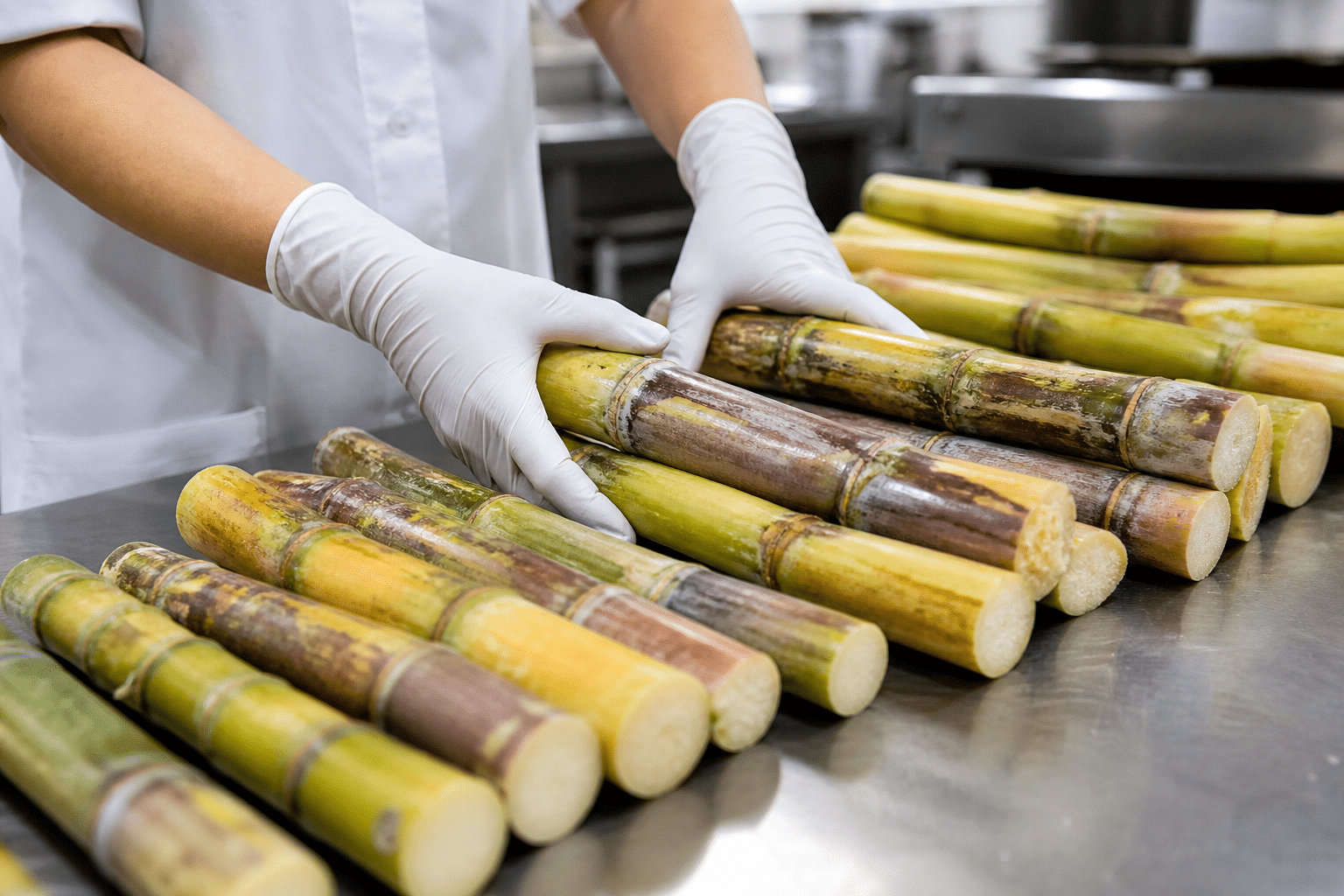
Cane Sizing and Cleaning

Raw sugarcane often comes with soil, grit, and hard nodes. Grit acts like sandpaper on stainless steel rollers, degrading their surface over time.

  • Wash thoroughly: Use a stiff brush and water to remove all soil and sand. This simple step significantly extends roller life.
  • Trim the ends: The dried-out ends of the stalk are hard and contain little juice. Cut them off to ease the initial bite of the rollers.
  • Split thick stalks: If the diameter of the cane exceeds the manufacturer’s recommended maximum (often around 2 inches or 50mm for standard machines), split the stalk vertically. This reduces stress on the bearings and gearbox.

Hard vs. Soft Varieties

Different regions grow different cane varieties. Harder varieties (often darker in color) require more torque to crush. If you are processing very hard cane, feed it slower and avoid overloading the machine. For compact models like the Tiniforce S3, proper cane sizing is even more critical to maintain optimal throughput without stalling the motor.

3. Operational Best Practices: Feeding the Machine

The way an operator feeds the cane into the machine affects both yield and safety. Consistency is key.

The Angle of Entry

Feed the cane straight into the center of the feed chute. Feeding it at an extreme angle can cause the stalk to rub against the side housing, creating friction and potentially damaging the safety guards. A straight feed ensures the rollers grip the cane evenly, providing a consistent crush.

Avoiding Overload

A common mistake is forcing the cane into the machine. The rollers are designed to grab and pull the cane automatically. Pushing too hard can cause:

  • Motor stall: The resistance exceeds the motor’s torque capacity.
  • Jamming: Too much fiber enters the gap at once.
  • Safety risks: Forcing often places hands closer to the intake than necessary.

Let the machine do the work. If the rollers are slipping, the cane may be too dry or hard, or the rollers may need cleaning to remove slippery residue.

4. Maximizing Juice Yield

Profitability in a juice business is defined by the extraction rate—how much juice you get per kilogram of cane. Modern machines are designed for single-pass efficiency, but technique still plays a role.

Single Pass vs. Multiple Passes

Most commercial electric juicers are designed to extract 90-95% of the juice in a single pass. Re-feeding the crushed bagasse (waste fiber) is generally not recommended for high-end machines unless the manual explicitly allows it. Re-feeding can jam the machine because the dry fiber is harder to compress than the fresh juicy stalk. It can also introduce bitterness from the rind into the juice.

Roller Gap Adjustments

Some advanced industrial models allow for roller gap adjustment. If you notice the bagasse is still wet, the gap may be too wide. Tightening the gap increases pressure and yield but requires more motor power. Consult your technical documentation before altering factory settings.

5. Hygiene and Cleaning Protocols

Sugarcane juice is high in sugar and has a neutral pH, making it a perfect breeding ground for bacteria and yeast. Fermentation can begin within minutes if equipment is not sanitary, ruining the flavor and violating health codes.

Daily Cleaning Routine

Cleaning should not be an afterthought; it must be part of the daily shutdown procedure.

  1. Flush with water: Between batches, run clean water through the machine while it is running to rinse out loose fiber and sugar stickiness.
  2. Disassemble removable parts: Remove the feed chute, juice filter, and collection tray. Wash these in hot, soapy water.
  3. Scrub the rollers: Use a soft-bristle brush to clean the grooves of the rollers. Dried sugar acts like glue and can seize the machine if left overnight.
  4. Sanitize: Use a food-safe sanitizer on all contact parts.

For detailed guidance on parts removal and cleaning agents, refer to the Maintenance & Support resources.

6. Troubleshooting: Avoiding and Fixing Jams

Even with the best practices, jams can happen. Knowing how to react prevents damage to the machine.

Using the Reverse Function

Almost all commercial sugarcane machines feature a Forward/Reverse switch. If the machine stalls:

  1. Stop immediately: Turn the switch to the OFF position.
  2. Engage Reverse: Switch to REVERSE for a few seconds to back the cane out of the rollers.
  3. Remove the obstruction: Pull the cane out, trim the jammed section, or cut it into a smaller piece before re-feeding.

Warning: Never attempt to clear a jam with your hands or a tool while the machine is running. Always disconnect power before reaching near the rollers.

7. Maintenance Checklist for Longevity

Preventative maintenance is cheaper than repairs. Establish a schedule for checking key components.

Weekly Checks

  • Belt Tension: If your machine is belt-driven, check for slack. A loose belt will slip under load, reducing crushing power.
  • Lubrication: Check chain drives and external bearings. Use only food-grade grease for any parts that might inadvertently come near the food zone, though sealed bearings generally require less attention.
  • Electrical Cord Inspection: Ensure the power cord is not frayed or damaged, which is a common hazard in busy kitchens.

8. Common Mistakes to Avoid

New operators often fall into traps that reduce efficiency. Avoid these common errors:

  • Ignoring noise changes: A grinding or clicking sound usually indicates a bearing issue or a loose component. Address it immediately.
  • Using bleach: Harsh chemicals like bleach can pit stainless steel and damage rubber seals. Use approved food-safe detergents.
  • Over-chilling the cane: While cold juice is desirable, freezing the cane stalks can make them too hard for the rollers, potentially breaking the gears. Cool the cane, but do not freeze it solid.

9. Buying Guide: Choosing the Right Machine

If you are in the market for a new unit, align the machine’s specifications with your business volume.

Capacity Needs

For high-traffic locations like shopping malls or busy street corners, a heavy-duty floor-standing model or a high-capacity countertop unit like the Easidemax S4 is ideal. It offers robust throughput and continuous operation capabilities. For smaller cafes or restaurants where cane juice is a supplementary item, the compact Tiniforce S3 provides an excellent balance of footprint and power.

Material Quality

Always opt for machines with 304-grade stainless steel rollers and housing. This ensures compliance with food safety standards and resistance to corrosion from the acidic nature of sugarcane juice.

10. Frequently Asked Questions

Q: How often should I sharpen the rollers?
Stainless steel rollers typically have knurled surfaces that do not require sharpening. However, they should be kept clean to maintain their grip. If they become smooth over years of use, they may need replacement.

Q: Can I juice other fruits in a sugarcane machine?
Generally, no. Sugarcane machines are specifically designed for the fibrous structure of cane. Soft fruits will simply be mashed without effective juice separation, and hard seeds from other fruits could damage the rollers.

Q: Why is my juice dark?
Dark juice is often caused by oxidation or contamination from unwashed cane skin. Adding a splash of lemon or ginger during crushing can help preserve the bright green color and slow down oxidation.

Q: What should I do if the machine overheats?
Turn it off and let it cool down for 30 minutes. Check if the air vents are blocked. Frequent overheating suggests the machine is undersized for your volume or the extension cord is too long/thin.

For more answers to common queries, visit our FAQ page.

Conclusion

Operating a sugarcane juice machine efficiently requires a blend of proper setup, regular maintenance, and skilled operation. By respecting the machine’s limits and adhering to strict hygiene standards, you ensure a safe working environment and a high-quality product that keeps customers returning.

Ready to upgrade your equipment or need specific parts? Request a quote today to find the perfect solution for your business.

Is TiniForce S3 Performance Better Than Traditional Manual Equipment? A Comprehensive B2B Comparison

Introduction: The Evolution of Commercial Sugarcane Juicing

For decades, the image of sugarcane juicing has been defined by heavy, hand-cranked iron wheels and manual labor. In many markets, traditional manual equipment remains a staple due to its low entry cost and simplicity. However, as the global demand for fresh, hygienic, and efficiently produced natural beverages grows, the limitations of manual extraction are becoming operational bottlenecks for modern businesses.

For B2B buyers—ranging from beverage equipment distributors to commercial kitchen procurement managers—the choice between maintaining traditional manual setups and upgrading to electric tabletop solutions is driven by data: yield efficiency, labor costs, hygiene compliance, and customer experience. The TiniForce S3 has emerged as a significant contender in this space, offering a compact, electric alternative that challenges the dominance of manual presses.

This article provides an in-depth technical and operational comparison between the TiniForce S3 electric tabletop sugarcane machine and traditional manual equipment. We will analyze performance metrics, hygiene standards, return on investment (ROI), and suitability for different business models.

1. The Mechanics of Extraction: Manual vs. Electric Engineering

Traditional Manual Equipment: The Physics of Leverage

Manual sugarcane juicers rely entirely on mechanical advantage generated by human effort. They typically feature a large flywheel connected to a gear system that rotates two or three heavy rollers.

  • Force Application: The operator must physically turn a wheel or crank. The torque applied to the sugarcane depends on the operator’s strength and stamina.
  • Consistency Issues: As operators fatigue, the speed of rotation and the force applied often decrease, leading to inconsistent crushing and lower juice extraction rates over time.
  • Mechanical Simplicity: These machines have fewer electrical components to fail but rely heavily on open gears and bearings that require frequent greasing.

TiniForce S3: Precision Electric Drive

The TiniForce S3 represents the modern approach to extraction, utilizing an electric motor and a precision gearbox system designed for consistent torque delivery.

  • Constant Torque: Unlike manual operation, the electric motor delivers consistent power regardless of the cane’s thickness or hardness. This ensures that the rollers maintain optimal crushing pressure from the first stalk to the last.
  • Tabletop Compact Design: The engineering focuses on reducing the footprint without sacrificing power, making it a compact sugarcane juice machine suitable for indoor counters where space is at a premium.
  • Automated Feeding: The roller geometry is designed to grab and pull the cane through automatically, removing the need for the operator to force-feed the stalk.

2. Performance Analysis: Speed, Yield, and Efficiency

When evaluating TiniForce S3 performance against manual options, three key metrics define the winner: throughput (speed), extraction rate (yield), and operational continuity.

Output Speed and Throughput

In a commercial setting, time is revenue. Manual machines are inherently limited by human speed.

  • Manual Speed: A skilled operator might process 1-2 stalks per minute, but this rate drops significantly after 15-20 minutes of continuous labor due to fatigue.
  • Electric Speed: The TiniForce S3 operates at a consistent RPM optimized for extraction. It can run continuously without slowing down, allowing for a predictable output calculation (e.g., liters per hour) that is essential for high-volume service environments.

Juice Extraction Rate (Yield)

Yield is defined by the percentage of juice weight extracted from the raw cane weight. This is where the difference between manual and electric becomes financially significant.

Manual machines often suffer from “operator variance.” If the operator is tired, they may not tighten the rollers sufficiently or may pass the cane through fewer times. In contrast, the TiniForce S3 utilizes fixed or spring-loaded roller gaps that apply consistent, high pressure. This results in a “dry bagasse” (waste) after a single pass, maximizing the juice yield per kilogram of cane purchased. Over a year, a 5-10% increase in yield can translate to significant savings in raw material costs.

3. Hygiene and Food Safety: The Critical Differentiator

For B2B buyers in regulated markets (Europe, North America, premium Asian markets), hygiene is not optional—it is a legal requirement. This is the area where traditional manual machines face their biggest challenges.

The “Open Gear” Problem of Manual Machines

Most traditional manual juicers feature exposed gears and chains. To keep these moving parts functional, operators must apply grease and oil regularly.

  • Contamination Risk: There is a high risk of lubricants dripping onto the rollers or into the juice collection tray.
  • Cleaning Difficulty: The open design allows dust, insects, and cane debris to settle in hard-to-reach crevices. Thoroughly cleaning a heavy cast-iron manual machine is labor-intensive and rarely done to a food-grade standard daily.

The Sanitary Design of TiniForce S3

The TiniForce S3 is engineered as a cleaner/hygienic accessible surface machine.

  • Enclosed Drive System: The motor and gearbox are sealed away from the juicing area. There is zero contact between the mechanical lubricants and the food zone.
  • Food-Grade Materials: The rollers and juice contact parts are typically made from SS304 stainless steel, which is resistant to corrosion and easy to sanitize.
  • Removable Components: Modern electric designs often allow for quick disassembly of the juicing compartment, enabling operators to wash components in a sink or dishwasher at the end of a shift.

4. Operational Environment: Noise and Aesthetics

Where the machine is placed determines which technology is superior. For a roadside stall, noise may not matter. For a hotel buffet or a quiet café, it is paramount.

Noise Levels

  • Manual: Generally silent in terms of motor noise, but the mechanical squeaking of gears and the physical exertion of the operator can be disruptive.
  • Standard Electric: Older industrial electric machines are notoriously loud, often resembling the sound of a lawnmower.
  • TiniForce S3: Marketed as a quiet sugarcane juicer, the S3 utilizes precision-machined gears and a high-quality motor to operate at ultra-low decibels. This allows it to be used front-of-house without interrupting customer conversations.

Aesthetics and Branding

A rusty, hand-cranked machine conveys a “rustic” feel that may work for specific street food themes but often signals “low hygiene” to premium consumers. The TiniForce S3 features a sleek, modern enclosure that aligns with professional kitchen equipment standards. It signals to the customer that the establishment prioritizes quality and cleanliness.

5. Labor Economics and ROI

When deciding between manual vs electric sugarcane juicers, the initial purchase price is only one part of the equation.

The Hidden Cost of Manual Operation

While a manual machine is cheaper upfront, it requires a dedicated operator who is physically capable of strenuous labor.
1. Labor Cost: You are paying a staff member to act as a motor. Their productivity is capped by physical limits.
2. Injury Risk: Repetitive strain injuries (RSI) from hand-cranking are common, leading to staff downtime.
3. Multitasking: An operator cranking a machine cannot simultaneously handle payments, serve customers, or prep other drinks.

The Efficiency of Electric Automation

The TiniForce S3 allows for “hands-free” extraction once the cane is fed.
1. Multitasking: The operator can feed the cane and immediately turn to prepare a cup or take payment while the machine processes the stalk.
2. Lower Skill Barrier: Any staff member can operate the machine with minimal training and zero physical strength requirements.
3. Throughput Revenue: The ability to serve more customers per hour during peak times directly increases revenue potential.

6. Comparison Table: TiniForce S3 vs. Manual Press

Feature Traditional Manual Machine TiniForce S3 (Electric Tabletop)
Power Source Human Effort (Manual Crank) Electric Motor
Throughput Consistency Variable (Declines with fatigue) High & Constant
Juice Yield Medium (Depends on operator strength) High (Precision roller gap)
Hygiene Low (Exposed gears, grease risk) High (Sealed drive, SS304 parts)
Noise Level Silent (except mechanical squeaks) Ultra-Low Noise
Operator Effort High (Physically demanding) Minimal (Automatic feeding)
Space Requirement Large (Needs leverage space) Compact Tabletop
Ideal Setting Remote areas (No electricity) Hotels, Juice Bars, Cafés, Malls

7. Technical Specifications & Manufacturing Quality

For distributors and engineers, understanding the build quality is essential. The TiniForce S3 is not just a consumer appliance; it is a small commercial cane juice machine built for durability.

Materials and Durability

Manual machines are often cast from iron, which is heavy and prone to rust if the paint chips. The TiniForce S3 typically utilizes a stainless steel body and rollers. Stainless steel 304 is the industry standard for food contact, offering resistance to the acidic nature of sugarcane juice.

Motor and Gearbox

The reliability of an electric juicer lies in its transmission. The TiniForce S3 is designed to handle the high-torque requirements of crushing fibrous cane without stalling. High-quality bearings and heavy-duty gears ensure a long service life, provided routine maintenance is followed.

8. Buying Guide: Factors for B2B Buyers

If you are considering adding the TiniForce S3 to your distribution portfolio or upgrading your kitchen equipment, consider the following:

Volume Requirements

If your business processes hundreds of liters per day, you may need a heavy-duty floor-standing unit. However, for most juice bars, restaurants, and hotels, the TiniForce S3 offers the perfect balance of output and size.

Electricity Availability

The only scenario where a manual machine wins is in locations with absolutely no access to electricity (e.g., remote mobile carts). For all other scenarios, the electric option offers superior ROI.

Maintenance Capabilities

While the TiniForce S3 requires less daily tinkering than a manual machine, it does require adherence to a cleaning schedule to protect the seals and ensure hygiene. Ensure your staff is trained on proper cleaning procedures.

9. Frequently Asked Questions (FAQs)

Is the TiniForce S3 suitable for commercial use?

Yes, despite its compact size, the TiniForce S3 is engineered as a commercial-grade unit capable of continuous operation in juice bars, restaurants, and hotels.

Can the TiniForce S3 crush different sizes of sugarcane?

Yes, the machine is designed to handle various cane diameters. However, for extremely thick stalks, it is sometimes recommended to split the cane or peel the hard knots to extend the roller life.

How does the noise level compare to a blender?

The TiniForce S3 is significantly quieter than a commercial blender. It operates with a low hum rather than a high-pitched whine, making it appropriate for front-of-house use.

Is it difficult to clean?

No. Unlike manual machines with fixed rollers and exposed gears, the TiniForce S3 usually features removable parts or easily accessible flushing points, allowing for full sanitization in minutes.

Where can I buy the TiniForce S3?

You can purchase the machine directly through Easimaker. Visit our contact page to request a quote or discuss distribution opportunities.

Conclusion

While traditional manual sugarcane pressers have served the industry for decades, they struggle to meet modern standards of efficiency, hygiene, and aesthetics. For businesses operating in competitive environments where speed, cleanliness, and labor costs are critical, the TiniForce S3 offers a clear performance advantage.

By upgrading to an electric tabletop solution, businesses can increase juice yield, ensure food safety compliance, and provide a better experience for both staff and customers. The TiniForce S3 proves that high performance can come in a compact package.

Ready to upgrade your operation?

Contact Easimaker today to request a quote or get a sample of the TiniForce S3 and see the difference for yourself.

5 Reasons EasiDeMax S4 Is the Right Commercial Sugarcane Juicer

In the beverage industry, few products offer the profit margins of fresh sugarcane juice. With raw material costs often negligible compared to the retail price of a cup, it is a lucrative addition to juice bars, restaurants, and hotels. However, the profitability of this venture relies heavily on one piece of equipment: the commercial sugar cane juicer.

Selecting the right machine is not just about crushing cane; it is about extraction efficiency (yield), hygiene, and operational reliability. If your machine leaves juice in the fiber (bagasse), you are throwing money away. If it breaks down during a rush or is difficult to clean, it becomes a liability rather than an asset.

Enter the EasiDeMax S4. Designed specifically for high-demand commercial environments, the S4 addresses the most common pain points faced by business owners: low yield, noise, and sanitation concerns. In this guide, we explore the five engineering and operational reasons why the EasiDeMax S4 is the strategic choice for your business.

1. Maximum Extraction: The Power of the 4-Roller System

The primary metric for any commercial juicer is yield: how much juice can you extract from a specific weight of cane? Standard machines often utilize a 2-roller or 3-roller system. While these can crush cane, they often require multiple passes to extract all the liquid, or they simply discard wet bagasse, resulting in significant product loss.

The EasiDeMax S4 utilizes a 4-roller system designed to maximize throughput and extraction in a single pass.

How the 4-Roller System Works

The mechanics are progressive. The first set of rollers acts as the initial crusher, breaking the hard outer bark of the sugarcane and flattening the stalk. The second set applies immense pressure to squeeze the fiber dry. This multi-stage compression ensures a juicing yield of up to 75%.

Business Impact:

  • Higher Margins: A 75% yield means you get more product from the same inventory compared to machines offering only 60-65% yield. Over a year, this difference equates to substantial savings in raw material costs.
  • Speed: Because the extraction is efficient in a single pass, operators do not need to feed the cane through multiple times, speeding up service during peak hours.

2. Food Safety & Durability: 304 Stainless Steel Construction

In the food processing industry, material quality is non-negotiable. Cheaper alternatives often use 201 stainless steel or even galvanized iron for internal components. These materials are prone to rust and corrosion when exposed to the acidic nature of sugarcane juice, posing serious health risks and leading to equipment failure.

The EasiDeMax S4 is constructed with food-grade 304 stainless steel. This applies to the cabinet and, crucially, the rollers and juice contact areas.

Why 304 Stainless Steel Matters

  • Corrosion Resistance: 304 stainless steel contains a high percentage of chromium and nickel, making it highly resistant to oxidation and rust. This ensures the machine remains hygienic and visually appealing for years.
  • Compliance: Using food-grade materials helps your business meet strict local health department regulations and international food safety standards.
  • Aesthetics: The polished finish looks professional in front-of-house settings, reassuring customers about the cleanliness of your operation.

For more insights on material importance, read our guide on how to choose a commercial sugar cane juice machine.

3. Reliability: Heavy-Duty Copper Motor & Overload Protection

A commercial machine must withstand continuous operation. The heart of the EasiDeMax S4 is its built-in all-copper motor, rated at a minimum of 1/2 HP (Horsepower). Unlike aluminum-wound motors found in budget units, copper motors conduct electricity more efficiently, generate less heat, and offer a significantly longer lifespan.

Engineered for Longevity

The S4 is not just powerful; it is smart. It features an integrated overload protection system. If an operator accidentally feeds an oversized stalk or a hard object that jams the rollers, the system automatically cuts power to prevent motor burnout. This safety feature protects your investment and minimizes downtime.

Super Low Noise Operation

Many industrial juicers sound like tractors, making them unsuitable for juice bars, cafes, or hotel lobbies where ambiance is key. The EasiDeMax S4 is engineered for super low noise. The precision gear reduction box and high-quality motor ensure quiet operation, allowing your staff to communicate with customers without shouting over the machine.

4. Hygiene & Maintenance: The Removable Roller Advantage

Cleaning is often the most dreaded task for juice bar operators. In many traditional machines, the rollers are fixed inside the cabinet. To clean them, staff must reach into the machine with a hose or brush, often missing crevices where sugar residue can ferment and grow bacteria.

The EasiDeMax S4 solves this with a removable roller design. The roller assembly can be easily detached and removed from the cabinet. This allows for:

  • Deep Cleaning: You can wash the rollers thoroughly in a sink, ensuring 100% removal of sticky residue.
  • Sanitation: Prevents cross-contamination and the buildup of mold or yeast.
  • Maintenance Access: Makes it easier to inspect bearings and seals without dismantling the entire unit.

5. Operational Efficiency: Designed for the Front-of-House

The EasiDeMax S4 is designed not just for the kitchen, but for the customer experience. The machine features a transparent window on the front. This serves a dual purpose:

  1. Operational Safety: The operator can visually monitor the crushing process.
  2. Marketing Theater: Customers love to see their juice being made fresh. Seeing the cane crushed and the juice flowing creates an authentic, fresh appeal that drives sales.

Furthermore, the control system is simplified into a two-button control (Forward/Reverse). This simplicity reduces the training time required for new staff. If a piece of cane is tricky, the reverse function allows the operator to back it out instantly.

Comparison: EasiDeMax S4 (4-Roller) vs. Standard 2-Roller Machines

To understand the value proposition of the S4, it is helpful to compare it directly with entry-level 2-roller machines often found in the market.

Feature Standard 2-Roller Machine EasiDeMax S4 (4-Roller)
Juicing Yield 60% – 65% (Wet bagasse) Up to 75% (Dry bagasse)
Passes Required Often requires 2-3 passes Single pass efficiency
Motor Type Often Aluminum or low torque All-Copper, High Torque (1/2 HP+)
Hygiene Fixed rollers (Hard to clean) Removable rollers (Easy clean)
Noise Level Loud, mechanical noise Super low noise operation
Durability Plastic or 201 Stainless components Full 304 Stainless Steel

Buyer’s Checklist: What to Ask Before You Buy

Before finalizing your procurement of a sugarcane juicer, ensure you have checked the following specifications to guarantee compatibility with your business needs.

  • Voltage & Plug Type: Ensure the machine matches your local power grid (e.g., 110V/60Hz for US, 220V/50Hz for EU/Asia).
  • Spare Parts Availability: Does the supplier stock gears, chains, and bearings?
  • Warranty Terms: Understand what is covered. Check the warranty policy to ensure the motor and gearbox are protected.
  • Capacity Requirements: Estimate your peak hour demand. The S4 is designed for high volume, but ensure your workflow can handle the output.

Frequently Asked Questions (FAQ)

Does the EasiDeMax S4 require peeling the sugarcane before juicing?

While the heavy-duty rollers can crush unpeeled cane, it is generally recommended to lightly peel or clean the cane for the best taste and hygiene. Hard outer skins can sometimes impart a bitter taste, but the machine has the power to process them if required.

How often should the machine be cleaned?

Due to the high sugar content of the juice, the machine must be cleaned every few hours during operation (flushing with water) and deep cleaned at the end of every shift. The removable rollers on the S4 make this end-of-day process significantly faster.

Can this machine handle different sizes of sugarcane?

Yes, the roller gap is designed to accommodate various diameters of sugarcane stalks, from thin to thick varieties. The automatic adjustment mechanism ensures consistent pressure regardless of stalk size.

Is the machine suitable for mobile juice carts?

Yes, provided there is a stable power source. Its compact footprint, low noise, and enclosed hygienic design make it ideal for mobile setups, food trucks, and kiosks.

Conclusion

The EasiDeMax S4 represents a balance of heavy-duty industrial capability and user-friendly design. By combining a high-yield 4-roller system with 304 stainless steel hygiene and a quiet, powerful copper motor, it eliminates the inefficiencies of older juicing methods.

For businesses looking to scale their operations and ensure a consistent, high-quality product, the S4 is a verified investment. Don’t let profits disappear with wet bagasse or downtime.

Ready to upgrade your production?

Request a quote or schedule a live demo today