
Elevating Corporate Dining with Fresh, Natural Energy
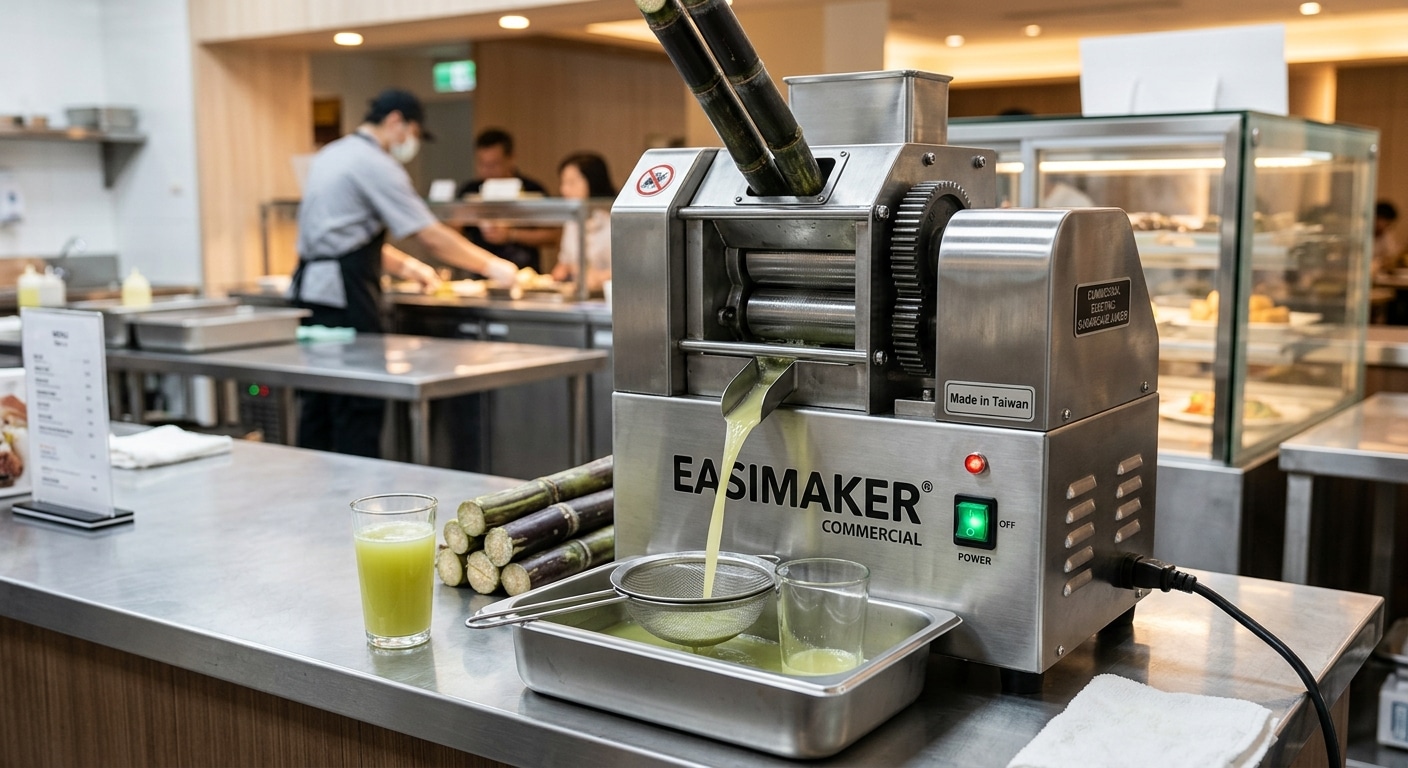
Corporate wellness programs have evolved far beyond discounted gym memberships. Today, human resources and facility managers are actively transforming office cafeteria menus to boost employee productivity, health, and satisfaction. As companies move away from processed snacks and high-caffeine energy drinks, a lucrative opportunity has emerged for juice business owners: introducing fresh sugarcane juice setups into corporate dining facilities.
For B2B juice suppliers and operators, pitching healthy workplace beverages requires a strategic approach. Corporate decision-makers prioritize hygiene, operational efficiency, and clear employee benefits. This guide outlines how to successfully position commercial sugarcane juice stations as a premium employee perk, detailing the sales strategies, equipment requirements, and operational models needed to secure lucrative corporate contracts.
Why Sugarcane Juice Fits Modern Corporate Wellness Programs
Before approaching corporate procurement teams or food service operators (like Sodexo or Compass Group), you must clearly articulate the value proposition of sugarcane juice in a workplace setting.
The Natural Energy Alternative
Mid-afternoon fatigue is a recognized productivity killer in corporate environments. While coffee and synthetic energy drinks provide a quick spike followed by a crash, fresh sugarcane juice offers a more sustained energy release. It is rich in natural carbohydrates, electrolytes, and essential minerals like calcium and potassium. Positioning this as a natural hydration and energy solution directly aligns with the goals of corporate wellness programs.
Meeting the Demand for “Clean Label” Beverages
Modern employees demand transparency in their food. Freshly pressed sugarcane juice is a single-ingredient beverage. Pitching a live-extraction juice station demonstrates a company’s commitment to providing unadulterated, fresh, and healthy workplace beverages, elevating the overall perceived value of the office cafeteria menu.
B2B Sales Strategies: Pitching to Corporate Facilities
Selling to corporate cafeterias is a B2B transaction that involves multiple stakeholders, including HR directors, facility managers, and catering executives. Your pitch must address their specific pain points.
1. Identify the Right Decision-Makers
Do not pitch directly to the cafeteria cashier. Identify the contracted food service provider or the internal Facilities/HR manager responsible for corporate wellness initiatives. Tailor your pitch: emphasize employee satisfaction and retention to HR, and highlight footprint, safety, and margins to the facility manager.
2. Propose a Low-Risk Pilot Program
Corporate buyers are risk-averse. Offer a 30-day or 60-day pilot program. Install a commercial electric sugarcane juicer on a trial basis, provide the raw materials, and track employee engagement and sales metrics. Data gathered during the pilot—such as peak consumption hours and repeat purchases—will be your strongest tool for securing a long-term contract.
3. Highlight Turnkey Operational Models
Corporate cafeterias do not want equipment that complicates their workflow. Offer turnkey solutions. This could mean you provide the machine, daily delivery of pre-cleaned and peeled sugarcane stalks, and scheduled maintenance. The less friction involved for the cafeteria staff, the higher your chances of closing the deal.
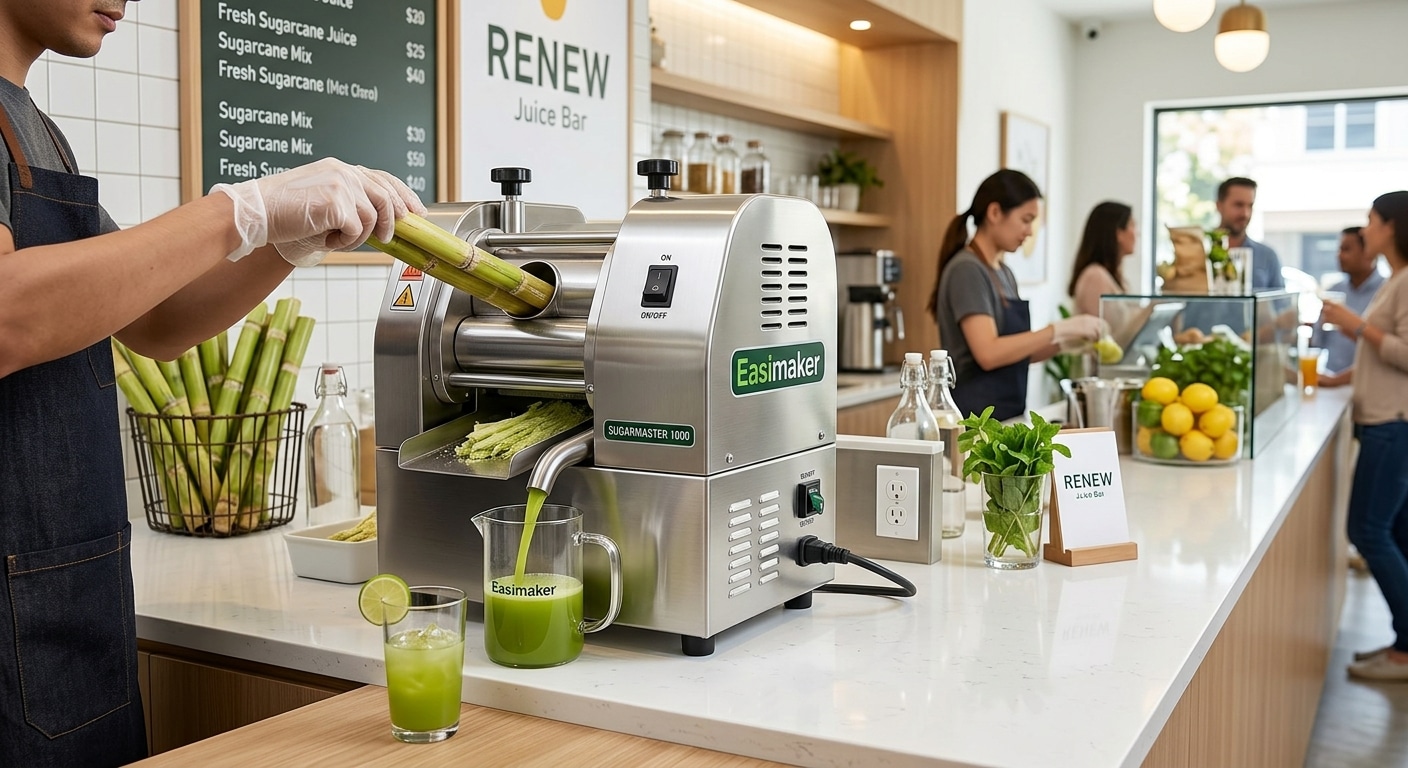
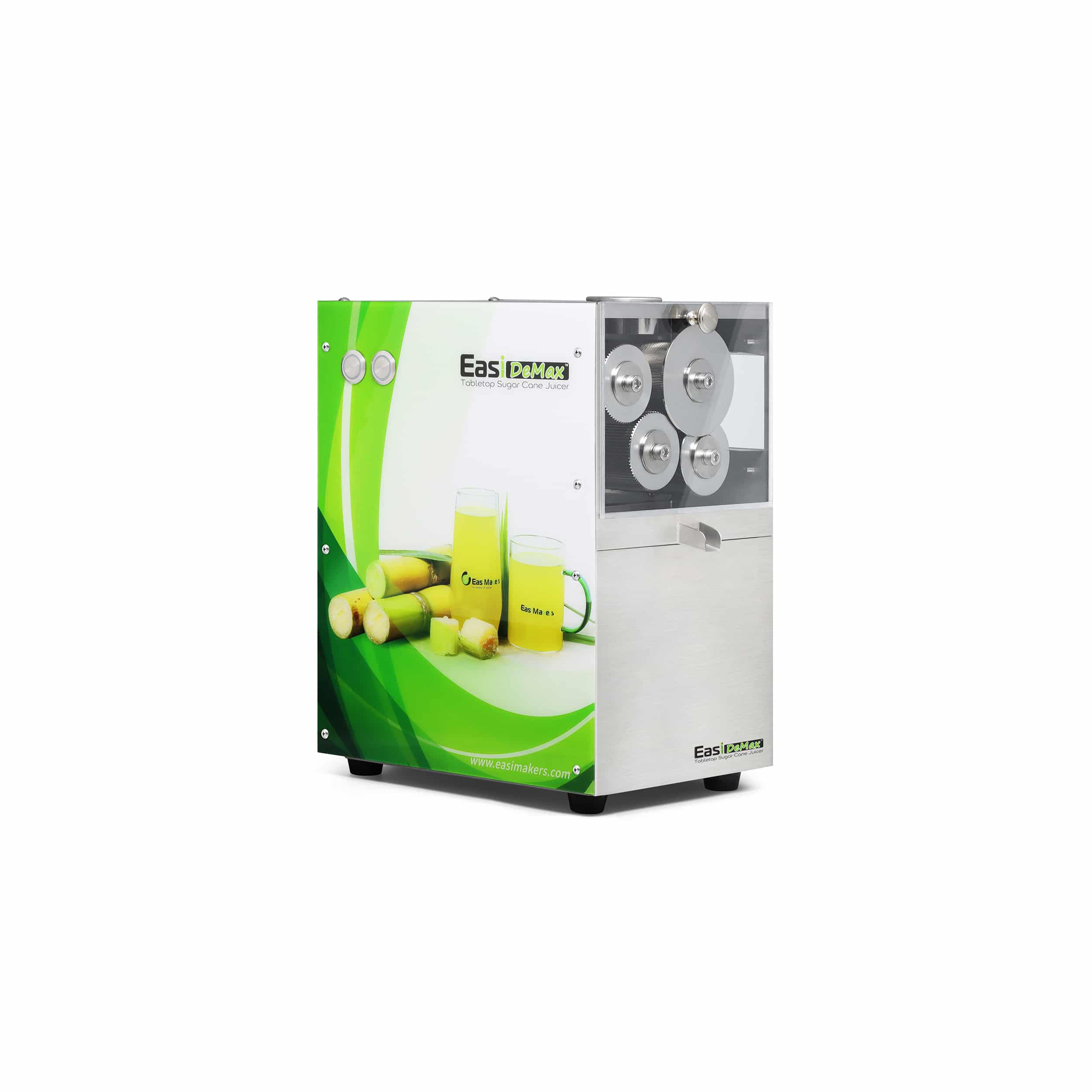
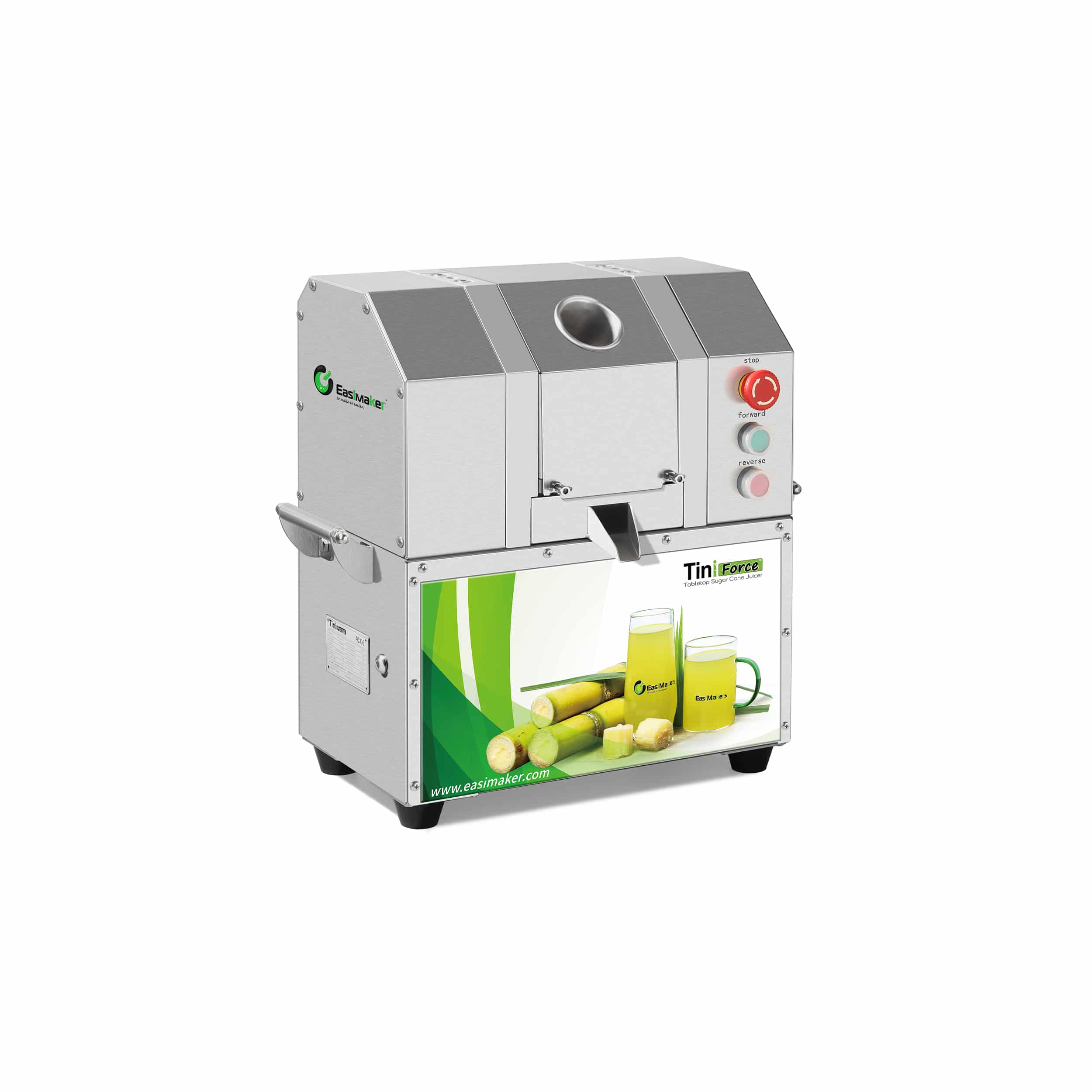
Equipment Placement and Specifications: The Easimaker Standard
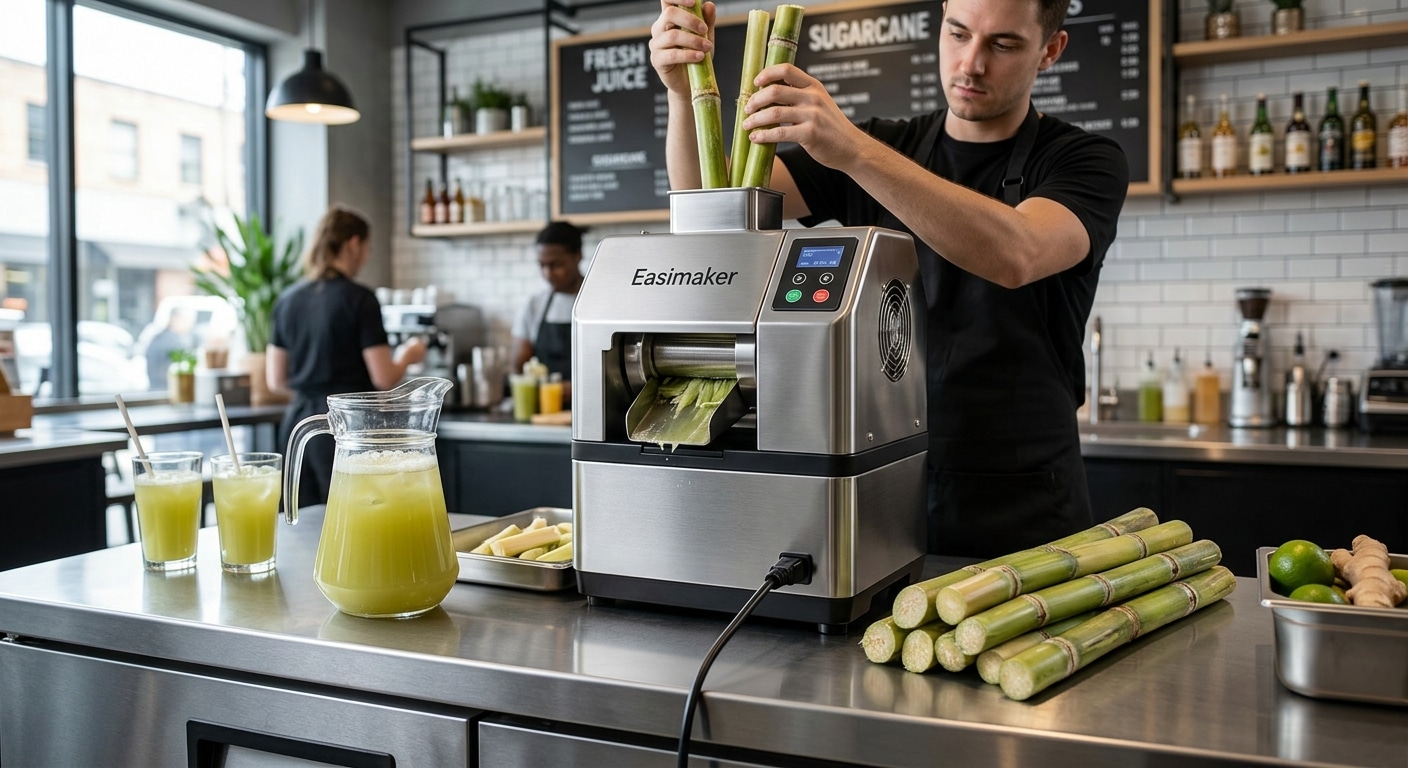
The success of a corporate juice program hinges heavily on the equipment. Office cafeterias require machines that are safe, quiet, and aesthetically pleasing. Manual crank juicers are entirely unsuitable for commercial B2B environments due to safety risks and low throughput.
Key Specifications for Corporate Juicers
- Fully Electric Operation: High-volume corporate environments demand electric juicers to ensure consistent throughput and minimize operator fatigue.
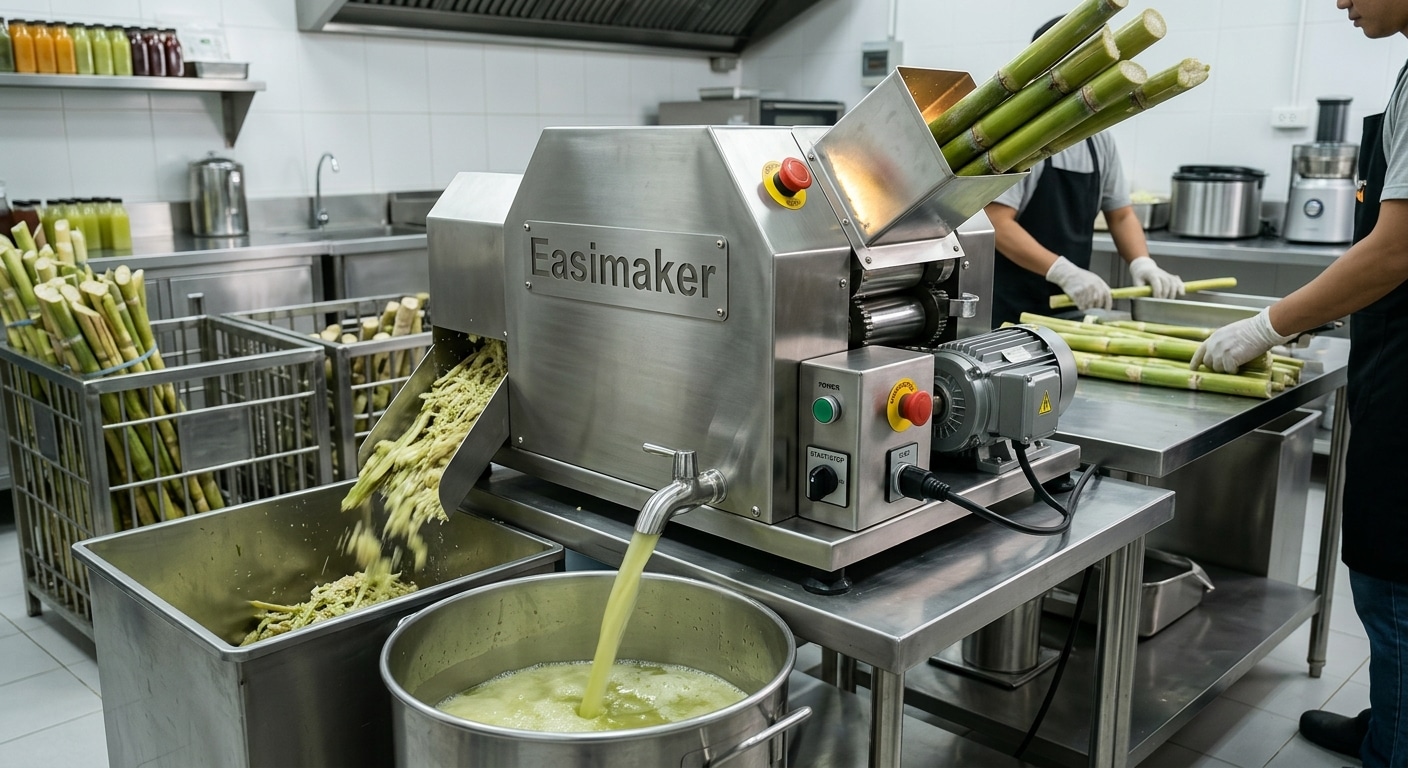
- Enclosed Safety Designs: Corporate liability is a major concern. Machines must feature fully enclosed gearboxes and safety switches that prevent operation when the protective cover is removed.
- Food-Grade Stainless Steel (304/316): To meet commercial health and safety standards, all contact parts (rollers, juice trays, filters) must be made of high-quality stainless steel to prevent corrosion and ensure easy sanitization.
- Noise Control: Office cafeterias are often adjacent to meeting rooms or open-plan workspaces. High-quality electric juicers with precision-engineered gearboxes operate quietly, minimizing workplace disruption.
Comparing Implementation Models
| Implementation Model | Pros | Cons | Best For |
|---|---|---|---|
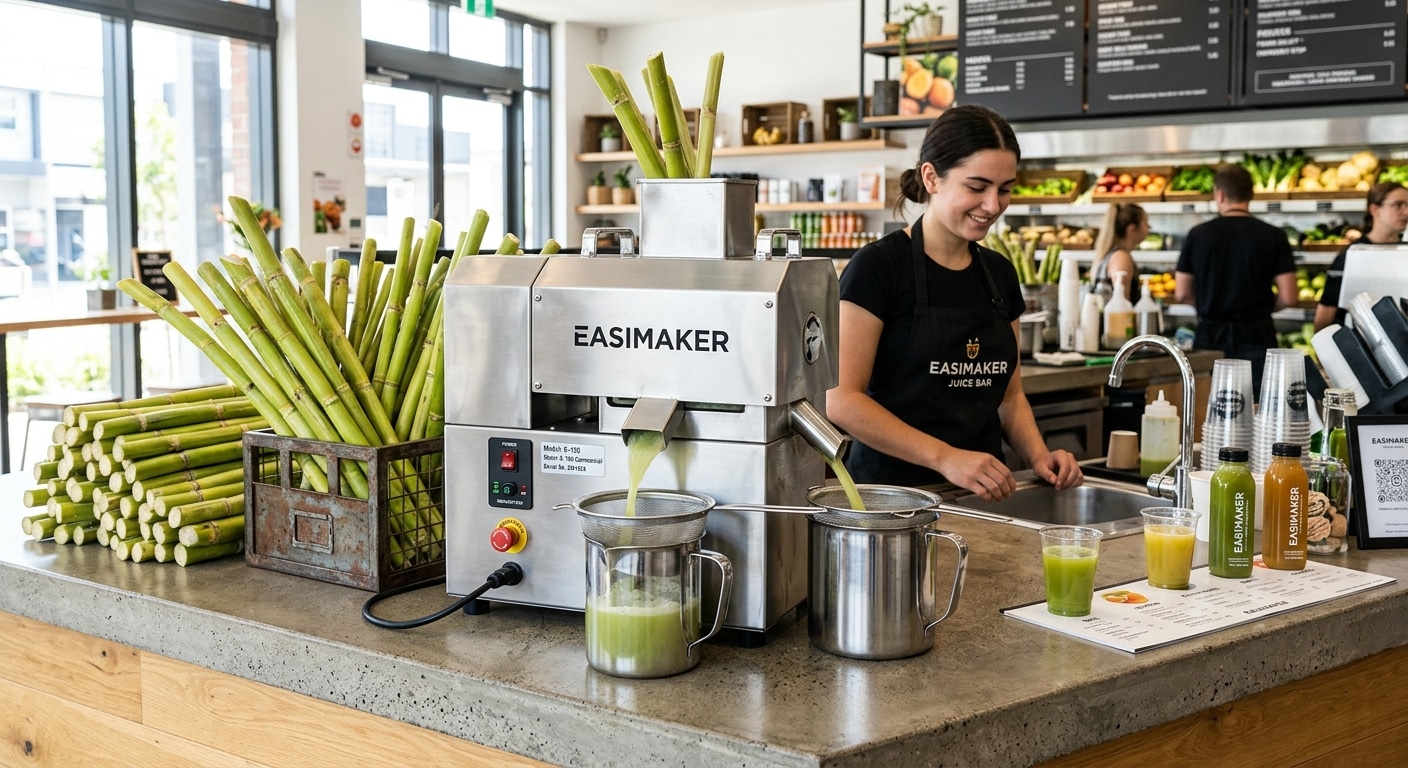
| Staffed Juice Bar (Live Pressing) | High visual appeal; guarantees maximum freshness; premium perception. | Requires dedicated staff time; higher initial equipment footprint. | Large corporate campuses with high daily foot traffic. |
| Self-Serve Automated Station | Low labor cost; 24/7 availability for shift workers. | Requires highly reliable, jam-proof electric equipment; strict cleaning protocols. | Tech companies and facilities with staggered employee schedules. |
| Pre-Bottled Daily Delivery | Zero cafeteria labor; no equipment footprint required. | Shorter shelf life; loses the “theatrical” appeal of fresh pressing. | Smaller offices or facilities without dedicated food service staff. |
Overcoming Common Corporate Objections
During your pitch, expect pushback. Being prepared to address these B2B objections will establish your authority.
Objection 1: “Isn’t it just sugar?”
Response: Educate the buyer on the difference between refined sugar and natural sugarcane juice. Provide nutritional fact sheets highlighting the low glycemic index (GI) compared to typical cafeteria sodas, alongside the presence of natural electrolytes.
Objection 2: “Our staff doesn’t have time to clean a juicer.”
Response: Highlight the design of modern electric juicers. Demonstrate how models with removable rollers and accessible juice trays can be fully broken down, sanitized, and reassembled in under 10 minutes at the end of a shift.
Objection 3: “We don’t have space for raw material storage.”
Response: Offer a Just-In-Time (JIT) delivery model. Supply pre-cut, vacuum-sealed sugarcane billets that fit easily into standard commercial refrigerators, eliminating the need for bulk stalk storage.
Buying Guide: Scaling Your B2B Juice Business
If you are a juice business owner looking to expand into commercial juice markets, you need a reliable equipment partner. When sourcing electric sugarcane juicers for multiple corporate deployments, consider the following:
- Minimum Order Quantities (MOQs): Work with manufacturers who offer flexible MOQs, allowing you to scale your equipment purchases as you land more corporate contracts.
- Customization: Can the manufacturer brand the machines with your company logo or the corporate client’s branding? Custom wraps can make the machine look like a native part of the cafeteria.
- Spare Parts Availability: Ensure your supplier guarantees fast shipping on consumable parts like seals, filters, and bearings to prevent downtime in your clients’ cafeterias.
Frequently Asked Questions (FAQs)
How much space does a commercial sugarcane juicer require in a cafeteria?
Most modern electric countertop models require a footprint of approximately 1.5 to 2 square feet. They fit comfortably on standard commercial stainless steel prep tables alongside other beverage dispensers.
What are the electrical requirements for these machines?
Standard commercial electric juicers typically operate on 110V or 220V depending on your region, pulling between 400W to 750W. They can usually be plugged into standard commercial cafeteria outlets without requiring dedicated high-voltage lines.
How do we handle the bagasse (sugarcane waste) in an office setting?
Bagasse is 100% compostable. Position this as a sustainability win for the corporation. Provide dedicated, odor-sealed compost bins next to the machine, and coordinate with the facility’s existing organic waste management protocols.
What is the shelf life of the raw sugarcane before pressing?
Whole stalks can last up to a week in a cool, dry place. However, for corporate settings, pre-peeled and vacuum-sealed sugarcane billets stored in a commercial refrigerator (around 4°C) will remain fresh for 5 to 7 days, ensuring optimal hygiene and taste.
Are these machines safe for self-service by employees?
While live pressing is highly safe with modern enclosed electric juicers, self-service is generally only recommended if the machine features automated feeding mechanisms and safety interlocks. Otherwise, it is best operated by trained cafeteria staff.
Ready to Upgrade Your Corporate Beverage Offerings?
Equip your business with the most reliable, efficient, and safe electric sugarcane juicers designed for high-end commercial environments. Expand your B2B operations today.