
The craft beverage industry is experiencing a significant shift as consumers increasingly demand minimally processed, functionally beneficial drinks. For commercial kombucha and water kefir producers, the choice of sweetener dictates not only the fermentation kinetics but also the final flavor profile and nutritional value. While refined white cane sugar has been the industry standard for decades, sugarcane kombucha—fermented using fresh, raw sugarcane juice—is emerging as a premium differentiator.
Using fresh cane juice introduces complex carbohydrates, essential minerals, and unique botanical flavor notes that refined sugars simply cannot offer. This guide explores the technical aspects of transitioning to fresh fermented cane juice, the equipment required for commercial extraction, and how to optimize your brewing process for scale and consistency.
The Shift Toward Natural Fermentation Sweeteners
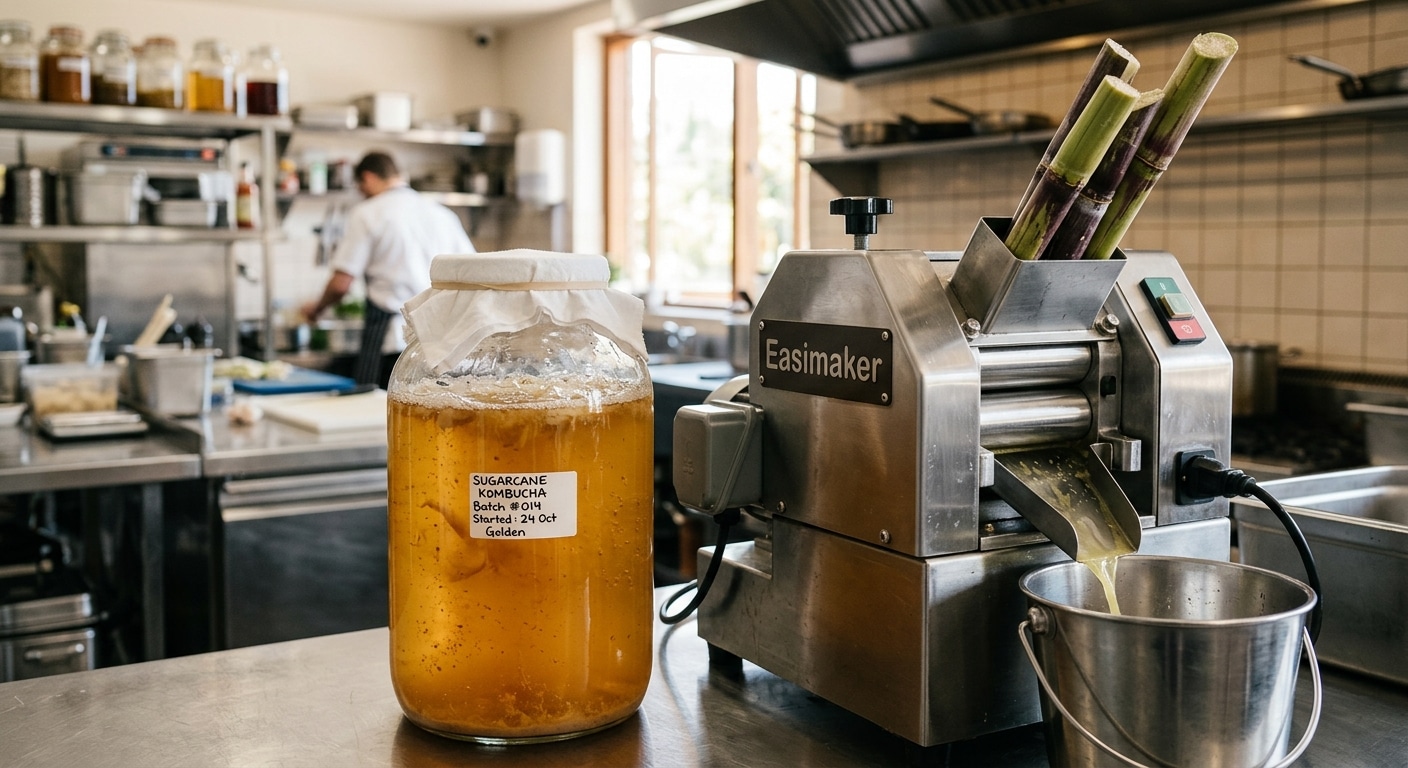
At its core, kombucha requires a nitrogen source (tea) and a carbon source (sugar) to feed the Symbiotic Culture of Bacteria and Yeast (SCOBY). Refined sugar provides a highly predictable, easily fermentable sucrose source. However, it strips away the natural molasses, vitamins, and minerals inherent to the sugarcane plant.
By utilizing fresh sugarcane juice, craft beverage makers can tap into a nutrient-dense substrate. The presence of natural magnesium, calcium, potassium, and iron acts as a catalyst for yeast and bacterial activity, often resulting in a more robust SCOBY and a more complex, earthy flavor profile. For brand owners, “sweetened with 100% fresh-pressed sugarcane juice” serves as a powerful clean-label marketing claim.
Refined Sugar vs. Fresh Sugarcane Juice
Understanding the tradeoffs between these two sugar sources is critical for commercial kombucha brewing operations. Below is a comparison to guide your formulation strategy:
| Characteristic | Refined Cane Sugar | Fresh Sugarcane Juice |
|---|---|---|
| Nutrient Profile | Empty calories; ~99.9% pure sucrose. | Rich in vitamins, minerals, and antioxidants. |
| Flavor Impact | Neutral; allows tea and added flavorings to dominate. | Grassy, earthy, with subtle molasses and vanilla notes. |
| Fermentation Speed | Standard, predictable timeline. | Often faster due to high mineral content boosting yeast activity. |
| Processing & Prep | Simple dissolution in hot water. | Requires commercial electric extraction, filtration, and Brix adjustment. |
| Microbial Load | Sterile/inert. | Contains wild yeasts (may require flash pasteurization prior to pitching). |
Technical Factors in Sugarcane Kombucha Production
Transitioning to fresh juice requires precise operational adjustments to maintain batch-to-batch consistency.
1. Managing Brix Levels
Freshly extracted sugarcane juice typically measures between 15° and 20° Brix, depending on the cane variety, seasonality, and geographic origin. Standard kombucha recipes usually require a starting Brix of 6° to 10°. Therefore, commercial brewers must dilute the fresh juice with filtered water or a brewed tea base to hit the target sugar concentration before pitching the SCOBY.
2. SCOBY Adaptation
Sudden changes in the nutrient environment can stress a commercial SCOBY. When transitioning to fresh cane juice, it is recommended to adapt your culture gradually. Start by replacing 25% of your refined sugar with fresh juice in the starter batch, gradually increasing the ratio over 3 to 4 fermentation cycles until the culture is fully acclimated to the new substrate.
3. Handling Wild Yeasts
Raw sugarcane juice naturally hosts wild yeasts and lactic acid bacteria on the stalk’s exterior. While some craft brewers embrace these wild microbes for a more complex “farmhouse” flavor, large-scale commercial operations requiring strict consistency should consider flash-pasteurizing the juice (e.g., 71°C/160°F for 15 seconds) before adding it to the brewing vessel.
Commercial Extraction: Equipment Considerations
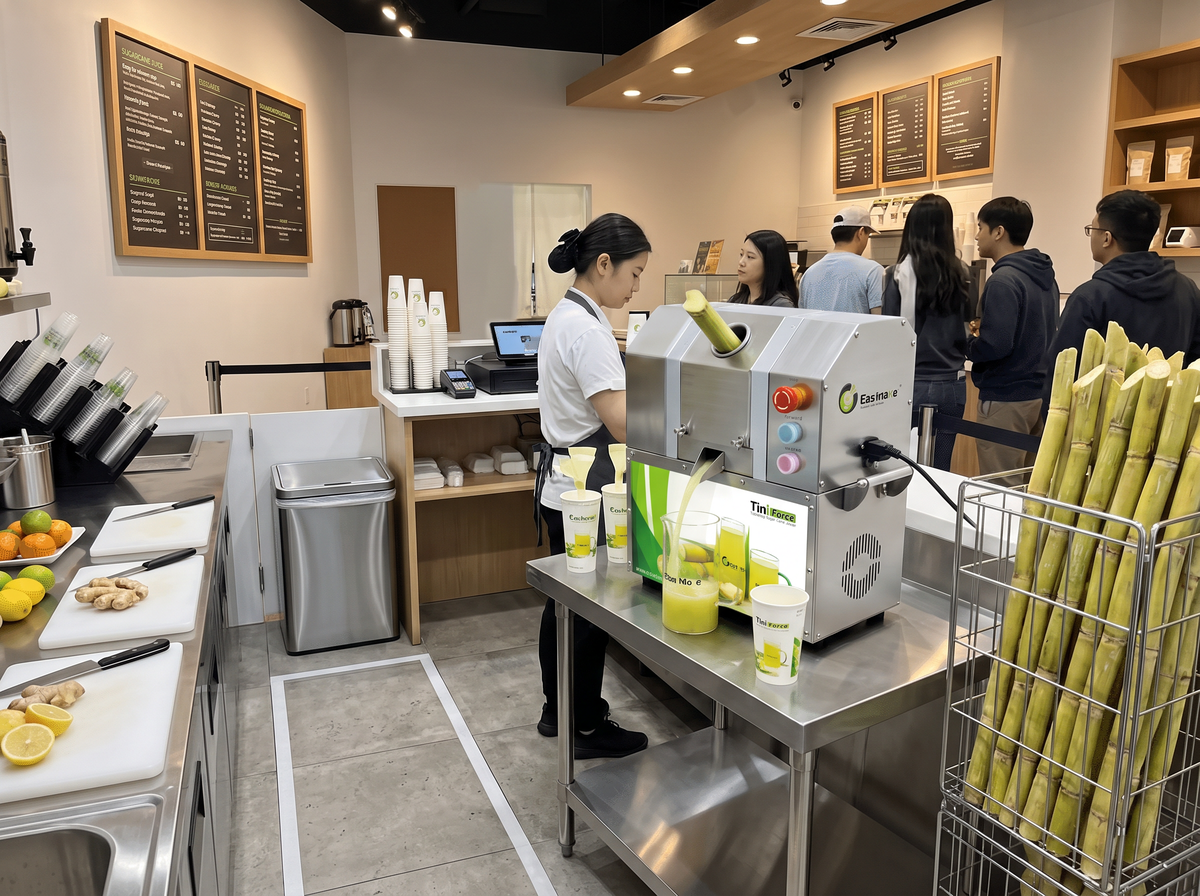
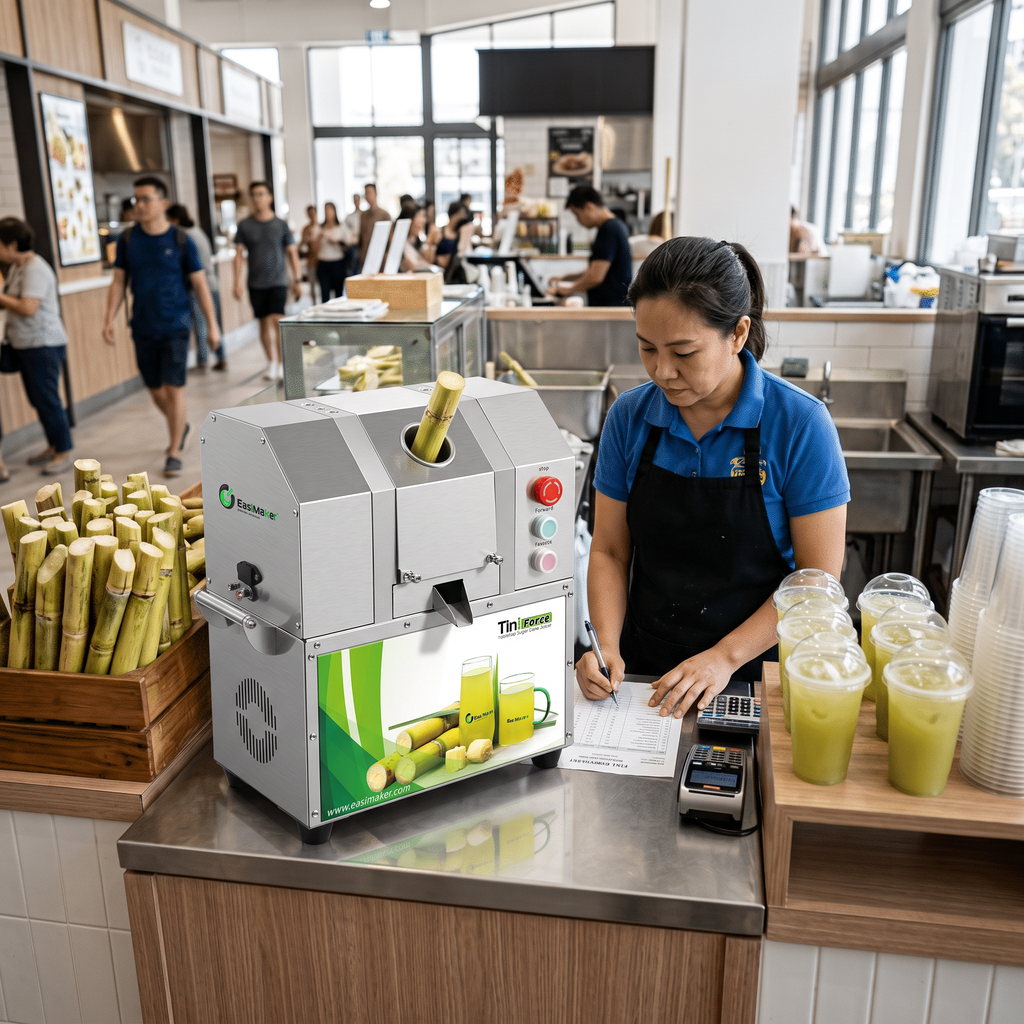
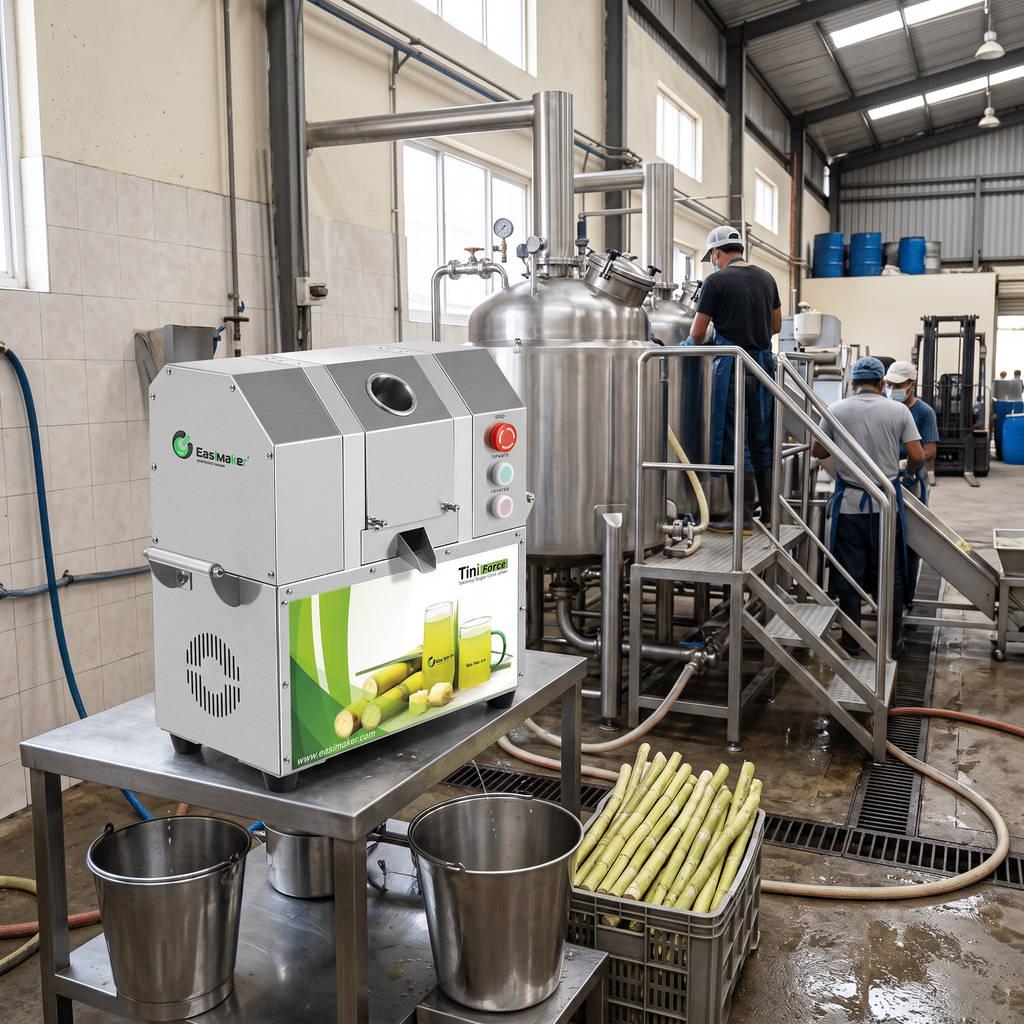
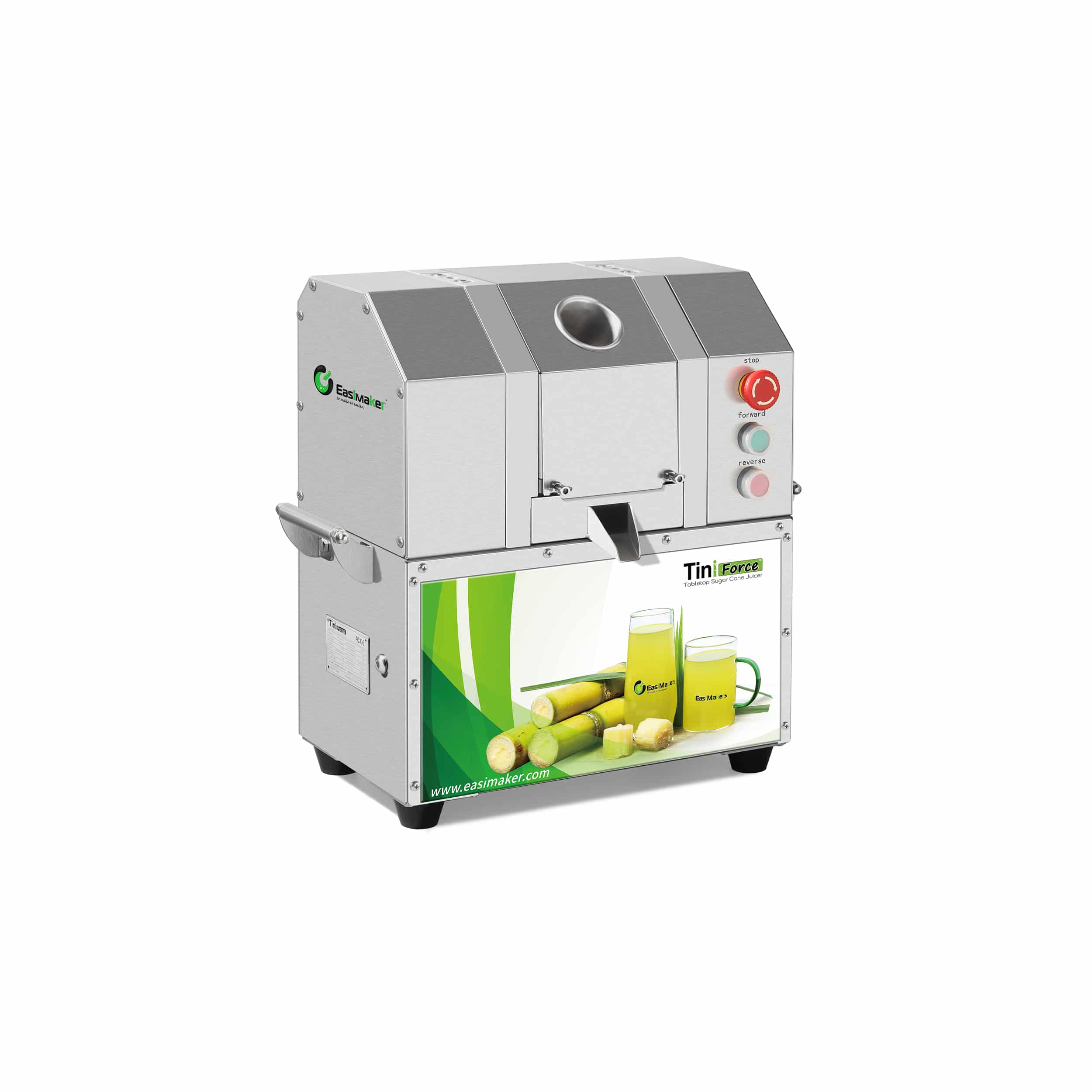
Scaling up sugarcane kombucha production requires moving away from pre-packaged syrups and investing in reliable, high-throughput extraction equipment. The efficiency of your juicing process directly impacts your bottom line.
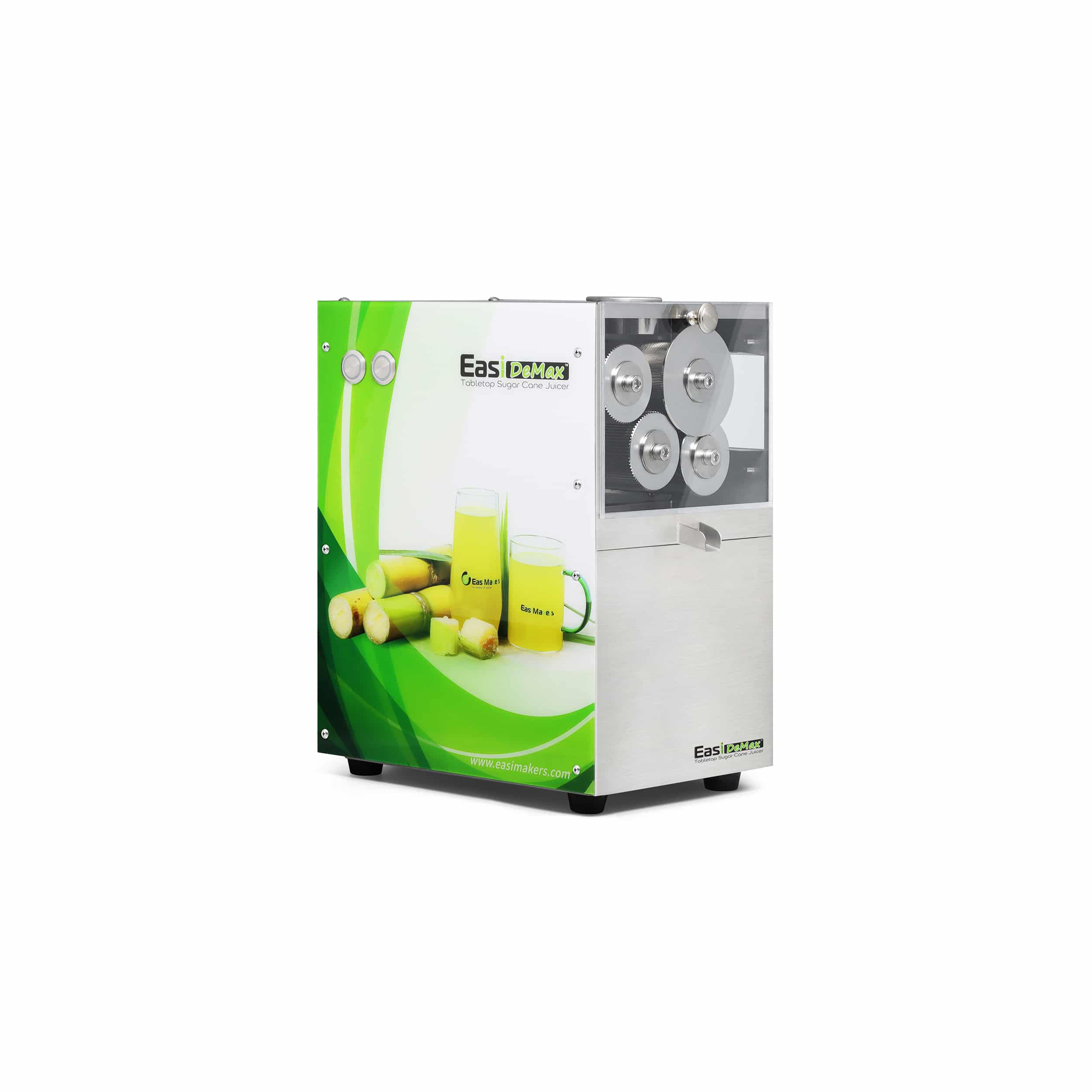
When selecting a commercial electric sugarcane juicer for beverage production, prioritize the following specifications:
- Food-Grade Materials: All contact parts (rollers, juice trays, filters) must be constructed from 304 or 316 stainless steel to comply with commercial food safety regulations and resist the acidic nature of the juice.
- Extraction Yield: High-quality electric juicers feature multi-roller systems (typically 3 to 5 rollers) that can extract up to 70-80% of the juice by weight in a single pass, minimizing waste.
- Throughput Capacity: Look for machines capable of processing 300kg to 1000kg of cane per hour, depending on your fermentation vessel sizes.
- Ease of Cleaning: Hygiene is paramount. Opt for machines with easily removable rollers or integrated Clean-in-Place (CIP) compatibility to prevent microbial buildup between batches.
Innovative Juice Recipes and Flavor Pairings
The natural flavor of fermented cane juice pairs exceptionally well with a variety of botanicals, allowing for innovative juice recipes that stand out on retail shelves. The grassy, slightly caramel-like undertones of the cane juice complement:
- Roots and Rhizomes: Ginger and turmeric enhance the earthy notes while adding a spicy kick that balances the natural sweetness.
- Tropical Fruits: Passionfruit, guava, and pineapple harmonize perfectly with sugarcane, creating a vibrant, island-inspired profile.
- Herbs and Botanicals: Lemongrass, mint, and hibiscus add bright, acidic, and floral top notes that cut through the richness of the cane base.
Quality Control and Shelf Stability
Because fresh sugarcane juice is highly nutrient-dense, secondary fermentation (conditioning) can happen rapidly. To prevent over-carbonation and exploding bottles, commercial brewers must monitor titratable acidity (TA) and residual sugars closely. Once the target flavor and carbonation levels are reached, immediate cold crashing (dropping the temperature to 2°C – 4°C) or sterile filtration is necessary to halt fermentation and ensure shelf stability during distribution.
Frequently Asked Questions (FAQs)
Can I use 100% fresh sugarcane juice without adding water?
While possible for creating a highly potent fermented tonic, standard kombucha requires dilution. 100% fresh juice has a Brix level too high for standard kombucha yeast, which may result in sluggish fermentation or excessive alcohol production.
Do I need to peel the sugarcane before juicing?
For commercial electric juicers, peeling is generally not required, provided the stalks are thoroughly washed and sanitized. The rind contains essential oils that can contribute to the complex flavor of the final beverage.
How does fermented cane juice affect the alcohol by volume (ABV)?
Because fresh juice is rich in nutrients, yeast can become highly active, potentially increasing the ABV. Brewers must strictly control fermentation temperatures and times to ensure the final product remains below the legal non-alcoholic threshold (typically 0.5% ABV).
What is the shelf life of raw sugarcane juice before fermentation?
Raw juice oxidizes and ferments rapidly. It should be used immediately after extraction, or frozen/pasteurized if storage is necessary. Delaying processing can lead to off-flavors and uncontrolled wild fermentation.
Can I use an electric sugarcane juicer for other ingredients?
Heavy-duty electric sugarcane juicers are specifically calibrated for the hard, fibrous texture of cane stalks. While some brewers use them for ginger or turmeric, it is best to consult the equipment manufacturer to avoid damaging the rollers.
Elevate Your Commercial Brewing Setup
Transitioning to fresh sugarcane juice can redefine your kombucha or water kefir brand, offering consumers a truly natural, functional beverage. To achieve this at scale, partnering with the right equipment manufacturer is essential. Our commercial electric sugarcane juicers are engineered for high yield, strict hygiene, and continuous operation in demanding brewery environments.
Ready to scale your natural beverage production? Request a quote / Get a sample today to learn more about our commercial extraction solutions tailored for craft beverage makers.