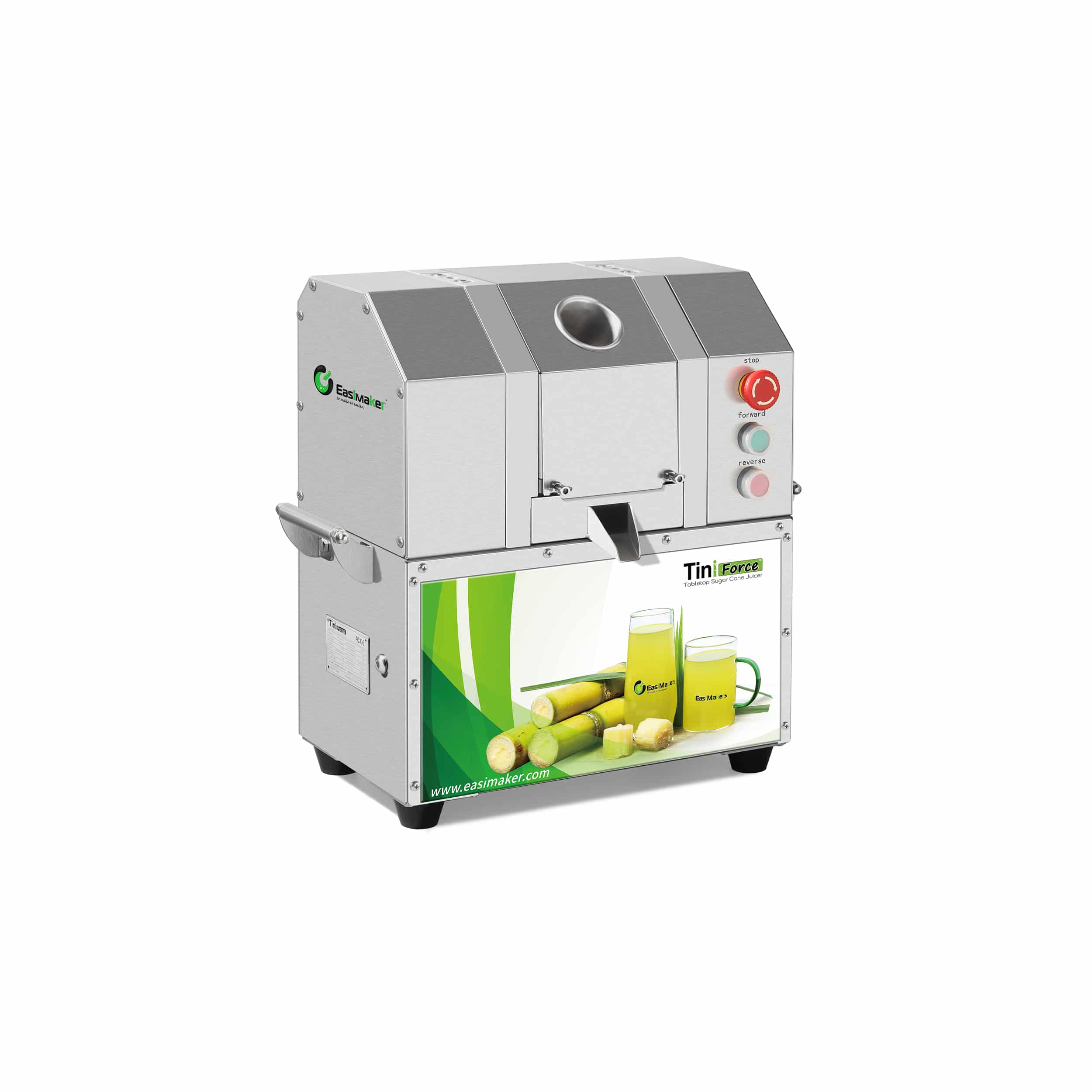

The True Cost of Equipment Downtime in Juice Bar Operations
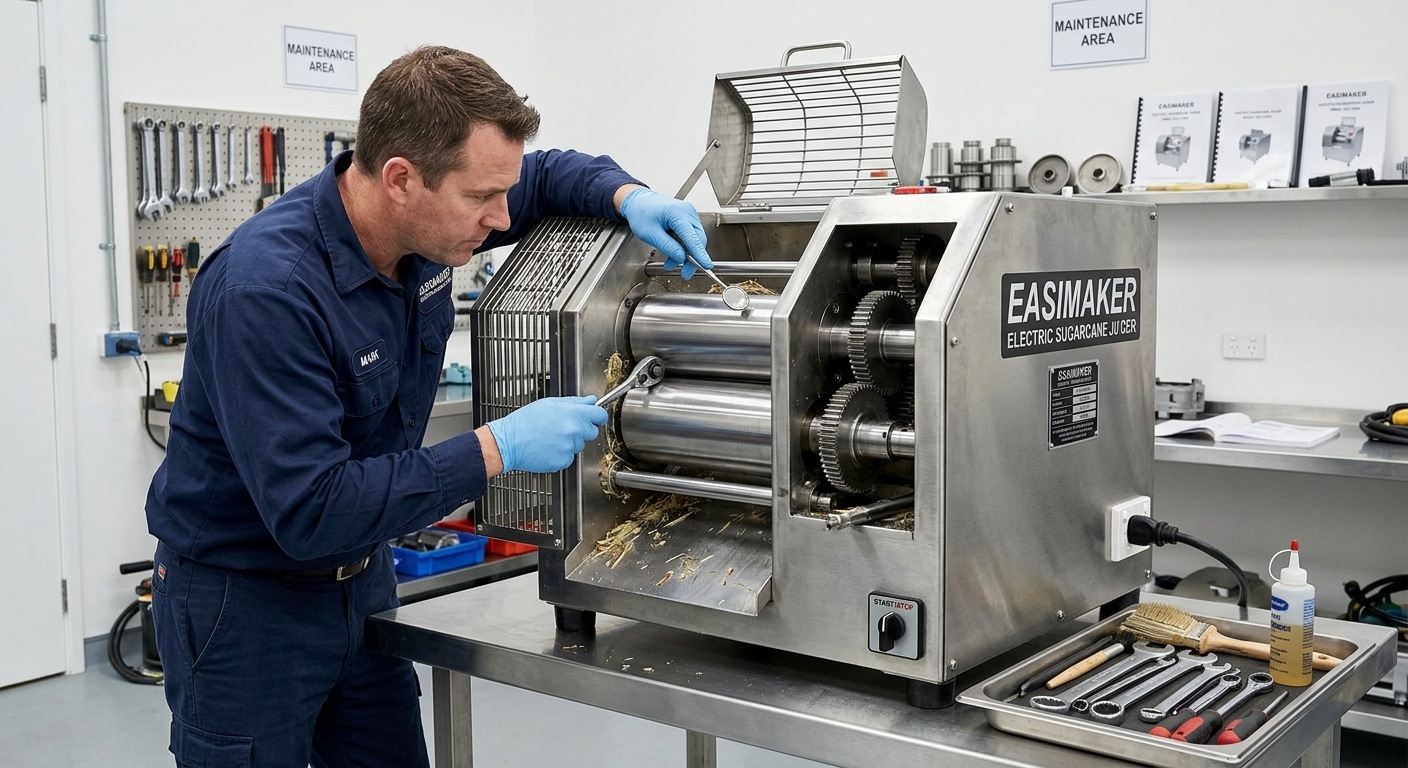
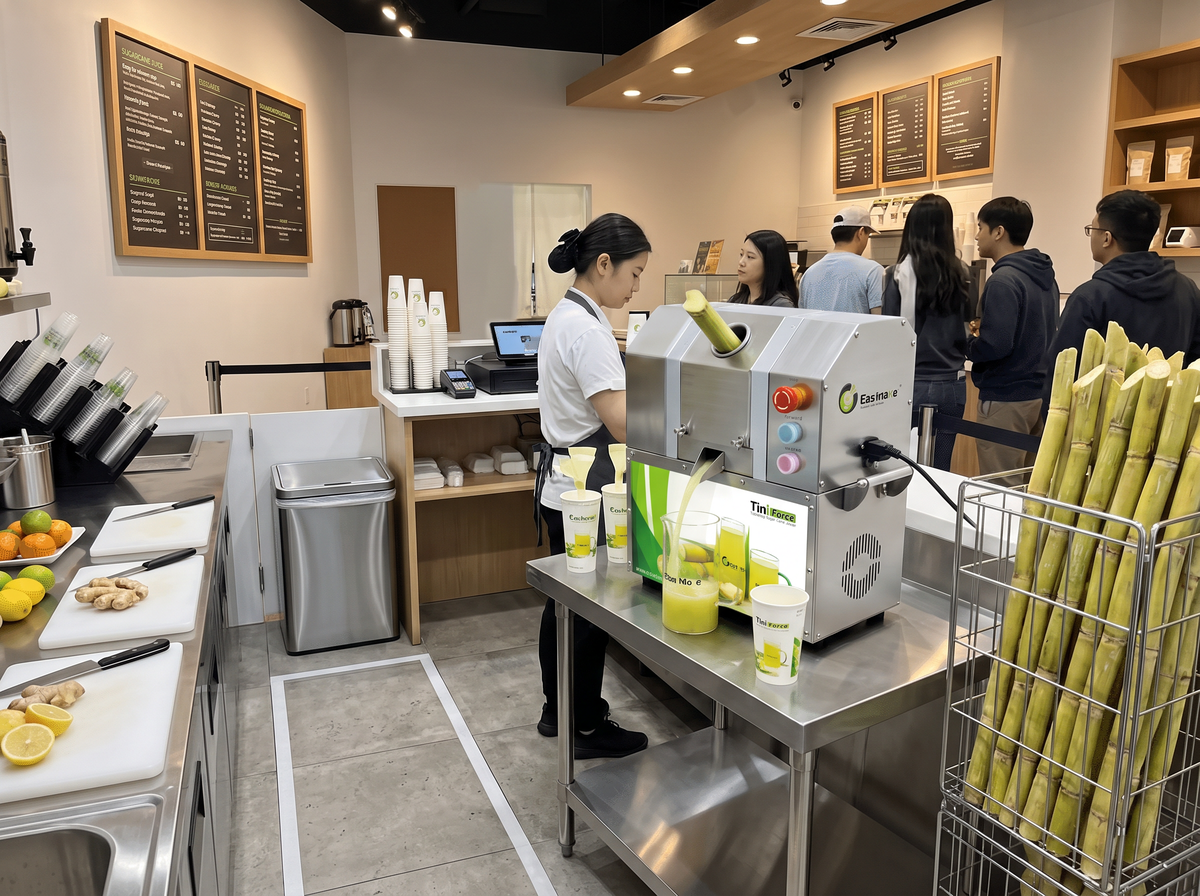
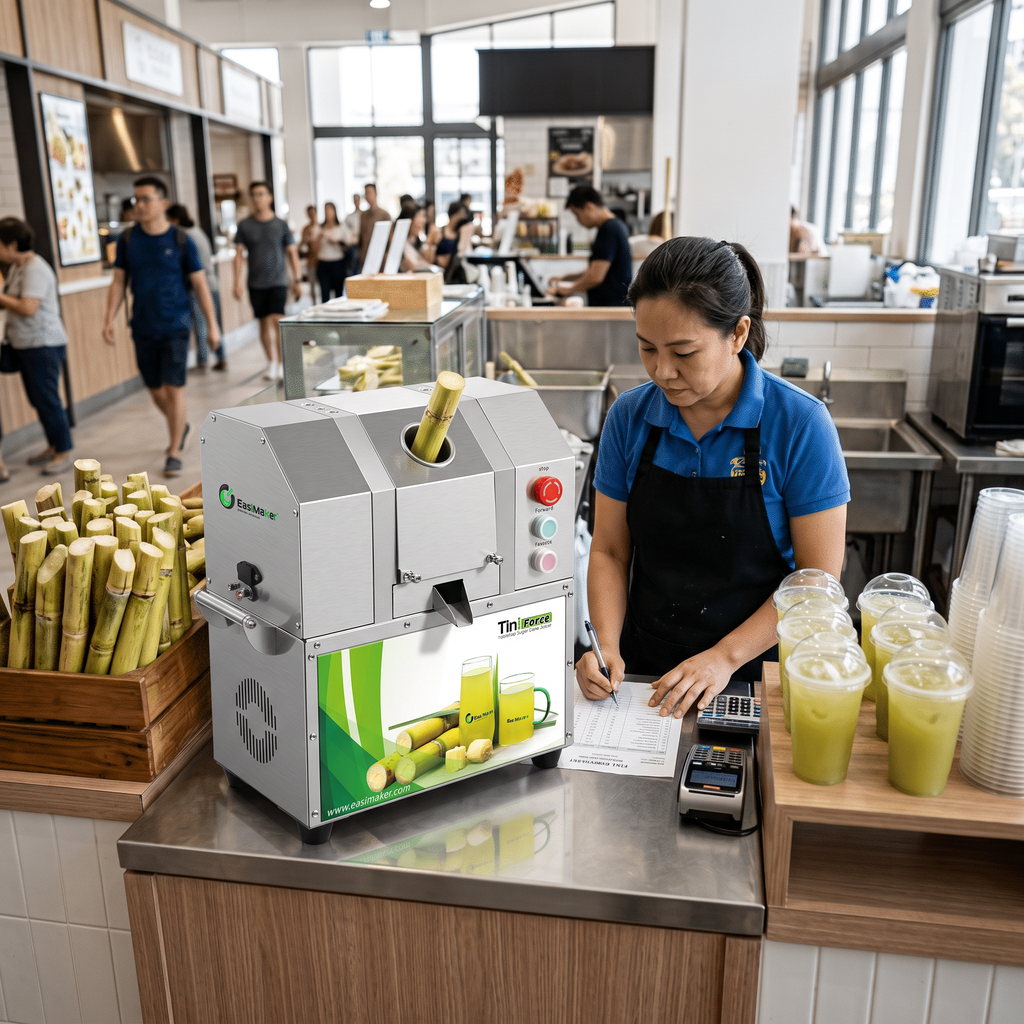
For high-volume juice bars and commercial beverage brands, equipment reliability directly impacts the bottom line. An unexpected breakdown of your electric sugarcane juicer during peak operating hours leads to lost revenue, wasted raw materials, and frustrated customers. Implementing a structured preventative maintenance schedule is the most effective way to protect your investment, ensure consistent juice yield, and extend the lifespan of your machinery.
Unlike standard citrus presses, commercial electric sugarcane juicers operate under immense mechanical stress. They rely on high-torque motors, heavy-duty gearboxes, and precision-machined stainless steel rollers to crush dense cane stalks. Without regular care, the accumulation of sticky bagasse (sugarcane pulp), sugar residue, and mechanical wear can quickly degrade performance.
Understanding Your Electric Sugarcane Juicer Components
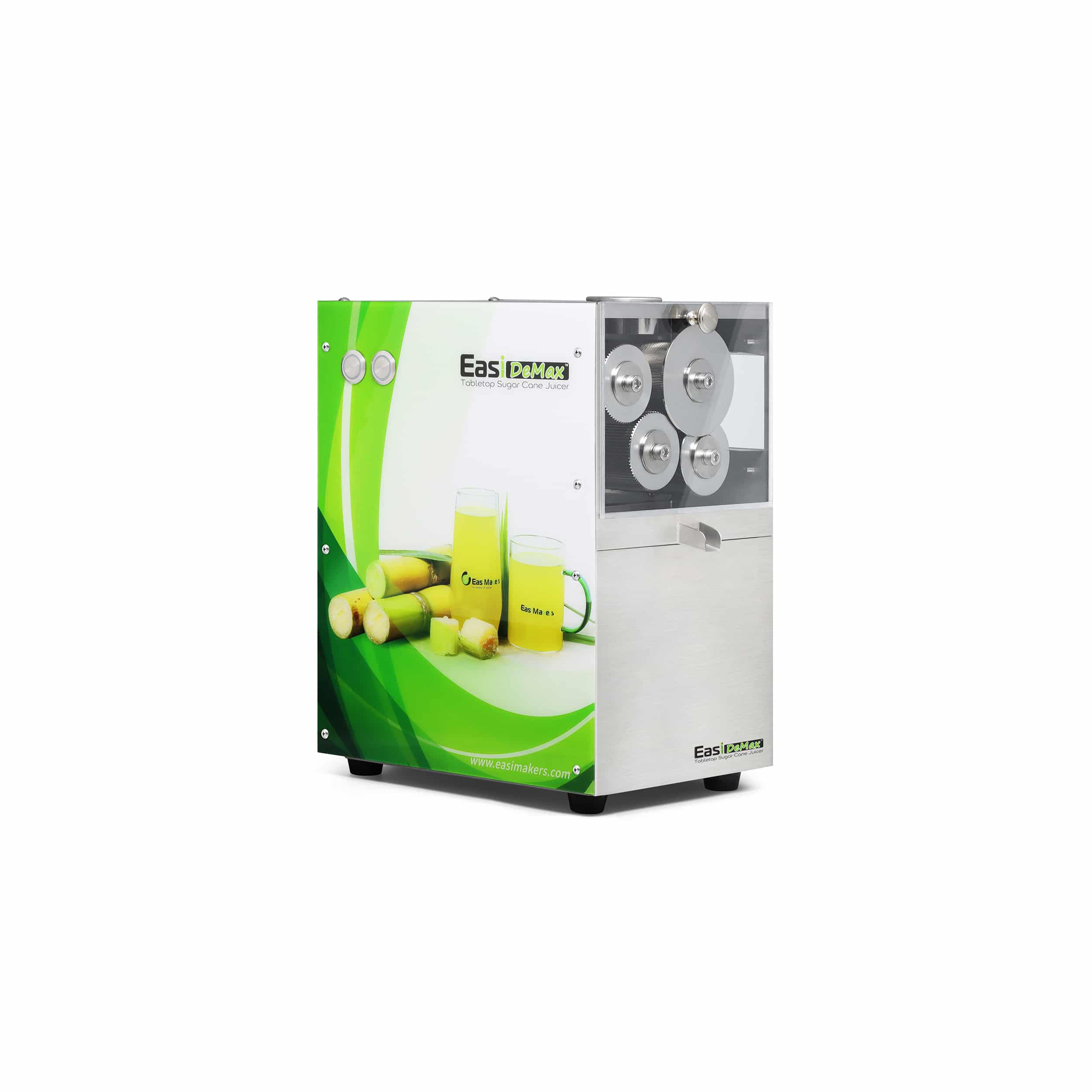
Before diving into the maintenance checklist, it is crucial for juice bar managers and operators to understand the primary components of their electric juicer. Familiarity with these parts ensures maintenance tasks are performed correctly and safely:
- Extraction Rollers: Typically made of 304 or 316 food-grade stainless steel. These are the core components that crush the cane.
- Electric Motor & Gearbox: The powerhouse of the machine, responsible for delivering high torque at low speeds.
- Bearings and Seals: Prevent juice from leaking into the motor housing and ensure smooth roller rotation.
- Filter Screen & Juice Tray: Catches the extracted liquid and filters out micro-fibers before the juice reaches the dispensing tap.
The Ultimate Preventative Maintenance Schedule
A proactive approach to sugarcane machine care requires breaking down tasks into daily, weekly, and monthly intervals. Use the following structured checklist to standardize your juice bar operations.
1. Daily Maintenance Checklist (Post-Operation)
Daily maintenance focuses heavily on sanitation and preventing sugar buildup, which can harden overnight and damage seals or attract pests.
- Power Down & Unplug: Always disconnect the electric juicer from the power source before cleaning.
- Flush the System: Run clean, warm water through the crushing chamber to loosen residual sugars and fibers.
- Remove and Clean the Filter: Take out the filter screen and juice collection tray. Scrub with a soft brush and a mild, food-safe detergent to remove all bagasse particles.
- Clean the Rollers: Use a non-abrasive brush to clean the stainless steel rollers. Never use steel wool, as it can scratch the surface and create breeding grounds for bacteria.
- Sanitize and Dry: Apply a food-safe sanitizing spray to all food-contact surfaces. Leave the safety covers open overnight to allow the machine to air dry completely, preventing mold growth.
2. Weekly Maintenance Checklist
Weekly tasks involve a deeper inspection of mechanical components to catch early signs of wear and tear.
- Inspect Bearings and Seals: Check the areas where the rollers connect to the machine housing. Look for any signs of juice bypassing the seals. If you spot moisture near the bearings, seals may need replacing.
- Check Chain/Belt Tension (If applicable): Depending on your specific model’s drive system, ensure belts or chains are properly tensioned. Loose chains can cause jerky roller movements and reduce extraction efficiency.
- Deep Clean the Housing: Wipe down the entire exterior of the machine, including the electric motor housing, using a damp cloth. Ensure no sticky residue is accumulating near the ventilation slots of the motor.
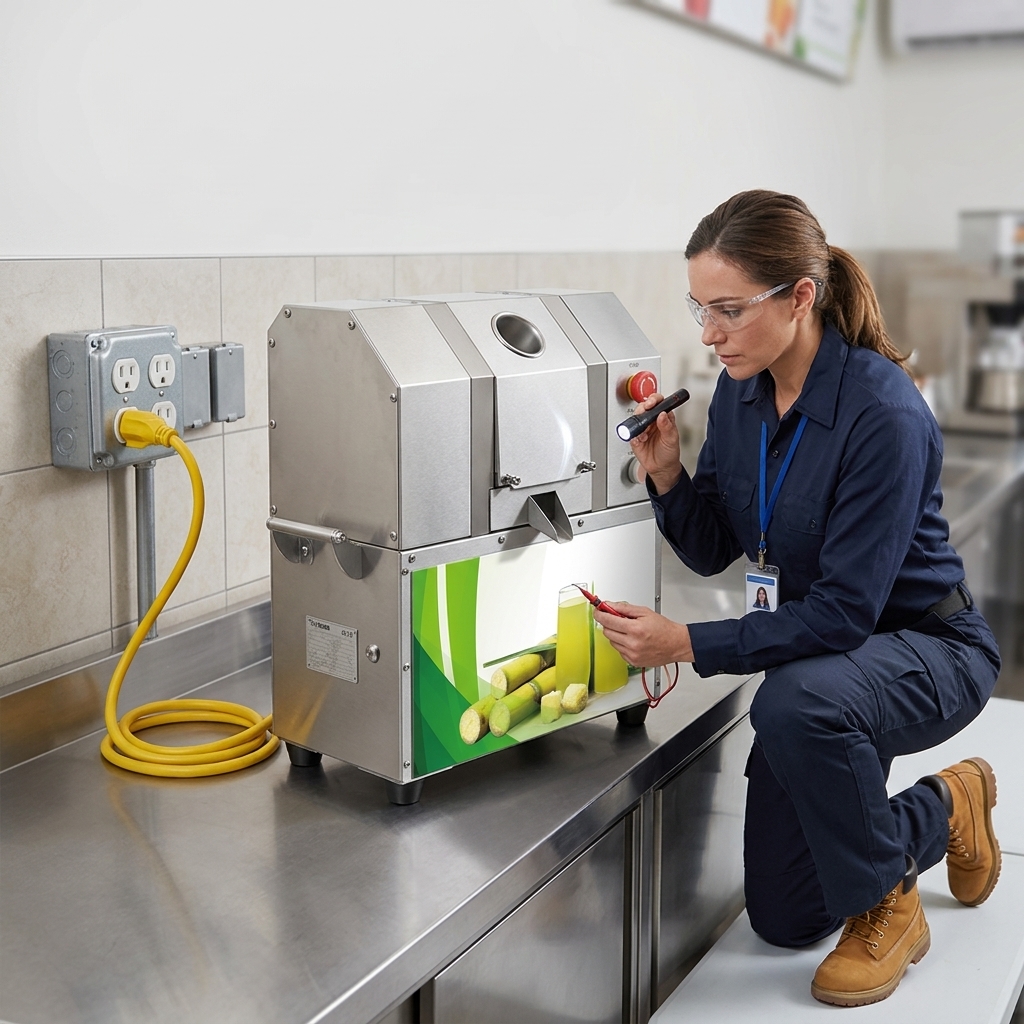
- Test Safety Switches: Verify that emergency stop buttons and safety limit switches (which prevent the machine from running when the cover is open) are functioning flawlessly.
3. Monthly & Quarterly Maintenance Checklist
Monthly and quarterly maintenance should be performed by a trained technician or your lead operations manager. These tasks focus on internal mechanics and long-term durability.
- Lubrication: Apply food-grade grease to the gears, chains, and bearing housings as specified by the manufacturer. Proper lubrication prevents metal-on-metal friction and overheating.
- Inspect the Gearbox: For machines with oil-filled gearboxes, check the oil level and look for signs of contamination. Change the gear oil every 6 to 12 months, depending on usage volume.
- Electrical Inspection: Examine the power cord, plug, and internal wiring for any signs of fraying or heat damage. Ensure the grounding wire is secure.
- Hardware Check: The vibration from crushing hard sugarcane can loosen bolts over time. Use a wrench to verify that all structural bolts, motor mounts, and casing screws are tight.
Common Pitfalls in Sugarcane Machine Care
Even with a schedule in place, certain practices can inadvertently damage your equipment. Avoid these common mistakes:
- Using Harsh Chemicals: Bleach and industrial degreasers can corrode stainless steel and degrade rubber seals. Stick to approved food-service sanitizers.
- Pressure Washing: Never use a high-pressure hose to clean an electric sugarcane juicer. Water can easily bypass seals and short-circuit the electric motor or rust the internal gears.
- Forcing Oversized Cane: Overloading the machine with cane stalks that exceed the recommended diameter puts excessive strain on the motor and can misalign the rollers. Always split thick stalks before juicing.
Manufacturing Quality: Why Machine Design Matters
The ease of your preventative maintenance schedule depends heavily on the engineering of the machine itself. When procuring equipment for your juice bar, look for electric juicers designed with maintenance in mind. Features like tool-less removal of rollers, transparent safety covers, and fully sealed motor compartments significantly reduce daily cleaning times and lower the total cost of ownership. High-quality 304 stainless steel construction ensures the machine can withstand daily washing without rusting.
Frequently Asked Questions (FAQs)
How often should I lubricate my commercial sugarcane juicer?
For high-volume juice bars operating daily, moving parts like chains and external gears should be checked and lubricated with food-grade grease every two to four weeks. Always refer to your specific operational manual for exact intervals.
Why is my electric juicer making a squeaking noise?
A squeaking or grinding noise usually indicates a lack of lubrication in the bearings or gears, or that a bearing is beginning to fail. Stop the machine immediately, inspect the bearings, and apply food-grade lubricant. If the noise persists, a part replacement may be necessary.
Can I run water directly over the machine to clean it?
You can gently pour warm water over the extraction rollers and juice tray, but you must avoid spraying water directly onto the electric motor housing, switches, or power inputs to prevent electrical hazards.
How long do the stainless steel extraction rollers last?
With proper daily cleaning and avoiding the processing of foreign objects (like stones or extremely hard, dried cane), high-quality stainless steel rollers can last for several years before needing replacement or re-machining.
What is the best way to remove hardened sugar residue?
If sugar has hardened on the rollers or tray, do not chip at it with sharp tools. Instead, soak the affected area with warm water for 10-15 minutes to dissolve the sugars, then scrub with a nylon bristle brush.
Optimize Your Juice Bar Operations Today
A strict preventative maintenance schedule is the key to maximizing the lifespan of your commercial sugarcane juicer and ensuring a steady flow of high-quality juice for your customers. By investing a few minutes each day into proper equipment care, you prevent costly breakdowns and maintain peak operational efficiency.
Looking to upgrade to a highly durable, easy-to-maintain electric sugarcane juicer designed for commercial success? Request a quote / Get a sample today to learn how our robust machinery can streamline your juice bar operations.