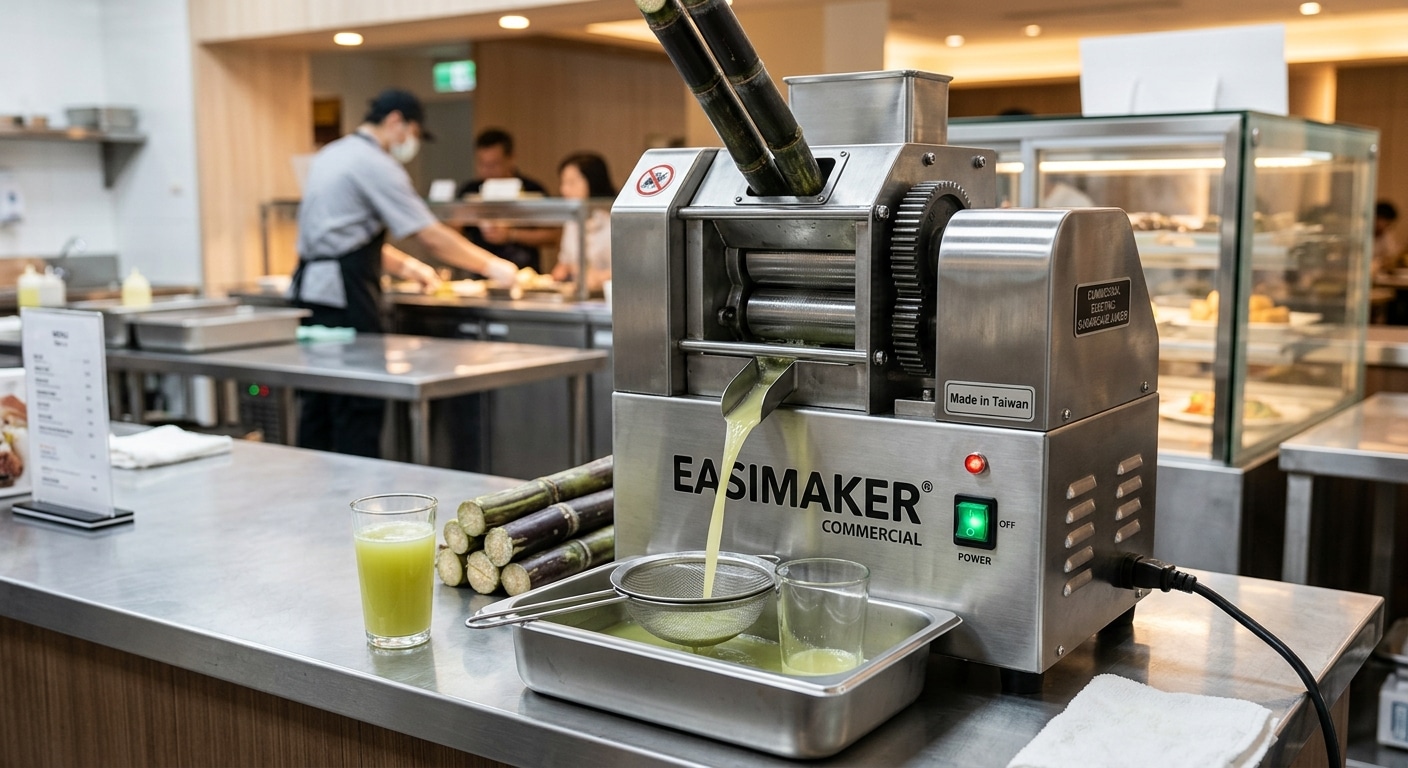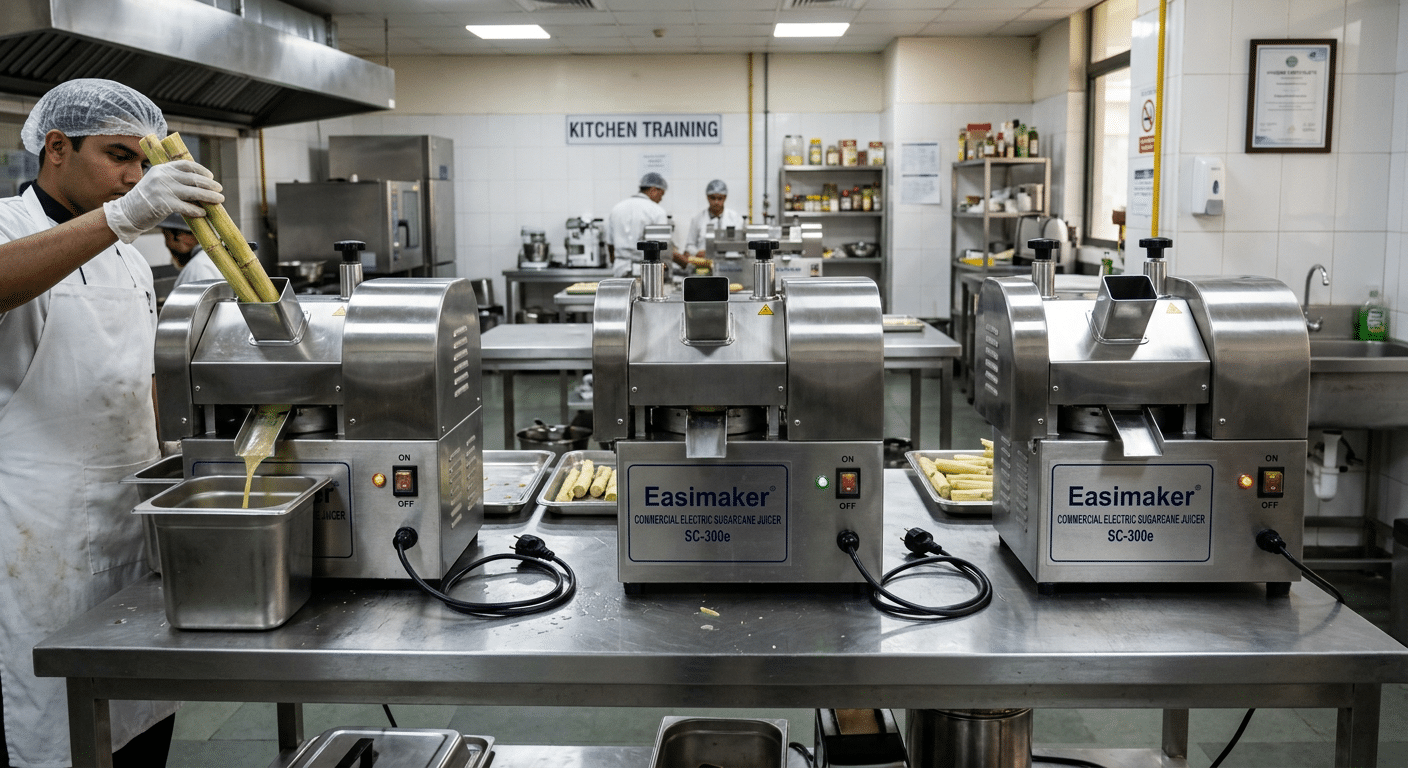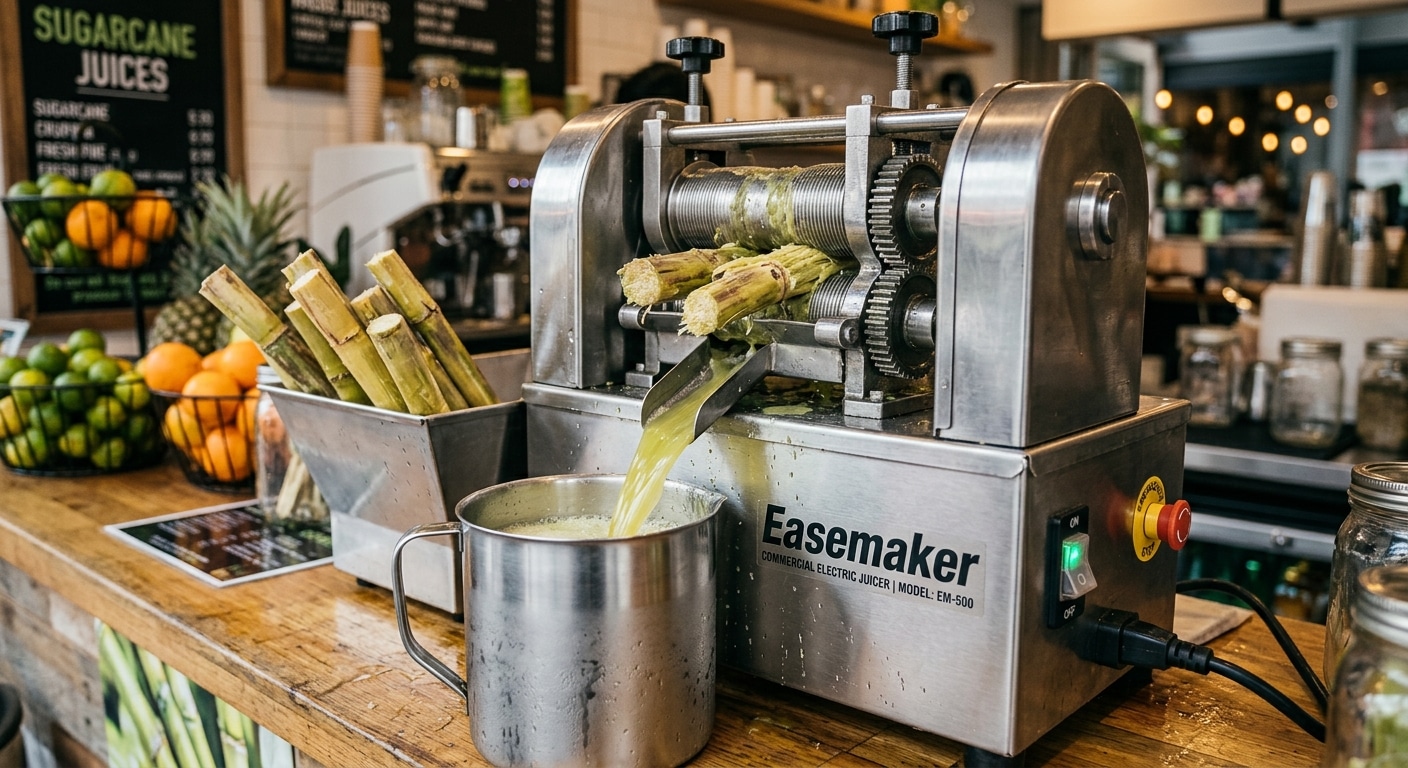
How to Properly Winterize and Store Your Sugarcane Juicer for the Off-Season

Protecting Your Investment During the Off-Season

For seasonal beverage businesses, the transition into the colder months means winding down operations and preparing equipment for storage. A commercial electric sugarcane juicer is a significant capital investment. Leaving it idle without proper winterization can lead to severe operational issues by spring, including rust, seized bearings, and degraded electrical components.

Sugarcane juice is naturally high in sucrose, which is hygroscopic (attracts moisture) and mildly acidic. If residual juice or bagasse is left on the machine’s components, it creates an environment ripe for bacterial growth and rapid oxidation—even on high-grade stainless steel. This guide provides a comprehensive, step-by-step process to deep clean, lubricate, and safely store your sugarcane juicer for the off-season.

Step 1: Comprehensive Deep Cleaning

The foundation of off-season machine maintenance is the complete removal of all organic matter. Do not rely on a standard end-of-day rinse; a winterization clean requires disassembly of accessible parts.

Disassembly and Washing

  • Power Down: Ensure the machine is completely disconnected from the power source before opening any panels.
  • Remove Exterior Components: Detach the juice collection trays, filter screens, and any removable feeding chutes. Wash these separately using warm water and a mild, food-safe commercial detergent.
  • Clean the Rollers: The crushing rollers harbor the most residue. Use a stiff-bristled nylon brush (avoid steel wool, which can embed iron particles and cause rust) to scrub the rollers. Rotate them manually if the design allows, ensuring all 360 degrees of the roller surface are scrubbed clean.

Complete Drying (Critical Step)

Moisture is the primary catalyst for rust. After washing, wipe down all surfaces with a clean microfiber cloth. Use compressed air to blow out trapped water from crevices, bolt heads, and the spaces between the rollers and the chassis. Leave the machine in a warm, dry environment for at least 24 hours before moving to the next step.

Step 2: Lubrication and Rust Prevention

Once the machine is bone-dry, you must create a barrier against ambient moisture. This is especially important for unpainted metal surfaces and moving mechanical parts.

Applying Food-Grade Protectants

  • Roller Coating: Apply a light coat of food-grade mineral oil to the stainless steel rollers. This prevents surface oxidation while the machine sits idle.
  • Gear and Chain Maintenance: Open the transmission panel to access the gears and drive chains. Clean off any old, contaminated grease. Apply a fresh layer of heavy-duty, food-grade synthetic grease. This prevents the gears from seizing and protects against ambient humidity.
  • Bearing Lubrication: If your machine features grease zerks (fittings) for the roller bearings, use a grease gun to inject fresh food-grade grease until you see a small amount purge from the seals. This pushes out any trapped moisture or acidic juice ingress.

Step 3: Protecting Electrical Components

Winter storage often involves environments with fluctuating temperatures, which can cause condensation inside the motor housing and electrical control boxes.

  • Moisture Control: Place several large industrial silica gel desiccant packets inside the motor compartment and near the electrical switches. These will absorb trapped moisture and prevent condensation from corroding the wiring terminals or the motor windings.
  • Pest Prevention: Rodents are notorious for chewing through electrical insulation during the winter. Inspect the cable entry points and ensure all grommets are intact. You can place natural rodent repellents near the base of the machine, but avoid placing chemical baits directly inside the food-processing equipment.
  • Cord Care: Loosely coil the power cable and secure it with a Velcro tie. Do not wrap it tightly around the machine, as this can stress the internal copper wires and the plug connection.

Step 4: Proper Storage Environment

Where and how you store the commercial juicer dictates how well it will survive the winter.

  • Elevate the Machine: Never store the juicer directly on a concrete floor. Concrete wicks moisture and stays cold, transferring dampness directly to the machine’s base. Place the juicer on a wooden pallet or a heavy-duty storage rack.
  • Climate Considerations: Ideally, store the machine in a climate-controlled warehouse. If storing in an unheated facility, the desiccant packets and lubrication steps become absolutely vital.
  • Breathable Covering: Cover the juicer with a heavy-duty, breathable canvas or cotton tarp to protect it from dust. Do not use tightly sealed plastic wrap or garbage bags. Plastic traps condensation against the cold metal, creating a greenhouse effect that accelerates rust.

Off-Season Maintenance Checklist

Use this quick checklist before locking up your facility for the winter:

  • [ ] Machine disconnected from power.
  • [ ] All bagasse and juice residue completely removed.
  • [ ] Machine dried completely (compressed air used on crevices).
  • [ ] Food-grade mineral oil applied to rollers.
  • [ ] Drive chains and gears re-greased.
  • [ ] Desiccant packets placed near the motor/electricals.
  • [ ] Machine elevated on a pallet.
  • [ ] Covered with a breathable canvas tarp.

Frequently Asked Questions (FAQs)

Can I use WD-40 to prevent rust on the rollers?

No. Standard WD-40 is not food-safe and leaves a toxic residue that is difficult to completely remove before the next season. Always use food-grade mineral oil or NSF H1 registered food-grade lubricants on any part of the machine that contacts the sugarcane.

How do I remove surface rust if it has already formed?

If you notice light surface rust, use a mixture of baking soda and water to form a paste, apply it to the affected area, and scrub with a non-abrasive nylon pad. For stubborn spots, a specialized food-safe stainless steel cleaner can be used. Never use bleach, as it causes pitting in stainless steel.

Should I turn the machine on periodically during the winter?

If the machine is stored in a clean, dry environment, it is not strictly necessary. However, briefly running the electric motor (for 30-60 seconds) once a month can help redistribute grease in the bearings and prevent flat spots, provided the machine is fully re-covered afterward.

Does freezing temperature damage the motor?

Electric motors themselves are generally resilient to freezing temperatures when not in use. The danger lies in the condensation that forms when temperatures rapidly shift from freezing to thawing. Proper use of desiccants mitigates this risk.

How do I prep the machine for use again in the spring?

Remove the breathable cover and desiccant packets. Perform a thorough hot-water wash with commercial detergent to remove the protective layer of mineral oil from the rollers. Run a few test stalks of sugarcane through the machine and discard the juice to ensure all residual oil is cleared before serving customers.

Need Reliable Equipment for Your Next Season?

Proper maintenance extends the life of your equipment, but starting with high-quality, precision-engineered machinery makes all the difference. If you are looking to upgrade your operations with durable, easy-to-maintain electric sugarcane juicers designed for commercial longevity, we can help. Request a quote / Get a sample today to learn more about our robust extraction solutions.

A Guide to Franchising Your Sugarcane Juice Brand: Operations and Scaling

Transitioning from a Single Location to a Franchise Network

Scaling a successful sugarcane juice bar into a regional or national franchise requires a fundamental shift in business strategy. When operating a single location, brand owners can personally oversee daily operations, monitor juice extraction, and manage equipment maintenance. However, as you scale a sugarcane juice brand, success depends entirely on standardization, reliable commercial equipment fleets, and comprehensive training systems.

For B2B brand owners, procurement managers, and operations directors, franchising means building a replicable model. Franchisees are investing in a proven system. If your equipment fails or juice quality varies between locations, the brand’s reputation suffers. This guide outlines the operational steps necessary to successfully franchise your juice business, focusing on equipment standardization, training, and quality control.

Step 1: Standardizing Your Commercial Juicer Fleet

The core of any sugarcane juice franchise is the extraction equipment. You cannot rely on a patchwork of different machines across various franchise locations. Standardizing your commercial juicer fleet ensures consistent yield, identical maintenance schedules, and uniform safety protocols.

Why Electric Commercial Juicers are Mandatory

Manual or light-duty juicers are entirely unsuited for a franchise environment. To maintain high throughput and operational safety, franchises must specify heavy-duty, electric commercial sugarcane juicers in their Franchise Disclosure Document (FDD). When selecting an electric juicer fleet for your franchisees, consider the following technical factors:

  • Extraction Yield: High-efficiency electric rollers (typically utilizing a 3-roller or 4-roller system) ensure maximum juice extraction in a single pass, directly impacting the franchisee’s profit margins.
  • Material Specifications: Food-grade stainless steel (such as 304 or 316) is non-negotiable for all contact parts to comply with international food safety standards and resist the corrosive nature of natural plant acids.
  • Motor Durability: Commercial environments require motors capable of continuous operation during peak hours without overheating. Look for gear-driven electric motors with built-in thermal protection.
  • Ease of Cleaning: Machines must feature accessible roller compartments and removable components to allow for rapid, thorough sanitization between shifts.

Step 2: Developing Comprehensive Training Manuals

Franchisees and their staff will have varying levels of food service experience. Standard Operating Procedures (SOPs) must be meticulously documented. A robust training manual for a juice bar operations team should include:

Equipment Operation and Safety

Document the exact startup, operation, and shutdown procedures for the electric sugarcane juicers. Include visual diagrams of emergency stop buttons, reverse functions (to clear jams), and proper feeding techniques to prevent operator injury and machine damage.

Sanitation Protocols

Sugarcane juice is highly susceptible to fermentation and bacterial growth. Your SOPs must dictate cleaning frequencies (e.g., mid-shift wipe downs, end-of-day deep cleans). Specify the exact food-safe sanitizers to be used, the correct dilution ratios, and step-by-step instructions for dismantling and reassembling the juicer’s extraction chamber.

Step 3: Maintaining Consistent Juice Quality

Customers expect the same taste profile whether they visit a franchise in New York or London. Maintaining consistent juice quality across a decentralized network involves strict supply chain management.

  • Raw Material Sourcing: Specify the exact cultivars of sugarcane franchisees must purchase, or establish a centralized supply chain. Factors like maturity, soil type, and harvest time drastically affect the Brix level (sugar content).
  • Storage and Handling: Sugarcane stalks must be stored at specific temperatures to prevent moisture loss and souring. Outline refrigeration requirements and maximum shelf-life metrics for cut cane.
  • Preparation Standards: Define how the cane should be prepped before juicing. This includes washing protocols, peeling requirements (if applicable to your brand standard), and cutting lengths to optimize the electric juicer’s feed rate.

Comparing Equipment Strategies: Standalone vs. Franchise Fleet

Understanding the shift in equipment strategy is vital for operations managers planning a franchise rollout.

Operational Factor Standalone Juice Bar Franchised Juice Brand
Equipment Sourcing Ad-hoc purchasing based on immediate local availability. Centralized procurement; standardized electric juicer fleet.
Maintenance Reactive repairs; potential extended downtime. Preventative maintenance schedules; stocked spare parts inventory.
Yield Consistency Variable, dependent on the individual operator’s machine. Highly consistent due to uniform roller calibration across the fleet.
Training On-the-job, informal shadowing. Documented SOPs tailored to the specific standardized equipment.

Procurement and Fleet Management for Franchisors

As the franchisor, you must establish a reliable pipeline for equipment. Partnering directly with a manufacturer for your commercial electric juicers offers significant advantages. Negotiating Minimum Order Quantities (MOQs) for fleet rollouts can reduce capital expenditure for new franchisees. Furthermore, establishing a direct line for OEM spare parts (such as replacement rollers, gears, and bearings) ensures that franchisee downtime is minimized.

Frequently Asked Questions (FAQs)

How do I ensure franchisees maintain the equipment properly?

Incorporate mandatory preventative maintenance schedules into the franchise agreement. Require franchisees to log daily cleaning and monthly inspections, and conduct periodic corporate audits to verify compliance.

What is the typical lifespan of a commercial electric sugarcane juicer?

With strict adherence to daily cleaning and regular maintenance of gears and bearings, a high-quality stainless steel electric juicer can operate efficiently for 5 to 10 years in a high-volume commercial setting.

Should the franchisor supply the sugarcane or rely on local distributors?

This depends on geographic scale. Regional franchises often benefit from a centralized commissary or approved local agricultural suppliers to maintain strict control over the cane’s Brix levels and freshness.

How do we handle equipment breakdowns in a franchise network?

Require franchisees to keep essential spare parts (like fuses, switches, and basic seals) on-site. The franchisor should maintain a relationship with the equipment manufacturer to expedite shipping of major replacement components.

Can we customize the juicers with our franchise branding?

Yes, many B2B equipment manufacturers offer customization options for fleet orders, including laser-etched logos, custom housing colors, and branded warning labels to align with your franchise’s visual identity.

Ready to Scale Your Juice Brand?

Standardizing your equipment is the first step toward a successful franchise rollout. Ensure your franchisees have the reliable, high-yield extraction technology they need to succeed. Request a quote today to discuss fleet pricing, technical specifications, and procurement strategies for your commercial electric sugarcane juicers.

How to Host a Successful Sugarcane Juice Tasting Event to Drive Sales

Introduction: Experiential Marketing for Juice Bars

For brick-and-mortar juice shop owners, driving consistent foot traffic and building local loyalty requires more than just a great menu. In a competitive beverage market, experiential marketing—specifically a well-executed juice tasting event—can significantly boost customer engagement and accelerate sales. By allowing potential customers to sample fresh, high-margin products like sugarcane juice, operators can lower the barrier to trial, showcase ingredient quality, and establish their brand as a local authority in fresh beverages.

This comprehensive guide outlines a step-by-step approach to planning, promoting, and executing a fresh juice sampling event designed to maximize local business promotion and deliver a measurable return on investment (ROI).

Step 1: Define Your Event Objectives and Audience

Before selecting flavors or printing flyers, establish clear operational goals for your tasting event. Are you trying to increase weekend foot traffic, launch a new seasonal menu, or secure wholesale accounts with local businesses?

  • Consumer-Facing Events: Targeted at local residents and walk-in traffic. The goal is to drive immediate retail sales, increase loyalty program sign-ups, and generate user-generated content on social media.
  • B2B Local Partnerships: Targeted at local gym owners, yoga studios, or corporate office managers. The goal is to secure bulk catering orders or recurring wholesale deliveries.

Step 2: Curate a Strategic Tasting Menu

When hosting a juice tasting event, less is more. Overwhelming attendees with too many options can cause palate fatigue and decision paralysis. Focus on 3 to 5 distinct flavor profiles, utilizing a high-yield, premium base like fresh sugarcane juice.

Recommended Sugarcane Juice Pairings

Sugarcane juice is an excellent base because it acts as a natural sweetener while offering a refreshing, grassy flavor profile. Consider offering:

  • The Purist: 100% cold-pressed sugarcane juice over ice.
  • The Citrus Kick: Sugarcane juice blended with fresh lime and a hint of ginger.
  • The Hydrator: Sugarcane juice mixed with coconut water and mint.
  • The Antioxidant Blend: Sugarcane juice infused with passionfruit or pomegranate.

Step 3: Equipment and Operational Setup

During a high-traffic event, operational bottlenecks can ruin the customer experience. Waiting ten minutes for a sample defeats the purpose of the event. Your equipment must be capable of handling continuous, high-volume extraction without overheating or jamming.

Why Commercial Electric Juicers are Mandatory

For sugarcane extraction, manual machines are entirely inadequate for commercial events due to their slow output and high labor requirements. A heavy-duty, commercial electric sugarcane juicer is essential for the following reasons:

  • Throughput: Electric models can process hundreds of kilograms of sugarcane per hour, ensuring a steady flow of fresh samples.
  • Yield Efficiency: Multi-roller electric systems extract up to 80-90% of the juice in a single pass, maximizing your profit margins and reducing raw material waste.
  • Hygiene and Safety: Enclosed stainless steel electric juicers protect operators from moving parts and prevent contamination, which is critical during public-facing events.

Step 4: Marketing and Local Promotion

A successful event requires a multi-channel marketing approach starting at least two weeks in advance.

Marketing Channel Actionable Strategy
In-Store Signage Place counter cards and window decals announcing the date and time of the free tasting event.
Social Media Run localized geo-targeted ads (within a 3-mile radius) highlighting the “Fresh Juice Sampling” event. Use high-quality visuals of the extraction process.
Local Partnerships Distribute VIP tasting invitations to staff at neighboring businesses, gyms, and wellness centers.
Email Marketing Send an exclusive invite to your existing subscriber base, offering a discount on full-sized purchases made during the event.

Step 5: Execution on Event Day

On the day of the event, the layout of your juice bar should facilitate a smooth flow of traffic. Set up a dedicated tasting station separate from the main POS register to ensure regular paying customers are not delayed.

  • Portion Control: Serve samples in 2 oz to 4 oz clear compostable cups. This is enough to experience the flavor without cannibalizing full-sized sales.
  • Staff Training: Train your staff to articulate the health benefits of sugarcane juice (e.g., low glycemic index, high in electrolytes) and explain the extraction process.
  • Capture Data: Place a QR code on the tasting table that links to a feedback form or loyalty program sign-up, incentivized with a 10% discount on their next visit.

Measuring Event ROI

To determine if your marketing juice bar efforts were successful, track key performance indicators (KPIs) during and immediately after the event. Monitor the day’s total sales volume compared to a standard day, the conversion rate of samplers to buyers, and the number of new loyalty program registrations. A successful event should yield a noticeable lift in repeat customer visits over the following 30 days.

Frequently Asked Questions (FAQs)

How much juice should I prepare for a tasting event?

Plan for roughly 2 to 3 ounces per sample per person. If you expect 100 attendees, you will need approximately 2.5 gallons (about 9.5 liters) of juice per flavor.

Do I need a special permit to host a juice sampling event?

If the event is hosted inside your already-permitted brick-and-mortar shop, additional health permits are rarely required. However, if you are setting up a tent outside or on public property, consult your local health department for temporary food service regulations.

Can I use a manual sugarcane juicer for events?

No. Manual juicers are too slow, labor-intensive, and inefficient for commercial events. A commercial electric sugarcane juicer is required to maintain a fast, hygienic service pace.

How do I convert samplers into paying customers?

Offer an “Event Only” promotion, such as “Buy one full-size juice, get a second at 50% off,” or offer a bundled package of bottled juices for them to take home.

How far in advance should I start promoting the event?

Begin teasing the event on social media and in-store at least 14 days in advance, with an aggressive local push 3 to 5 days prior.

Conclusion

Hosting a sugarcane juice tasting event is a proven, high-impact strategy for customer engagement and local business promotion. By curating a smart menu, executing a targeted marketing plan, and relying on robust commercial electric juicers to handle the volume, you can turn curious samplers into loyal, repeat customers.

Ready to upgrade your shop’s extraction capabilities for your next big event? Request a quote / Get a sample today to learn more about our high-efficiency commercial equipment solutions.

Essential Food Safety Certifications for Commercial Juicers

In the commercial beverage industry, equipment procurement is not merely about yield or motor speed; it is fundamentally about risk management. For juice bars, restaurants, and industrial food processing facilities, the juicer is a critical control point. Dealing with raw produce—which often lacks a thermal kill step (cooking) before consumption—requires equipment that adheres to the strictest hygiene and safety standards.

Purchasing uncertified or non-compliant machinery exposes businesses to liability, health inspection failures, and brand-damaging contamination events. This guide outlines the essential international certifications and standards procurement managers and operations directors must verify when selecting commercial juicing equipment.

The Difference Between Electrical Safety and Sanitation Standards

A common misconception in B2B procurement is that a single certification covers all aspects of machine safety. In reality, commercial juicers must generally satisfy two distinct categories of compliance:

  • Electrical & Mechanical Safety: Ensures the machine will not cause fire, electric shock, or physical injury to the operator.
  • Sanitation & Hygiene: Ensures the machine is constructed of safe materials and designed to be thoroughly cleaned to prevent bacterial growth.

Buyers should look for marks that cover both categories. A machine that is electrically safe but impossible to sanitize is a health code violation waiting to happen.

Key Sanitation and Hygiene Certifications

Hygiene certifications focus on equipment design—specifically, the elimination of crevices where bacteria like Listeria or E. coli can harbor. They also verify that materials in contact with food do not leach harmful chemicals.

NSF / ANSI (North America & International)

The NSF International mark is arguably the most recognized sanitation standard globally for commercial food equipment. For juicers, the relevant standard is typically NSF/ANSI 8 (Commercial Powered Food Preparation Equipment).

NSF certification verifies:

  • Cleanability: All food zones are easily accessible for cleaning and inspection.
  • Material Safety: Materials are non-toxic and corrosion-resistant (e.g., specific grades of stainless steel).
  • Design Radii: Internal corners are rounded (coved) to prevent food buildup.

For buyers in North America, NSF certification (or an equivalent like ETL Sanitation) is often mandatory for passing local health inspections.

HACCP Compliance Compatibility

While HACCP (Hazard Analysis Critical Control Point) is a management system rather than a machine certification, equipment must be “HACCP-compliant” in design. This means the juicer fits into a HACCP plan by being easy to disassemble, clean, and inspect. Suppliers should be able to demonstrate how their equipment supports your facility’s HACCP protocols.

FDA Food Code & Material Compliance

In the United States, materials used in the juicer must meet FDA (Food and Drug Administration) requirements for food contact surfaces (often referred to as GRAS – Generally Recognized As Safe). Common compliant materials include:

  • Stainless Steel (304 or 316 Grade): The industry standard for durability and hygiene.
  • Food-Grade Plastics: Must be BPA-free and resistant to acidic fruit corrosion.

Electrical and Mechanical Safety Standards

These certifications ensure the equipment is safe for employees to operate in a wet, industrial environment.

UL and ETL (North America)

Underwriters Laboratories (UL) and Intertek (ETL) test for electrical safety. For commercial juicers, look for:

  • UL 763: Standard for Motor-Operated Commercial Food Preparing Machines.

Note: The ETL Listed Mark is legally equivalent to UL. However, buyers must distinguish between the ETL Listed Mark (Electrical) and the ETL Sanitation Mark (Hygiene).

CE Marking (European Economic Area)

The CE (Conformité Européenne) mark indicates conformity with health, safety, and environmental protection standards for products sold within the EEA. For juicers, this typically involves compliance with:

  • Machinery Directive (2006/42/EC): Mechanical safety.
  • Low Voltage Directive: Electrical safety.
  • EMC Directive: Electromagnetic compatibility.

While CE is a self-declaration by the manufacturer, reputable B2B suppliers will have technical files and third-party test reports available to back up their CE marking.

RoHS and REACH

These regulations restrict hazardous substances in electrical equipment. RoHS (Restriction of Hazardous Substances) ensures that the electronics within the juicer do not contain lead, mercury, or other restricted materials, which is crucial for environmental compliance and disposal.

Why “Food Grade” Isn’t Enough

A supplier may claim a machine is made of “food-grade materials.” While this is a minimum requirement, it is insufficient for commercial operations. A machine can be made of food-grade stainless steel but still have poor welding seams, inaccessible internal cavities, or non-removable gaskets that trap juice residue.

Commercial buyers should prioritize “Hygienic Design” over simple material claims. Look for:

  • Tool-free disassembly for daily cleaning.
  • IP ratings (Ingress Protection) that allow for wash-down (e.g., IPX5 or higher) if the environment requires hose cleaning.
  • Smooth welding seams that do not snag cleaning cloths.

Buying Guide: Verifying Certifications

When sourcing commercial juicers, especially from international manufacturers, verification is key. Do not rely solely on a logo printed on a brochure.

1. Request the Certificate Number

Legitimate certifications have a unique file or license number. Ask the supplier for this number and verify it on the certifying body’s official website (e.g., the NSF or Intertek directory).

2. Check the Scope

Ensure the certification applies to the specific model you are purchasing. Sometimes manufacturers certify one base model, but the customized version or a new iteration has not yet been approved.

3. Ask About Spare Parts

Maintenance is a safety issue. Ensure that replacement gaskets, blades, and screens are also compliant. Using non-OEM parts that do not meet the original certification standards can void the machine’s safety listing.

FAQs: Commercial Juicer Compliance

Can I use a household juicer in a commercial setting?

Generally, no. Household juicers are not NSF/ANSI 8 certified. Using them in a commercial kitchen often violates local health codes, voids insurance policies, and risks rapid equipment failure due to the lack of heavy-duty cooling systems.

Is CE certification accepted in the USA?

CE is a European standard. While it indicates a level of safety, US health inspectors typically look for NSF (sanitation) and UL/ETL (electrical). CE alone is usually insufficient for US compliance, though the machine may meet the technical requirements.

What is the difference between NSF and ETL Sanitation?

Functionally, they are very similar. Both test to the same ANSI standards (like NSF/ANSI 8). NSF is the organization that wrote the standard, while Intertek (ETL) is a testing lab that certifies to that standard. Both are widely accepted by health departments.

How often do certifications need to be renewed?

Certifications are usually subject to annual audits and fees. If a manufacturer stops paying or fails an audit, their listing is removed. Always check the live directory before placing a large volume order.

Secure Your Supply Chain with Compliant Equipment

Investing in certified commercial juicers protects your customers and your business reputation. Ensure your machinery meets the rigorous demands of modern food safety regulations.

Ready to upgrade your production line with fully certified, high-performance juicing equipment?

Why Bubble Tea Shops Are Switching to Fresh Sugarcane Juice Mixers

The Shift Toward Healthier Beverage Bases

The global bubble tea market has historically relied on powdered creamers, flavored syrups, and tea concentrates. However, as the industry matures, saturation is driving shop owners to differentiate their menus. The most significant trend currently reshaping the sector is the demand for "fresh" and "natural" alternatives. This is where commercial sugarcane juice mixers (extractors) are finding a permanent place alongside espresso machines and cup sealers.

Integrating fresh sugarcane juice offers a dual advantage: it serves as a natural sweetener that replaces processed fructose, and it acts as a versatile base for fruit teas and smoothies. For B2B buyers—ranging from franchise owners to equipment distributors—understanding the operational impact and ROI of these machines is critical before procurement.

The Business Case: Menu Diversification and Margins

Adding a sugarcane juice machine is not merely about adding a single item to the menu; it is about introducing a new foundational ingredient. Unlike seasonal fruits that spoil quickly, sugarcane stalks have a relatively long shelf life when stored correctly, and the juice extraction process is on-demand, minimizing waste.

1. The "Health Halo" Effect

Modern consumers, particularly Gen Z and Millennials, are increasingly scrutinizing sugar content. Sugarcane juice is marketed as a low-glycemic, unprocessed alternative to high-fructose corn syrup. By offering "Sugarcane Oolong" or "Sugarcane Lemon" instead of syrup-based equivalents, shops can justify premium pricing while appealing to health-conscious demographics.

2. High-Margin Potential

The cost of raw sugarcane stalks relative to the yield is generally favorable in most regions with established supply chains. A commercial-grade machine ensures maximum extraction (high yield), significantly lowering the cost per milliliter compared to buying pre-packaged juice or high-end syrups.

Operational Workflow: Fitting Machines into Tight Spaces

One of the primary concerns for bubble tea shop owners is counter space. Most shops operate in high-rent, compact footprints (often under 500 sq. ft.). Equipment manufacturers have responded by developing compact, countertop sugarcane juicers designed specifically for the beverage industry.

Key Workflow Features

  • One-Pass Extraction: In a high-volume boba shop, staff cannot afford to pass the cane through multiple times. Modern commercial mixers utilize a heavy-duty 3-roller or 4-roller system to extract 95%+ of the juice in a single pass.
  • Instant Separation: Machines automatically separate dry bagasse (fiber) from the juice, depositing the waste into a concealed bin or chute, keeping the front-of-house clean.
  • Speed: A standard commercial unit can produce 2–4 liters per minute, sufficient to keep up with rush-hour demand for base mixers.

Technical Specifications to Look For

When sourcing sugarcane juice machines for a bubble tea environment, procurement officers must prioritize hygiene and durability over raw power alone.

Material Standards

The acidity of sugarcane juice combined with sugar content creates a corrosive environment. It is mandatory that all food-contact zones—rollers, juice trays, and spouts—be constructed from Food Grade 304 Stainless Steel. Cheaper alternatives using 201 stainless steel or iron rollers will corrode, leading to health code violations and equipment failure.

Safety Mechanisms

Given the torque required to crush cane, safety is non-negotiable. Look for:

  • Emergency Stop Buttons: Easily accessible on the front panel.
  • Safety Sensors: The machine should auto-shutoff if the feed chute guard is removed.
  • Reverse Function: Essential for clearing jams without manual intervention.

Noise Levels

Bubble tea shops are social spaces. Industrial crushers are too loud (often exceeding 85dB). specialized shop-grade mixers utilize enclosed gearboxes and sound-dampening housing to keep operation under 70dB, allowing normal conversation to continue during extraction.

Menu Applications: Beyond Plain Juice

To maximize the investment, shop owners use the machine to create a "Sugarcane Series." Here are common B2B applications:

Menu Item Role of Sugarcane Target Customer
Sugarcane Milk Tea Replaces sugar syrup; adds grassy/caramel note. Traditional boba drinkers seeking variety.
Citrus Cane Cooler 50% Juice / 50% Water or Tea + Lemon/Kumquat. Summer refreshment/Thirst quencher.
Green Detox Smoothie Liquid base for kale/spinach blending. Health/Fitness segment.
Coco-Cane Cloud Sugarcane juice topped with salted cream foam. Trend-chasers/Instagram users.

Maintenance and Hygiene Considerations

Sugar residue attracts bacteria and pests rapidly. For a commercial setting, the "cleanability" of the machine is a major purchasing factor.

  • Detachable Rollers: Some advanced models allow the roller assembly to be removed for soaking.
  • Flush Cleaning: For fixed-roller models, the design must allow for easy water flushing without damaging the motor.
  • Sealed Bearings: To prevent juice from entering the mechanical housing, high-quality seals are required to extend the machine’s lifespan.

Buying Guide: Sourcing the Right Equipment

When requesting quotes or samples from manufacturers, consider the following:

1. Capacity vs. Footprint

Do not buy an industrial floor-standing model for a mall kiosk. A compact tabletop model (approx. 20kg to 45kg weight) is usually sufficient for serving 100–300 cups a day.

2. Power Compatibility

Ensure the voltage (110V vs 220V) and plug type match your target market. Sugarcane machines have high torque motors; using converters is not recommended.

3. Spare Parts Availability

Rollers and bearings wear down over time. Ensure the supplier provides a spare parts kit (seals, gears) or has a local distribution center for rapid maintenance.

Frequently Asked Questions (FAQs)

How much space does a commercial sugarcane mixer require?

Most countertop models designed for bubble tea shops measure approximately 40cm x 30cm x 50cm. They require roughly the same footprint as a standard blender or fructose dispenser.

Can these machines handle different sizes of sugarcane?

Yes, commercial machines typically have a self-adjusting roller gap or a wide feed chute (up to 50-60mm) to accommodate various stalk diameters without manual splitting.

How often should the machine be cleaned?

In a commercial environment, the machine should be flushed with water every 2-3 hours to prevent stickiness and fermentation, with a deep clean (disassembly) at the end of every shift.

Is peeling necessary before juicing?

While industrial machines can crush unpeeled cane, for bubble tea applications, it is highly recommended to scrape or peel the outer hard skin. This improves the color of the juice (preventing a muddy green look) and reduces bitterness, ensuring a cleaner taste profile for beverages.

What is the typical ROI timeline?

Depending on the volume of sales, many shops report breaking even on the equipment cost within 2 to 4 months, given the high profit margin on sugarcane beverages compared to powder-based drinks.

Conclusion

Switching to fresh sugarcane juice mixers allows bubble tea shops to escape the price war of generic milk teas and enter the premium "fresh beverage" market. By selecting a machine that balances extraction efficiency, safety, and hygiene, owners can streamline operations while offering a healthier, high-demand product.

Ready to upgrade your beverage menu? Contact us today to request a quote on commercial sugarcane juice extractors or to discuss custom equipment solutions for your franchise.

Leveraging the Cold-Pressed Label: How to Command Higher Prices for Sugarcane Juice

In the competitive landscape of commercial juice bars and beverage manufacturing, the difference between a commodity product and a premium health beverage often lies in processing terminology and consumer perception. While sugarcane juice has traditionally been viewed as a low-cost street beverage in many regions, the global shift toward functional, raw, and nutrient-dense drinks presents a significant opportunity for operators.

By accurately leveraging the “cold-pressed” classification—which is inherent to the mechanical operation of professional sugarcane crushers—businesses can reposition this product. This shift allows for significantly higher price points, improved profit margins, and access to a health-conscious demographic willing to pay for quality preservation.

This guide explores the technical basis for labeling sugarcane juice as cold-pressed, the operational advantages of modern crushing equipment, and strategies for marketing this high-margin product effectively.

The Engineering Behind the “Cold-Pressed” Claim

To market a product as cold-pressed, the extraction method must minimize heat generation and oxidation. In the broader juice industry, this usually distinguishes hydraulic presses from centrifugal juicers (which use high-speed blades that introduce heat and air).

Professional sugarcane machines, specifically those utilizing multi-roller systems, naturally align with cold-pressed standards due to their mechanical design:

  • Low RPM, High Torque: Unlike centrifugal juicers that spin at 3,000+ RPM, industrial sugarcane rollers typically rotate at low speeds (often 10–20 RPM). This slow rotation prevents the friction-based heat buildup that destroys heat-sensitive enzymes and vitamins.
  • Masticating Action: The rollers utilize high pressure to crush and squeeze the fiber, extracting liquid without shredding the cane into a pulp that is exposed to rapid oxidation.
  • No External Heat: The extraction is purely mechanical. As long as the machine is maintained and lubricated correctly (ensuring no gear heat transfers to the juice path), the juice remains at ambient temperature throughout the process.

For juice bar operators, this means the standard operating procedure of a high-quality sugarcane juicer technically qualifies the output as “cold-pressed,” a label that commands a premium in the current market.

Comparing Extraction Methods: Why It Matters for Pricing

Understanding the difference between extraction methods is crucial for justifying price increases to procurement teams or retail consumers.

Feature Centrifugal Extraction Cold-Pressed / Roller Extraction
Mechanism High-speed spinning blades Slow-rotating steel rollers
Heat Generation Moderate to High (Friction) Negligible / None
Oxidation Rate High (Aerates the juice) Low (Preserves color longer)
Nutrient Retention Lower (Enzyme degradation) Maximum retention
Market Value Standard / Economy Premium / Luxury

Operational Considerations for Premium Positioning

Simply owning a machine is not enough to secure a premium position. The equipment quality and operational workflow must support the high-value claim.

1. Material Compliance and Hygiene

To sell a premium health product, the equipment must meet stringent hygiene standards. Buyers should look for machines constructed with food-grade 304 stainless steel for all juice-contact parts (rollers, trays, filters). Older models using cast iron or non-food-grade alloys can introduce metallic tastes or rust contaminants, immediately invalidating any “pure” or “premium” marketing claims.

2. One-Pass Efficiency

High-end commercial machines are designed for “one-pass” extraction. This means the cane is crushed thoroughly in a single feed, extracting 95%+ of the juice. Cheaper machines often require feeding the cane through multiple times to get a decent yield. Multiple passes increase oxidation and handling time, degrading the “fresh” quality. Investing in a powerful, high-torque motor ensures single-pass efficiency, supporting a true cold-pressed workflow.

3. Filtration and Clarity

Cold-pressed consumers expect a smooth texture. Professional machines often include integrated fine-mesh filtration systems. Ensuring the final product is free of coarse fiber (bagasse) is essential for bottling and premium service.

Marketing Strategy: From Commodity to Superfood

Once the technical foundation is established, the marketing strategy must align with the premium price point. Sugarcane juice is naturally rich in electrolytes, antioxidants, and has a low glycemic index compared to refined sugars. The “cold-pressed” label acts as a trust signal that these properties have not been altered by processing.

Packaging and Presentation

Do not serve premium cold-pressed sugarcane juice in generic plastic cups. To command a higher price:

  • Bottling: Use glass or high-quality rPET bottles with minimalist labeling. This implies shelf-stability (even if short-term) and quality.
  • Visual Proof: If operating a juice bar, ensure the machine is visible. The visual of the slow-crushing stainless steel rollers reinforces the “fresh” and “mechanical” nature of the process, distinct from noisy blenders.
  • Menu Terminology: Use terms like “Slow-Crushed,” “Raw Pressed,” and “Unpasteurized” alongside “Cold-Pressed.”

Strategic Blends

Pure sugarcane juice can be intensely sweet. To appeal to the health-conscious market and increase perceived value, create functional blends. The cold-press extraction method works excellently when co-extracting ingredients:

  • The Detox Blend: Sugarcane + Ginger + Lemon (Ginger can often be crushed directly in robust rollers).
  • The Immunity Blend: Sugarcane + Turmeric + Calamansi.

Buying Guide: Selecting the Right Machine

When sourcing equipment to support a premium sugarcane juice business, consider the following specifications to ensure reliability and product quality:

  • Roller Composition: Solid stainless steel rollers are preferred over hollow or coated rollers for durability and hygiene.
  • Safety Features: Look for emergency stop buttons and enclosed feed chutes. In many jurisdictions, open-roller machines are prohibited in commercial settings due to injury risks.
  • Cleaning Accessibility: Cold-pressed juice is highly perishable. The machine must be easy to disassemble for deep cleaning to prevent bacterial growth. Removable rollers and juice trays are a critical feature.
  • Noise Level: Premium juice bars often value ambiance. A high-quality gear reduction motor should operate quietly, unlike the high-pitched whine of centrifugal juicers.

Frequently Asked Questions (FAQs)

Does “cold-pressed” sugarcane juice have a longer shelf life?

Cold-pressed juice generally has a slightly longer shelf life than centrifugal juice due to reduced oxidation, but raw sugarcane juice is highly perishable. Without pasteurization or preservatives, it typically lasts 24–48 hours under refrigeration. The premium value comes from its freshness, not long-term storage.

Can I bottle sugarcane juice for retail sale?

Yes, but strict cold-chain management is required. Because the juice is raw and rich in natural sugars, fermentation can start quickly. Bottling immediately after extraction and keeping the product below 4°C (39°F) is essential. Consult local health regulations regarding raw juice sales.

What is the typical yield of a professional sugarcane crusher?

A high-efficiency 3-roller or 4-roller machine can typically extract 70% to 80% of the cane’s weight as juice in a single pass. This high yield is critical for maintaining healthy profit margins.

Why does sugarcane juice turn brown, and does cold-pressing stop it?

Browning is caused by the oxidation of enzymes and polyphenols in the juice. While cold-pressing significantly slows this process compared to centrifugal juicing, it does not stop it entirely. Adding a small amount of acidic citrus (lemon or lime) during extraction helps maintain the bright green color.

Is a 3-roller or 4-roller machine better for premium juice?

Generally, more rollers allow for more gradual pressure steps, maximizing yield and ensuring the fiber is completely dry upon exit. A 3-roller system is the industry standard for balancing efficiency and cost, while 4-roller systems are used for high-volume industrial applications.

Ready to upgrade your beverage menu with high-margin, cold-pressed sugarcane juice?

Request a Quote / Get a Sample

Energy Efficient Commercial Juicers: Lowering Overheads for High-Volume Juice Bars

The Impact of Motor Efficiency on Juice Bar Profitability

In the competitive landscape of the beverage industry, margins are often dictated by operational efficiency. For high-volume juice bars, cold-press manufacturers, and commercial kitchens, the cost of electricity is a significant variable expense. While ingredient costs (COGS) often take center stage in financial planning, the ongoing operational expenditure (OPEX) of running heavy machinery for 8 to 12 hours a day is a critical factor in the bottom line.

Modern commercial juicers have evolved significantly. The industry is moving away from the “higher wattage equals better performance” fallacy. Instead, the focus has shifted to torque, gear reduction ratios, and motor efficiency. By upgrading to or sourcing energy-efficient equipment, businesses can maintain high throughput while drastically reducing power consumption and associated overheads.

Wattage vs. Torque: Understanding the Physics of Extraction

A common misconception among equipment buyers is that a higher wattage rating on a specification sheet guarantees a more powerful machine. In reality, wattage simply measures the amount of electricity the motor consumes, not the force it delivers to the produce.

For commercial juicing, specifically cold press and masticating styles, the critical metric is torque—the rotational force applied to crush fibrous vegetables and hard fruits.

The Role of Gear Reduction

Modern energy-efficient juicers often utilize advanced gear reduction systems. These systems allow a motor with lower input wattage (e.g., 750W) to generate crushing force equivalent to or greater than an older, direct-drive induction motor rated at 1500W or higher.

  • High-Efficiency Motors: Brushless DC (BLDC) motors are increasingly standard in high-end commercial units. They offer higher efficiency (converting more electrical energy into mechanical energy) and generate less waste heat than traditional brushed motors.
  • Smart Load Sensing: Advanced motors can adjust power consumption based on the resistance of the produce. The motor draws peak power only when crushing a dense carrot, and throttles back when processing softer items like cucumber or leafy greens.

Calculating the ROI: Energy Savings in High-Volume Operations

When procurement teams evaluate capital equipment, the Total Cost of Ownership (TCO) must replace the initial purchase price as the primary decision metric. The cumulative savings of energy-efficient motors become evident when machines operate continuously.

Scenario: The High-Volume Kitchen

Consider a juice production facility operating four commercial juicers for 10 hours a day, 360 days a year.

  • Legacy Equipment: 4 machines x 1.5 kW consumption = 6 kW/hour.
  • Modern Efficient Equipment: 4 machines x 0.8 kW consumption = 3.2 kW/hour.

In this scenario, the facility reduces consumption by 2.8 kWh for every hour of operation. Over a year (3,600 operating hours), this equates to a reduction of roughly 10,080 kWh. Depending on local commercial electricity rates, this reduction translates directly into thousands of dollars in retained earnings annually, purely from motor efficiency.

The Hidden Cost: Heat Generation and HVAC Load

Energy inefficiency in electric motors manifests primarily as heat. A motor that is only 60% efficient turns 40% of the electricity it consumes into waste heat. In a confined commercial kitchen or a small juice bar kiosk, this heat buildup is substantial.

This creates a “double penalty” for the business:

  1. Direct Cost: You pay for the electricity wasted as heat.
  2. Indirect Cost: The facility’s HVAC system must work harder to remove that heat to maintain food safety temperatures and staff comfort, further increasing the electricity bill.

Energy-efficient juicers run significantly cooler. This protects the integrity of the juice (preventing premature oxidation or heat-damage to enzymes) and reduces the thermal load on the facility’s air conditioning infrastructure.

Durability and Maintenance Considerations

Efficiency is often a proxy for build quality. Motors that run cooler experience less thermal stress on internal components, windings, and bearings.

When selecting equipment, consider the relationship between efficiency and lifespan:

  • Thermal Protection: Efficient motors are less likely to trigger thermal overload shut-offs during peak service hours, ensuring continuous operation.
  • Vibration and Noise: Precision-engineered, efficient motors typically operate with less vibration and lower decibel levels, improving the working environment for staff.

Buying Guide: Specifications to Analyze

When requesting quotes for commercial juicers, procurement officers should look beyond the marketing claims and analyze the technical specifications.

Specification What to Look For Why It Matters
Motor Type Brushless DC (BLDC) or Induction with Gear Reduction Higher efficiency, lower maintenance, consistent torque.
Wattage (Input) Lower is better if torque is high Indicates power consumption. Compare this against yield/output capacity.
Duty Cycle Continuous vs. Intermittent Commercial units must handle continuous loads without overheating.
Soft Start Yes Reduces inrush current spikes that can trip breakers and spike demand charges.

FAQs: Energy Efficiency in Commercial Juicing

Does a lower wattage motor mean the juicer is weaker?

Not necessarily. In commercial applications, gearing and motor type determine the crushing power (torque). A well-engineered 800W motor with high gear reduction can outperform a 2000W direct-drive motor in terms of actual juicing capability while using less than half the energy.

How does motor efficiency affect juice quality?

Efficient motors generate less heat transfer to the drive shaft and the juicing chamber. Keeping the produce cool during extraction is vital for cold-pressed juice quality, preserving enzymes and extending shelf life.

Are energy-efficient commercial juicers more expensive?

The initial capital expenditure (CapEx) may be slightly higher due to the advanced engineering of the motor and gearbox. However, the return on investment (ROI) is realized quickly through lower utility bills and reduced maintenance costs.

What is the typical lifespan of a high-efficiency commercial motor?

While lifespan varies by usage intensity, brushless motors generally outlast brushed counterparts because there are no brushes to wear out. Combined with lower operating temperatures, these units are designed for long-term industrial use.

Conclusion

Reducing overheads in a commercial juice business requires a holistic look at equipment performance. By selecting juicers that utilize modern, energy-efficient motor technology, businesses can secure a competitive advantage—lowering monthly utility costs, reducing HVAC loads, and ensuring reliable, high-torque operation during peak demand.

Ready to upgrade your production line?

Contact us today to discuss your volume requirements and request a quote for our latest energy-efficient commercial juicing solutions.

7 Proven Marketing Strategies to Attract Customers to Your New Juice Bar

Opening a new juice bar involves significant capital investment in commercial juicing machinery, location, and supply chains. However, possessing high-efficiency equipment and premium ingredients is only half the battle. To ensure a return on investment (ROI), business owners must implement robust marketing strategies that drive consistent foot traffic and encourage repeat purchases.

For entrepreneurs operating sugarcane juicers or cold-press stations, marketing is not just about advertising; it is about optimizing the customer experience, leveraging the visual appeal of the production process, and clearly communicating value. This guide outlines actionable, professional strategies to attract customers and build a loyal client base for your juice business.

1. Leverage “Machine Theater” and Visual Merchandising

In the fresh juice industry, the production process is a powerful marketing tool. Unlike bottled beverages, fresh juice is made on demand. Highlighting this process builds trust and creates a sensory experience that attracts passersby.

  • Showcase the Machinery: Place your commercial juicer—especially if it is a sugarcane crusher or citrus press—in a visible location. The mechanical action of crushing cane or squeezing fruit signals freshness instantly.
  • Transparency is Key: Use clear barriers or open-counter layouts where customers can see the hygiene standards and the raw ingredients being processed. Visible cleanliness is a critical factor in customer retention for food and beverage businesses.
  • Ingredient Display: Stack fresh sugarcane stalks, baskets of oranges, or vibrant vegetables near the point of sale. This reinforces the “all-natural” messaging without saying a word.

2. Highlight Health Benefits (Compliantly)

Today’s consumers are increasingly health-conscious. They are not just buying a drink; they are buying hydration, energy, or a vitamin boost. However, it is vital to avoid unsubstantiated medical claims. Focus on nutritional facts and general wellness.

Effective Messaging Angles

  • Sugarcane Juice: Market it as a “Natural Energy Booster” or “Electrolyte Rich.” Highlight that it is a low-glycemic index alternative to processed sodas.
  • Cold-Pressed Blends: Focus on “Nutrient Retention” and “No Added Sugar.”
  • Signage: Use concise bullet points on your menu boards. For example: “100% Natural,” “No Preservatives,” or “Freshly Pressed to Order.”

3. Optimize Menu Engineering for Upselling

A well-structured menu guides customer decision-making and increases the average transaction value. Avoid cluttering the board with too many options, which can cause decision paralysis.

  • The Anchor Effect: Place your high-margin signature blends at the top or center of the menu.
  • Bundling: Offer combinations, such as a juice paired with a healthy snack, at a slightly reduced total price to encourage larger orders.
  • Add-Ons: Create an option to add ginger, lemon, or mint for a small premium. This is particularly popular with sugarcane juice, where these additions balance sweetness and enhance flavor profiles.

4. Operational Efficiency as a Retention Strategy

Marketing brings customers in, but operations bring them back. In a high-traffic location, speed of service is your primary competitive advantage. If your queue moves slowly, potential customers will bypass your store.

Ensure your equipment is rated for the volume you expect. A commercial machine that jams frequently or requires constant cleaning downtime will directly impact sales revenue. Train staff to maintain a workflow that minimizes wait times, ensuring the “fast” in fast-casual dining remains a promise kept.

5. Digital Presence and Local SEO

Even for brick-and-mortar stalls, digital visibility is essential. B2B buyers and office managers often search online for catering options or local break-time spots.

  • Google Business Profile: Claim your location. Upload high-quality photos of your juice, your clean machinery, and your menu.
  • Social Proof: Encourage satisfied customers to leave reviews. Positive feedback regarding hygiene and taste is influential for new customers.
  • Visual Content: Instagram and TikTok are highly effective for juice bars. Short videos of the juicing process (e.g., a sugarcane stalk being crushed) are visually satisfying and shareable.

6. Strategic Sampling and Partnerships

The biggest barrier to entry for a new customer is the fear of not liking the product. This is especially true for sugarcane juice in markets where it is less common.

  • Sampling Campaigns: Offer small, 1-ounce sample cups during peak hours. If your product is high quality, the conversion rate from sample to sale is typically high.
  • Local B2B Partnerships: Partner with nearby gyms, yoga studios, or corporate offices. Offer a discount to their members or employees. This drives targeted traffic from health-conscious demographics directly to your counter.

FAQs: Promoting Your Juice Business

How can I differentiate my juice bar from competitors?

Differentiation often comes from equipment quality and ingredient sourcing. Using a machine that extracts more juice with less foam, or sourcing organic produce, allows you to market a superior end product. Branding consistency and hygiene are also major differentiators.

Is sampling cost-effective?

Yes, generally. The cost of a few ounces of juice is minimal compared to the lifetime value of a loyal customer. It is one of the most direct ways to prove product quality.

How important is the machine’s appearance?

Very important. In a juice bar, the machine is front-of-house. A sleek, stainless steel machine implies cleanliness and professionalism, whereas a rusted or noisy machine can deter customers.

What is the best way to market sugarcane juice specifically?

Focus on the “freshness” aspect. Emphasize that it is pressed instantly and contains no additives. Educating customers on the natural electrolyte benefits is also a strong selling point for active demographics.

Conclusion

Attracting customers to a new juice bar requires a blend of strategic marketing, operational excellence, and high-quality equipment. By turning your production process into visual entertainment, communicating health benefits clearly, and ensuring rapid service, you can build a thriving business.

Success starts with the right foundation. Ensure your operation is equipped with reliable, high-efficiency juicing machinery that supports your marketing promises.

Ready to upgrade your juice bar operations? Request a quote for our commercial juicing solutions today.

Adapting Your Sugarcane Juice Business for Winter and Off-Peak Seasons

For many commercial operators, sugarcane juice is synonymous with summer heat. It is traditionally marketed as the ultimate thirst quencher, served over ice with a splash of lime. However, treating your sugarcane juice extraction equipment as purely seasonal hardware leaves significant revenue on the table during colder months. To maximize the Return on Investment (ROI) of your machinery, it is essential to transition from a seasonal stall mindset to a year-round beverage operation.

Adapting your business for winter requires a strategic shift in menu development, equipment maintenance, and marketing. By introducing warm variations—such as ginger-infused cane juice—and leveraging the health-conscious winter market, operators can maintain steady cash flow even when temperatures drop.

Expanding the Menu: The Warm Sugarcane Strategy

The most effective way to combat the winter slump is to alter the product temperature and flavor profile. Sugarcane juice does not have to be served cold. In many traditional markets, warm sugarcane beverages are a staple for boosting immunity and providing comfort.

1. Warm Ginger-Infused Cane Juice

Ginger is a natural warming agent and a popular flavor during flu season due to its perceived immune-boosting properties. Offering a warm ginger-cane blend allows you to market a product that feels medicinal and comforting rather than just refreshing.

Preparation Tip: Avoid boiling sugarcane juice directly for long periods, as high heat can alter the delicate flavor compounds and cause caramelization. Instead, extract fresh ginger juice using your machine (if compatible) or a separate extractor, mix it with the cane juice, and gently warm the mixture to a drinkable temperature (approx. 60–70°C / 140–158°F) using a beverage warmer or steam wand.

2. Spiced Variants (Kumquat, Turmeric, and Cinnamon)

Winter palates prefer complex, spicy notes. Consider adding:

  • Turmeric: Adds a golden hue and appeals to the health-conscious demographic looking for anti-inflammatory options.
  • Cinnamon & Cloves: These spices transform a tropical drink into a festive holiday beverage.
  • Hot Kumquat Cane: The acidity of kumquat cuts through the sweetness, balancing the drink when served warm.

Operational Adjustments for Cold Weather

Operating sugarcane juicers in colder climates or off-peak seasons requires specific technical considerations regarding raw material storage and machine care.

Raw Material Storage

Sugarcane stalks are sensitive to temperature extremes. In freezing conditions, the liquid inside the stalk can freeze, potentially damaging the fibers or altering the taste. Conversely, storing cane in heated indoor environments without humidity control can cause the stalks to dry out, reducing yield.

  • Best Practice: Store stalks in a cool, distinct area (above freezing but below 15°C/59°F) to maintain freshness.
  • Inventory Management: Reduce bulk orders to align with slightly lower throughput to prevent spoilage, as turnover may be slower than in peak summer.

Preventative Maintenance During Slow Periods

If your volume decreases in winter, use the downtime to perform deep maintenance that is difficult to schedule during the summer rush. This ensures your equipment is in peak condition when demand surges again.

  • Roller Inspection: Check stainless steel rollers for any misalignment or wear.
  • Lubrication: Regrease bearings and chains according to the manufacturer’s manual.
  • Deep Cleaning: Disassemble removable parts to remove any sticky residue build-up that might have accumulated in hard-to-reach areas.

Marketing Health Benefits Over Refreshment

In summer, the marketing hook is “cooling” and “hydration.” In winter, the hook must pivot to “energy” and “immunity.”

Sugarcane juice has a low glycemic index compared to processed sugars and is rich in antioxidants. Positioning your product as a natural energy booster for the winter blues or a vitamin-rich alternative to hot chocolate can attract a different customer segment. Highlight the fresh, raw nature of the juice, emphasizing that it is not pasteurized or heavily processed.

Diversifying Revenue Streams

Off-peak seasons are ideal for exploring B2B opportunities that are less dependent on foot traffic.

Event Catering

Corporate holiday parties and winter festivals often seek unique, non-alcoholic beverage options. A mobile sugarcane juice station offering warm, spiced drinks provides “theater” (the visual of crushing cane) and a premium product.

Bottling for Take-Home Consumption

If your local regulations allow, bottling fresh juice (with proper labeling and shelf-life warnings) allows customers to buy in bulk for home consumption. Since people stay indoors more in winter, offering 1-liter bottles for family consumption can increase average transaction value.

Technical Considerations for Year-Round Equipment

When selecting or upgrading a machine for year-round use, consider versatility and durability.

Feature Summer Benefit Winter Benefit
High Torque Motor Handles high volume/speed. Powers through tougher, potentially drier winter cane stalks.
Stainless Steel Body Corrosion resistance against humidity. Easy to clean and maintains hygiene for warm beverage prep.
Compact Footprint Fits in busy outdoor stalls. Easily moves indoors for winter cafe setups.

FAQs: Winter Sugarcane Operations

Can I put hot water through the sugarcane machine to clean it?

Yes, flushing the rollers with warm water is an excellent way to dissolve sugar residue. However, avoid using boiling water if your machine has plastic components or specific seals that may degrade. Always consult your user manual.

Does heating sugarcane juice destroy nutrients?

Excessive boiling can degrade certain vitamins and enzymes. Gentle warming (pasteurization temperatures or lower) preserves the majority of the nutritional profile while making the drink palatable for cold weather.

How do I prevent the juice from turning dark (oxidation) in winter?

Oxidation happens regardless of the season. Adding a splash of lemon or kumquat during the extraction process lowers the pH and helps maintain the bright green/yellow color, which is even more critical when serving the drink warm in clear cups.

Is ginger the only additive for winter?

No. While ginger is the most popular, you can experiment with black pepper, mint, lemon grass, and even pineapple, which pairs well with warm temperatures.

Conclusion

Treating your sugarcane juice business as a seasonal venture limits your revenue potential. By adapting your menu to include warm, spiced beverages and shifting your marketing focus to health and immunity, you can keep your machines running profitably throughout the winter. Use the slower periods to refine your maintenance protocols and explore catering opportunities, ensuring your business is resilient year-round.

Ready to upgrade your equipment for year-round reliability? Contact us today to request a quote on our heavy-duty sugarcane juicers or to discuss accessories for your beverage business.

The Ultimate Guide to Setting Up a Mobile Sugarcane Juice Cart

The global shift toward healthier, natural beverages has created a significant market opportunity for fresh sugarcane juice. Unlike processed sodas, fresh cane juice appeals to health-conscious consumers looking for raw, unpasteurized options. For entrepreneurs and distributors, a mobile sugarcane juice cart represents a high-margin, low-overhead entry point into this sector.

However, mobility introduces specific technical challenges that brick-and-mortar operations do not face. Power independence, machine weight, vibration control, and hygiene compliance are critical factors. This guide outlines the essential equipment specifications, power configurations, and operational considerations for deploying a successful mobile sugarcane juice business.

Core Equipment: Selecting the Right Portable Sugarcane Machine

The centerpiece of the operation is the extractor. In a mobile setting, you cannot rely on heavy, belt-driven industrial crushers. You require a compact, direct-drive unit that balances torque with portability.

1. Roller Configuration and Material

Efficiency in a mobile unit is defined by extraction rate—how much juice is extracted in a single pass. Multi-pass crushing slows down service and increases labor.

  • 3-Roller vs. 4-Roller Systems: A 3-roller system is the industry standard for compact machines. It typically offers a single-pass extraction rate of 75-80%. A 4-roller system increases extraction slightly but adds weight and complexity. For most mobile carts, a high-quality 3-roller system is the optimal balance.
  • Material Specification: Rollers must be manufactured from Food Grade Stainless Steel (typically SS304). Avoid galvanized iron or lower-grade steels, which can rust and violate health codes. Solid steel rollers provide better durability than hollow ones, preventing deformation under the high pressure required to crush cane.

2. Safety Protocols

Mobile environments are often crowded. Machines must have emergency stop buttons and, crucially, a narrow feed inlet that prevents operators from accidentally inserting hands or fingers. Look for machines with reverse-switch functionality to easily clear jams without dismantling the unit.

Powering Your Mobile Unit: AC vs. DC vs. Generators

Power availability is the primary constraint for mobile vendors. Your choice of power source dictates your location flexibility.

Battery-Operated (DC) Machines

Modern mobile machines often come with integrated battery systems or compatibility with external deep-cycle batteries.

  • Pros: Silent operation (ideal for indoor events, corporate parks, or noise-restricted zones), zero emissions, and complete mobility.
  • Cons: Limited runtime (typically 4-6 hours depending on load). Requires disciplined charging routines.
  • Technical Requirement: Ensure the machine runs on a 24V or 48V DC motor with sufficient torque. 12V systems often lack the power to crush thick cane stalks without stalling.

Generator-Powered (AC) Setup

Standard AC machines (110V/220V) powered by a portable generator.

  • Pros: Unlimited runtime as long as fuel is available. Can power ancillary equipment like blenders or fridges.
  • Cons: Noise and exhaust fumes can limit operating locations. Higher ongoing fuel costs and maintenance.
  • Recommendation: If using a generator, opt for an inverter generator for cleaner power delivery to protect the machine’s electronic components.

Cart Design and Workflow Optimization

Space is at a premium in a mobile cart. An efficient layout minimizes movement and maximizes throughput.

The “Clean to Dirty” Workflow

Design the cart layout to follow a linear process to prevent cross-contamination:

  1. Storage: Raw cane should be stored in a cool, shaded section, ideally vertically to prevent spoilage.
  2. Washing: A small dedicated sink or spray zone for rinsing cane before crushing.
  3. Crushing: The machine placement should allow bagasse (waste fiber) to drop directly into a concealed bin below the counter. This keeps the visual frontage clean.
  4. Filtration & Serving: Juice should pass through a strainer immediately.
  5. Payment: The transaction area should be separate from the food handling area.

Waste Management (Bagasse)

Sugarcane crushing generates significant volume in waste fiber. A mobile cart must have a high-capacity, concealed waste compartment. If the bagasse bin is too small, the operator will be forced to stop frequently to empty it, disrupting service during peak hours.

Hygiene and Compliance Considerations

Regulatory bodies inspect mobile food units rigorously. Your equipment choice directly impacts compliance.

  • Closed-Loop Design: Choose machines with enclosed crushing areas. Exposed rollers attract flies and dust, which is a major red flag for health inspectors.
  • Cleanability: The juice extraction box should be detachable or easily accessible for daily washing. Fermented sugar residue builds up quickly and ruins the taste of fresh juice.
  • Glass/Plexiglass Guards: Ensure the cart has a sneeze guard separating the customer from the preparation area.

Buying Guide: Sourcing and Manufacturing

When procuring equipment for a fleet of carts or a single startup unit, consider the following supply chain factors.

Spare Parts Availability

Sugarcane machines operate under high mechanical stress. Bearings, gears, and chains are wear components. Ensure your supplier provides a comprehensive spare parts kit and has a documented supply chain for replacements. A machine that cannot be repaired is a sunk cost.

Customization and Branding

For B2B buyers distributing these carts, the ability to apply custom vinyl wraps or laser-cut logos is essential. Check if the manufacturer offers “white label” manufacturing or ready-to-brand surfaces.

Warranty and Support

Verify the warranty terms. Does it cover the motor and gearbox? For battery-operated units, what is the warranty on the battery cells? Standard industrial warranties should cover the motor for at least 12 months.

Frequently Asked Questions

What is the typical juice yield per kilogram of sugarcane?

On a high-efficiency 3-roller machine, you can expect a yield of roughly 600ml to 750ml of juice per 1kg of sugarcane, depending on the cane variety and freshness.

Can a mobile machine handle frozen sugarcane?

No. Sugarcane must be thawed before crushing. Crushing frozen cane can damage the rollers, bearings, and gearbox due to the extreme hardness.

How often does the machine need greasing?

Chain drives and exposed gears typically require food-grade grease weekly. Sealed gearboxes usually require oil changes every 6-12 months, depending on usage intensity.

Is a cooling system necessary for the cart?

While not mandatory for the machine itself, serving cold juice is a market standard. If the machine does not have an integrated cooling system (which is heavy and power-hungry), you must allocate space for an insulated ice bin or a portable DC-powered refrigeration unit.

Next Steps

Launching a mobile sugarcane juice business requires balancing portability with industrial-grade durability. Whether you are outfitting a single food truck or procuring a fleet of carts for a franchise, selecting the right machinery is the first step toward operational success.

Ready to configure your mobile setup? Contact us today to discuss machine specifications, power options, and custom cart designs tailored to your market needs.

Request a quote / Get a sample