Table of Contents
- Define the acceptance scope
- Separate approval stages
- Agree on test conditions and criteria
- Build the acceptance matrix
- Assign demonstrations and specialist tests
- Compare witnessing options
- Resolve deviations and authorize release
- Apply the specification to S3, S4, or OEM/ODM
- Factory acceptance FAQ
- Discuss a documented acceptance plan
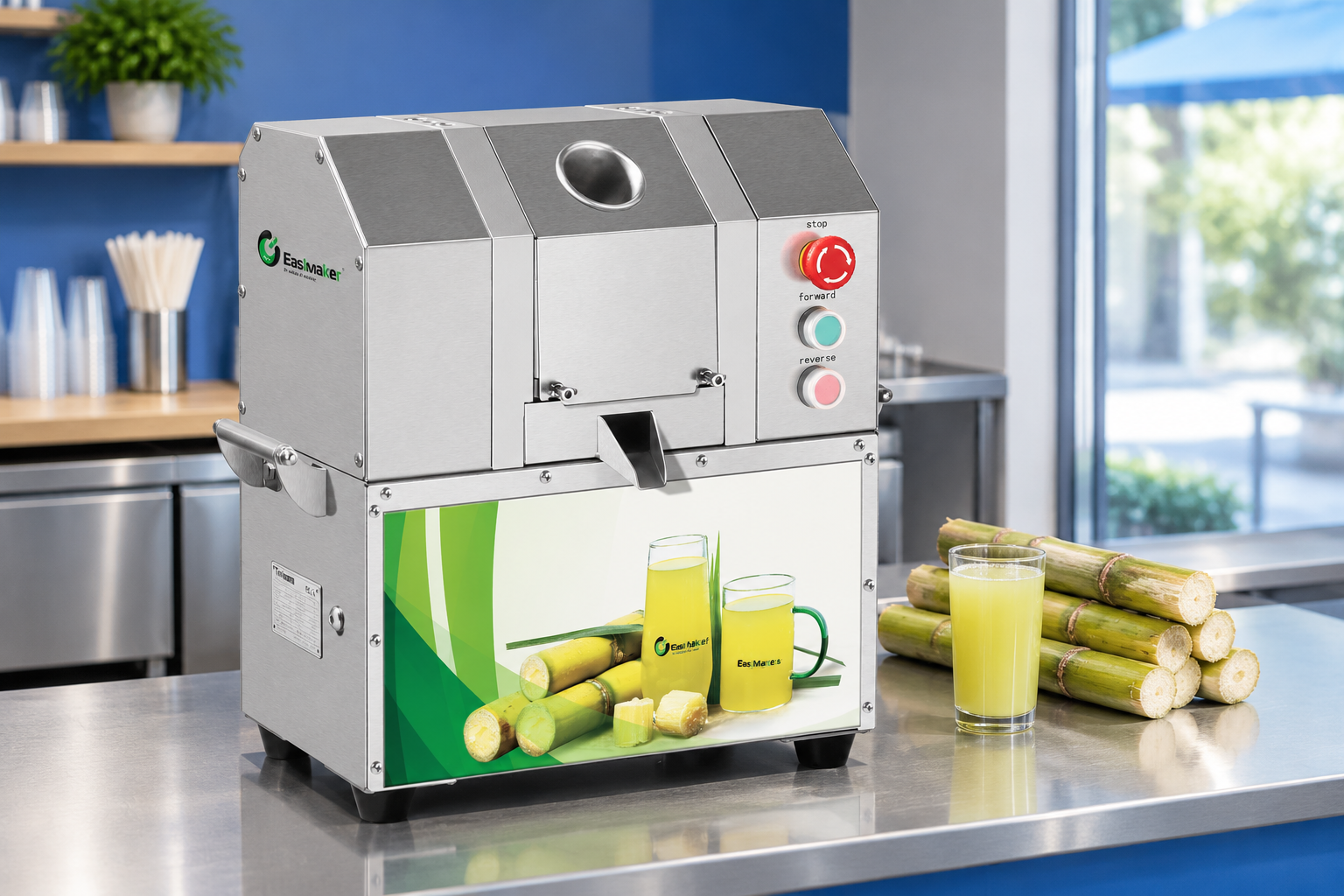
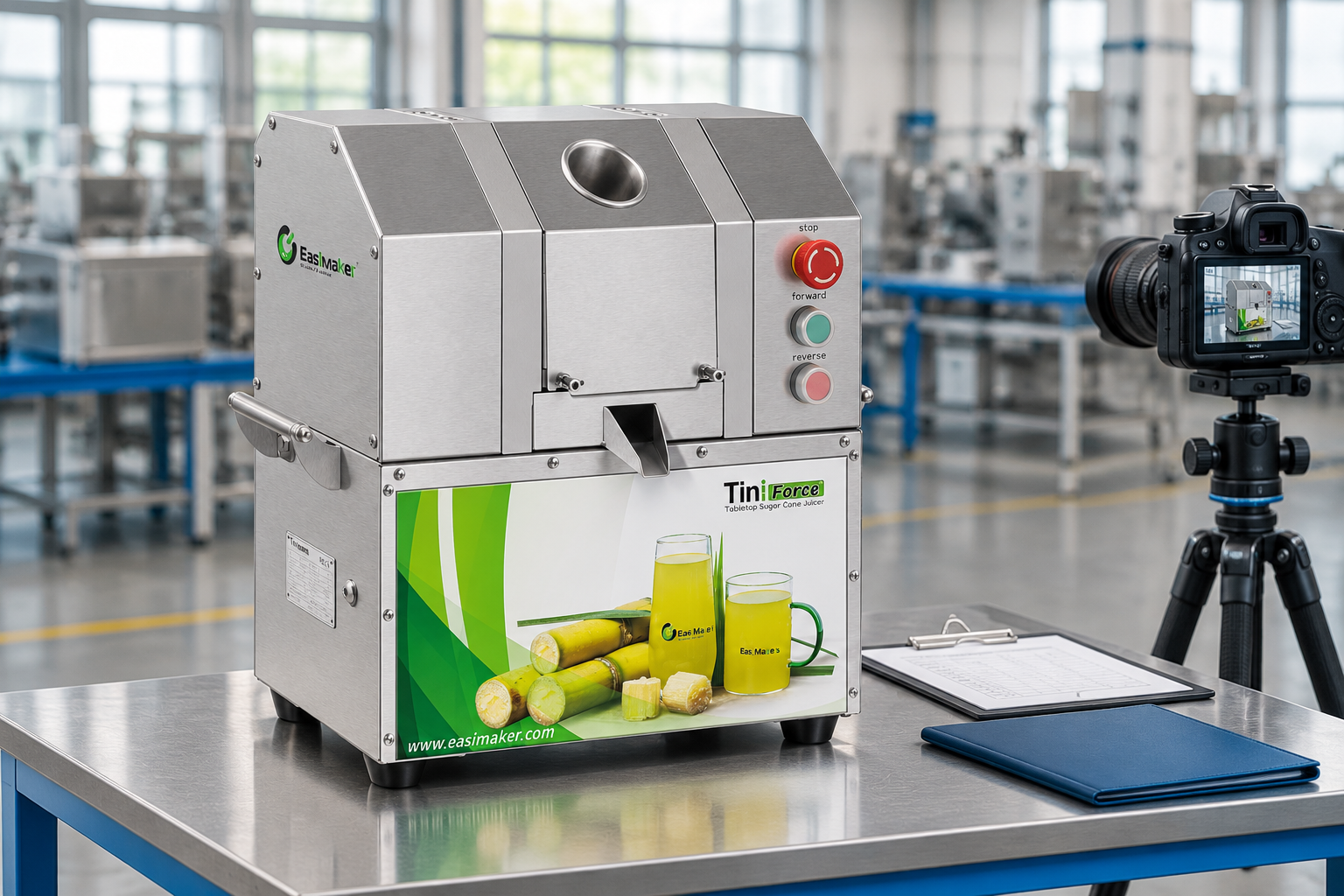
A sugarcane juicer factory acceptance test should verify identified machines against an agreed order specification before shipment. Include configuration checks, representative cane trials, documented measurements, cleaning access, applicable safety verification, and a clear process for failures and retesting. A polished demonstration video provides incomplete evidence unless it connects the actual units, test conditions, and results to written acceptance criteria.
Sugarcane juicer factory acceptance test: define the scope before production
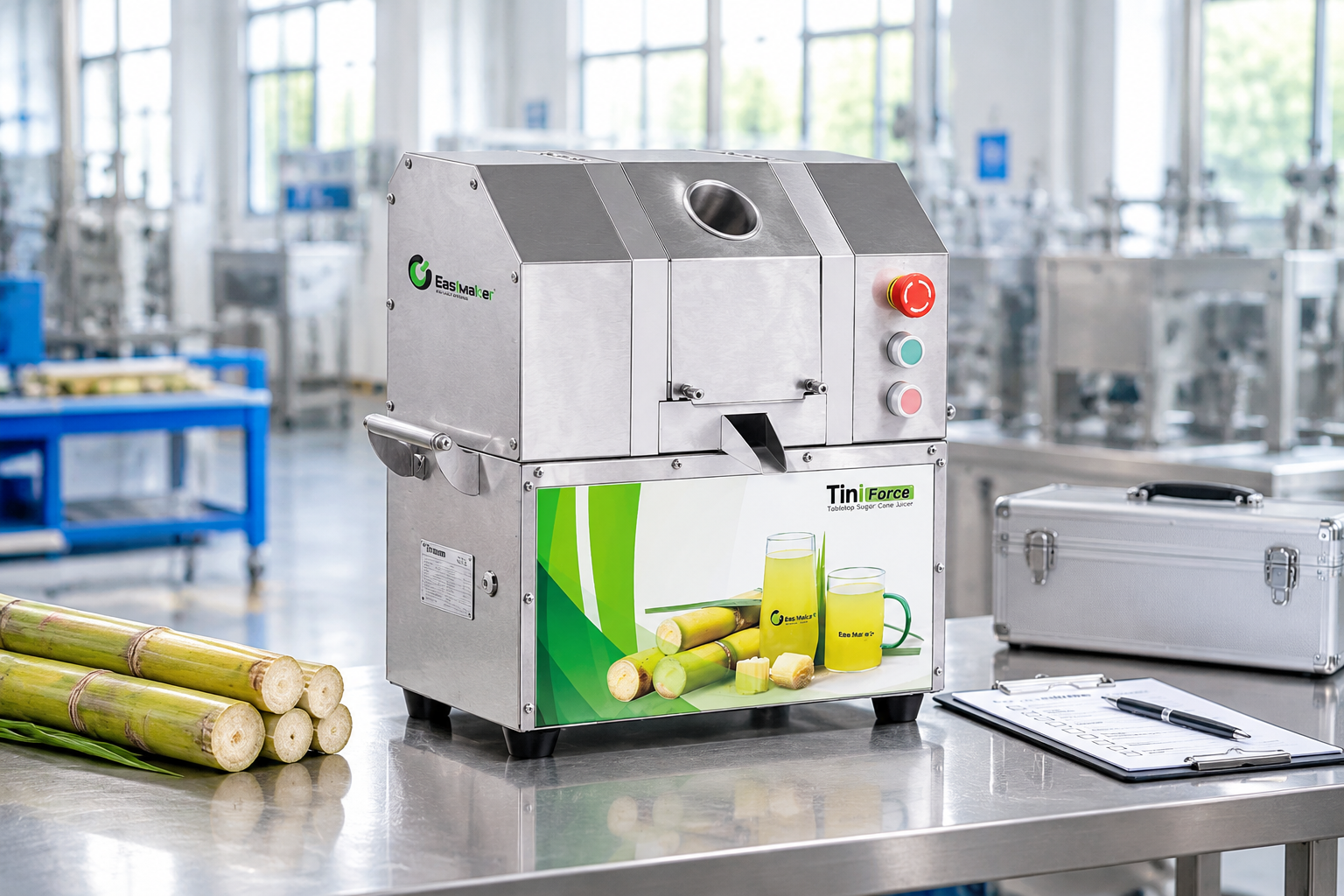
A factory acceptance test, or FAT, is a documented check at the manufacturing location that equipment meets agreed requirements before dispatch. For a commercial sugarcane juicer, it connects physical inspection and operating trials to a specific purchase order, specification revision, and unit or batch.
Set this scope before production so the factory can plan materials, inspection access, instruments, and witnesses. Name the buyer representative who can accept results and the factory representative responsible for corrections.
- Identify the order, model, configuration revision, quantity, and serial-number range.
- List checks required on every unit and checks permitted on an agreed sample.
- Define sample selection, failure escalation, and any expanded inspection.
- Agree on evidence format, witness arrangements, scheduling, and costs.
- State which unresolved findings prevent shipment.
Sampling does not prove that every untested machine conforms. Record that limitation and distinguish factory routine checks from buyer-witnessed tests. Any change to the approved scope should receive written agreement.
Distinguish prototype approval, production inspection, and shipment release
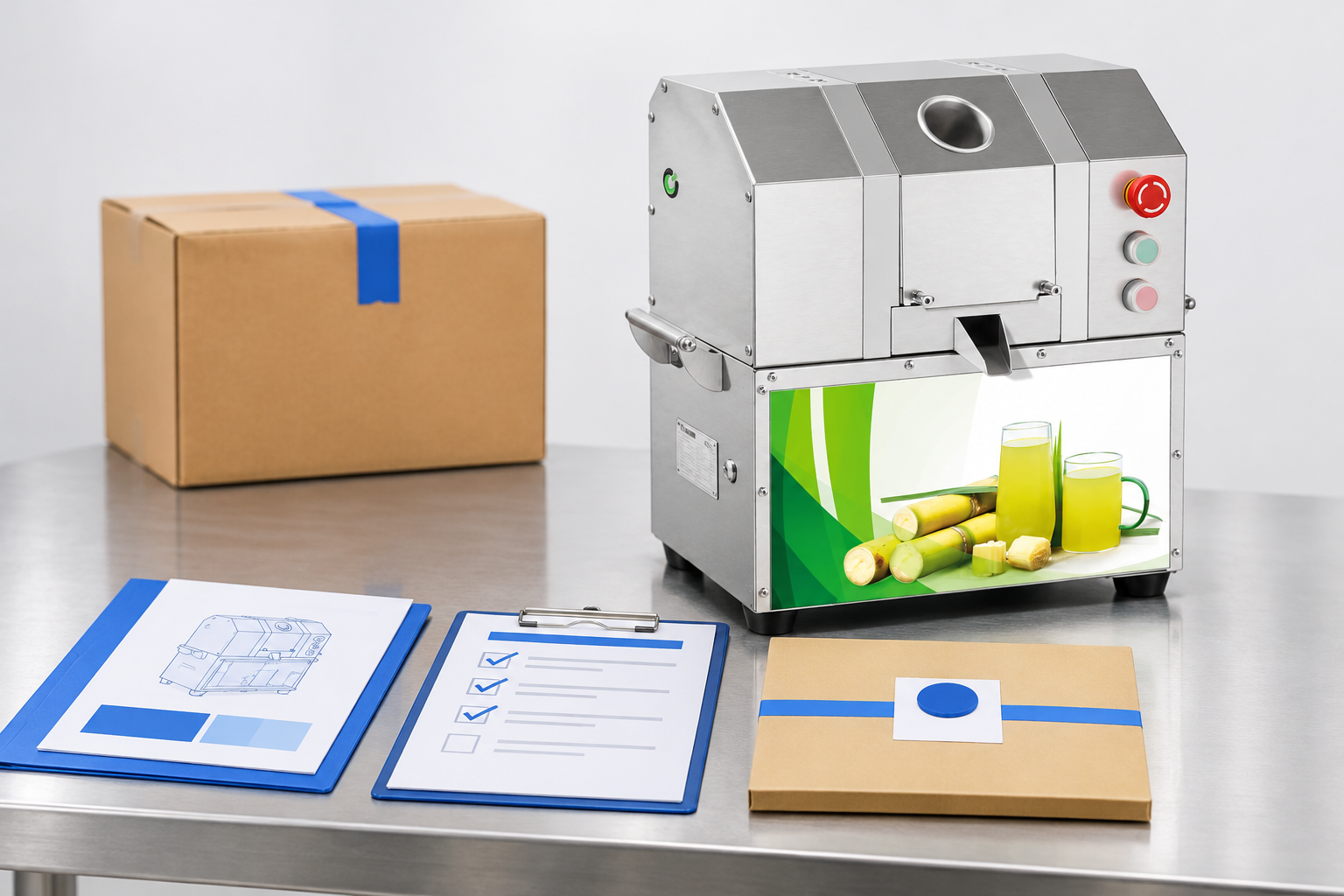
Prototype approval establishes an approved design baseline; production inspection checks the manufactured order; shipment release authorizes dispatch under the agreed conditions. Keep separate records for these decisions.
Sugarcane juicer sample approval should identify the sample, drawings, materials, controls, branding, and outstanding changes. Preserve the approved sample or a sufficiently detailed reference record. A prototype may contain components or workmanship that differ from later production.
Production acceptance must therefore verify the actual supplied configuration. A successful prototype trial cannot automatically accept a batch built afterward. Component substitutions, revised wiring, or changed food-contact parts require review against the approved specification.
Shipment release follows review of inspection results, closed deviations, accessories, documentation, and packing readiness. Define how this decision interacts with payment and delivery terms in the contract. An inspector’s report is evidence for the release decision; the inspector only authorizes shipment if expressly appointed to do so.
Agree on configuration, test materials, measurements, and acceptance criteria
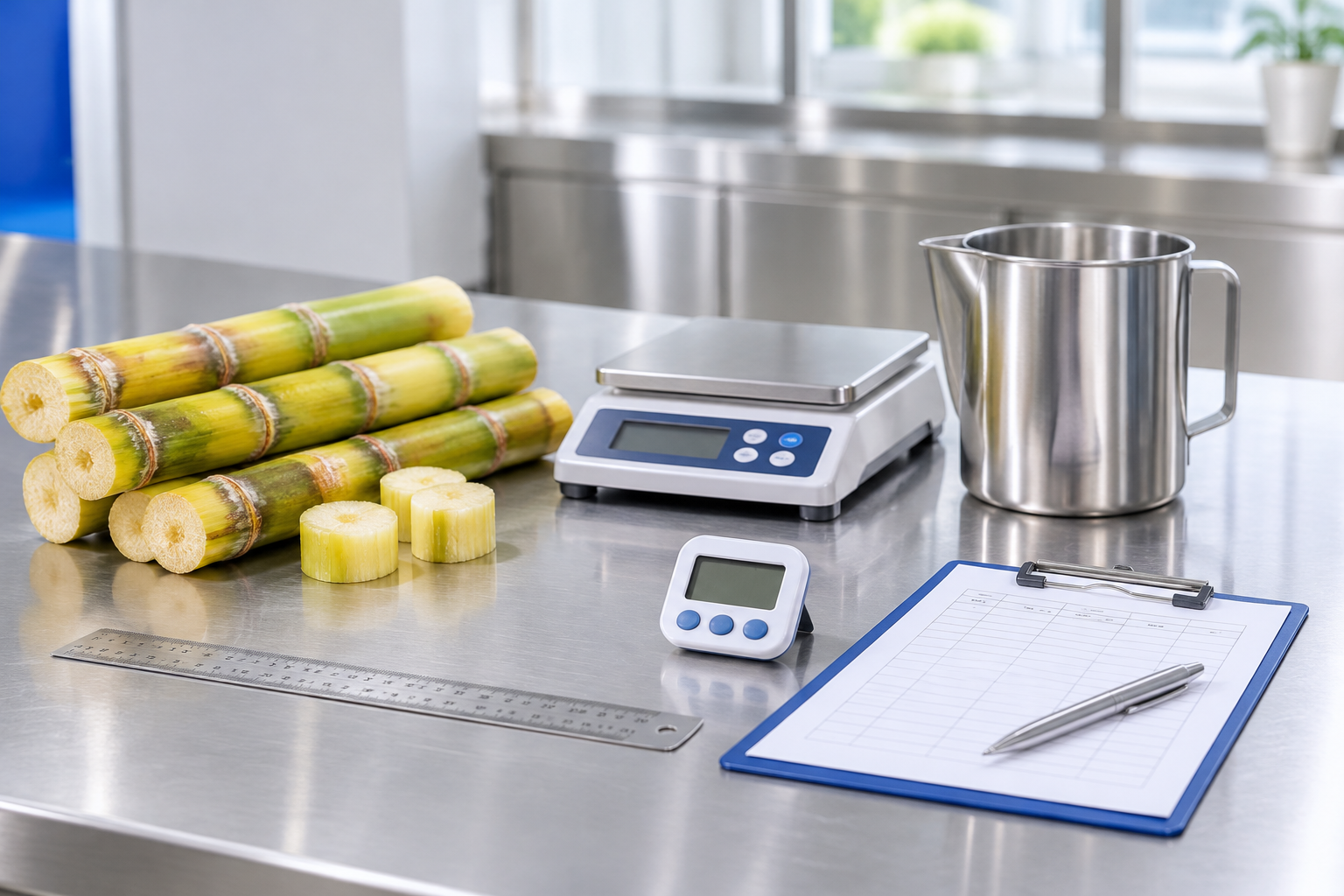
Useful acceptance criteria specify what to measure, how to measure it, and what result passes. Agree on limits before testing; this guide supplies no universal capacity, extraction, temperature, or noise thresholds.
Freeze the electrical configuration, dimensions, food-contact materials, controls, supplied accessories, and labeling. Use the current Easimaker datasheets and manuals alongside the signed order specification, and resolve discrepancies before the trial.
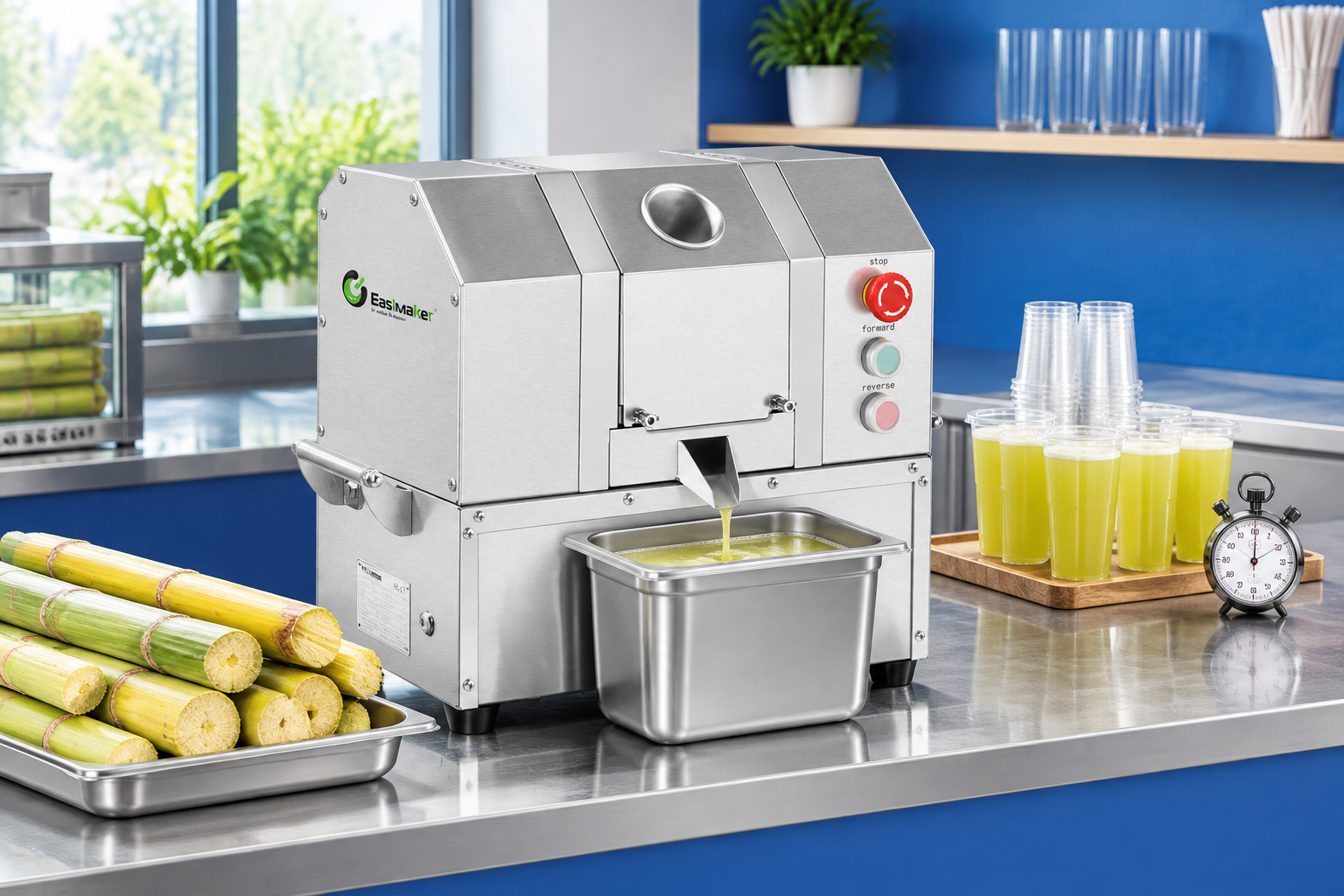
Representative cane matters. Record its source or variety when known, freshness, storage condition, stalk dimensions, preparation, and input mass. Specify feeding technique, permitted passes, trial duration, rest periods, and collection arrangements within the machine’s operating instructions.
- Throughput: define whether timing includes preparation, pauses, and refeeding; report input cane mass per elapsed time.
- Collected juice: record net mass or volume, collection time, filtration, and any added liquid separately.
- Mass-based collection ratio: divide collected juice mass by prepared cane input mass; do not describe this as recovery of all available juice.
- Operating behavior: log feeding interruptions, leakage, unusual vibration, and protective stops under the agreed conditions.
Identify instruments, resolution, and calibration status where relevant. Preserve raw readings and repeat trials as agreed. A short successful run supports conclusions about that trial; it cannot establish long-term durability.
Build an acceptance matrix for documents, construction, and functional checks
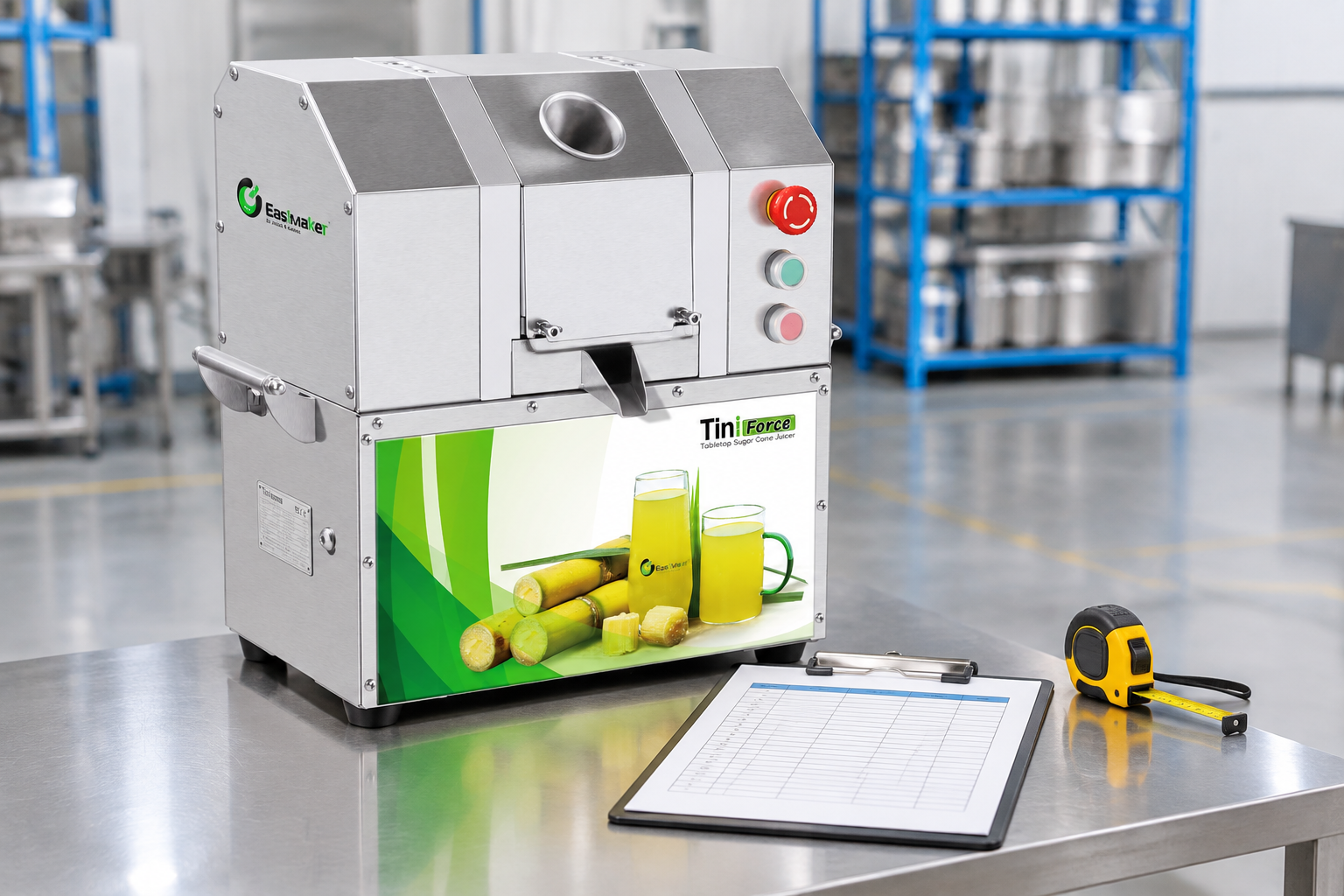
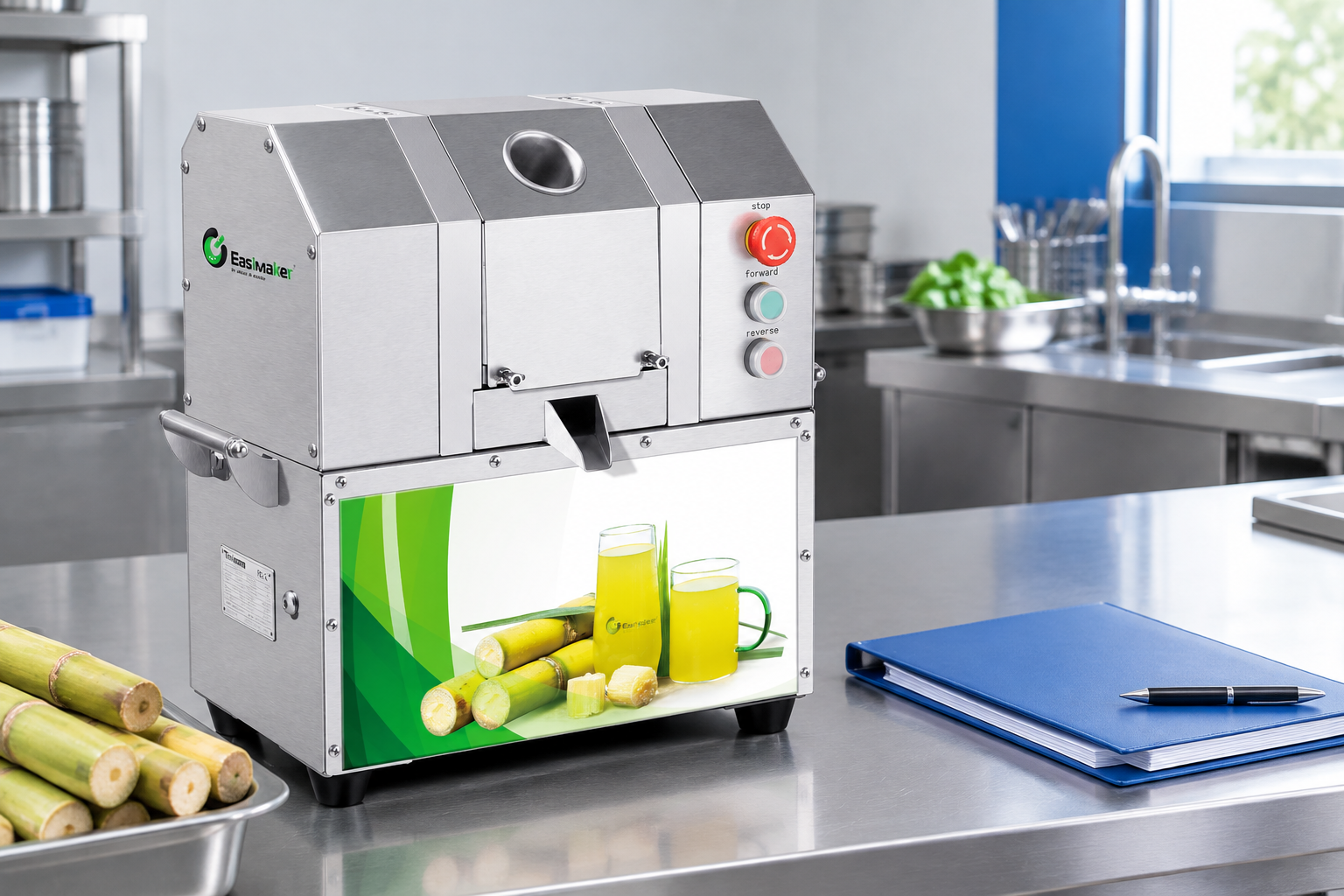
An acceptance matrix turns the specification into individual checks with traceable evidence. The following is a planning template, not a statement of standard Easimaker testing arrangements.
| Check | Acceptance basis | Evidence to retain |
|---|---|---|
| Identity and configuration | Model, unit ID, revision, and electrical rating match the approved order | Nameplate photos and configuration record |
| Documents and materials | Required manuals, drawings, and material evidence identify the relevant configuration | Document register and reviewed supporting records |
| Construction and dimensions | Specified dimensions, finish, fittings, and workmanship meet agreed limits | Measurements and close-up photographs |
| Controls and protective functions | Installed functions behave as required by the approved design and test procedure | Functional record and qualified test reports where required |
| Cane processing | Agreed operating and collection criteria are met under recorded conditions | Raw readings, trial log, and linked video |
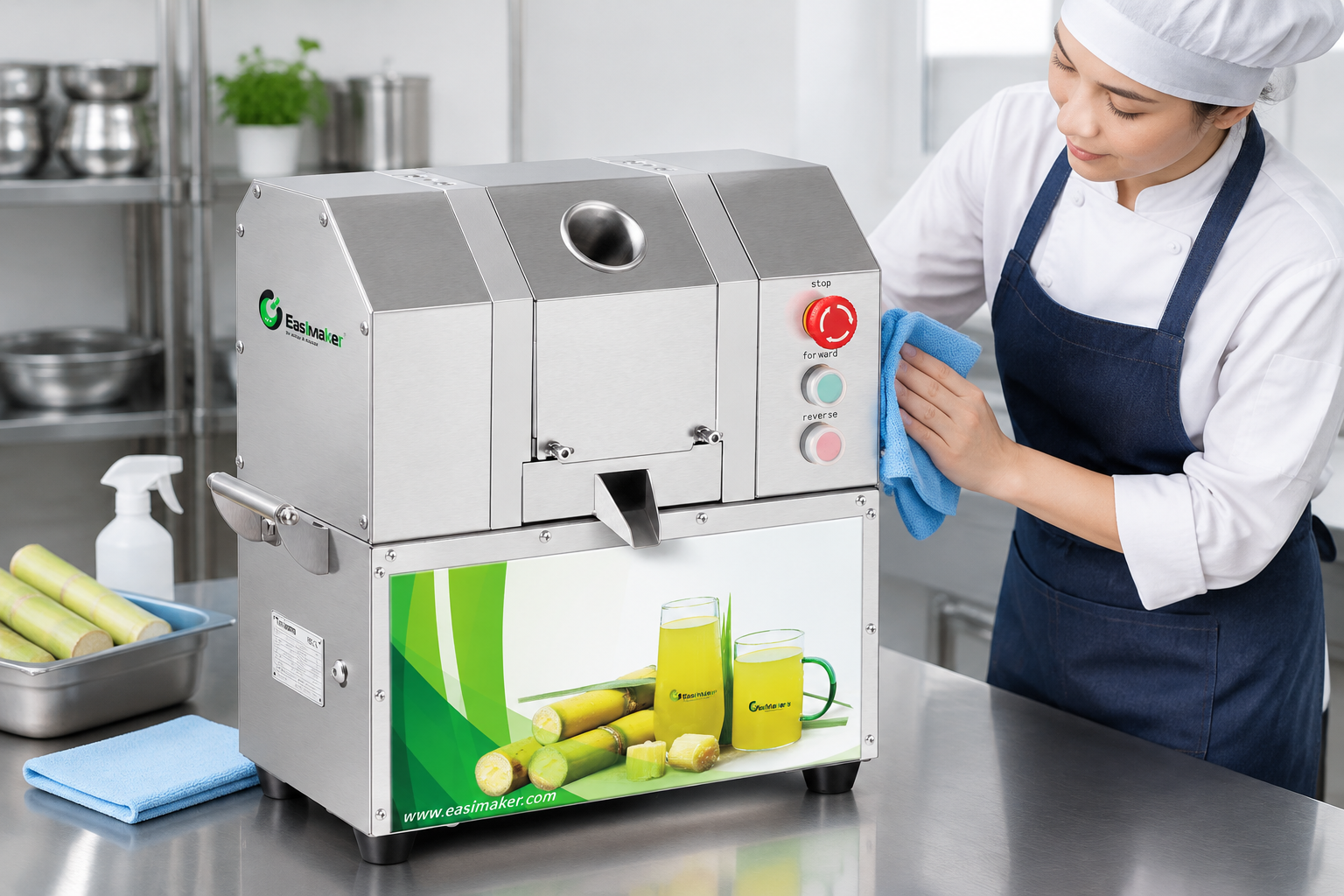
| Cleaning access | Specified removable parts, access, and reassembly match the manual | Isolated-machine demonstration and inspection record |
| Accessories and packing | Contents, preservation, restraint, and markings match the packing specification | Itemized packing list and pre-closure photos |
Add columns for requirement reference, inspection coverage, responsible person, actual result, evidence filename, status, and deviation number. Use pass, fail, not tested, or justified not applicable; an empty cell is ambiguous.
A commercial juicer inspection report should include a results summary showing units examined, checks completed, failures, open items, and the proposed release decision. Appearance alone cannot verify stainless steel grade or electrical safety.
Separate operator demonstrations from tests requiring qualified personnel
Trained operators can demonstrate normal feeding, juice collection, routine stopping, and manual-approved cleaning access. Electrical verification, internal adjustments, and engineered safety testing require personnel qualified for those tasks.
Specify applicable test methods and acceptance limits with the responsible technical specialist. Where required, obtain instrumented reports for protective bonding, insulation, leakage, or other electrical checks. A video of the machine running does not replace these records.
Keep guards fitted during operation. Isolate power before opening approved cleaning areas. Never create a jam, bypass an interlock, or introduce foreign objects to demonstrate protection. Test installed emergency-stop or restart behavior only through an approved safe procedure.
Comparison table: live witnessing, recorded testing, and independent inspection
Remote buyers should request identified-unit footage, test conditions, raw measurements, completed checklists, and deviation records. Choose witnessing arrangements according to the order’s technical complexity and inspection needs.
| Method | Practical value | Limitation to address |
|---|---|---|
| Live remote witnessing | Buyer asks questions and requests agreed views during testing | Connectivity and camera position restrict visibility; retain readings and recordings |
| Recorded testing | Reviewable evidence across time zones | Editing can hide interruptions; require continuous footage for agreed trials and disclosed breaks |
| Independent inspection | An appointed inspector checks units against the buyer’s written scope | Competence, access, sampling, and specialist tests must be confirmed; inspection is not certification |
Show the unit ID at the start and keep the machine identifiable throughout each trial. Capture instrument readings clearly and link files to matrix rows. For sampled batches, record who selected the units and when. Agree in advance whether a failed check requires additional units to be examined.
Record deviations, corrective actions, retesting, and release decisions
Resolve failed acceptance checks through a numbered deviation record, documented correction, and evidence-based retesting. Retain the original failure alongside the final result.
- Identify: record the unit, requirement, observed result, evidence, and shipment impact.
- Contain: identify potentially affected units and hold them under the agreed release rules.
- Correct: assign an owner, completion date, and approved repair or replacement method.
- Retest: repeat the failed check under comparable conditions and assess related functions affected by the correction.
- Decide: have the authorized buyer representative approve closure, require further work, or document an allowable concession.
For example, an incorrect nameplate requires more than a new photograph. Confirm the actual electrical configuration, correct the label, reconcile the documents, and repeat relevant verification.
Any concession should state its scope, reason, affected units, and obligations. It cannot waive applicable legal requirements. Missing evidence remains an open item until resolved. Record final release separately, then connect tested unit IDs to packing records so the accepted machines can be traced into shipment.
Apply the agreed specification to S3, S4, or an OEM/ODM project
Apply OEM sugarcane juicer acceptance criteria to the exact supplied configuration, even when the order uses a familiar model name.
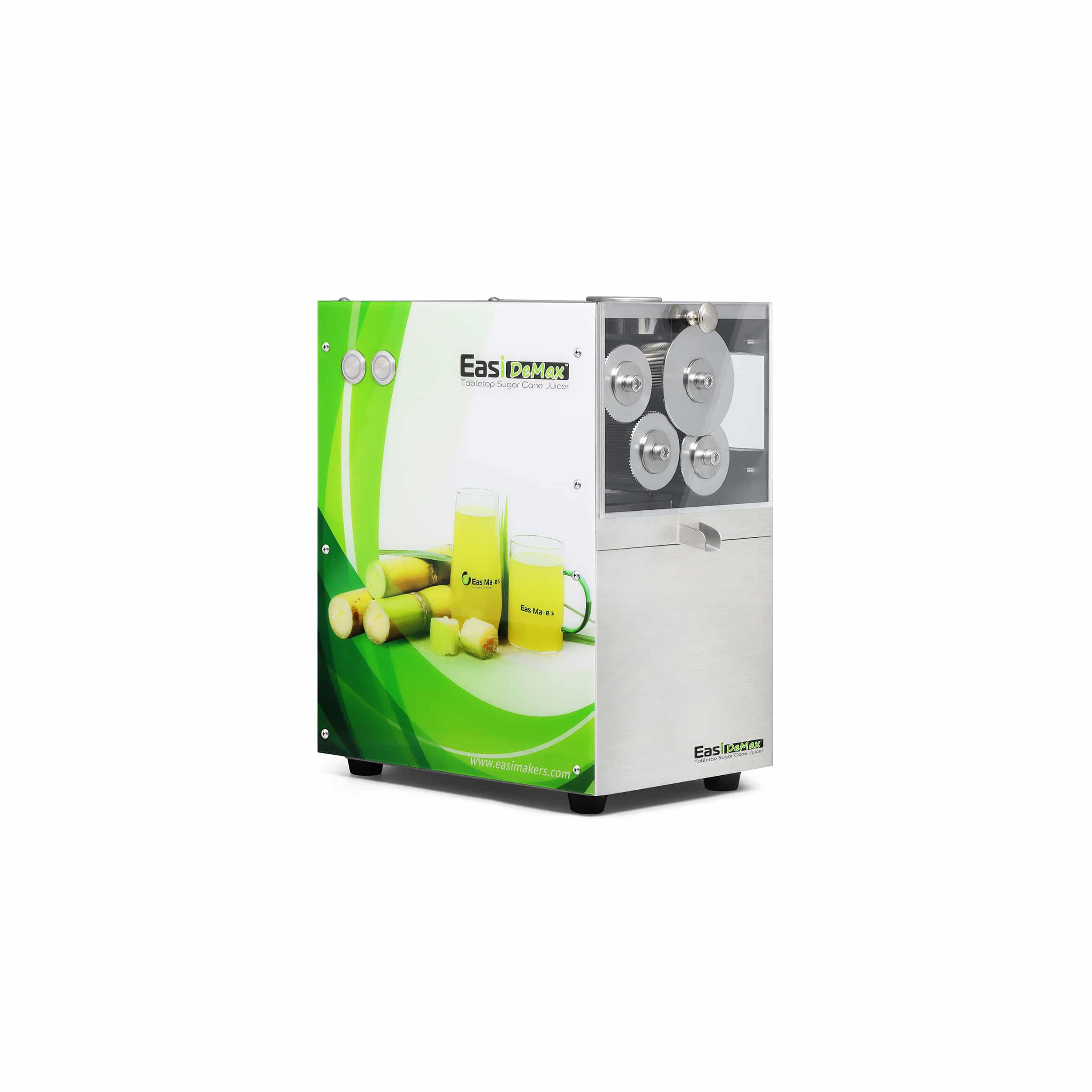
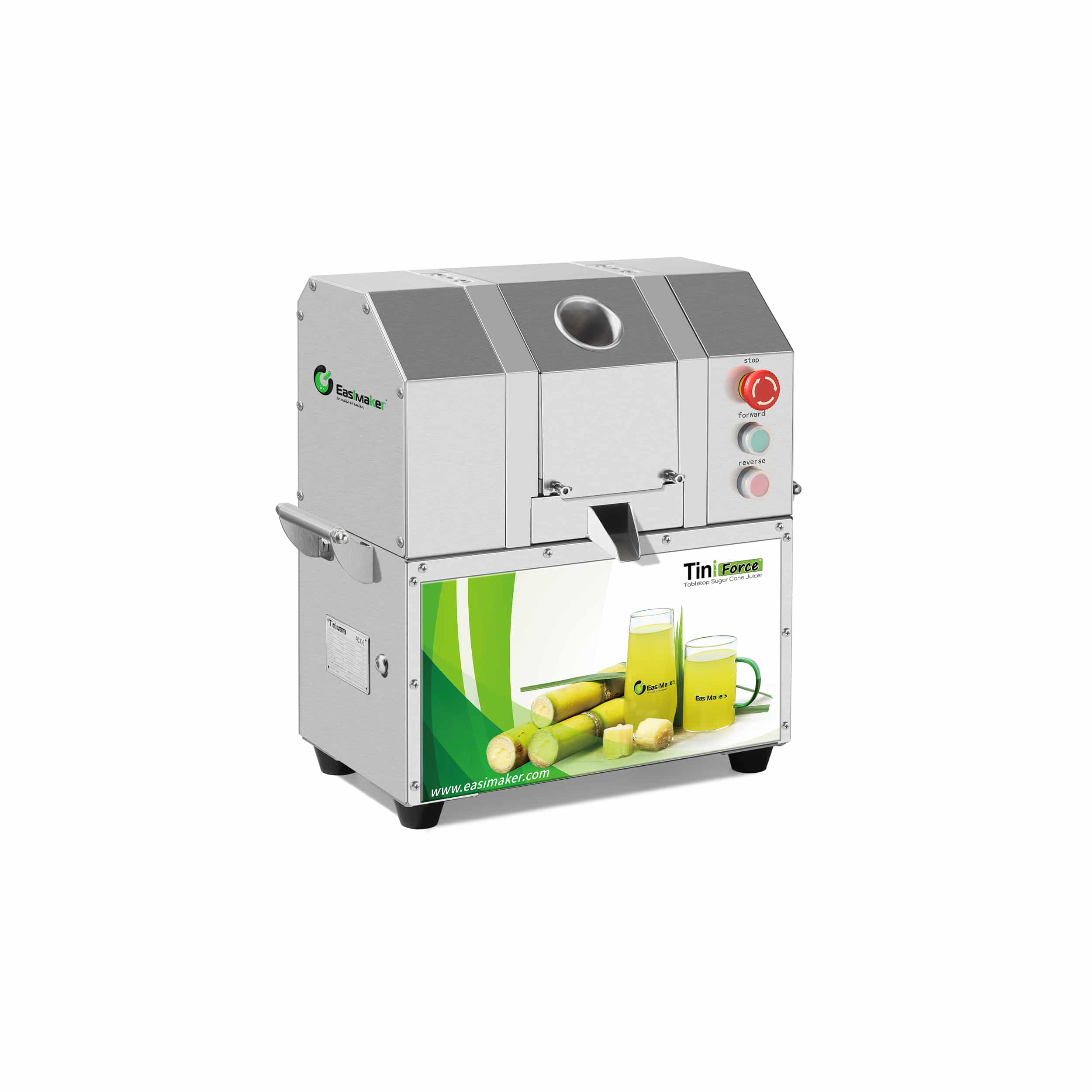
For the TiniForce S3 compact sugarcane juicer, connect footprint, handling arrangements, electrical details, and supplied parts to the approved specification. For the EasiDeMax S4 tabletop sugarcane juice machine, include the specified viewing window, its condition, and relevant cleaning access in the inspection scope.
For an Easimaker OEM/ODM project, add approved branding artwork, label language, configuration drawings, packaging, and replacement-part identifiers. Record revisions so later orders can reference the same baseline.
Discuss test availability, methods, witnesses, documentation, and costs with Easimaker before confirming the plan. These are proposed agreement items; this checklist does not establish a published acceptance service or guarantee a particular result.
FAQ: five questions about factory acceptance and shipment release
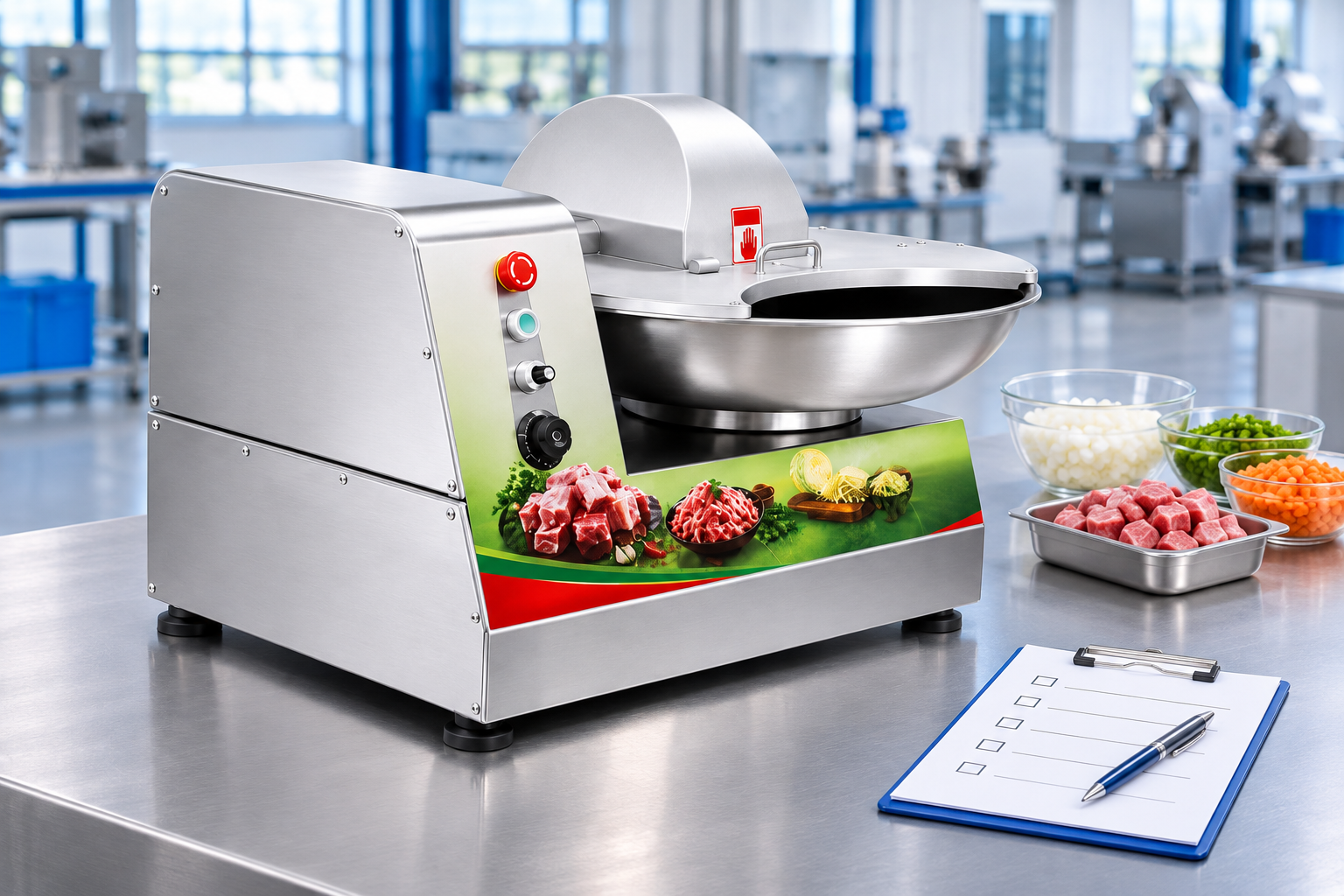
These answers clarify the evidence and decisions needed before dispatch.
What belongs in a sugarcane juicer factory acceptance test?
Include unit identity, configuration, documents, construction, applicable safety verification, representative cane trials, cleaning access, accessories, packing checks, and deviation closure. Give every check an agreed method, acceptance basis, and evidence reference.
How does prototype approval differ from production acceptance?
Prototype approval establishes the design reference. Production acceptance checks actual manufactured units against that reference and the order specification. Approving a sample does not automatically accept later production.
What evidence should a remote buyer request?
Request unit IDs, continuous footage of agreed trials, cane descriptions, raw measurements, instrument details, completed inspection records, and correction evidence. Tie every file to the relevant test and machine.
How should failed acceptance checks be resolved?
Record the failure, identify affected units, agree on corrective action, and retest. Obtain authorized closure or a documented permissible concession before shipment release under the contract.
Does factory acceptance establish approval for use in a U.S. shop?
No. Factory acceptance verifies agreed purchase requirements. Local equipment acceptance, installation, and operating requirements need separate review. Consult the U.S. commercial sugarcane juicer approval guide and confirm requirements with the relevant authorities.
Discuss a documented acceptance plan with Easimaker
Key takeaways: freeze the specification, identify the tested units, control trial conditions, preserve raw evidence, and close deviations before authorized release. A documented sugarcane juicer factory acceptance test gives buyers a practical basis for deciding whether an order is ready to ship.
FAQ
What belongs in a sugarcane juicer factory acceptance test?
Include unit identity, configuration, documents, construction, applicable safety verification, representative cane trials, cleaning access, accessories, packing checks, and deviation closure. Give every check an agreed method, acceptance basis, and evidence reference.
How does prototype approval differ from production acceptance?
Prototype approval establishes the design reference. Production acceptance checks actual manufactured units against that reference and the order specification. Approving a sample does not automatically accept later production.
What evidence should a remote buyer request?
Request unit IDs, continuous footage of agreed trials, cane descriptions, raw measurements, instrument details, completed inspection records, and correction evidence. Tie every file to the relevant test and machine.
How should failed acceptance checks be resolved?
Record the failure, identify affected units, agree on corrective action, and retest. Obtain authorized closure or a documented permissible concession before shipment release under the contract.
Does factory acceptance establish approval for use in a U.S. shop?
No. Factory acceptance verifies agreed purchase requirements. Local equipment acceptance, installation, and operating requirements need separate review. Consult the U.S. commercial sugarcane juicer approval guide and confirm requirements with the relevant authorities.
Find the Right Sugarcane Juicer or Food Processing Solution
Tell Easimaker your model or OEM/ODM interest, expected output, U.S. destination, and project requirements. Share your draft acceptance matrix to discuss configuration, feasible test arrangements, inspection evidence, and release responsibilities before production.