Table of Contents
- Prepare the receiving area and staff
- Photograph packaging and delivery exceptions
- Uncrate and preserve identification
- Match the delivery to the order
- Inspection evidence table
- Route damage, shortages, and support requests
- Complete the S3 or S4 installation handoff
- Receiving inspection FAQs
- Confirm delivery arrangements and documentation
At sugarcane juicer delivery, inspect the packaging, photograph its condition, verify the machine and supplied items against the order, and record discrepancies before installation. Keep a machine with suspected transit damage disconnected pending technical review. The crate arriving is only one milestone: missing accessories and undocumented impact damage become harder to investigate after packaging is discarded or the juicer enters service.
Sugarcane juicer delivery: prepare the receiving area and responsible staff
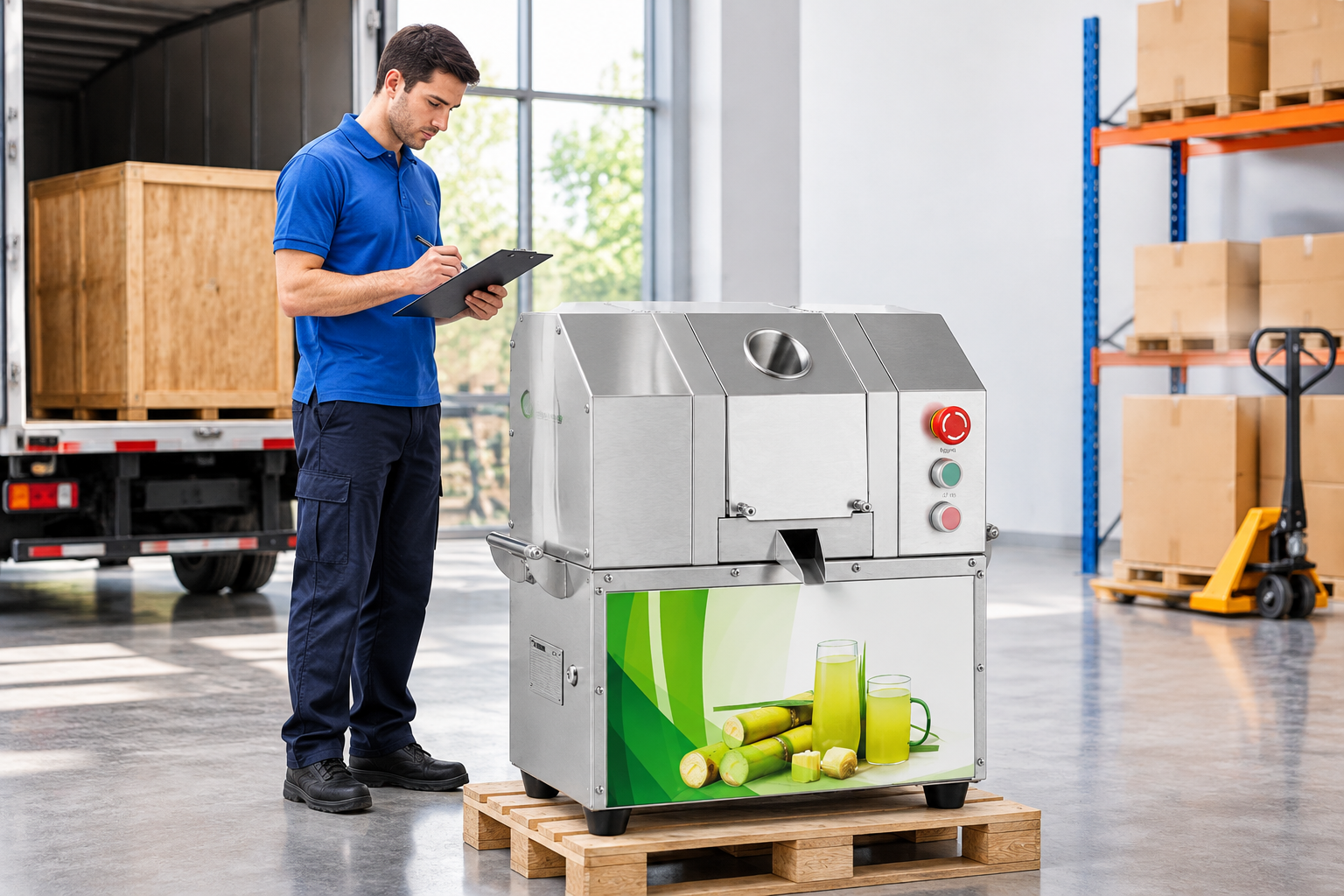
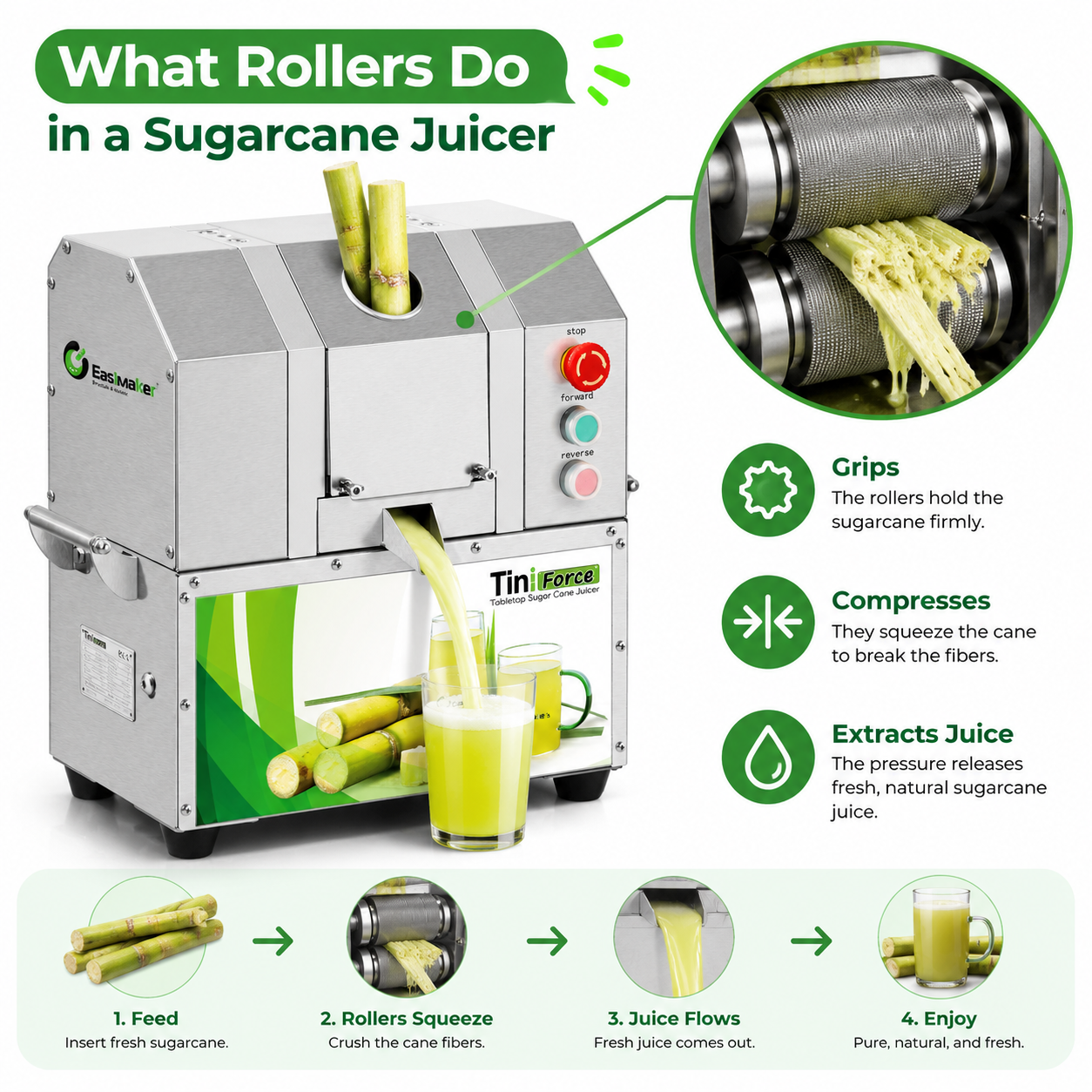
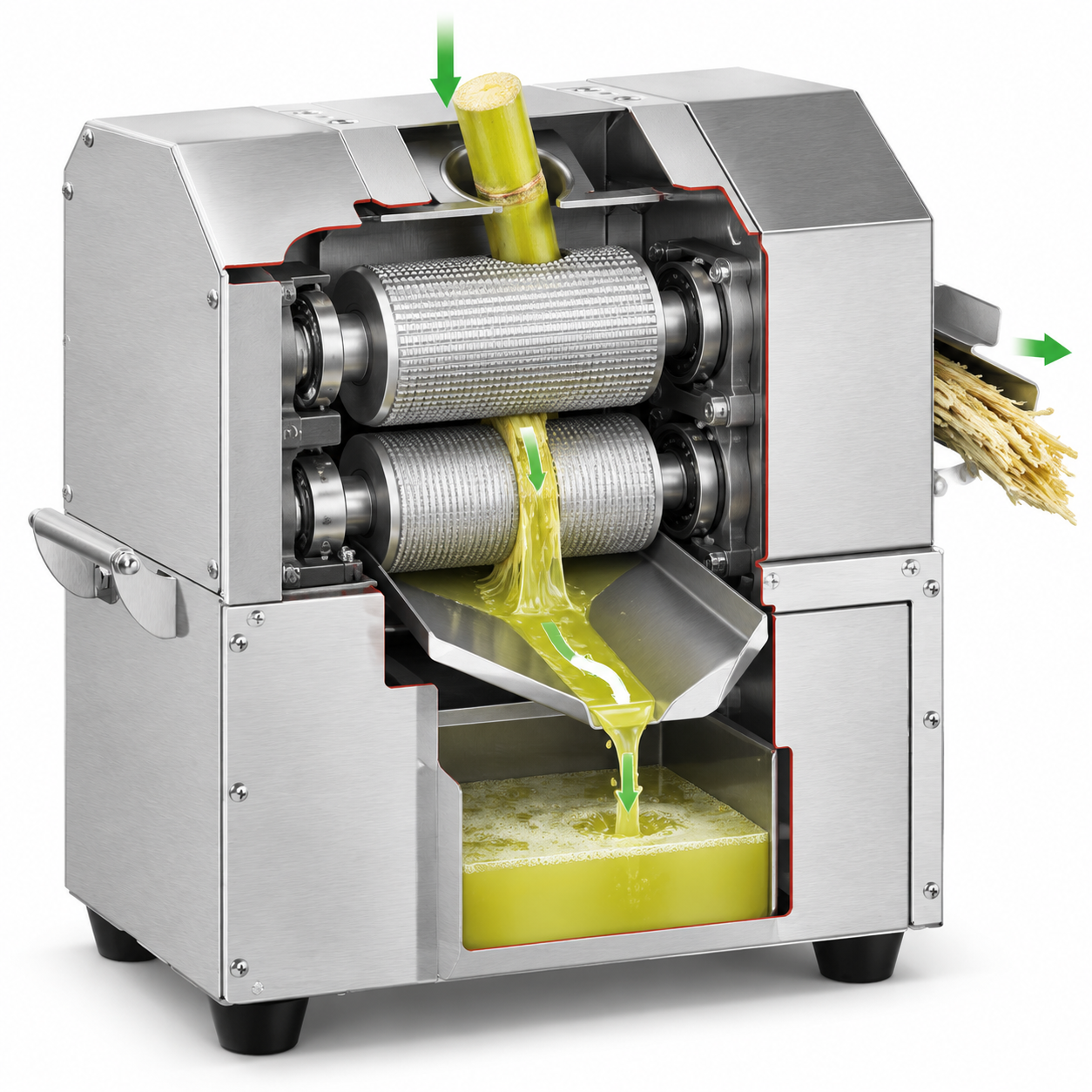
Prepare a dry, well-lit inspection area and assign one person to own the receiving record. A commercial sugarcane juicer extracts juice by crushing cane between rollers; its receiving inspection checks identity, visible condition, and order completeness before installation.
Definition: Receiving inspection is a documented condition and quantity check. It does not replace commissioning, electrical verification, or local approval for commercial use.
- Confirm delivery access, unloading arrangements, and any booked handling services.
- Obtain the packed dimensions, gross weight, and handling instructions for the actual shipment.
- Clear the route to a secure holding area and arrange suitable equipment and trained handlers.
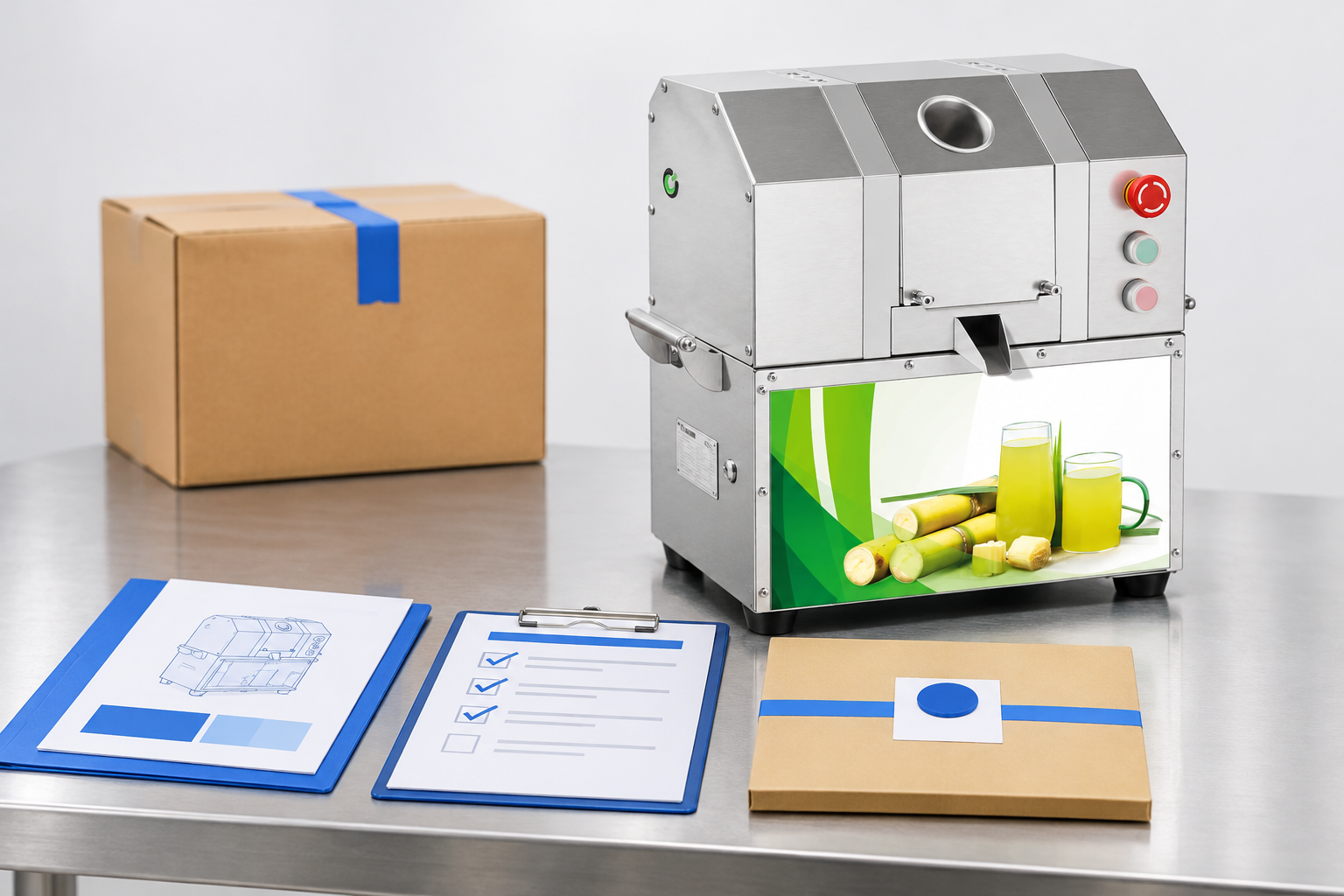
- Have the purchase order, order confirmation, packing list, camera, and receiving form ready.
For a distributor receiving several units, identify each crate separately. Do not assume that a compact machine can be safely lifted by one person or that delivery includes placement on a counter.
Photograph packaging condition and record delivery exceptions
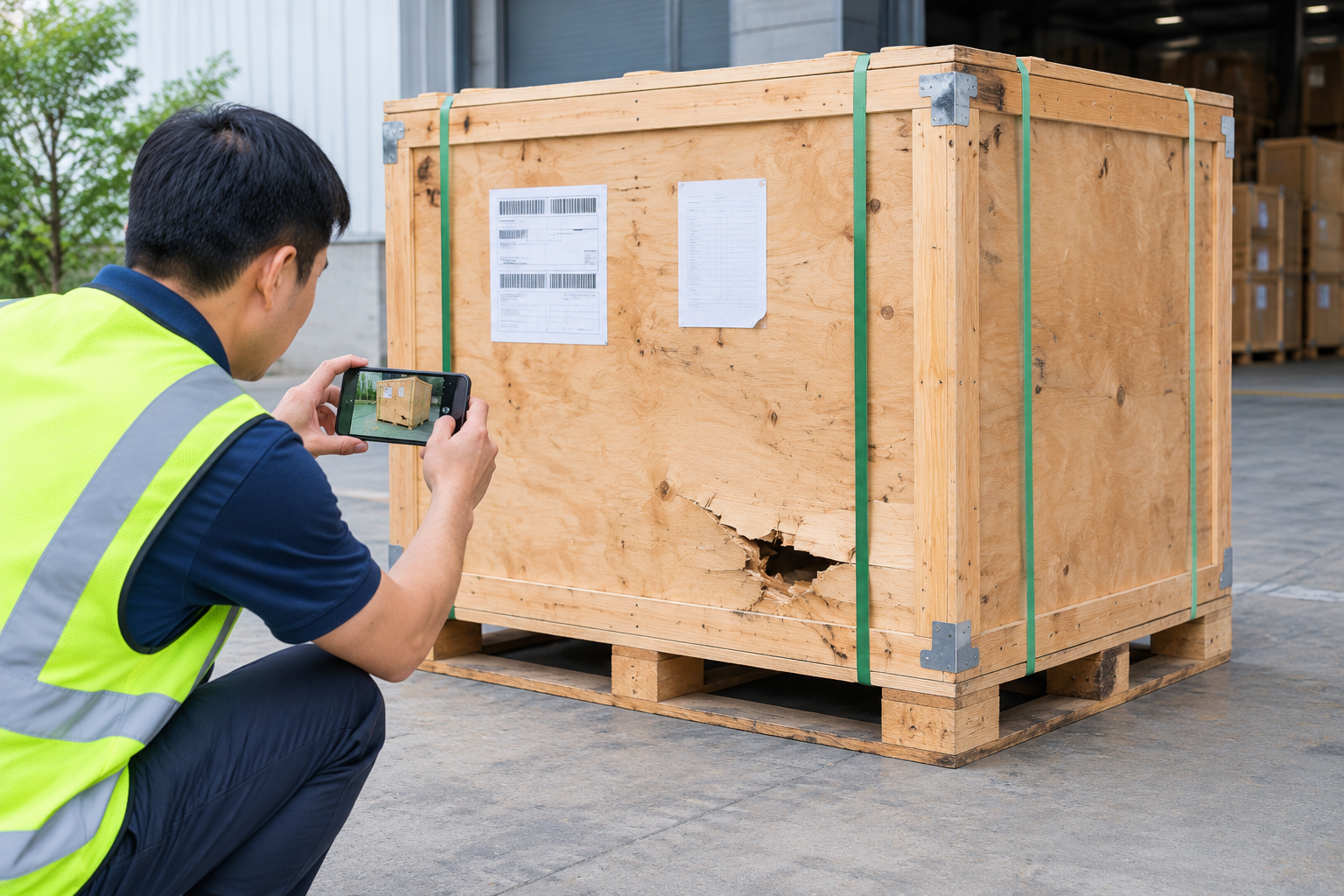
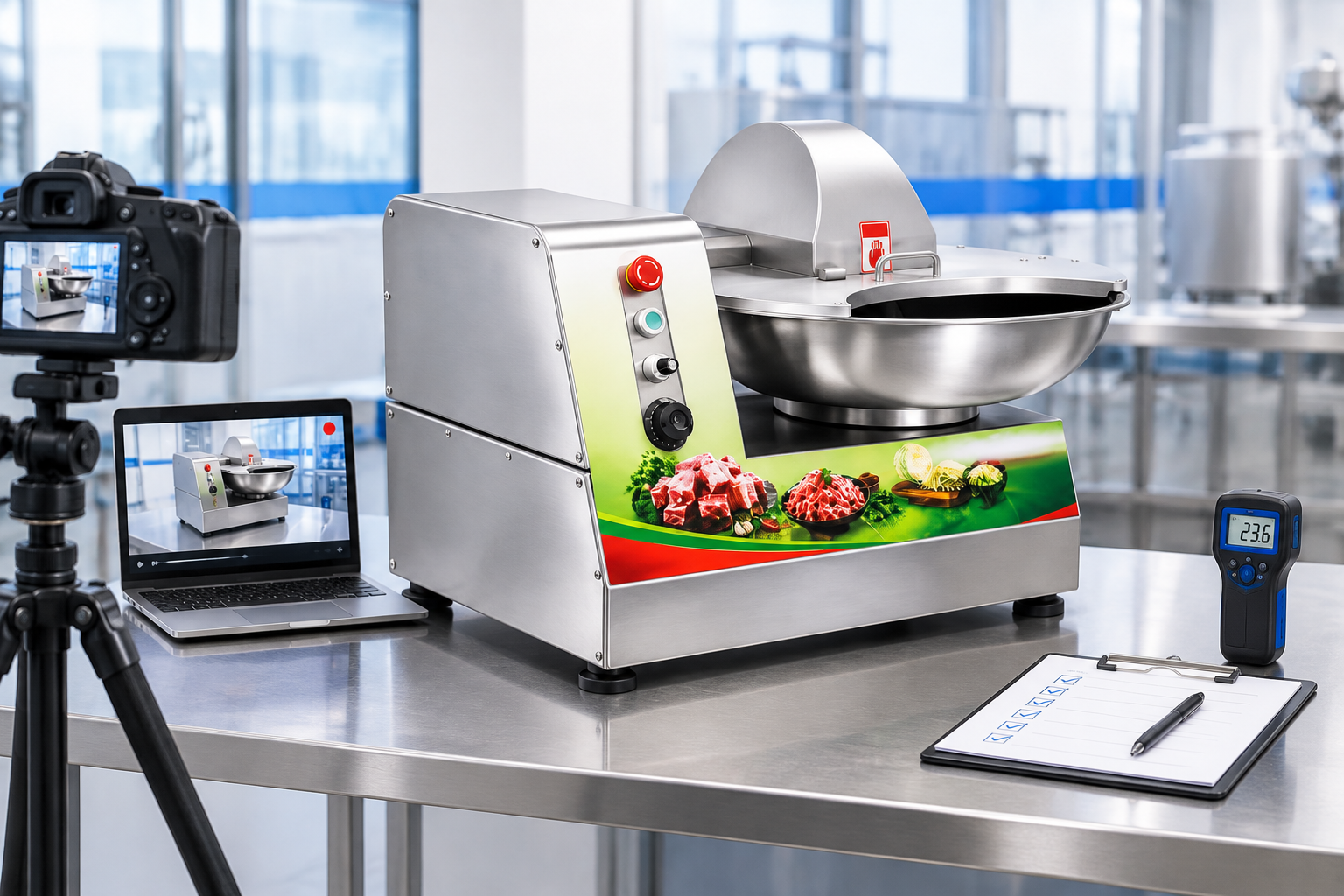
Photograph the complete package, shipping labels, and any visible damage before opening or moving it further, wherever safe and practical. Wide views establish context; close views show the defect.
Capture accessible sides, corners, the pallet or base, and signs of puncture, crushing, wetness, broken restraints, or leaning. If an indicator is fitted, photograph its condition without assuming what it proves.
Record the delivery date, shipment reference, package count, and receiver. Describe observable facts on the delivery record according to the carrier’s procedure. For example, “front lower crate panel punctured; internal condition not yet inspected” is more useful than “damaged.” Keep a copy of the receipt and any recorded exceptions.
If inspection cannot be completed while the driver is present, document that limitation and inspect promptly afterward. Check the applicable freight terms and notification requirements; a delivery notation alone may not constitute a formal claim.
Uncrate with suitable handling equipment and preserve identification labels
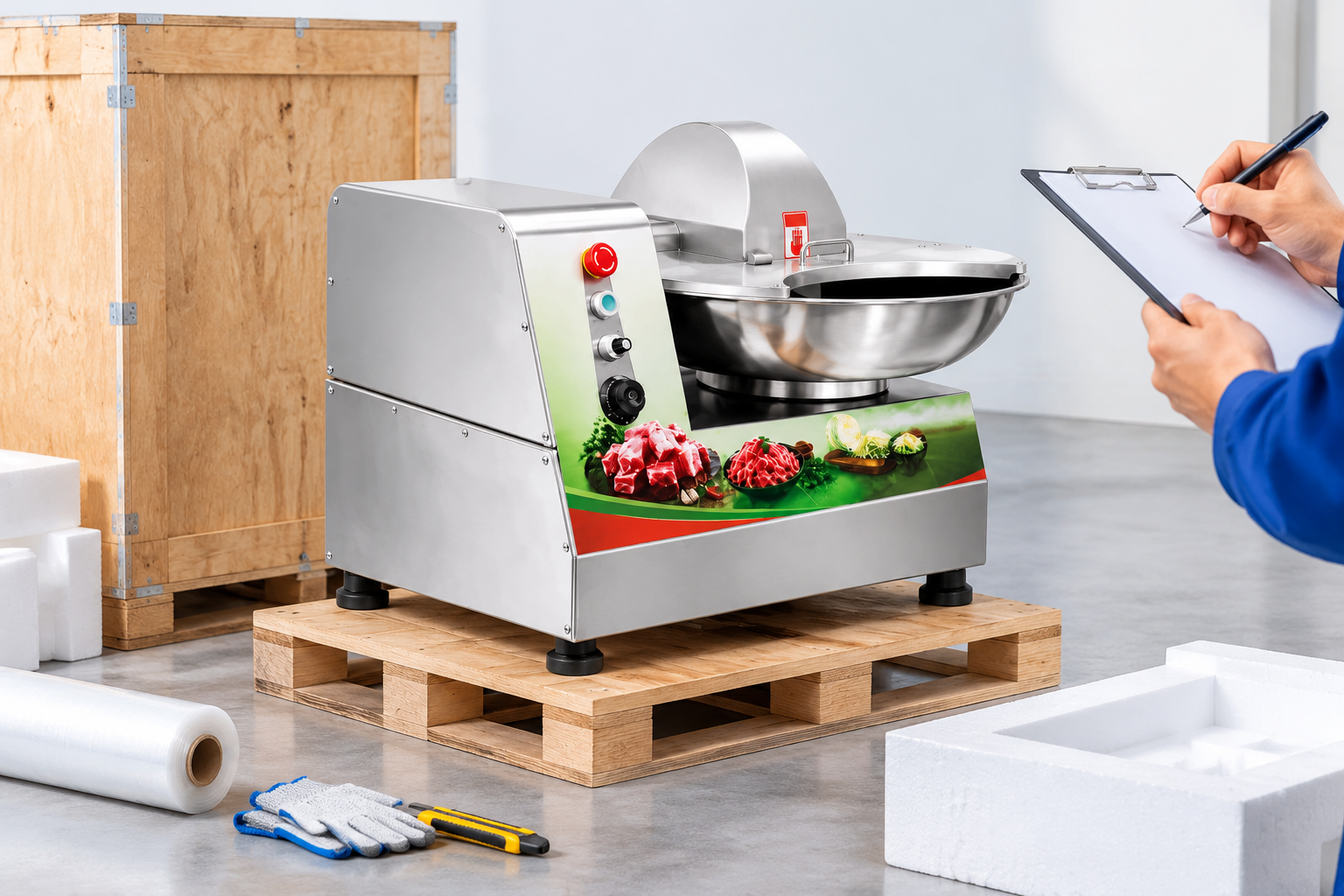
Follow shipment-specific instructions for sugarcane juicer uncrating, keeping the machine stable and disconnected throughout inspection. Stop if the crate is unstable or opening it could allow the load to shift.
Use appropriate protective equipment for sharp straps, fasteners, and timber. Remove packaging in a controlled sequence, photographing internal supports and the machine’s position before disturbing them. Keep cutting tools away from cables, panels, and food-contact surfaces.
Use only confirmed lifting or support locations. Do not lift by the feed inlet, juice spout, controls, or covers unless the manufacturer expressly identifies them as suitable.
Preserve the rating plate, serial label, shipping marks, and package identifiers. Retain the crate and protective materials until discrepancies are resolved and the relevant parties confirm whether inspection or return packaging is needed.
Match the machine, accessories, and documents to the order
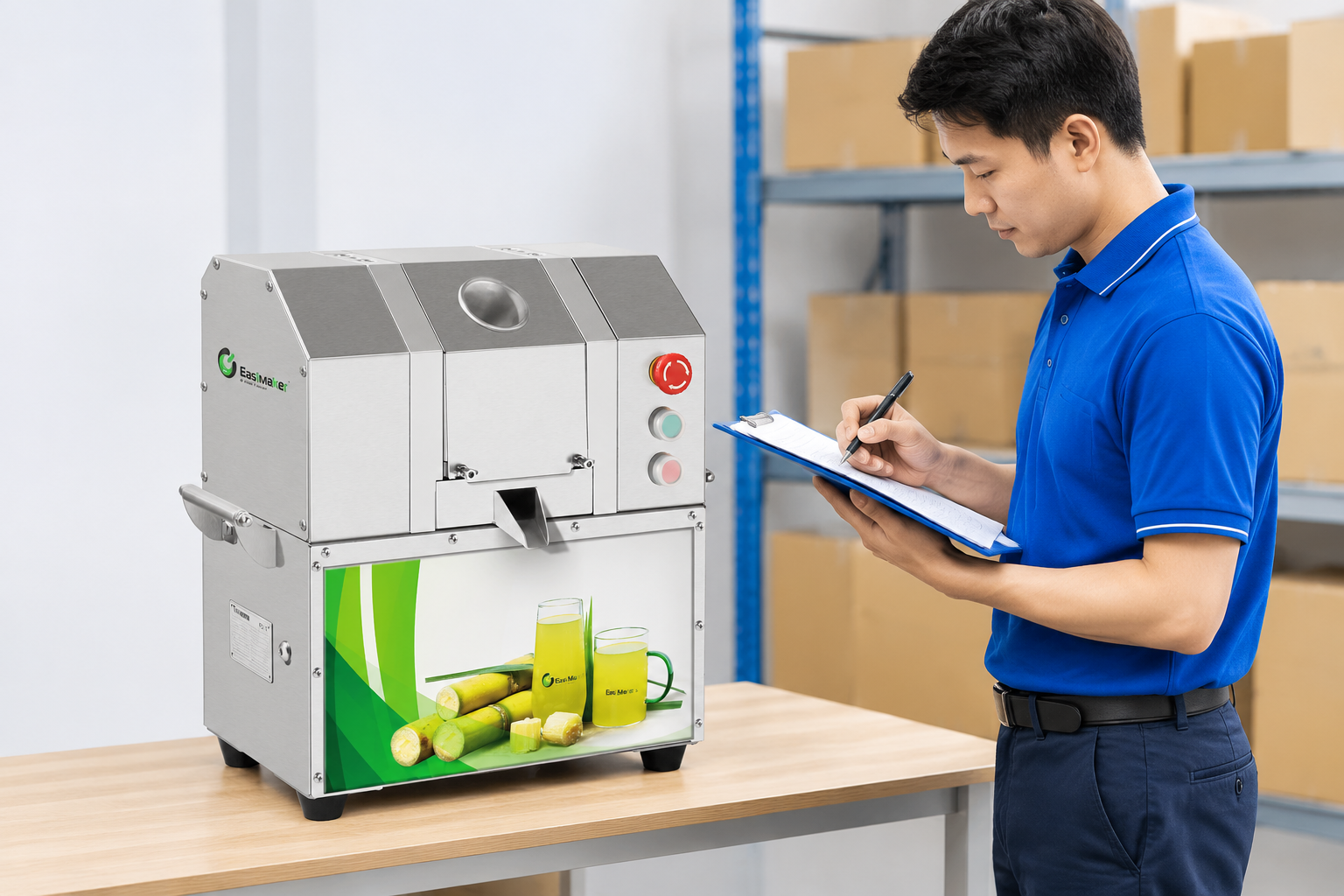
Compare the delivered model, configuration, quantities, and documentation with the accepted order and shipment packing list. If anything differs, record it and request written clarification before installation.
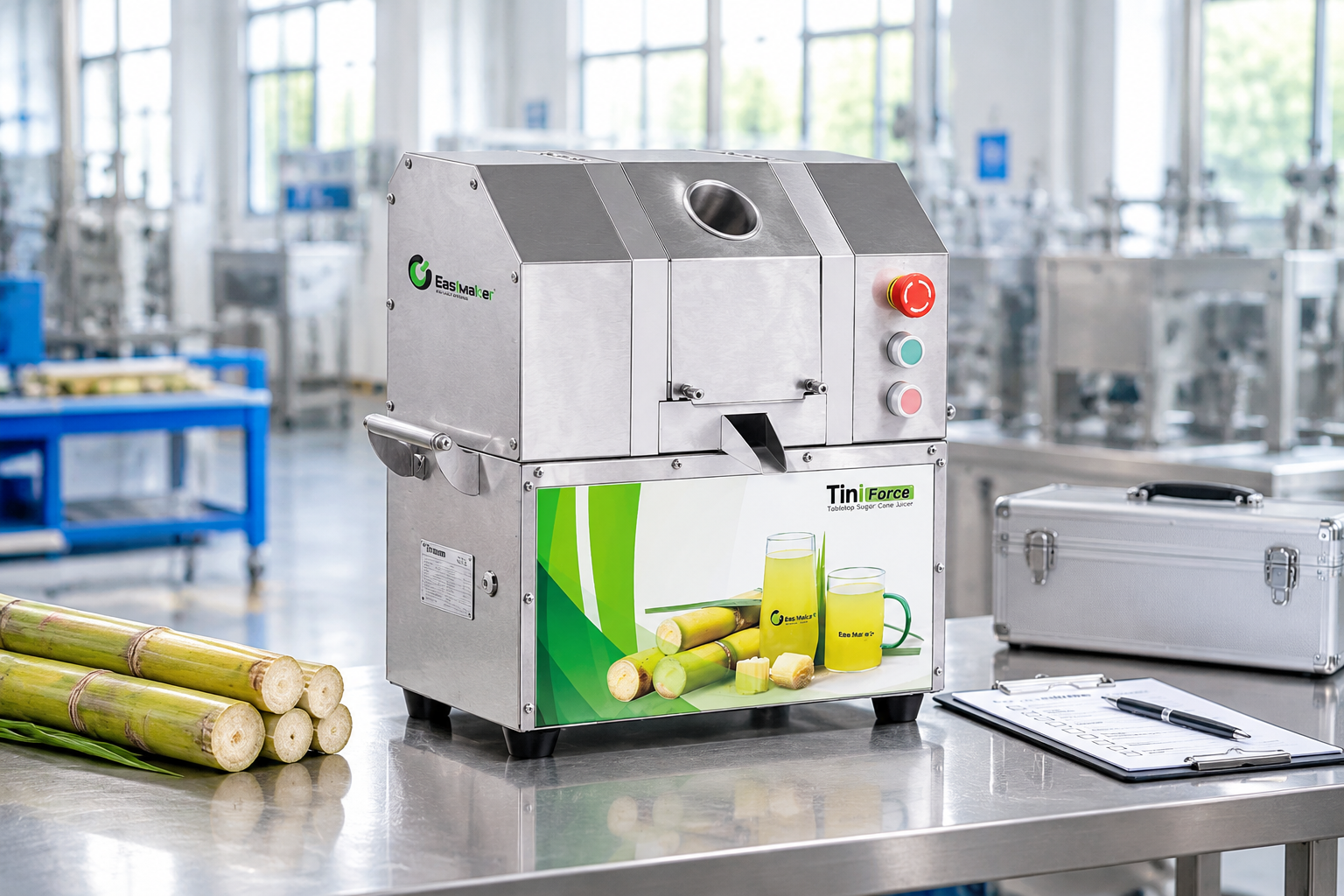
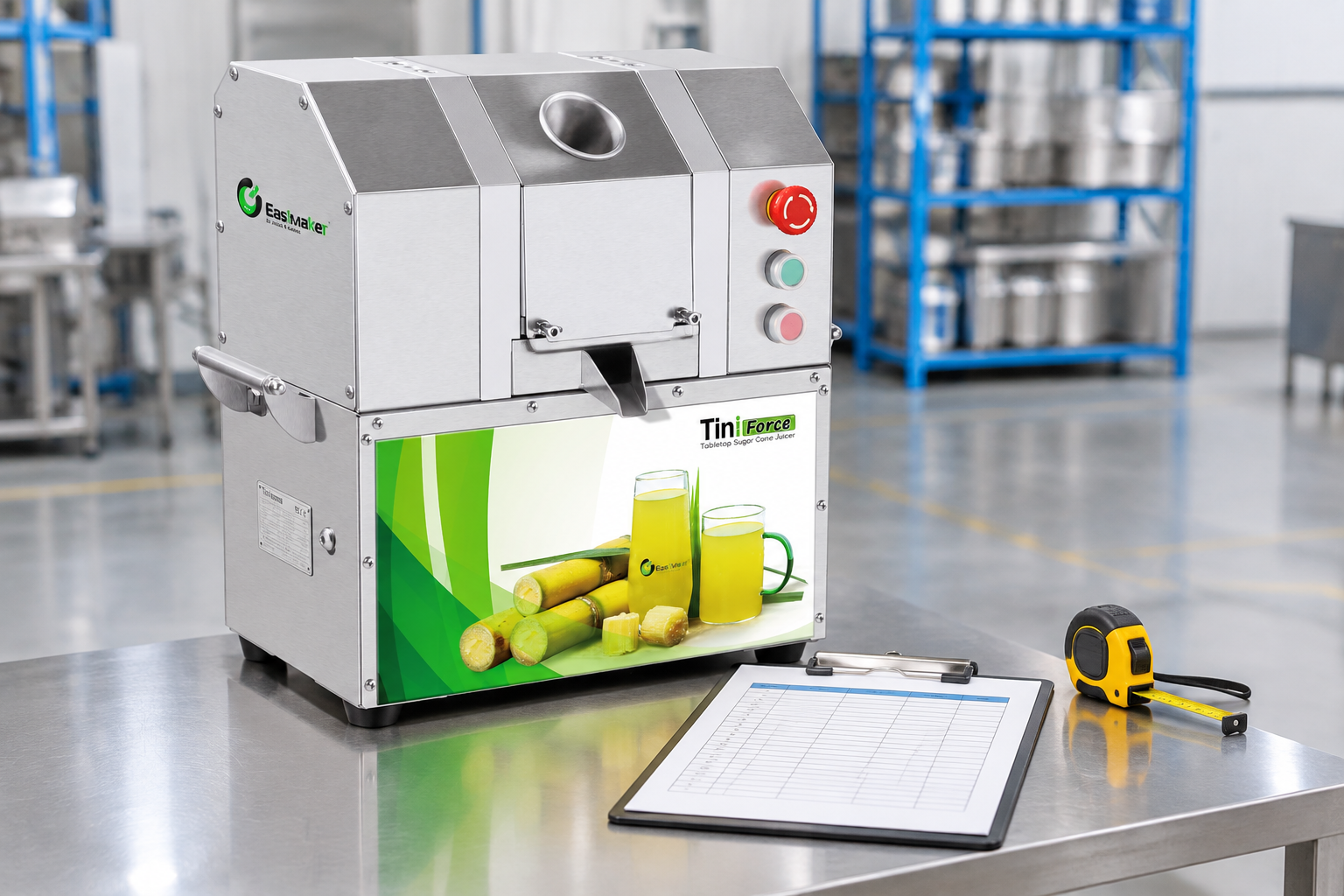
For example, reconcile an order for the TiniForce S3 compact sugarcane juicer or EasiDeMax S4 tabletop sugarcane juice machine against the actual identification plate. Product photographs help identify a machine, but the order documents establish the agreed supply.
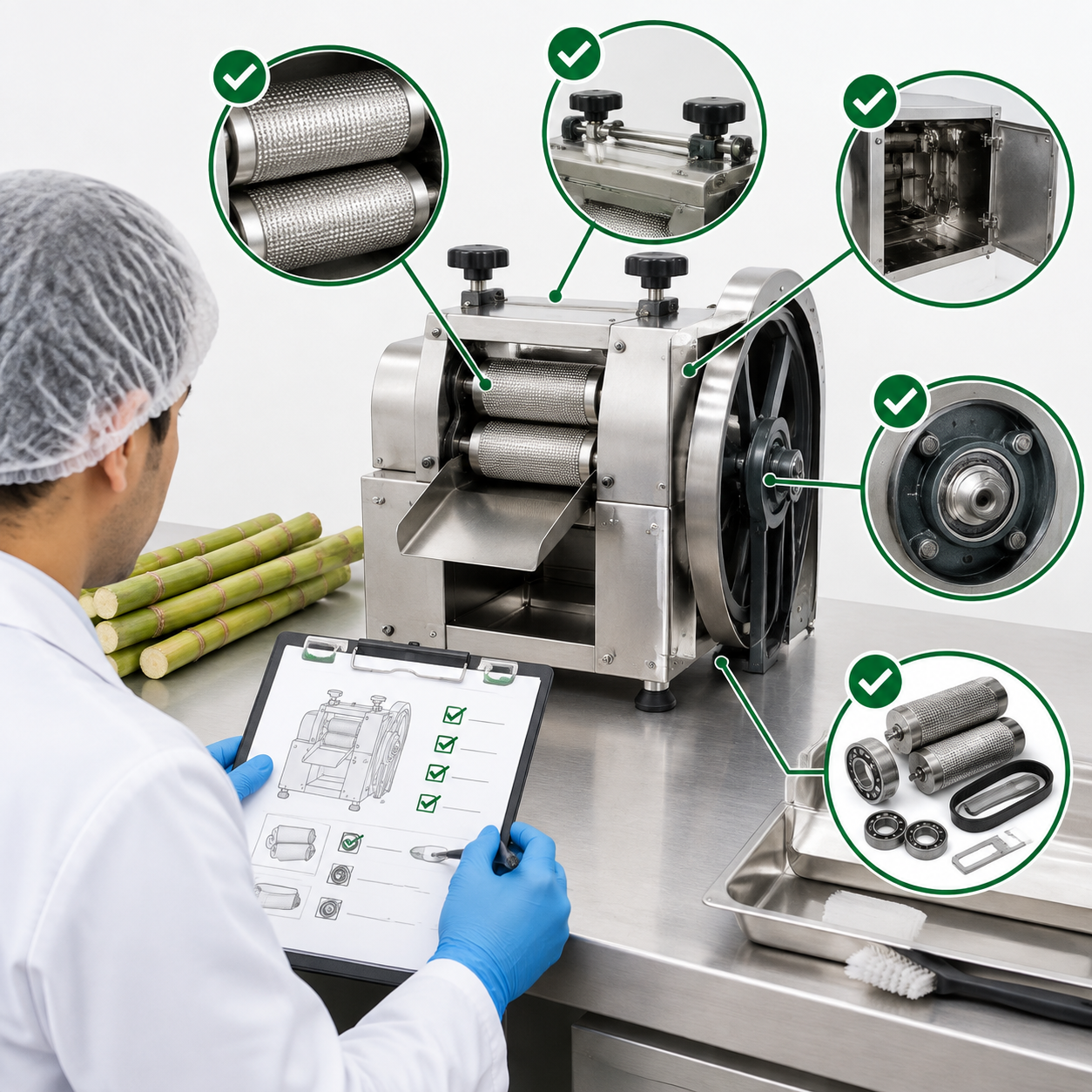
- Record the model, serial number, and electrical rating.
- Count each listed accessory, separate package, and ordered spare part.
- Check externally accessible panels, feet, controls, inlet, outlet, and cable for visible damage.
- Confirm the manual matches the delivered model and configuration.
Do not treat promotional photographs as a packing list. Search protective inserts and separate cartons carefully before reporting a shortage, without opening restricted machine compartments.
Inspection table: what to record and who needs the evidence
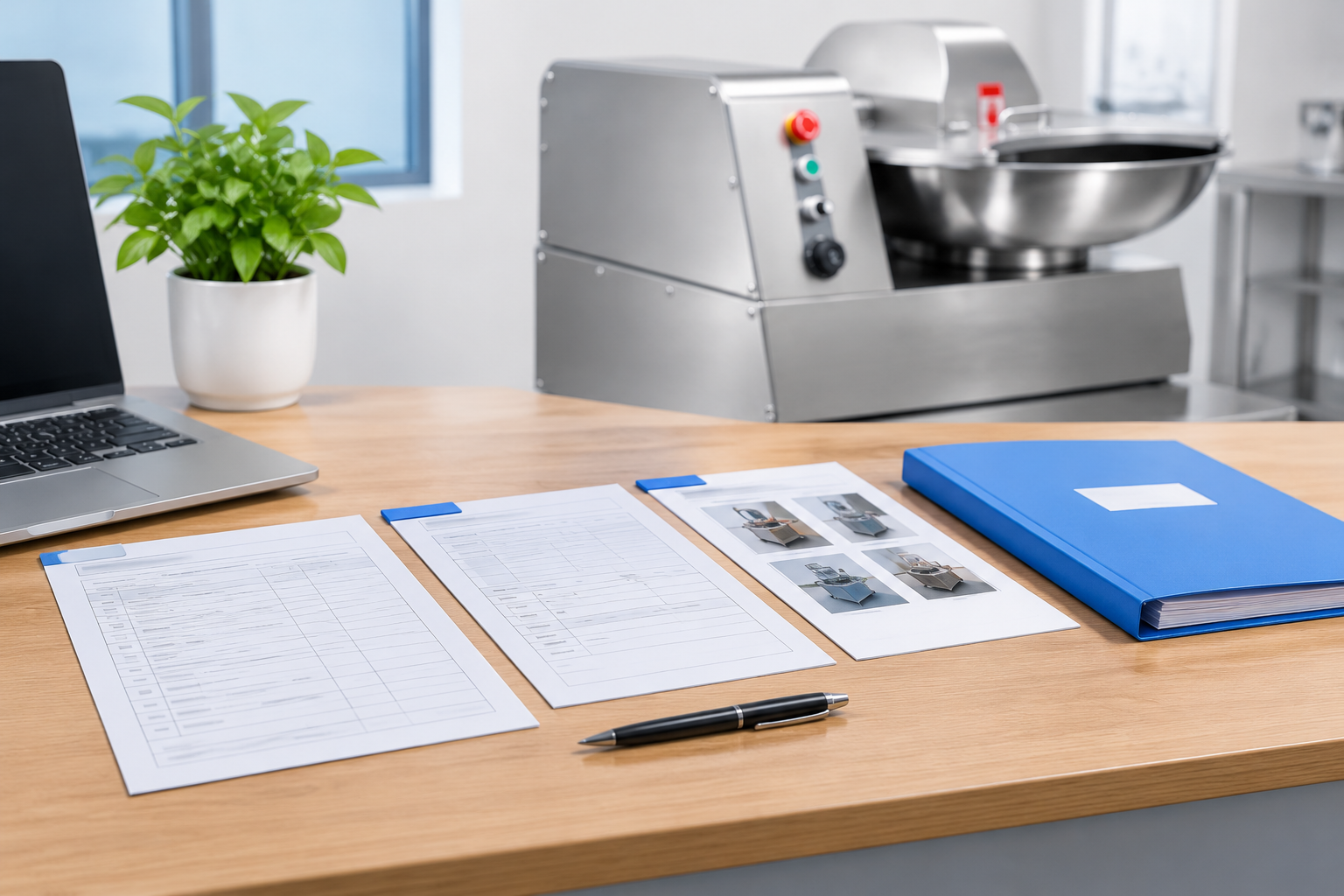
Keep one equipment delivery documentation file linking the order, shipment, machine identity, photographs, and outstanding actions. The table compares evidence needs; responsibility depends on the actual sales, freight, and insurance arrangements.
| Check | Record or evidence | Who needs it |
|---|---|---|
| Package condition | Overall photos, defect close-ups, labels, delivery exceptions | Buyer and designated freight claim handler |
| Machine identity | Model, serial number, rating plate, order reference | Purchasing team, seller, installer |
| Visible machine damage | Location photos and corresponding packaging condition | Seller’s support team and freight claim handler |
| Quantity discrepancy | Packing-list line, expected quantity, received quantity | Seller or supplying distributor |
| Installation readiness | Manual version, electrical review, unresolved issues | Installer and operating manager |
Record summary: Give every issue an owner, date reported, current status, and next action. Store original photographs alongside correspondence so later reviewers can follow the evidence.
Separate freight damage, missing items, and technical support requests
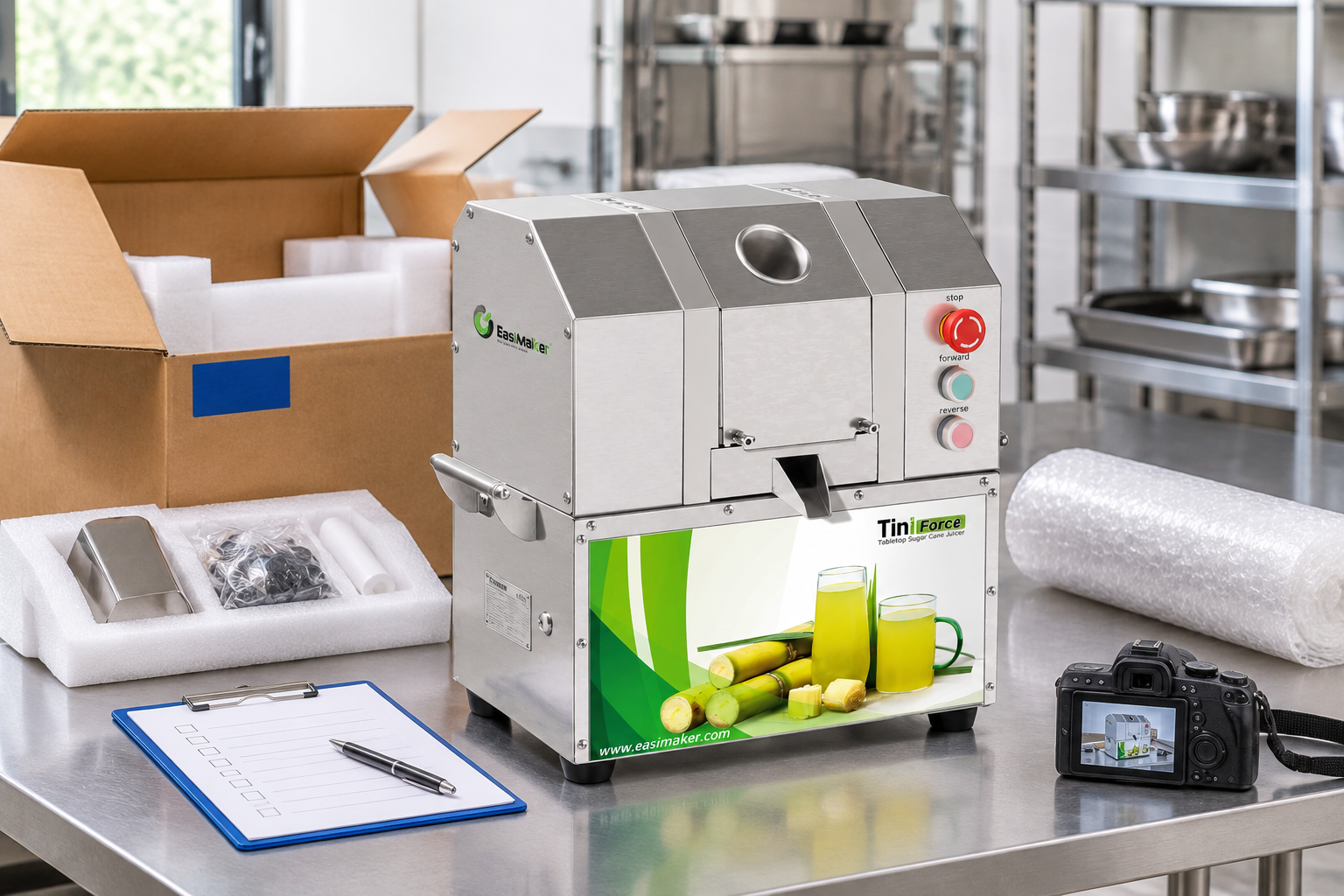
Send the discrepancy report to the seller or supplying distributor and the party designated to manage freight claims. Include the carrier, forwarder, or insurer when required by your arrangements. Do not assume a support ticket automatically opens a freight claim.
For suspected commercial juicer shipping damage, preserve packaging and describe what you observed without assigning an unverified cause. For shortages, identify the packing-list line and quantity difference. For technical questions, provide the serial number, rating-plate photo, and exact concern.
Do not power on a machine with suspected transit damage to “see whether it works.” Keep it disconnected and marked as awaiting review. Avoid straightening panels, replacing parts, or dismantling assemblies before receiving instructions.
Report promptly under the applicable terms. Notification deadlines, claim procedures, and responsibility vary; obtain them from the relevant documents rather than assuming a universal period.
Complete the S3 or S4 installation handoff using the current manual

Release the machine for installation only after receiving issues affecting safety, identity, or setup have been resolved. Use the matching instructions from Easimaker’s datasheets and user manuals, confirming applicability with support if necessary.
- Give the installer the receiving record, identification photos, and written resolutions.
- Verify support, placement, access, and clearances against the current model documentation.
- Have a qualified person confirm the site supply against the delivered electrical rating and applicable U.S. installation requirements.
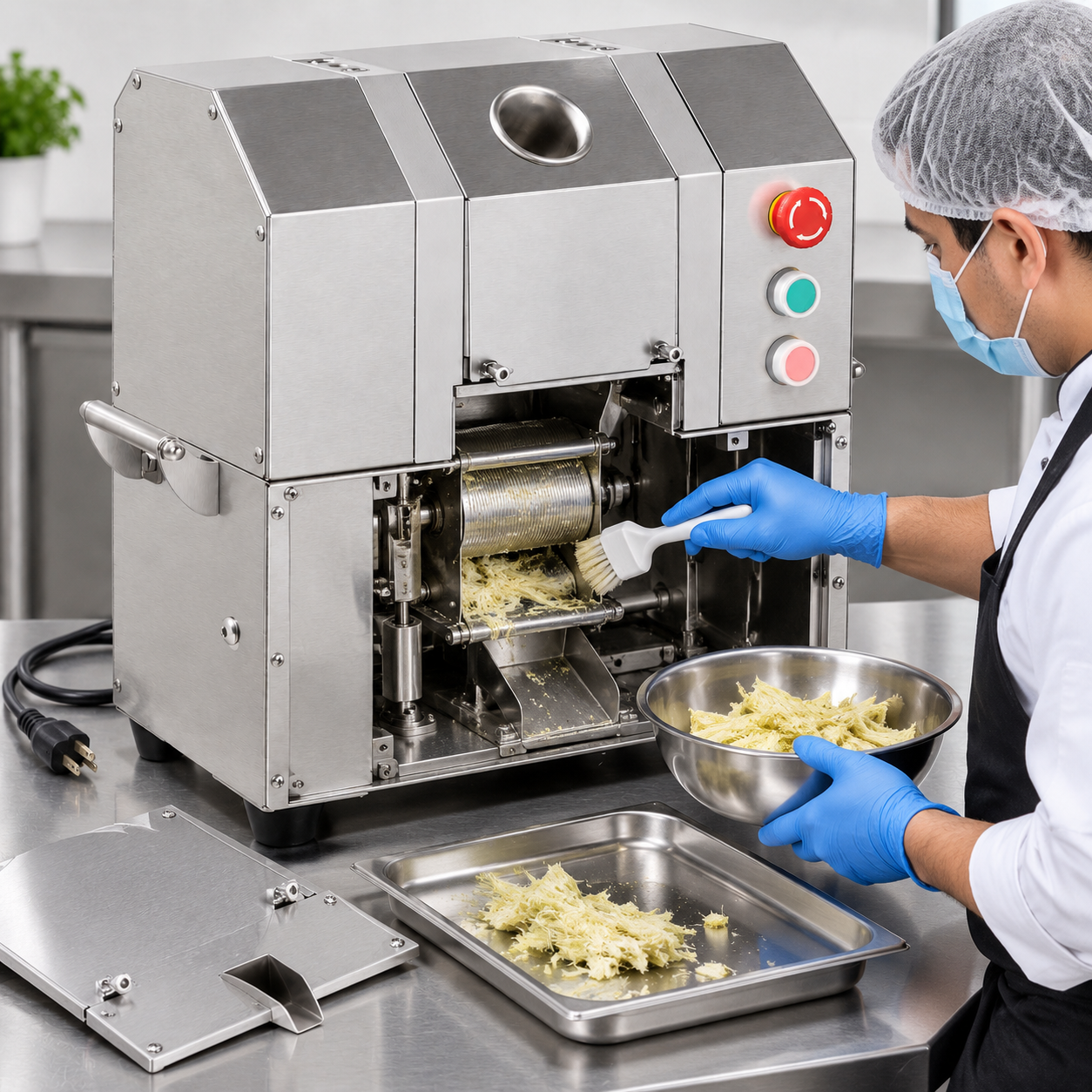
- Follow the manual for shipping-restraint removal, assembly, initial cleaning, and commissioning.
- Record commissioning results and the person responsible for operator handover.
Receipt does not establish electrical compatibility or local commercial-use approval. Keep receiving acceptance and commissioning records distinct, especially when different companies handle delivery and installation.
FAQ: five questions about receiving a commercial juicer
What should I check when a sugarcane juicer arrives?
Check package condition, package count, model, serial number, electrical rating, visible machine condition, and listed accessories and documents before installation.
Which photos help document possible shipping damage?
Take overall package views, shipping-label photos, damage close-ups, internal packing views, and corresponding machine-area photos. Keep the original files.
What if the model or accessories differ from the order?
Record the difference against the accepted order and packing list. Ask the seller for written clarification before installing an incorrect or incomplete configuration.
Should I power on a machine with suspected transit damage?
No. Keep it disconnected pending technical review. An apparently successful startup does not establish that damaged equipment is safe.
Who should receive a delivery discrepancy report?
Notify the seller or supplying distributor and the designated freight claim handler. Notify other transport or insurance parties as required by the applicable terms.
Confirm your delivery arrangements and documentation with Easimaker
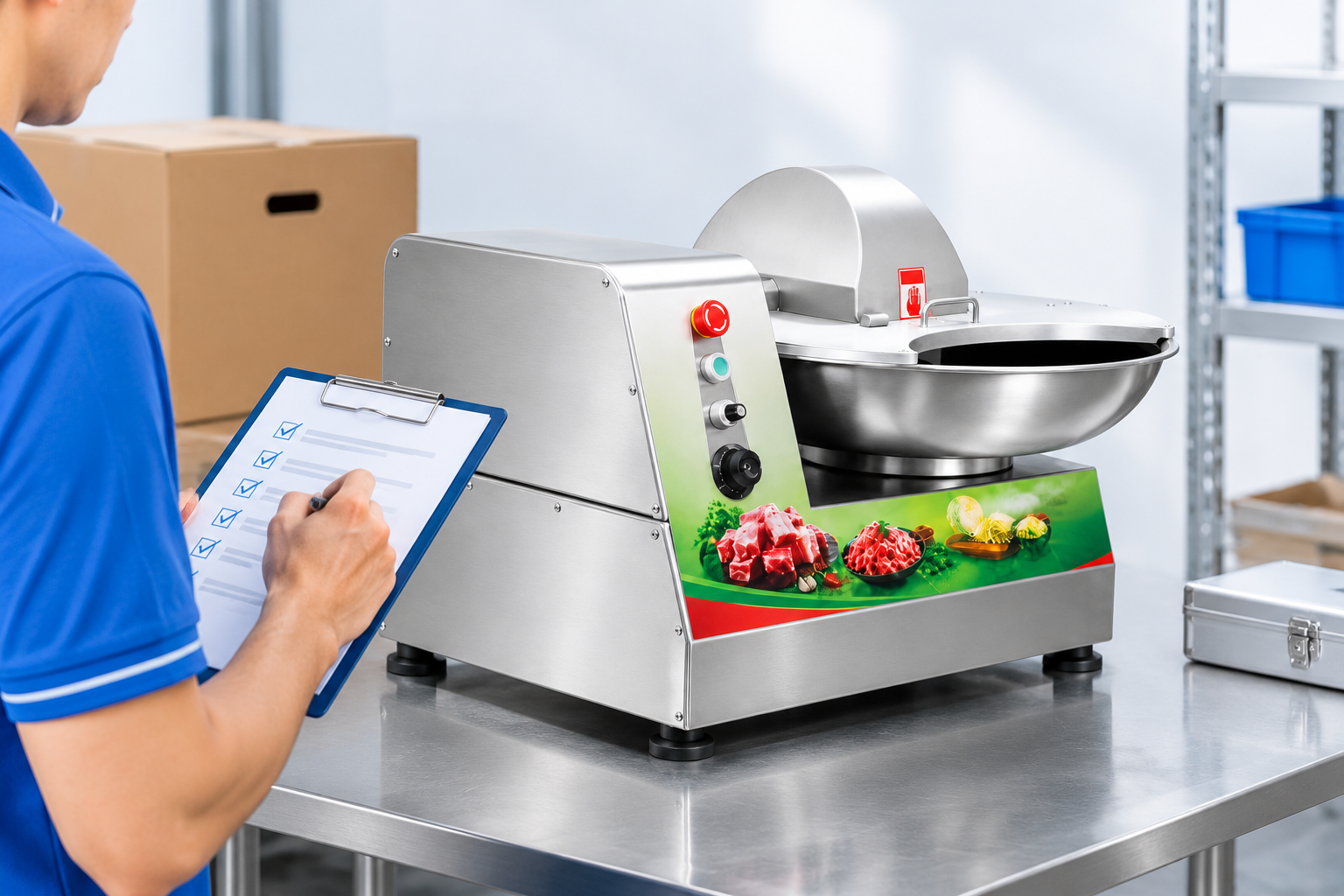
A complete sugarcane juice machine receiving inspection gives the installer a verified starting point. Confirm handling instructions, shipment contents, documentation, and reporting contacts before arrival.
Key takeaways: Photograph before unpacking, reconcile against the order, preserve evidence, and resolve installation-blocking issues before startup. A clear receiving record helps the buyer, freight team, and technical support work from the same facts.
FAQ
What should I check when a sugarcane juicer arrives?
Check package condition, package count, model, serial number, electrical rating, visible machine condition, and listed accessories and documents before installation.
Which photos help document possible shipping damage?
Take overall package views, shipping-label photos, damage close-ups, internal packing views, and corresponding machine-area photos. Keep the original files.
What if the model or accessories differ from the order?
Record the difference against the accepted order and packing list. Ask the seller for written clarification before installing an incorrect or incomplete configuration.
Should I power on a machine with suspected transit damage?
No. Keep it disconnected pending technical review. An apparently successful startup does not establish that damaged equipment is safe.
Who should receive a delivery discrepancy report?
Notify the seller or supplying distributor and the designated freight claim handler. Notify other transport or insurance parties as required by the applicable terms.
Find the Right Sugarcane Juicer or Food Processing Solution
Tell Easimaker your model interest, expected output, U.S. delivery location, and project requirements. Our team can discuss machine suitability, delivery arrangements, and the documentation needed for receiving and installation.