Table of Contents
- What U.S. buyers need to do before importing
- Define the product and the importer’s role
- Confirm compliance and supplier documents
- Specify the right commercial machine
- Plan freight, customs, and landed cost
- Inspect, install, and support the machine
- Pre-shipment checklist for U.S. importers
Importing a commercial sugarcane juicer into the United States requires more than arranging freight. Buyers should confirm the machine specification, food-contact materials, electrical compatibility, import documentation, customs process, local installation requirements, spare-parts support, and total landed cost before placing an order.
What U.S. Buyers Need to Do Before Importing a Commercial Sugarcane Juicer
To import a commercial sugarcane juicer into the U.S., first confirm that the machine is suitable for your intended foodservice use and local electrical supply. Then agree on an accurate product specification, obtain complete supplier documents, work with a licensed customs broker or qualified freight forwarder, calculate landed cost, and prepare for inspection and installation on arrival.
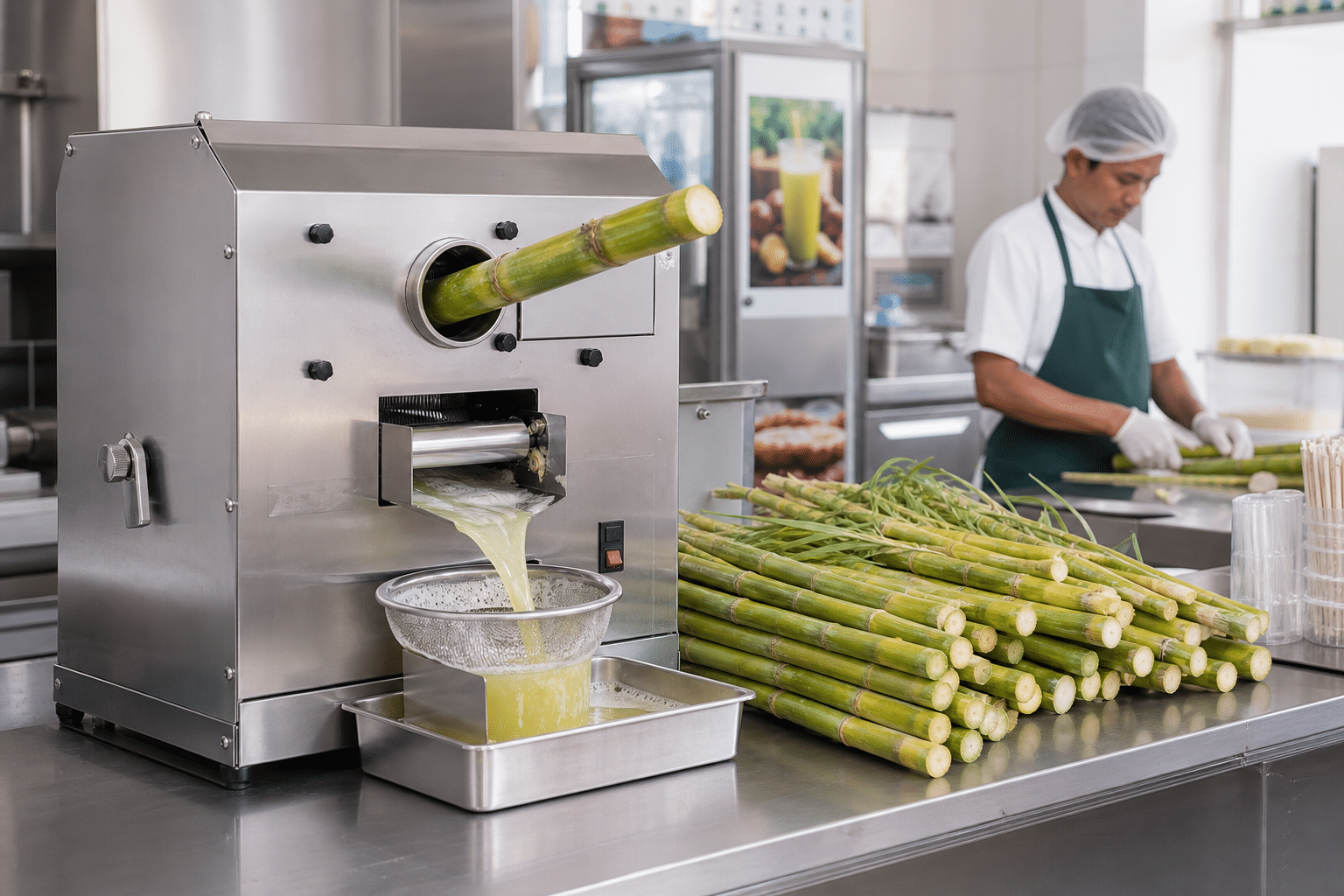
A commercial sugarcane juicer is food-processing equipment that mechanically presses prepared sugarcane stalks through rollers to extract juice. It is commonly used by juice bars, restaurants, cafés, food courts, mobile beverage operators, and distributors. The import process is manageable when equipment selection, compliance planning, and logistics are handled together rather than as separate tasks.
Do not assume that a machine sold internationally is automatically ready for every U.S. location. Import requirements can depend on the exact product configuration, declared value, country of origin, port of entry, electrical design, materials in food-contact areas, and the requirements of your local authority having jurisdiction, property manager, or customer. Confirm these points before production and shipment.
Define the Product and the Importer’s Role
Before requesting a quotation, write a short import specification. This document should identify the buyer, final user, machine model or configuration, quantity, destination, agreed Incoterms, target delivery date, and the documents required before shipment. It reduces misunderstandings between the supplier, freight provider, customs broker, and receiving team.
For a direct import, the buyer may act as the importer of record or appoint an appropriately qualified party to do so. The importer of record is generally responsible for ensuring that entry information is accurate and that applicable duties, taxes, and regulatory obligations are addressed. A customs broker can prepare and file entry documentation, but the importer should still provide correct product information and maintain records.
Describe the equipment accurately. A sugarcane juicer is not the same as a household blender, a citrus juicer, or a cane harvester. The product description on commercial documents should match the actual machine, its intended commercial use, and the country of origin. Avoid vague descriptions such as “kitchen appliance,” which can create unnecessary questions during customs clearance.
New operators should also verify that they are buying commercial equipment rather than a light-duty unit intended for occasional domestic use. Commercial machines are selected around repeated operation, cleaning access, safe workflow, maintainability, and service planning. This guide to commercial versus home sugarcane juicers explains the practical distinction for buyers.
Confirm Compliance and Supplier Documents Before Production
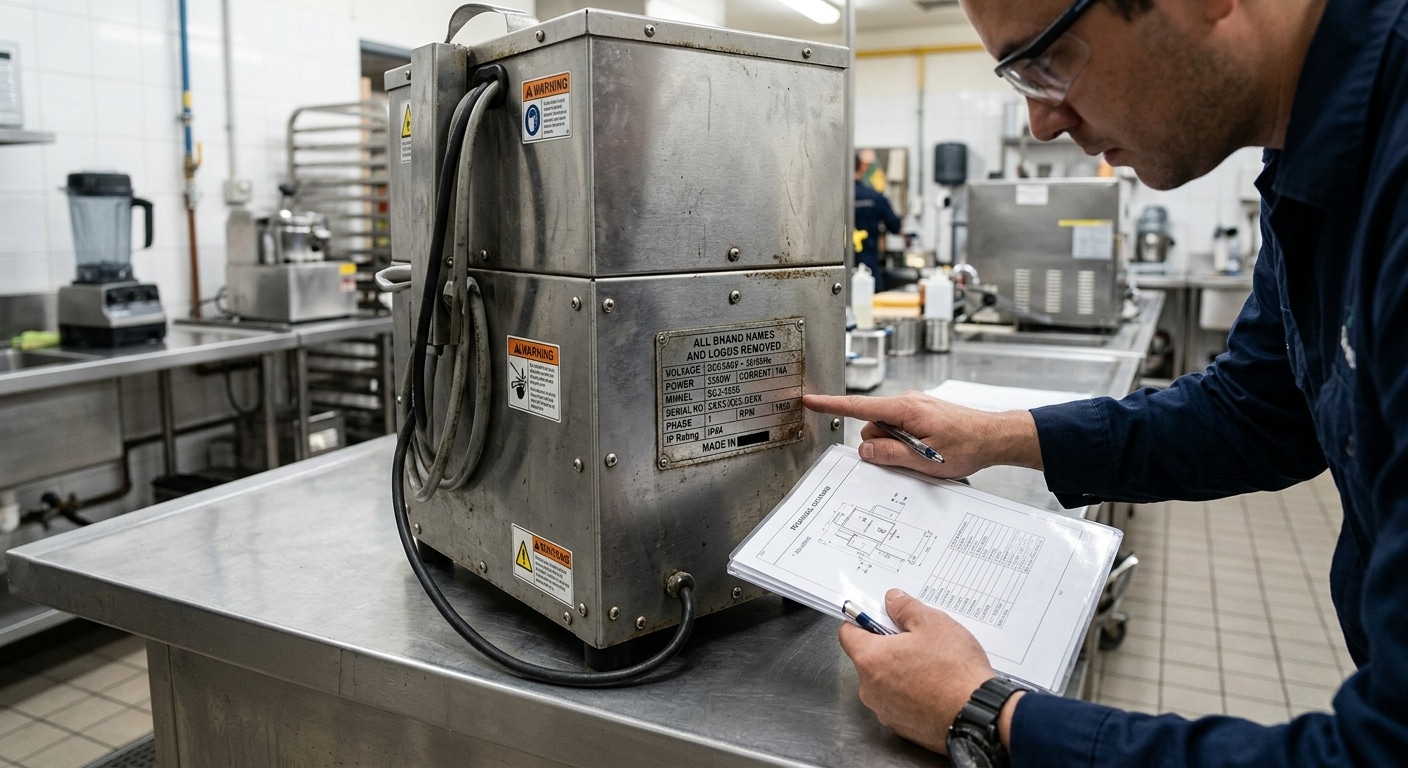
U.S. import compliance is product-specific, so use qualified customs, legal, and local regulatory advisers when needed. Do not rely only on a supplier statement or a product listing. For foodservice equipment, buyers should examine the material specification, electrical configuration, safety design, labels, and the documents available for the exact model being imported.
Food-contact and hygiene considerations
Identify all surfaces that reasonably contact cane, extracted juice, or splash during normal operation. Request a clear material list for those areas and ask how the machine is intended to be cleaned. Food-contact material compliance is not established merely by saying that a machine is “food grade.” The operator must also maintain hygienic handling, cleaning, storage, and local foodservice practices after installation.
If a machine will be used in a restaurant, retail food establishment, commissary, or other regulated setting, ask the local health authority, property manager, or prospective customer whether they have particular equipment acceptance expectations. Requirements can vary by jurisdiction and by installation type. If a buyer needs a specific sanitation or safety listing, it should be identified as a purchase requirement before the order is confirmed.
Electrical and labeling considerations
Match the machine’s rating plate to the actual U.S. site supply, including voltage, frequency, phase, plug arrangement, and grounding method. A 60 Hz requirement, electrical listing expectation, or local inspection requirement should never be assumed from a product photograph. In some locations, an authority having jurisdiction or commercial landlord may require equipment evaluated by a nationally recognized testing laboratory. Confirm the local requirement before selecting a configuration.
Ask the supplier for the final rating-plate artwork, wiring information, operating manual, packing list, commercial invoice, and any test or inspection records that apply to the ordered model. The useful question is not whether a document exists for a similar product, but whether it applies to the precise model, component set, and electrical version you are importing.
For a practical pre-purchase check, review the machine’s power supply requirements for commercial sugarcane juicers alongside your site electrician’s information.
Specify the Right Commercial Sugarcane Juicer for the U.S. Site
Importing the correct machine starts with the operating environment, not the factory price. A compact counter-service operation may prioritize footprint and straightforward daily cleaning. A higher-volume venue may need a machine and preparation workflow that better suit sustained service. Sugarcane condition also matters: stalk diameter, fiber level, trimming method, and consistency affect feeding and operator workload.
Define the following points in writing before the supplier starts production:
- Required electrical configuration for the final installation site.
- Machine dimensions, net weight, crated dimensions, and access route into the premises.
- Food-contact and exterior material specification.
- Included accessories, collection containers, tools, and operating documentation.
- Expected cane preparation process, including peeling, cutting, and stalk length.
- Cleaning procedure, removable items, and recommended consumables.
- Available spare parts, lead times, warranty terms, and remote support process.
- Retail branding, packaging, manuals, or labeling requirements where private labeling is planned.
Do not select a machine solely by a quoted output figure. Actual production depends on cane preparation, operator technique, queue pattern, cleaning intervals, feed consistency, and the final product configuration. It is usually more useful to discuss your service pattern and menu than to rely on a single theoretical capacity number.
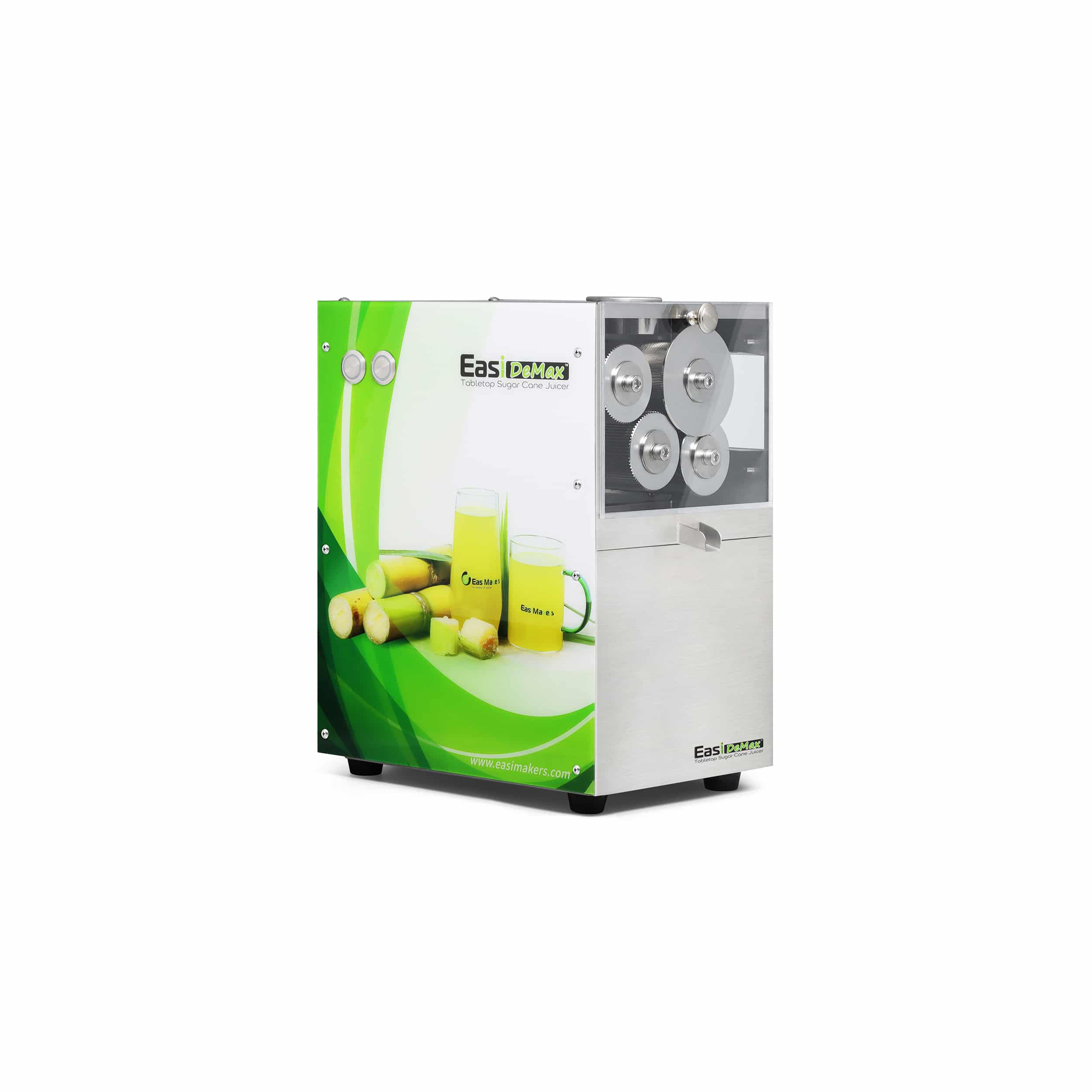
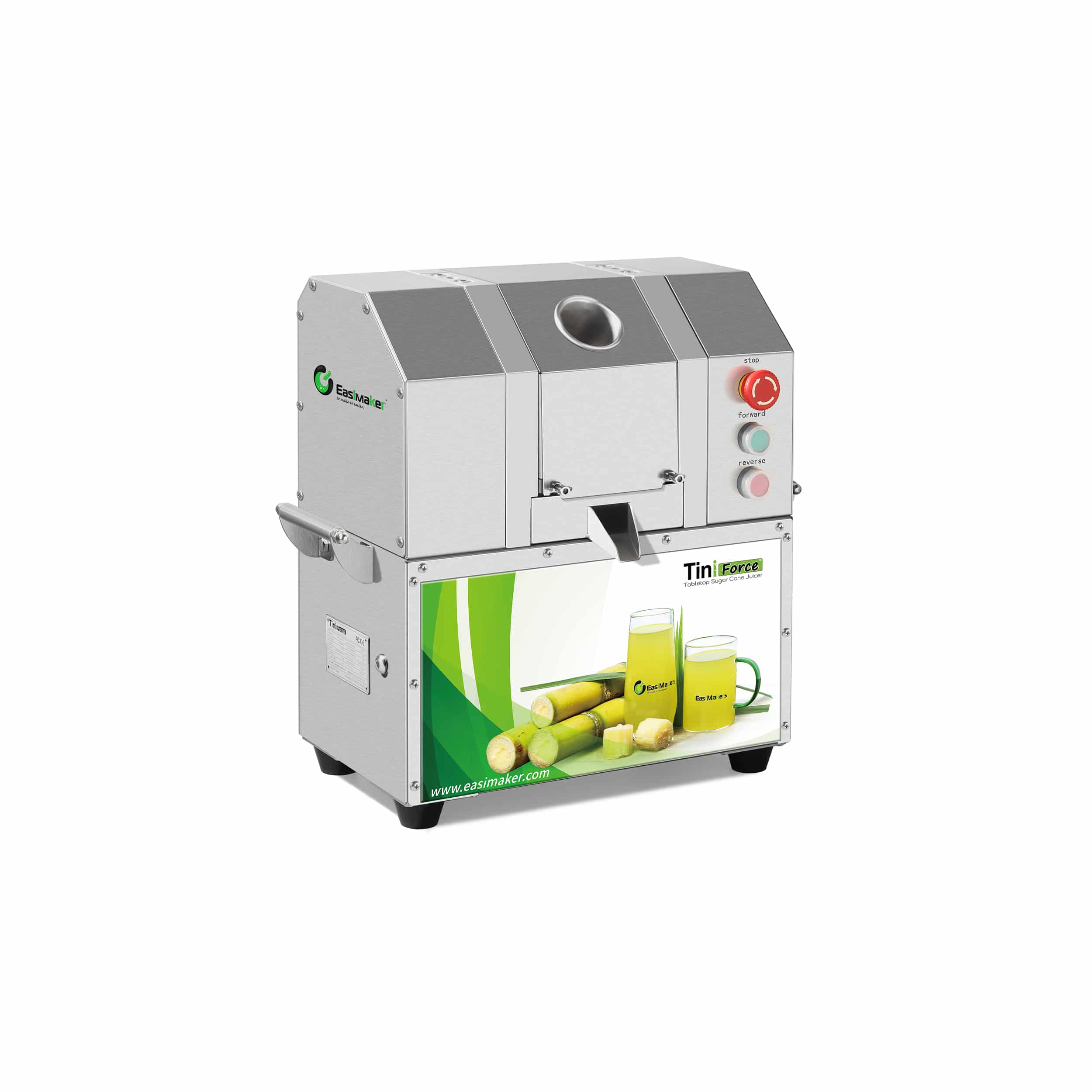
Buyers comparing common commercial configurations can review how the TiniForce S3 and EasiDeMax S4 fit different operations. If your supply includes thick or irregular stalks, establish the preparation process early; these techniques for processing thick sugarcane stalks can help operators reduce avoidable strain and jamming.
Plan Freight, Customs, and Total Landed Cost
Freight is only one part of the import cost. Before placing a purchase order, ask for an itemized quote that separates machine price, packing, inland transport, export handling, main freight, insurance if selected, destination charges, customs brokerage, duty and tax estimates where available, delivery, unloading, and site installation. The buyer should understand which party handles each stage under the agreed Incoterm.
For customs entry, your broker will need complete and consistent commercial information. Typical records include the commercial invoice, packing list, bill of lading or air waybill, importer details, country of origin, product description, quantity, value, and the classification information used for entry. Classification and duty treatment should be confirmed with a customs professional based on the final product and current rules. Do not use an internet estimate as a substitute for a formal customs determination.
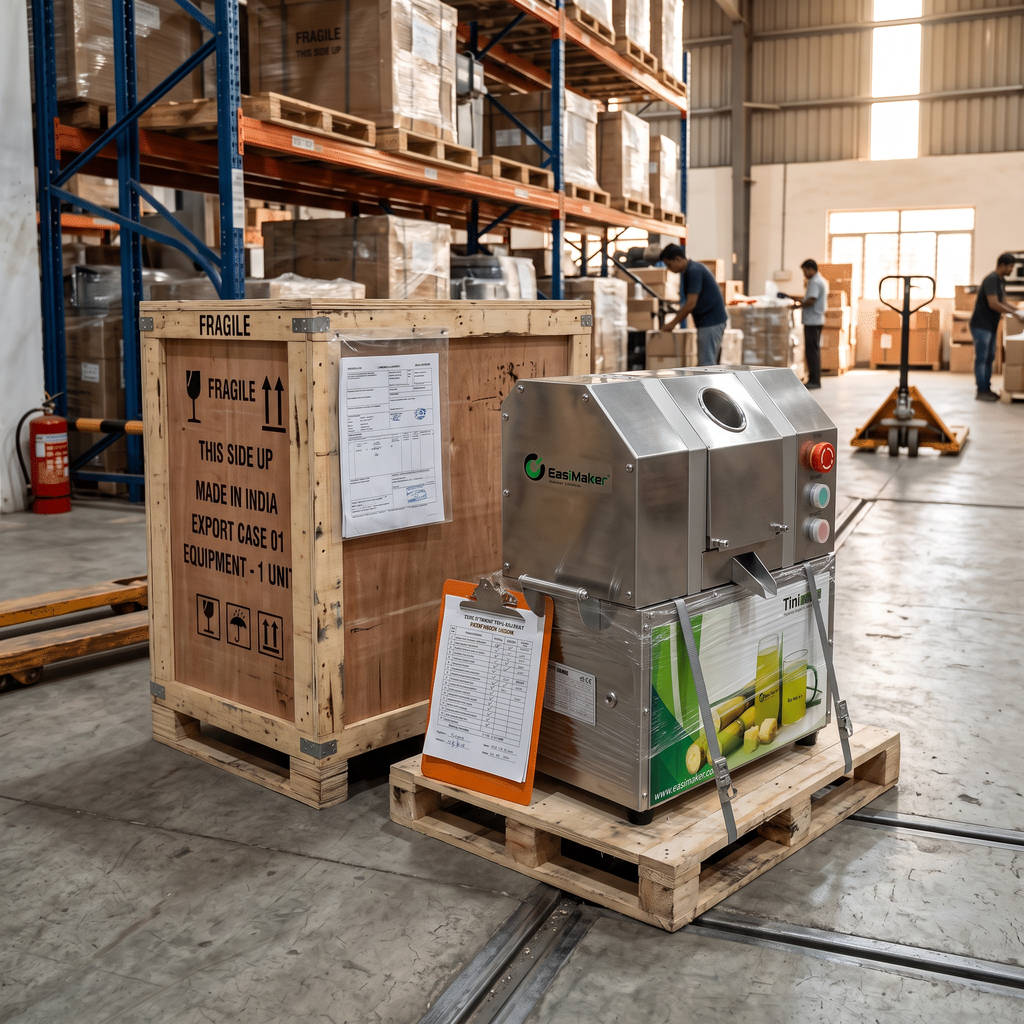
Crated dimensions and weight influence not only freight pricing but also receiving. Confirm whether the shipment needs a liftgate, loading dock, pallet jack, forklift, appointment delivery, or inside placement. If the juicer is shipped by ocean, allow realistic time for production, consolidation if applicable, sailing, port handling, customs clearance, and final delivery. Air freight can reduce transit time but may materially change landed cost.
Budget beyond the purchase price by using a complete commercial sugarcane juicer cost planning guide. This helps buyers account for site preparation, cane handling, hygiene supplies, packaging, maintenance, and operating equipment alongside the imported machine.
Inspect, Install, and Support the Machine After Arrival
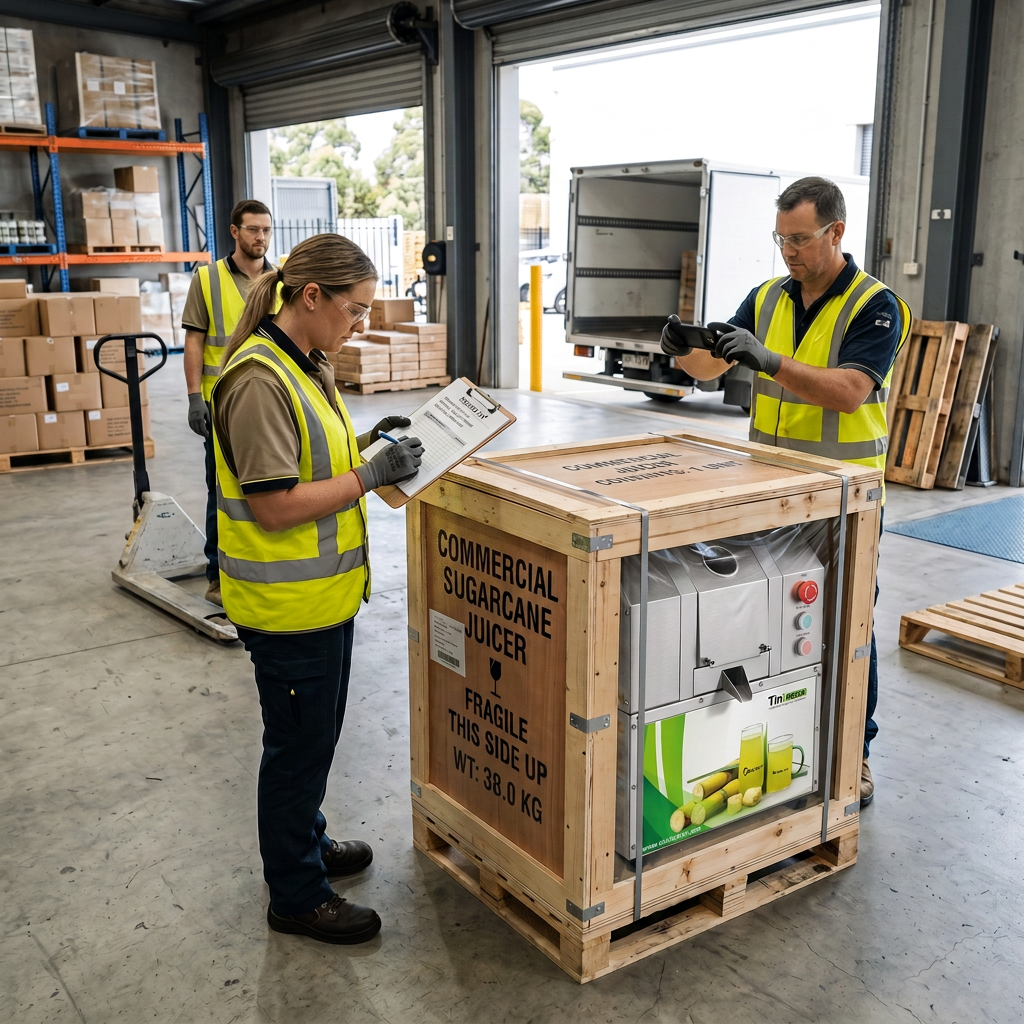
Receiving inspection is your opportunity to identify transit damage or shipment discrepancies while carrier records are still current. Before signing final delivery paperwork where practical, inspect the crate condition, photograph visible damage, count packages, and note exceptions. After unpacking, compare the machine, accessories, rating plate, and documentation with the purchase order and packing list.
Before production use, place the machine on a stable work surface with the working clearance needed for feeding, juice collection, cleaning, and safe operator movement. Have the electrical connection checked against the rating plate by a qualified person where required. Never alter plugs, bypass guards, or modify wiring to make an incompatible unit fit the site supply.
Commissioning should include a no-load check, a review of controls and safety features, a cleaning demonstration, and a first-use trial with properly prepared cane. Record the machine model, serial number, order number, electrical details, and photos of the rating plate in your equipment file. This makes later troubleshooting and parts identification much more efficient.
Service planning is especially important for imported equipment. Keep a routine cleaning schedule, inspect components according to the operating guidance, and order critical wear items before they are urgently needed. Use this sugarcane juicer spare parts and support checklist to organize the information your team and supplier will need.
Pre-Shipment Checklist for U.S. Importers
Use this final checklist before authorizing shipment of a commercial sugarcane juicer to the United States:
- Confirm the final model, quantity, finish, accessories, and packaging configuration.
- Confirm rating-plate details against the site’s voltage, frequency, phase, plug, and grounding requirements.
- Review the final machine dimensions, net weight, crate size, and delivery access plan.
- Obtain commercial invoice, packing list, transport document details, and country-of-origin information.
- Give the customs broker an accurate product description and final product details early enough to review entry planning.
- Check whether your local health authority, landlord, customer, or inspector requires specific equipment documentation or listings.
- Confirm cleaning instructions, operating manual, warranty scope, remote support contact, and spare-parts process.
- Plan receiving inspection, safe unpacking, installation, operator training, and first cleaning.
A well-prepared import project lowers the risk of unsuitable electrical configuration, incomplete documents, unexpected delivery constraints, and avoidable downtime. The best result is not simply a machine that clears customs, but equipment that can be installed, cleaned, supported, and used reliably in the intended daily workflow.
Discuss Your U.S. Import Specification
If you are planning to import a commercial sugarcane juicer, Easimaker can help you discuss a suitable machine configuration, electrical requirements, packing details, documentation needs, and after-sales support for your target market.