Table of Contents
- Cane Sugar Machine vs Sugarcane Juice Machine: Direct Answer
- What Each Machine Is Designed to Do
- How the Processes Differ
- Which Machine Fits Your Business Model?
- Key Buying Criteria for Commercial Operators
- Operation, Cleaning, and Maintenance Considerations
- How to Avoid Buying the Wrong Equipment
- Next Steps for Equipment Buyers
A cane sugar machine and a sugarcane juice machine serve different commercial processes. Learn which equipment fits fresh juice service, sugar production, and related food-processing workflows.
Cane Sugar Machine vs Sugarcane Juice Machine: Direct Answer
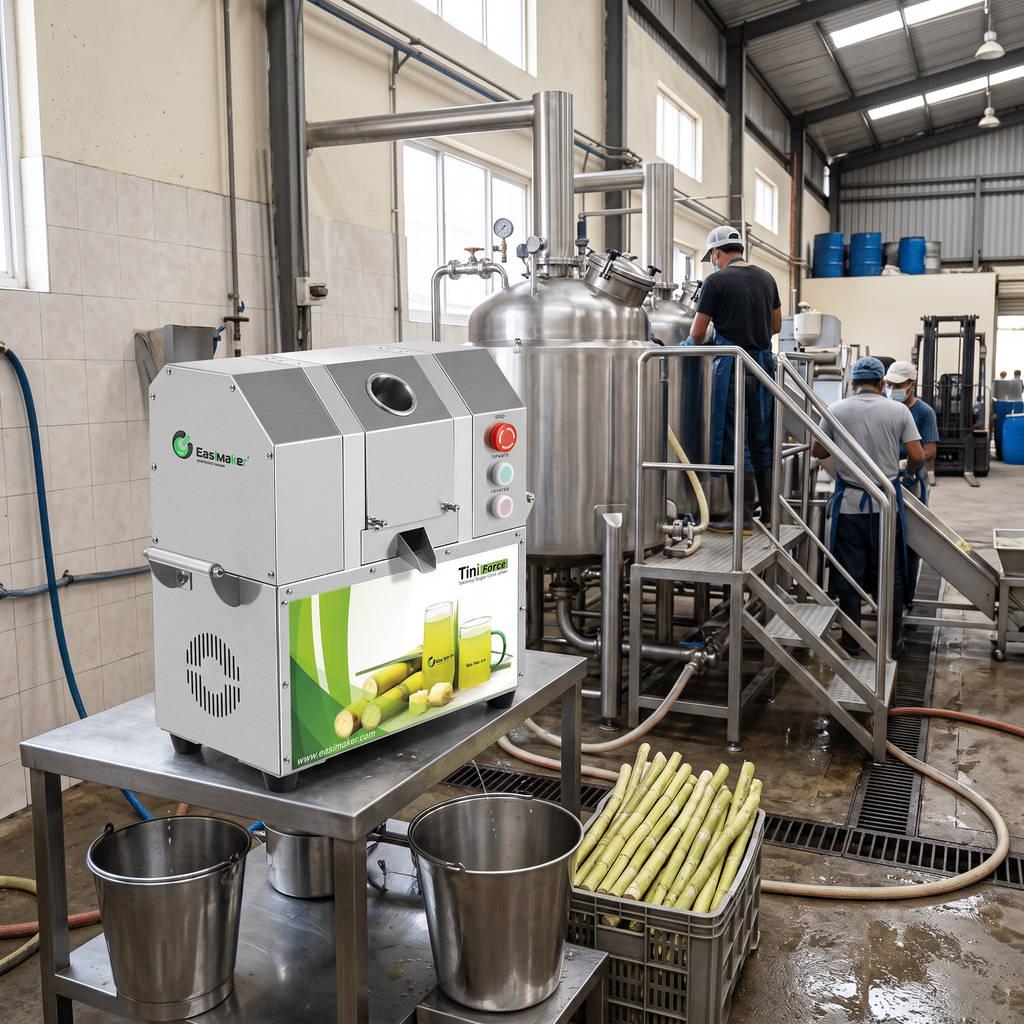
A cane sugar machine is generally used to describe equipment involved in turning sugarcane into sugar or sugar-based products. Depending on the supplier and scale of operation, this may include cane crushing, juice clarification, evaporation, crystallisation, drying, or packaging equipment. A sugarcane juice machine, by contrast, is a commercial juicer that crushes prepared sugarcane to produce fresh liquid juice for prompt serving or controlled short-term handling.
The distinction matters because these are not interchangeable purchases. A cafe, juice bar, kiosk, restaurant, hotel beverage station, or fresh-juice distributor normally needs a commercial sugarcane juice machine. A processor intending to make raw sugar, syrup, jaggery-style products, or crystallised sugar needs a broader processing line, often with multiple specialised stages beyond crushing.
When a supplier uses the phrase “cane sugar machine,” ask what final product the equipment is intended to produce. The correct machine is determined by the product, workflow, local utility requirements, cleaning process, staffing, and expected daily operating pattern, rather than by the broad wording of the search term.
What Each Machine Is Designed to Do
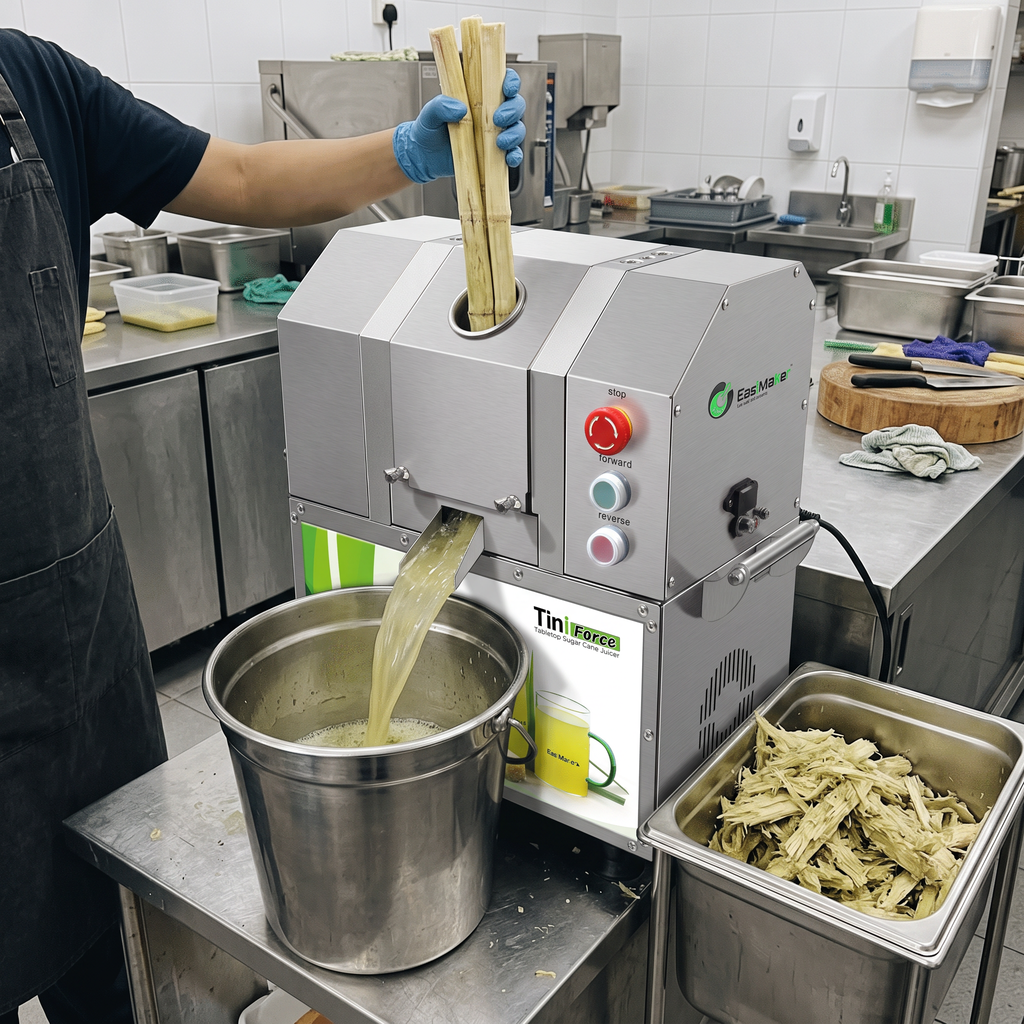
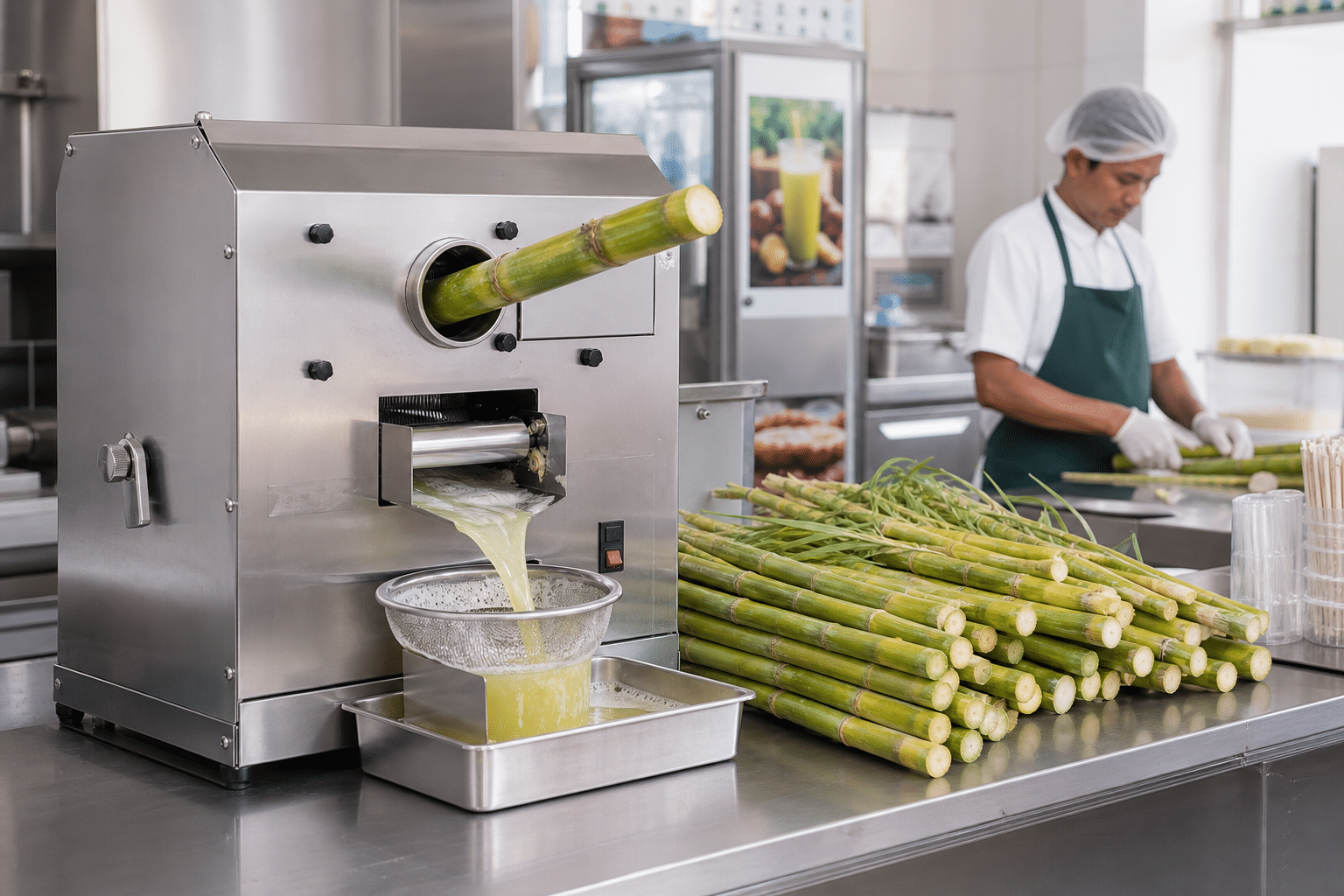
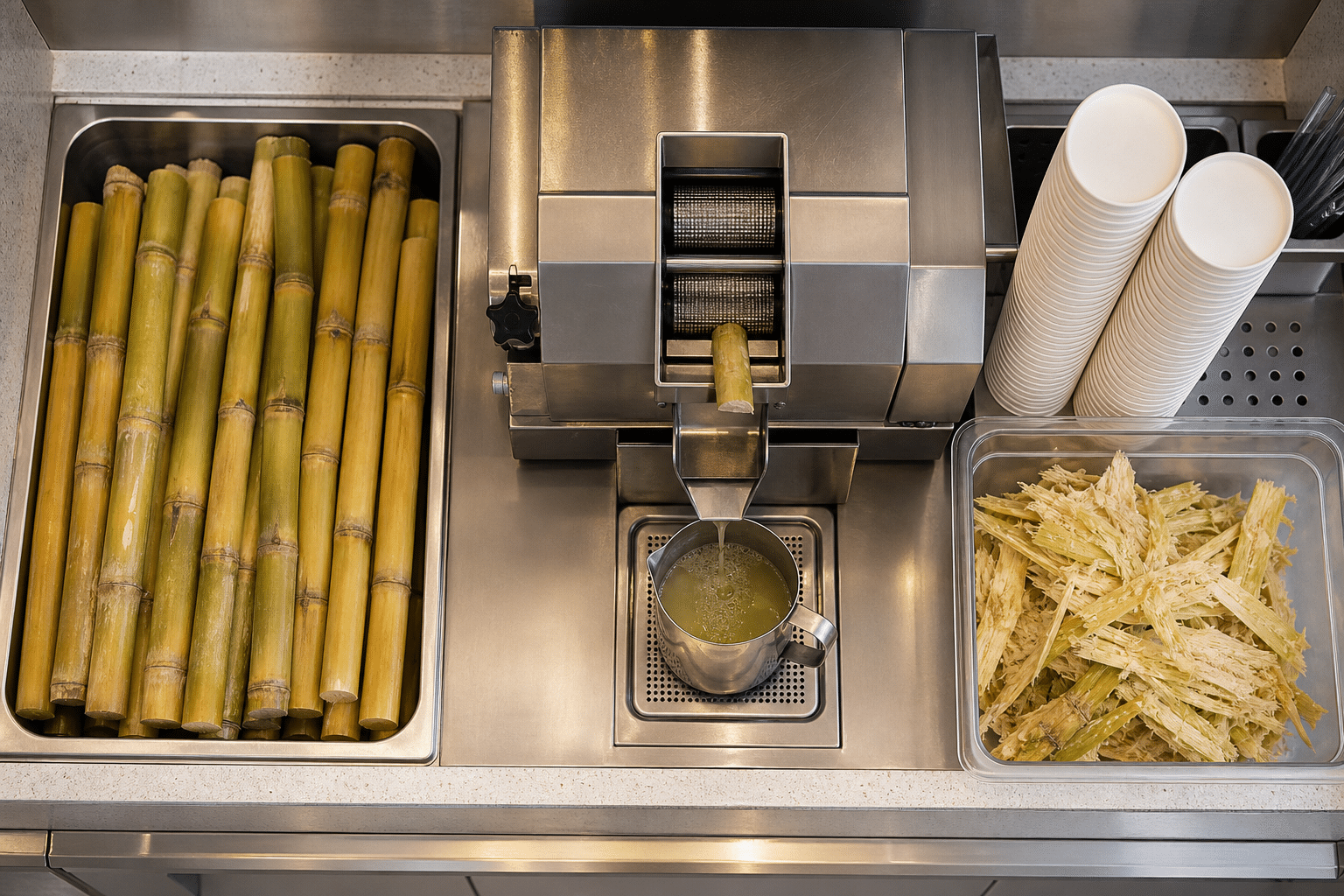
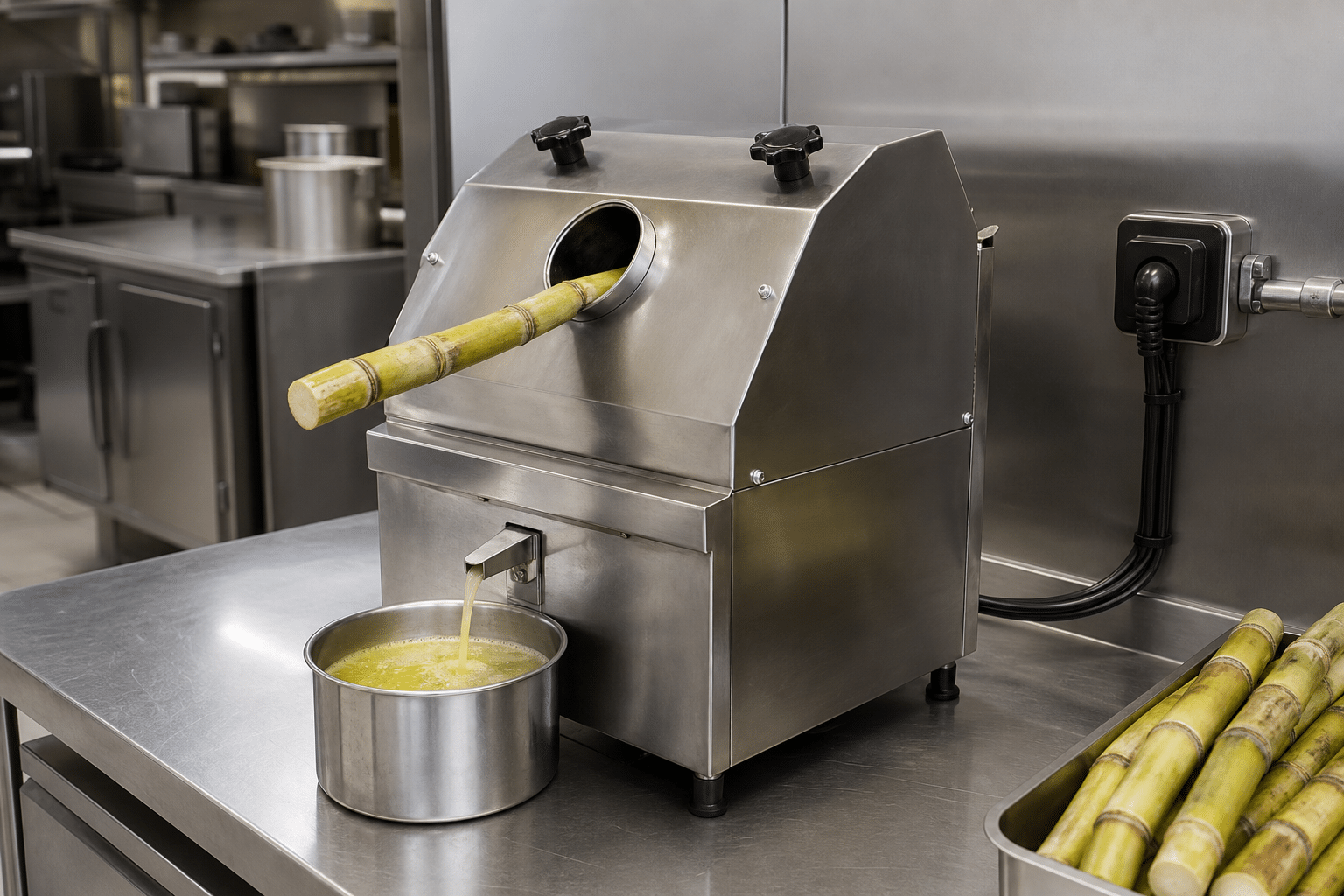
A commercial sugarcane juice machine is an extraction machine. Operators feed cleaned and suitably trimmed cane through rollers or another extraction mechanism. The machine presses the cane and separates liquid juice from the fibrous residue, often called bagasse. The juice then enters the operator’s beverage workflow, which may include straining, collecting, chilling, blending with permitted ingredients, bottling where appropriate, or serving immediately.
Its design priorities are practical daily operation: safe feeding, food-contact cleaning access, dependable drive components, manageable residue removal, electrical compatibility, and a workflow that suits the service counter or preparation area. A juicer is not automatically a sugar-making machine simply because sugarcane is the raw material.
A cane sugar production system begins with extraction but continues through processing steps that change the juice into a more concentrated or crystallised product. The exact sequence varies by the desired output and local production method. It may require filtration or clarification, controlled heating, evaporation, concentration, crystallisation, separation, drying, and packaging. Each stage introduces separate process-control, hygiene, energy, drainage, ventilation, and operator-safety requirements.
Some suppliers use “cane sugar machine” informally for a cane crusher or juicer. This is why buyers should request a process description, machine drawings or manuals, and a clear list of included equipment before comparing quotations. For a structured supplier discussion, use these questions to ask a sugarcane juicer manufacturer before buying.
How the Processes Differ
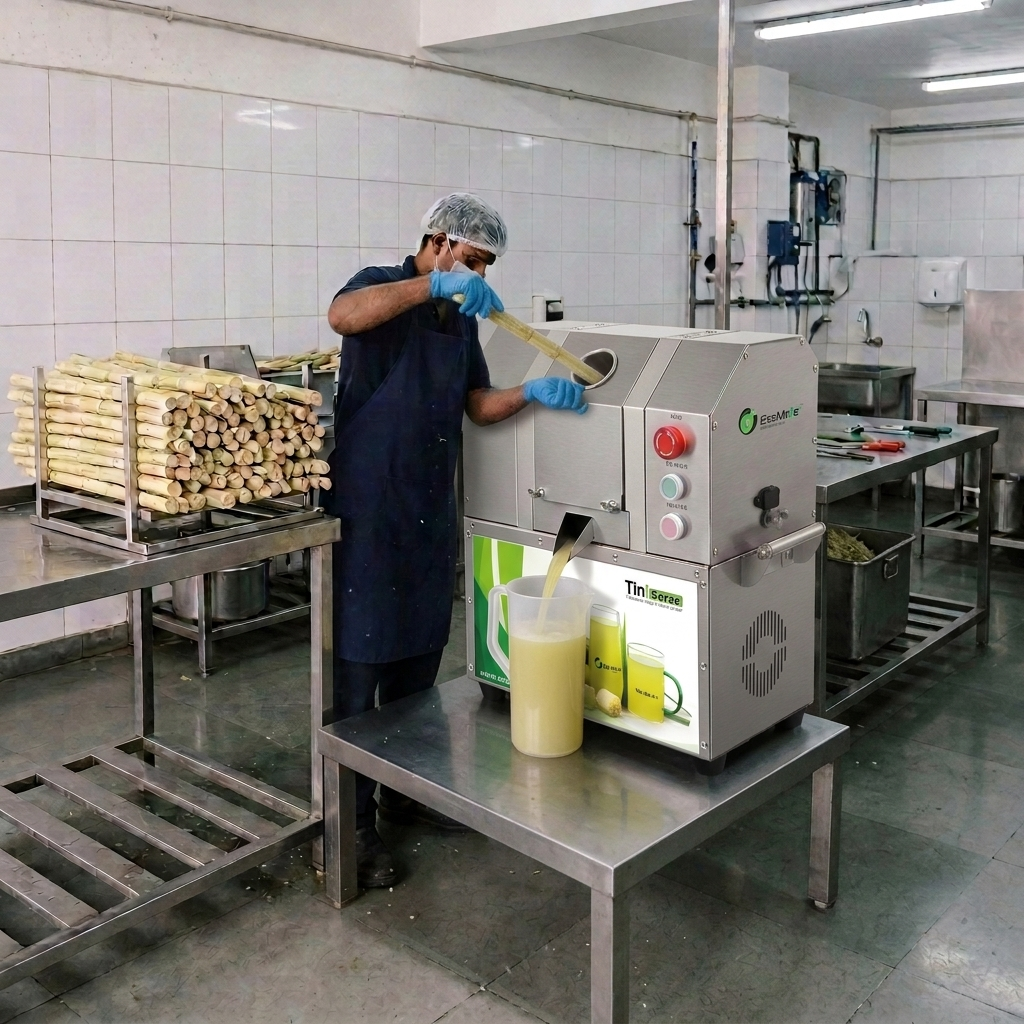
The two equipment categories differ most clearly after the cane is crushed. For fresh juice service, extraction is the central production step. The operator prepares the cane, extracts the liquid, manages residue, keeps food-contact areas clean, and serves or handles the juice according to the business’s food-safety procedures. The commercial objective is a repeatable front-of-house or back-of-house beverage workflow.
For sugar manufacture, extracted cane juice is only an intermediate material. It must be processed to remove or manage impurities and water before a stable sugar or concentrated sugar product can be obtained. This requires control of heat, time, solids concentration, vessel capacity, transfer between stages, and product handling. The operational risk and capital scope are therefore materially different from those of a juice machine.
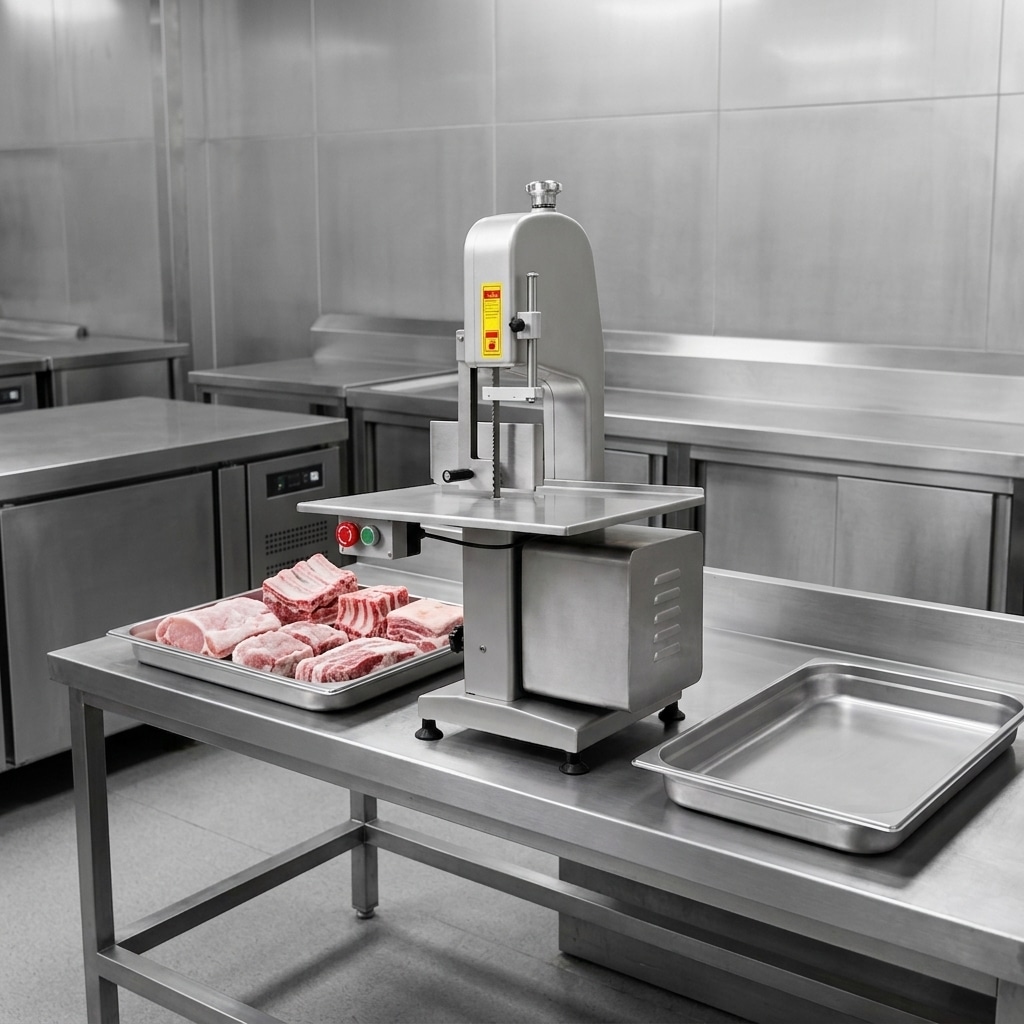
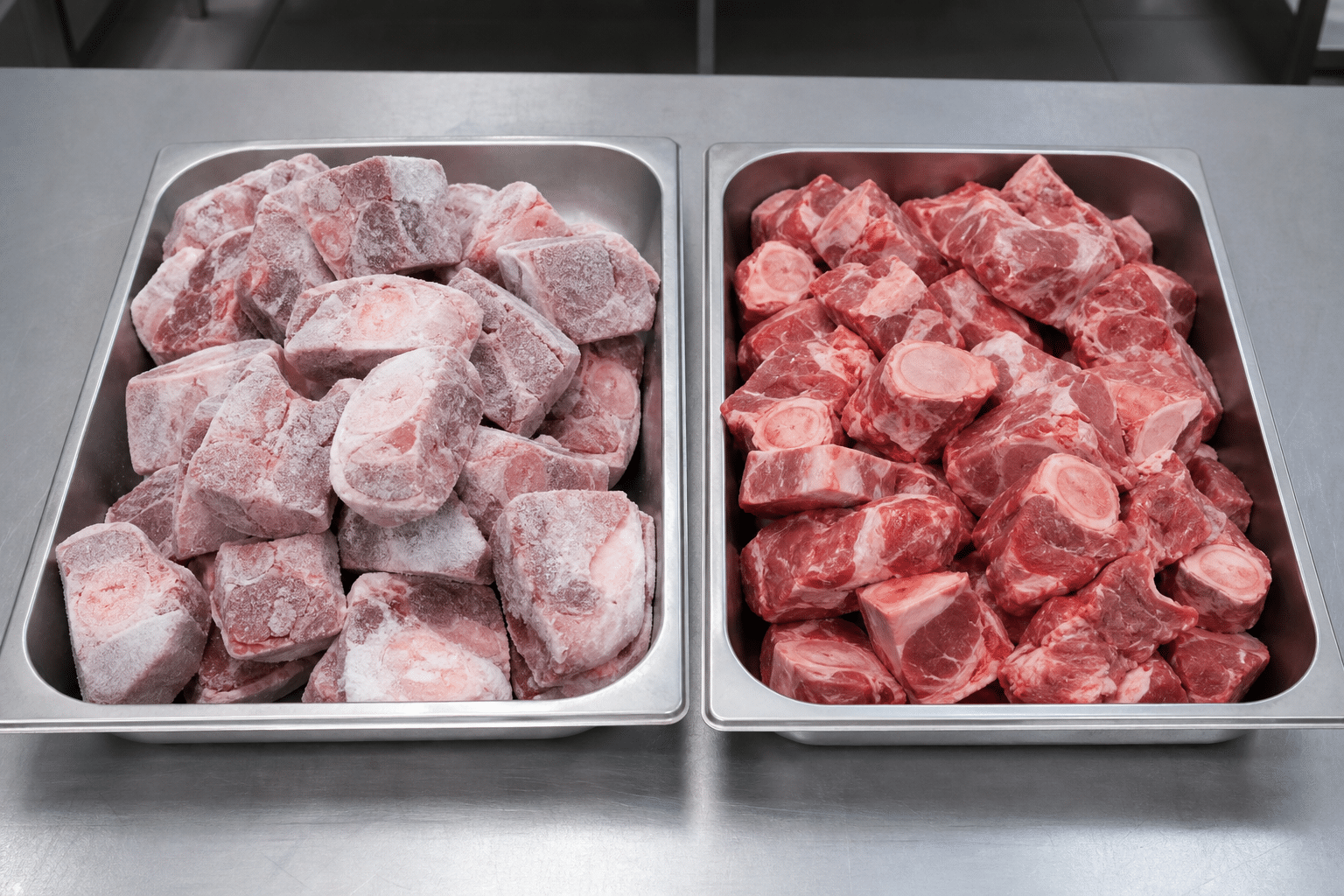
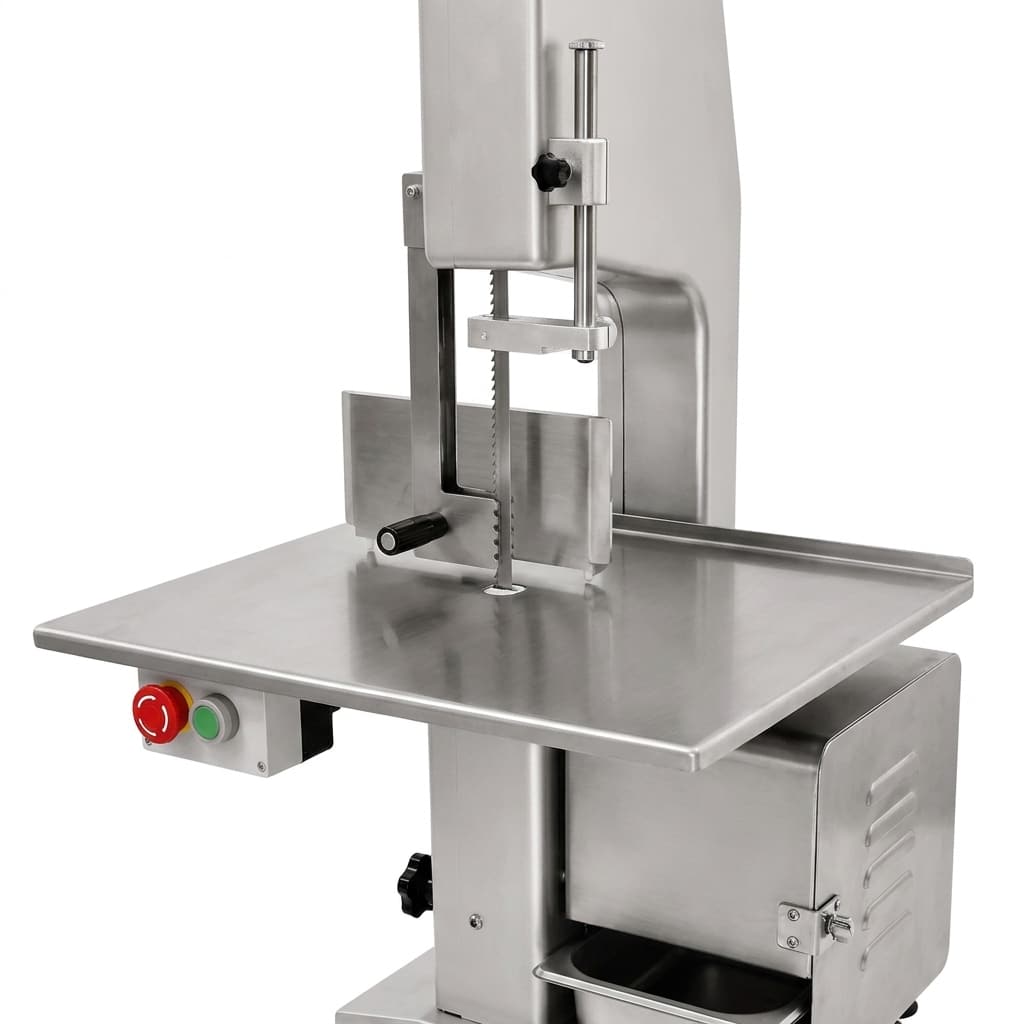
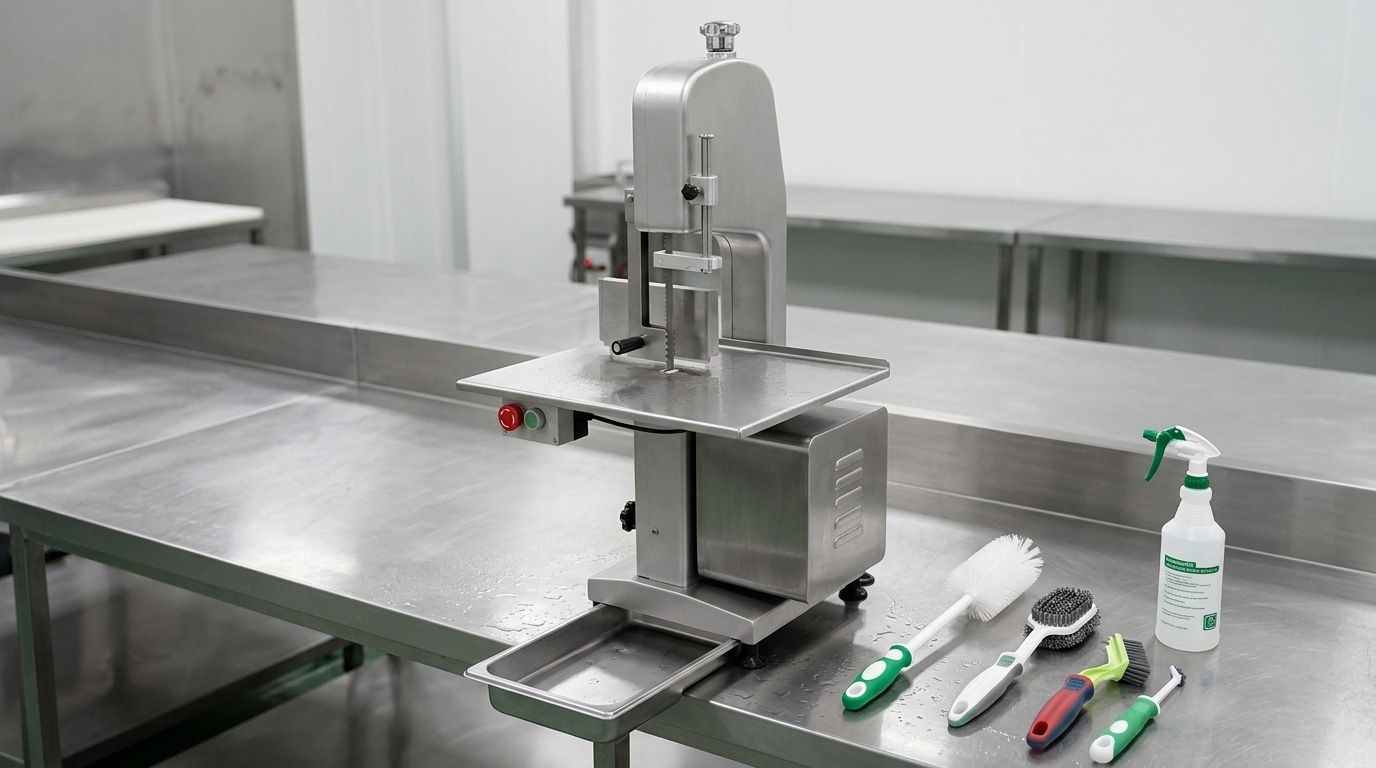
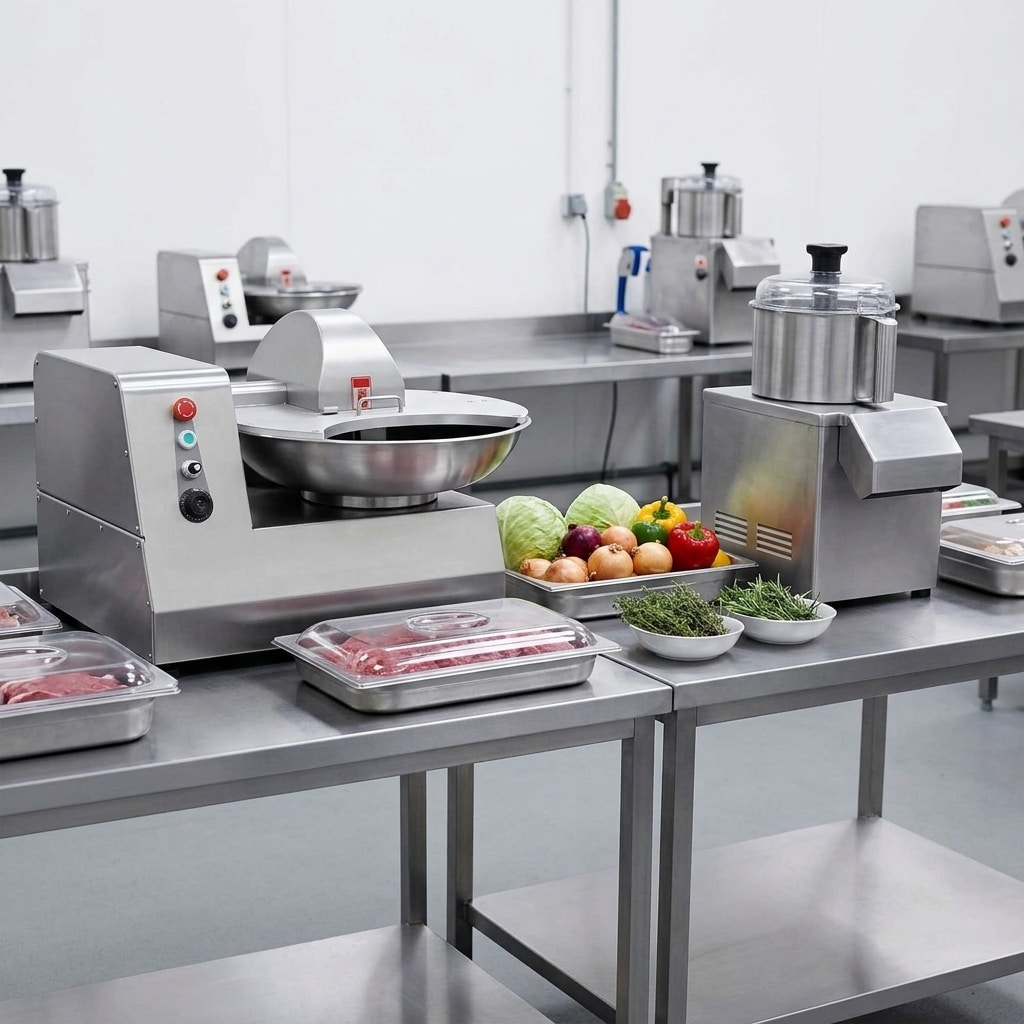
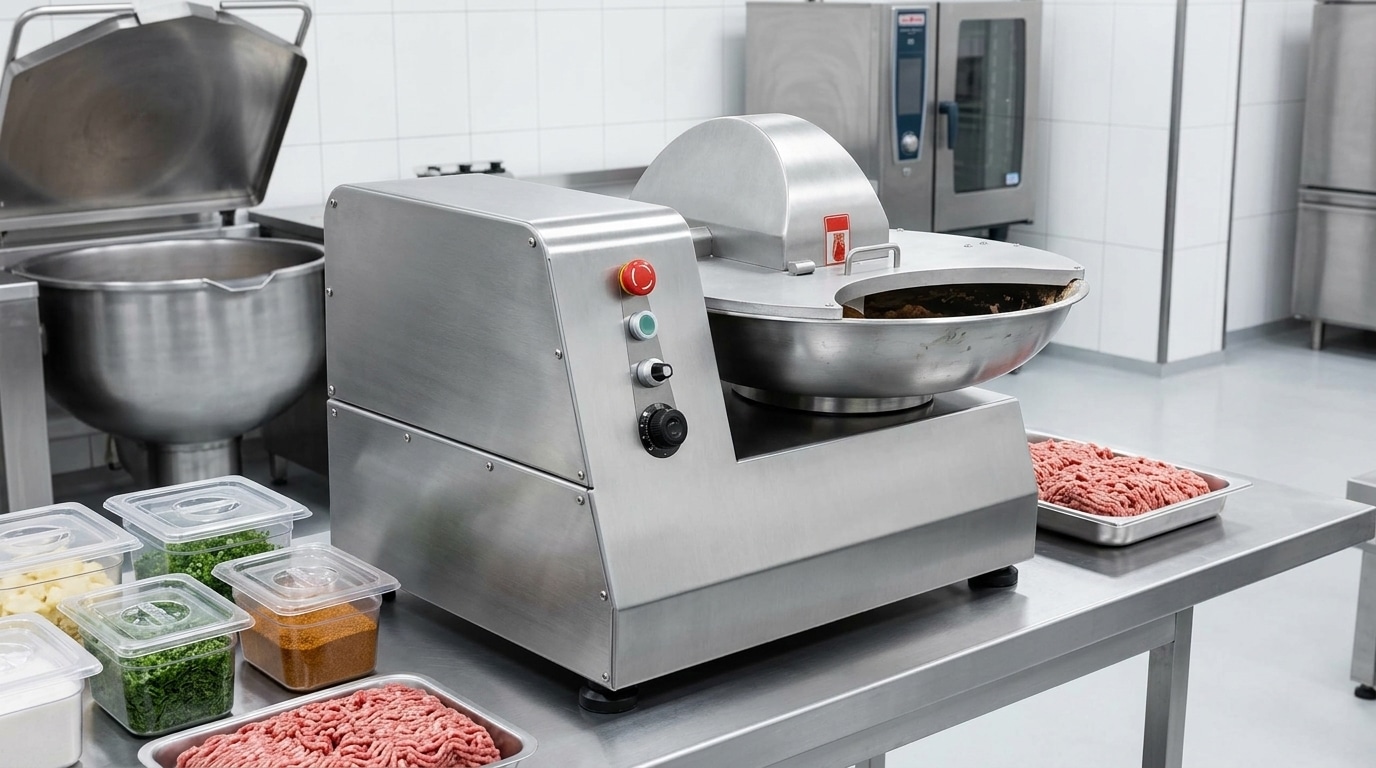
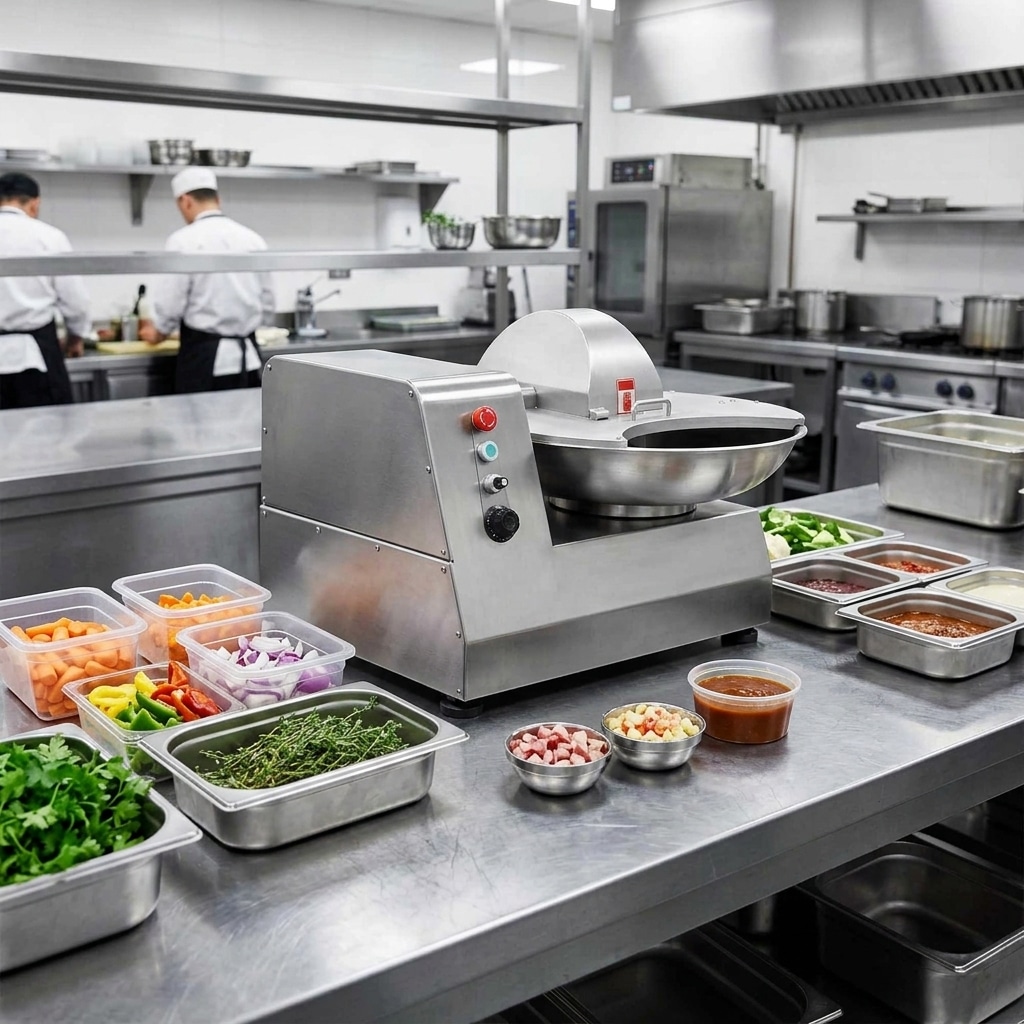
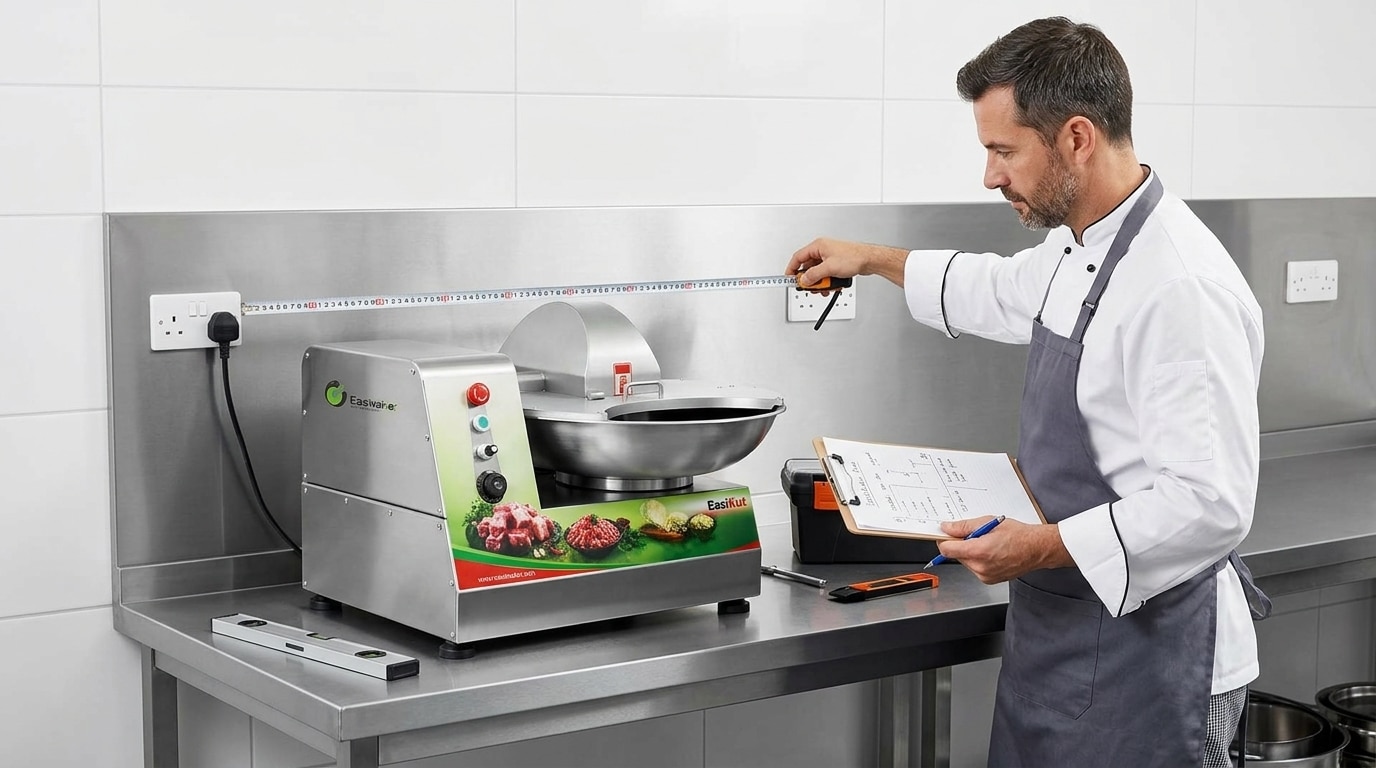
Buyers should also separate sugarcane equipment from equipment used to process other foods. A bowl cutter, for example, is designed for chopping, mixing, mincing, or emulsifying prepared ingredients; it does not replace extraction equipment. Likewise, a meat band saw is designed for controlled cutting of meat or bone-in product, not cane preparation. Selecting equipment by process function avoids expensive workflow mismatches.
In simple terms: if the saleable item is a glass, cup, or prepared bottle of fresh sugarcane juice, start with a commercial sugarcane juicer. If the saleable item is sugar crystals, concentrated syrup, or another shelf-stable cane-derived product, specify a production process first and then identify the individual machines required for that process.
Which Machine Fits Your Business Model?
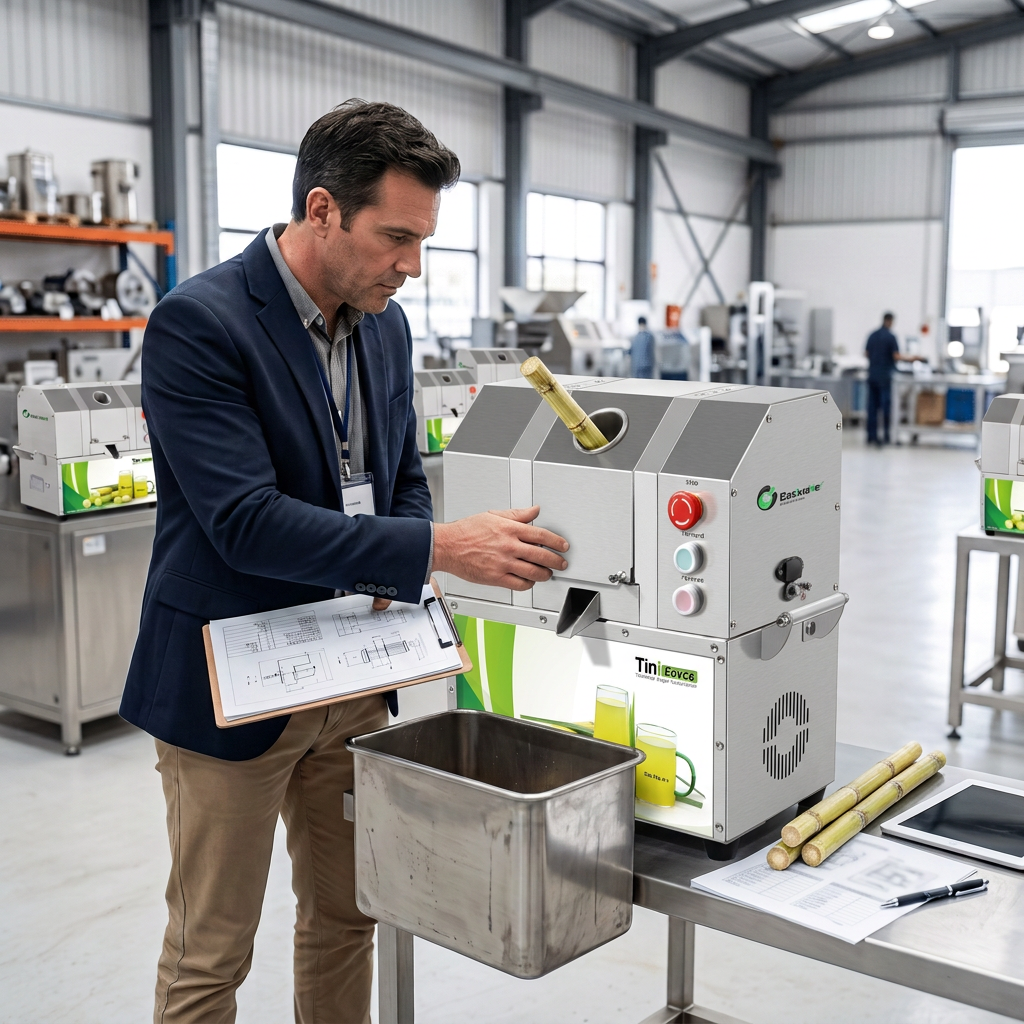
A sugarcane juice machine is usually the better fit for businesses that sell fresh beverages in small or repeated batches. Typical users include juice bars, restaurants, hotels, cafes, mobile beverage operators, food courts, canteens, and distributors supplying commercial beverage equipment. These operators need a machine that can integrate into a practical service routine, with suitable power supply, preparation space, cleaning access, waste collection, and operator training.
A cane sugar production line is more appropriate for agricultural processors, sugar producers, ingredient manufacturers, and businesses developing a cane-derived product that requires cooking, concentration, or crystallisation. Before sourcing machinery, these buyers should establish their raw-cane supply, production method, target product specification, utility availability, local food-processing obligations, wastewater and residue management, packaging method, and technical staffing plan.
There can be an intermediate case: a business may want to extract juice and then make a cooked cane beverage, syrup, or another non-crystallised product. In that case, a juice extractor may be one component of the line, but the buyer must still specify the downstream vessels, filtration, heating controls, transfer process, packaging arrangement, and cleaning procedure. It is not enough to buy a juicer and assume it will cover the full production process.
For distributors and private-label equipment programmes, the product range also matters. Read the OEM sugarcane juicer guide for distributors and brands when assessing market electrical standards, target operator needs, product positioning, documentation, and after-sales planning.
Key Buying Criteria for Commercial Operators
For a commercial sugarcane juice machine, begin with the operating environment instead of a claimed output number. Cane size, cane condition, preparation method, staffing, service peaks, cleaning intervals, operator technique, and local power supply can all affect real-world throughput. A reliable supplier should help relate the machine configuration to the buyer’s own workflow rather than applying one generic capacity figure to every site.
1. Define the final product and sales format
Confirm whether you will sell fresh juice by the cup, chilled juice under a controlled in-house process, or a processed cane product. This decision identifies whether you need an extraction machine only or a wider process line.
2. Check electrical and installation compatibility
Confirm voltage, frequency, plug or connection arrangement, available circuit capacity, location, drainage, bench or floor space, and ventilation where applicable. Do not assume that a machine supplied to one market is immediately suitable for another.
3. Review food-contact construction and cleanability
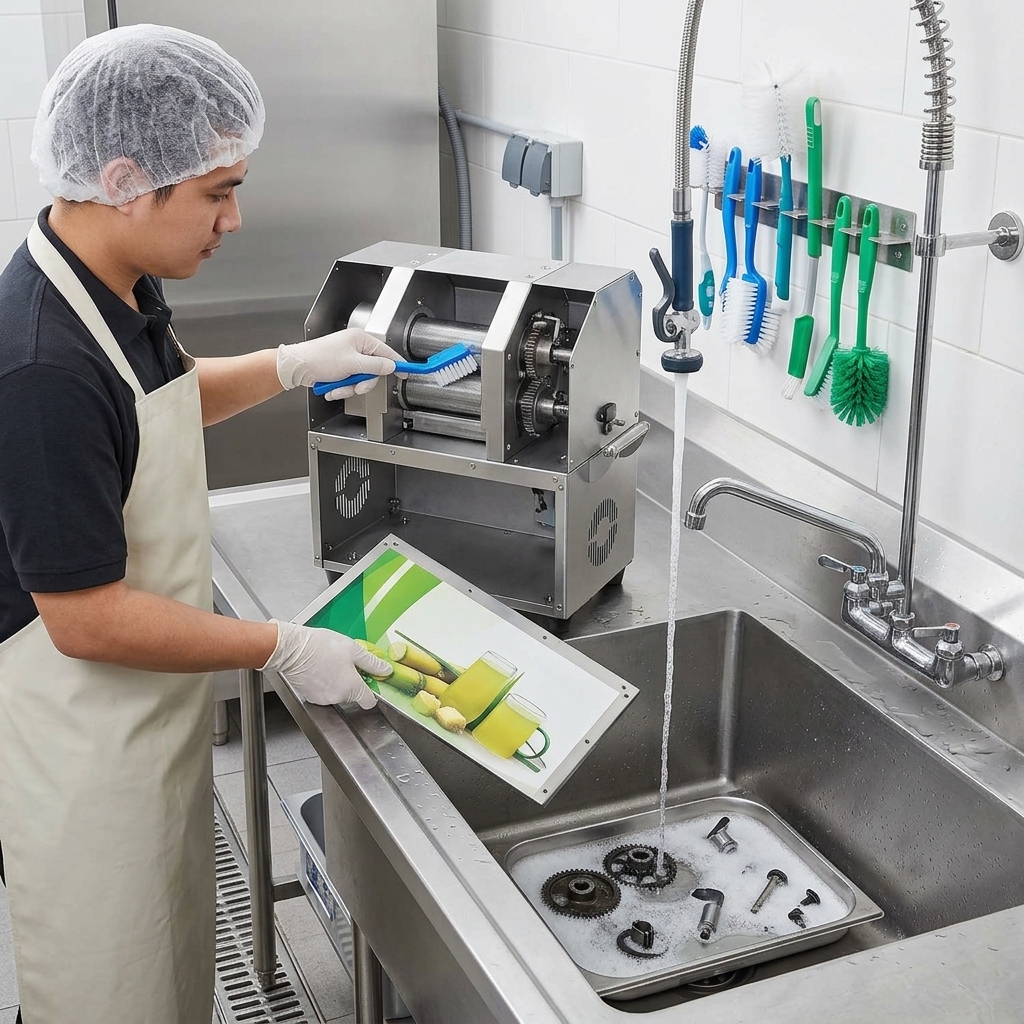
Ask which parts contact juice, cane, and residue; how operators access those areas; which components are removable; and what daily cleaning steps are required. A machine can be mechanically capable but still unsuitable if its cleaning routine does not fit the available labour and operating schedule.
4. Evaluate serviceability and spare-part planning
Daily-use equipment needs a realistic maintenance plan. Ask about wear components, routine inspection points, recommended cleaning materials, manuals, fault support, and spare-part availability. This is particularly important for operators in locations where local technical support is limited.
5. Match the machine to the cane supply
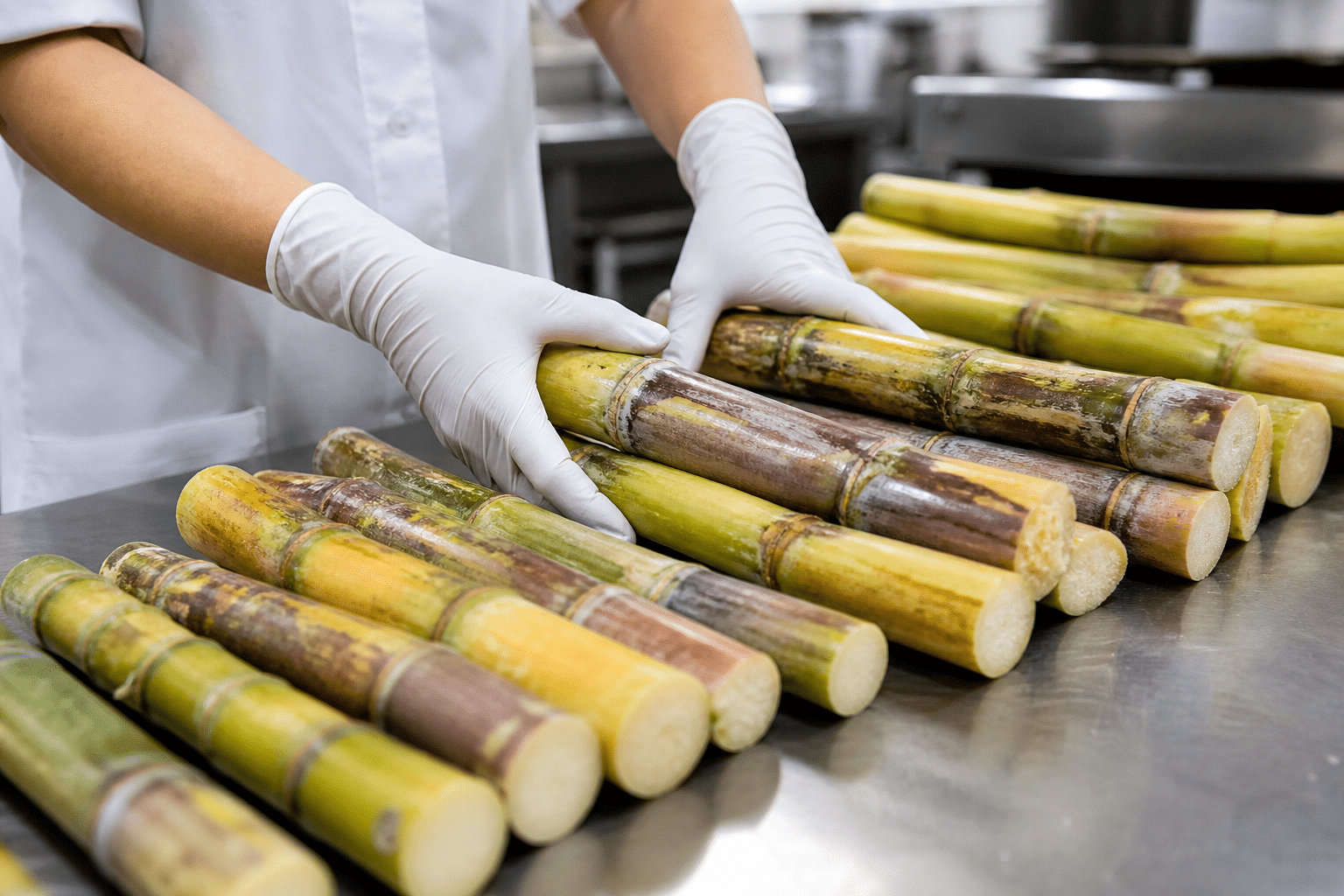
Ask how the supplier expects cane to be washed, trimmed, cut, and fed. Cane varies by variety, diameter, fibre level, storage condition, and preparation. Supply representative cane details whenever possible, and avoid treating a demonstration with one type of cane as a guarantee for all future raw material.
Operation, Cleaning, and Maintenance Considerations
Whether the equipment is a fresh-juice extractor or part of a larger cane-processing line, disciplined operation protects product quality, equipment condition, and service continuity. Operators should follow the supplied manual and site food-safety procedures, including any requirements set by local authorities or the business’s quality system.
For a sugarcane juice machine, establish a routine that covers cane receiving and washing, preparation before feeding, safe machine operation, residue removal, cleaning of food-contact surfaces, drying or reassembly, and inspection before the next shift. Do not allow residue to accumulate because it can make cleaning more difficult and can affect the next service period. Keep the work area organised so that clean tools, raw cane, waste, and finished juice do not interfere with one another.
At scheduled intervals, inspect the machine for unusual noise, loose fasteners, damage to guards, roller or drive wear, and changes in normal operation. The correct interval depends on the model, volume of use, cane condition, and manufacturer guidance. Operators should not make unapproved modifications or attempt repairs beyond their training and authorised maintenance procedures.
For distributors developing a support offer, documentation and spare-parts planning should be decided before launch rather than after the first service issue. The commercial juicer supplier checklist can help turn these requirements into clear pre-purchase questions.
How to Avoid Buying the Wrong Equipment
Equipment confusion usually starts with an incomplete enquiry. A buyer asks for a “cane sugar machine,” while the supplier assumes the buyer wants a fresh juice extractor, a cane crusher, or a full sugar-processing line. The quotation may then look competitive but cover a different process from the one the buyer actually needs.
Use a short written brief before requesting pricing. State the final product, raw material condition, proposed operating hours, desired workflow, installation country, available utilities, space limits, cleaning expectations, operator experience, and support needs. For a processing line, add the required downstream stages and packaging objective. For a fresh-juice application, add the expected service pattern and how juice will be handled after extraction.
Ask suppliers to identify what is included, excluded, optional, and buyer-supplied. Clarify whether preparation tools, filtration, collection containers, heating equipment, installation support, spare parts, training material, and export packing are included. This comparison method is more useful than comparing model names alone.
For an OEM or private-label project, document the target market, branding requirements, electrical version, user profile, manual language, parts strategy, and warranty process early. This makes the technical discussion more precise and helps prevent a product configuration that is difficult to support after launch.
Next Steps for Equipment Buyers
The practical choice is straightforward once the required output is clear. Choose a commercial sugarcane juice machine when your business needs fresh cane juice extraction for beverage service. Specify a cane sugar processing system when your objective is to turn cane juice into a cooked, concentrated, or crystallised product through multiple controlled stages.
Before approving equipment, confirm the machine’s intended use, electrical version, food-contact and cleaning arrangement, installation needs, operating procedure, service support, and spare-part plan. A well-defined technical enquiry gives the supplier the information needed to recommend an appropriate configuration and identify any assumptions that need to be checked.
Easimaker Technology Limited supports commercial buyers seeking practical sugarcane juice equipment and related food-processing machinery. For distributor or branded-equipment projects, review the commercial OEM sugarcane juicer planning guide before defining the machine specification.