
The global shift toward healthier, natural beverages has created a significant market opportunity for fresh sugarcane juice. Unlike processed sodas, fresh cane juice appeals to health-conscious consumers looking for raw, unpasteurized options. For entrepreneurs and distributors, a mobile sugarcane juice cart represents a high-margin, low-overhead entry point into this sector.
However, mobility introduces specific technical challenges that brick-and-mortar operations do not face. Power independence, machine weight, vibration control, and hygiene compliance are critical factors. This guide outlines the essential equipment specifications, power configurations, and operational considerations for deploying a successful mobile sugarcane juice business.
Core Equipment: Selecting the Right Portable Sugarcane Machine
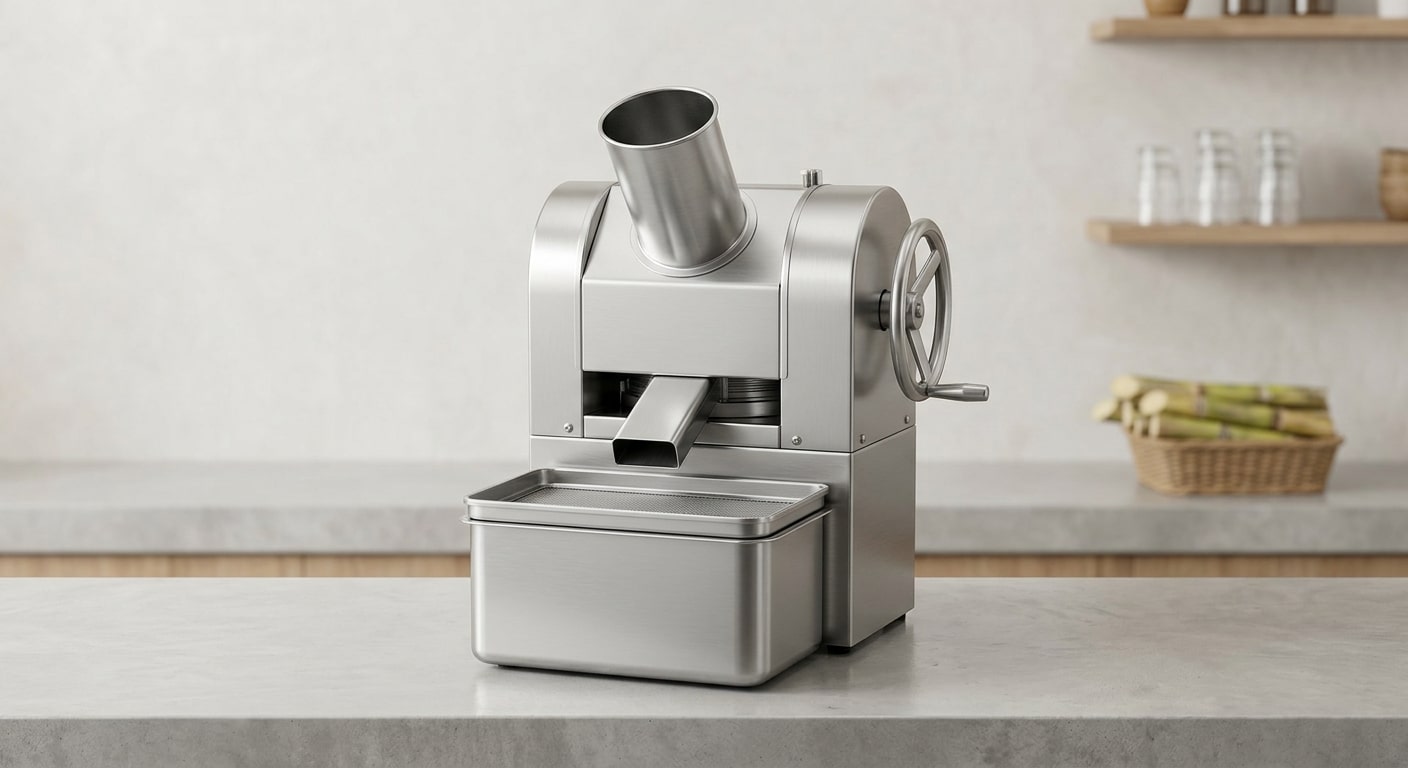
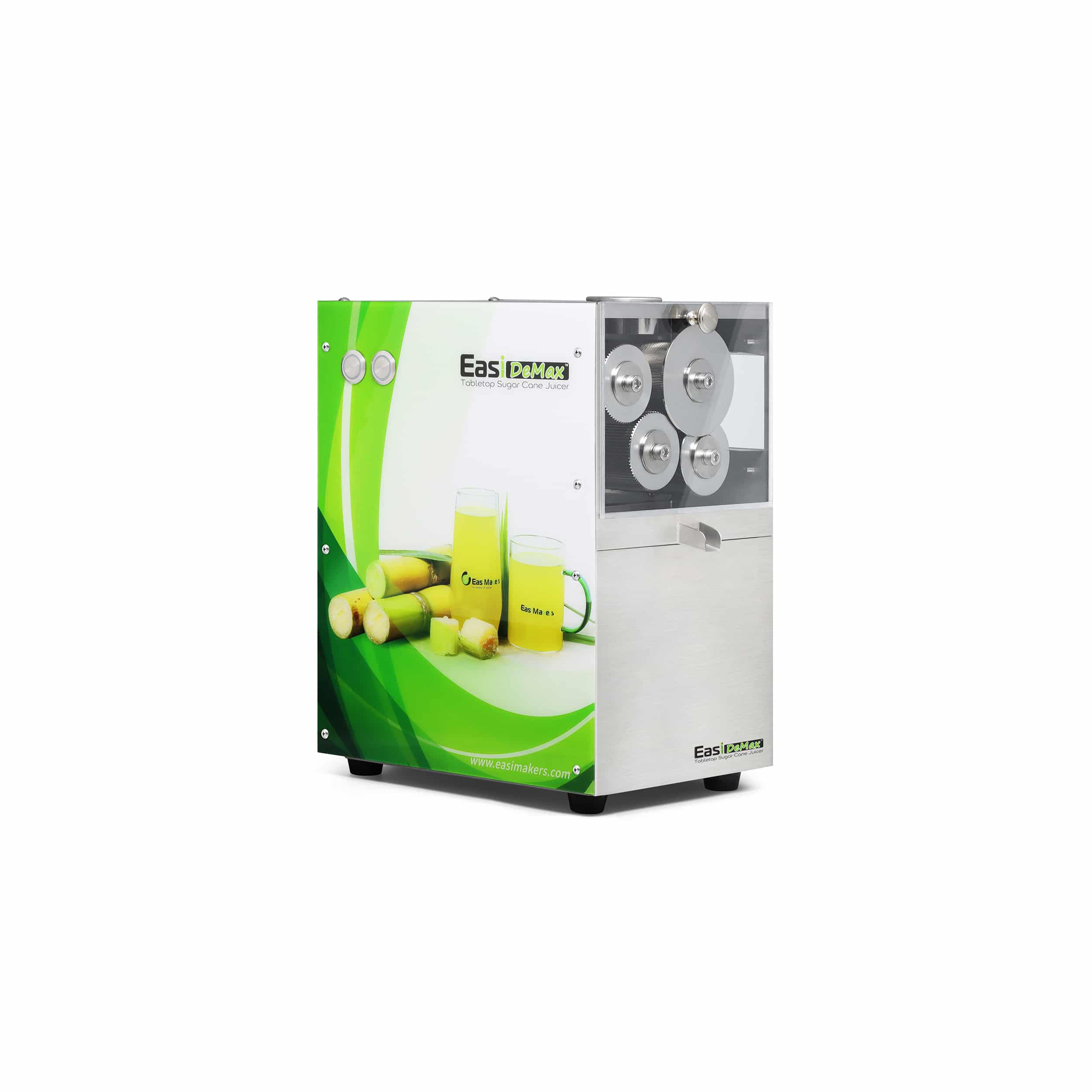
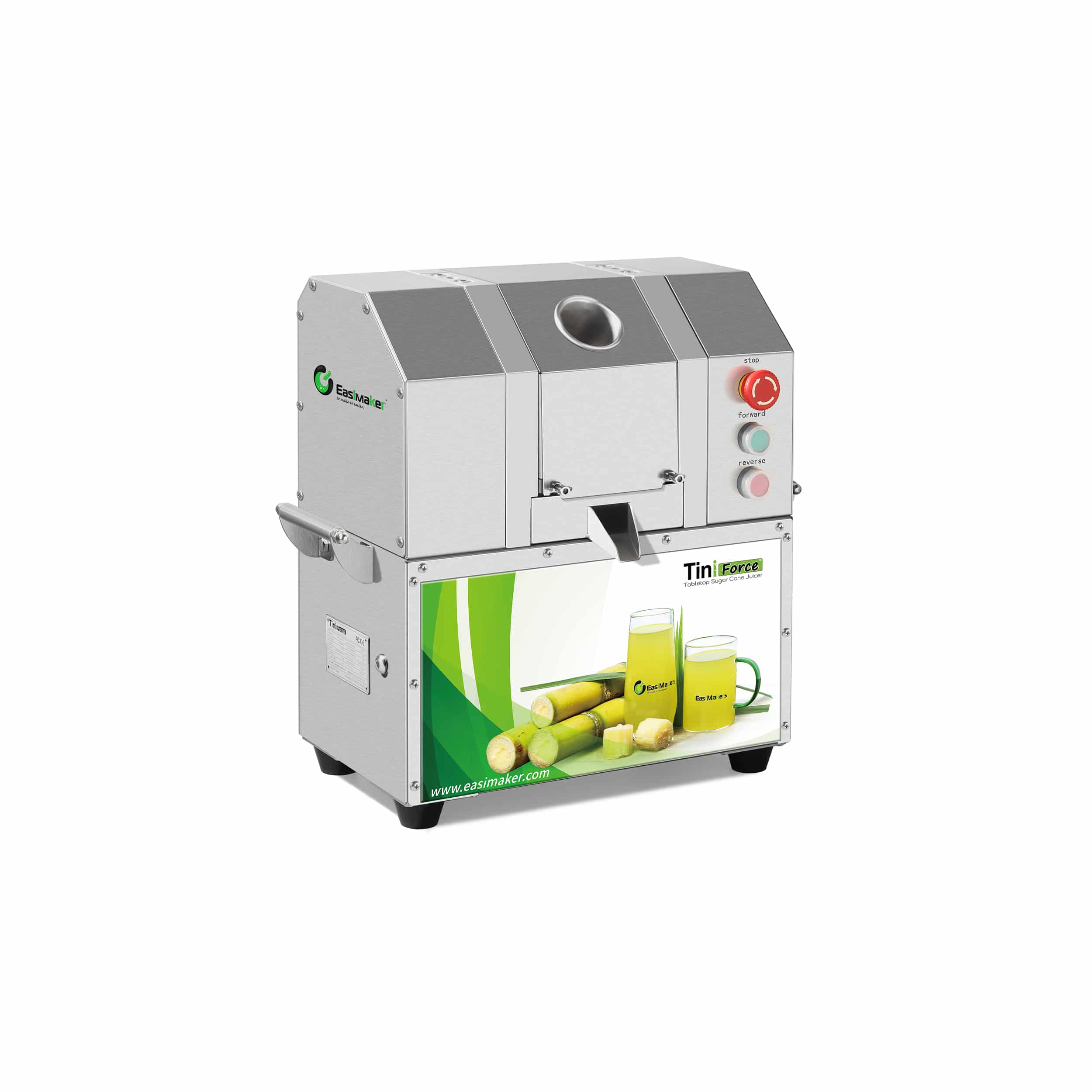
The centerpiece of the operation is the extractor. In a mobile setting, you cannot rely on heavy, belt-driven industrial crushers. You require a compact, direct-drive unit that balances torque with portability.
1. Roller Configuration and Material
Efficiency in a mobile unit is defined by extraction rate—how much juice is extracted in a single pass. Multi-pass crushing slows down service and increases labor.
- 3-Roller vs. 4-Roller Systems: A 3-roller system is the industry standard for compact machines. It typically offers a single-pass extraction rate of 75-80%. A 4-roller system increases extraction slightly but adds weight and complexity. For most mobile carts, a high-quality 3-roller system is the optimal balance.
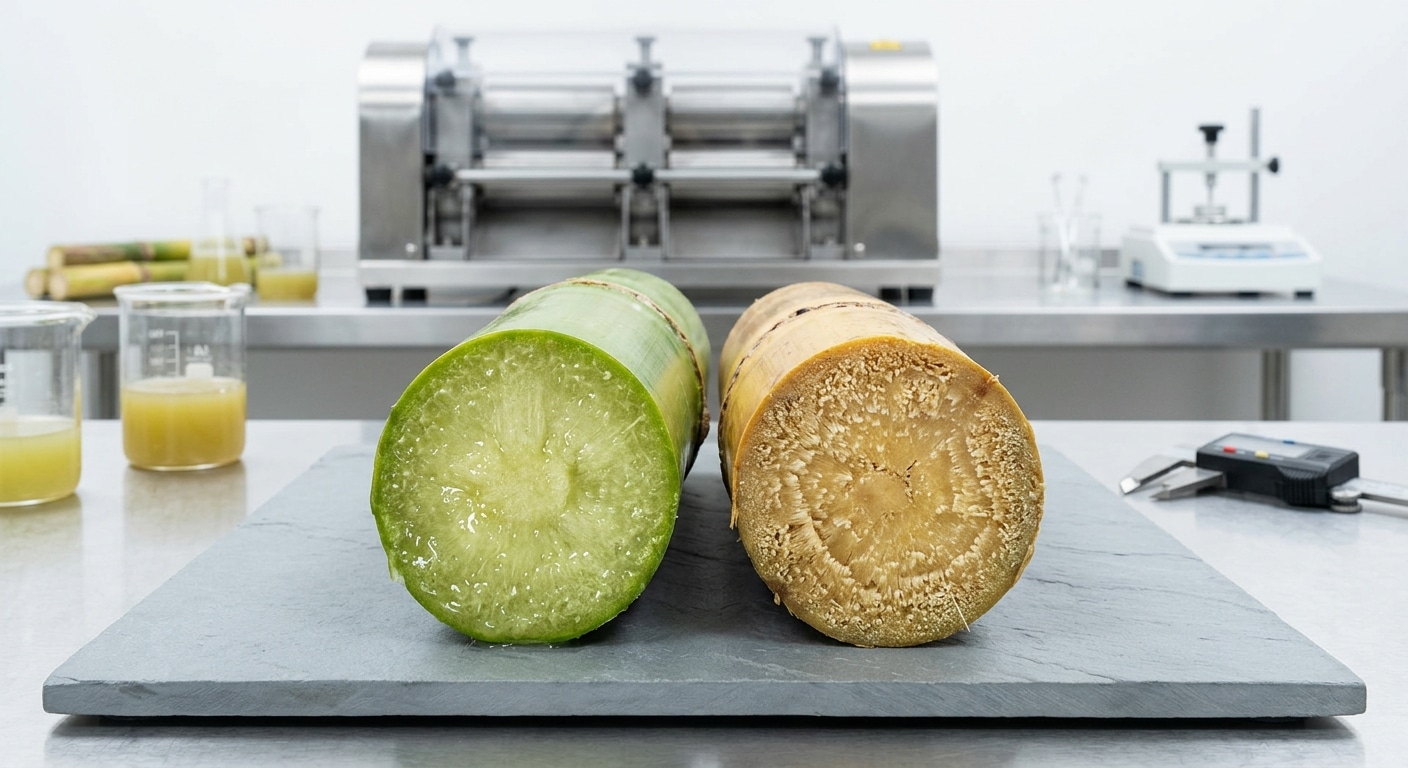
- Material Specification: Rollers must be manufactured from Food Grade Stainless Steel (typically SS304). Avoid galvanized iron or lower-grade steels, which can rust and violate health codes. Solid steel rollers provide better durability than hollow ones, preventing deformation under the high pressure required to crush cane.
2. Safety Protocols
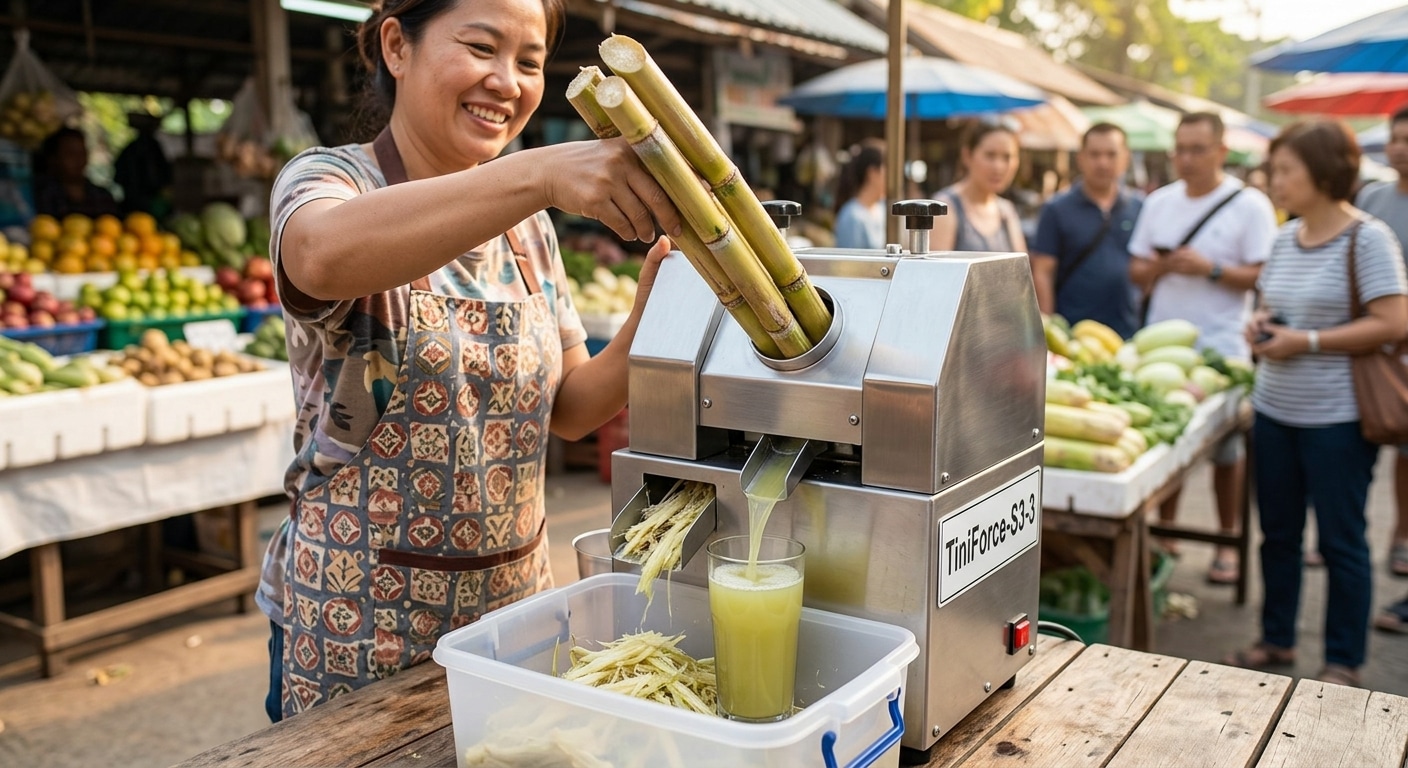
Mobile environments are often crowded. Machines must have emergency stop buttons and, crucially, a narrow feed inlet that prevents operators from accidentally inserting hands or fingers. Look for machines with reverse-switch functionality to easily clear jams without dismantling the unit.
Powering Your Mobile Unit: AC vs. DC vs. Generators
Power availability is the primary constraint for mobile vendors. Your choice of power source dictates your location flexibility.
Battery-Operated (DC) Machines
Modern mobile machines often come with integrated battery systems or compatibility with external deep-cycle batteries.
- Pros: Silent operation (ideal for indoor events, corporate parks, or noise-restricted zones), zero emissions, and complete mobility.
- Cons: Limited runtime (typically 4-6 hours depending on load). Requires disciplined charging routines.
- Technical Requirement: Ensure the machine runs on a 24V or 48V DC motor with sufficient torque. 12V systems often lack the power to crush thick cane stalks without stalling.
Generator-Powered (AC) Setup
Standard AC machines (110V/220V) powered by a portable generator.
- Pros: Unlimited runtime as long as fuel is available. Can power ancillary equipment like blenders or fridges.
- Cons: Noise and exhaust fumes can limit operating locations. Higher ongoing fuel costs and maintenance.
- Recommendation: If using a generator, opt for an inverter generator for cleaner power delivery to protect the machine’s electronic components.
Cart Design and Workflow Optimization
Space is at a premium in a mobile cart. An efficient layout minimizes movement and maximizes throughput.
The “Clean to Dirty” Workflow
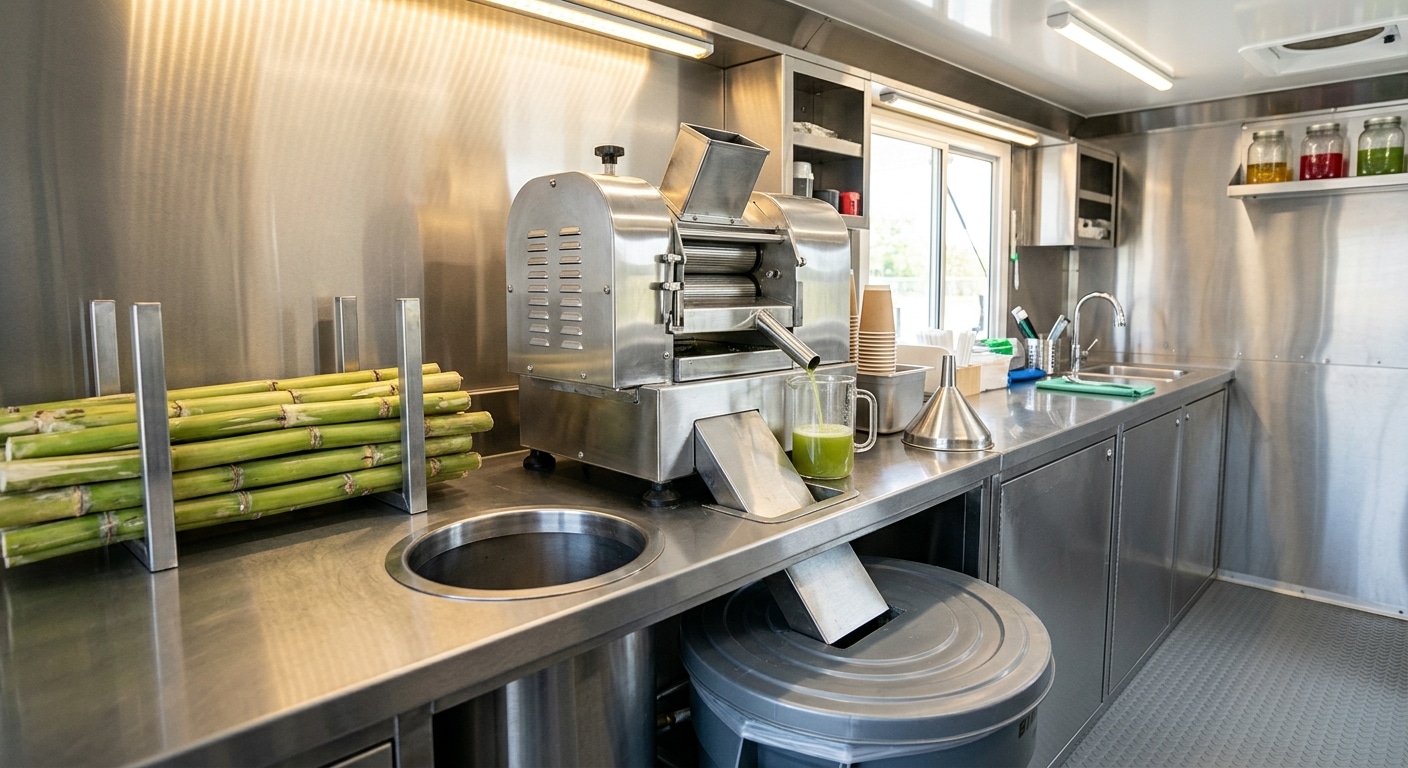
Design the cart layout to follow a linear process to prevent cross-contamination:
- Storage: Raw cane should be stored in a cool, shaded section, ideally vertically to prevent spoilage.
- Washing: A small dedicated sink or spray zone for rinsing cane before crushing.
- Crushing: The machine placement should allow bagasse (waste fiber) to drop directly into a concealed bin below the counter. This keeps the visual frontage clean.
- Filtration & Serving: Juice should pass through a strainer immediately.
- Payment: The transaction area should be separate from the food handling area.
Waste Management (Bagasse)
Sugarcane crushing generates significant volume in waste fiber. A mobile cart must have a high-capacity, concealed waste compartment. If the bagasse bin is too small, the operator will be forced to stop frequently to empty it, disrupting service during peak hours.
Hygiene and Compliance Considerations
Regulatory bodies inspect mobile food units rigorously. Your equipment choice directly impacts compliance.
- Closed-Loop Design: Choose machines with enclosed crushing areas. Exposed rollers attract flies and dust, which is a major red flag for health inspectors.
- Cleanability: The juice extraction box should be detachable or easily accessible for daily washing. Fermented sugar residue builds up quickly and ruins the taste of fresh juice.
- Glass/Plexiglass Guards: Ensure the cart has a sneeze guard separating the customer from the preparation area.
Buying Guide: Sourcing and Manufacturing
When procuring equipment for a fleet of carts or a single startup unit, consider the following supply chain factors.
Spare Parts Availability
Sugarcane machines operate under high mechanical stress. Bearings, gears, and chains are wear components. Ensure your supplier provides a comprehensive spare parts kit and has a documented supply chain for replacements. A machine that cannot be repaired is a sunk cost.
Customization and Branding
For B2B buyers distributing these carts, the ability to apply custom vinyl wraps or laser-cut logos is essential. Check if the manufacturer offers “white label” manufacturing or ready-to-brand surfaces.
Warranty and Support
Verify the warranty terms. Does it cover the motor and gearbox? For battery-operated units, what is the warranty on the battery cells? Standard industrial warranties should cover the motor for at least 12 months.
Frequently Asked Questions
What is the typical juice yield per kilogram of sugarcane?
On a high-efficiency 3-roller machine, you can expect a yield of roughly 600ml to 750ml of juice per 1kg of sugarcane, depending on the cane variety and freshness.
Can a mobile machine handle frozen sugarcane?
No. Sugarcane must be thawed before crushing. Crushing frozen cane can damage the rollers, bearings, and gearbox due to the extreme hardness.
How often does the machine need greasing?
Chain drives and exposed gears typically require food-grade grease weekly. Sealed gearboxes usually require oil changes every 6-12 months, depending on usage intensity.
Is a cooling system necessary for the cart?
While not mandatory for the machine itself, serving cold juice is a market standard. If the machine does not have an integrated cooling system (which is heavy and power-hungry), you must allocate space for an insulated ice bin or a portable DC-powered refrigeration unit.
Next Steps
Launching a mobile sugarcane juice business requires balancing portability with industrial-grade durability. Whether you are outfitting a single food truck or procuring a fleet of carts for a franchise, selecting the right machinery is the first step toward operational success.
Ready to configure your mobile setup? Contact us today to discuss machine specifications, power options, and custom cart designs tailored to your market needs.