
Elevating Hygiene Standards in Commercial Juice Bars
In the competitive world of beverage service, the quality of your product is inextricably linked to the cleanliness of your equipment. For operators of commercial sugarcane juicers, hygiene is not merely a regulatory checkbox; it is the foundation of customer trust, operational efficiency, and the longevity of your machinery. Sugarcane juice is unique among fresh beverages due to its high sucrose content and low acidity, creating a biological environment that demands rigorous sanitation protocols.
Unlike acidic citrus juices that naturally inhibit some bacterial growth, sugarcane juice is pH-neutral and rich in nutrients, making it an ideal medium for fermentation and microbial activity if equipment is left uncleaned even for short periods. For B2B buyers, juice bar owners, and operations managers, understanding how to clean a sugarcane juicer effectively is as critical as selecting the right machine in the first place.
This comprehensive guide explores the technical and practical aspects of sugarcane juicer hygiene. We will cover the material science of 304 stainless steel, the operational benefits of removable rollers, and provide a detailed 10-step cleaning checklist designed to standardize your sanitation procedures.
The Science of Sugarcane Residue and Food Safety
To implement an effective cleaning strategy, one must first understand the nature of the residue being removed. Sugarcane stalks contain fibrous bagasse and a sticky, sugar-rich juice. When this juice dries, it forms a hard, varnish-like coating on rollers and internal components. This residue does more than just look unsightly; it creates a biofilm—a protective layer for bacteria that is resistant to simple rinsing.
Why Sugar Residue is a Risk
- Rapid Fermentation: Yeast and bacteria can begin fermenting sugarcane residue within hours, leading to off-flavors that can ruin a fresh batch of juice.
- Pest Attraction: The intense sweetness of the residue is a beacon for ants, fruit flies, and other pests that compromise food safety.
- Mechanical Strain: Buildup on rollers and bearings increases friction, forcing the motor to work harder and potentially shortening the lifespan of your equipment.
Effective cleaning disrupts this cycle, ensuring that every glass served is fresh, safe, and reflective of your brand’s quality standards.
Materials Matter: Cleaning 304 Stainless Steel
Most high-quality commercial sugarcane juicers are constructed from food-grade 304 stainless steel. This material is chosen for its corrosion resistance and non-porous surface, which prevents bacteria from harboring in microscopic crevices. However, stainless steel requires specific care to maintain its passive protective layer.
The Chemistry of Cleaning Stainless Steel
The “stainless” property comes from a thin layer of chromium oxide that forms on the surface. Harsh chemicals, particularly those containing chlorides (like bleach), can strip this layer, leading to pitting and corrosion. Once pitting occurs, the surface becomes rough, making it harder to clean and easier for bacteria to colonize.
Recommended Cleaning Agents:
- Mild Detergents: pH-neutral dish soaps that cut grease and sugar without attacking the metal.
- Quaternary Ammonium Compounds (Quats): Often used in food service for sanitizing without the corrosive effects of chlorine.
- Warm Water: Essential for dissolving crystallized sugar.
Agents to Avoid:
- Bleach/Chlorine: Causes pitting and stress corrosion cracking.
- Steel Wool/Abrasive Pads: Scratches the surface, creating hiding spots for pathogens.
- Hydrochloric Acid: Highly corrosive to stainless steel.
Daily vs. Deep Cleaning: Establishing a Protocol
A robust sanitation plan involves two layers of activity: the continuous “clean-as-you-go” approach during the shift, and the intensive “deep clean” at the end of the day. Neglecting either can lead to accumulation that is difficult to reverse.
The “Shift” Clean (Every 4 Hours)
Food safety standards in many jurisdictions recommend cleaning food-contact surfaces every 4 hours at room temperature. For a busy juice bar, this doesn’t mean a full disassembly, but rather a strategic flush.
- Water Flush: Run clean, warm water through the machine while it is running (if permitted by the manual) to flush out loose bagasse and liquid juice.
- External Wipe: Use a sanitized cloth to wipe down the feeding chute and the juice tap.
- Waste Removal: Empty the bagasse bin to prevent overflow and pest attraction.
The “End of Day” Deep Clean
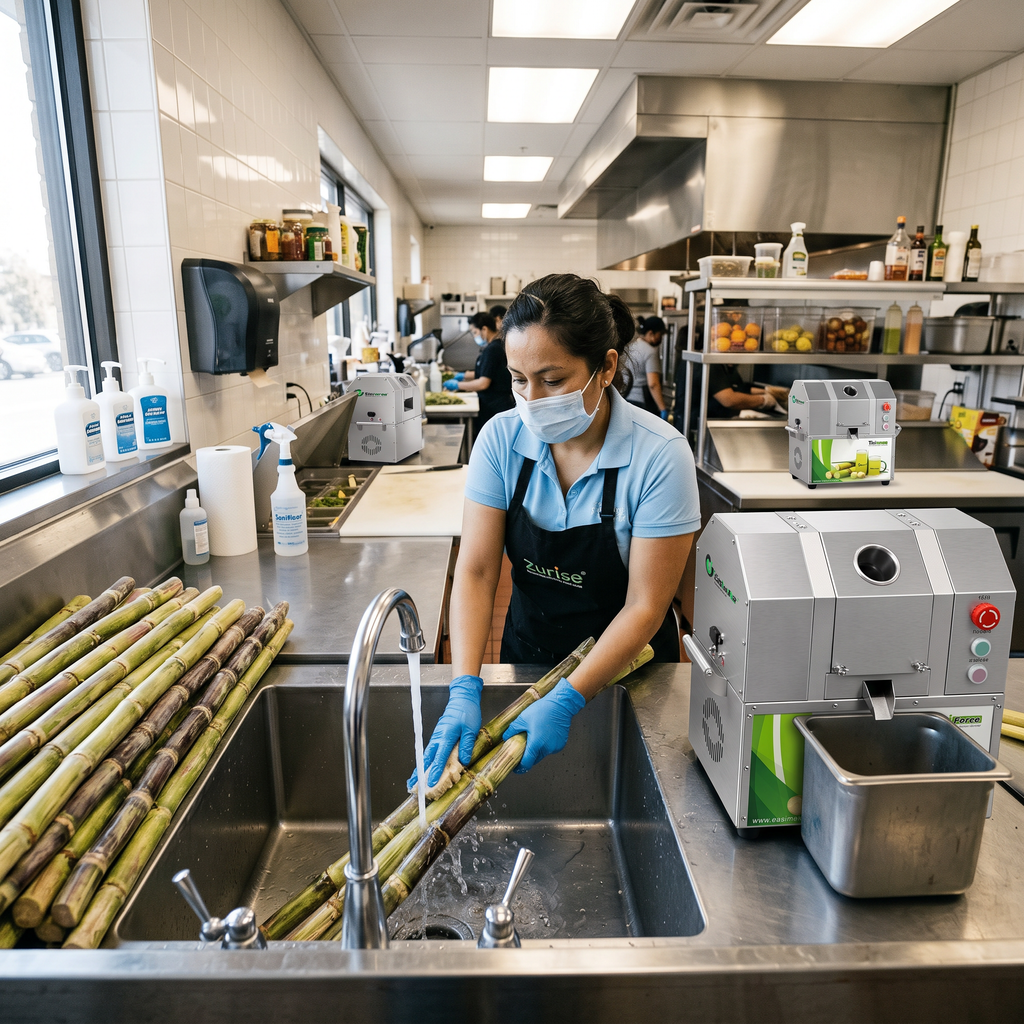
This is the non-negotiable ritual that preserves your machine. The goal is to remove every trace of organic matter. Machines with removable rollers significantly reduce the labor involved in this step, allowing operators to soak and scrub parts in a sink rather than reaching into a confined cabinet.
The 10-Step Deep Cleaning Checklist
Use this checklist to train staff and ensure consistency. Print it out and laminate it for your wash station.
Preparation
1. Electrical Lockout: Always turn off the machine and unplug it from the power source. Safety is paramount; never clean a machine that is energized.
2. Disassemble External Parts: Remove the feeding chute, the transparent viewing windows, and the juice collection tray. Place these in a sink filled with warm, soapy water.
Roller & Cabinet Cleaning
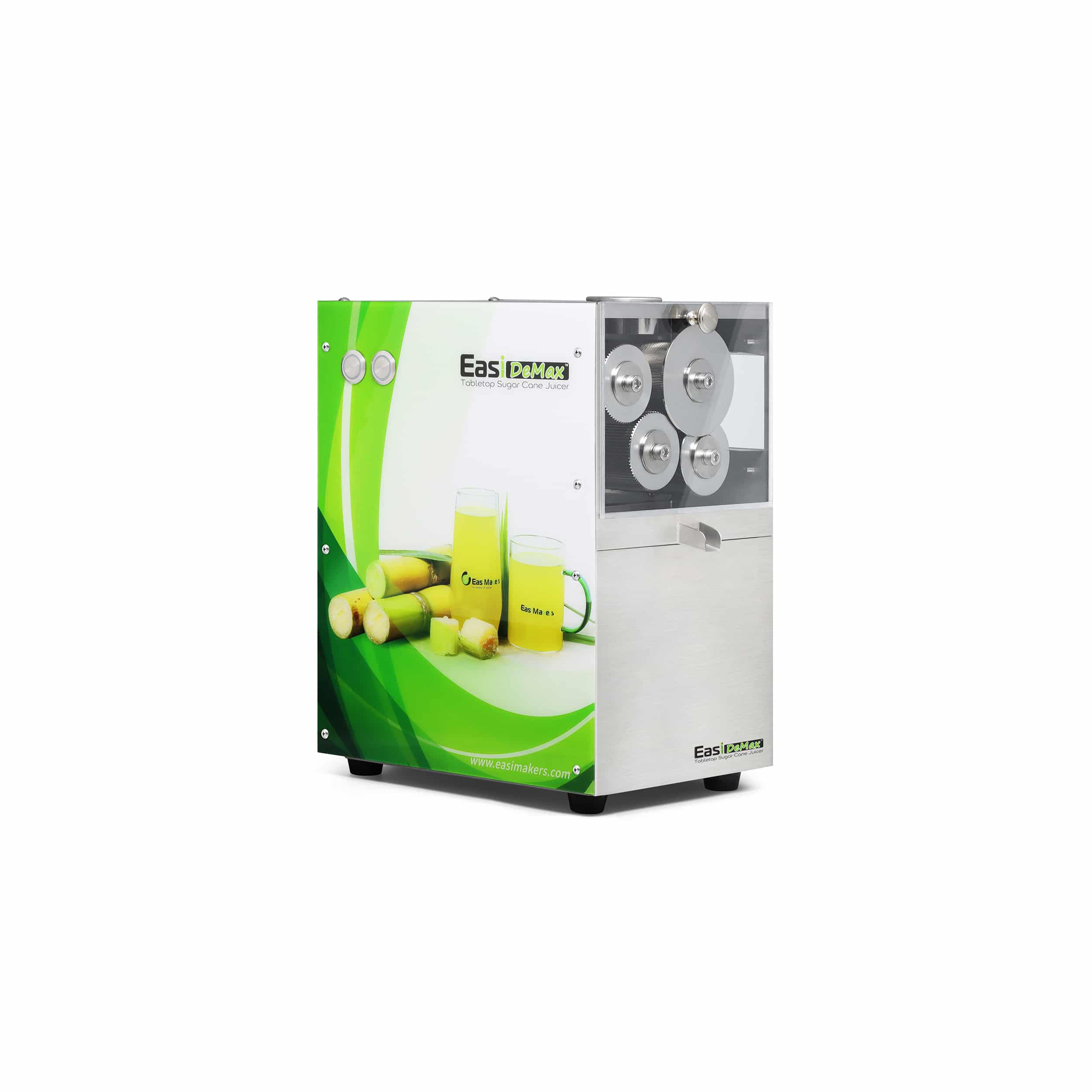
3. Remove Rollers (If Applicable): If your model supports it, unlock and remove the stainless steel rollers. This is the most critical step for thorough hygiene. If rollers are fixed, prepare to clean them in place using specialized long-handled brushes.
4. Soak Components: Let the removed rollers, trays, and chutes soak for 10–15 minutes to soften dried sugar. This reduces the scrubbing effort required and prevents scratching.
5. Scrub the Teeth: Sugarcane rollers have knurled or grooved teeth to grip the cane. These grooves are prime locations for residue buildup. Use a stiff nylon brush (not metal) to scrub parallel to the grooves, ensuring all fiber is removed.
6. Clean the Juice Compartment: While parts are soaking, wipe down the internal cabinet where the juice flows. Pay special attention to the corners and the area around the bearing seals. Use a food-safe degreaser if necessary.
Sanitization & Reassembly
7. Rinse Thoroughly: Rinse all soapy components with clean, hot water. Detergent residue can affect the taste of the juice just as much as sugar residue.
8. Apply Sanitizer: Spray all food-contact surfaces with a food-grade sanitizer (e.g., a no-rinse sanitizer approved by local health codes). Allow it to sit for the recommended contact time (usually 1–2 minutes).
9. Air Dry: Allow parts to air dry on a clean rack. Towel drying can reintroduce bacteria. Moisture trapped inside a reassembled machine can lead to mold growth overnight.
10. Reassemble and Test: Once dry, reassemble the machine. Ensure all seals and gaskets are seated correctly to prevent leaks. Briefly plug in and run the machine for 10 seconds to ensure smooth operation before the next shift.
The Advantage of Removable Rollers
From an operational standpoint, the ability to remove rollers is a game-changer for hygiene. In fixed-roller systems, the operator must reach into the machine, often blindly scrubbing the underside of the rollers. This “blind cleaning” rarely achieves 100% sanitation.
Removable systems allow for:
- Visual Inspection: You can hold the roller up to the light to ensure every groove is clean.
- Soaking: Stubborn, dried residue can be submerged, which is impossible with fixed rollers.
- Bearing Protection: Cleaning removable rollers away from the motor reduces the risk of water entering the motor housing or bearings during the washdown process.
For detailed specifications on machines with these features, consult our Datasheets & Manuals.
Maintenance During Cleaning: What to Look For
Cleaning time is also inspection time. As your staff handles the components, they should be trained to look for signs of wear. Early detection of issues prevents costly downtime.
- Seals and Gaskets: Check for cracks or brittleness. A compromised seal allows juice to leak into the mechanical compartment, causing sticky messes inside the motor housing and potential electrical faults.
- Roller Teeth: Inspect for dullness. While stainless steel is durable, processing tons of hard cane eventually wears down the knurling, reducing extraction efficiency.
- Noise Levels: If the machine makes grinding noises during the brief test run, it may indicate bearing wear or misalignment.
If you identify worn parts, refer to our Maintenance & Support resources to order replacements promptly.
Common Cleaning Mistakes to Avoid
Even with good intentions, improper cleaning techniques can damage your investment.
1. Using High-Pressure Hoses
Blasting a commercial juicer with a high-pressure hose (like a Karcher) is dangerous. It can force water past seals and into the gearbox or motor, leading to catastrophic electrical failure. Always use low-pressure water or a damp cloth for the machine body.
2. Ignoring the Waste Bin
The bagasse bin is often an afterthought. However, bagasse ferments rapidly and generates heat. If the bin is not cleaned and sanitized daily, it becomes a breeding ground for fruit flies that will eventually migrate into the juicer itself.
3. Overlooking the Anti-Splash Guard
Many machines have a small plastic or metal guard to prevent juice from spraying. This part is small and easily lost or forgotten during cleaning, but it collects significant residue. Ensure it is included in the soaking rotation.
Training Your Staff for Hygiene Compliance
The best equipment is only as effective as the operator. For B2B owners managing multiple locations, standardizing the cleaning process is vital.
- Create a Logbook: Require staff to sign off on the cleaning checklist at the end of every shift. This creates accountability.
- Visual Aids: Post photos of “Clean” vs. “Dirty” rollers near the wash station.
- Supply the Right Tools: Ensure your team always has access to the correct brushes and sanitizer. If they have to search for tools, steps will be skipped.
Frequently Asked Questions (FAQs)
How often should I deep clean my sugarcane juicer?
You must deep clean the machine at the end of every operational day. Sugarcane juice residue ferments quickly; leaving it overnight can cause bacterial growth and difficult-to-remove buildup.
Can I put the rollers in a dishwasher?
This depends on the specific model and the material of the bearings inside the rollers. While 304 stainless steel is dishwasher safe, the heat and harsh detergents might damage internal lubricants or seals. Always check the user manual or our datasheets before using a dishwasher.
What should I do if the machine smells sour even after cleaning?
A sour smell indicates trapped organic matter. It is likely hidden behind a seal, under a gasket, or in a juice channel that wasn’t scrubbed. Disassemble the machine as much as possible, inspect gaskets, and perform a deep soak with a sanitizer solution.
Is vinegar a good cleaner for sugarcane machines?
Vinegar is a mild acid and can be used for descaling, but it is not a registered sanitizer for killing pathogens. For commercial food safety, use an EPA-approved food-contact sanitizer after cleaning with detergent.
Does the warranty cover damage from water ingress?
Typically, warranties cover manufacturing defects, not damage caused by improper cleaning (like hosing down the motor). It is crucial to follow the cleaning guidelines to preserve your warranty coverage. For more details, visit our Warranty page.
How do I remove sticky residue that has hardened?
Do not scrape it with a knife, as this scratches the steel. Soak the part in very hot water for 20–30 minutes to dissolve the sugars, then scrub with a stiff nylon brush.
Conclusion: Hygiene as a Competitive Advantage
A spotless sugarcane juicer does more than satisfy health inspectors; it produces a brighter, fresher-tasting juice that keeps customers coming back. By investing time in proper maintenance and utilizing machines designed for easy cleaning, you protect your customers and your bottom line.
For juice bar operators looking to upgrade to equipment that prioritizes hygiene and ease of use, or if you need specific advice on maintaining your current fleet, we are here to help.
Ready to elevate your juice business? Request a quote or contact our support team today for expert guidance on the best sanitary juicing solutions.