Introduction: Experiential Marketing for Juice Bars
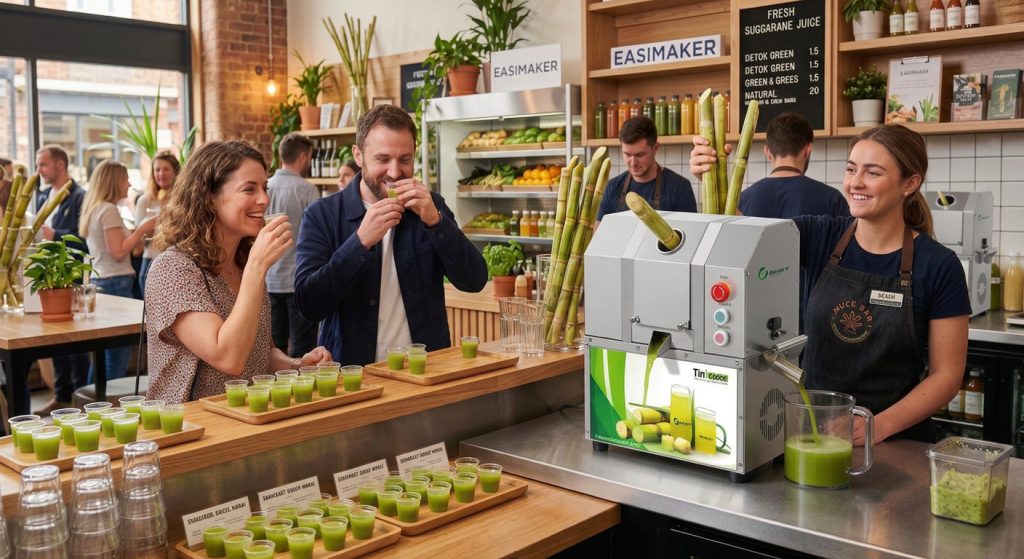
For brick-and-mortar juice shop owners, driving consistent foot traffic and building local loyalty requires more than just a great menu. In a competitive beverage market, experiential marketing—specifically a well-executed juice tasting event—can significantly boost customer engagement and accelerate sales. By allowing potential customers to sample fresh, high-margin products like sugarcane juice, operators can lower the barrier to trial, showcase ingredient quality, and establish their brand as a local authority in fresh beverages.
This comprehensive guide outlines a step-by-step approach to planning, promoting, and executing a fresh juice sampling event designed to maximize local business promotion and deliver a measurable return on investment (ROI).
Step 1: Define Your Event Objectives and Audience
Before selecting flavors or printing flyers, establish clear operational goals for your tasting event. Are you trying to increase weekend foot traffic, launch a new seasonal menu, or secure wholesale accounts with local businesses?
- Consumer-Facing Events: Targeted at local residents and walk-in traffic. The goal is to drive immediate retail sales, increase loyalty program sign-ups, and generate user-generated content on social media.
- B2B Local Partnerships: Targeted at local gym owners, yoga studios, or corporate office managers. The goal is to secure bulk catering orders or recurring wholesale deliveries.
Step 2: Curate a Strategic Tasting Menu
When hosting a juice tasting event, less is more. Overwhelming attendees with too many options can cause palate fatigue and decision paralysis. Focus on 3 to 5 distinct flavor profiles, utilizing a high-yield, premium base like fresh sugarcane juice.
Recommended Sugarcane Juice Pairings
Sugarcane juice is an excellent base because it acts as a natural sweetener while offering a refreshing, grassy flavor profile. Consider offering:
- The Purist: 100% cold-pressed sugarcane juice over ice.
- The Citrus Kick: Sugarcane juice blended with fresh lime and a hint of ginger.
- The Hydrator: Sugarcane juice mixed with coconut water and mint.
- The Antioxidant Blend: Sugarcane juice infused with passionfruit or pomegranate.
Step 3: Equipment and Operational Setup
During a high-traffic event, operational bottlenecks can ruin the customer experience. Waiting ten minutes for a sample defeats the purpose of the event. Your equipment must be capable of handling continuous, high-volume extraction without overheating or jamming.
Why Commercial Electric Juicers are Mandatory
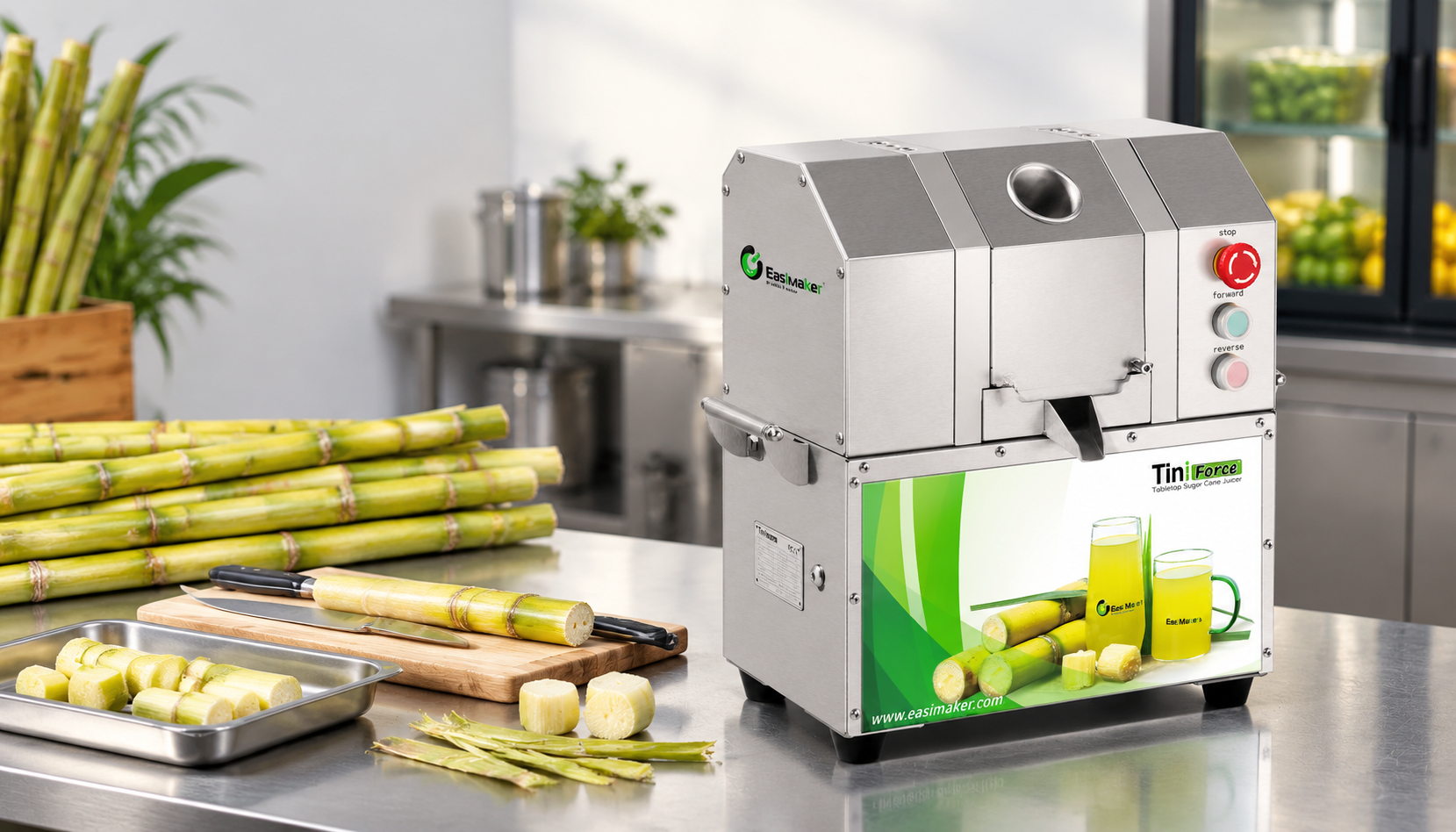
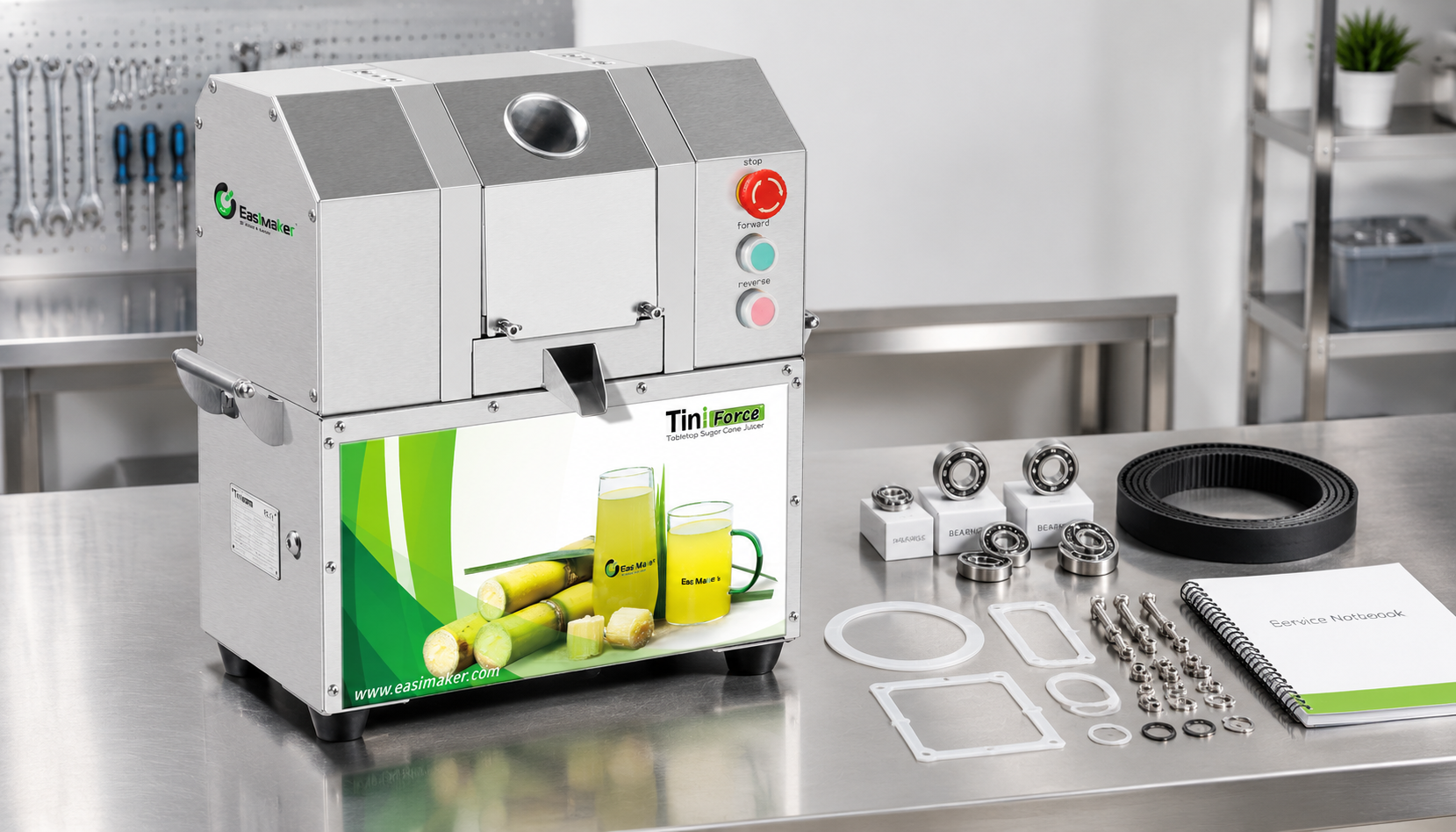
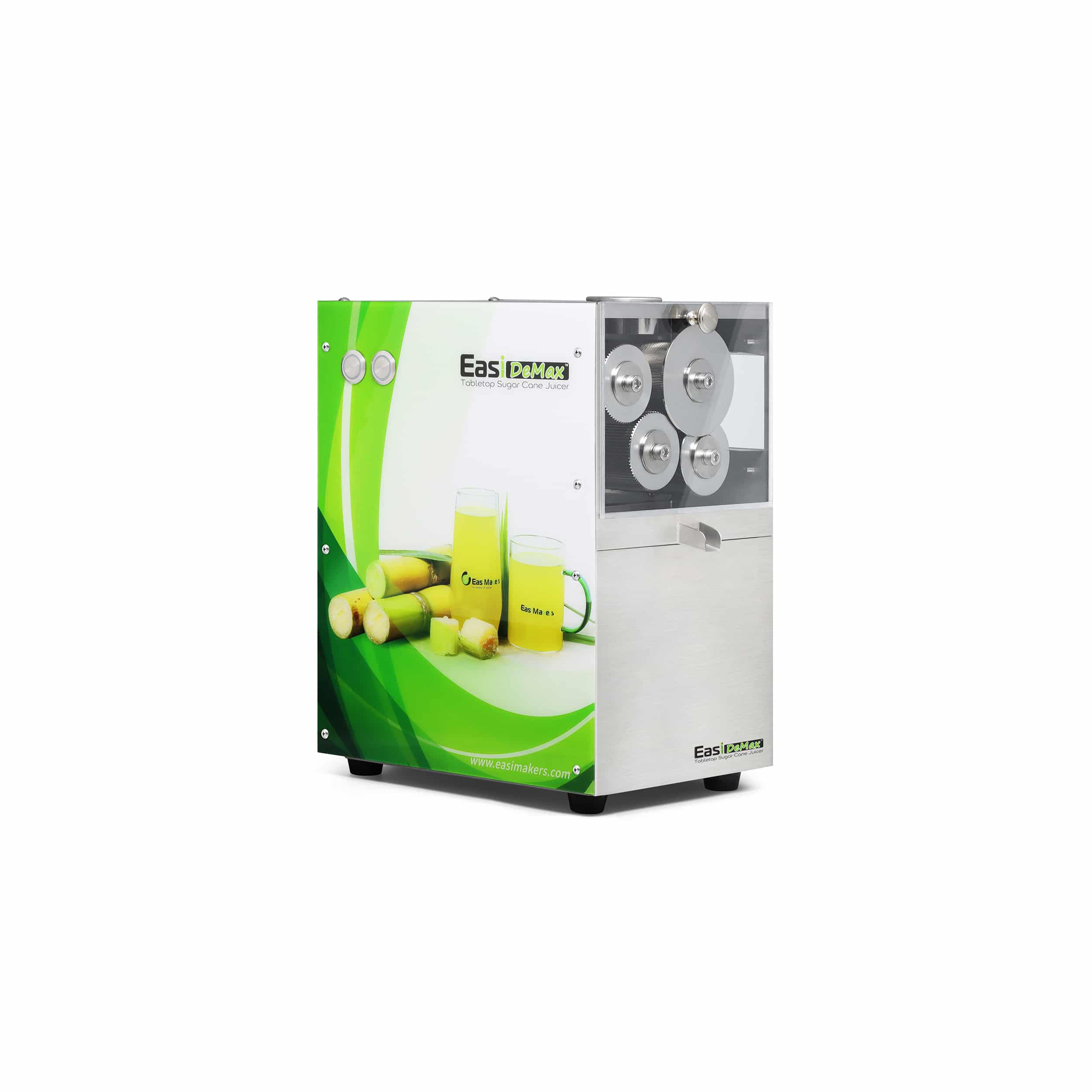
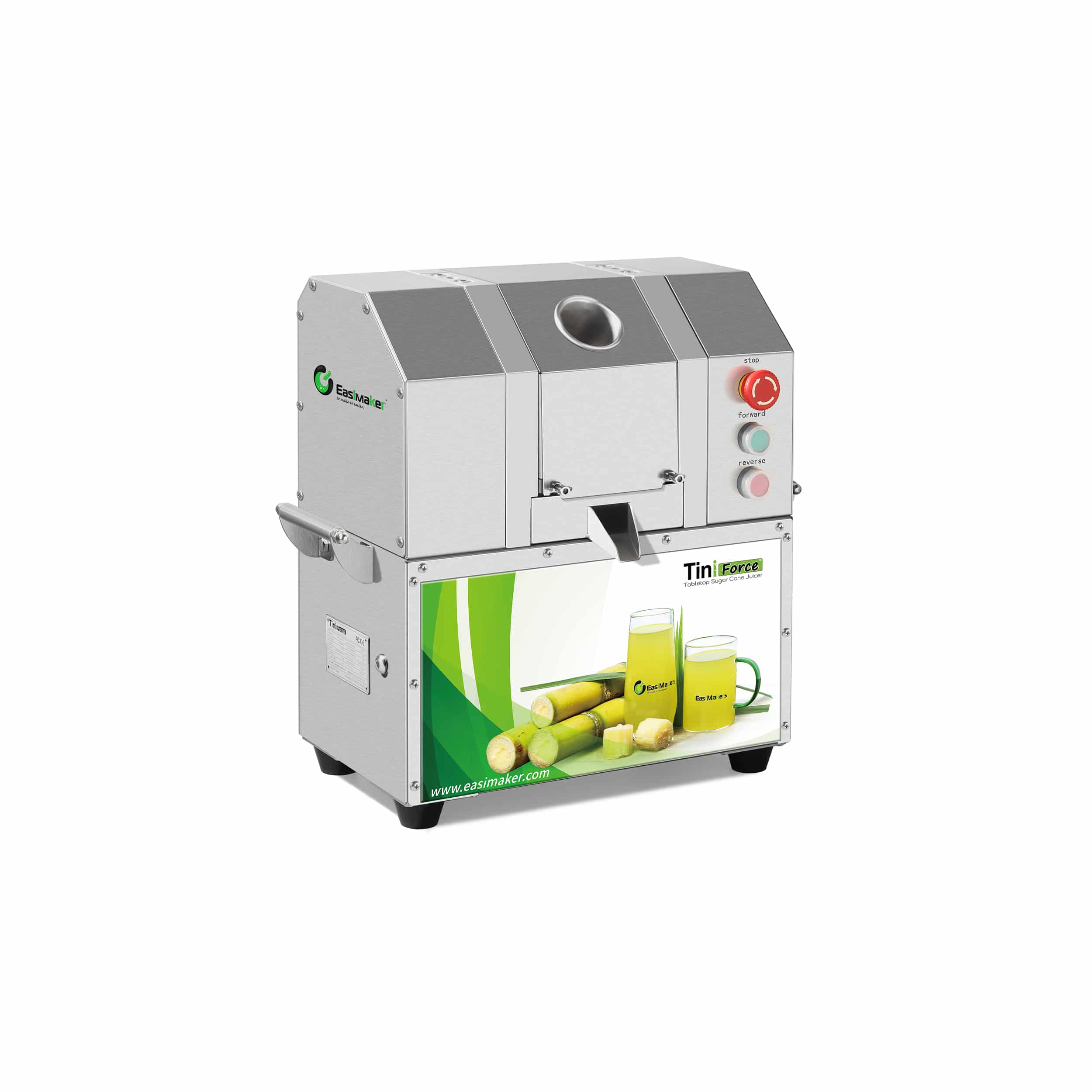
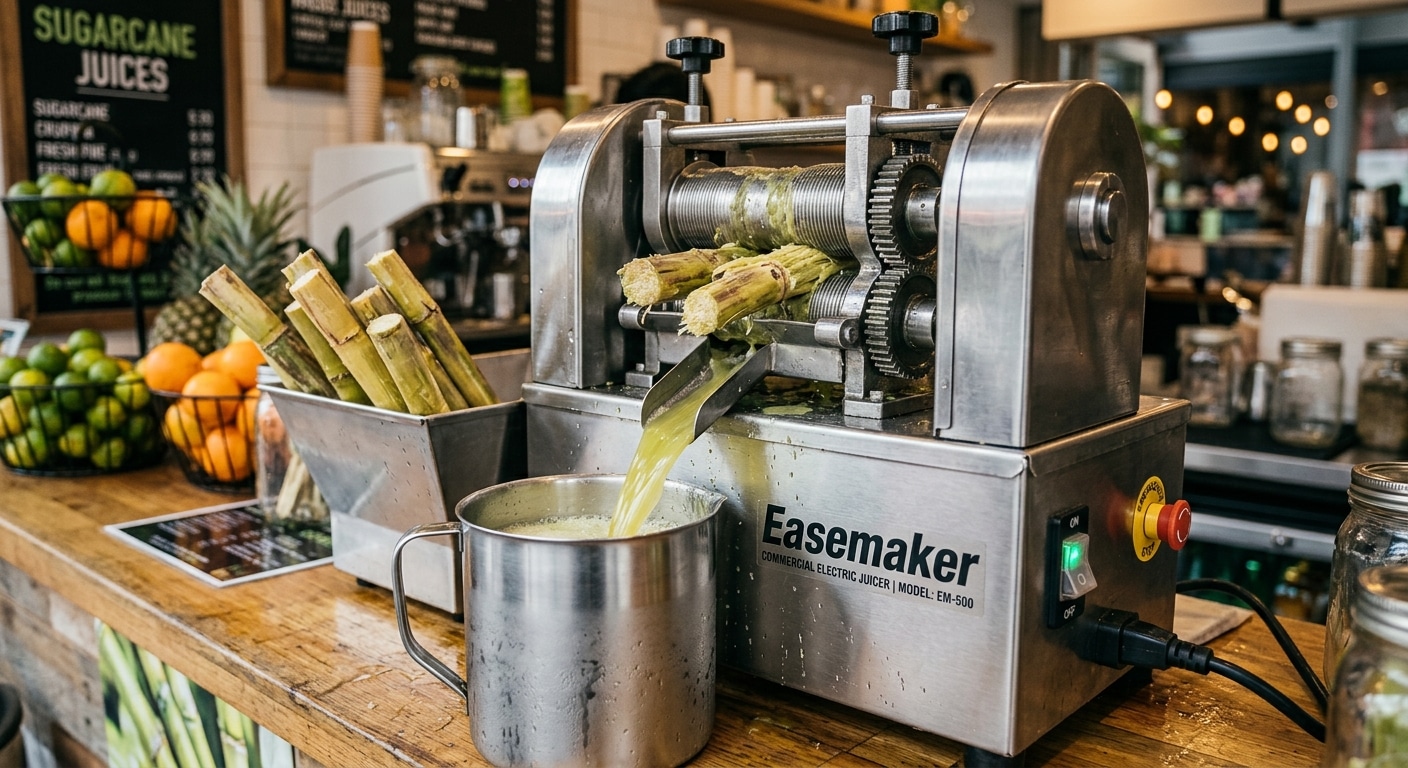
For sugarcane extraction, manual machines are entirely inadequate for commercial events due to their slow output and high labor requirements. A heavy-duty, commercial electric sugarcane juicer is essential for the following reasons:
- Throughput: Electric models can process hundreds of kilograms of sugarcane per hour, ensuring a steady flow of fresh samples.
- Yield Efficiency: Multi-roller electric systems extract up to 80-90% of the juice in a single pass, maximizing your profit margins and reducing raw material waste.
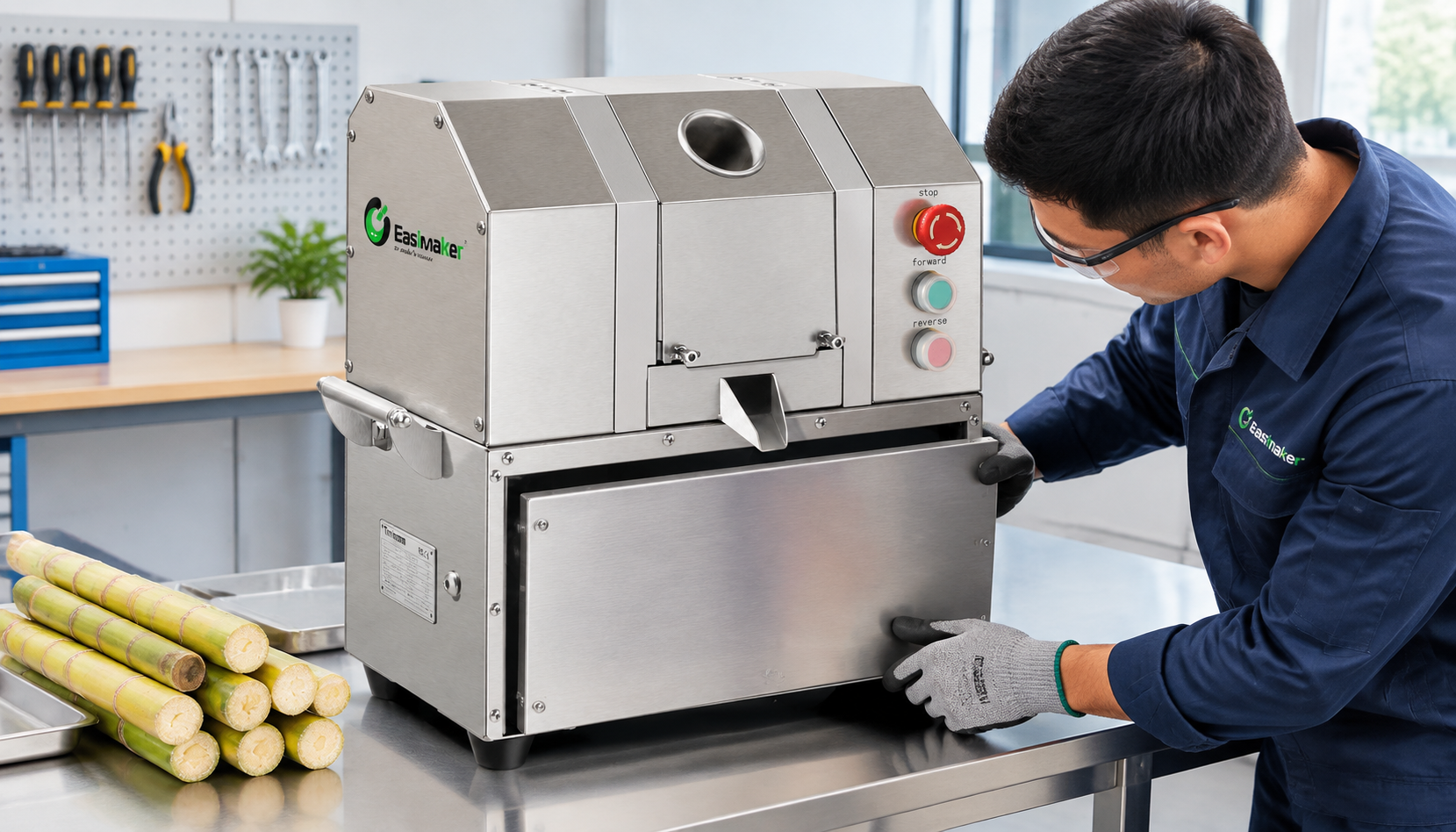
- Hygiene and Safety: Enclosed stainless steel electric juicers protect operators from moving parts and prevent contamination, which is critical during public-facing events.
Step 4: Marketing and Local Promotion
A successful event requires a multi-channel marketing approach starting at least two weeks in advance.
| Marketing Channel | Actionable Strategy |
|---|---|
| In-Store Signage | Place counter cards and window decals announcing the date and time of the free tasting event. |
| Social Media | Run localized geo-targeted ads (within a 3-mile radius) highlighting the “Fresh Juice Sampling” event. Use high-quality visuals of the extraction process. |
| Local Partnerships | Distribute VIP tasting invitations to staff at neighboring businesses, gyms, and wellness centers. |
| Email Marketing | Send an exclusive invite to your existing subscriber base, offering a discount on full-sized purchases made during the event. |
Step 5: Execution on Event Day
On the day of the event, the layout of your juice bar should facilitate a smooth flow of traffic. Set up a dedicated tasting station separate from the main POS register to ensure regular paying customers are not delayed.
- Portion Control: Serve samples in 2 oz to 4 oz clear compostable cups. This is enough to experience the flavor without cannibalizing full-sized sales.
- Staff Training: Train your staff to articulate the health benefits of sugarcane juice (e.g., low glycemic index, high in electrolytes) and explain the extraction process.
- Capture Data: Place a QR code on the tasting table that links to a feedback form or loyalty program sign-up, incentivized with a 10% discount on their next visit.
Measuring Event ROI
To determine if your marketing juice bar efforts were successful, track key performance indicators (KPIs) during and immediately after the event. Monitor the day’s total sales volume compared to a standard day, the conversion rate of samplers to buyers, and the number of new loyalty program registrations. A successful event should yield a noticeable lift in repeat customer visits over the following 30 days.
Frequently Asked Questions (FAQs)
How much juice should I prepare for a tasting event?
Plan for roughly 2 to 3 ounces per sample per person. If you expect 100 attendees, you will need approximately 2.5 gallons (about 9.5 liters) of juice per flavor.
Do I need a special permit to host a juice sampling event?
If the event is hosted inside your already-permitted brick-and-mortar shop, additional health permits are rarely required. However, if you are setting up a tent outside or on public property, consult your local health department for temporary food service regulations.
Can I use a manual sugarcane juicer for events?
No. Manual juicers are too slow, labor-intensive, and inefficient for commercial events. A commercial electric sugarcane juicer is required to maintain a fast, hygienic service pace.
How do I convert samplers into paying customers?
Offer an “Event Only” promotion, such as “Buy one full-size juice, get a second at 50% off,” or offer a bundled package of bottled juices for them to take home.
How far in advance should I start promoting the event?
Begin teasing the event on social media and in-store at least 14 days in advance, with an aggressive local push 3 to 5 days prior.
Conclusion
Hosting a sugarcane juice tasting event is a proven, high-impact strategy for customer engagement and local business promotion. By curating a smart menu, executing a targeted marketing plan, and relying on robust commercial electric juicers to handle the volume, you can turn curious samplers into loyal, repeat customers.
Ready to upgrade your shop’s extraction capabilities for your next big event? Request a quote / Get a sample today to learn more about our high-efficiency commercial equipment solutions.