The Shift from Synthetic to Natural Recovery
For decades, the post-workout recovery market was dominated by brightly colored, synthetic isotonic drinks. However, the modern fitness consumer is evolving. Gym members, from casual enthusiasts to competitive athletes, are increasingly scrutinizing labels, seeking "clean label" products free from artificial dyes, preservatives, and refined sweeteners.
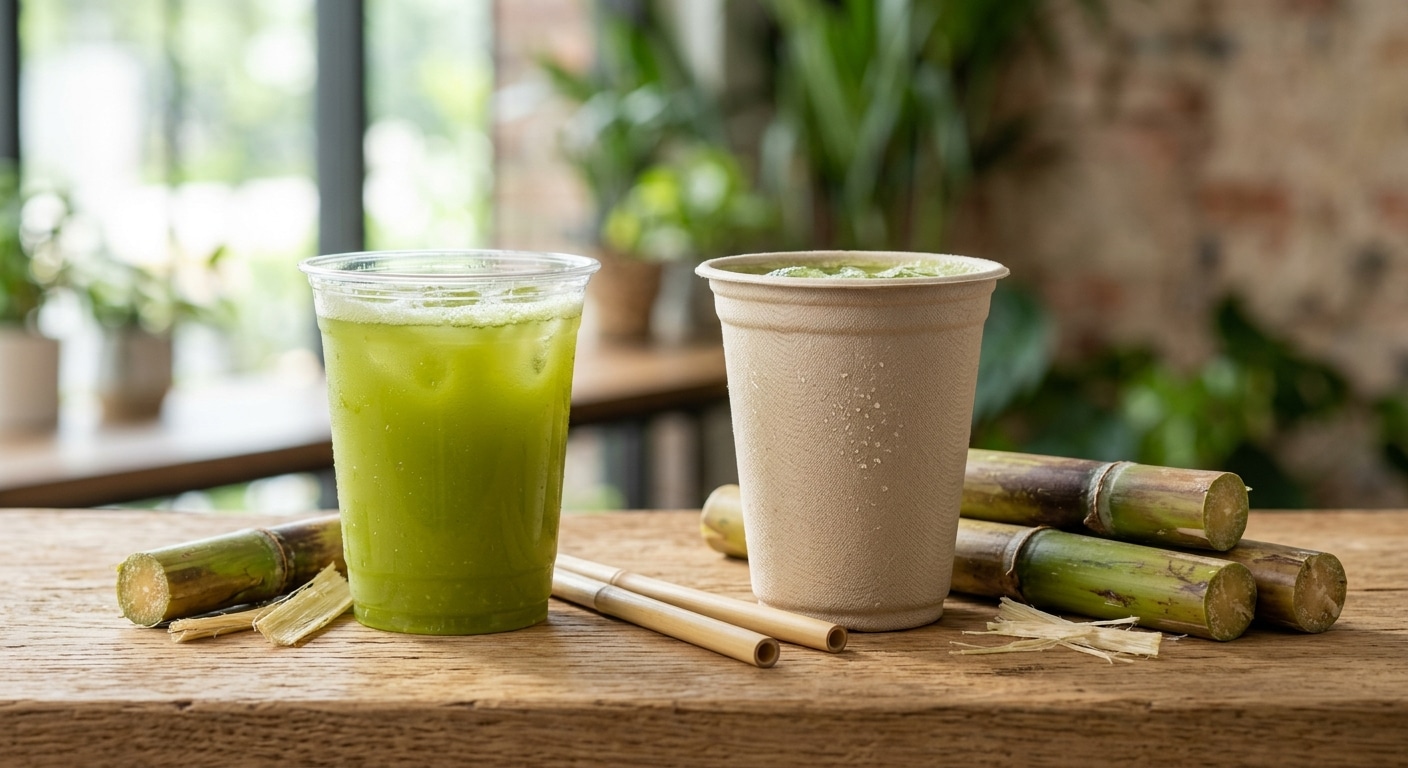
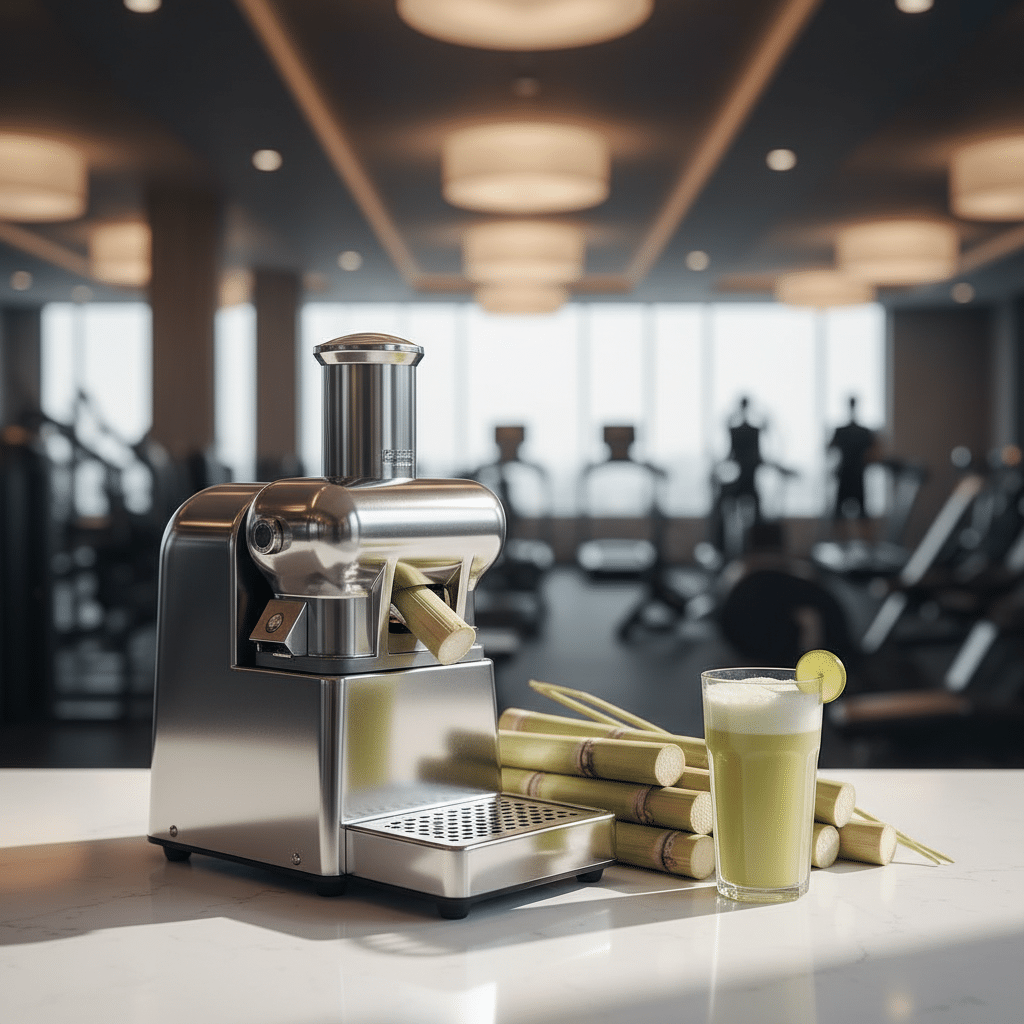
This shift presents a tangible business opportunity for fitness centers and wellness clubs. By integrating fresh sugarcane juice into on-site juice bars or vending operations, facility owners can offer a plant-based, natural alternative that rivals engineered sports drinks in electrolyte content while commanding a premium price point.
Why Sugarcane? The Nutritional Argument for Athletes
To market sugarcane juice effectively within a fitness environment, it is essential to understand its functional benefits. Unlike refined sugar (sucrose), which is stripped of nutrients, raw sugarcane juice retains its natural mineral profile.
Natural Electrolyte Profile
Sugarcane juice is naturally rich in electrolytes, specifically potassium, calcium, magnesium, and manganese. These minerals are critical for preventing muscle cramps and replenishing salts lost through sweat during rigorous exercise. For context, a typical serving of fresh sugarcane juice can contain significant potassium levels, comparable to or exceeding that of bananas or commercial coconut water.
Glycogen Replenishment
Post-workout recovery requires rapid glycogen replenishment. The natural sugars in cane juice (a mix of sucrose, fructose, and glucose) provide a quick energy source that helps restore muscle glycogen stores immediately after training. Because it is unrefined, it has a lower glycemic index (GI) than many processed sports drinks, leading to a more sustained energy release rather than a sharp spike and crash.
The Business Case: ROI and Revenue Streams
For gym owners and wellness directors, the decision to introduce a new beverage line is ultimately financial. Sugarcane juice offers a favorable margin structure compared to bottled beverages.
- Low Raw Material Costs: Raw sugarcane stalks are generally inexpensive to source in bulk compared to the unit cost of stocking premium bottled protein shakes or coconut water.
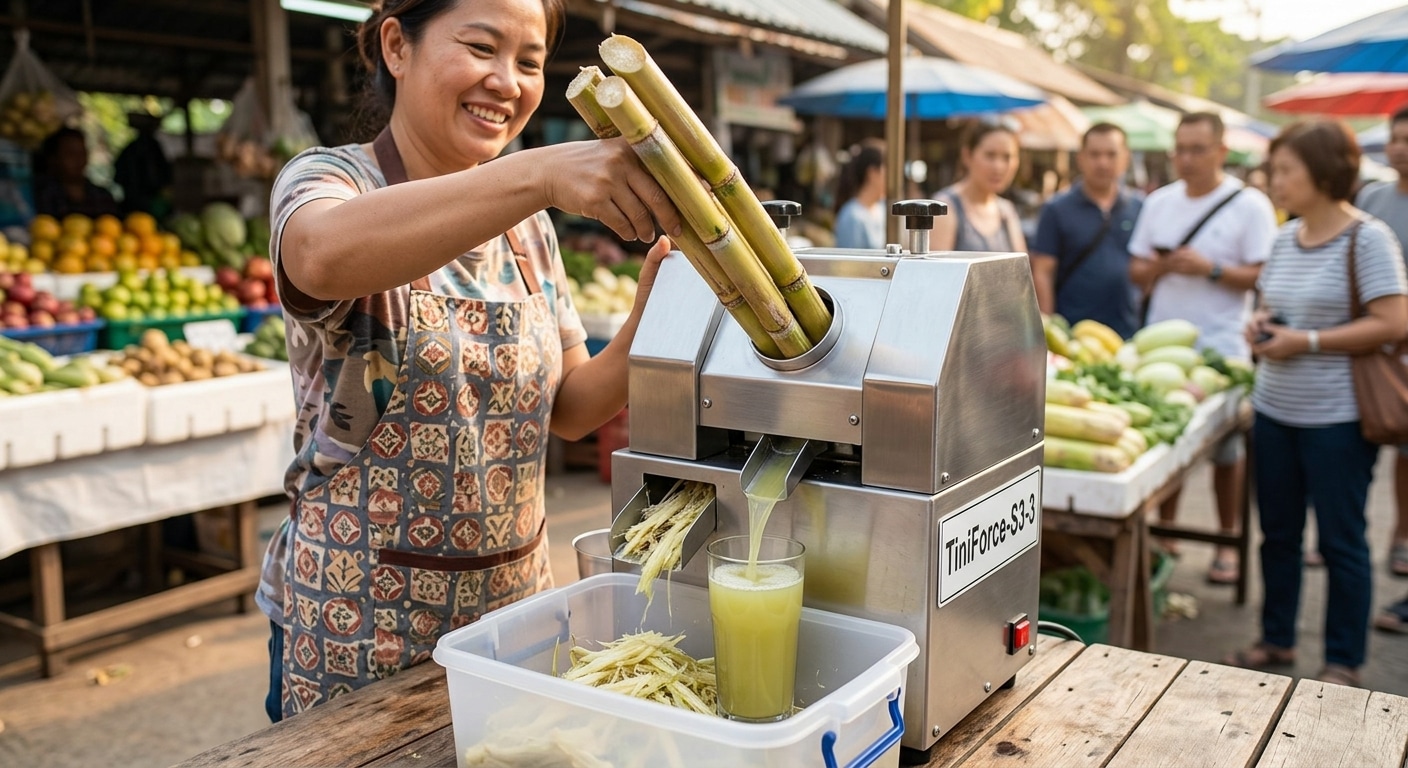
- High Perceived Value: Freshly pressed juice offers "theater"—the customer sees the product being made. This freshness allows operators to charge a premium (often 300% to 500% markup over raw material costs).
- Differentiation: While most gyms offer smoothies and protein shakes, few offer fresh-pressed botanical energy drinks. This uniqueness can drive secondary spend from members who might otherwise buy a drink at a convenience store on their way home.
Operational Considerations: Equipment and Workflow
Implementing a sugarcane juice station requires specific commercial equipment. Unlike soft fruits, sugarcane is a fibrous, hard grass that requires heavy-duty crushing mechanisms.
Choosing the Right Commercial Juicer
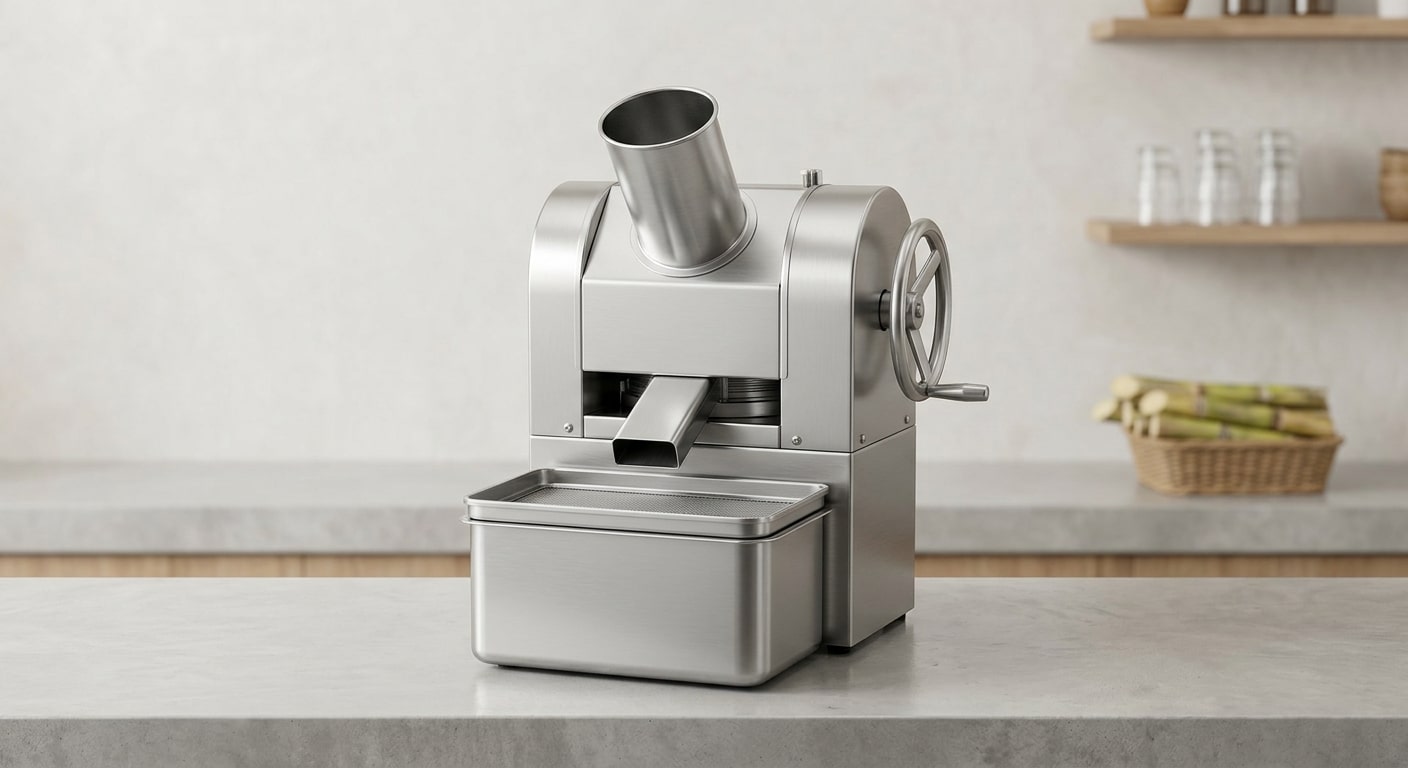
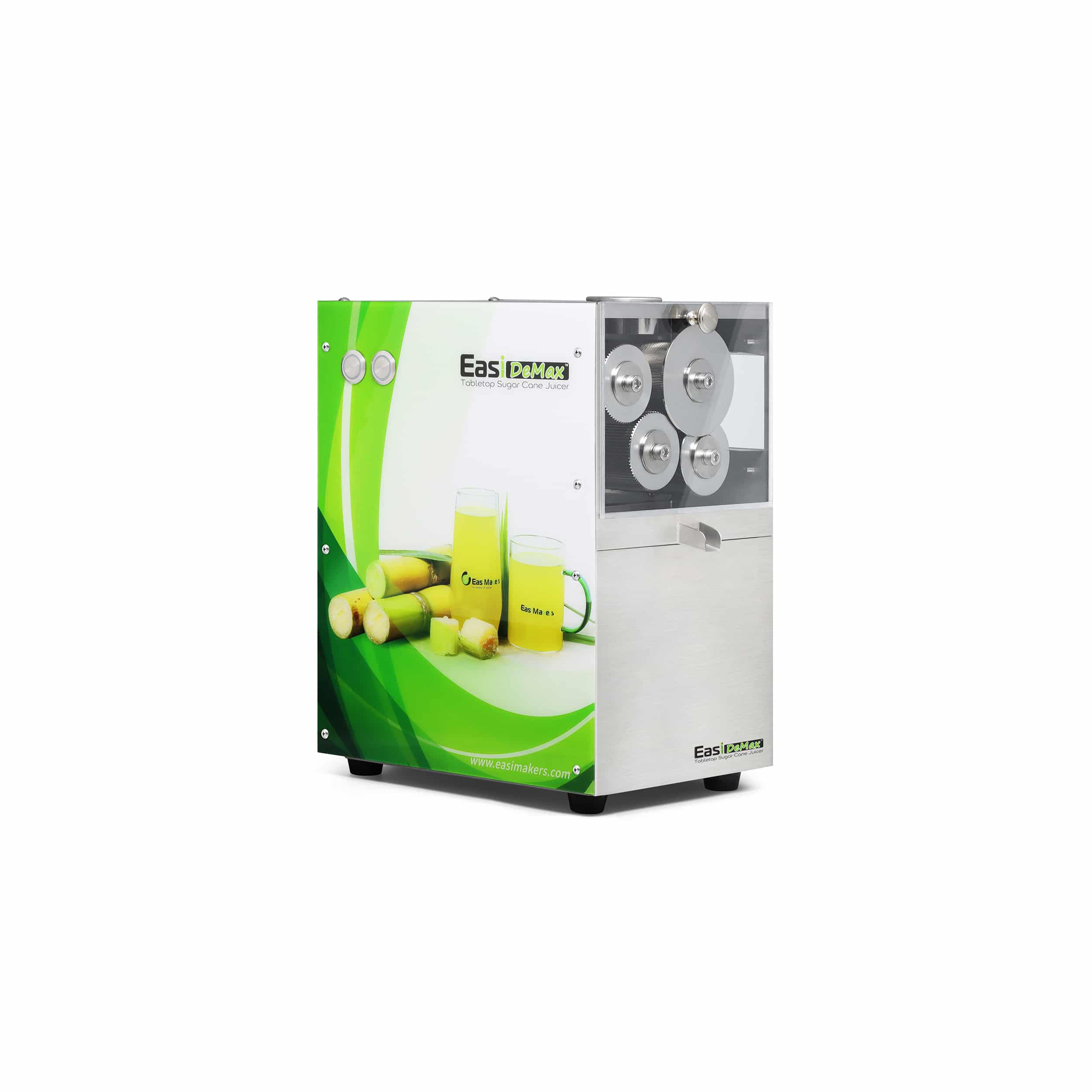
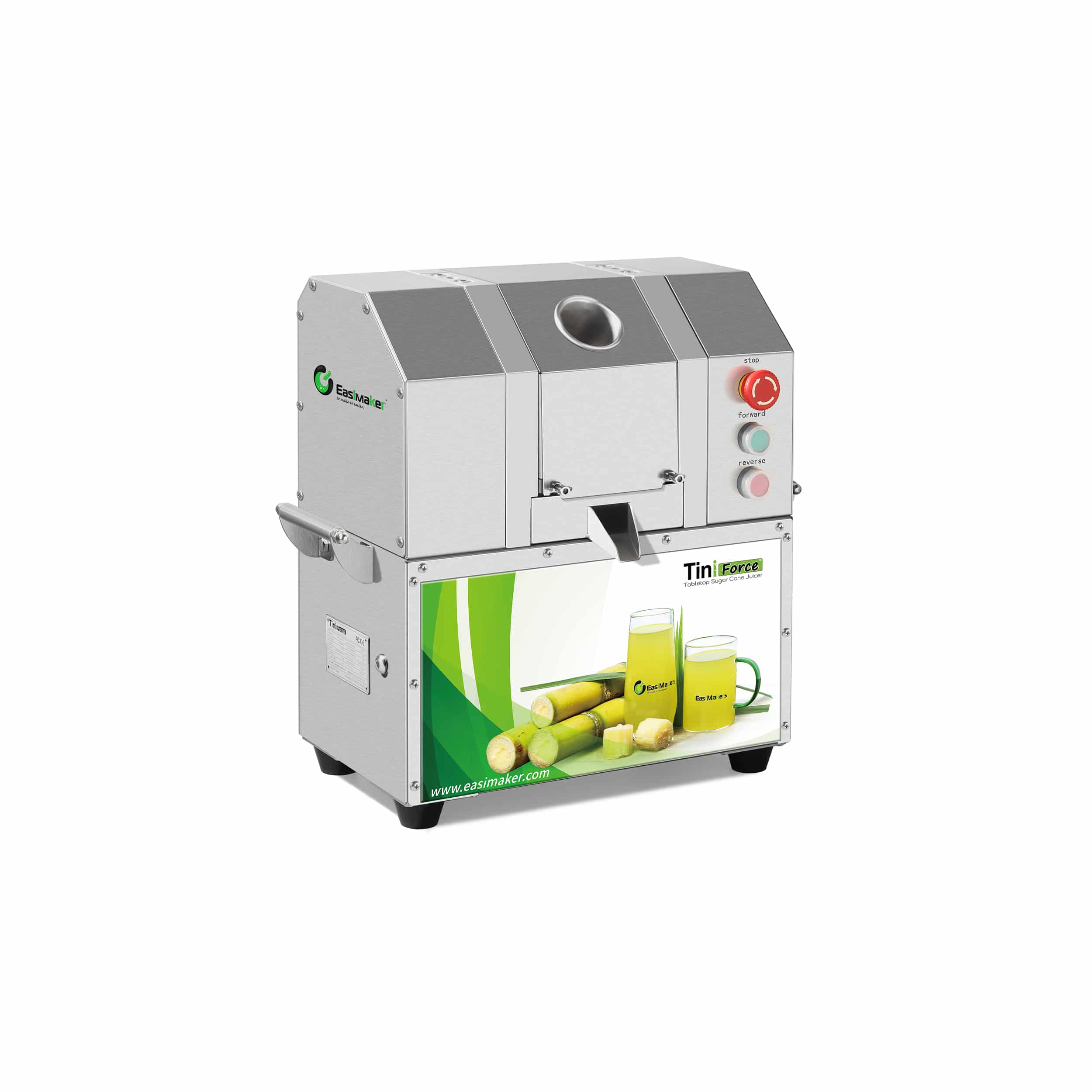
Standard centrifugal or masticating juicers cannot handle sugarcane; they will jam or burn out immediately. You require a dedicated sugarcane press (often called a roller crusher). When selecting equipment for a gym environment, prioritize the following specifications:
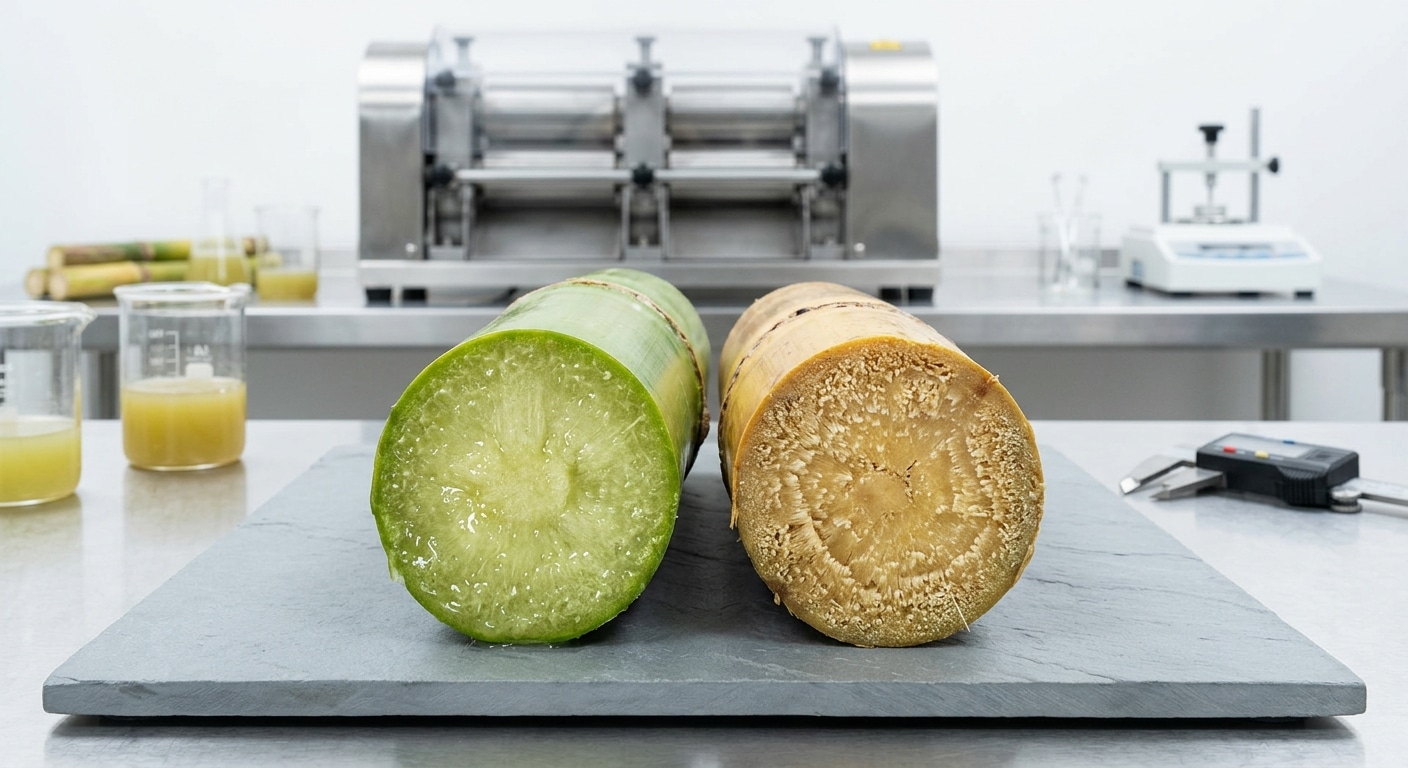
- Roller Configuration: Look for 3-roller or 4-roller systems. More rollers generally mean a higher extraction rate (more juice per stalk) and a drier waste pulp (bagasse), maximizing yield.
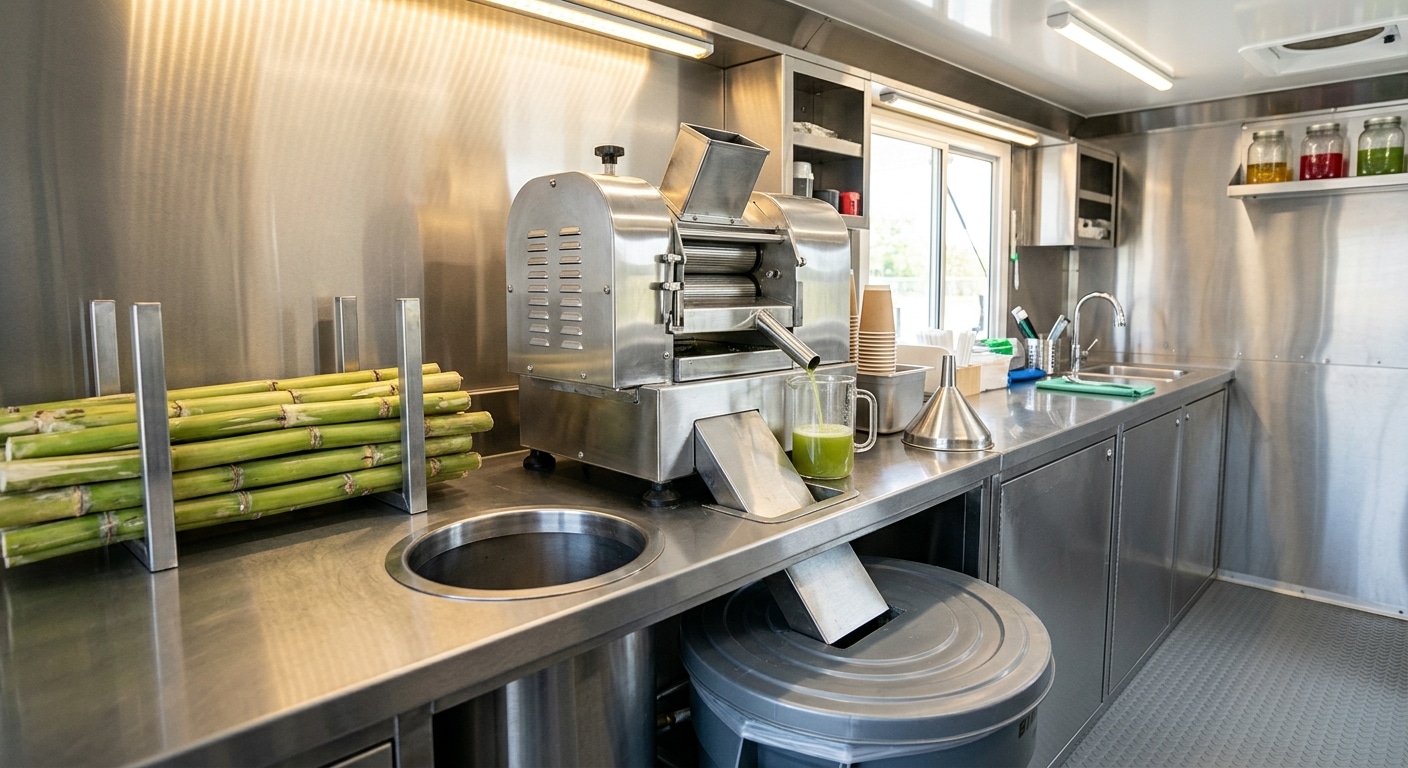
- Hygiene and Material: Ensure all food-contact parts are made of Food Grade Stainless Steel (typically 304 grade). This is non-negotiable for meeting health code standards and preventing corrosion from the acidic nature of the juice.
- Safety Features: In a busy gym environment, safety is paramount. Modern commercial machines feature enclosed rollers and emergency stop buttons to prevent finger injuries—a significant upgrade over traditional open-wheel street vendor models.
- Noise Levels: A gym juice bar needs to be inviting, not deafening. Look for gear-driven models designed for low-decibel operation.
Storage and Shelf Life
Fresh sugarcane juice oxidizes quickly, turning dark and changing flavor within 15–30 minutes if left untreated. For a commercial setting, you have two operational models:
- Made-to-Order: The stalk is pressed only when the customer orders. This guarantees the highest quality and nutritional retention but requires staff time.
- Batch Preparation with Acidification: Adding lemon, lime, or ginger during the pressing process significantly slows oxidation and enhances the flavor profile. This allows for small batches to be kept chilled for short periods during peak hours.
Menu Engineering: Creating Recovery Blends
To maximize appeal, position sugarcane juice as a base for functional recovery blends rather than just a standalone sweetener. Consider these B2B menu concepts:
| Menu Item Name | Ingredients | Target Benefit |
|---|---|---|
| The Electrolyte Charger | Sugarcane, Pink Himalayan Salt, Lime | Rapid hydration and salt replacement for heavy sweaters. |
| Anti-Inflammatory Recovery | Sugarcane, Fresh Ginger, Turmeric | Reduces post-workout inflammation and joint stress. |
| Green Energy Kick | Sugarcane, Mint, Cucumber | Cooling, refreshing option for high-intensity cardio recovery. |
Buying Guide: Sourcing Your Equipment
When investing in machinery for a fitness center juice bar, consider the following procurement factors:
- Capacity (Output per Hour): Calculate your peak traffic. A machine rated for 300kg/hour is overkill for a small boutique studio but necessary for a large commercial gym chain.
- Cleaning Efficiency: Ask suppliers about the "cleaning cycle time." Can the rollers be removed easily? Does it have a reverse function to clear jams? Staff will neglect cleaning if the process is overly complex.
- Power Requirements: Ensure your juice bar area has the appropriate voltage outlets (110V vs 220V) for heavy-duty motors.
- Warranty and Parts: Commercial juicers are investments. Verify the availability of spare parts (gears, bearings, rollers) and the terms of the warranty.
Frequently Asked Questions
Is sugarcane juice too high in sugar for fitness enthusiasts?
While it contains natural sugars, it has a lower Glycemic Index (approx. 43) compared to refined sugar (65) or glucose (100). For post-workout recovery, the body actually needs simple carbohydrates to spike insulin slightly and drive nutrients into muscle cells. It is a functional sugar, not empty calories.
What is the maintenance requirement for a commercial sugarcane juicer?
Daily cleaning is mandatory to prevent bacterial growth and sugar crystallization, which can seize the rollers. Deep cleaning should be performed weekly. Lubrication of the gearbox is typically required annually or bi-annually depending on usage volume.
How do I source raw sugarcane stalks?
Produce distributors that service Asian or Latin American markets typically carry fresh sugarcane. For consistent B2B supply, you may need to contract with a specialized produce wholesaler who can deliver stripped and cleaned stalks, reducing prep time for your staff.
Can I bottle the juice for grab-and-go?
Only if you have pasteurization or high-pressure processing (HPP) capabilities. Raw sugarcane juice ferments rapidly. For most gyms, fresh-pressed (made to order) is the safest and most appealing model.
Conclusion
The demand for natural, functional beverages is reshaping the fitness industry. Sugarcane juice offers a unique intersection of high profit margins, operational simplicity, and genuine nutritional value for athletes. By selecting the right commercial equipment and marketing the "clean recovery" benefits, fitness centers can tap into a lucrative new revenue stream that aligns with their members’ wellness goals.
Ready to upgrade your juice bar capabilities? Request a quote for commercial-grade sugarcane juicers today and start offering the ultimate natural recovery drink.