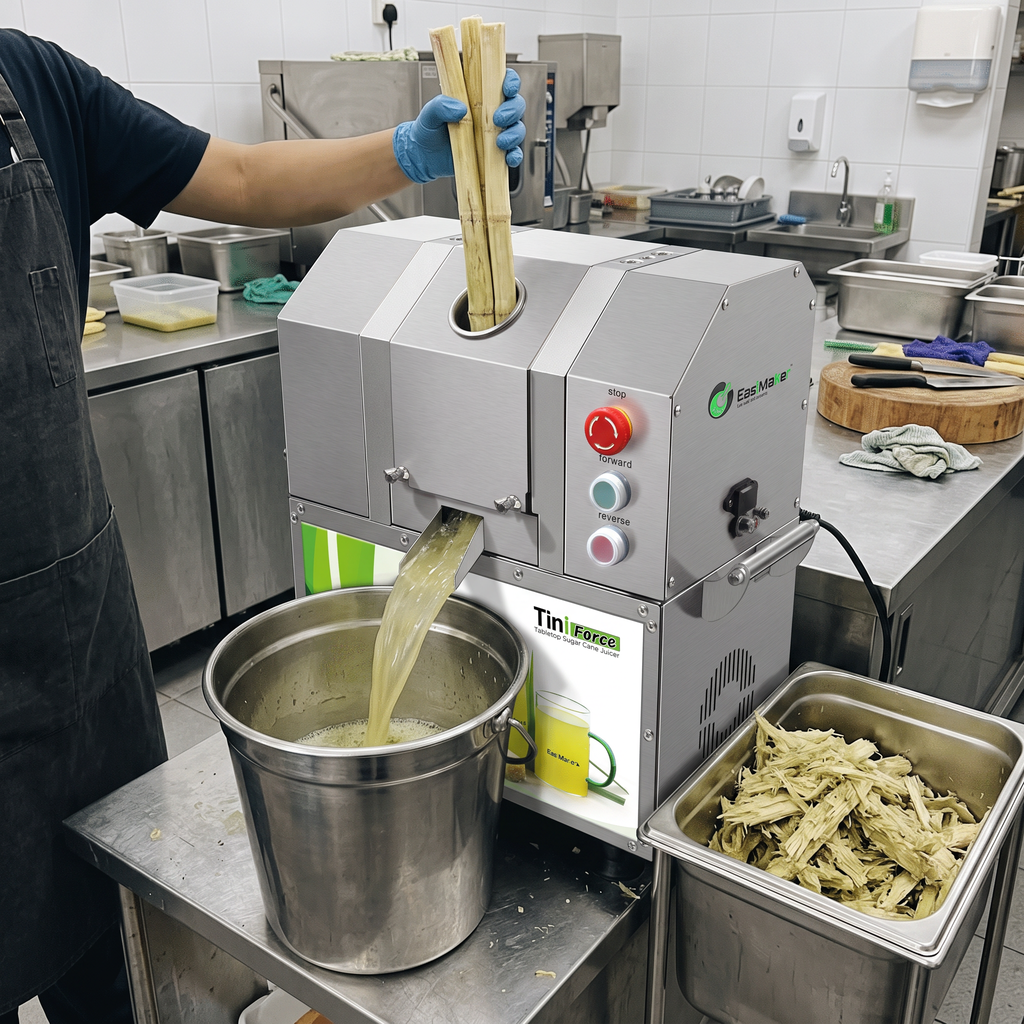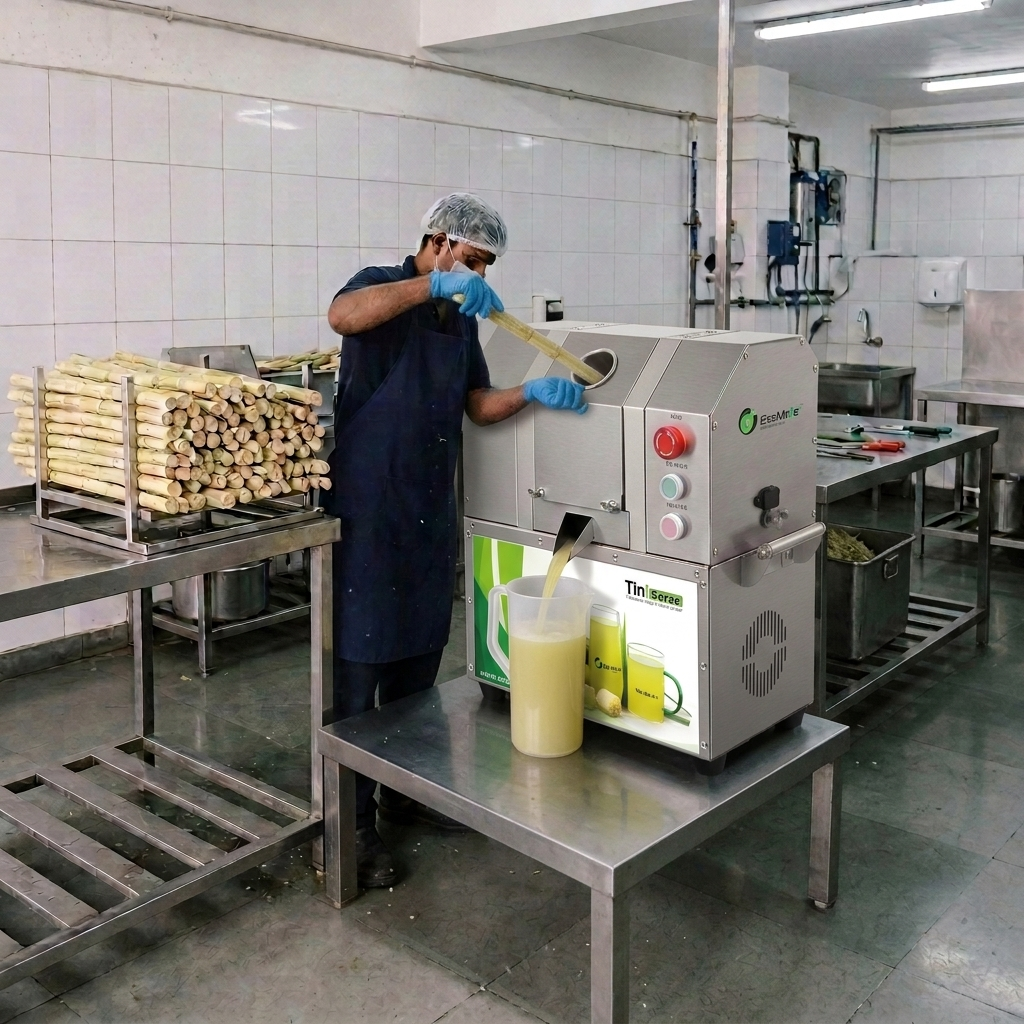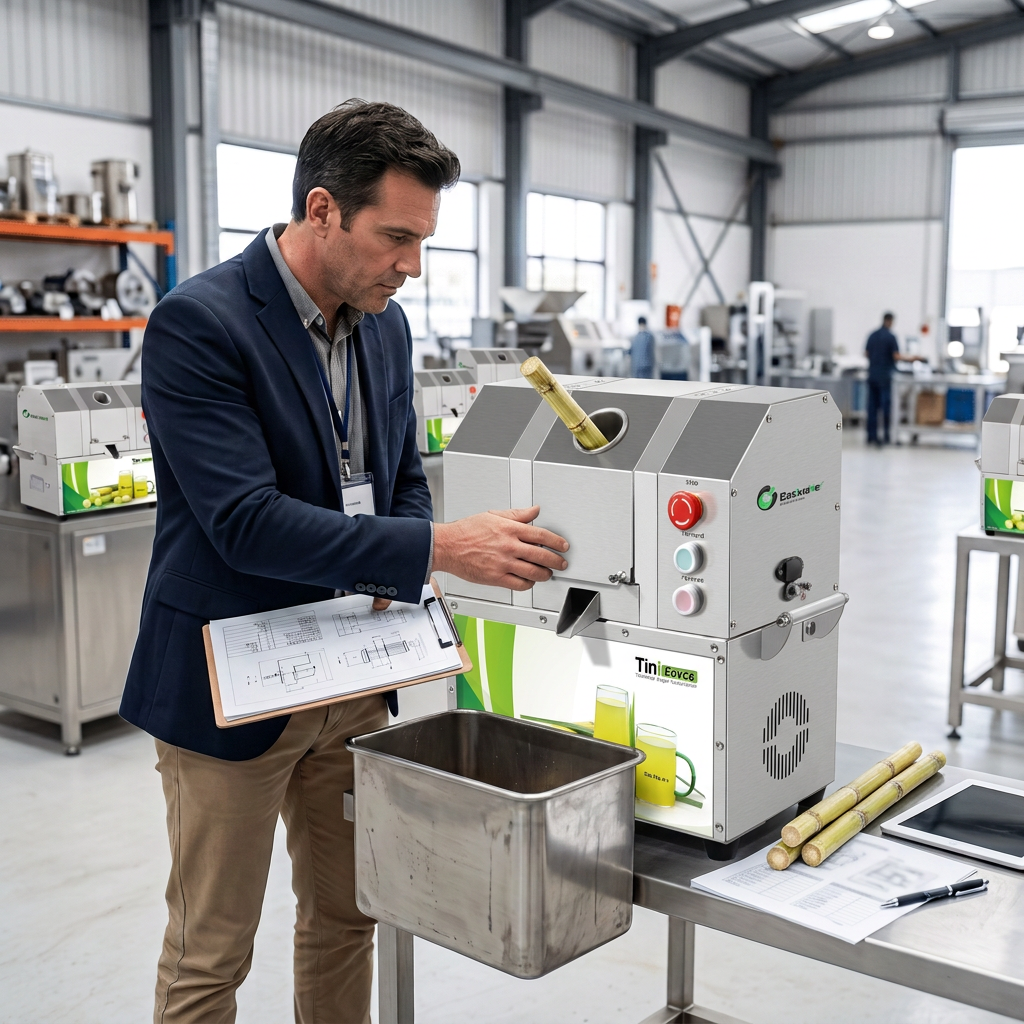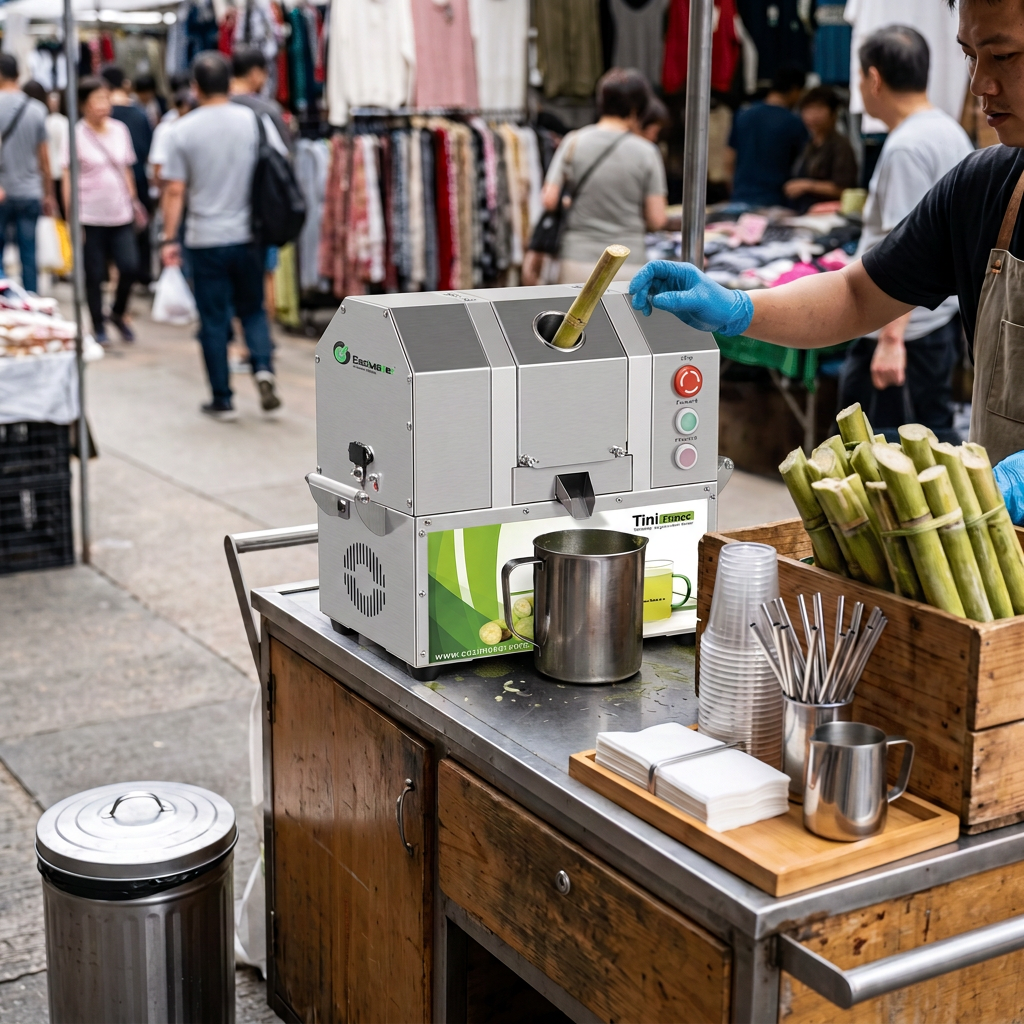
Optimizing Energy Usage in Commercial Sugarcane Machines

Optimizing Energy Usage in Commercial Sugarcane Machines

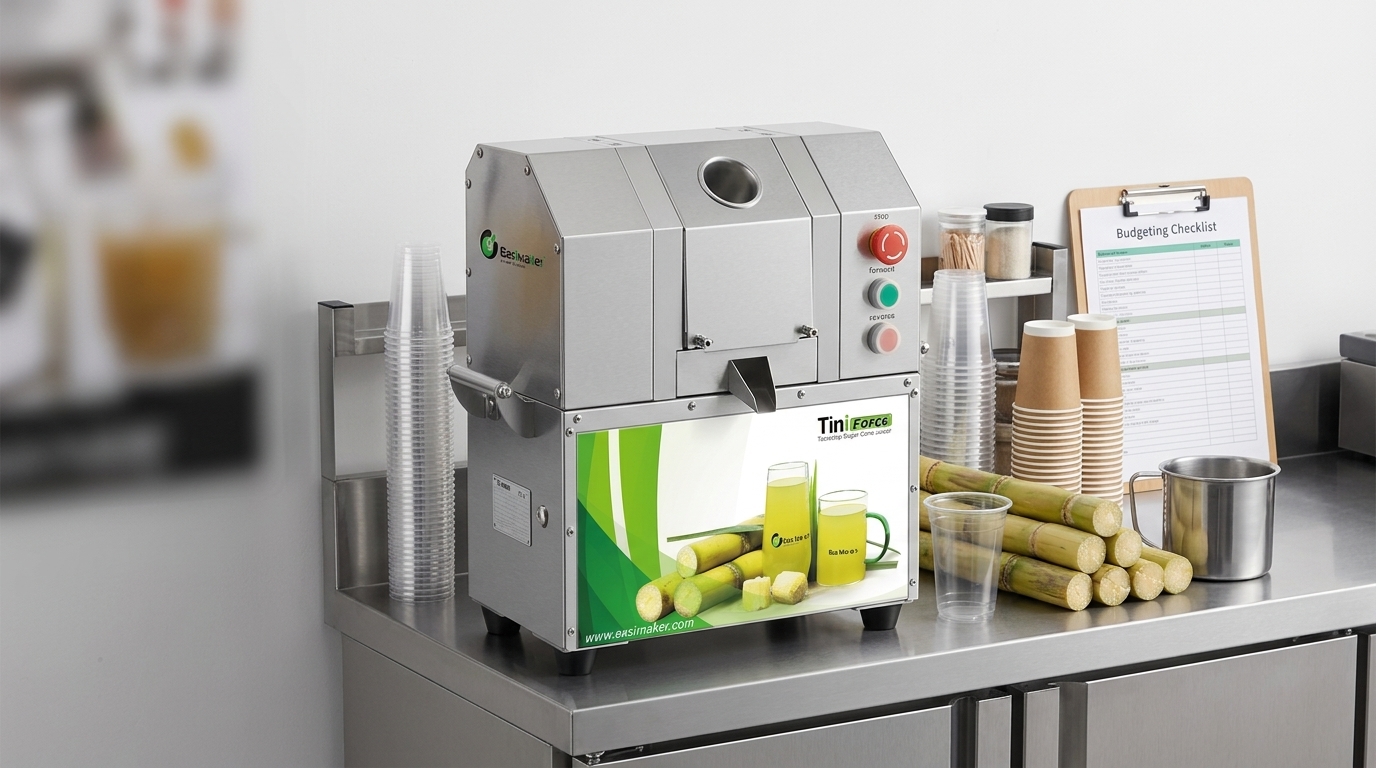
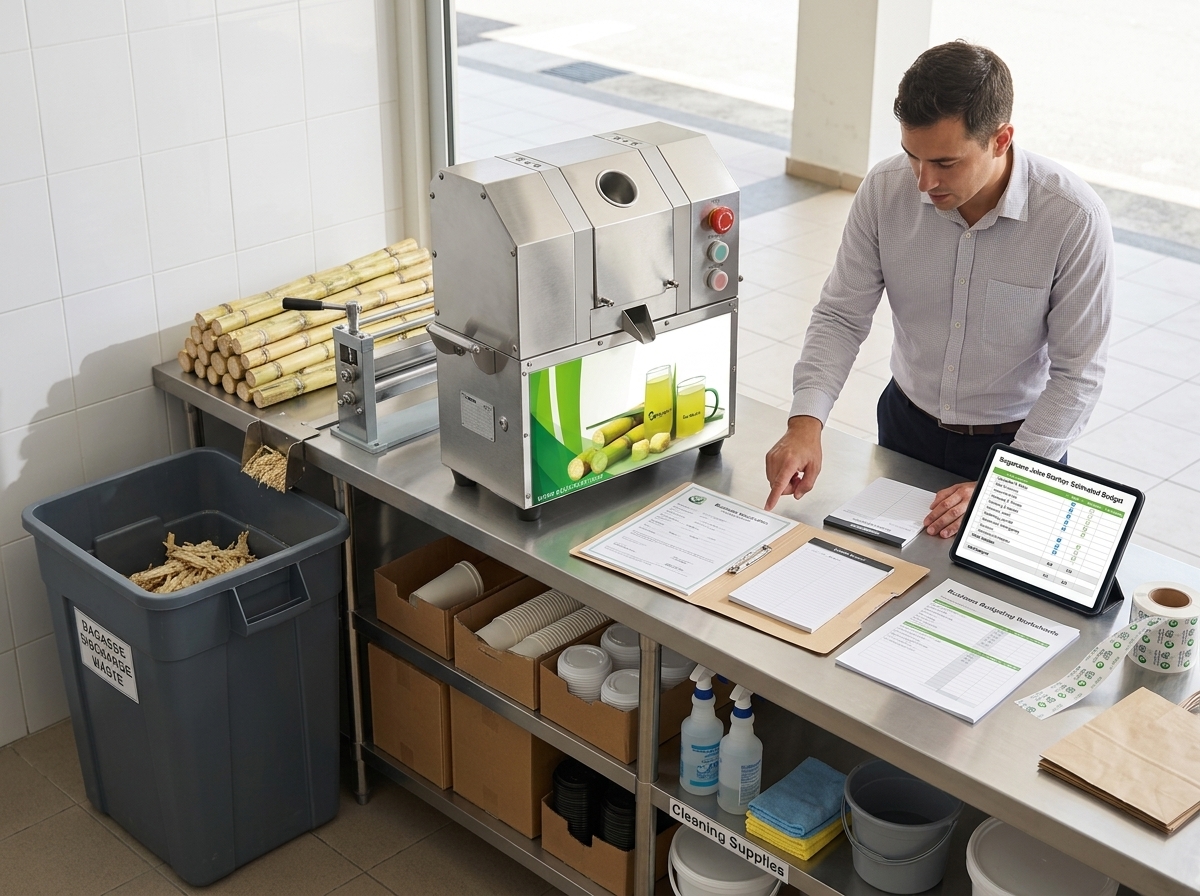
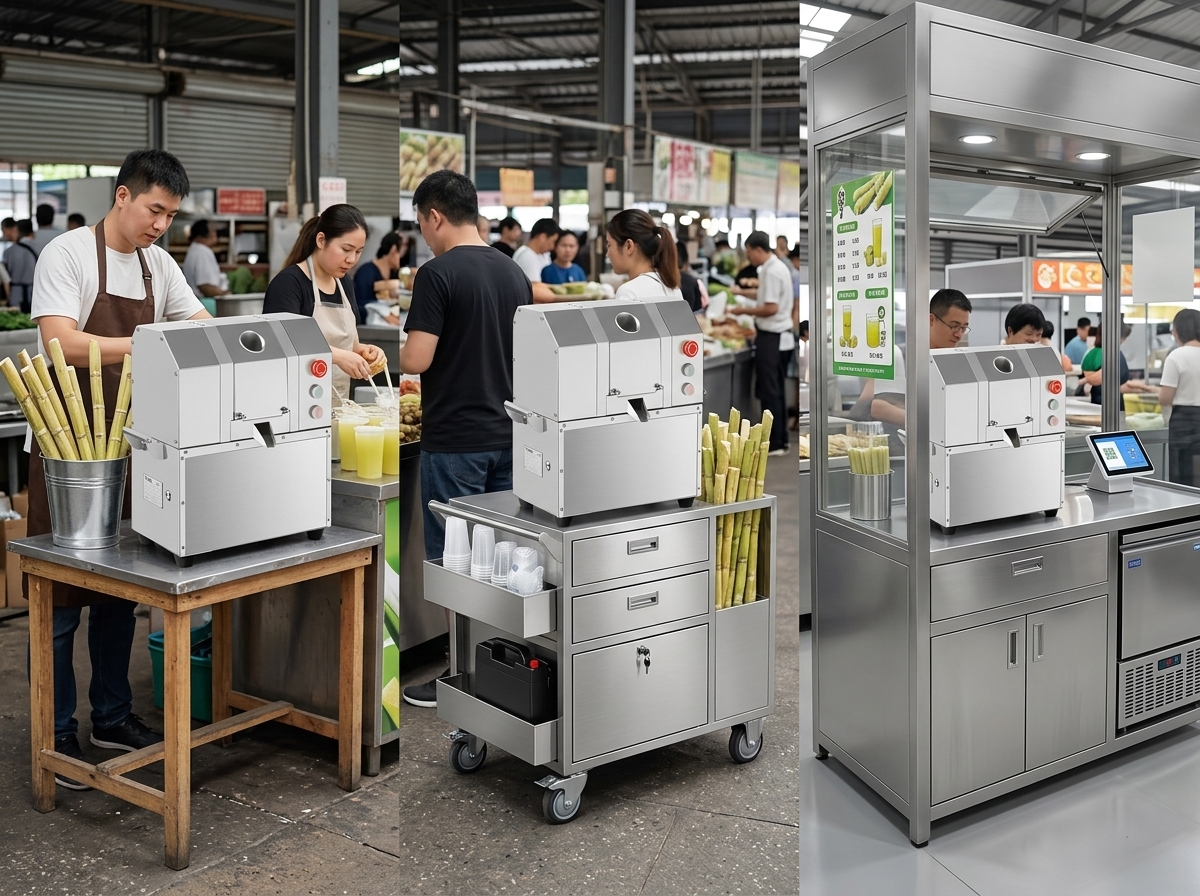
Electricity costs are one of the biggest ongoing expenses for juice bars, cafés, kiosks, and foodservice operations running commercial sugarcane machines. For high-traffic locations or multi-store chains, even small efficiency gains per machine can translate into meaningful savings across the year.

This guide is written for business owners, operations managers, and purchasing teams who want to:

  • Reduce electricity consumption per cup of sugarcane juice
  • Select more energy-efficient sugarcane machine models
  • Train staff to use machines in a cost-effective way
  • Estimate and track measurable savings over time

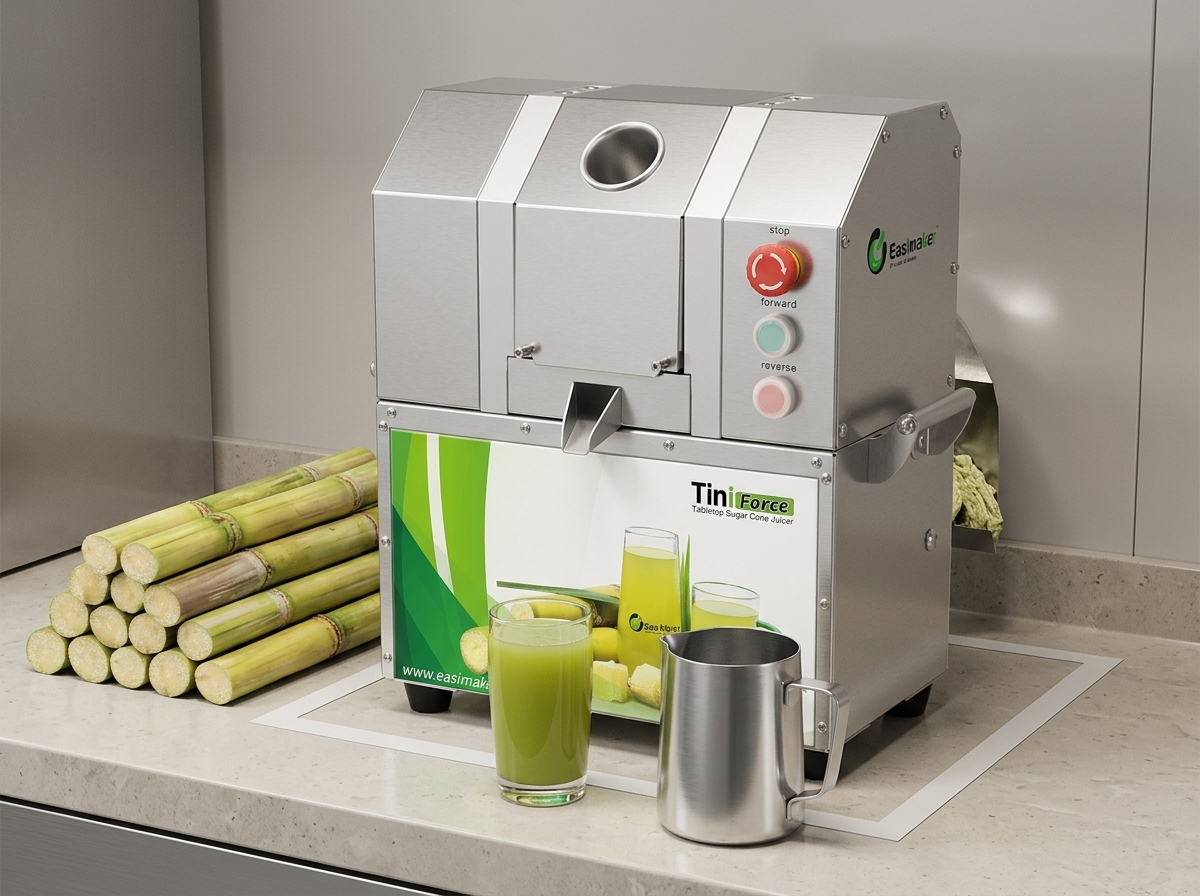
While examples are general, the principles apply directly to modern commercial sugarcane juicers such as the Easimaker range designed for foodservice and juice retail businesses.


1. Key Concepts: Energy Efficiency in Sugarcane Machines

Before choosing or upgrading a sugarcane machine, it helps to clarify a few basic concepts.

1.1 Power vs. Energy Consumption

  • Power (kW): The instantaneous electrical load of the motor and auxiliary components.
  • Energy (kWh): What you actually pay for. It equals power multiplied by the operating hours.

For example, a 0.8 kW machine running continuously for 5 hours consumes about 4 kWh. A more efficient machine might deliver the same output with less power and/or in less time per serving, reducing kWh per day.

1.2 Output Efficiency: kWh per Liter of Juice

For business owners, the most practical metric is:

Energy per liter of juice (kWh/liter).

A machine that uses slightly more power but extracts juice faster and with higher yield may actually be more efficient per liter than a lower-power unit.

1.3 Duty Cycle and Peak Periods

Commercial sugarcane machines rarely run continuously at full load all day. Understanding your duty cycle (how many hours per day the machine actually crushes cane) helps select the right motor size and control strategy.

  • High-traffic shops: Long peak periods (e.g., 4–6 hours of near-continuous use)
  • Seasonal or low-volume sites: Many short runs with idle time between orders

Each pattern requires different optimization tactics, which we will cover below.


2. Energy-Efficient Sugarcane Machine Features to Look For

When specifying a new commercial juicer or planning a replacement cycle, energy-related design features are as important as price and throughput.

2.1 Efficient Motor and Drive System

Key aspects that influence efficiency include:

  • Motor rating matched to load: Oversized motors draw unnecessary current at light loads; undersized ones overheat and wear faster.
  • High-efficiency motor types: Where available, higher efficiency classes (or well-optimized induction motors) reduce heat loss and power draw.
  • Direct or optimized drive: Simple, well-aligned drive mechanisms (gearbox or chain) minimize friction losses between motor and pressing rollers.

For most urban outlets with normal line voltage, choosing a machine whose motor is correctly matched to the expected throughput is one of the easiest ways to avoid wasted energy.

2.2 Optimized Roller Design and Juice Extraction

Well-engineered rollers reduce mechanical resistance and improve extraction, which lowers energy per liter.

  • Roller surface and profile: Proper knurling and surface hardness grip the cane efficiently, reducing slipping and re-crushing.
  • Roller gap and alignment: Consistent gap avoids overloading the motor while still achieving good juice yield.
  • Multiple-pass design: Some machines achieve high yield in one pass; others use a controlled multi-pass system. The optimal design balances yield, speed, and power draw.

2.3 Intelligent Control and Safety Systems

Modern commercial sugarcane juicers may use simple control strategies that indirectly improve energy performance:

  • On-demand operation: Machines designed for quick start/stop without long warm-up times reduce idle-time electricity use.
  • Overload protection: Automatic cut-off prevents current spikes and motor damage when operators accidentally overload the machine.
  • Thermal protection: Reduces energy wastage due to overheating and prolongs motor life.

2.4 Hygienic, Low-Friction Materials

Food-contact parts are typically stainless steel, but manufacturing quality matters:

  • Smooth surfaces reduce friction and make cleaning faster, lowering the time machines run under no-load or partial-load conditions.
  • Robust housings and sealed bearings keep contaminants out, maintaining efficient operation over time.

3. Operational Tips to Reduce Electricity Consumption

Even with a well-designed machine, actual energy usage depends heavily on daily operating practices. The following strategies can usually be implemented without new equipment.

3.1 Plan Production Around Peak Demand

Instead of running the machine continuously at low usage:

  • Group orders during steady traffic periods where feasible.
  • Avoid long periods where the machine is powered on but idle.
  • Use quick start/stop functionality to run the motor only when cane is being fed.

This can be particularly effective for kiosks and cafés with clearly defined rush hours.

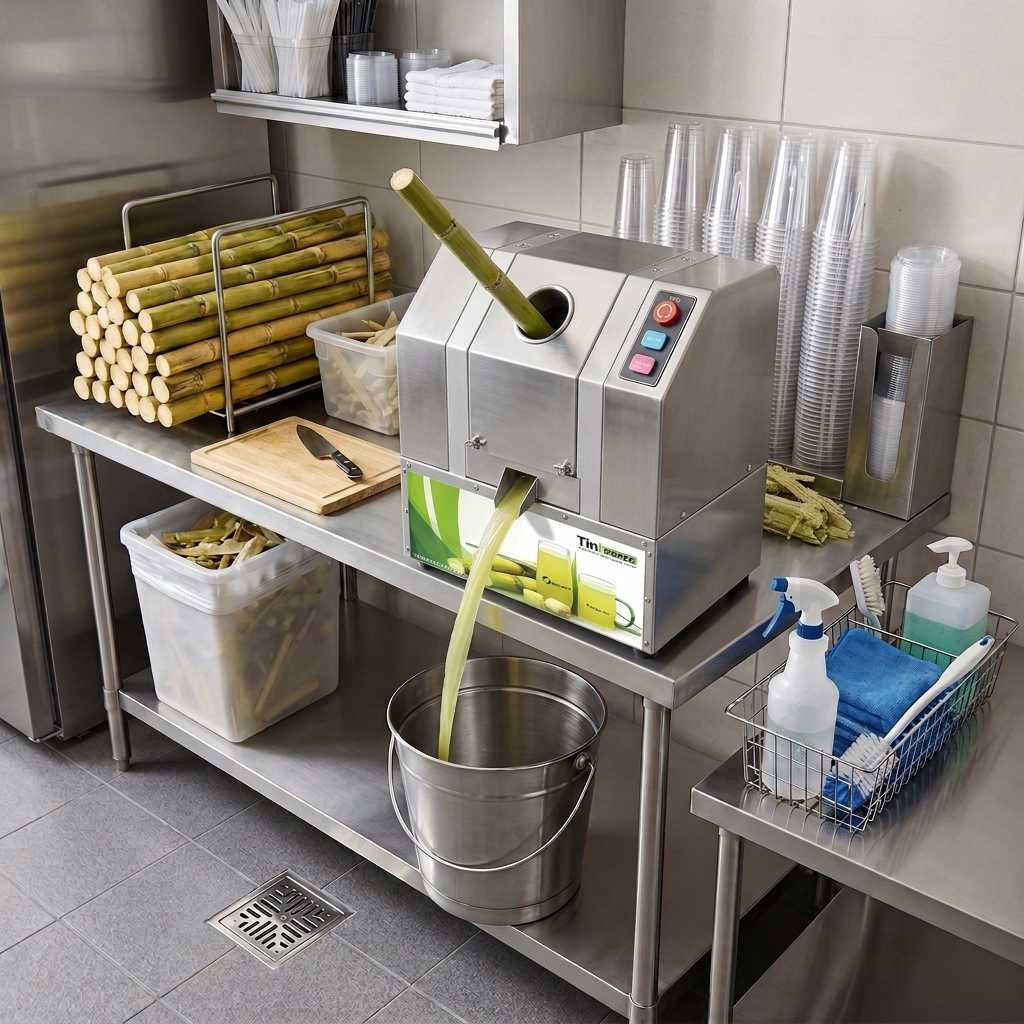
3.2 Proper Cane Preparation

Poorly prepared sugarcane makes the machine work harder for less output.

  • Trim and straighten cane stalks to feed smoothly and avoid jamming.
  • Remove excess dirt and debris to reduce wear and friction on rollers.
  • Cut very long stalks into manageable lengths as recommended in the machine manual.

Better preparation reduces current spikes, prevents stalling, and improves kWh per liter.

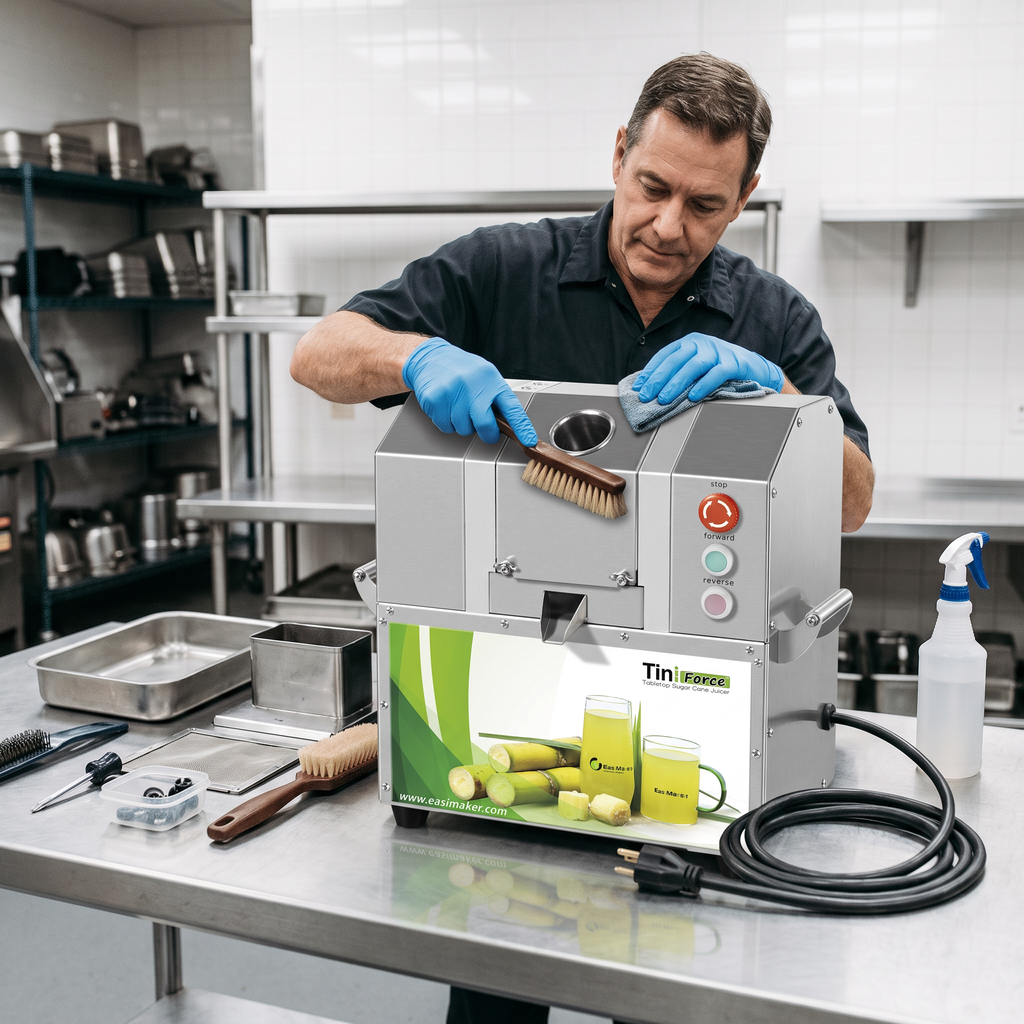
3.3 Daily Cleaning and Preventive Maintenance

Build a simple maintenance routine into your closing shift:

  • Clean rollers, juice trays, and covers thoroughly to prevent sugar build-up and stickiness.
  • Inspect for unusual vibration, noise, or overheating.
  • Follow the manufacturer’s guidance on lubrication for bearings and moving parts if applicable.
  • Check power cords and plugs for damage to avoid electrical losses and safety risks.

Well-maintained machines run more smoothly, draw less current, and have a longer service life.

3.4 Staff Training

Even an efficient machine can be operated inefficiently if staff are not trained properly. Include the following points in your training:

  • Switch the machine off immediately after each usage block, rather than leaving it on during idle time.
  • Avoid forcing oversized or badly angled cane into the rollers.
  • Follow recommended feeding speed instead of overloading the inlet.
  • Report abnormal smell, noise, or heat early to prevent costly breakdowns.

4. Estimating and Tracking Measurable Savings

To justify an upgrade or operational changes, many business owners want a simple way to quantify savings. Here is a practical approach.

4.1 Baseline: Current Electricity Usage

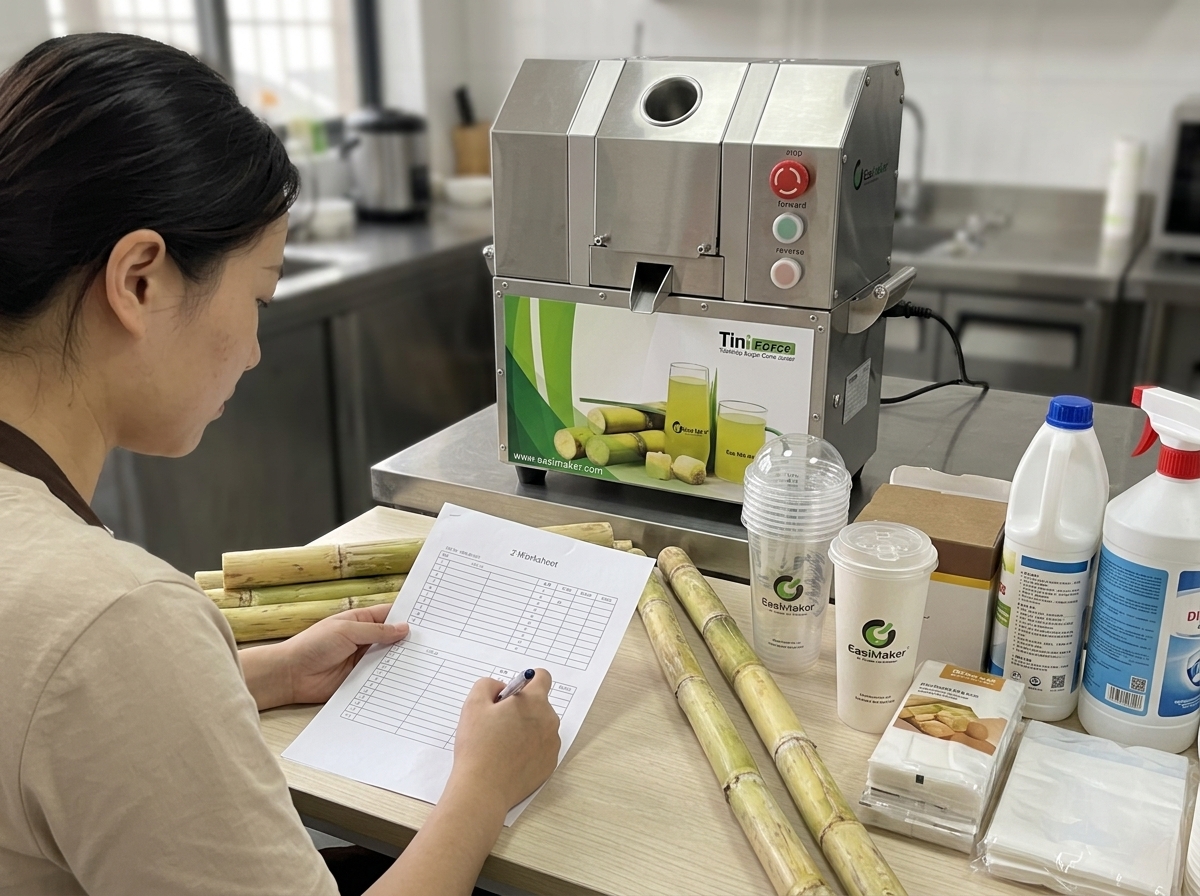
If sub-metering is not available, you can estimate using the motor rating and typical operating hours:

  1. Identify the motor power rating (e.g., 0.8 kW) on the nameplate.
  2. Estimate average operating hours per day (only the time the machine is actually crushing cane).
  3. Multiply: Daily kWh ≈ Motor kW × Operating hours.

Example (approximate):

  • Motor: 0.8 kW
  • Operating: 4 hours/day
  • Daily usage: 0.8 × 4 = 3.2 kWh/day
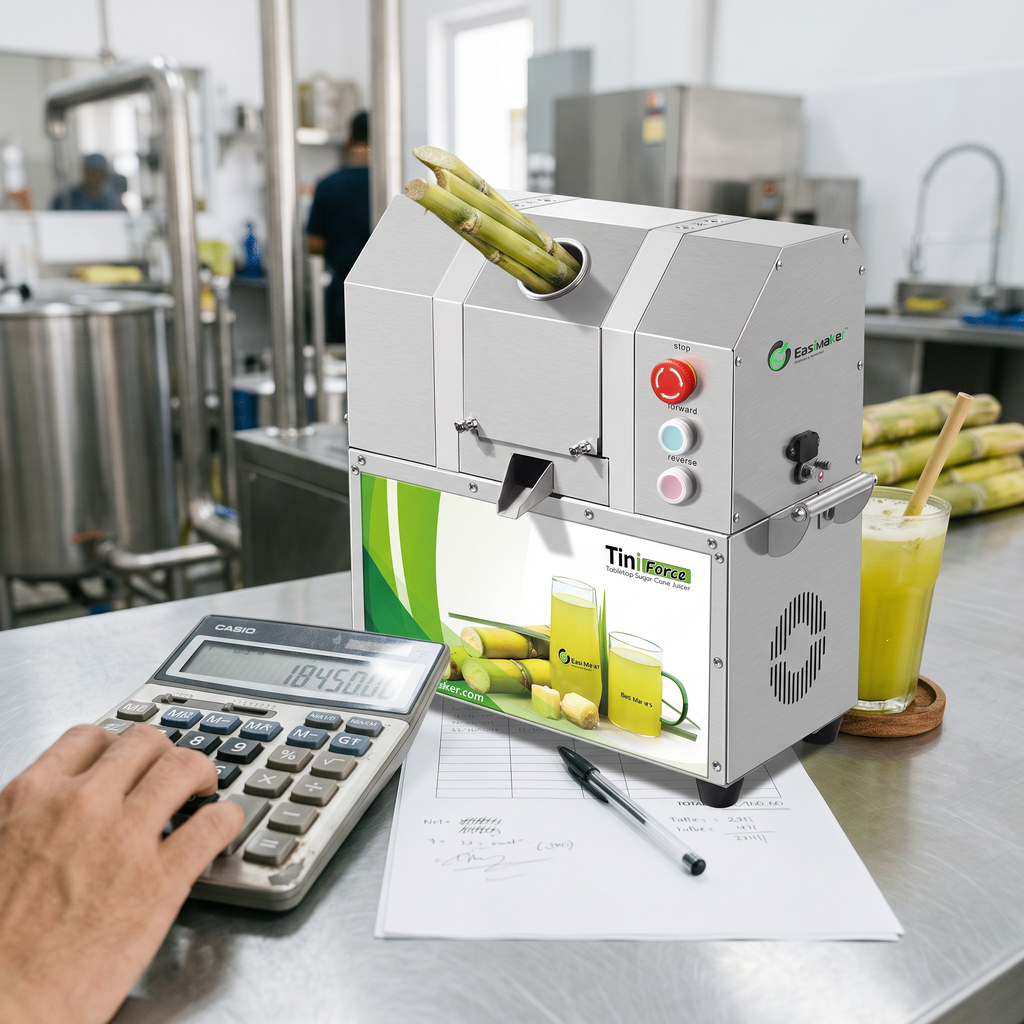
  • At $0.15 per kWh: ≈ $0.48/day, ≈ $175/year (assuming 365 days)

For chains with multiple outlets, these numbers scale quickly across locations.

4.2 Compare Machines on kWh per Liter

When evaluating a new commercial sugarcane machine, ask your supplier for guidance on expected energy use relative to output, or run a simple internal test:

  1. Measure how many liters of juice are produced in a fixed time (e.g., 1 hour under typical workload).
  2. Estimate energy use during that hour using the motor rating (or a power meter if available).
  3. Calculate: kWh per liter = kWh used / liters produced.

A machine that uses 0.6 kWh per liter versus one that uses 0.8 kWh per liter can reduce energy costs by 25% for the same output, depending on local tariffs.

4.3 Payback Period on an Upgrade

If considering replacing an older, less efficient machine with a more energy-conscious model, estimate payback as:

Payback (years) ≈ Extra investment / Annual electricity savings

For example (illustrative only):

  • Additional cost of new machine vs. basic model: $300
  • Estimated annual electricity savings: $120
  • Payback: $300 ÷ $120 ≈ 2.5 years

After the payback period, savings directly support your margins.


5. Choosing the Right Energy-Efficient Sugarcane Machine

When comparing commercial juicer models for new installations or replacements, use the following practical criteria.

5.1 Match Capacity to Business Volume

Oversizing the machine typically increases acquisition cost and may also raise idle power consumption. Consider:

  • Average and peak hourly demand (liters/hour)
  • Number of operating hours per day
  • Seasonality and expected growth in demand

Choose a model that can comfortably handle peak periods without being significantly overpowered for daily usage.

5.2 Evaluate Total Cost of Ownership, Not Just Price

Total cost of ownership (TCO) includes:

  • Initial machine cost
  • Electricity consumption over several years
  • Maintenance and spare parts
  • Downtime impact if the machine fails during peak hours

An energy-efficient machine with robust components can lower TCO, even if the purchase price is slightly higher.

5.3 Materials and Build Quality

For foodservice applications, look for:

  • High-quality stainless steel in food-contact areas
  • Stable frame and vibration-resistant construction
  • Good sealing around electrical components to prevent moisture ingress

Better build quality often results in smoother operation, lower friction, and therefore better energy performance over time.

5.4 Service Support and Spare Parts

Energy efficiency also depends on a machine being kept in good mechanical condition. When choosing a supplier, consider:

  • Availability of technical support and troubleshooting
  • Lead times for common spare parts
  • Clear maintenance instructions and training material

Reliable support helps ensure your machines maintain their designed efficiency across their full lifespan.


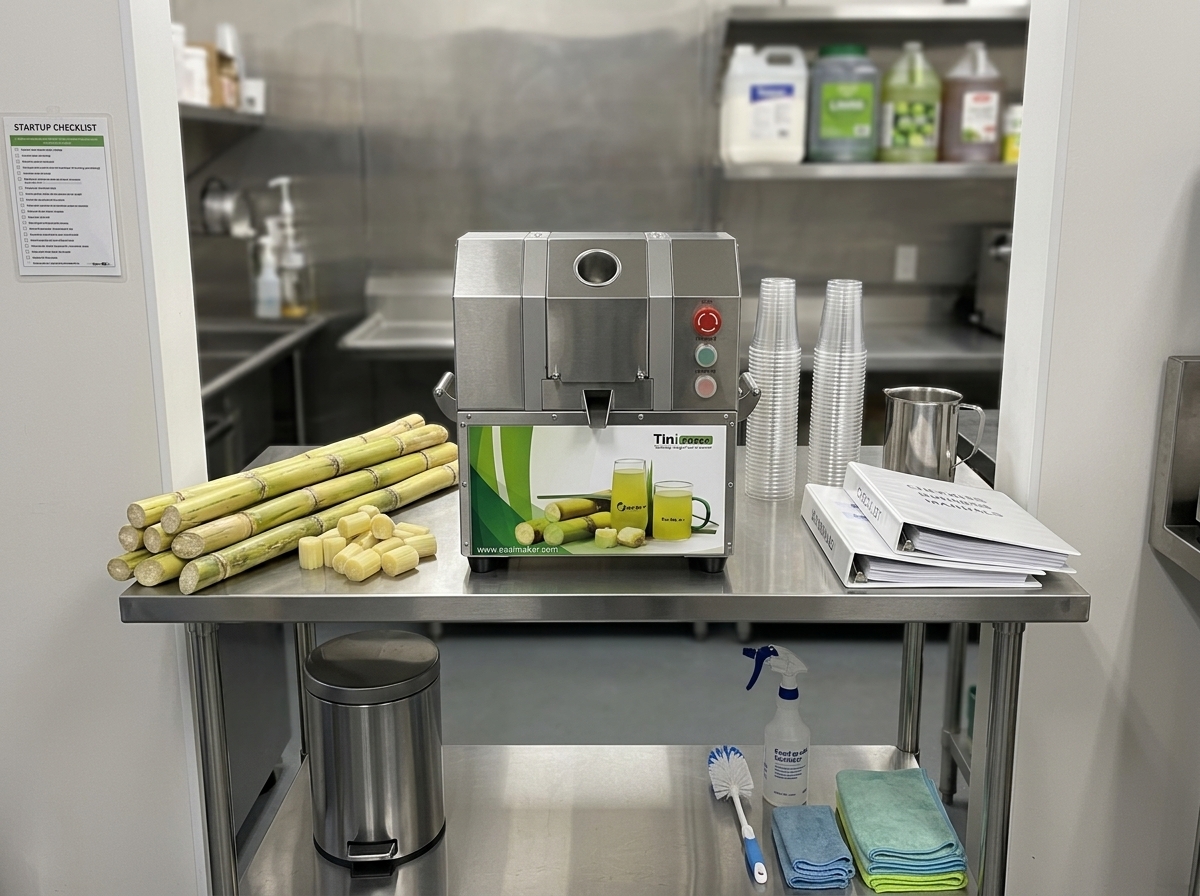
6. Simple Energy Optimization Checklist for Sugarcane Juice Shops

Use this checklist when reviewing your current setup or planning a new installation:

Machine Selection

  • Is the machine capacity aligned with your peak demand?
  • Does the motor rating match your usage rather than being significantly oversized?
  • Are rollers and internal components designed for efficient extraction?

Installation

  • Is voltage and wiring compliant with local requirements?
  • Is the machine placed to allow proper ventilation and heat dissipation?
  • Is there stable footing to minimize vibration and mechanical losses?

Operation

  • Do staff switch the machine off during extended idle periods?
  • Is sugarcane properly prepared and cleaned before feeding?
  • Are safety and overload protection features used correctly?

Maintenance

  • Is there a daily cleaning routine after closing?
  • Are rollers and moving parts inspected for wear monthly?
  • Are any unusual noises or heating issues addressed promptly?

7. FAQs: Energy Efficiency in Commercial Sugarcane Machines

Q1. Does a lower power (kW) motor always mean lower electricity bills?

Not necessarily. A lower kW motor that struggles with the workload may run longer or operate under stress, increasing overall energy use and wear. It is better to evaluate energy per liter of juice produced and ensure the motor is correctly sized for your demand.

Q2. How often should I service my sugarcane machine to keep it efficient?

Daily cleaning is recommended for hygiene and performance. In addition, a more thorough inspection—checking rollers, bearings, and electrical connections—every one to three months is advisable, depending on usage intensity and the manufacturer’s guidelines.

Q3. Can staff habits really impact electricity usage significantly?

Yes. Practices like leaving the machine running idle for long periods, forcing cane that causes frequent jams, or skipping cleaning can all increase power draw and shorten equipment life. Training and simple procedures can reduce these losses.

Q4. Is it worth upgrading an older but still functional machine?

It can be, especially in high-volume outlets. If newer models offer noticeably better extraction efficiency and smoother operation, the reduction in energy cost and downtime may justify replacement. Calculating a basic payback period using estimated annual savings can support your decision.

Q5. How can multi-store chains standardize energy optimization?

Chains can standardize on a specific machine model, create a shared operating and cleaning checklist, and track electricity consumption per outlet over time. Periodic internal audits or spot measurements help ensure each outlet follows the same best practices.

Q6. Do voltage fluctuations affect energy efficiency?

Voltage instability can cause motors to draw more current, run hotter, or trip protection devices, all of which reduce efficiency and reliability. In regions with unstable grids, consulting an electrician about appropriate protection and ensuring the machine’s compatibility with local supply conditions is important.


8. Next Steps: Reduce Your Operating Costs with Smarter Sugarcane Machines

Optimizing the energy usage of your commercial sugarcane machine is not only about choosing the right model; it is about combining good equipment with disciplined daily operation.

  • Review your current machine’s power rating, operating hours, and estimated annual electricity cost.
  • Identify quick operational improvements—especially staff training, cane preparation, and idle-time reduction.
  • Evaluate whether a newer, more efficient sugarcane machine could reduce your total cost of ownership over the next several years.

If you are planning new outlets, upgrading from older units, or standardizing across multiple locations, our team can help you review capacity needs, discuss energy-conscious model options, and outline practical operating guidelines tailored to your business.

Ready to optimize your sugarcane juice operation?
Request a quote / Get a sample and explore how a well-specified commercial sugarcane machine can support both your margins and your sustainability goals.

Why 4 Roller Sugarcane Machines Are More Efficient Than 2 Roller

Understanding Sugarcane Juice Extraction Efficiency

In the commercial sugarcane juice industry, the difference between a profitable operation and a struggling one often comes down to extraction efficiency. For procurement officers and business owners, the choice of equipment is a long-term investment in yield. While 2-roller machines have historically served as entry-level options, the industry has shifted toward multi-roller systems, specifically 4-roller designs, to maximize output and minimize waste.

The core challenge of sugarcane processing is the fibrous nature of the stalk. Sugarcane contains a high percentage of lignin and cellulose, which act as a sponge, holding onto the juice. To extract this liquid effectively, the machine must apply consistent, staged pressure. This is where the 4-roller design significantly outperforms its 2-roller counterparts.

The Mechanics: 2-Roller vs. 4-Roller Systems

To understand why 4 rollers are superior, we must look at the mechanical interaction between the rollers and the cane stalks. In a 2-roller sugarcane machine, the cane passes through a single pinch point. This single point of contact must handle the entire task of crushing the hard exterior and squeezing the internal fibers. Often, this results in an incomplete extraction, requiring the operator to pass the bagasse (the leftover fiber) through the machine a second or third time.

In contrast, a 4-roller system, such as the EasiDeMax S4, utilizes a progressive compression strategy. The rollers are typically arranged in two sets. The first set acts as the “crusher,” breaking the rind and opening the fiber structure. The second set provides the “final press,” extracting the remaining juice from the pre-crushed stalks. This staged approach ensures that the fiber is thoroughly exhausted of its liquid content in a single pass.

Staged Pressing: The 4-Roller Advantage

Staged pressing is not just about adding more rollers; it is about the physics of juice release. When sugarcane is compressed, the juice needs a path to escape. In a 2-roller setup, the high pressure at the single nip point can actually “trap” juice within the fiber as it is compressed too quickly. A 4-roller machine allows for a more controlled release. The first stage prepares the material by increasing its permeability, and the second stage applies the high-intensity pressure needed for a high yield sugarcane juice machine to reach its full potential.

Drier Bagasse and Higher Yield

The most visible indicator of efficiency is the state of the bagasse. If the bagasse coming out of the machine is damp or heavy, juice is being wasted. A high-efficiency 4-roller machine produces bagasse that is brittle and bone-dry. For example, the EasiDeMax S4 is engineered to achieve a juice yield of up to 75%. This is a significant jump from the 50-60% yields common in standard 2-roller or lower-quality 3-roller machines. Over thousands of kilograms of cane, this 15-20% difference in yield directly translates to a lower cost per liter of juice and higher profit margins.

Comparing Specifications: 2-Roller vs. 4-Roller Models

When evaluating hardware for a commercial juice bar or bottling plant, a direct comparison of technical specifications reveals the operational gap between these designs.

Feature Standard 2-Roller Machine 4-Roller Machine (e.g., EasiDeMax S4)
Extraction Method Single-stage compression Dual-stage/Staged pressing
Typical Juice Yield 50% – 62% Up to 75%
Bagasse Quality Moist, often requires re-pressing Dry, brittle, single-pass ready
Grip & Feed Prone to slipping on thick stalks Superior grip due to multiple contact points
Motor Stress High peak load on one nip point Distributed load across four rollers
Noise Levels Often higher due to vibration Low noise (optimized gear ratios)

Technical Spotlight: The EasiDeMax S4 4-Roller Machine

The EasiDeMax S4 serves as a benchmark for what a professional-grade 4-roller machine should offer. Beyond the roller count, several engineering factors contribute to its efficiency and reliability in a B2B environment.

Material Integrity: 304 Stainless Steel

In food processing, material choice is non-negotiable. The use of 304 stainless steel for the rollers and all components that come into contact with the juice ensures corrosion resistance and compliance with international food safety standards. Sugarcane juice is naturally acidic; lower-grade metals can leach or corrode over time, affecting juice flavor and machine longevity. 304 stainless steel provides the durability required for 24/7 commercial operations.

Motor Protection and Operational Safety

A common failure point in commercial juicers is motor burnout caused by overloading. When a thick or particularly hard stalk is fed into the machine, the torque requirements spike. High-quality 4-roller machines incorporate overload protection. This system monitors the current draw and automatically shuts down the motor if it exceeds safe operating limits, preventing permanent damage. Furthermore, understanding motor power is essential for choosing a machine that can handle high-volume throughput without overheating.

Operational Benefits for Commercial Juice Businesses

For distributors and brand owners, the 4-roller design offers several operational advantages that go beyond simple juice yield:

  • Reduced Labor Costs: Because the 4-roller machine achieves maximum extraction in a single pass, operators spend less time re-feeding bagasse. This increases the cups-per-hour capacity of the station.
  • Consistent Flavor Profile: Staged pressing extracts juice more evenly from different parts of the stalk, leading to a more consistent sweetness and color in the final product.
  • Lower Maintenance: By distributing the mechanical load across four rollers instead of two, the wear and tear on individual bearings and gears are reduced, leading to longer service intervals.
  • Improved Safety: Modern 4-roller machines are designed with enclosed feeding ports and emergency stop functions, minimizing the risk of operator injury compared to older, open-roller designs.

How to Choose the Right Commercial Sugarcane Machine

Selecting the right equipment requires a balance between budget and required output. While the initial capital expenditure for a 4-roller machine is higher than a 2-roller model, the ROI is typically realized within the first few months of operation through juice savings alone. When sourcing, consider the following:

  1. Volume Requirements: If you are processing more than 50kg of cane per day, a 4-roller machine is almost always the more economical choice.
  2. Power Supply: Ensure your facility can support the wattage required for heavy-duty motors. Most commercial units run on standard 110V/220V, but the amperage draw during peak crushing should be verified.
  3. Ease of Cleaning: Look for machines with removable panels or easy-access rollers. Sugarcane juice is high in sugar and will become sticky and unsanitary if the machine cannot be cleaned thoroughly every day.

Manufacturing and Quality Assurance

At the industrial level, quality assurance (QA) is what separates a reliable machine from a liability. Professional manufacturers implement rigorous testing protocols, including load testing the motors for several hours and verifying the hardness of the stainless steel rollers. When ordering in bulk or for distribution, inquire about the factory’s QA process and their spare parts availability. A machine is only as good as the support behind it, especially when it comes to consumable parts like gears and bearings.

Frequently Asked Questions (FAQs)

1. Can a 4-roller machine handle different diameters of sugarcane?

Yes, most professional 4-roller machines like the EasiDeMax S4 feature self-adjusting tension or specific roller gaps designed to accommodate various cane thicknesses, from thin stalks to premium thick varieties.

2. Is the juice from a 4-roller machine different in taste?

The taste is generally superior because the staged pressing doesn’t “shock” the fiber as much as a high-pressure 2-roller pass, which can sometimes release more bitter compounds from the outer rind if not calibrated correctly.

3. How often do the rollers need to be replaced?

With 304 stainless steel construction and proper cleaning, rollers can last for several years of heavy use. The primary maintenance items are usually the drive belts or gears, which are easily replaceable.

4. Does a 4-roller machine consume more electricity?

While the motor may be more powerful, the total energy consumed per liter of juice produced is often lower because the machine works more efficiently and doesn’t require multiple passes.

5. What is the typical lead time for B2B orders?

Lead times vary based on customization and order volume, but standard commercial units are typically ready for shipment within 15–30 days. For large distributor orders, it is best to contact our sales team for a specific timeline.

Conclusion: Making the Shift to 4-Roller Efficiency

For any serious commercial enterprise, the 4-roller sugarcane machine represents the gold standard in juice extraction. By providing staged pressing, higher yields, and superior durability through 304 stainless steel construction, machines like the EasiDeMax S4 offer a clear path to higher profitability and operational excellence. If you are looking to upgrade your current setup or are planning a new juice venture, prioritizing extraction efficiency is the most effective way to ensure long-term success.

Ready to optimize your production? Request a quote / Get a sample today to see the difference professional-grade engineering makes.

Sugarcane Juice in Fitness Centers: Tapping into the Natural Electrolyte Recovery Market

The Shift from Synthetic to Natural Recovery

For decades, the post-workout recovery market was dominated by brightly colored, synthetic isotonic drinks. However, the modern fitness consumer is evolving. Gym members, from casual enthusiasts to competitive athletes, are increasingly scrutinizing labels, seeking "clean label" products free from artificial dyes, preservatives, and refined sweeteners.

This shift presents a tangible business opportunity for fitness centers and wellness clubs. By integrating fresh sugarcane juice into on-site juice bars or vending operations, facility owners can offer a plant-based, natural alternative that rivals engineered sports drinks in electrolyte content while commanding a premium price point.

Why Sugarcane? The Nutritional Argument for Athletes

To market sugarcane juice effectively within a fitness environment, it is essential to understand its functional benefits. Unlike refined sugar (sucrose), which is stripped of nutrients, raw sugarcane juice retains its natural mineral profile.

Natural Electrolyte Profile

Sugarcane juice is naturally rich in electrolytes, specifically potassium, calcium, magnesium, and manganese. These minerals are critical for preventing muscle cramps and replenishing salts lost through sweat during rigorous exercise. For context, a typical serving of fresh sugarcane juice can contain significant potassium levels, comparable to or exceeding that of bananas or commercial coconut water.

Glycogen Replenishment

Post-workout recovery requires rapid glycogen replenishment. The natural sugars in cane juice (a mix of sucrose, fructose, and glucose) provide a quick energy source that helps restore muscle glycogen stores immediately after training. Because it is unrefined, it has a lower glycemic index (GI) than many processed sports drinks, leading to a more sustained energy release rather than a sharp spike and crash.

The Business Case: ROI and Revenue Streams

For gym owners and wellness directors, the decision to introduce a new beverage line is ultimately financial. Sugarcane juice offers a favorable margin structure compared to bottled beverages.

  • Low Raw Material Costs: Raw sugarcane stalks are generally inexpensive to source in bulk compared to the unit cost of stocking premium bottled protein shakes or coconut water.
  • High Perceived Value: Freshly pressed juice offers "theater"—the customer sees the product being made. This freshness allows operators to charge a premium (often 300% to 500% markup over raw material costs).
  • Differentiation: While most gyms offer smoothies and protein shakes, few offer fresh-pressed botanical energy drinks. This uniqueness can drive secondary spend from members who might otherwise buy a drink at a convenience store on their way home.

Operational Considerations: Equipment and Workflow

Implementing a sugarcane juice station requires specific commercial equipment. Unlike soft fruits, sugarcane is a fibrous, hard grass that requires heavy-duty crushing mechanisms.

Choosing the Right Commercial Juicer

Standard centrifugal or masticating juicers cannot handle sugarcane; they will jam or burn out immediately. You require a dedicated sugarcane press (often called a roller crusher). When selecting equipment for a gym environment, prioritize the following specifications:

  • Roller Configuration: Look for 3-roller or 4-roller systems. More rollers generally mean a higher extraction rate (more juice per stalk) and a drier waste pulp (bagasse), maximizing yield.
  • Hygiene and Material: Ensure all food-contact parts are made of Food Grade Stainless Steel (typically 304 grade). This is non-negotiable for meeting health code standards and preventing corrosion from the acidic nature of the juice.
  • Safety Features: In a busy gym environment, safety is paramount. Modern commercial machines feature enclosed rollers and emergency stop buttons to prevent finger injuries—a significant upgrade over traditional open-wheel street vendor models.
  • Noise Levels: A gym juice bar needs to be inviting, not deafening. Look for gear-driven models designed for low-decibel operation.

Storage and Shelf Life

Fresh sugarcane juice oxidizes quickly, turning dark and changing flavor within 15–30 minutes if left untreated. For a commercial setting, you have two operational models:

  1. Made-to-Order: The stalk is pressed only when the customer orders. This guarantees the highest quality and nutritional retention but requires staff time.
  2. Batch Preparation with Acidification: Adding lemon, lime, or ginger during the pressing process significantly slows oxidation and enhances the flavor profile. This allows for small batches to be kept chilled for short periods during peak hours.

Menu Engineering: Creating Recovery Blends

To maximize appeal, position sugarcane juice as a base for functional recovery blends rather than just a standalone sweetener. Consider these B2B menu concepts:

Menu Item Name Ingredients Target Benefit
The Electrolyte Charger Sugarcane, Pink Himalayan Salt, Lime Rapid hydration and salt replacement for heavy sweaters.
Anti-Inflammatory Recovery Sugarcane, Fresh Ginger, Turmeric Reduces post-workout inflammation and joint stress.
Green Energy Kick Sugarcane, Mint, Cucumber Cooling, refreshing option for high-intensity cardio recovery.

Buying Guide: Sourcing Your Equipment

When investing in machinery for a fitness center juice bar, consider the following procurement factors:

  • Capacity (Output per Hour): Calculate your peak traffic. A machine rated for 300kg/hour is overkill for a small boutique studio but necessary for a large commercial gym chain.
  • Cleaning Efficiency: Ask suppliers about the "cleaning cycle time." Can the rollers be removed easily? Does it have a reverse function to clear jams? Staff will neglect cleaning if the process is overly complex.
  • Power Requirements: Ensure your juice bar area has the appropriate voltage outlets (110V vs 220V) for heavy-duty motors.
  • Warranty and Parts: Commercial juicers are investments. Verify the availability of spare parts (gears, bearings, rollers) and the terms of the warranty.

Frequently Asked Questions

Is sugarcane juice too high in sugar for fitness enthusiasts?

While it contains natural sugars, it has a lower Glycemic Index (approx. 43) compared to refined sugar (65) or glucose (100). For post-workout recovery, the body actually needs simple carbohydrates to spike insulin slightly and drive nutrients into muscle cells. It is a functional sugar, not empty calories.

What is the maintenance requirement for a commercial sugarcane juicer?

Daily cleaning is mandatory to prevent bacterial growth and sugar crystallization, which can seize the rollers. Deep cleaning should be performed weekly. Lubrication of the gearbox is typically required annually or bi-annually depending on usage volume.

How do I source raw sugarcane stalks?

Produce distributors that service Asian or Latin American markets typically carry fresh sugarcane. For consistent B2B supply, you may need to contract with a specialized produce wholesaler who can deliver stripped and cleaned stalks, reducing prep time for your staff.

Can I bottle the juice for grab-and-go?

Only if you have pasteurization or high-pressure processing (HPP) capabilities. Raw sugarcane juice ferments rapidly. For most gyms, fresh-pressed (made to order) is the safest and most appealing model.

Conclusion

The demand for natural, functional beverages is reshaping the fitness industry. Sugarcane juice offers a unique intersection of high profit margins, operational simplicity, and genuine nutritional value for athletes. By selecting the right commercial equipment and marketing the "clean recovery" benefits, fitness centers can tap into a lucrative new revenue stream that aligns with their members’ wellness goals.

Ready to upgrade your juice bar capabilities? Request a quote for commercial-grade sugarcane juicers today and start offering the ultimate natural recovery drink.

Analyzing the Return on Investment for High-End Sugarcane Juice Machines

Beyond the Sticker Price: Evaluating Total Cost of Ownership

In the beverage processing industry, procurement decisions often hinge on the balance between Capital Expenditure (CAPEX) and Operational Expenditure (OPEX). For entrepreneurs and distributors entering the lucrative sugarcane juice market, the initial price of the extraction equipment is the most visible cost. However, it is rarely the most significant factor in long-term profitability.

A high-end sugarcane juice machine is not merely a luxury; it is an efficiency asset. The difference between a budget model and a premium industrial unit directly impacts yield per kilogram of cane, downtime frequency, and labor allocation. This analysis breaks down the financial implications of equipment selection, demonstrating how superior engineering translates to a shorter payback period and higher profit margins.

The Mathematics of Yield: Extraction Efficiency

The primary driver of ROI in the sugarcane business is extraction efficiency—the percentage of juice by weight extracted from the raw cane. High-end machines utilize precision-engineered rollers and higher torque motors to achieve single-pass extraction rates that budget models cannot match.

Cost Impact Scenario

Consider a commercial operation processing 100 kg of sugarcane daily. Let us assume the cost of raw cane is $0.50 per kg.

  • Budget Machine (60% Extraction Rate): Produces 60 liters of juice. To get 60 liters, you consume 100kg of cane ($50 cost).
  • High-End Machine (75% Extraction Rate): Produces 75 liters of juice from the same 100kg. Alternatively, to produce the same 60 liters, you would only need 80kg of cane ($40 cost).

The Result: In this conservative scenario, the high-end machine saves $10 per day in raw material costs for the same output volume. Over a standard 300-day operating year, this equates to $3,000 in direct savings solely from raw material efficiency. This operational saving often covers the price difference between a budget and a premium unit within the first 12 to 18 months.

The Hidden Costs of Downtime

In industrial settings, reliability is currency. Budget machines often utilize nylon gears, lower-grade bushings, and underpowered motors that overheat under continuous load. Conversely, high-end units typically feature stainless steel gearboxes, heavy-duty bearings, and active cooling systems.

If a machine fails during a peak weekend or a high-traffic event, the cost is twofold:

  1. Repair Costs: Parts and technician labor.
  2. Opportunity Cost: Lost revenue from halted production.

If a business generates $500 in daily revenue, a two-day breakdown costs $1,000 in lost sales—plus the potential loss of reputation and repeat customers. Investing in equipment with a Mean Time Between Failures (MTBF) measured in years rather than months serves as an insurance policy against revenue interruptions.

Comparison: Economy vs. Premium Industrial Models

When evaluating specifications, B2B buyers should look beyond the horsepower rating. The following table highlights the structural differences that affect ROI.

Feature Economy / Budget Model High-End Industrial Model ROI Impact
Roller Material Chrome-plated iron or low-grade steel Solid 304 Stainless Steel Durability & Hygiene compliance (avoids rust contamination).
Transmission Chain drive or plastic gears Direct gear drive / Gearbox Reduces slippage and maintenance; increases torque for hard cane.
Extraction Type Multi-pass required (2-3 feeds) Single-pass instant extraction Reduces labor time by 50%; increases throughput speed.
Cleaning Fixed parts, difficult access Removable rollers, wash-down ready Saves 30-60 minutes of labor daily; ensures food safety.

Labor Efficiency and Throughput

Time is a fixed resource. A machine that requires an operator to feed the sugarcane through multiple times to extract the remaining juice creates a bottleneck. High-end machines are designed for “one-pass” efficiency.

Furthermore, cleaning time is a significant labor cost. Machines designed with sanitary compliance in mind (e.g., NSF or CE standards) often feature tool-less disassembly. Reducing cleaning time from 45 minutes to 15 minutes saves 30 minutes of wages daily. At $15/hour, that is a saving of roughly $2,250 annually.

Technical Specifications to Prioritize

To ensure you are sourcing a high-ROI machine, procurement teams should verify the following specifications with manufacturers:

  • Motor Torque vs. RPM: Low RPM with high torque is preferable for sugarcane to prevent oxidation and foam while crushing hard stalks without stalling.
  • Roller Gap Adjustability: The ability to adjust roller spacing allows operators to handle different cane diameters efficiently.
  • Chassis Construction: Look for full stainless steel chassis (including the frame, not just the exterior panels) to prevent internal corrosion which compromises machine structural integrity over time.
  • Safety Features: Emergency stop buttons and reverse functions are mandatory for operator safety and preventing jams from damaging the motor.

Buying Guide: Sourcing for Profitability

When requesting quotes or samples, consider the following logistical factors:

1. Spare Parts Availability

Does the supplier provide a “wear and tear” kit (extra bearings, seals) with the unit? Proprietary parts from budget suppliers can be difficult to source quickly. Ensure standard industrial components are used where possible.

2. Warranty Terms

A standard 1-year warranty is minimum, but check if it covers the motor and gearbox specifically. High-end manufacturers often warrant the core drive train for longer periods.

3. Customization & Branding

For B2B distributors, can the machine be white-labeled? High-end manufacturers often offer OEM services, allowing you to apply your own branding, which builds asset value for your distribution network.

Frequently Asked Questions (FAQ)

What is the typical payback period for a high-end sugarcane machine?

While it varies by location and volume, businesses selling 100+ cups daily typically see a payback period of 3 to 6 months for premium equipment. The increased yield and reduced waste accelerate this timeline compared to cheaper models.

Does a higher extraction rate affect juice quality?

Yes, often positively. High-quality cold press extraction preserves the color and prevents oxidation. However, crushing the cane too aggressively (grinding the skin) can introduce bitterness. High-end machines are calibrated to maximize liquid extraction without crushing the fibrous skin into the juice.

How do I calculate the capacity I need?

Calculate your peak hour demand. If you need to serve 100 customers in an hour, and each drink takes 30 seconds to pour, you need a machine capable of continuous duty cycles. Budget machines often require “cool down” periods after 15-20 minutes of use, which is unacceptable in commercial settings.

Are battery-operated commercial machines worth the investment?

For mobile carts, yes. Modern high-end battery units offer comparable torque to electric units. However, ensure the battery life matches your shift length or that the batteries are swappable to avoid downtime.

Conclusion

The decision to invest in a sugarcane juice machine should be viewed through the lens of a 3- to 5-year business plan. While a budget machine offers a lower barrier to entry, the cumulative costs of lower juice yield, higher labor requirements, and potential downtime quickly erode profit margins. A high-end machine acts as a reliable partner in production, securing consistent quality and maximizing the revenue generated from every stalk of cane.

Ready to upgrade your production capabilities? Contact us today to discuss specifications, request a quote, or learn about our latest high-efficiency models.