Introduction: The Engine of Your Juice Business
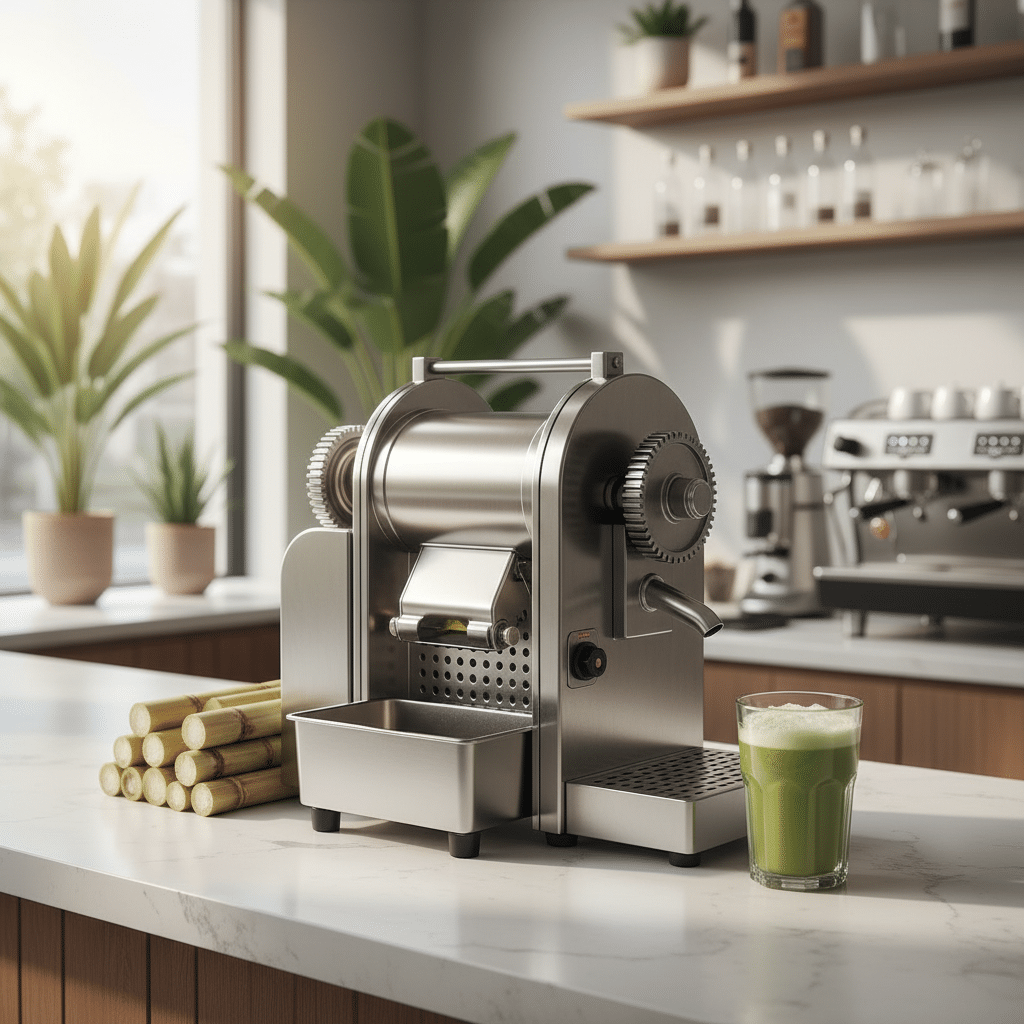
In the competitive beverage industry, fresh sugarcane juice stands out as a high-margin, high-demand product. However, the profitability of your juice shop depends almost entirely on one piece of equipment: your sugarcane juicer. Unlike blending soft fruits, crushing sugarcane requires immense torque and robust engineering. A sub-par machine leads to frequent breakdowns, low juice yield (wasted inventory), and safety hazards.
For B2B buyers—whether you are setting up a standalone juice bar, upgrading a restaurant beverage station, or procuring equipment for a franchise network—selecting the right model is an operational decision, not just a purchase. This guide provides a comprehensive framework to evaluate commercial sugarcane juice machines, ensuring you invest in equipment that maximizes throughput, hygiene, and longevity.
Step 1: Assessing Your Throughput Requirements
Before analyzing specifications, you must quantify your operational needs. Buying a machine that is too small creates bottlenecks during rush hours, while an oversized machine may waste valuable counter space and capital.
Calculating Cups Per Day
Start by estimating your peak demand. A typical commercial setting falls into one of three categories:
- Low Volume / Startup (Under 100 cups/day): Cafés or restaurants where sugarcane juice is a secondary menu item. A compact, tabletop unit is often sufficient.
- Medium Volume (100–300 cups/day): Dedicated juice kiosks or busy food court stalls. You need a machine capable of continuous operation without overheating.
- High Volume (300+ cups/day): Specialized sugarcane juice bars or wholesale bottling operations. These require heavy-duty motors and advanced cooling systems to run for hours non-stop.
If you are unsure where to start, read our guide on how to choose a sugarcane juice machine based on business size.
Step 2: Understanding Roller Technology
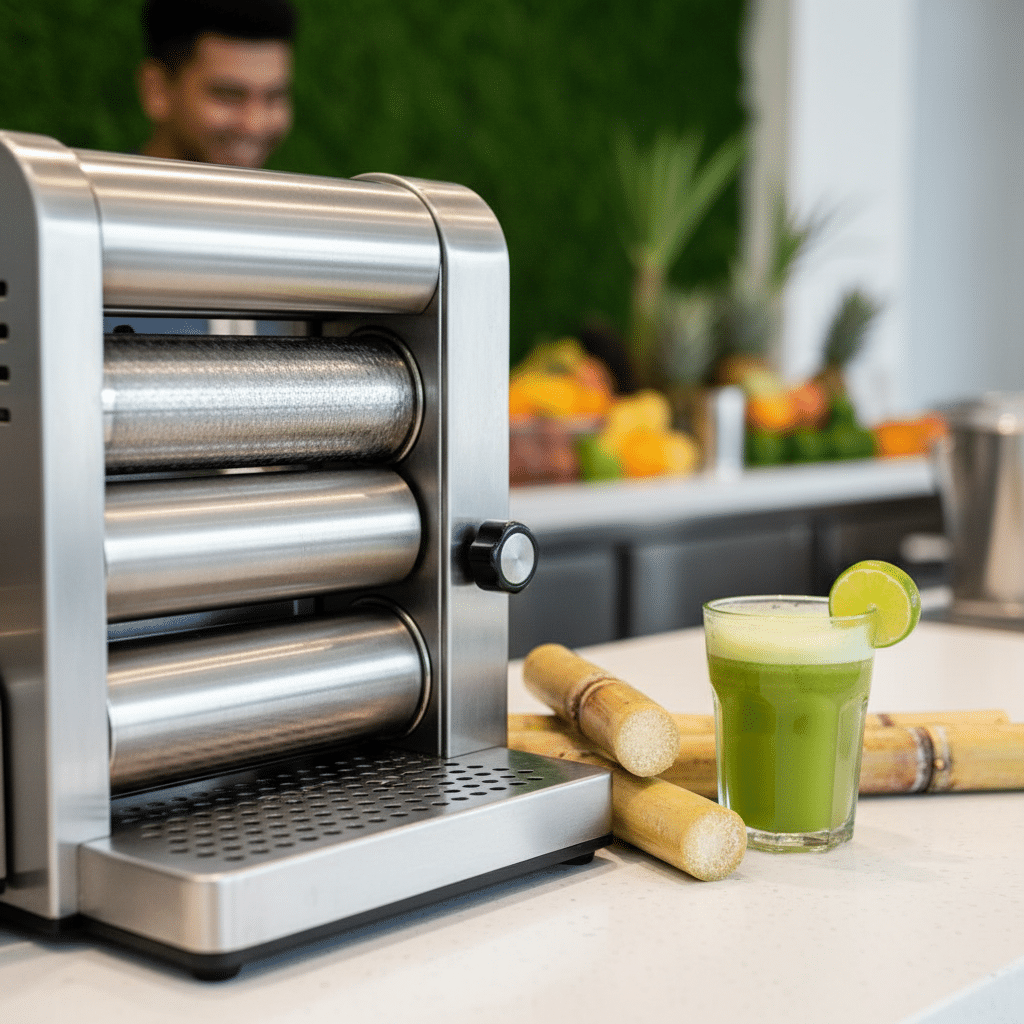
The core of any sugarcane juicer is the roller mechanism. The number and configuration of rollers determine the extraction efficiency (yield) and the speed of service.
2-Roller vs. 3-Roller vs. 4-Roller Systems
2-Roller Machines: These are often entry-level units. The downside is efficiency; you typically have to pass the cane through the machine 2 or 3 times to extract all the juice. This increases labor time and slows down service during a rush.
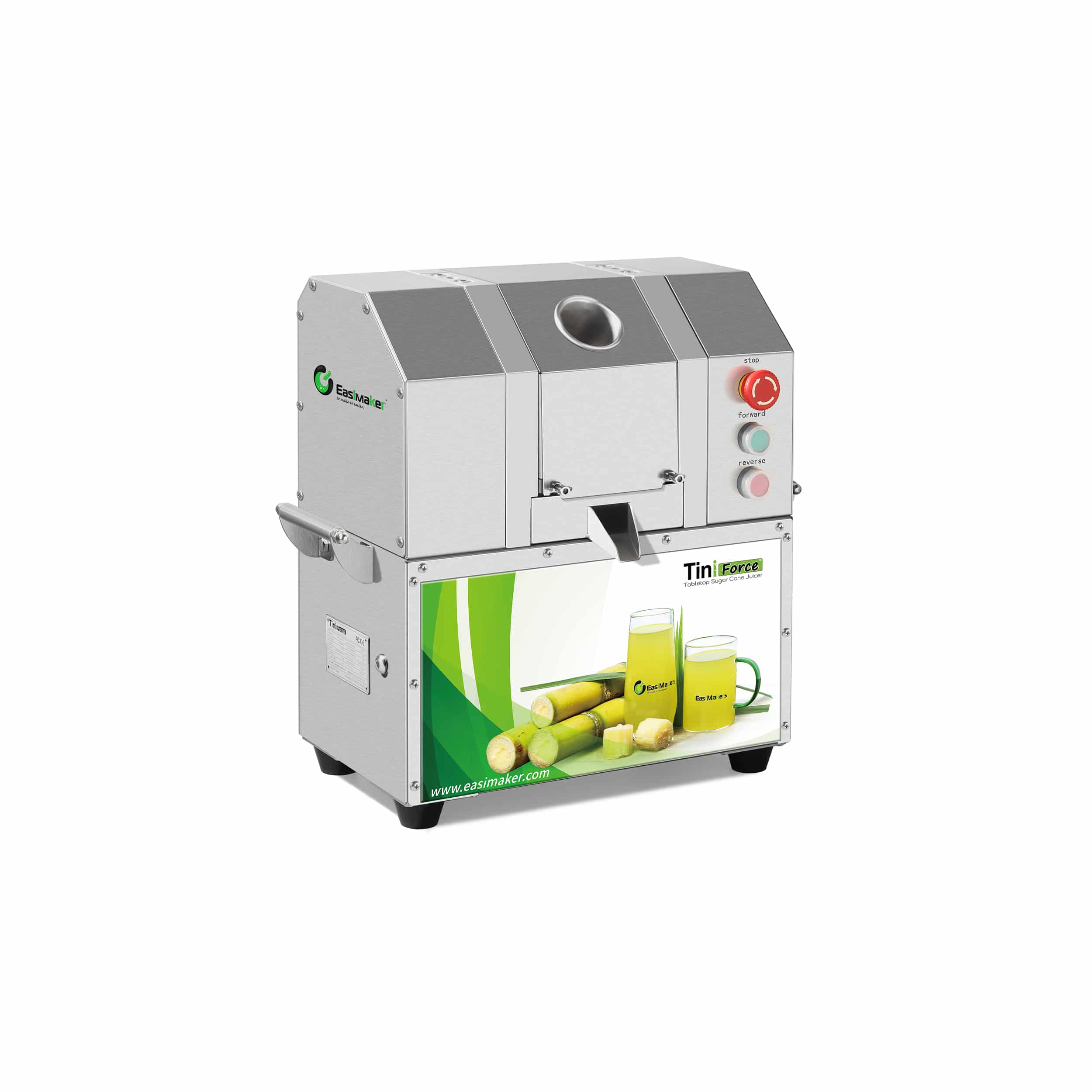
3-Roller Machines: This is the industry standard for compact commercial units. The cane is crushed in stages, usually achieving a high extraction rate in a single pass. For businesses with limited space but moderate demand, models like the Tiniforce S3 offer an excellent balance of torque and size, utilizing a 3-roller system to maximize yield without a massive footprint.
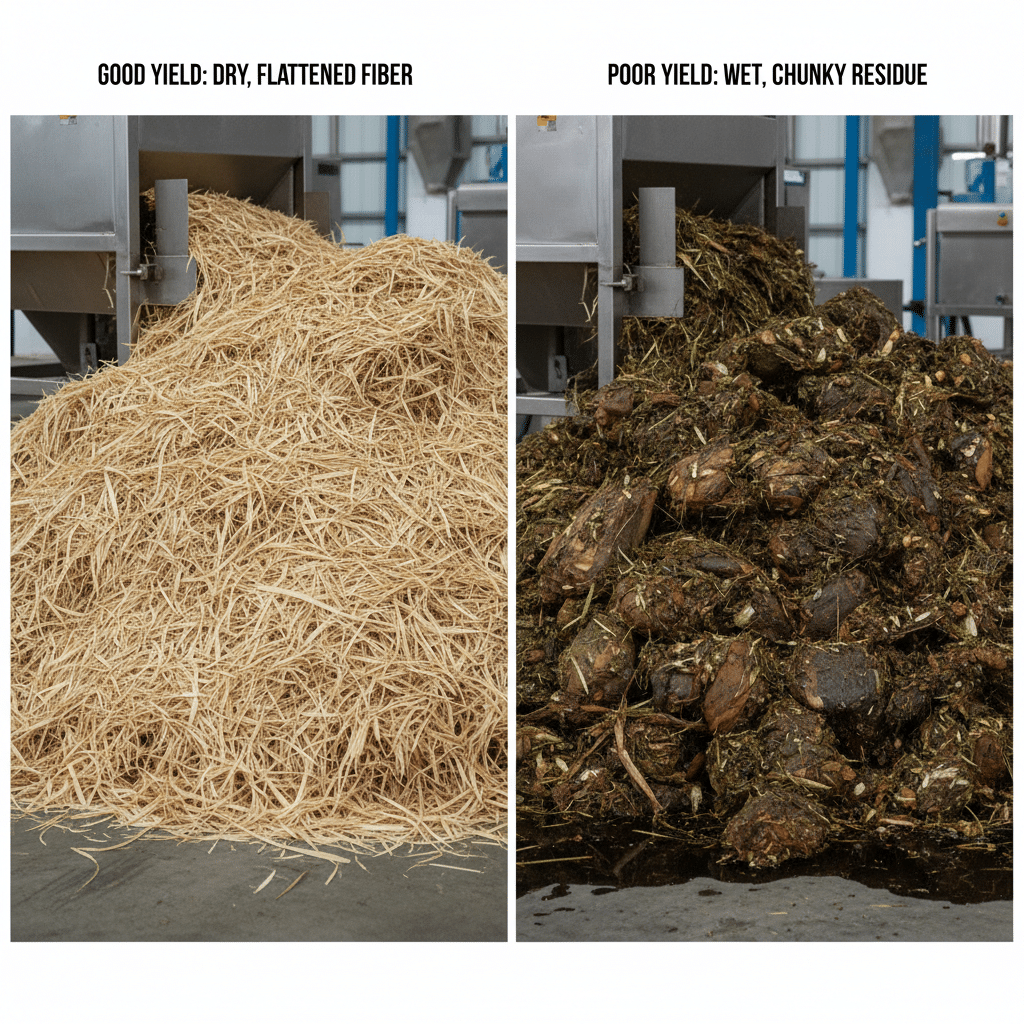
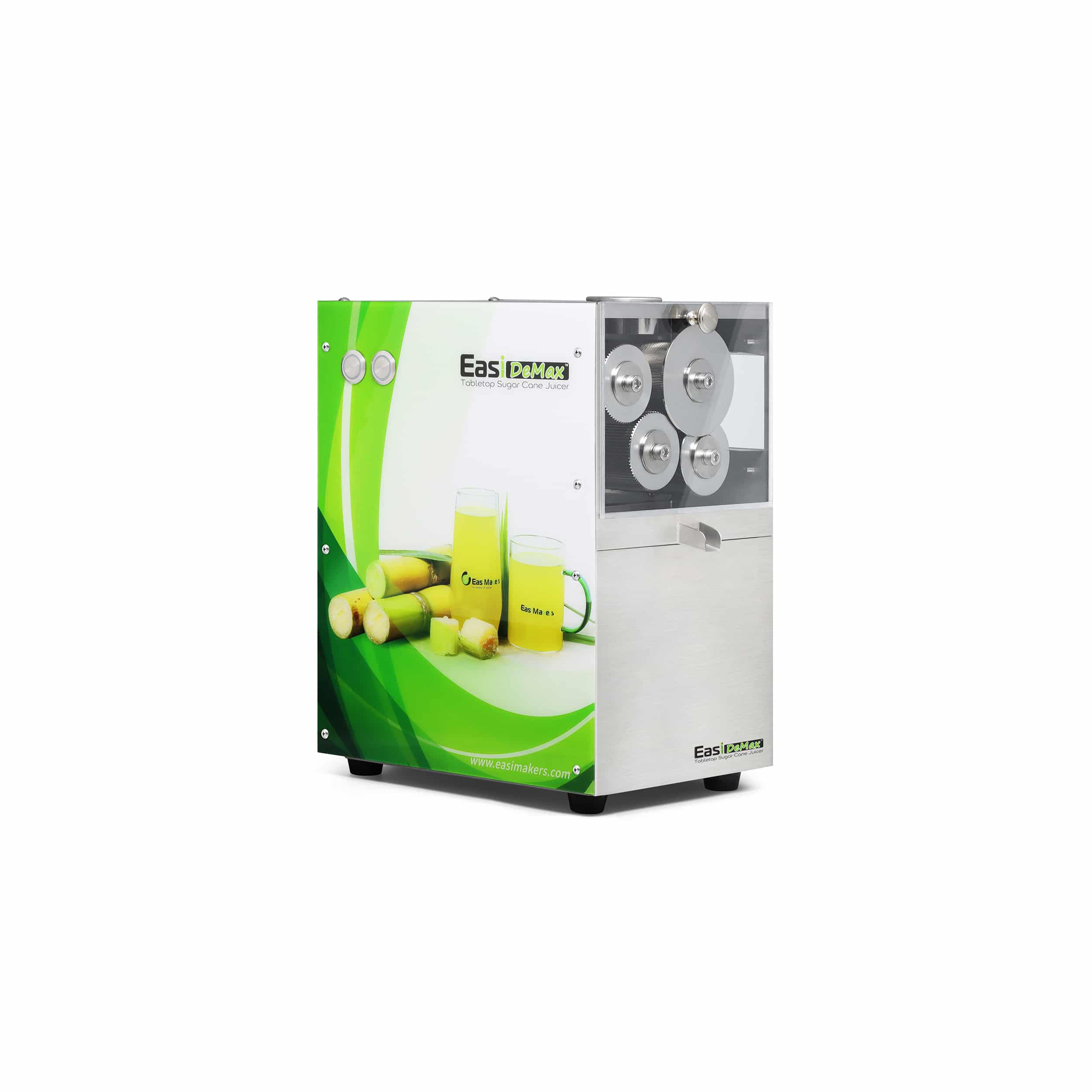
4-Roller Machines: These are designed for maximum extraction and speed. The additional roller allows for a more gradual and thorough crushing process. This often results in the driest possible bagasse (waste fiber) in a single pass, maximizing your profit per stick of cane. For high-traffic locations, the Easidemax S4 is engineered to handle heavy loads with its 4-roller configuration, ensuring you get every drop of revenue from your raw material.
Solid vs. Hollow Rollers
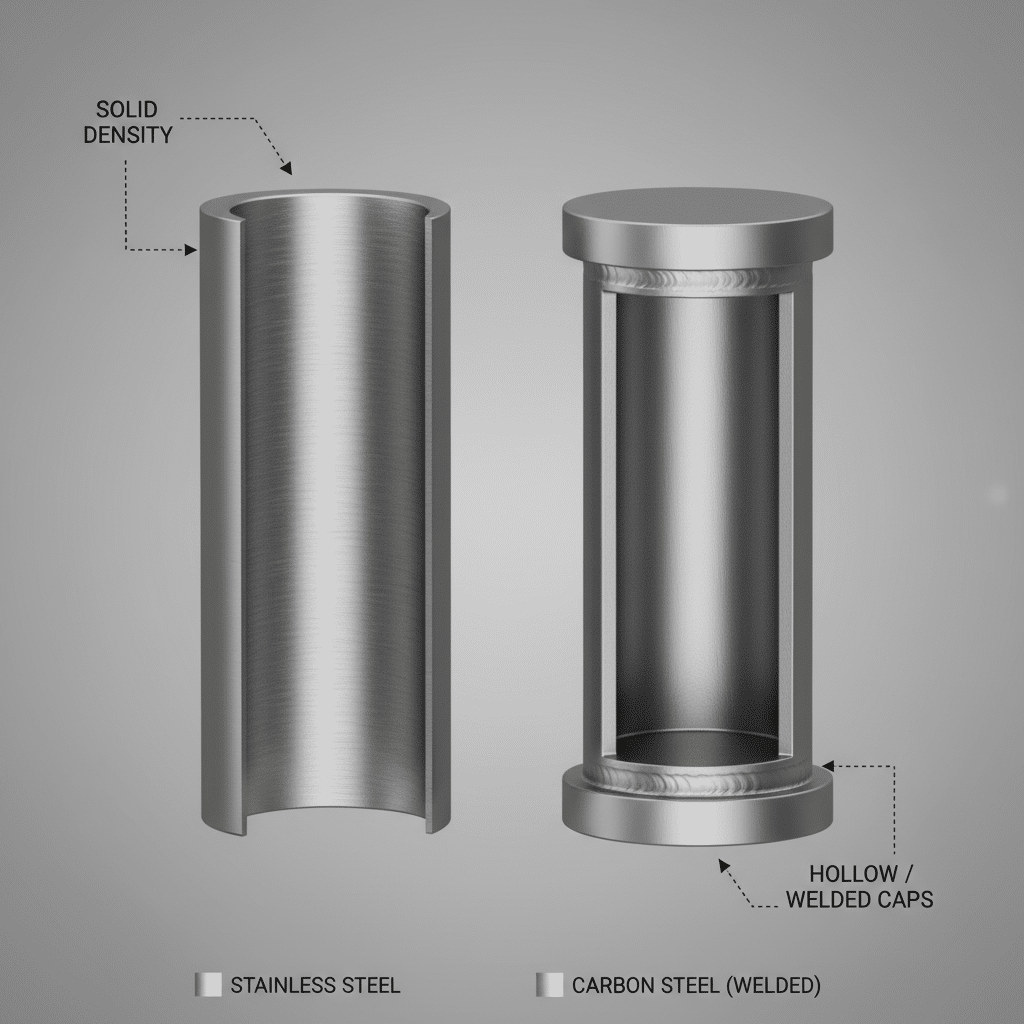
Always verify that the rollers are solid stainless steel (preferably Grade 304). Hollow rollers can dent or crack under the immense pressure required to crush mature sugarcane, leading to costly replacements.
Step 3: Motor Torque and Drive Systems
Sugarcane is a fibrous, tough material. A high-speed blender motor will burn out instantly. You need torque (rotational force), not just RPM.
Gearbox vs. Chain/Belt Drive
- Chain/Belt Drive: Older or cheaper models use chains and belts. These stretch over time, require frequent tension adjustments, and are noisy. They are also prone to slipping when a particularly thick cane is inserted.
- Gearbox Direct Drive: Modern, high-quality commercial juicers use a gearbox reduction system. This multiplies the motor’s torque, allowing a relatively small motor to crush thick cane effortlessly. Gearboxes are quieter, require less maintenance (no belts to replace), and provide consistent power.
Power Consumption and Efficiency
For commercial shops, electricity costs matter. An efficient gearbox system allows the machine to consume less power while delivering higher crushing force. Look for machines that operate on standard voltage but utilize high-efficiency motors to keep operating costs low.
Step 4: Hygiene and Food Safety Design
In the post-pandemic era, hygiene is a top priority for consumers. A machine that looks dirty or is hard to clean can ruin your brand’s reputation.
Closed vs. Open Design
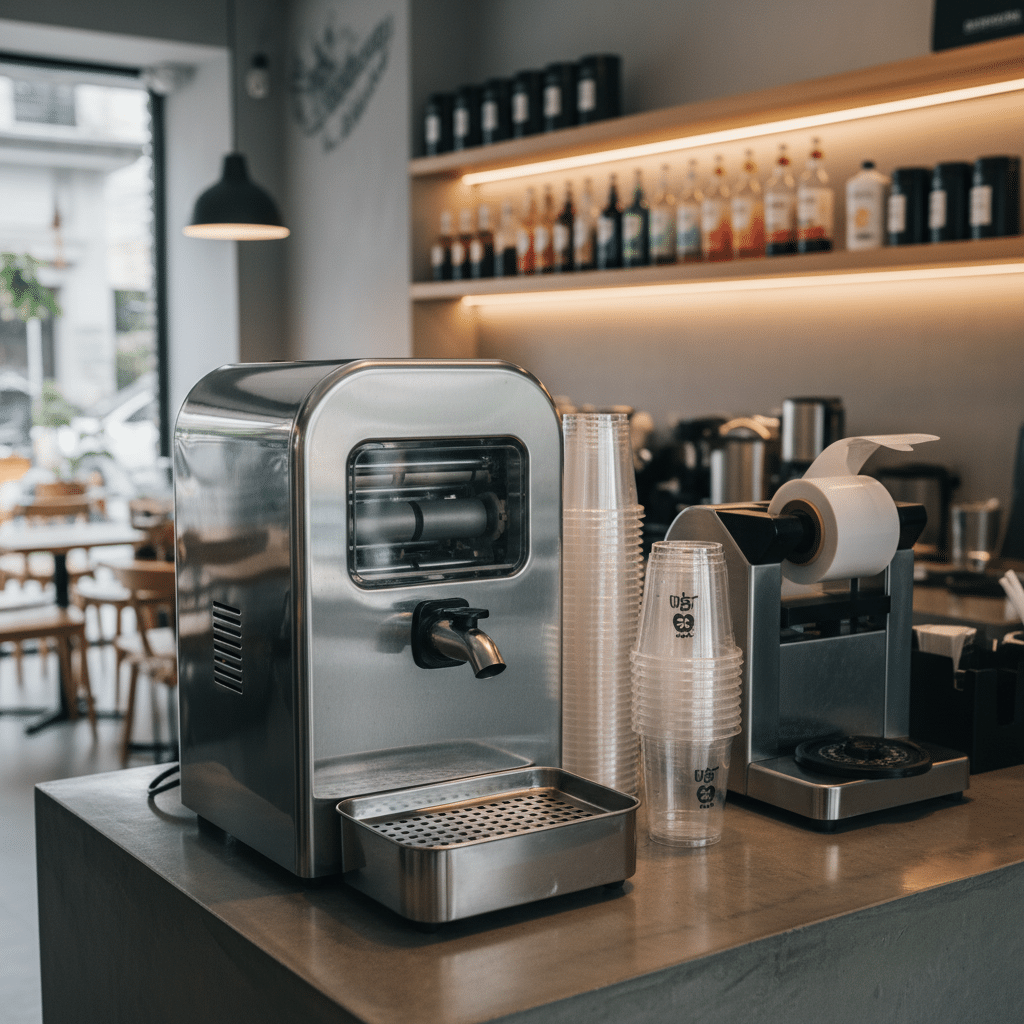
Traditional manual crushers are often open, exposing the juice and rollers to dust, flies, and contaminants. Modern commercial electric machines should have a closed loop design where the extraction area is sealed off from the environment.
Cleaning Efficiency
Ask the following questions regarding maintenance:
- Are the rollers easily accessible for washing?
- Can the juice extraction chamber be flushed with water without damaging the motor?
- Are there hidden crevices where sugar can ferment and grow bacteria?
For a deeper dive into sanitary features, review the top 5 features to look for in a reliable sugarcane juicer.
Step 5: Noise Levels and Customer Experience
If your juice machine is located front-of-house (which is recommended for the “freshness” appeal), noise is a critical factor. An excessively loud machine disrupts customer conversation and creates an unpleasant environment.
Gearbox-driven machines are significantly quieter than chain-driven ones. When selecting a model, look for specifications regarding decibel levels or descriptions emphasizing “low noise” or “silent operation.” This is particularly important for indoor juice bars in malls or quiet cafés.
Comparison: Compact Tabletop vs. Floor-Standing Commercial
Choosing the form factor is often dictated by your available real estate.
| Feature | Compact Tabletop (e.g., Tiniforce S3) | Heavy-Duty Commercial (e.g., Easidemax S4) |
|---|---|---|
| Footprint | Small, fits on standard counters. | Larger, often requires dedicated space or sturdy stand. |
| Portability | High. Easy to move for events or cleaning. | Low. Stationary installation recommended. |
| Capacity | Ideal for 50-300 cups/day. | Ideal for 300+ cups/day. |
| Roller Count | Typically 3 rollers. | Typically 3 or 4 rollers. |
| Best For | Cafés, food trucks, limited space kiosks. | Dedicated juice bars, busy food courts. |
Step 6: Safety Features
Industrial machinery poses risks if not designed correctly. Ensure your chosen model includes:
- Emergency Stop Button: A prominent, easy-to-hit button to cut power instantly.
- Reverse Function: Essential for clearing jams. If a piece of cane is too thick or hard, the machine should be able to reverse rollers to release it safely.
- Inlet Guard: The feeding inlet should be designed to accept sugarcane stalks but prevent human hands from reaching the rollers.
Step 7: After-Sales Support and Spare Parts
A machine is only as good as its support. Even the best machines need maintenance eventually (bearings, seals, etc.).
- Spare Parts Availability: Does the manufacturer stock standard parts? Proprietary parts that are out of stock can shut your business down for weeks.
- Warranty: Look for a clear warranty policy that covers the motor and gearbox, as these are the most expensive components.
- Technical Support: Can you reach the supplier for troubleshooting?
The ROI of Quality: Why “Cheap” Machines Cost More
It is tempting to buy the cheapest imported machine available, but in the sugarcane business, this is a false economy. Here is the math:
- Yield Loss: A cheap machine with poor roller pressure might leave 15-20% of the juice in the waste (bagasse). Over a year, that is thousands of dollars in lost revenue from cane you bought but threw away.
- Downtime: If a cheap nylon gear strips during a Saturday afternoon rush, you lose not just the repair cost, but the entire day’s sales and customer trust.
- Lifespan: A quality SS304 machine with a gearbox can last 5-10 years. A cheap unit often rusts or fails within 12 months.
Frequently Asked Questions (FAQs)
1. Can I use a regular fruit juicer for sugarcane?
No. Sugarcane is extremely fibrous and hard. Standard centrifugal or masticating juicers designed for apples or carrots will break immediately. You must use a specialized sugarcane crusher.
2. How often do I need to clean the machine?
Ideally, you should rinse the rollers every few hours to prevent stickiness and attract insects. A full deep clean should be done at the end of every business day.
3. What is the difference between the Easidemax S4 and Tiniforce S3?
The Easidemax S4 is a 4-roller heavy-duty machine designed for high volume and maximum extraction. The Tiniforce S3 is a compact, 3-roller machine perfect for businesses with space constraints that still require commercial durability.
4. Does the machine peel the sugarcane?
No, the machine crushes the cane. You must peel the hard outer skin of the sugarcane before feeding it into the machine for the best taste and hygiene, although some heavy-duty machines can crush unpeeled cane (not recommended for taste).
5. Is the machine battery operated or electric?
Most commercial models are mains-powered (electric) for consistent torque. Battery-operated models exist for mobile carts but typically have lower throughput.
6. How do I maintain the rollers?
Rollers should be washed daily. Periodically, you may need to check the bearings and lubricate the chain or gears (if applicable, though gearbox models are sealed).
Final Recommendation Checklist
Ready to make a decision? Use this checklist to ensure you have covered all bases:
- [ ] Capacity Check: Does the machine handle your peak hour cup volume?
- [ ] Space Check: Have you measured your counter space? (Compare dimensions of S3 vs S4).
- [ ] Hygiene Check: Is the machine made of food-grade 304 Stainless Steel?
- [ ] Safety Check: Does it have an emergency stop and reverse switch?
- [ ] Yield Check: Does it use at least 3 rollers for single-pass extraction?
- [ ] Noise Check: Is it quiet enough for your shop environment?
Get Expert Advice
Choosing the right equipment is the first step toward a profitable juice business. If you are still unsure which model fits your specific workflow, or if you need a custom quote for bulk orders, our team is here to help.
Request a quote / Get a sample today and ensure your juice shop is powered by the best technology in the market.