Table of Contents
- The practical approach to sugarcane bagasse disposal
- What is sugarcane bagasse?
- Build a clean bagasse collection workflow
- Choose the right disposal or recovery route
- Storage, hygiene, and pest control
- When bagasse can be reused
- Control costs and record your waste handling
- A simple bagasse handling plan
Sugarcane bagasse is a wet, fibrous by-product that needs prompt collection, clean storage, and a disposal route suited to your local rules and daily volume. This guide explains how juice businesses can manage bagasse safely, reduce handling problems, and assess practical reuse options.
The Practical Approach to Sugarcane Bagasse Disposal
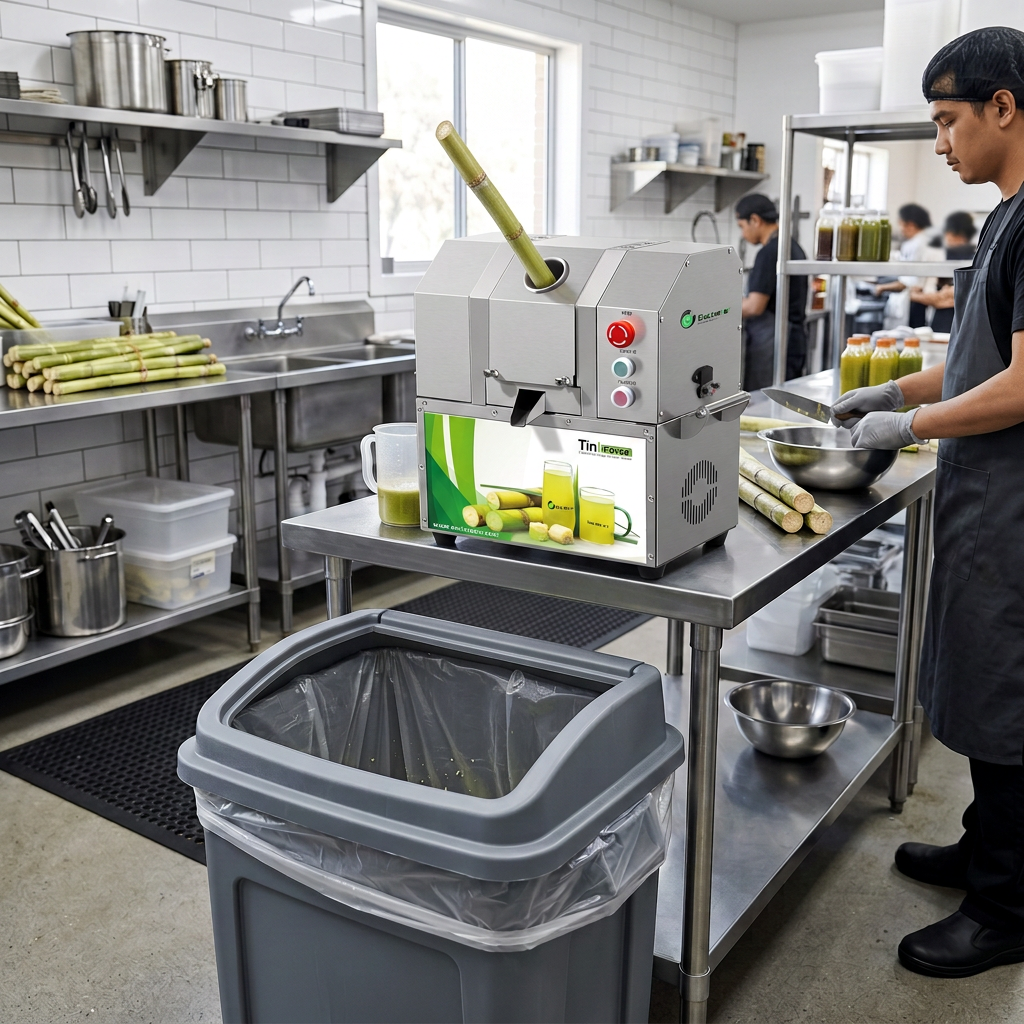
For most sugarcane juice businesses, the best approach to sugarcane bagasse disposal is to collect the pressed fibre immediately in a dedicated covered container, keep it separate from general rubbish and food-contact areas, and move it out of the premises on a regular schedule. The final route may be general organic waste collection, a licensed waste contractor, a composting partner, or another local recovery channel. The right choice depends on your daily volume, available storage space, local waste rules, and whether a reliable receiver will accept wet fibrous material.
Bagasse should not be left around the juicer, pushed into drains, or stored in open piles. It is moist after extraction and can ferment, smell, leak, and attract insects if handling is delayed. A simple documented workflow protects the cleanliness of the service area, makes closing duties easier, and helps managers understand the real cost of producing each cup of juice.
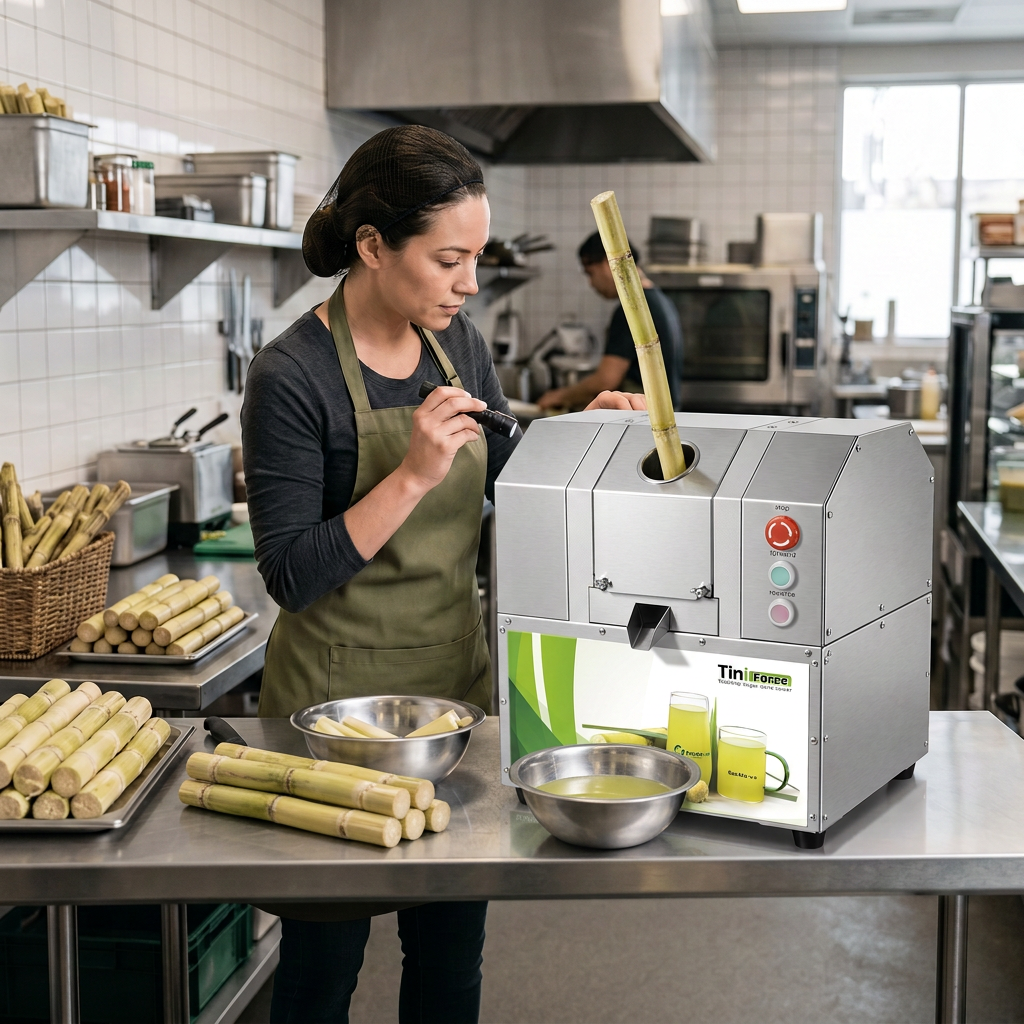
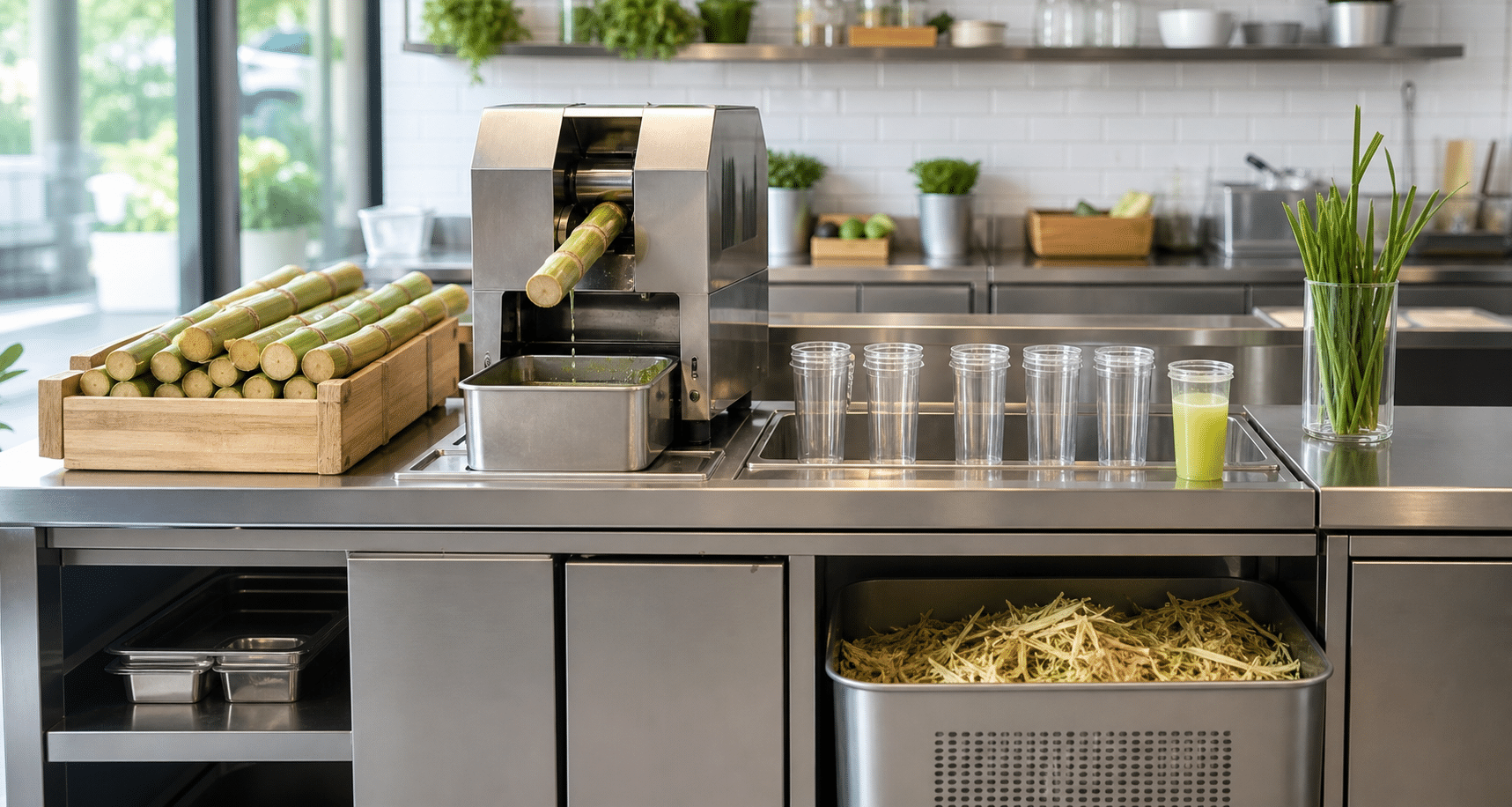
Start with a small, repeatable system: place a suitable bin at the discharge side of the machine, line it if local collection rules and your operating method require it, empty it before it becomes difficult to move, clean the bin after use, and confirm where the material goes. If you operate a seasonal stand or high-demand location, build extra collection capacity into the busiest trading periods.
What Is Sugarcane Bagasse?
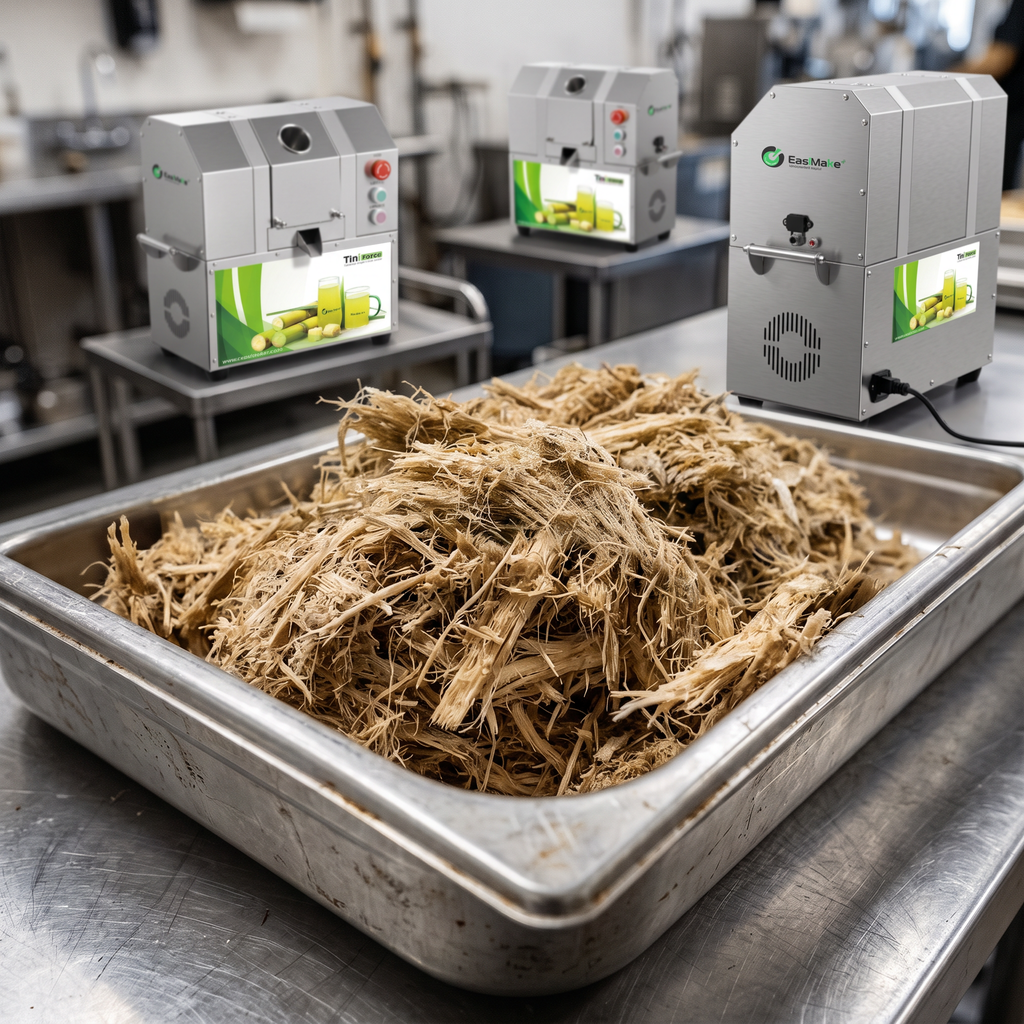
Sugarcane bagasse is the fibrous residue left after sugarcane stalks pass through a sugarcane juice machine. It is mostly plant fibre, but fresh bagasse also retains moisture and small amounts of juice. Its condition changes quickly after pressing, especially in warm weather or enclosed service areas.
For a juice operator, bagasse is not the same as dry garden waste. It may be sticky, heavy when wet, and variable in size according to the cane supplied and the machine setup. It can also include accidental contaminants such as drink straws, gloves, packaging, labels, soil from poorly cleaned cane, or cleaning materials. Once mixed with these items, reuse and composting options can become more limited.
Managing bagasse well begins before disposal. Wash and inspect sugarcane according to your food-handling process, keep waste containers close enough to avoid spills, and prevent non-organic rubbish from entering the bagasse bin. Separation makes the material easier to handle and gives your business more options if a composting or recovery partner is available.
Build a Clean Bagasse Collection Workflow
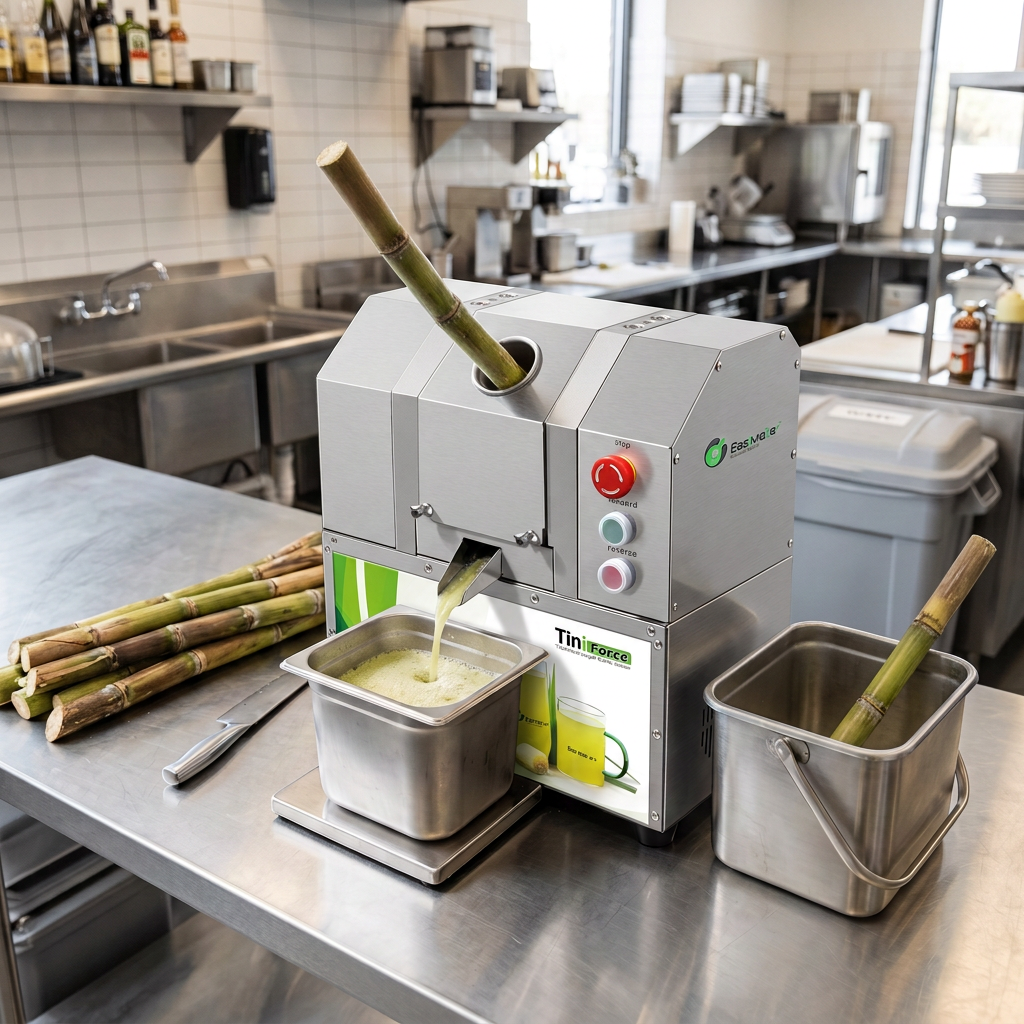
A collection process should fit naturally into the operator’s work sequence. If the bagasse container is too small, too far away, or awkward to remove, staff are more likely to let waste accumulate near the machine. That creates unnecessary cleaning work and can interfere with a tidy customer-facing counter.
Set up the collection point
- Use a dedicated, clearly identified container for bagasse only.
- Choose a stable container that can be closed or covered when not actively receiving fibre.
- Position it at the bagasse exit without obstructing the operator, customer flow, or access for cleaning.
- Use a secondary larger bin in the back-of-house area when front-counter capacity is limited.
- Keep a route for moving full bins that does not pass unnecessarily through clean preparation areas.
Define staff responsibilities
Make bagasse removal part of opening, peak-period, and closing checklists. One team member should know who empties the collection bin, where the material is transferred, how the container is cleaned, and what to do if the planned collection point is full. During busy trading, check the bin more often rather than waiting for an overflow.
Counter layout affects waste handling as much as machine placement. A well-planned service station leaves room for cane preparation, juice service, bagasse collection, and cleaning without forcing staff to reach across the machine. Practical layout guidance in this article on integrating compact sugarcane machines into cafe workflow can help operators identify pinch points before they become daily problems.
Choose the Right Disposal or Recovery Route
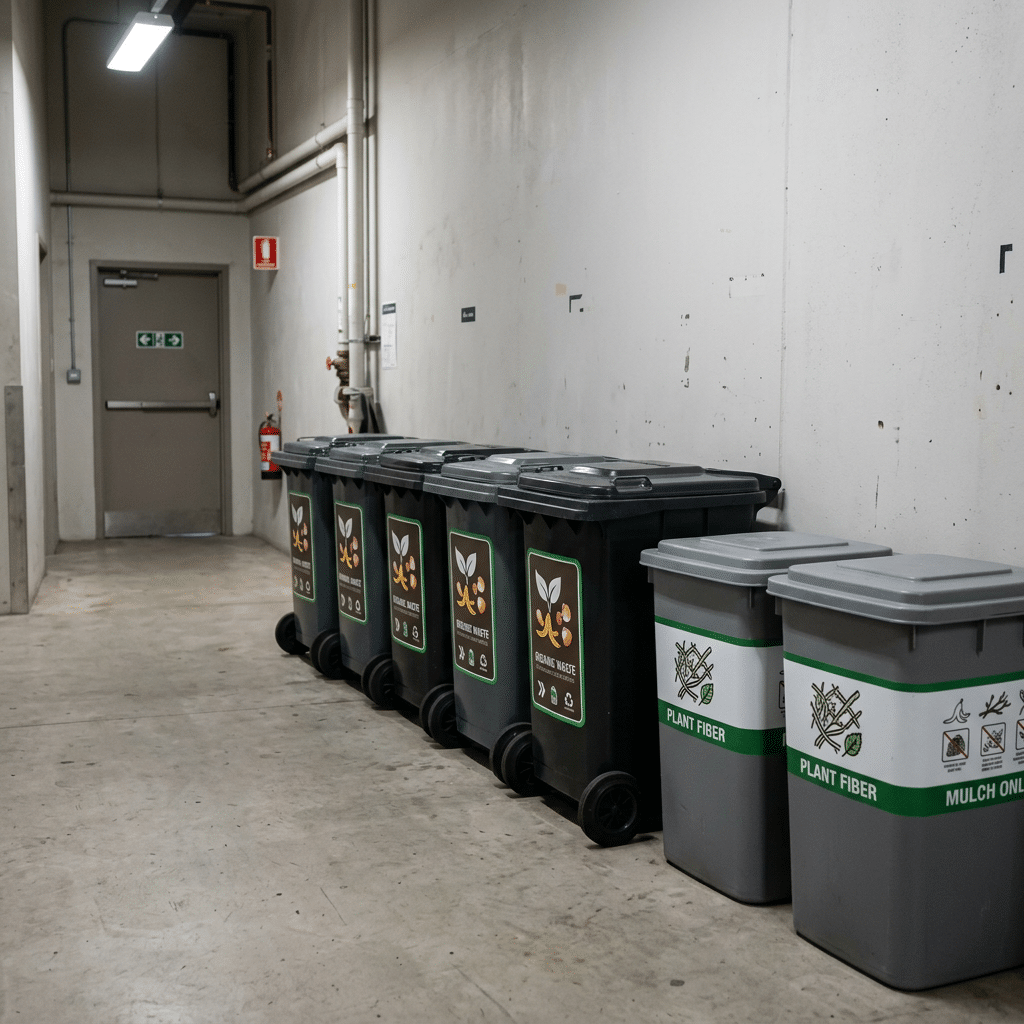
There is no single disposal route that suits every juice business. A small kiosk may need regular municipal collection, while a larger outlet with reliable local partners may be able to separate bagasse for composting or another approved recovery use. Confirm what local authorities, property managers, and waste providers allow before promoting or relying on a particular method.
General organic or commercial waste collection
This is often the simplest route when a recognised collection service accepts bagasse. Ask the provider whether it accepts wet plant fibre, whether liners are required, how often bins are collected, and whether contamination affects collection. Keep bagasse separated from plastics and general rubbish wherever possible.
Composting through a suitable partner
Bagasse can be a useful carbon-rich plant material in a properly managed composting system, but it is not automatically suitable for every composting program. Its moisture level, freshness, contamination risk, and the receiving facility’s rules all matter. A commercial composting partner should confirm acceptance in writing or through its published collection guidance.
Licensed waste contractor
Where volume is high, storage time is longer, or local collection is limited, a commercial contractor may be the most controlled option. This can be especially relevant in shopping centres, event venues, airports, or dense urban sites where waste movement is managed by the landlord or site operator.
On-site use
Only consider on-site composting, mulch use, or transfer to farms after confirming local requirements, site hygiene controls, and a realistic operating method. A small business should not create an unmanaged stockpile simply because bagasse is plant-based. The cost of labour, space, odour control, and failed material handling can outweigh the apparent benefit.
Storage, Hygiene, and Pest Control
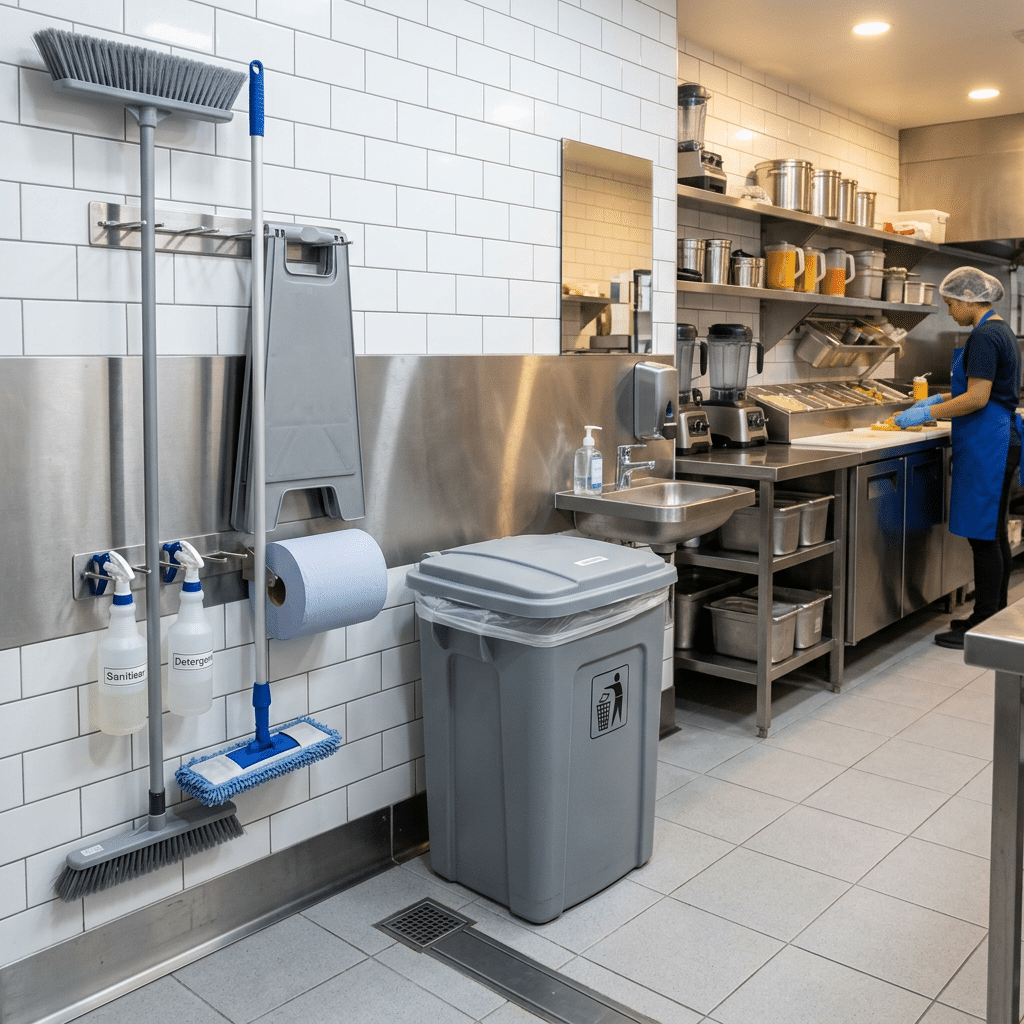
Fresh bagasse should move from the juicer to a controlled waste container without delay. Because it is damp and contains residual organic matter, warm storage conditions can lead to fermentation odours and attract flies or other pests. The objective is not to make bagasse sterile; it is to prevent the waste stream from compromising a clean, orderly food-service operation.
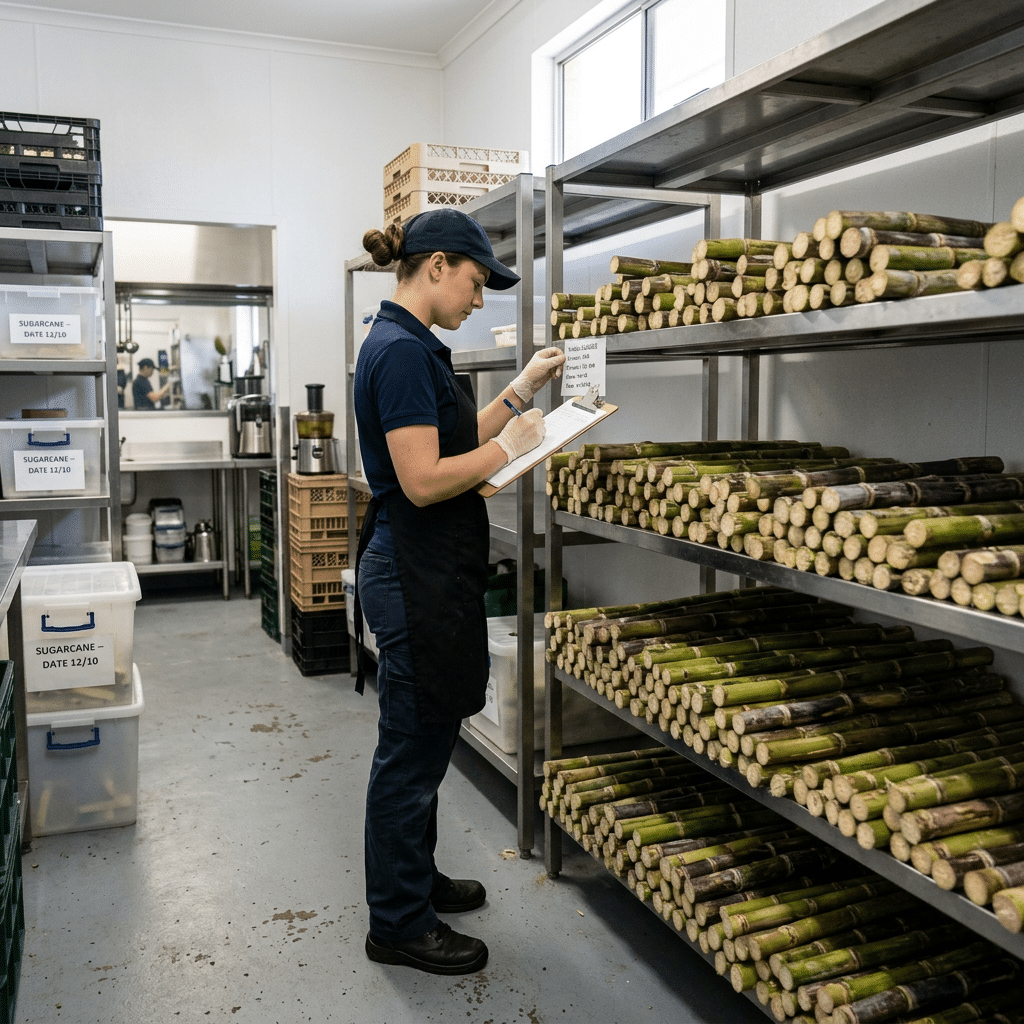
Use containers that are durable, easy to clean, and suitable for the area where they are used. Keep lids closed between disposal tasks where practical. If liners are used, ensure they are strong enough for wet material and compatible with the collection provider’s rules. Do not overfill bins, because a heavy wet load is harder to lift safely and more likely to spill.
At closing, remove remaining bagasse according to your disposal schedule. Clean the container, the surrounding floor, and any surfaces exposed during waste transfer. Inspect machine discharge areas for trapped fibre as part of normal machine cleaning. Follow the cleaning method and chemicals approved for your equipment and food-contact environment; do not spray cleaning chemicals into areas where they could contaminate juice or cane.
For temporary outdoor storage, protect the material from rainwater, animals, and wind-blown litter. Rain increases weight and leachate risk, while an uncovered bin makes contamination more likely. If a collection is missed, use your contingency procedure rather than trying to compress excess bagasse into unsuitable bins or drains.
When Bagasse Can Be Reused
Some businesses want to reduce waste by finding a second use for bagasse. This can be worthwhile when there is a dependable local partner and the material can remain clean and segregated. However, reuse should be planned as a managed supply stream, not treated as an informal giveaway.
Potential receiving partners may include composting facilities, community gardens, farms, landscaping operations, or organisations with approved biomass-handling processes. Each partner may have different acceptance criteria. They may ask about cane washing, collection frequency, packaging, contamination controls, storage time, or the presence of cleaning residues. Be transparent about how your bagasse is produced and stored.
Do not make assumptions about using bagasse as an ingredient, animal feed, fuel, or food-contact packaging material. These uses can involve technical, legal, hygiene, and processing requirements beyond the scope of a juice outlet. A business should only supply bagasse for a proposed use when the receiver is qualified to accept it and local requirements are met.
Waste reduction also works best when it is considered alongside packaging and purchasing decisions. For example, keeping compostable-looking service packaging separate from bagasse may still be necessary if the local organic-waste processor does not accept it. Review practical options in our guide to eco-friendly packaging for fresh sugarcane juice businesses, but always match packaging choices to the waste streams available at your site.
Control Costs and Record Your Waste Handling
Bagasse handling has a cost even when collection is included in a site service charge. Labour to empty bins, cleaning materials, liners, storage space, missed collection risks, and waste contractor fees can all affect daily operations. Recording these factors helps a manager compare disposal choices on a practical basis rather than choosing a route only because it appears environmentally attractive.
Track a few simple points for several weeks: how many bins are filled each day, when peak waste volume occurs, how often staff empty them, whether spills or odours occur, and what the collection provider charges. If you test a new composting or recovery partner, record collection reliability and rejected loads as well. This information will show whether the route is genuinely workable for the business.
Bagasse volume is also connected to production planning. Higher sales periods require more cane, more preparation space, and more waste capacity. Include bags, bins, collection arrangements, and cleaning time when reviewing unit economics. Our article on calculating the true cost per cup in a sugarcane juice operation provides a useful framework for looking beyond ingredient cost alone.
For temporary stands and event operations, confirm waste arrangements with the organiser before arrival. A venue may provide a waste compound but prohibit loose organic material, require specific bins, or limit when staff can access the collection area. Planning this early avoids avoidable disruption during service.
A Simple Bagasse Handling Plan for Your Juice Business
A reliable system does not need to be complicated. Write a short procedure that staff can follow consistently, then review it after busy periods. Include the following steps:
- Identify the waste stream: Confirm whether bagasse goes to organic collection, general commercial waste, a contractor, or an approved recovery partner.
- Select containers: Choose the number, size, location, and lid type based on your actual production and cleaning routine.
- Set collection intervals: Define when front-counter bins are emptied and when back-of-house containers leave the site.
- Keep bagasse separate: Train staff not to add plastics, food packaging, gloves, cleaning cloths, or general rubbish.
- Clean and inspect: Include bins, transfer points, floors, and the machine’s bagasse discharge area in the closing checklist.
- Prepare for exceptions: State what to do if a bin is full, a collection is delayed, or a recovery partner rejects a load.
- Review monthly: Use staff feedback and waste records to improve bin placement, collection frequency, and purchasing decisions.
The most effective sugarcane bagasse disposal program is the one your team can carry out every day. Prioritise cleanliness, safe handling, local compliance, and a disposal route that remains dependable during your busiest service periods.