Introduction: Why Sugarcane Juice Matters for Vegan & Plant-Based Brands
Vegan and plant-based consumers are moving away from artificial flavors, refined sugars, and heavily processed beverages. At the same time, they still expect great taste, clean labels, and credible sustainability stories.
For juice bars, cafés, foodservice chains, and beverage brands, fresh sugarcane juice is emerging as a natural, minimally processed option that fits modern plant-based diet trends. It can be served pure, blended with fruits, or used as a base for functional drinks and mocktails.
This article is written for B2B decision-makers – including operators, procurement managers, and brand owners – who are exploring whether sugarcane juice and commercial sugarcane juicers are a strategic fit for their vegan or plant-based menu and product portfolio.
Key Concepts: Sugarcane Juice and Plant-Based Diets
Is Sugarcane Juice Vegan?
Sugarcane juice is pressed directly from sugarcane stalks. No animal-derived ingredients are required in extraction, so the juice itself is naturally vegan and aligns well with plant-based diets.
The main vegan considerations are not about the juice itself, but about:
- Cross-contamination – Is the juicer shared with dairy or other non-vegan products?
- Cleaning chemicals – Are food-contact surfaces cleaned with food-safe, approved detergents?
- Added ingredients – Are flavorings, sweeteners, or toppings vegan-friendly?
Sugarcane Juice vs. Refined Sugar
Many plant-based consumers are differentiating between whole or minimally processed ingredients and refined sweeteners:
- Refined sugar – Often highly processed; some regions still use bone char in refining, which raises vegan concerns.
- Sugarcane juice – A fresh, unrefined liquid extracted directly from the cane, retaining more of the natural flavor and some micronutrients compared with many refined products.
For vegan-positioned products, communicating the use of fresh sugarcane juice instead of refined sugar can support a more natural, plant-based brand story, provided local labelling regulations are respected.
Nutritional Profile and Health-Conscious Positioning
Health-focused vegan consumers are still cautious about sugar intake. Positioning sugarcane juice correctly is important: it is not a low-sugar beverage, but it can align with the demand for more natural, less processed sweeteners.
General Nutritional Characteristics
Nutrient content varies with cane variety and pressing method, but in general, fresh sugarcane juice:
- Is primarily a source of carbohydrates (natural sugars).
- Contains small amounts of minerals such as potassium, calcium, and magnesium (exact values depend on origin and processing).
- Provides minor quantities of antioxidant compounds derived from the plant.
Because values differ by region and process, brands should conduct their own lab testing to generate reliable nutrition facts panels for retail or packaged products.
How Vegan Consumers Use Sugarcane Juice
From a health-conscious perspective, sugarcane juice is typically positioned as:
- A naturally sweet base to reduce or replace refined sugar in smoothies and juices.
- An occasional indulgence drink that feels cleaner and less processed than many soft drinks.
- A plant-based alternative in mocktails, where traditional recipes might rely on syrups or refined sugar.
Operators can manage portion size and recipe design to balance sweetness, calories, and perceived health benefits.
Applications in Vegan and Plant-Based Menus
Front-of-House: Fresh-Pressed Sugarcane Juice
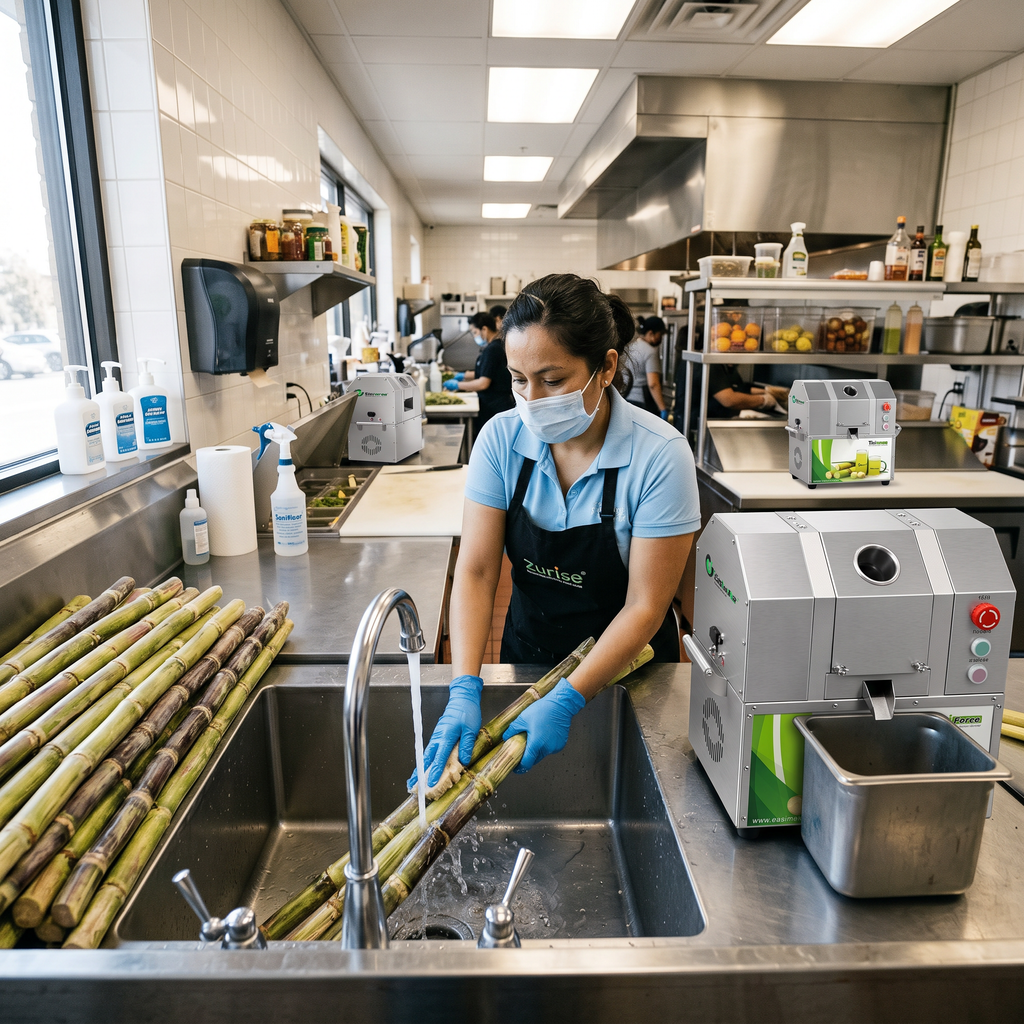
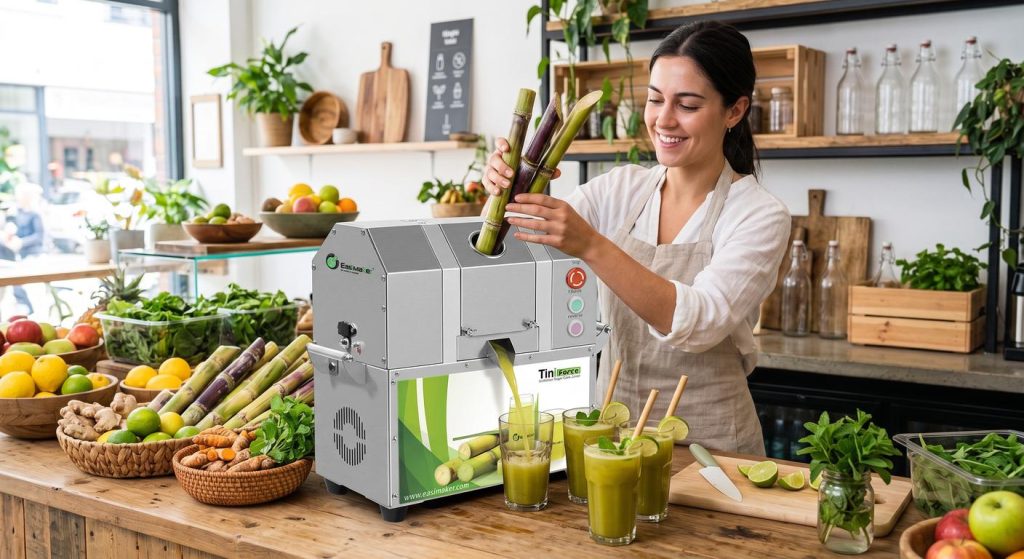
For juice bars and cafés, a visible counter-top sugarcane juicer can act as both a production tool and a marketing asset. Fresh pressing creates a strong perception of freshness and transparency, which resonates with plant-based customers.
Common vegan menu uses include:
- Pure sugarcane juice served over ice, optionally with lemon or lime.
- Mixed juices – sugarcane pressed together with ginger, mint, or citrus.
- Plant-based smoothies using sugarcane juice as the main liquid instead of plant milk or water.
- Mocktails – sugarcane juice combined with herbs, spices, and cold-brew teas.
Back-of-House: Ingredient for Plant-Based Product Development
For manufacturers and multi-site chains, sugarcane juice can act as an ingredient in:
- Bottled or canned beverages with a natural sweetener angle.
- Ready-to-drink (RTD) plant-based blends (e.g., cane juice with fruit, tea, or botanicals).
- Frozen dessert bases such as sorbets or popsicles, where sugarcane juice complements fruit flavors.
In these use cases, consistent extraction and standardized Brix (sugar content) are important. Professional sugarcane juicers help reduce variation compared with manual methods.
Sustainability and Plant-Based Positioning
Sustainability is central to many vegan and plant-based purchasing decisions. Sugarcane can support that narrative when managed responsibly, though impacts vary by region and farming practice.
Key Sustainability Talking Points (To Validate Locally)
- High-yield crop: Sugarcane tends to have high biomass yield per hectare, which can make it efficient from a land-use perspective.
- By-product utilization: Bagasse (fibrous residue) can be repurposed for energy production or other uses in some supply chains.
- Minimal processing on-site: Pressing fresh juice in-store avoids some stages of industrial refining, which can support a “less processed” message.
Because farming methods, water use, and labor standards differ by country, brands should verify their own supply chain data and avoid generic claims. When sustainability is central to your marketing, it is advisable to request documentation or certifications from growers and distributors where available.
Technical Considerations When Adding Sugarcane Juice to Your Vegan Offer
Juicer Selection and Performance
For B2B buyers, the juicing equipment often determines whether sugarcane juice is commercially viable. Key technical factors include:
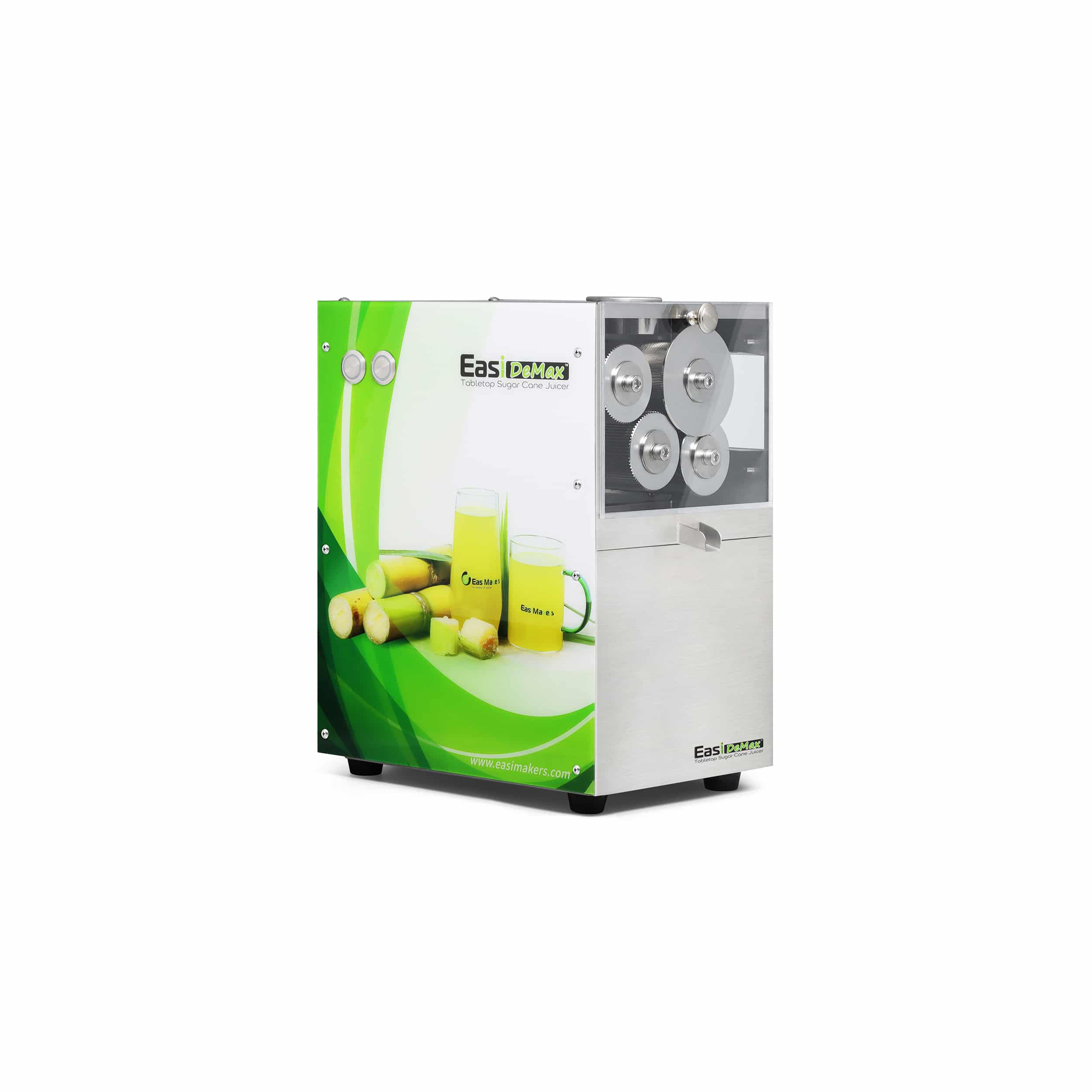
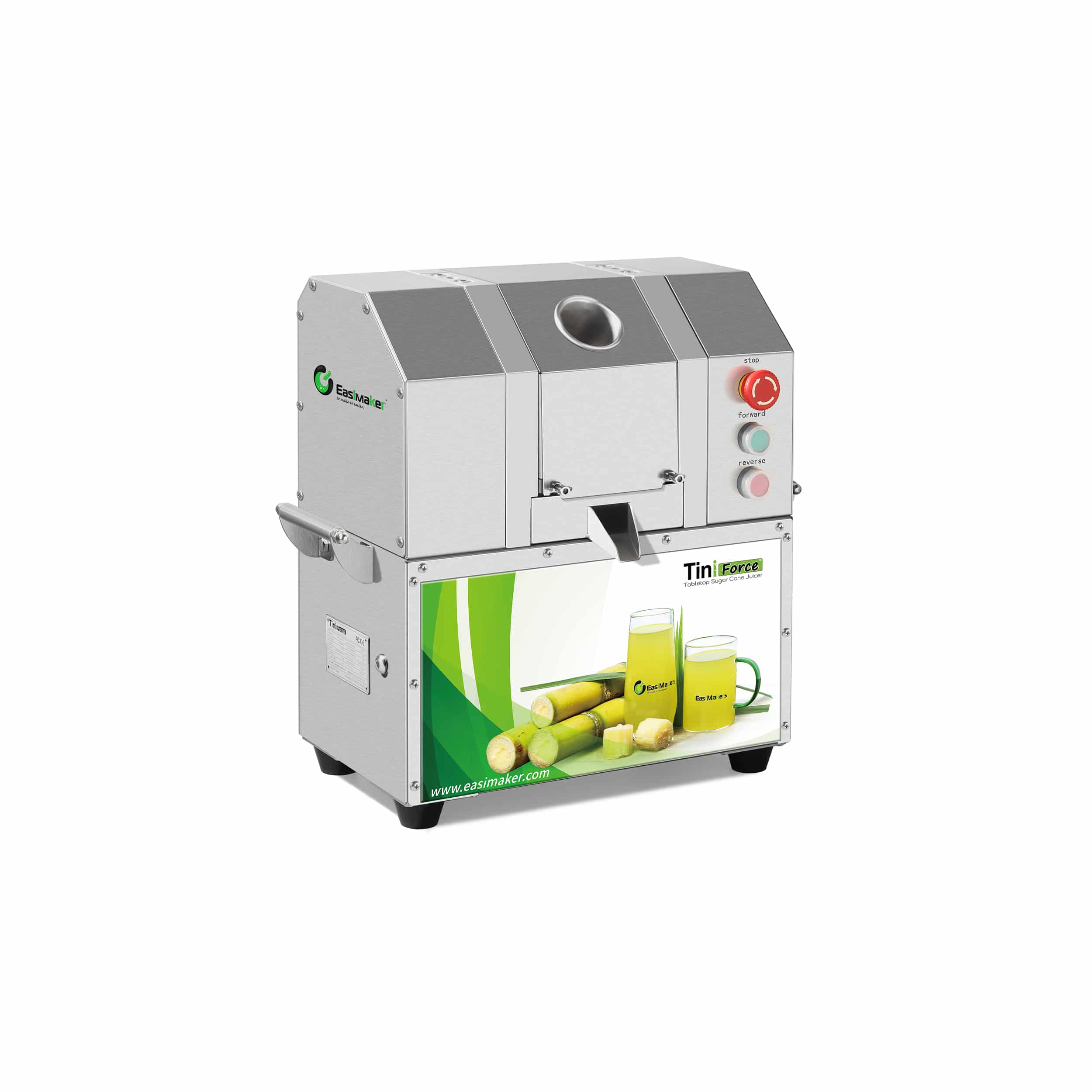
- Throughput capacity: Estimate peak-hour demand and select a machine that can comfortably exceed that volume to avoid bottlenecks.
- Extraction efficiency: Better extraction means more juice per kilogram of cane, improving cost per serving.
- Material and build quality: Food-contact parts are typically stainless steel; robust construction helps maintain hygiene and reduce downtime.
- Ease of cleaning: Vegan operators often emphasize cleanliness; machines with accessible rollers and removable trays make frequent cleaning more practical.
- Footprint and noise: For open counters or compact kitchens, compact machines with controlled noise levels are preferred.
Hygiene and Food Safety
Sugarcane juice is typically served fresh and is not always pasteurized in on-site operations. This makes food safety procedures critical:
- Implement a regular cleaning schedule for the juicer, including rollers, juice trays, and splash zones.
- Use food-safe detergents and follow manufacturer guidance on cleaning intervals.
- Train staff on safe handling of raw sugarcane and avoidance of physical contaminants (e.g., dirt, stones).
- Monitor holding times if juice is pre-pressed and stored chilled; follow your local food safety regulations for shelf life.
Where sugarcane juice is used as an ingredient in packaged products, additional controls such as pasteurization, filtration, and microbiological testing may be required. Requirements differ by jurisdiction, so consultation with local food safety experts is recommended.
Consistency and Recipe Standardization
In plant-based menus, flavor consistency is essential. Natural variations in sugarcane can affect sweetness and color. To manage this, operators can:
- Standardize cane suppliers and varieties where possible.
- Use a refractometer to periodically check Brix and adjust recipes (e.g., adding more ice or water when juice is very sweet).
- Define standard pour sizes for each drink and train staff accordingly.
Buying Guide for Sugarcane Juicers in Vegan-Focused Operations
Key Evaluation Criteria
When evaluating a sugarcane juicer for a vegan or plant-based venue, consider:
- Capacity vs. footprint: Match machine size to your expected traffic and counter space.
- Power requirements: Confirm voltage and frequency compatibility with your country’s electrical standards.
- Safety features: Look for guards, emergency stops, and designs that reduce direct hand contact with moving parts.
- Maintenance and spare parts: Ask about availability of rollers, gears, and seals, as well as service networks or remote support.
- Noise and vibration: Important for open kitchens and premium café environments.
MOQ, Sampling, and Trials
Operators and distributors often prefer to test the concept before full rollout. A typical approach is:
- Sample or pilot unit: Acquire one machine to validate throughput, juice yield, and customer response in a single site.
- Short-term menu test: Run sugarcane juice specials or plant-based mocktails for several weeks, tracking sales and feedback.
- Operational review: Evaluate cleaning time, staff workload, cane sourcing logistics, and wastage.
- Scale-up planning: Based on pilot data, define quantities for multi-site deployment, including any spare units.
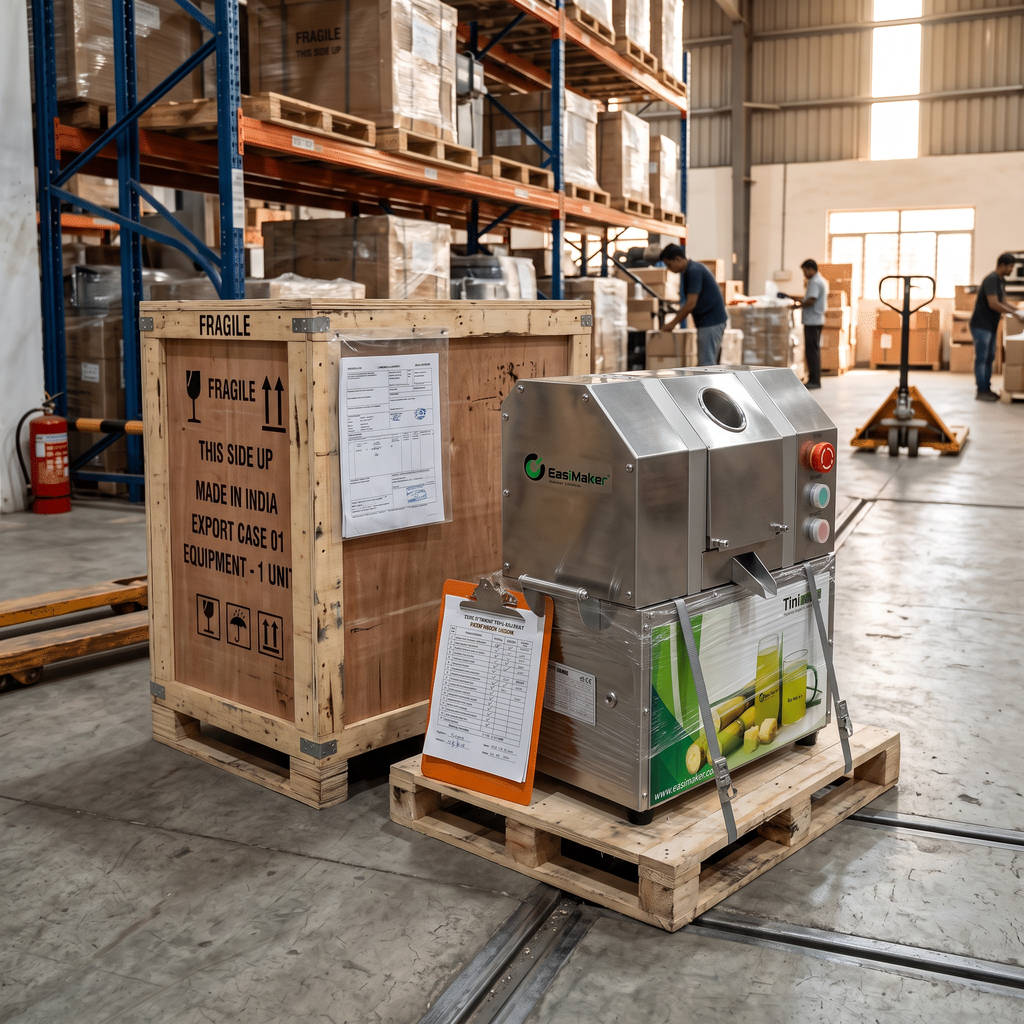
Lead times and minimum order quantities (MOQ) will depend on the specific juicer model and destination country. For project planning, it is sensible to allow additional buffer for international shipping and customs clearance.
Checklist: Is Sugarcane Juice Right for Your Vegan Business?
- Do your target customers value natural, minimally processed sweeteners?
- Can your team manage daily cleaning and food safety requirements?
- Is there reliable access to fresh sugarcane in your market?
- Does your concept support a visible juicing experience that adds value to the brand?
- Do you have a clear product plan (pure juice, blends, mocktails, RTD products)?
If most answers are yes, sugarcane juice can be a strong addition to your vegan and plant-based offering, differentiating you with a unique taste and story.
FAQ: Sugarcane Juice for Vegan & Plant-Based Operations
1. Is sugarcane juice always considered vegan?
The juice itself is plant-based and vegan. Potential issues relate to how it is processed or served – for example, shared machines with dairy, or non-vegan additives. With proper separation and ingredient control, sugarcane juice can be confidently marketed as vegan-friendly.
2. How does sugarcane juice compare to other plant-based juices nutritionally?
Sugarcane juice generally has a higher sugar content than many vegetable juices and is more comparable to fruit juices in sweetness. It may contain small amounts of minerals and plant compounds, but it is not typically used as a primary source of vitamins or minerals. Operators should treat it as a naturally sweet beverage rather than a low-calorie health drink.
3. Can sugarcane juice be used in low-sugar vegan products?
Because sugarcane juice is naturally sweet, it is challenging to formulate genuinely low-sugar products where it is a major component. However, it can be used in reduced refined sugar concepts, where part of the sweetness comes from sugarcane juice in combination with other ingredients, provided this aligns with local labelling regulations.
4. What is the typical shelf life of fresh sugarcane juice?
Fresh, unpasteurized sugarcane juice is usually consumed shortly after pressing, often within hours, especially in warm climates. Where cold storage and pasteurization are used, shelf life can be extended, but exact times depend on processing and packaging. Always follow local food safety guidance and conduct stability testing for packaged products.
5. How can we communicate the sustainability of sugarcane juice without overclaiming?
Focus on verifiable aspects, such as using fresh-pressed juice, minimizing processing, or partnering with suppliers that can provide documentation on farming practices. Avoid broad, unsupported environmental claims. When in doubt, keep the message factual and transparent.
6. What kind of maintenance do sugarcane juicers require?
Routine maintenance typically includes daily cleaning of food-contact parts, periodic inspection of rollers and gears, lubrication where specified by the manufacturer, and timely replacement of seals and wear parts. Following the manufacturer’s manual helps maintain hygiene, performance, and machine lifespan.
7. Can one sugarcane juicer handle multiple locations’ demand?
Each location usually needs its own machine to ensure freshness and operational efficiency. Centralized pressing for multiple outlets is possible in some models, but then you must manage chilled distribution, food safety controls, and shelf-life considerations. Most vegan cafés and juice bars prefer on-site pressing to enhance the customer experience.
Next Steps: Bring Sugarcane Juice to Your Vegan Menu
As vegan and plant-based consumers look for more natural, transparent beverage options, sugarcane juice offers an interesting balance of taste, story, and simplicity. With the right equipment and operating procedures, it can become a signature element in your menu or product line.
Ready to explore sugarcane juicers for your business?
Request a quote or ask for a trial unit to test sugarcane juice on your plant-based menu before scaling across locations.