Introduction: Sugarcane Juice for Plant-Based Businesses
As plant-based diets continue to expand globally, the demand for natural, sustainable beverages is growing. Sugarcane juice has emerged as a versatile ingredient that appeals to health-conscious consumers and vegan markets. This guide is designed for B2B buyers, including food and beverage brand owners, ingredient distributors, and operations managers, offering a practical overview of sugarcane juice in commercial applications.
Key Concepts: Understanding Sugarcane Juice
Sugarcane juice is extracted from the stalks of sugarcane plants, providing a naturally sweet, unprocessed liquid. It is rich in carbohydrates and contains micronutrients such as potassium, magnesium, and iron. For vegan and plant-based applications, sugarcane juice offers:
- Natural sweetness without animal-derived ingredients.
- Versatility in formulations: beverages, smoothies, sauces, and functional drinks.
- Alignment with sustainable sourcing trends.
Options and Comparisons for B2B Buyers
Fresh vs. Pasteurized Sugarcane Juice
Fresh juice: Offers maximum flavor and nutrients but requires rapid distribution and refrigeration. Ideal for local or short-shelf-life products.
Pasteurized juice: Extends shelf life (typically 7–14 days refrigerated), reduces microbial risk, and facilitates wider distribution. Consider tradeoffs between freshness and logistics.
Packaging Formats
- Bulk liquid in food-grade containers (IBC totes or drums) for processing or co-packing.
- Single-serve bottles or tetra packs for ready-to-drink products.
- Freeze-dried or powdered sugarcane extracts for extended storage and ease of transport.
Specifications and Technical Considerations
- Soluble solids content: typically 14–18 °Brix for fresh juice; affects sweetness and viscosity.
- pH range: 5.0–5.5, relevant for fermentation or beverage formulation.
- Storage temperature: 0–4°C for fresh juice; pasteurized juice can tolerate slightly higher refrigeration.
- Microbial limits: critical for food safety; follow HACCP or equivalent local guidelines.
Manufacturing and Quality Practices
Commercial sugarcane juice production involves:
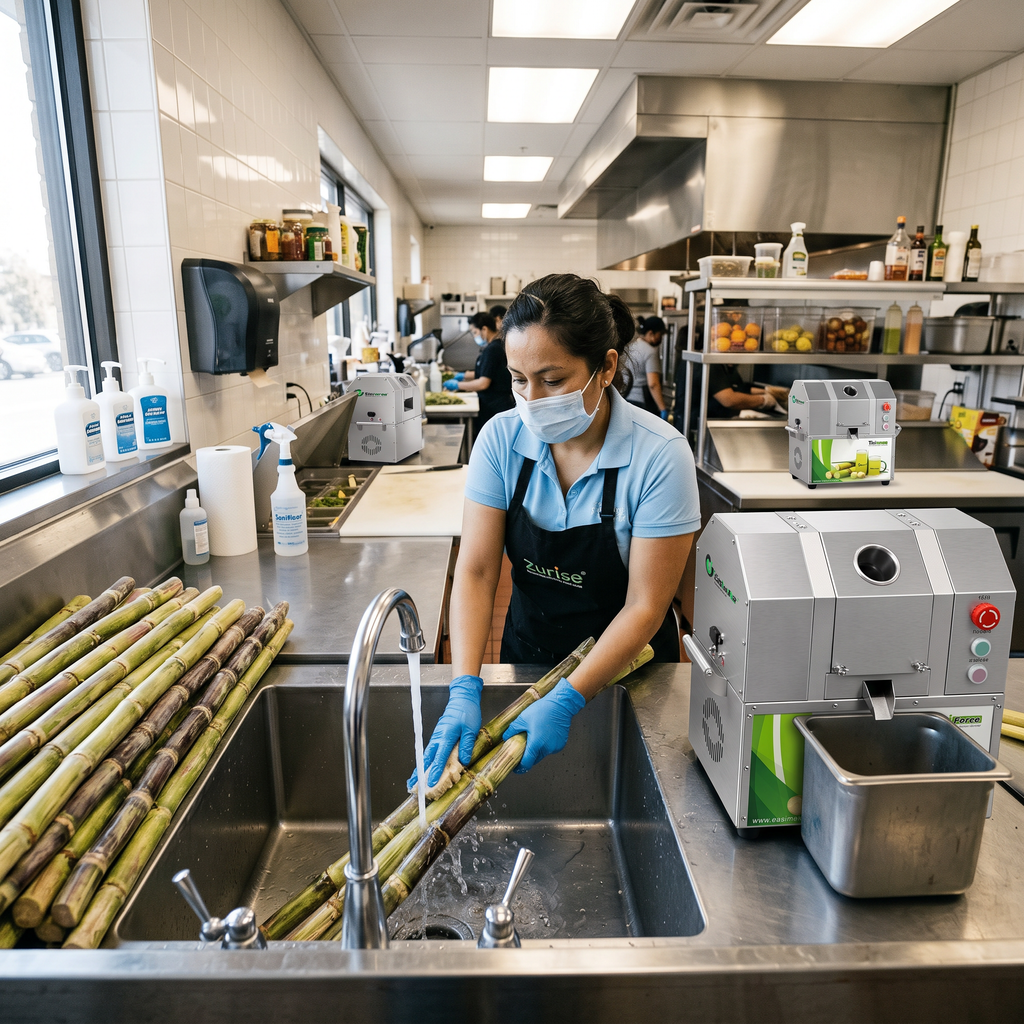
- Washing and preparing sugarcane stalks to reduce debris and microbial load.
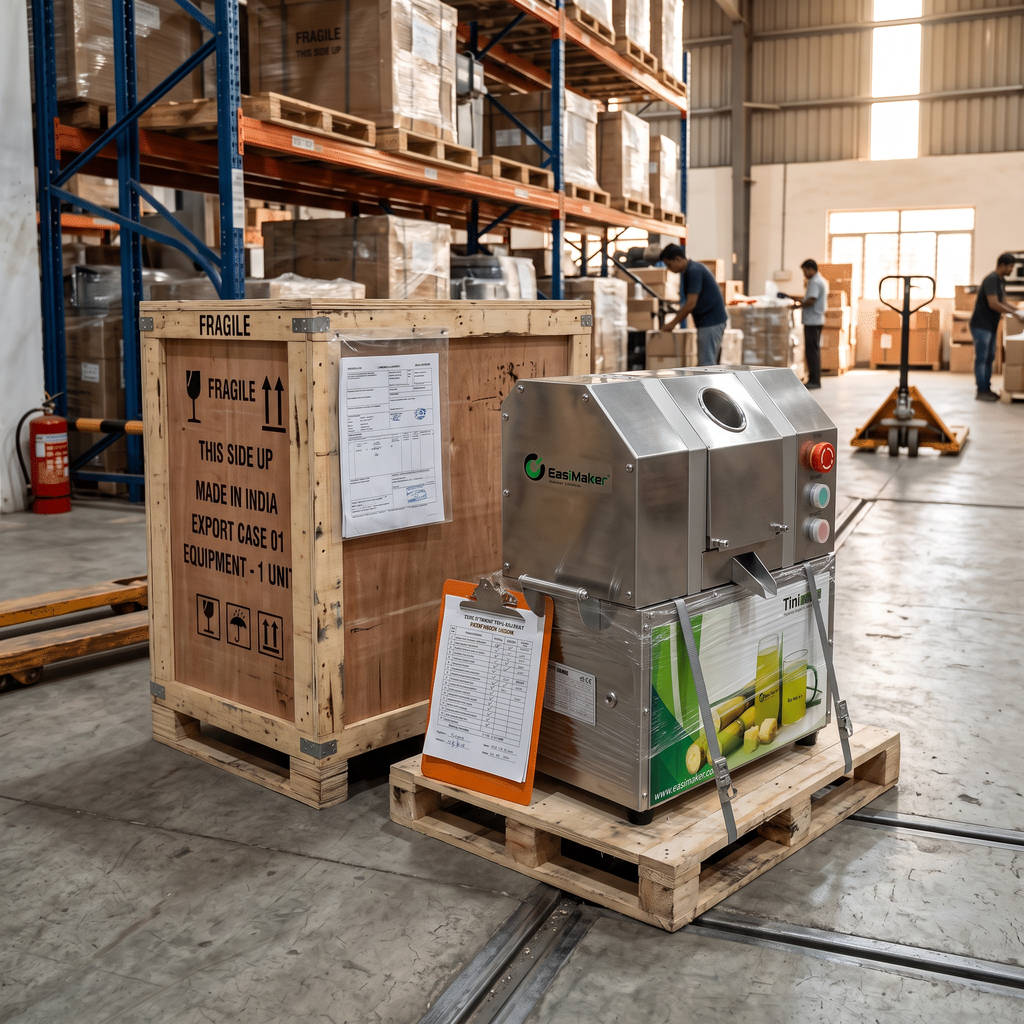
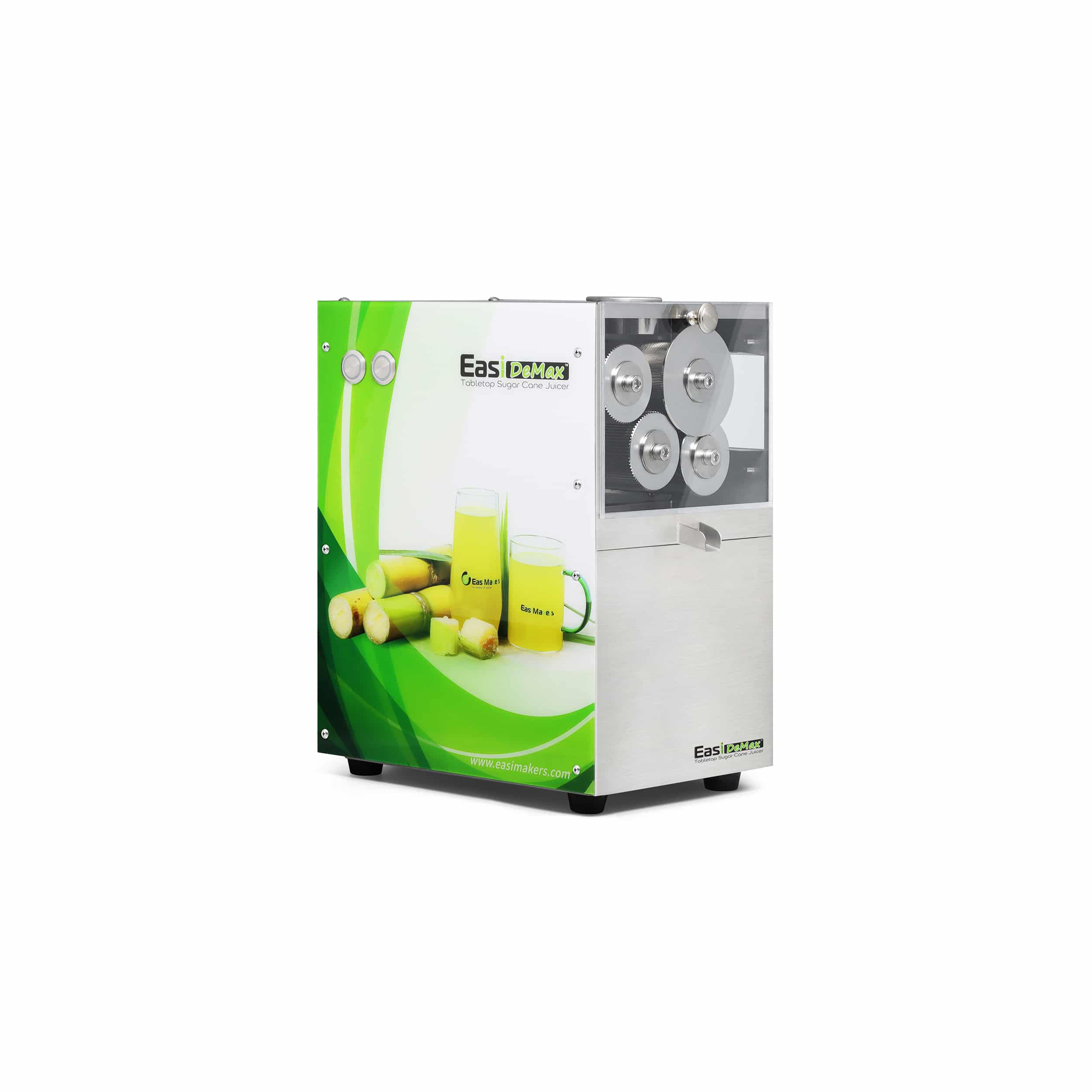
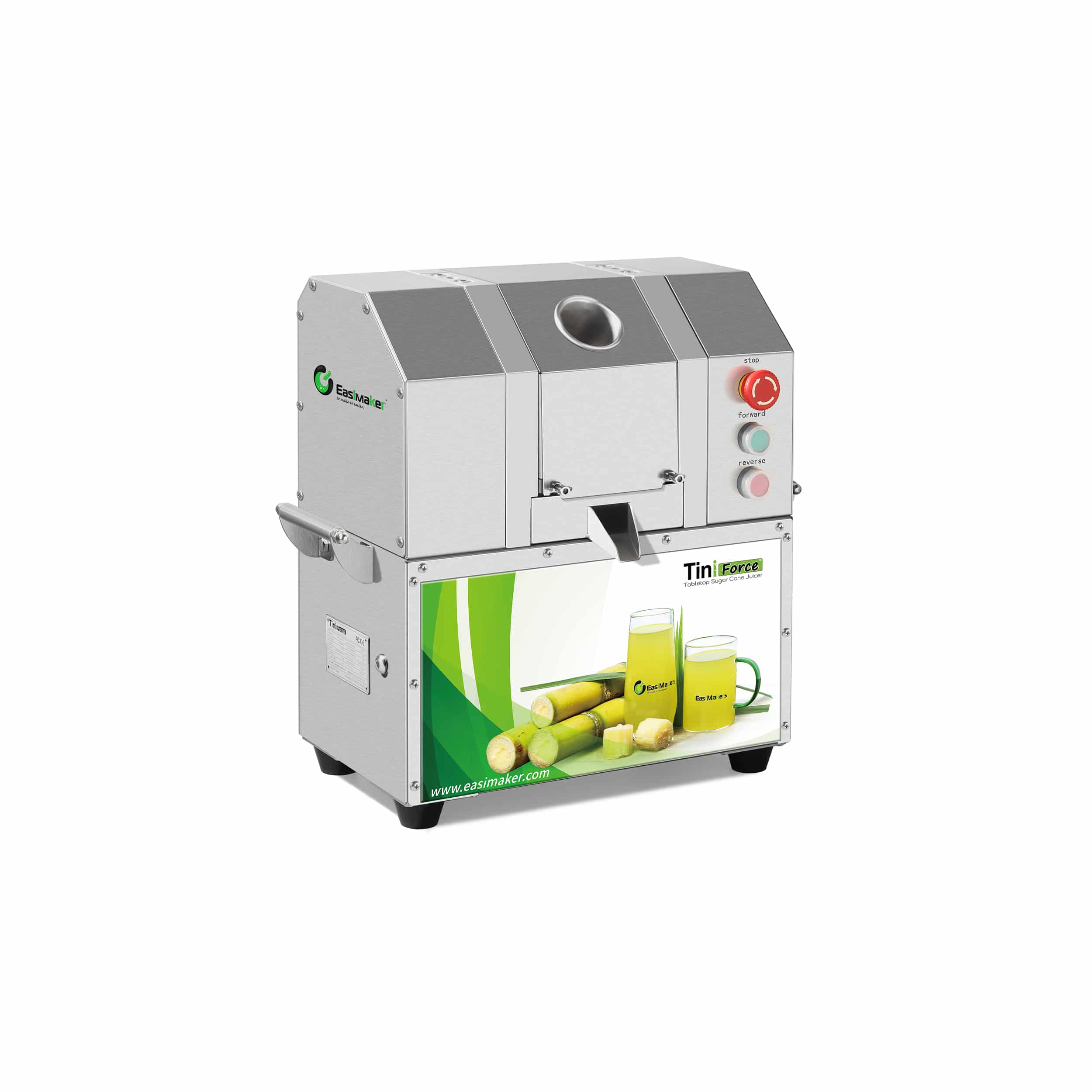
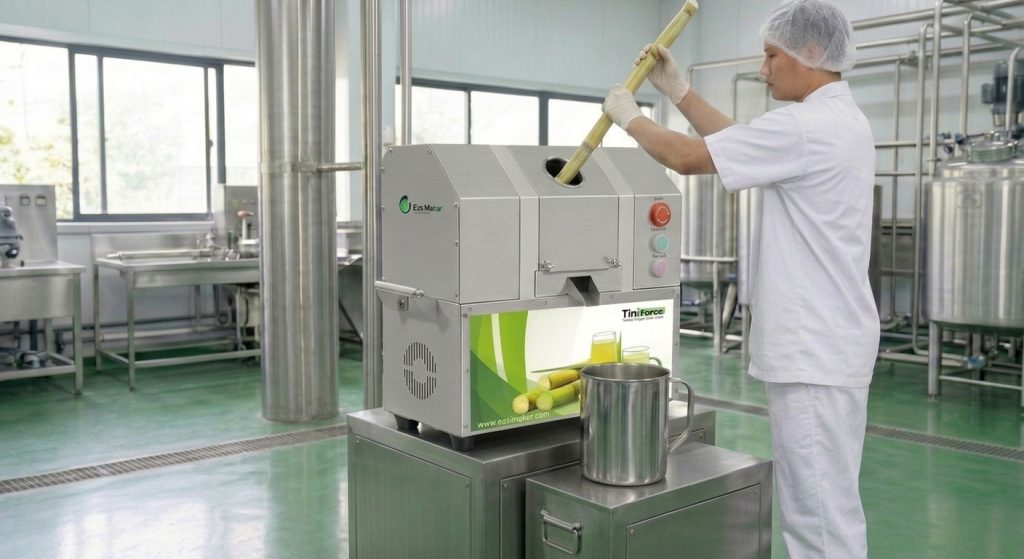
- Extraction using industrial mills or juicers, e.g., TiniForce S3-3 [YABG_LINK:1].
- Optional pasteurization or microfiltration to extend shelf life.
- Quality control for sugar content, pH, and microbial levels.
Packaging should minimize oxidation and contamination. For branded beverages, consider labeling options and compliance with local food regulations.
Buying Guide for B2B Clients
- MOQ: Bulk orders often start at 500–1000 liters, depending on supplier capabilities.
- Customization: Available for sweetening levels, pasteurization, or packaging formats.
- Artwork and labeling: Confirm print specifications if co-packing or private labeling.
- Sampling: Request pilot samples to evaluate flavor, color, and viscosity before full-scale orders.
- Lead times: Typically 2–4 weeks for production and shipping; seasonal factors may affect supply.
FAQs
- Is sugarcane juice suitable for all vegan products? Yes, it is plant-derived and compatible with vegan formulations.
- Can it be blended with other plant-based drinks? Yes, common pairings include coconut water, almond milk, and fruit juices.
- What is the typical shelf life? Fresh juice: 1–2 days refrigerated; pasteurized: 7–14 days.
- Does pasteurization affect taste? Minimal; flavor differences are subtle and should be evaluated via sample tasting.
- Are there export restrictions? Check local regulations on food safety, microbial limits, and labeling requirements.
- What packaging options exist for distribution? Bulk IBCs, single-serve bottles, or freeze-dried powders.
- How to ensure consistent quality? Work with suppliers offering QC reports, Brix measurement, and microbial testing.
Conclusion and Next Steps
Sugarcane juice is a valuable ingredient for businesses targeting vegan and plant-based markets. Its natural sweetness, functional versatility, and alignment with sustainable trends make it a compelling choice for B2B product lines. Evaluate suppliers on freshness, processing, and packaging options to ensure product quality.
Request a quote / Get a sample to start sourcing sugarcane juice for your plant-based products today.