The Critical Link Between Raw Material and Commercial Success
In the commercial beverage industry, the quality of your end product is inextricably linked to the quality of your raw materials. For sugarcane juice businesses, sourcing the right raw sugarcane stalks is not merely a matter of flavor; it is an operational decision that impacts extraction yield, juice color, and the longevity of your crushing mechanism.
Many operators overlook the physical properties of the cane—hardness, fiber content, and diameter—focusing solely on sweetness (Brix). However, inconsistent or improper cane selection can lead to frequent machine jams, accelerated wear on rollers, and a bitter aftertaste that requires masking with additives. This guide outlines how to source raw sugarcane that optimizes both flavor profiles and equipment performance.
Understanding Sugarcane Varieties for Juicing
While there are dozens of sugarcane species, commercial juicing generally relies on a few specific cultivars. Understanding the difference between these varieties is the first step in effective sourcing.
Green and Yellow Varieties (Commercial/Industrial)
Often referred to as “white cane,” these varieties are typically grown for sugar production but are widely used for juice due to their high sucrose content and yield.
- Pros: High juice volume, generally lower fiber content than wild varieties, and a lighter, visually appealing juice color (often turning a vibrant green with oxidation).
- Cons: Can have a harder outer rind, requiring robust heavy-duty crushers.
- Best For: High-volume commercial kiosks and industrial bottling where yield efficiency is paramount.
Purple and Black Varieties (Chewing Cane)
These varieties are softer and contain distinct antioxidants (anthocyanins) in the skin.
- Pros: Softer fiber structure (easier on smaller machines), distinct floral flavor notes, and often perceived as “premium” in boutique markets.
- Cons: Juice can turn a muddy brown or dark green quickly if the skin is not removed or if the juice is not treated immediately, due to high polyphenol content.
- Best For: Boutique juice bars offering fresh-pressed, immediate-consumption beverages.
Evaluating Stalk Quality: A Buyer’s Checklist
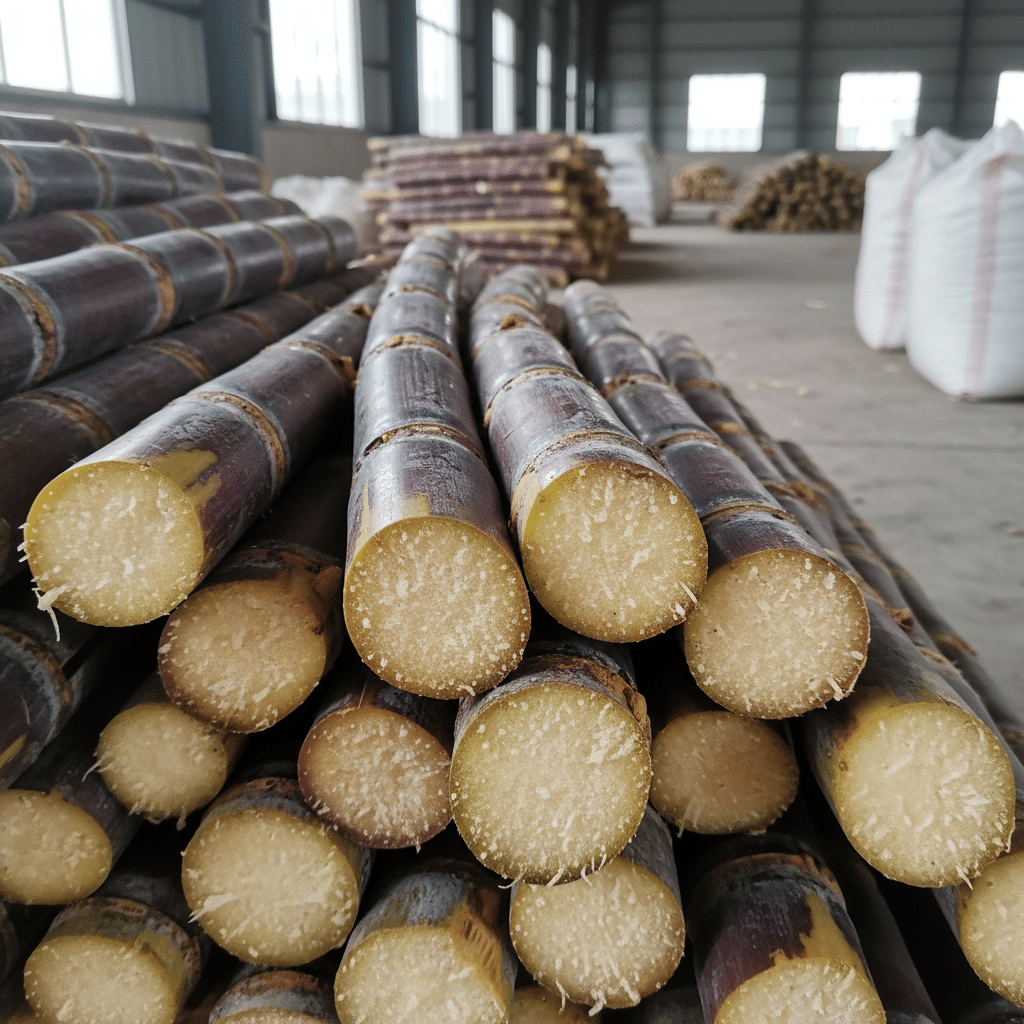
When inspecting a shipment or establishing a contract with a supplier, the physical condition of the raw sugarcane stalks serves as a direct indicator of juice quality.
1. Internode Length and Hardness
The “node” (the joint between segments) is the hardest part of the cane. Stalks with short internodes (nodes close together) are denser and harder to crush.
- Impact on Machinery: Frequent nodes cause the crushing rollers to constantly adjust torque, leading to uneven wear on bearings and gears.
- Sourcing Tip: Specify long internodes in your purchasing requirements. This ensures smoother feeding into the machine and more consistent juice extraction.
2. Stalk Diameter Consistency
Commercial juicers are calibrated for specific diameter ranges, typically between 20mm and 50mm.
- Too Thin: The rollers may slip, resulting in poor extraction rates.
- Too Thick: Forcing oversized cane into a standard chute strains the motor and can crack the gearbox housing. Splitting thick cane manually adds labor costs.
3. Freshness and Hydration
Sugarcane begins to ferment and lose moisture immediately after harvesting. Dry cane is harder, more fibrous, and yields significantly less juice.
- Visual Check: Look for bright, waxy skin. Avoid stalks with shriveled ends or red discoloration inside the cut ends (a sign of Red Rot, a fungal infection that ruins taste).
- Sound Check: Fresh cane should sound solid when tapped. A hollow sound indicates internal drying (pithiness).
Preparation: Peeling vs. Unpeeled Extraction
The decision to peel sugarcane before juicing affects your sourcing strategy and your equipment maintenance schedule.
Unpeeled Extraction
Processing the whole stalk is faster and reduces labor.
- Flavor Profile: The rind contains waxes and chlorophyll, which can introduce a grassy or slightly bitter note.
- Machine Wear: The outer rind is abrasive. Over time, processing unpeeled cane will wear down the knurling (teeth) on the rollers, reducing their grip and efficiency.
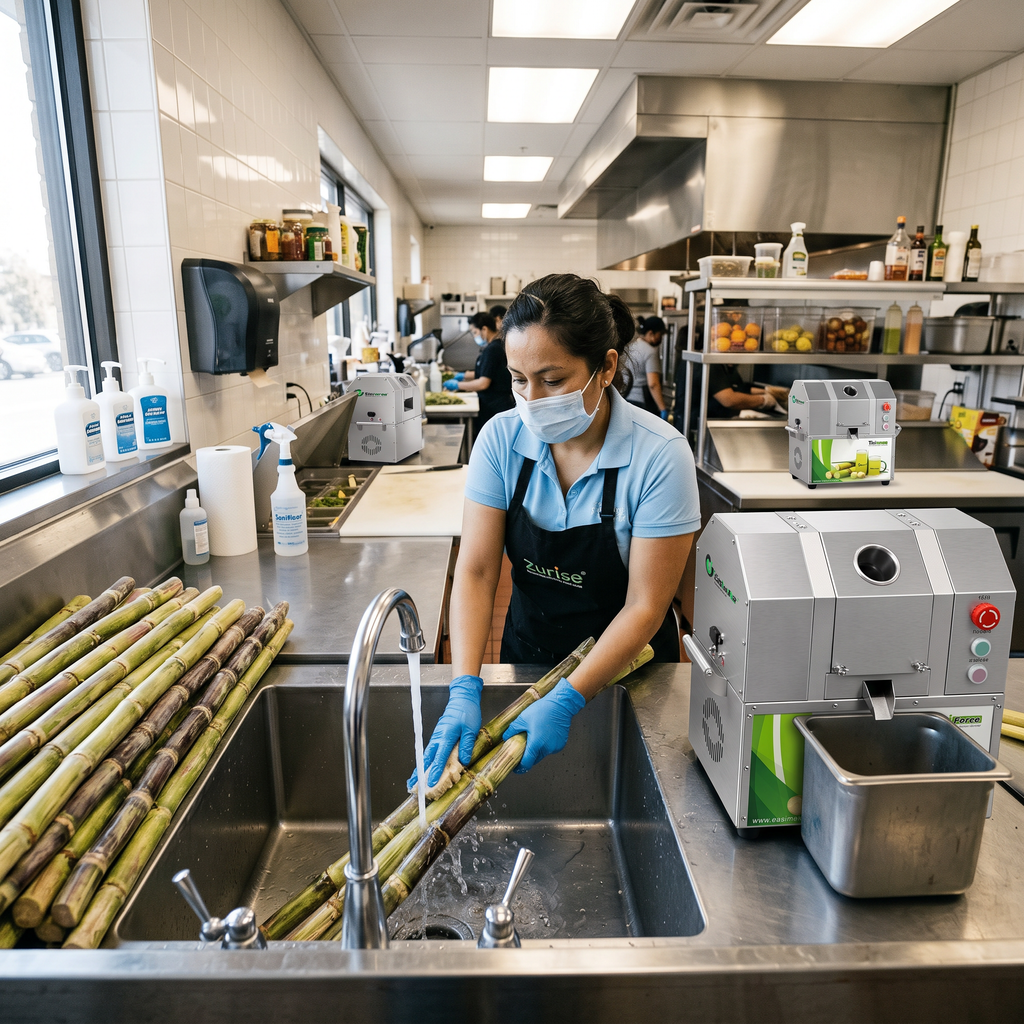
Peeled Extraction
Removing the hard outer skin prior to juicing.
- Flavor Profile: Results in a sweeter, cleaner taste and a brighter color that appeals to premium markets.
- Machine Longevity: Significantly reduces the load on the motor and abrasion on the rollers, extending the lifespan of the crushing mechanism.
- Sourcing Implication: If you plan to peel, ensure the cane sourced is straight. Curved or knotted stalks are difficult and dangerous to peel mechanically or manually.
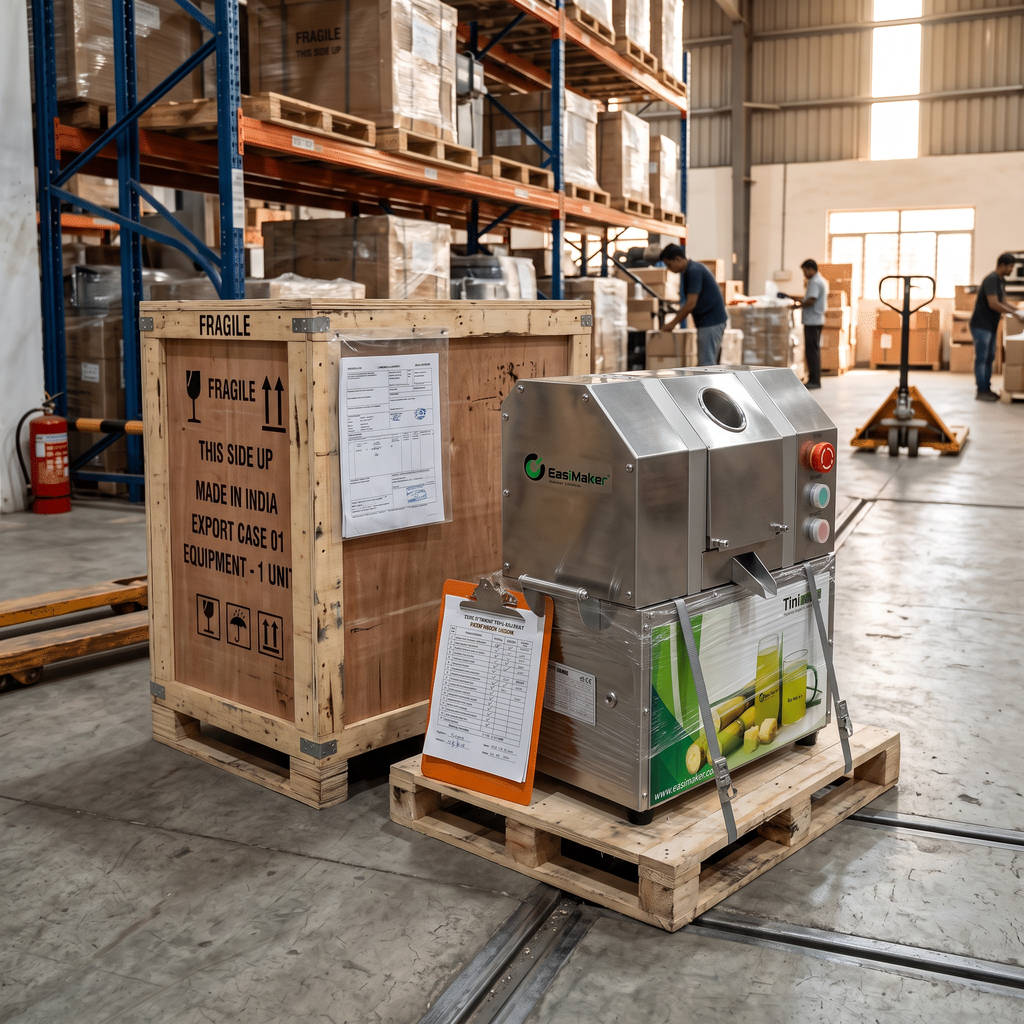
Logistics and Storage for B2B Operations
Raw sugarcane is perishable. Managing your supply chain is as critical as the crushing process itself.
- Lead Times: Sugarcane should ideally be processed within 3–5 days of harvest unless refrigerated.
- Storage Conditions: Stalks should be stored in a cool, shaded environment. If storing for more than 48 hours, keeping the cane moist (without soaking) helps maintain turgidity, which aids the crushing mechanism in gripping the stalk.
- Seasonality: Sugar content (Brix) fluctuates with the season. During rainy seasons, water content rises while sugar concentration drops. Adjust your sourcing or recipes accordingly to maintain product consistency.
FAQ: Sourcing and Processing Sugarcane
How does cane hardness affect the warranty on my juicer?
Many manufacturers specify maximum stalk diameters and hardness levels. Consistently processing over-sized or extremely hard, dry cane can void warranties related to motor burnout or gear failure. Always match your raw material to your machine’s duty cycle.
Can I freeze raw sugarcane stalks for later use?
Freezing whole stalks is generally not recommended as it alters the cellular structure, making the cane mushy upon thawing. This texture prevents the rollers from gripping the cane effectively, leading to slipping and poor extraction. It is better to freeze the extracted juice.
What is the ideal Brix level for commercial juice?
For a standalone beverage, a Brix level between 18° and 22° is considered ideal. Below this, the juice may taste watery; above this, it may be cloyingly sweet. You can measure this upon delivery using a simple handheld refractometer.
Why is my sugarcane juice turning dark immediately?
This is enzymatic browning caused by oxidation. It is often accelerated by using cane with high polyphenol content (like dark purple varieties) or processing unpeeled cane. Adding a citric agent (like lime or kumquat) during the crushing process helps stabilize the color.
Optimize Your Production Line
Selecting the right sugarcane is the first step toward a profitable juice operation. The second step is ensuring your processing equipment can handle your chosen raw material efficiently without unexpected downtime.
Whether you need advice on calibration for specific cane varieties or are looking for robust extraction technology designed for high-fiber stalks, our team is here to help.
Contact us today to discuss your production needs or request a quote for our commercial processing solutions.