How Different Sugarcane Varieties Affect Juice Yield and Machine Performance

For commercial beverage operations, raw material selection is just as critical as the equipment used to process it. While investing in high-quality extraction machinery is foundational, understanding how different sugarcane varieties interact with your equipment is the key to maximizing juice yield and operational profitability. Variations in fiber density, stalk diameter, and moisture content directly dictate extraction efficiency, machine wear, and ultimately, your bottom line.

This technical guide explores the physical characteristics of common sugarcane species—specifically green and yellow varieties—and analyzes how their unique structural properties impact commercial juicing processes. By aligning your raw material selection with optimal machine settings, operators can minimize downtime, extend equipment lifespan, and achieve superior extraction rates.

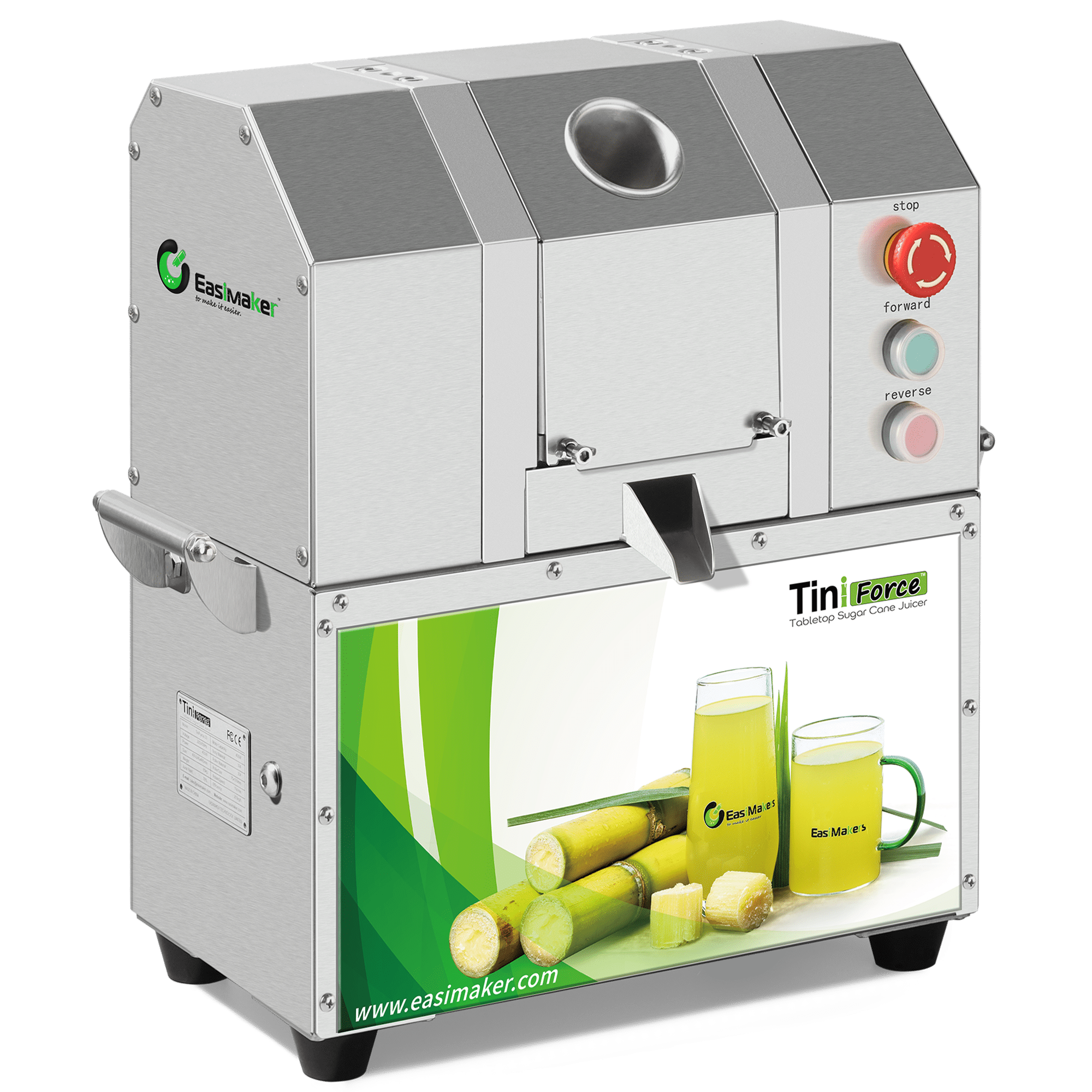
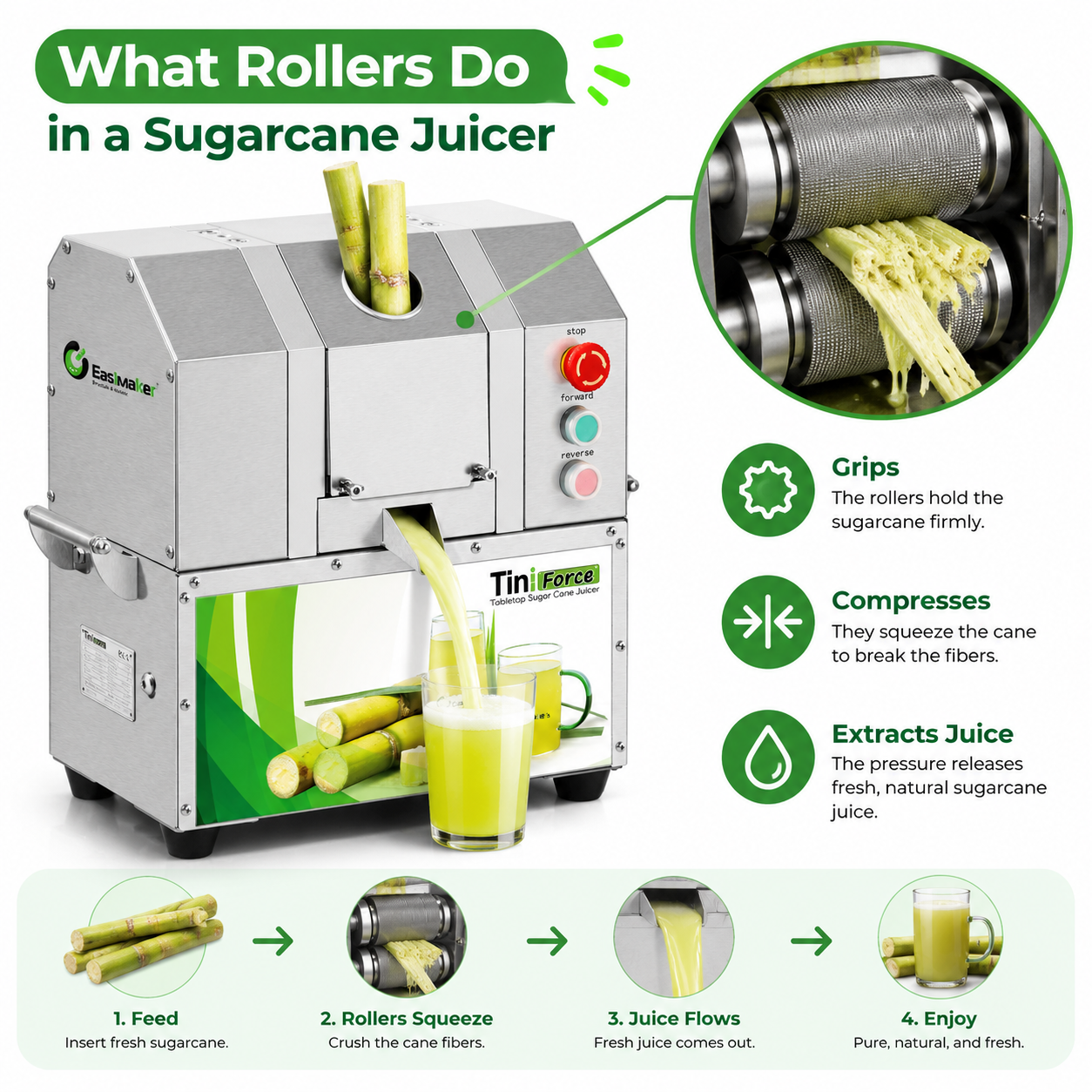
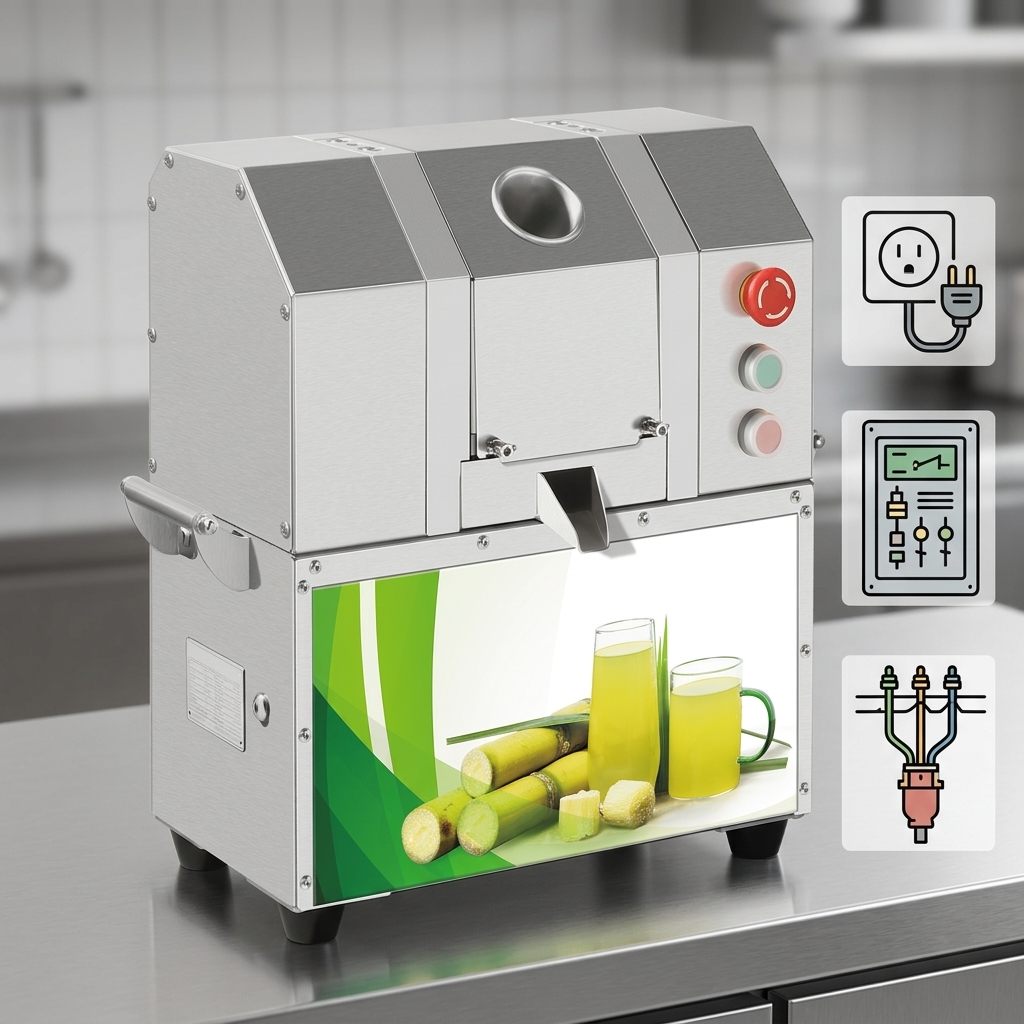
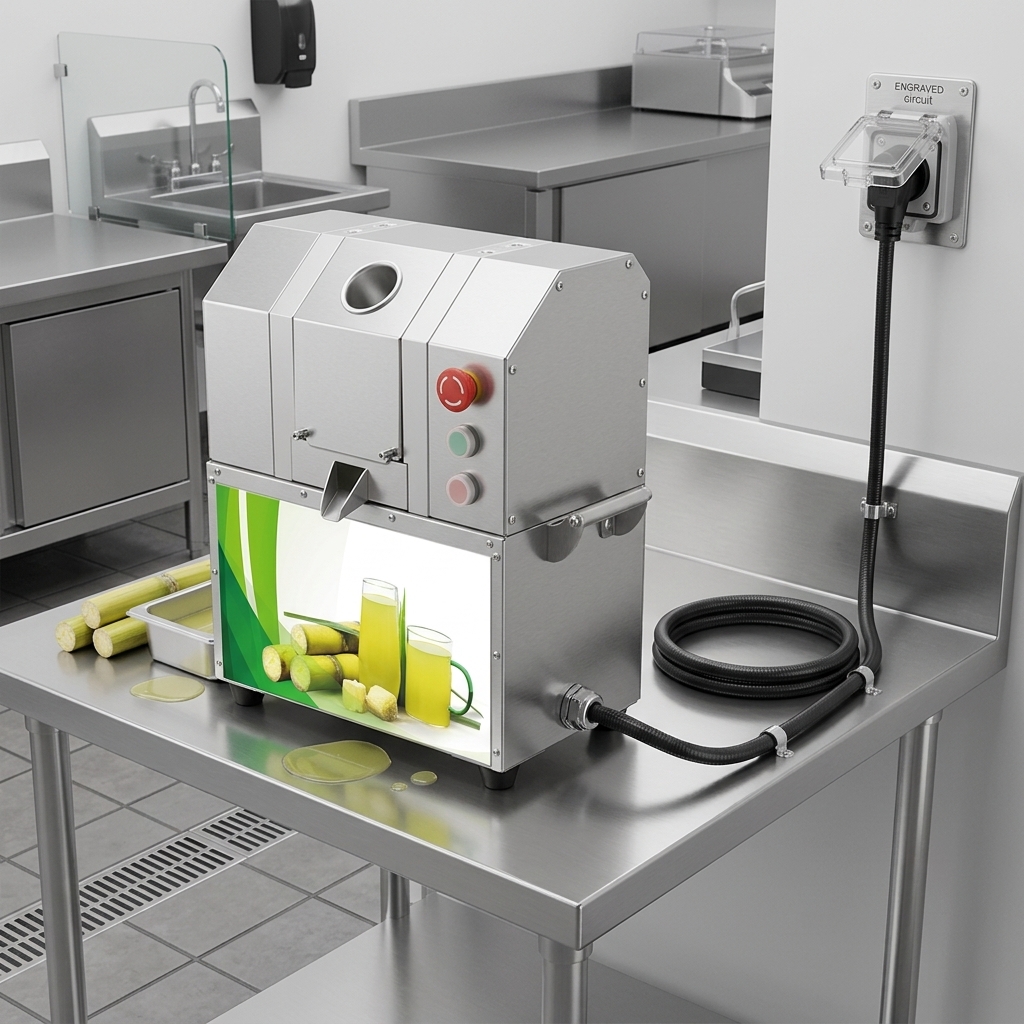
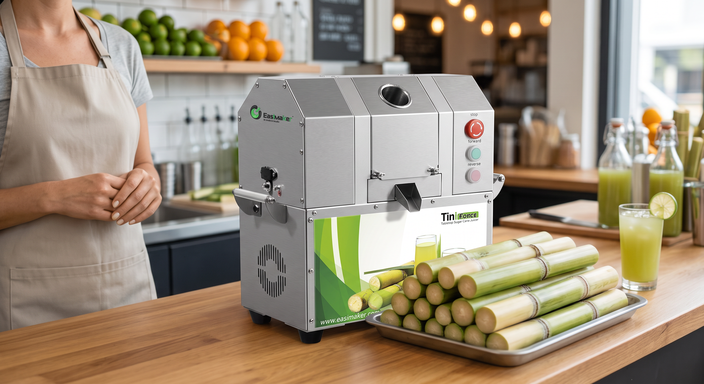
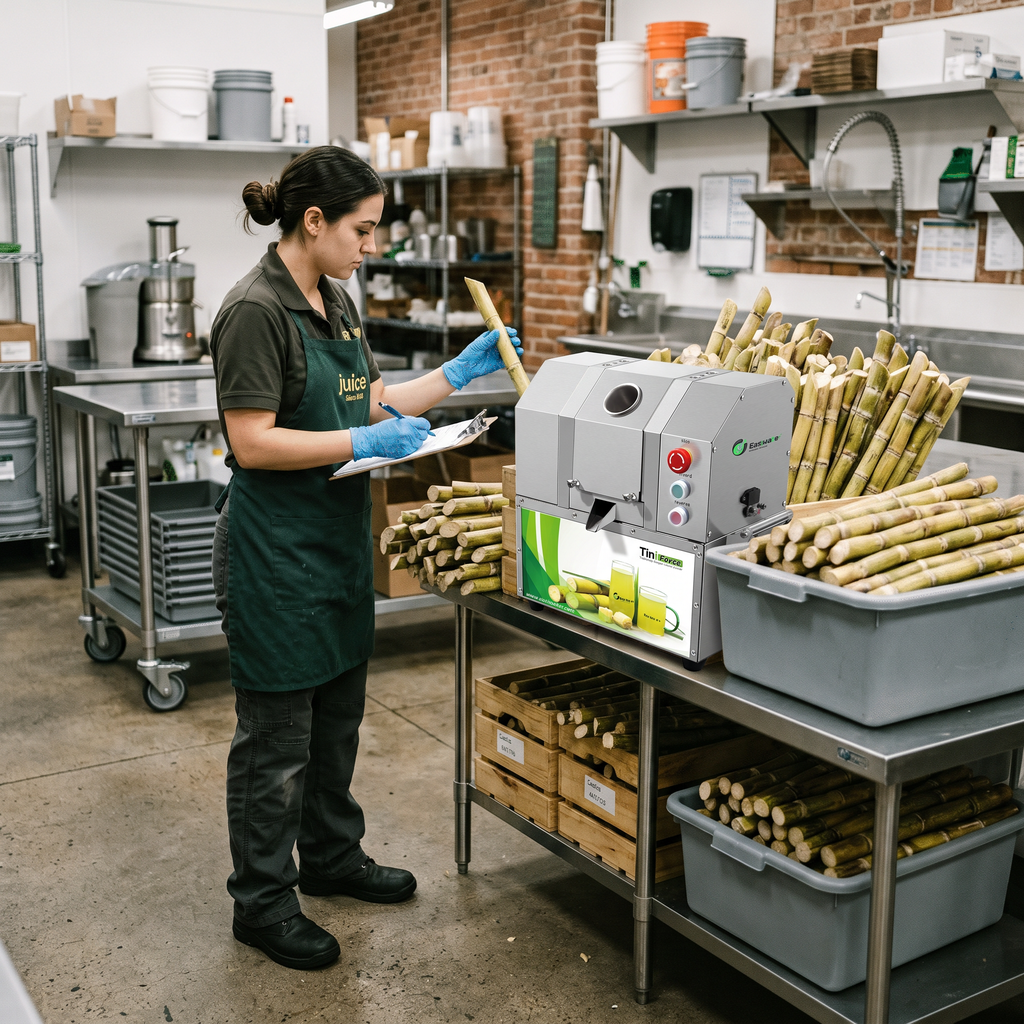
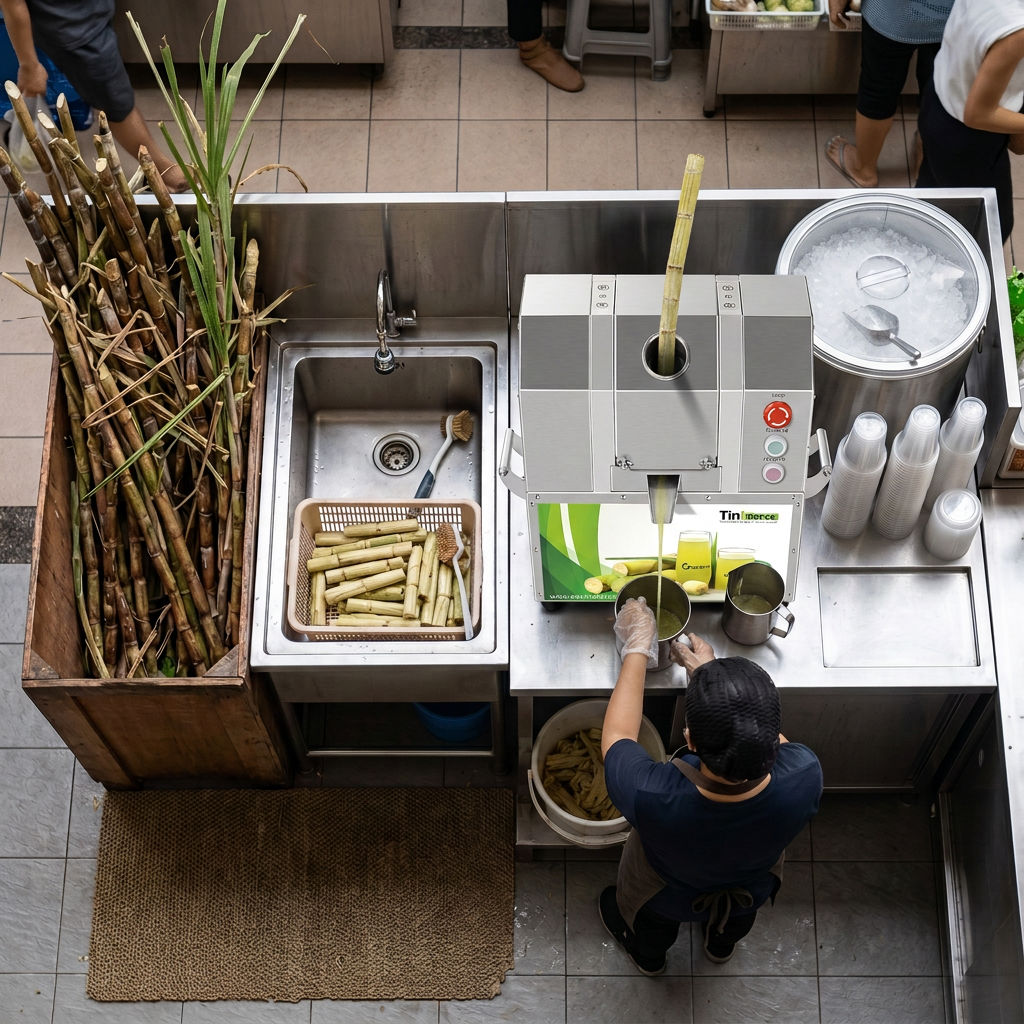
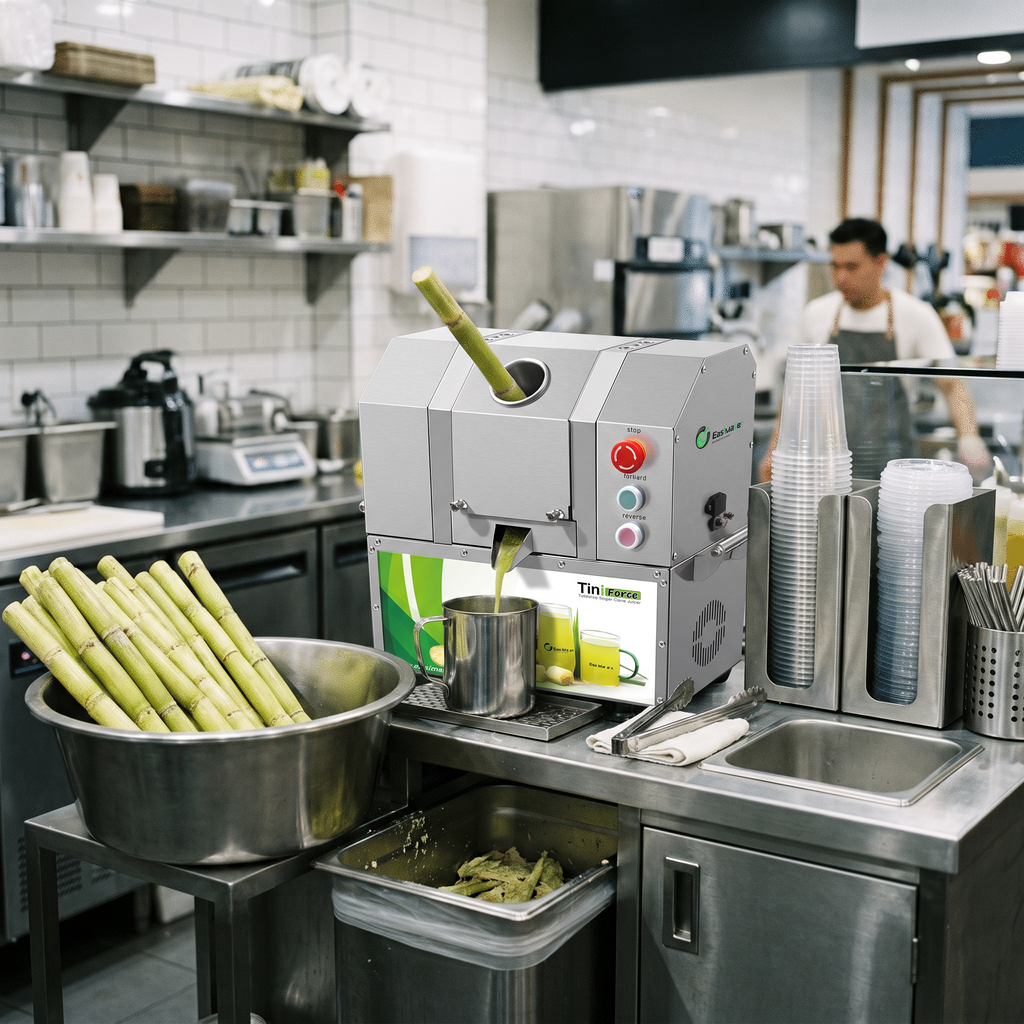
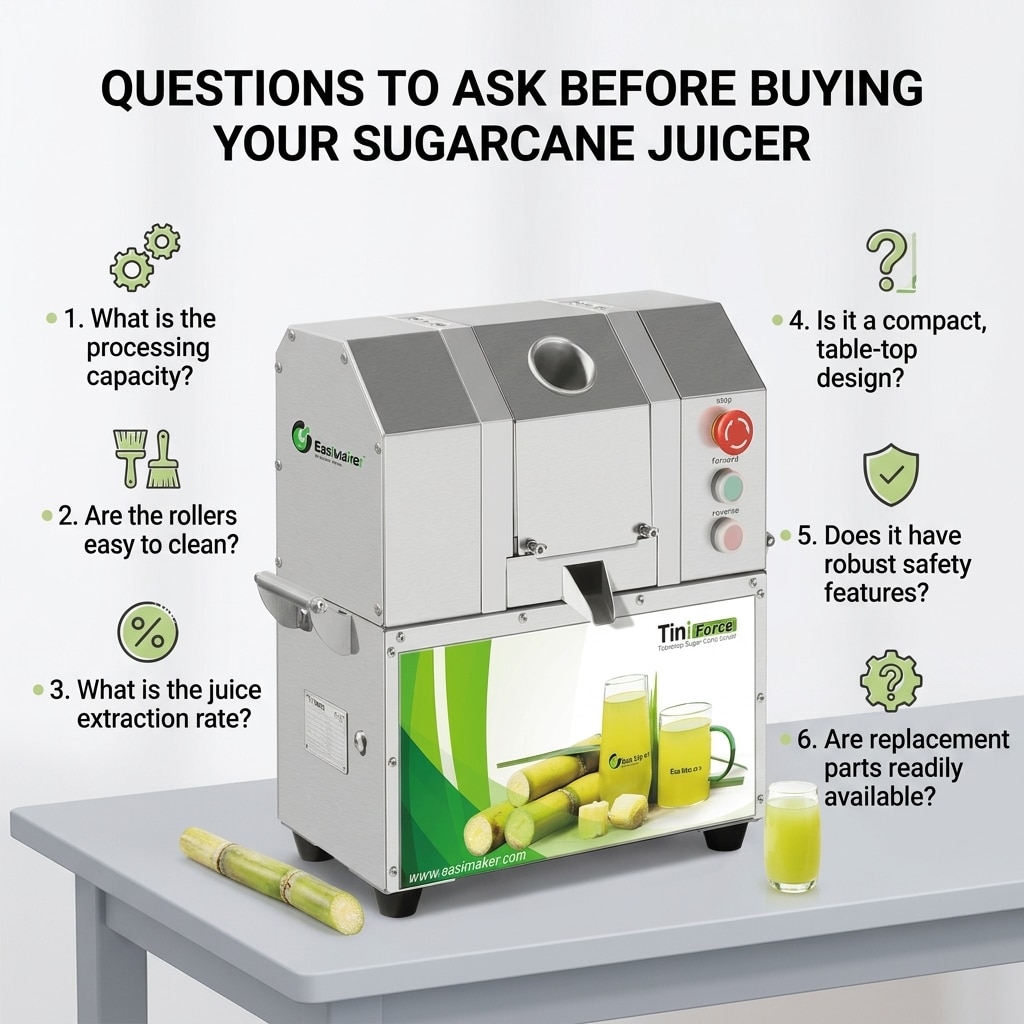
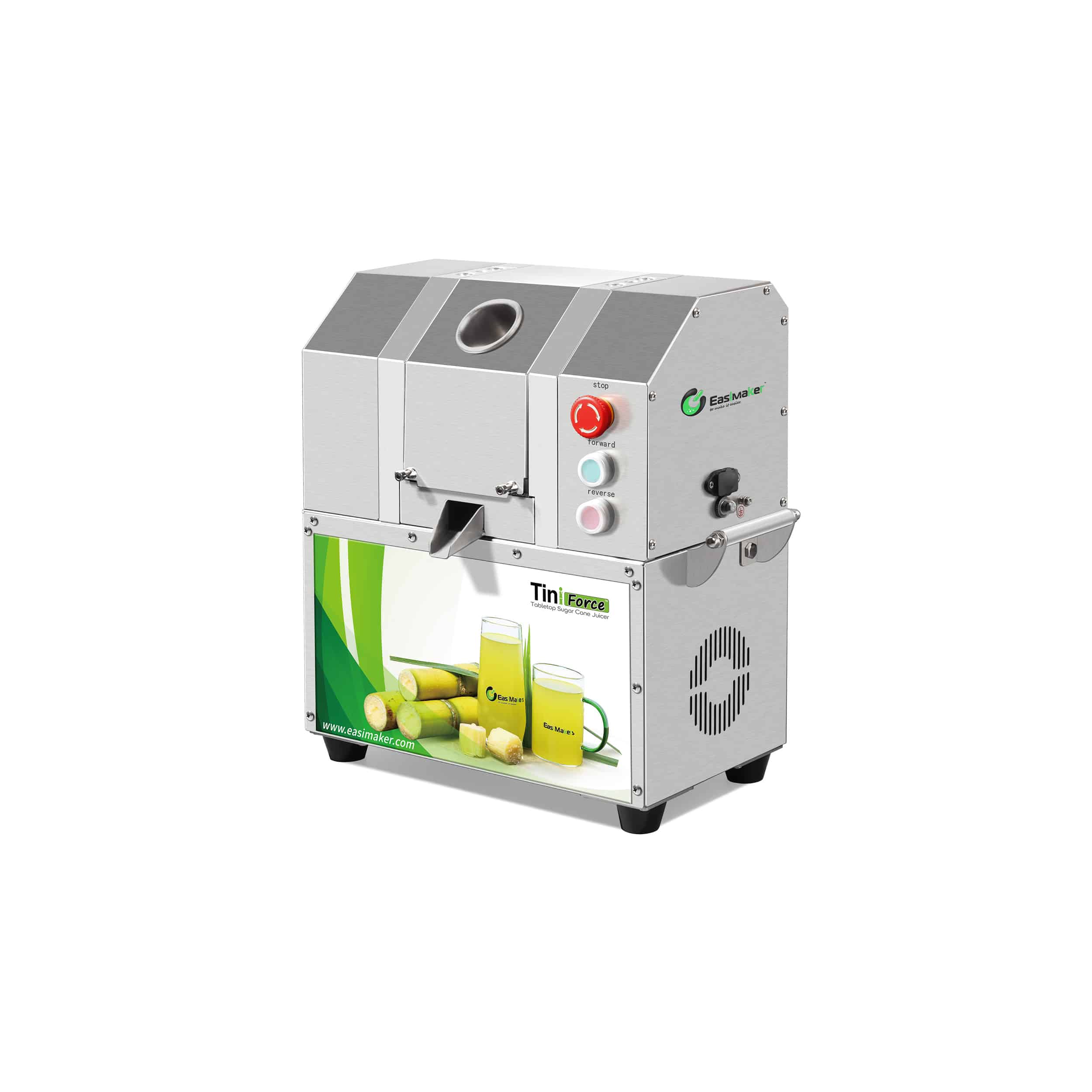
Commercial sugarcane juicer extracting high yield juice from sugarcane varieties

Key Concepts: Fiber Density and Stalk Diameter

Before comparing specific sugarcane varieties, it is essential to understand the primary physical metrics that influence the mechanical extraction process:

  • Fiber Density: This refers to the concentration and toughness of the cellulose structures within the cane stalk. High fiber density requires greater mechanical force (torque) to crush the stalk and rupture the juice-bearing cells.
  • Stalk Diameter: The thickness of the cane dictates how it interacts with the machine’s feed chute and crushing rollers. Inconsistent diameters can lead to either machine jamming (oversized) or inefficient extraction due to slippage (undersized).
  • Moisture vs. Sucrose Content: Moisture content determines the total liquid volume available, while sucrose content (measured in Brix) dictates the sweetness and viscosity of the resulting juice.

Comparing Sugarcane Varieties: Green vs. Yellow

Commercial operators typically choose between variants of green and yellow (or sometimes black/purple) sugarcane. Each presents distinct advantages and mechanical challenges.

Green Sugarcane

Green sugarcane is widely favored in the commercial juicing industry due to its high moisture content and relatively softer rind.

  • Physical Profile: Lower fiber density, thinner rind, and moderate-to-large stalk diameter.
  • Juice Yield: Generally offers the highest liquid volume per kilogram of raw material. Yields can often exceed 65-70% depending on the efficiency of the juicer.
  • Machine Impact: The softer cellular structure requires less torque. This translates to lower power consumption, reduced strain on gearboxes, and minimal wear on the stainless steel crushing rollers.

Yellow and Black Sugarcane

Yellow and darker varieties are often prized for their complex flavor profiles and higher sucrose concentration, making them popular in premium beverage markets.

  • Physical Profile: Higher fiber density, thicker and more brittle rind, and often a narrower stalk diameter compared to green varieties.
  • Juice Yield: Produces a lower total volume of liquid (typically 55-60%), but the juice features a higher Brix level (sweeter).
  • Machine Impact: The dense fiber and tough rind demand robust machine performance. Extracting juice from these varieties increases the mechanical load, requiring high-torque motors and heavy-duty, precision-machined rollers to prevent stalling or jamming.

Technical Impact on Extraction and Machine Settings

Optimizing your commercial juicer requires adjusting operational parameters based on the specific sugarcane variety being processed.

Handling High Fiber Density

When processing high-density varieties (like yellow cane), the resistance against the crushing rollers increases significantly. If the machine lacks sufficient torque, the rollers may stall, leading to motor overheating. Operators should ensure their equipment features gear-driven power transmission rather than simple belt drives when processing tough cane. Additionally, the feed rate must be carefully managed; force-feeding dense cane can overwhelm the extraction chamber.

Adjusting for Stalk Diameter

The gap between the crushing rollers is a critical setting. Many high-end commercial juicers feature self-adjusting or manually adjustable roller gaps.

  • Oversized Stalks (>50mm): If the cane diameter exceeds the optimal feed clearance, it must be split longitudinally before feeding. Forcing oversized stalks causes severe stress on the roller bearings and can permanently misalign the crushing mechanism.
  • Undersized Stalks (<20mm): Thin stalks may slip through the rollers without being fully crushed, leaving valuable juice trapped in the bagasse (waste fiber). Operators should feed multiple thin stalks simultaneously or adjust the roller gap closer to ensure adequate crushing pressure.

Raw Material Selection for Maximum Profit

Profitability in commercial juicing is a calculation of raw material cost, extraction yield, and operational efficiency. Consider the following strategies:

Business Model Recommended Variety Reasoning
High-Volume Kiosks & Bottling Green Sugarcane Maximizes liquid yield per kg; minimizes machine wear and power consumption; ideal for high-throughput operations.
Premium / Artisanal Juicing Yellow/Black Sugarcane Provides higher Brix (sweetness) and premium flavor; allows for higher retail pricing to offset lower liquid yield.
Blended Operations Mixed (70% Green / 30% Yellow) Balances high liquid volume with enhanced sweetness, optimizing both yield and flavor profile while managing machine load.

Manufacturing, Quality, and Maintenance Considerations

Consistent processing of sugarcane, regardless of variety, requires stringent equipment maintenance. The acidity of sugarcane juice and the abrasiveness of the bagasse necessitate equipment made from food-grade stainless steel (typically 304 or 316 grade) to prevent corrosion and ensure food safety compliance.

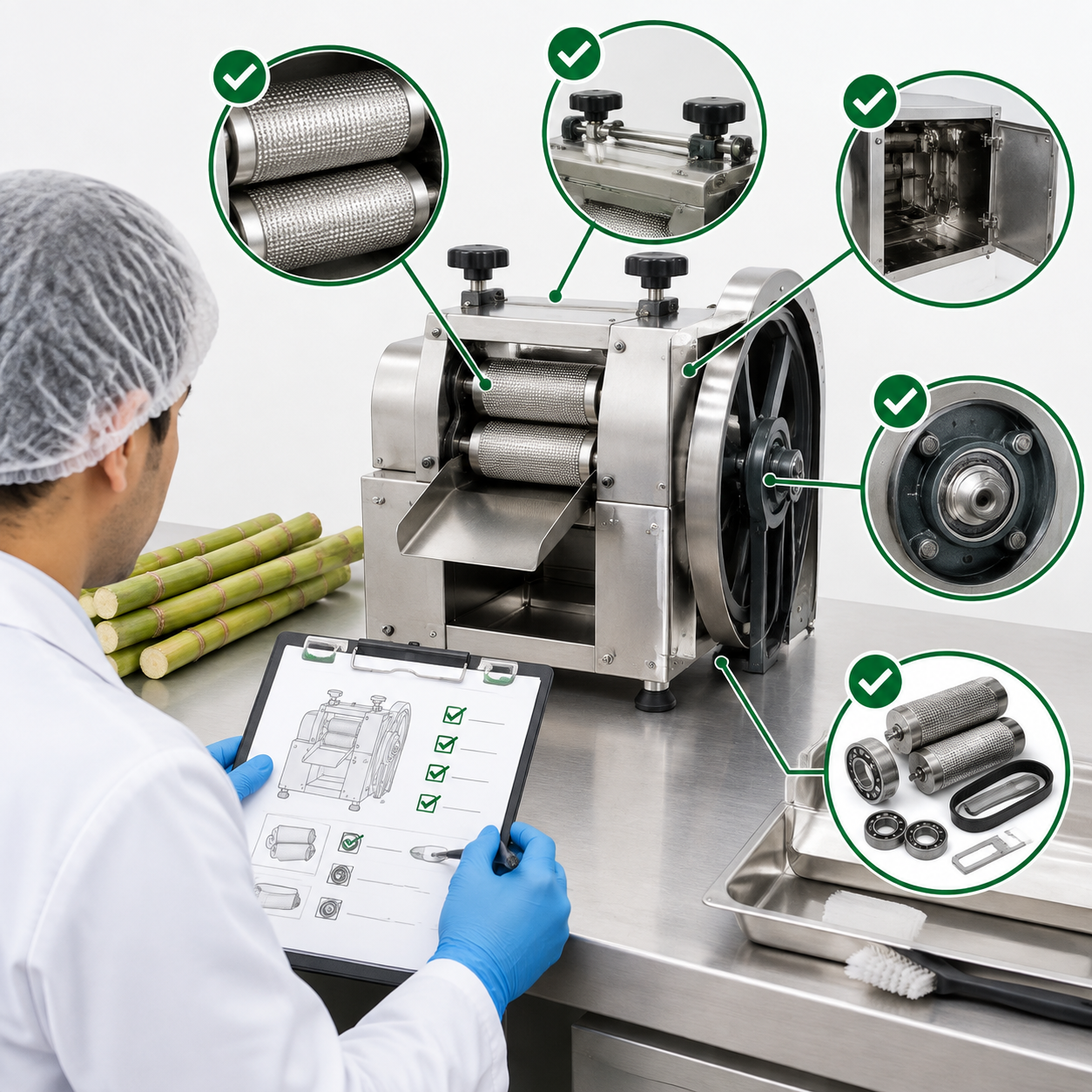
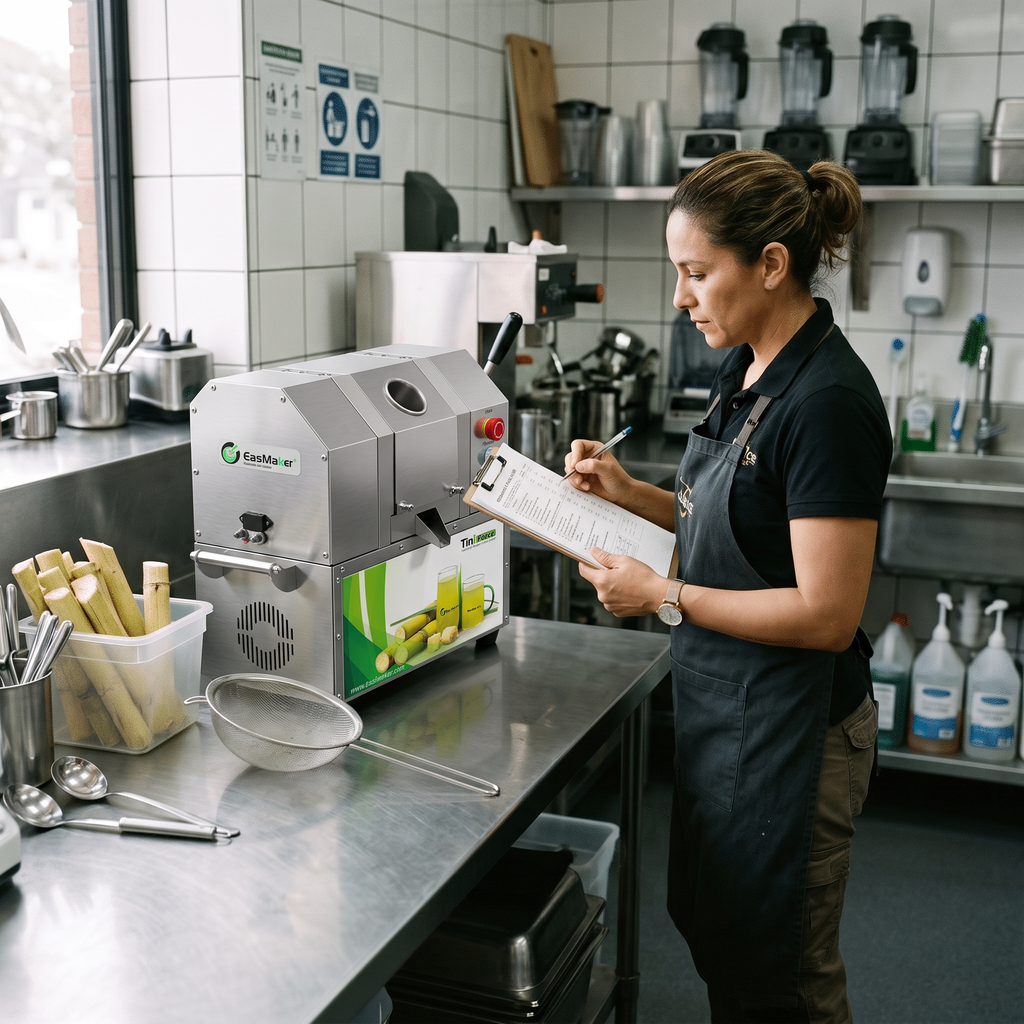
Routine QA Checklist for Operators:

  • Bagasse Inspection: Regularly inspect the expelled fiber. It should be nearly dry to the touch. If the bagasse is damp, the roller gap is too wide, or the cane diameter is too small, resulting in lost yield.
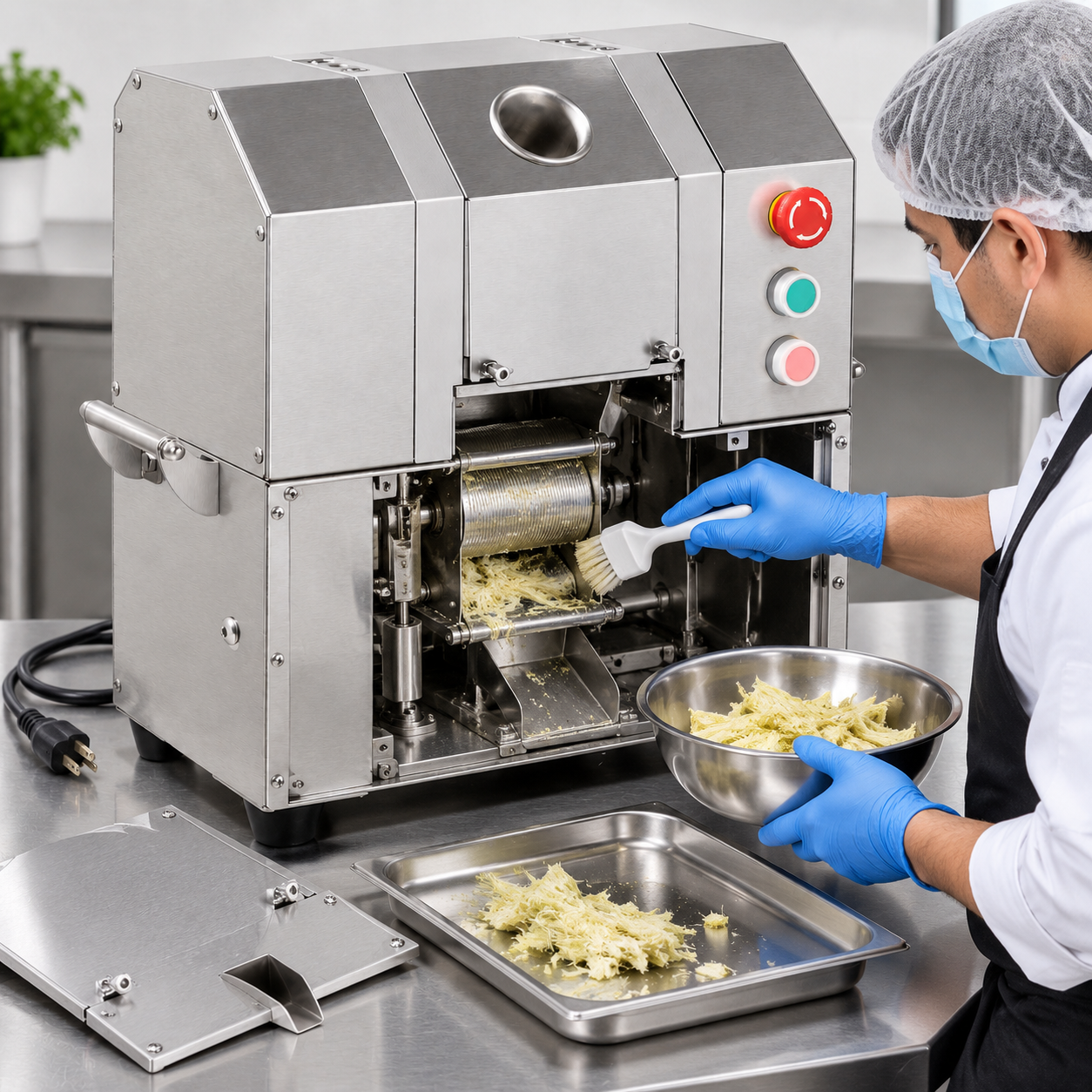
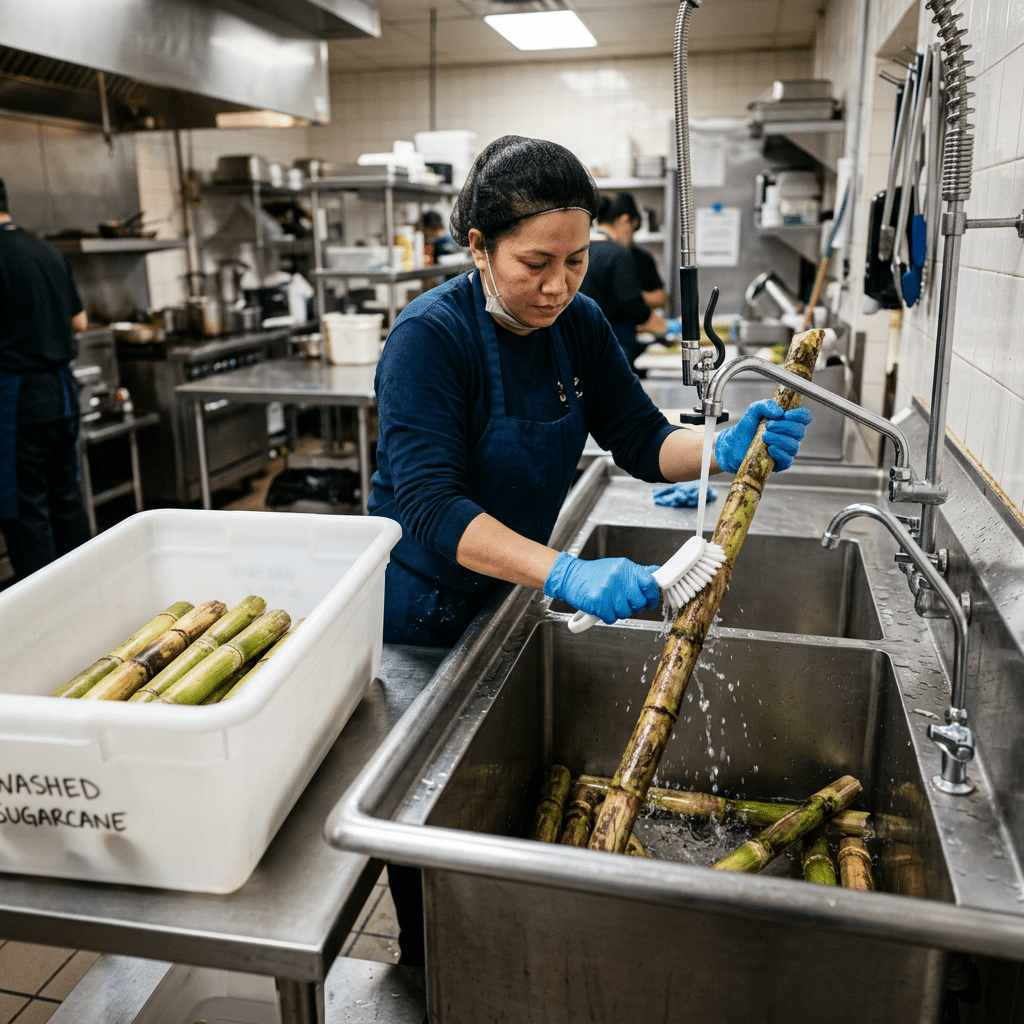
  • Roller Cleaning: High-sucrose varieties leave sticky residues that can harden and affect roller grip. Daily cleaning with hot water and food-safe sanitizers is mandatory.
  • Bearing Lubrication: Processing high-density cane accelerates the wear on roller bearings. Follow manufacturer guidelines for regular lubrication using food-grade grease.

Frequently Asked Questions (FAQs)

1. How do I measure the extraction efficiency of my sugarcane juicer?

Extraction efficiency is calculated by weight. Weigh a batch of raw sugarcane, process it, and then weigh the extracted juice. Divide the juice weight by the raw cane weight to find your yield percentage. A highly efficient commercial machine should achieve 60-70% depending on the cane variety.

2. Can I process different sugarcane varieties in the same machine?

Yes, professional-grade machines are designed to handle various types of cane. However, you may need to adjust the feed rate or roller gap (if adjustable) when switching from a soft green cane to a dense yellow cane to maintain optimal extraction.

3. Why does my machine jam when processing certain sugarcane?

Jamming is typically caused by feeding stalks that are too thick for the machine’s clearance, processing extremely dense fiber without sufficient motor torque, or feeding the cane too quickly. Splitting thick stalks and using a machine with an appropriate power rating will resolve this.

4. Does peeling the sugarcane improve juice yield or machine performance?

Peeling does not significantly impact total liquid yield, but it does reduce the mechanical load on the machine by removing the tough outer rind. More importantly, peeling improves the hygiene, color, and flavor of the juice by removing external contaminants and bitter compounds found in the skin.

5. What is the ideal stalk diameter for commercial juicers?

While specifications vary by machine, the ideal stalk diameter for most commercial juicers is between 30mm and 50mm. Stalks within this range provide optimal engagement with the crushing rollers.

Optimize Your Extraction Operations Today

Selecting the right sugarcane varieties and understanding their impact on your equipment is vital for maintaining a profitable, efficient juicing operation. Whether you require high-torque machinery capable of handling dense yellow cane or precision rollers designed for maximum yield from green varieties, having the right equipment makes all the difference.

Ready to upgrade your commercial juicing setup or need expert advice on machine specifications? Request a quote / Get a sample today to find the perfect solution for your raw material requirements.

Sourcing the Best Raw Sugarcane Stalks for High-Quality Juice

The Critical Link Between Raw Material and Commercial Success

In the commercial beverage industry, the quality of your end product is inextricably linked to the quality of your raw materials. For sugarcane juice businesses, sourcing the right raw sugarcane stalks is not merely a matter of flavor; it is an operational decision that impacts extraction yield, juice color, and the longevity of your crushing mechanism.

Many operators overlook the physical properties of the cane—hardness, fiber content, and diameter—focusing solely on sweetness (Brix). However, inconsistent or improper cane selection can lead to frequent machine jams, accelerated wear on rollers, and a bitter aftertaste that requires masking with additives. This guide outlines how to source raw sugarcane that optimizes both flavor profiles and equipment performance.

Understanding Sugarcane Varieties for Juicing

While there are dozens of sugarcane species, commercial juicing generally relies on a few specific cultivars. Understanding the difference between these varieties is the first step in effective sourcing.

Green and Yellow Varieties (Commercial/Industrial)

Often referred to as “white cane,” these varieties are typically grown for sugar production but are widely used for juice due to their high sucrose content and yield.

  • Pros: High juice volume, generally lower fiber content than wild varieties, and a lighter, visually appealing juice color (often turning a vibrant green with oxidation).
  • Cons: Can have a harder outer rind, requiring robust heavy-duty crushers.
  • Best For: High-volume commercial kiosks and industrial bottling where yield efficiency is paramount.

Purple and Black Varieties (Chewing Cane)

These varieties are softer and contain distinct antioxidants (anthocyanins) in the skin.

  • Pros: Softer fiber structure (easier on smaller machines), distinct floral flavor notes, and often perceived as “premium” in boutique markets.
  • Cons: Juice can turn a muddy brown or dark green quickly if the skin is not removed or if the juice is not treated immediately, due to high polyphenol content.
  • Best For: Boutique juice bars offering fresh-pressed, immediate-consumption beverages.

Evaluating Stalk Quality: A Buyer’s Checklist

When inspecting a shipment or establishing a contract with a supplier, the physical condition of the raw sugarcane stalks serves as a direct indicator of juice quality.

1. Internode Length and Hardness

The “node” (the joint between segments) is the hardest part of the cane. Stalks with short internodes (nodes close together) are denser and harder to crush.

  • Impact on Machinery: Frequent nodes cause the crushing rollers to constantly adjust torque, leading to uneven wear on bearings and gears.
  • Sourcing Tip: Specify long internodes in your purchasing requirements. This ensures smoother feeding into the machine and more consistent juice extraction.

2. Stalk Diameter Consistency

Commercial juicers are calibrated for specific diameter ranges, typically between 20mm and 50mm.

  • Too Thin: The rollers may slip, resulting in poor extraction rates.
  • Too Thick: Forcing oversized cane into a standard chute strains the motor and can crack the gearbox housing. Splitting thick cane manually adds labor costs.

3. Freshness and Hydration

Sugarcane begins to ferment and lose moisture immediately after harvesting. Dry cane is harder, more fibrous, and yields significantly less juice.

  • Visual Check: Look for bright, waxy skin. Avoid stalks with shriveled ends or red discoloration inside the cut ends (a sign of Red Rot, a fungal infection that ruins taste).
  • Sound Check: Fresh cane should sound solid when tapped. A hollow sound indicates internal drying (pithiness).

Preparation: Peeling vs. Unpeeled Extraction

The decision to peel sugarcane before juicing affects your sourcing strategy and your equipment maintenance schedule.

Unpeeled Extraction

Processing the whole stalk is faster and reduces labor.

  • Flavor Profile: The rind contains waxes and chlorophyll, which can introduce a grassy or slightly bitter note.
  • Machine Wear: The outer rind is abrasive. Over time, processing unpeeled cane will wear down the knurling (teeth) on the rollers, reducing their grip and efficiency.

Peeled Extraction

Removing the hard outer skin prior to juicing.

  • Flavor Profile: Results in a sweeter, cleaner taste and a brighter color that appeals to premium markets.
  • Machine Longevity: Significantly reduces the load on the motor and abrasion on the rollers, extending the lifespan of the crushing mechanism.
  • Sourcing Implication: If you plan to peel, ensure the cane sourced is straight. Curved or knotted stalks are difficult and dangerous to peel mechanically or manually.

Logistics and Storage for B2B Operations

Raw sugarcane is perishable. Managing your supply chain is as critical as the crushing process itself.

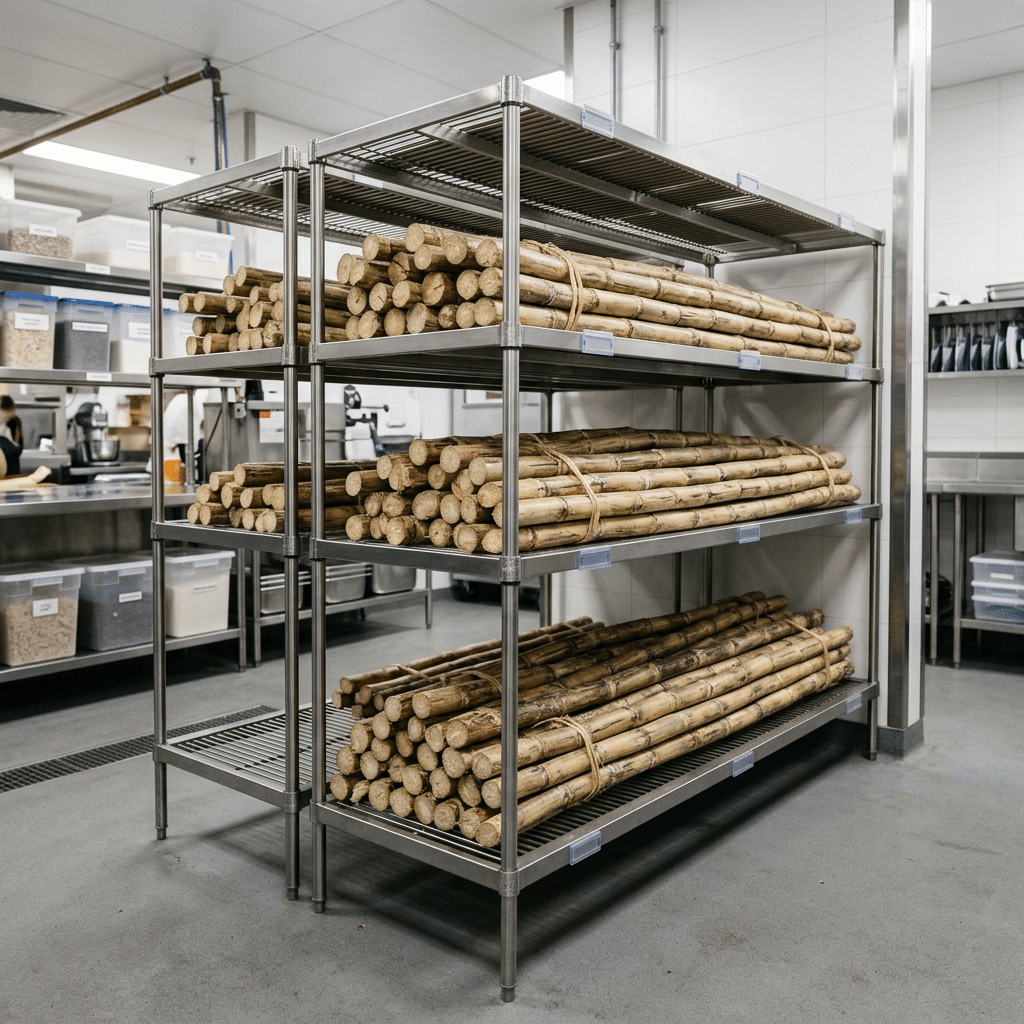
  • Lead Times: Sugarcane should ideally be processed within 3–5 days of harvest unless refrigerated.
  • Storage Conditions: Stalks should be stored in a cool, shaded environment. If storing for more than 48 hours, keeping the cane moist (without soaking) helps maintain turgidity, which aids the crushing mechanism in gripping the stalk.
  • Seasonality: Sugar content (Brix) fluctuates with the season. During rainy seasons, water content rises while sugar concentration drops. Adjust your sourcing or recipes accordingly to maintain product consistency.

FAQ: Sourcing and Processing Sugarcane

How does cane hardness affect the warranty on my juicer?

Many manufacturers specify maximum stalk diameters and hardness levels. Consistently processing over-sized or extremely hard, dry cane can void warranties related to motor burnout or gear failure. Always match your raw material to your machine’s duty cycle.

Can I freeze raw sugarcane stalks for later use?

Freezing whole stalks is generally not recommended as it alters the cellular structure, making the cane mushy upon thawing. This texture prevents the rollers from gripping the cane effectively, leading to slipping and poor extraction. It is better to freeze the extracted juice.

What is the ideal Brix level for commercial juice?

For a standalone beverage, a Brix level between 18° and 22° is considered ideal. Below this, the juice may taste watery; above this, it may be cloyingly sweet. You can measure this upon delivery using a simple handheld refractometer.
Why is my sugarcane juice turning dark immediately?

This is enzymatic browning caused by oxidation. It is often accelerated by using cane with high polyphenol content (like dark purple varieties) or processing unpeeled cane. Adding a citric agent (like lime or kumquat) during the crushing process helps stabilize the color.

Optimize Your Production Line

Selecting the right sugarcane is the first step toward a profitable juice operation. The second step is ensuring your processing equipment can handle your chosen raw material efficiently without unexpected downtime.

Whether you need advice on calibration for specific cane varieties or are looking for robust extraction technology designed for high-fiber stalks, our team is here to help.

Contact us today to discuss your production needs or request a quote for our commercial processing solutions.

Why 4 Roller Sugarcane Machines Are More Efficient Than 2 Roller

Understanding Sugarcane Juice Extraction Efficiency

In the commercial sugarcane juice industry, the difference between a profitable operation and a struggling one often comes down to extraction efficiency. For procurement officers and business owners, the choice of equipment is a long-term investment in yield. While 2-roller machines have historically served as entry-level options, the industry has shifted toward multi-roller systems, specifically 4-roller designs, to maximize output and minimize waste.

The core challenge of sugarcane processing is the fibrous nature of the stalk. Sugarcane contains a high percentage of lignin and cellulose, which act as a sponge, holding onto the juice. To extract this liquid effectively, the machine must apply consistent, staged pressure. This is where the 4-roller design significantly outperforms its 2-roller counterparts.

The Mechanics: 2-Roller vs. 4-Roller Systems

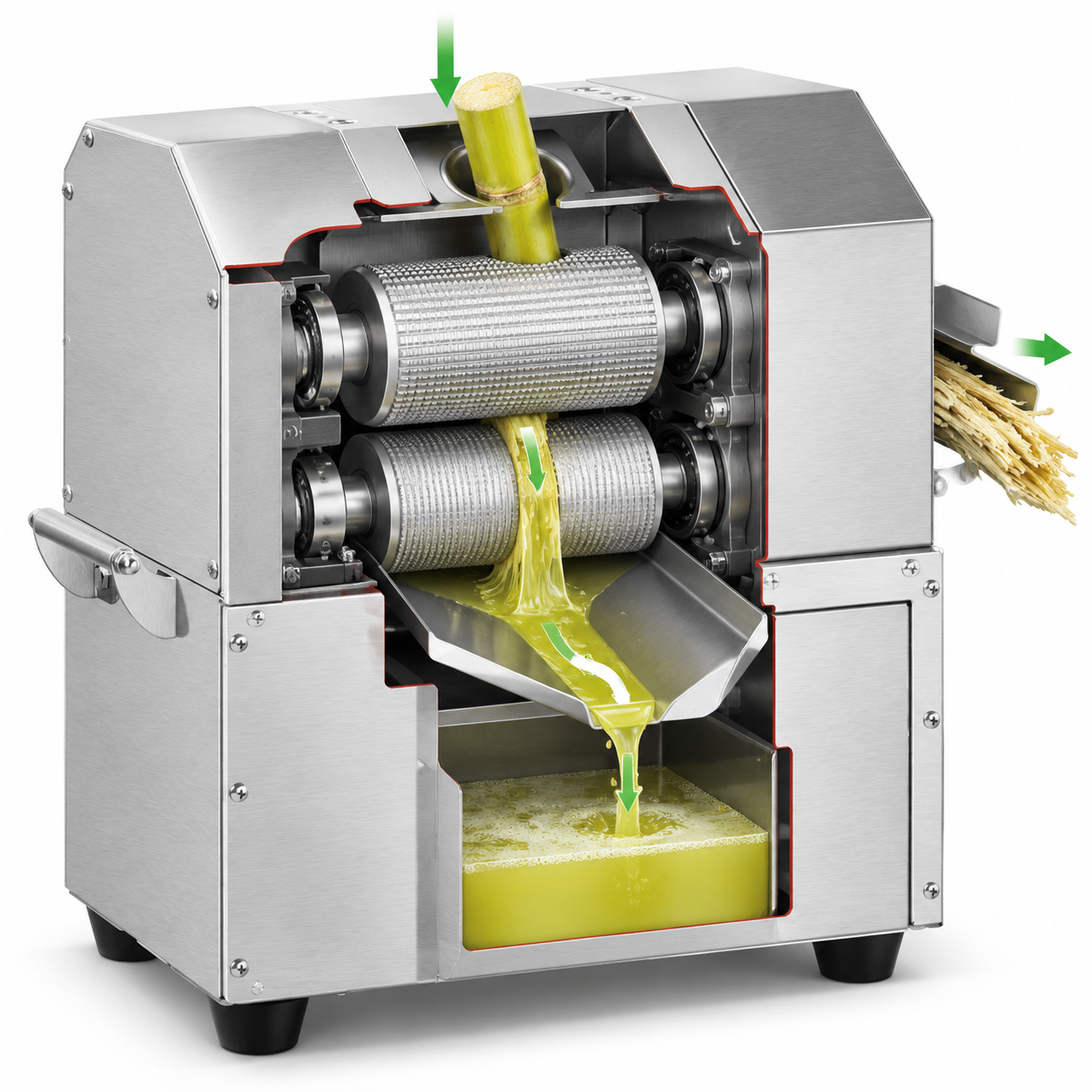
To understand why 4 rollers are superior, we must look at the mechanical interaction between the rollers and the cane stalks. In a 2-roller sugarcane machine, the cane passes through a single pinch point. This single point of contact must handle the entire task of crushing the hard exterior and squeezing the internal fibers. Often, this results in an incomplete extraction, requiring the operator to pass the bagasse (the leftover fiber) through the machine a second or third time.
In contrast, a 4-roller system, such as the EasiDeMax S4, utilizes a progressive compression strategy. The rollers are typically arranged in two sets. The first set acts as the “crusher,” breaking the rind and opening the fiber structure. The second set provides the “final press,” extracting the remaining juice from the pre-crushed stalks. This staged approach ensures that the fiber is thoroughly exhausted of its liquid content in a single pass.

Staged Pressing: The 4-Roller Advantage

Staged pressing is not just about adding more rollers; it is about the physics of juice release. When sugarcane is compressed, the juice needs a path to escape. In a 2-roller setup, the high pressure at the single nip point can actually “trap” juice within the fiber as it is compressed too quickly. A 4-roller machine allows for a more controlled release. The first stage prepares the material by increasing its permeability, and the second stage applies the high-intensity pressure needed for a high yield sugarcane juice machine to reach its full potential.

Drier Bagasse and Higher Yield

The most visible indicator of efficiency is the state of the bagasse. If the bagasse coming out of the machine is damp or heavy, juice is being wasted. A high-efficiency 4-roller machine produces bagasse that is brittle and bone-dry. For example, the EasiDeMax S4 is engineered to achieve a juice yield of up to 75%. This is a significant jump from the 50-60% yields common in standard 2-roller or lower-quality 3-roller machines. Over thousands of kilograms of cane, this 15-20% difference in yield directly translates to a lower cost per liter of juice and higher profit margins.

Comparing Specifications: 2-Roller vs. 4-Roller Models

When evaluating hardware for a commercial juice bar or bottling plant, a direct comparison of technical specifications reveals the operational gap between these designs.

Feature Standard 2-Roller Machine 4-Roller Machine (e.g., EasiDeMax S4)
Extraction Method Single-stage compression Dual-stage/Staged pressing
Typical Juice Yield 50% – 62% Up to 75%
Bagasse Quality Moist, often requires re-pressing Dry, brittle, single-pass ready
Grip & Feed Prone to slipping on thick stalks Superior grip due to multiple contact points
Motor Stress High peak load on one nip point Distributed load across four rollers
Noise Levels Often higher due to vibration Low noise (optimized gear ratios)

Technical Spotlight: The EasiDeMax S4 4-Roller Machine

The EasiDeMax S4 serves as a benchmark for what a professional-grade 4-roller machine should offer. Beyond the roller count, several engineering factors contribute to its efficiency and reliability in a B2B environment.

Material Integrity: 304 Stainless Steel

In food processing, material choice is non-negotiable. The use of 304 stainless steel for the rollers and all components that come into contact with the juice ensures corrosion resistance and compliance with international food safety standards. Sugarcane juice is naturally acidic; lower-grade metals can leach or corrode over time, affecting juice flavor and machine longevity. 304 stainless steel provides the durability required for 24/7 commercial operations.

Motor Protection and Operational Safety

A common failure point in commercial juicers is motor burnout caused by overloading. When a thick or particularly hard stalk is fed into the machine, the torque requirements spike. High-quality 4-roller machines incorporate overload protection. This system monitors the current draw and automatically shuts down the motor if it exceeds safe operating limits, preventing permanent damage. Furthermore, understanding motor power is essential for choosing a machine that can handle high-volume throughput without overheating.

Operational Benefits for Commercial Juice Businesses

For distributors and brand owners, the 4-roller design offers several operational advantages that go beyond simple juice yield:

  • Reduced Labor Costs: Because the 4-roller machine achieves maximum extraction in a single pass, operators spend less time re-feeding bagasse. This increases the cups-per-hour capacity of the station.
  • Consistent Flavor Profile: Staged pressing extracts juice more evenly from different parts of the stalk, leading to a more consistent sweetness and color in the final product.
  • Lower Maintenance: By distributing the mechanical load across four rollers instead of two, the wear and tear on individual bearings and gears are reduced, leading to longer service intervals.
  • Improved Safety: Modern 4-roller machines are designed with enclosed feeding ports and emergency stop functions, minimizing the risk of operator injury compared to older, open-roller designs.

How to Choose the Right Commercial Sugarcane Machine

Selecting the right equipment requires a balance between budget and required output. While the initial capital expenditure for a 4-roller machine is higher than a 2-roller model, the ROI is typically realized within the first few months of operation through juice savings alone. When sourcing, consider the following:

  1. Volume Requirements: If you are processing more than 50kg of cane per day, a 4-roller machine is almost always the more economical choice.
  2. Power Supply: Ensure your facility can support the wattage required for heavy-duty motors. Most commercial units run on standard 110V/220V, but the amperage draw during peak crushing should be verified.
  3. Ease of Cleaning: Look for machines with removable panels or easy-access rollers. Sugarcane juice is high in sugar and will become sticky and unsanitary if the machine cannot be cleaned thoroughly every day.

Manufacturing and Quality Assurance

At the industrial level, quality assurance (QA) is what separates a reliable machine from a liability. Professional manufacturers implement rigorous testing protocols, including load testing the motors for several hours and verifying the hardness of the stainless steel rollers. When ordering in bulk or for distribution, inquire about the factory’s QA process and their spare parts availability. A machine is only as good as the support behind it, especially when it comes to consumable parts like gears and bearings.

Frequently Asked Questions (FAQs)

1. Can a 4-roller machine handle different diameters of sugarcane?

Yes, most professional 4-roller machines like the EasiDeMax S4 feature self-adjusting tension or specific roller gaps designed to accommodate various cane thicknesses, from thin stalks to premium thick varieties.

2. Is the juice from a 4-roller machine different in taste?

The taste is generally superior because the staged pressing doesn’t “shock” the fiber as much as a high-pressure 2-roller pass, which can sometimes release more bitter compounds from the outer rind if not calibrated correctly.

3. How often do the rollers need to be replaced?

With 304 stainless steel construction and proper cleaning, rollers can last for several years of heavy use. The primary maintenance items are usually the drive belts or gears, which are easily replaceable.

4. Does a 4-roller machine consume more electricity?

While the motor may be more powerful, the total energy consumed per liter of juice produced is often lower because the machine works more efficiently and doesn’t require multiple passes.

5. What is the typical lead time for B2B orders?

Lead times vary based on customization and order volume, but standard commercial units are typically ready for shipment within 15–30 days. For large distributor orders, it is best to contact our sales team for a specific timeline.

Conclusion: Making the Shift to 4-Roller Efficiency

For any serious commercial enterprise, the 4-roller sugarcane machine represents the gold standard in juice extraction. By providing staged pressing, higher yields, and superior durability through 304 stainless steel construction, machines like the EasiDeMax S4 offer a clear path to higher profitability and operational excellence. If you are looking to upgrade your current setup or are planning a new juice venture, prioritizing extraction efficiency is the most effective way to ensure long-term success.

Ready to optimize your production? Request a quote / Get a sample today to see the difference professional-grade engineering makes.

Solid vs. Hollow Rollers: The Hidden Factor in Sugarcane Juicer Longevity

In the commercial beverage equipment industry, the difference between a machine that lasts a decade and one that fails within six months often lies in components hidden from plain view. For sugarcane juicers, the rollers (or crushing drums) are the most critical mechanical element. They bear the immense torque and compressive force required to extract liquid from fibrous cane stalks.

Procurement officers and engineers evaluating sugarcane extraction machinery often face a choice between equipment utilizing solid stainless steel rollers and those using hollow, capped tubes. While hollow rollers reduce manufacturing costs and shipping weight, they introduce significant risks regarding durability, hygiene, and extraction efficiency.

This technical guide analyzes the structural and operational differences between solid and hollow rollers, helping B2B buyers make informed decisions for heavy-duty commercial applications.

The Physics of Sugarcane Extraction

To understand why roller composition matters, one must first consider the mechanical stress involved in juicing sugarcane. Unlike soft fruits, sugarcane is a dense, fibrous grass. Extracting juice requires high-pressure crushing, often involving a multi-stage process of breaking the hard outer rind and compressing the internal fibers.

The rollers must endure two primary forces:

  • Radial Compression: The force exerted perpendicular to the roller surface to crush the cane.
  • Torque (Shear Stress): The rotational force required to pull the cane through the gap while resisting the stalk’s structural integrity.

Under these loads, the structural rigidity of the roller is paramount. Any deflection (bending) in the roller reduces the pressure applied to the cane, resulting in lower juice yields and wetter waste pulp (bagasse).

Hollow Rollers: The Economy Option

Hollow rollers are typically manufactured by taking a steel tube and welding end-caps or shafts onto the sides. This method significantly reduces material costs and machine weight. However, for commercial and industrial applications, this design presents several failure points.

1. Structural Deflection and Fatigue

Under the high pressure of crushing sugarcane, hollow tubes are prone to elastic deformation. The center of the roller—furthest from the supported ends—may flex inward. This deflection creates an uneven gap between rollers, causing inconsistent extraction and forcing the operator to pass the cane through multiple times to get a dry crush.

Over time, this cyclic flexing leads to metal fatigue. In high-volume environments, hollow rollers are susceptible to cracking, particularly near the weld points where the tube meets the drive shaft.

2. The Hygiene Risk of “Dead Space”

Perhaps the most critical concern for food safety compliance is the internal cavity of a hollow roller. If a microscopic crack forms in a weld, or if a seal fails, sugarcane juice can penetrate the hollow interior.

Once inside, the juice cannot be cleaned out. It ferments, leading to bacterial growth and mold accumulation inside the roller. This “dead space” becomes a permanent contaminant source. In severe cases, the internal pressure from fermentation can cause the roller to deform further or rupture. Solid rollers eliminate this risk entirely as there is no internal cavity.

Solid Stainless Steel Rollers: The Heavy-Duty Standard

Solid rollers are machined from a single billet of stainless steel. While this increases the upfront cost and the shipping weight of the machine, it provides mechanical and sanitary advantages that are essential for commercial reliability.

Maximum Torque Transmission

A solid steel cylinder has a significantly higher moment of inertia compared to a hollow tube of the same diameter. This mass allows the roller to maintain rotational momentum, powering through tough knots and thick stalks without stalling. The lack of deflection ensures that the gap setting remains precise, maximizing single-pass yield.

Sanitary Design and Compliance

For B2B buyers supplying markets with strict food safety regulations (such as the FDA in the US or CE in Europe), solid rollers are often a requirement for hygienic design. Since there are no welds to crack and no hollow cavities to harbor pathogens, solid rollers are easier to clean and sanitize. They represent a “monolithic” component where the surface visible to the operator is the only surface that exists.

Comparative Analysis: Solid vs. Hollow

The following table outlines the operational trade-offs between the two manufacturing approaches.

Feature Hollow Rollers Solid Steel Rollers
Primary Material Cost Low High
Weight Lightweight (lower shipping cost) Heavy (high stability)
Durability Prone to denting/warping Extremely high impact resistance
Hygiene Risk High (internal bacterial harborage) Zero (no internal cavities)
Juice Yield Variable (due to deflection) Consistent / High
Typical Lifespan 1–3 years (commercial use) 10+ years

Material Grade Considerations: Why 304 Matters

Specifying “solid rollers” is not enough; the grade of steel is equally important. Industrial buyers should verify that the rollers are machined from AISI 304 Stainless Steel (or 316 for highly saline environments).

Some manufacturers may offer solid rollers made from carbon steel plated with chrome. While these are solid, the plating will eventually chip under the abrasive friction of sugarcane fibers. Once the plating is compromised, the underlying iron will rust, contaminating the juice. Solid 304 stainless steel is corrosion-resistant throughout its entire mass, ensuring that surface wear does not compromise food safety.

Buying Guide: How to Verify Roller Quality

When sourcing sugarcane juicers from international manufacturers, it can be difficult to verify internal components without disassembling the machine. Here are strategies for procurement teams to validate roller quality:

1. Check the Machine Weight

Density is a reliable indicator. A commercial juicer with three solid steel rollers will be significantly heavier than a competitor’s model of the same size using hollow rollers. If a “heavy-duty” machine feels surprisingly light, inquire about the roller construction.

2. Request Cross-Sectional Drawings

Ask the supplier for technical drawings or CAD files of the roller assembly. Look for indications of a solid fill versus a tube profile.

3. Ask About Manufacturing Tolerances

Solid rollers are typically CNC machined to tight tolerances. Ask about the run-out tolerance. Solid rollers generally maintain a run-out of less than 0.05mm, whereas welded hollow rollers often have higher variance due to thermal distortion during welding.

Maintenance and TCO (Total Cost of Ownership)

While machines with solid rollers command a higher initial price point, the Total Cost of Ownership is often lower. Hollow rollers that crack or warp necessitate expensive replacement parts and result in unplanned downtime. In a high-volume juice bar or processing plant, a single day of downtime can cost more than the price difference between the two machine types.

Furthermore, solid rollers can be resurfaced. If the knurling (the textured pattern that grips the cane) wears down after years of use, a solid roller can often be re-machined. A hollow roller with worn knurling usually requires complete disposal.

Frequently Asked Questions (FAQs)

Do solid rollers require a more powerful motor?

Yes, generally. Because solid rollers are heavier, they require a motor with higher starting torque to overcome inertia. This usually indicates that the rest of the machine (gearbox, bearings) is also built to a higher heavy-duty standard.

Can I replace hollow rollers with solid ones later?

Rarely. The bearings and shafts designed for lightweight hollow rollers are often insufficient to support the weight and torque of solid steel replacements. It is best to select the correct specification at the time of purchase.

How do I know if my current rollers are hollow?

If the end of the roller is visible, look for a weld line connecting a cap to the cylinder. Alternatively, a “tap test” can sometimes reveal the difference—solid steel produces a dull thud, while hollow tubes may ring slightly.

Are solid rollers necessary for home use?

For occasional home use, hollow rollers may suffice. However, for any commercial setting—restaurants, street vendors, or bottling plants—solid rollers are the recommended standard for reliability and hygiene.

Conclusion

The choice between solid and hollow rollers is a choice between short-term savings and long-term reliability. For B2B buyers responsible for equipment longevity and brand reputation, solid stainless steel rollers offer the necessary assurance of hygiene, durability, and yield efficiency.

When requesting quotes for sugarcane extraction machinery, explicitly specify solid 304 stainless steel rollers to ensure your equipment can handle the demands of commercial operation.

Ready to upgrade your production line? Contact us today to discuss heavy-duty sugarcane solutions tailored to your volume requirements.

Mechanical Safety Standards: Essential Features for Commercial Sugarcane Juicers

In the beverage processing industry, commercial sugarcane juicers are distinct due to the sheer mechanical force required to operate them. Unlike citrus or centrifugal juicers, sugarcane extractors rely on high-torque rollers to crush fibrous stalks. While this efficiency is necessary for yield, it introduces specific mechanical hazards that business owners and procurement managers must address.

Prioritizing mechanical safety standards is not merely about regulatory compliance; it is a critical strategy for liability mitigation and workforce protection. For B2B buyers, understanding the physical safety mechanisms of these machines—from emergency stops to anti-crush protocols—is essential when selecting equipment for juice bars, hotels, or industrial processing facilities.

This guide details the key mechanical safety features you should look for to ensure your operations remain safe, efficient, and compliant.

The Mechanics of Risk: Understanding Nip Points

To evaluate safety, one must first understand the hazard. The primary danger zone in a sugarcane juicer is the “nip point”—the area where two rollers converge to pull the cane in. The torque required to crush a sugarcane stalk is sufficient to cause severe injury to a human hand in a fraction of a second.

Standard consumer-grade safety features are often insufficient for this level of force. Industrial-grade safety relies on preventing access to these nip points entirely and ensuring immediate cessation of movement if a breach occurs.

Critical Mechanical Safety Features

When sourcing commercial sugarcane juicers, the following physical protection features should be non-negotiable in your technical specifications.

1. Accessible Emergency Stop (E-Stop) Systems

A standard power switch is not an emergency safety device. An industrial E-stop button is a specific requirement for heavy machinery.

  • Visibility and Access: The button should be prominent, typically red on a yellow background, and mushroom-shaped for easy activation. It must be positioned within immediate reach of the operator’s normal working stance.
  • Latching Mechanism: Once pressed, the E-stop should lock in the “off” position, preventing the machine from restarting until the button is manually reset. This prevents accidental restart while an obstruction is being cleared.
  • Braking Speed: In high-quality units, activating the E-stop should engage an electronic or mechanical brake to stop the rollers instantly, rather than letting them coast to a halt.

2. Feed Chute Geometry and Tunnel Guards

The most effective way to prevent injury is to physically prevent the operator from reaching the rollers. This is achieved through the design of the feed chute.

  • Restricted Aperture: The feed opening should be sized to accommodate sugarcane stalks but too narrow for an adult hand to pass through.
  • Tunnel Distance: The length of the feed chute (the distance from the opening to the rollers) is critical. International safety engineering principles often dictate that the distance must be greater than the reach of a finger or hand.
  • Tamper-Proofing: Guards should be fixed in a way that requires tools to remove, discouraging operators from bypassing safety measures for “convenience.”

3. Safety Interlocks and Enclosures

Commercial environments require frequent cleaning, which involves opening the machine. Safety risks increase significantly during disassembly.

Micro-switch Interlocks: Modern commercial juicers should feature electrical interlocks on the casing. If the outer housing or cleaning hatch is opened, the circuit is physically broken, and the motor cannot run. This prevents the machine from being operated while internal gears or rollers are exposed.

4. Anti-Crush and Reverse Functionality

Jams are inevitable when processing natural products with varying thickness and density.

  • Reverse Switch: A dedicated reverse function allows the operator to back a jammed stalk out of the machine mechanically. Without this, operators may be tempted to pull the stalk manually while the machine is straining forward, creating a high-risk scenario.
  • Overload Protection: Thermal overload sensors should automatically cut power if the motor strains beyond a safe limit, protecting both the machine’s drivetrain and the operator.

Comparing Safety Configurations

Not all commercial juicers offer the same level of protection. Below is a comparison of standard versus advanced safety configurations.

Feature Standard / Entry-Level Advanced / Safety-Compliant
Stop Mechanism Simple On/Off Toggle Latching E-Stop Mushroom Button
Feed Inlet Open wide chute Extended tunnel with restricted aperture
Drive Components Exposed belts/chains (sometimes) Fully enclosed gearbox & motor
Jam Clearing Manual force required Instant Reverse Switch
Cleaning Safety None (Operator caution relied upon) Magnetic/Mechanical Interlocks

Operational Safety Protocols

Even the safest machinery requires proper operational protocols. Investing in hardware is only half the equation; the workflow must also support safety.

Training and Authorization

Ensure that only trained personnel are authorized to operate the sugarcane juicer. Training should cover:

  • Proper feeding techniques (never using hands to push cane).
  • How to use the E-stop and Reverse functions.
  • Lockout/Tagout procedures during deep cleaning or maintenance.

Daily Inspection Checklists

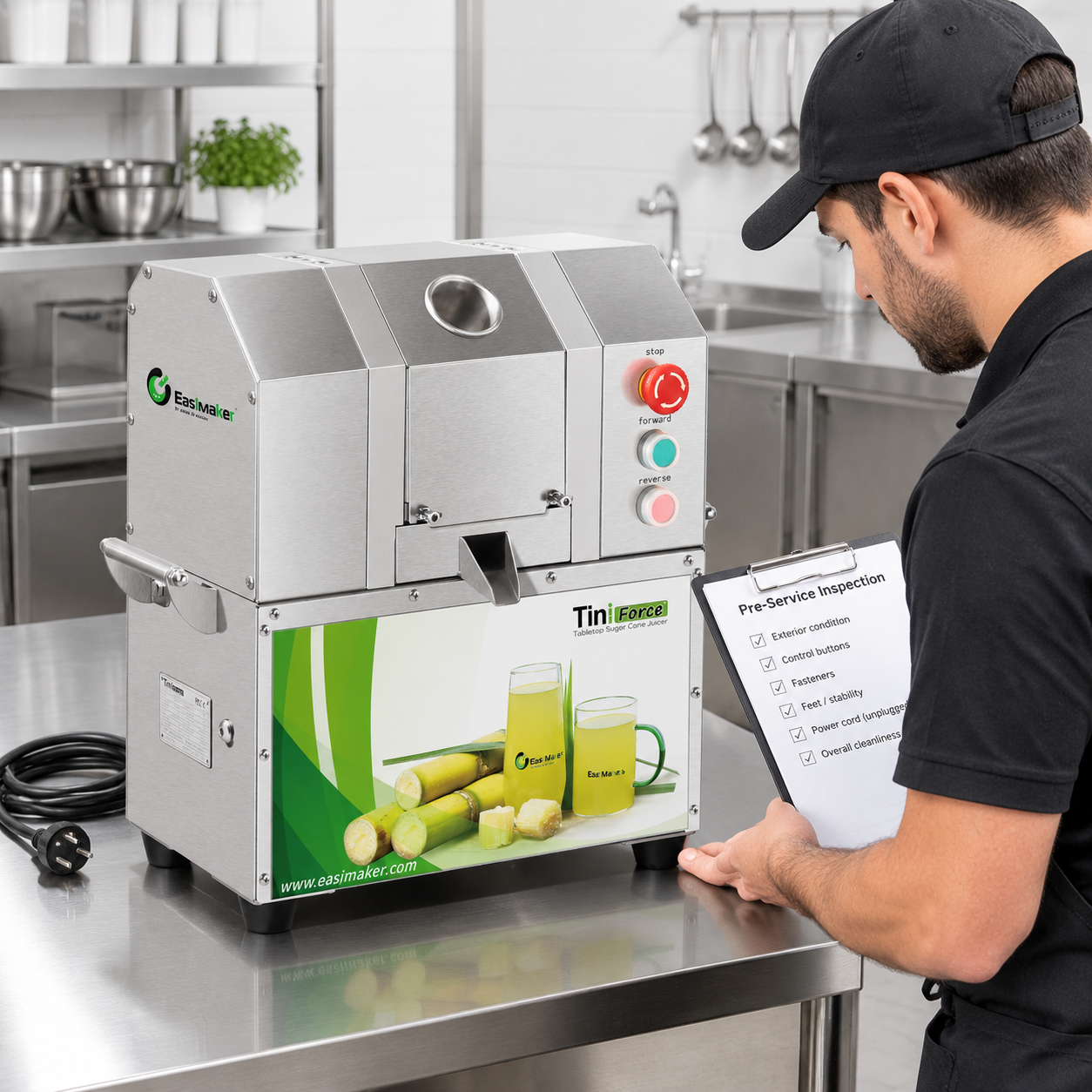
Before a shift begins, a brief visual inspection should be conducted:

  1. Guard Check: Are all feed chutes and covers securely attached?
  2. Function Test: Does the E-stop actually stop the machine immediately?
  3. Stability: Is the machine on a stable, non-slip surface to prevent movement during operation?

Buying Guide: Questions for Suppliers

When contacting manufacturers or distributors, asking the right technical questions can reveal the quality of the equipment.

  • “Does the machine have active safety interlocks on the cleaning panels?” (If the answer is no, the risk of injury during maintenance is higher.)
  • “What is the stopping time of the rollers once the E-stop is pressed?” (Instant is preferred.)
  • “Are the rollers fully enclosed during operation?”
  • “Can you provide a user manual detailing the safety diagrams?”

Frequently Asked Questions

Do commercial sugarcane juicers require special electrical setups?

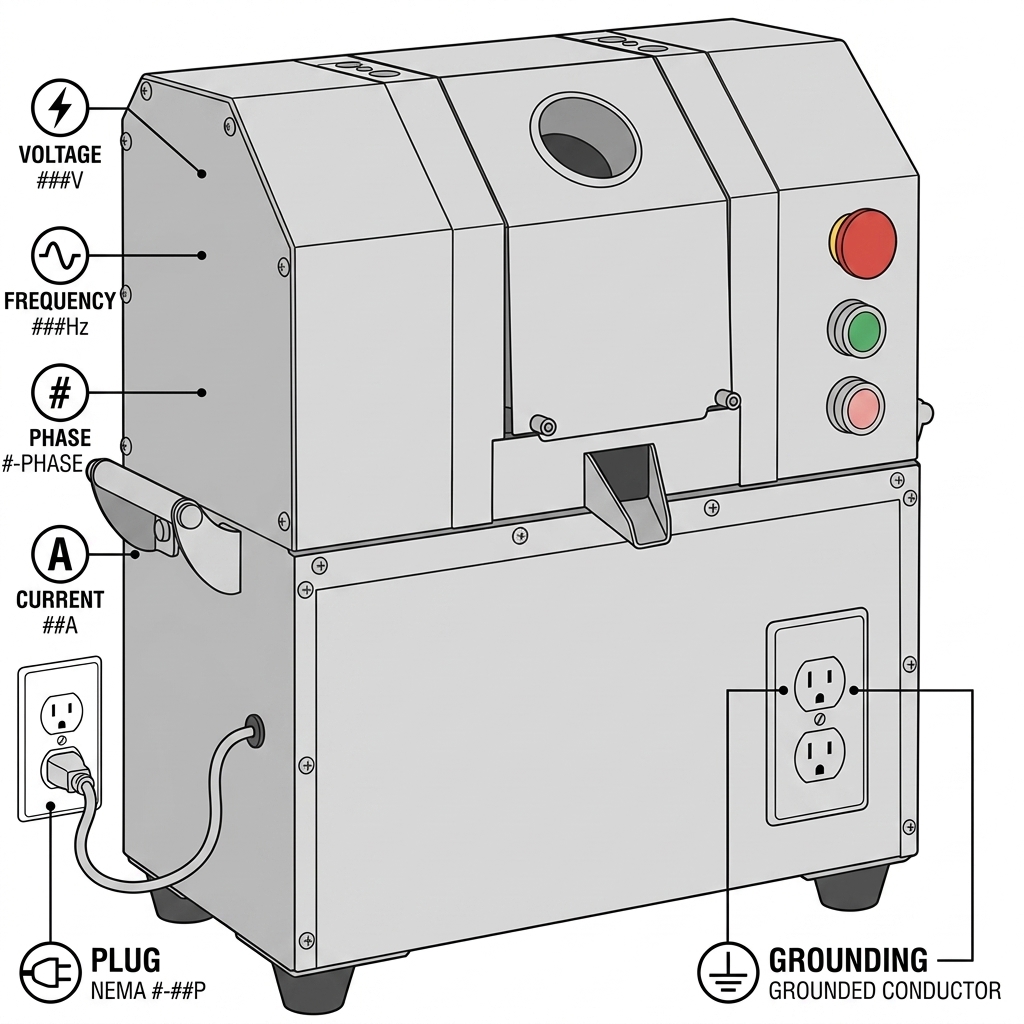
Many heavy-duty commercial units run on standard voltage, but due to the high torque, they may require a dedicated circuit to prevent tripping breakers. Always check the amperage requirements.

Can I retrofit safety guards onto an older machine?

While some aftermarket guards exist, retrofitting is often discouraged as it may not integrate correctly with the machine’s original design or interlock systems. It is generally safer and more cost-effective to upgrade to a machine designed with modern safety standards.

How often should the safety features be tested?

Safety features like the E-stop and interlocks should be tested daily before operations begin. If a safety feature fails, the machine should be tagged out of service immediately.

Why is stainless steel preferred for safety?

Beyond hygiene, high-grade stainless steel (like 304) provides structural integrity. Plastic guards can crack under vibration or impact, creating sharp edges or exposing moving parts. Stainless steel ensures the guards remain intact over years of heavy use.

Secure Your Operations

Investing in equipment with robust mechanical safety standards protects your staff and safeguards your business reputation. Do not compromise on operator protection.

Ready to upgrade your equipment?

Request a quote / Get a sample

Analyzing the Return on Investment for High-End Sugarcane Juice Machines

Beyond the Sticker Price: Evaluating Total Cost of Ownership

In the beverage processing industry, procurement decisions often hinge on the balance between Capital Expenditure (CAPEX) and Operational Expenditure (OPEX). For entrepreneurs and distributors entering the lucrative sugarcane juice market, the initial price of the extraction equipment is the most visible cost. However, it is rarely the most significant factor in long-term profitability.

A high-end sugarcane juice machine is not merely a luxury; it is an efficiency asset. The difference between a budget model and a premium industrial unit directly impacts yield per kilogram of cane, downtime frequency, and labor allocation. This analysis breaks down the financial implications of equipment selection, demonstrating how superior engineering translates to a shorter payback period and higher profit margins.

The Mathematics of Yield: Extraction Efficiency

The primary driver of ROI in the sugarcane business is extraction efficiency—the percentage of juice by weight extracted from the raw cane. High-end machines utilize precision-engineered rollers and higher torque motors to achieve single-pass extraction rates that budget models cannot match.

Cost Impact Scenario

Consider a commercial operation processing 100 kg of sugarcane daily. Let us assume the cost of raw cane is $0.50 per kg.

  • Budget Machine (60% Extraction Rate): Produces 60 liters of juice. To get 60 liters, you consume 100kg of cane ($50 cost).
  • High-End Machine (75% Extraction Rate): Produces 75 liters of juice from the same 100kg. Alternatively, to produce the same 60 liters, you would only need 80kg of cane ($40 cost).

The Result: In this conservative scenario, the high-end machine saves $10 per day in raw material costs for the same output volume. Over a standard 300-day operating year, this equates to $3,000 in direct savings solely from raw material efficiency. This operational saving often covers the price difference between a budget and a premium unit within the first 12 to 18 months.

The Hidden Costs of Downtime

In industrial settings, reliability is currency. Budget machines often utilize nylon gears, lower-grade bushings, and underpowered motors that overheat under continuous load. Conversely, high-end units typically feature stainless steel gearboxes, heavy-duty bearings, and active cooling systems.

If a machine fails during a peak weekend or a high-traffic event, the cost is twofold:

  1. Repair Costs: Parts and technician labor.
  2. Opportunity Cost: Lost revenue from halted production.

If a business generates $500 in daily revenue, a two-day breakdown costs $1,000 in lost sales—plus the potential loss of reputation and repeat customers. Investing in equipment with a Mean Time Between Failures (MTBF) measured in years rather than months serves as an insurance policy against revenue interruptions.

Comparison: Economy vs. Premium Industrial Models

When evaluating specifications, B2B buyers should look beyond the horsepower rating. The following table highlights the structural differences that affect ROI.

Feature Economy / Budget Model High-End Industrial Model ROI Impact
Roller Material Chrome-plated iron or low-grade steel Solid 304 Stainless Steel Durability & Hygiene compliance (avoids rust contamination).
Transmission Chain drive or plastic gears Direct gear drive / Gearbox Reduces slippage and maintenance; increases torque for hard cane.
Extraction Type Multi-pass required (2-3 feeds) Single-pass instant extraction Reduces labor time by 50%; increases throughput speed.
Cleaning Fixed parts, difficult access Removable rollers, wash-down ready Saves 30-60 minutes of labor daily; ensures food safety.

Labor Efficiency and Throughput

Time is a fixed resource. A machine that requires an operator to feed the sugarcane through multiple times to extract the remaining juice creates a bottleneck. High-end machines are designed for “one-pass” efficiency.

Furthermore, cleaning time is a significant labor cost. Machines designed with sanitary compliance in mind (e.g., NSF or CE standards) often feature tool-less disassembly. Reducing cleaning time from 45 minutes to 15 minutes saves 30 minutes of wages daily. At $15/hour, that is a saving of roughly $2,250 annually.

Technical Specifications to Prioritize

To ensure you are sourcing a high-ROI machine, procurement teams should verify the following specifications with manufacturers:

  • Motor Torque vs. RPM: Low RPM with high torque is preferable for sugarcane to prevent oxidation and foam while crushing hard stalks without stalling.
  • Roller Gap Adjustability: The ability to adjust roller spacing allows operators to handle different cane diameters efficiently.
  • Chassis Construction: Look for full stainless steel chassis (including the frame, not just the exterior panels) to prevent internal corrosion which compromises machine structural integrity over time.
  • Safety Features: Emergency stop buttons and reverse functions are mandatory for operator safety and preventing jams from damaging the motor.

Buying Guide: Sourcing for Profitability

When requesting quotes or samples, consider the following logistical factors:

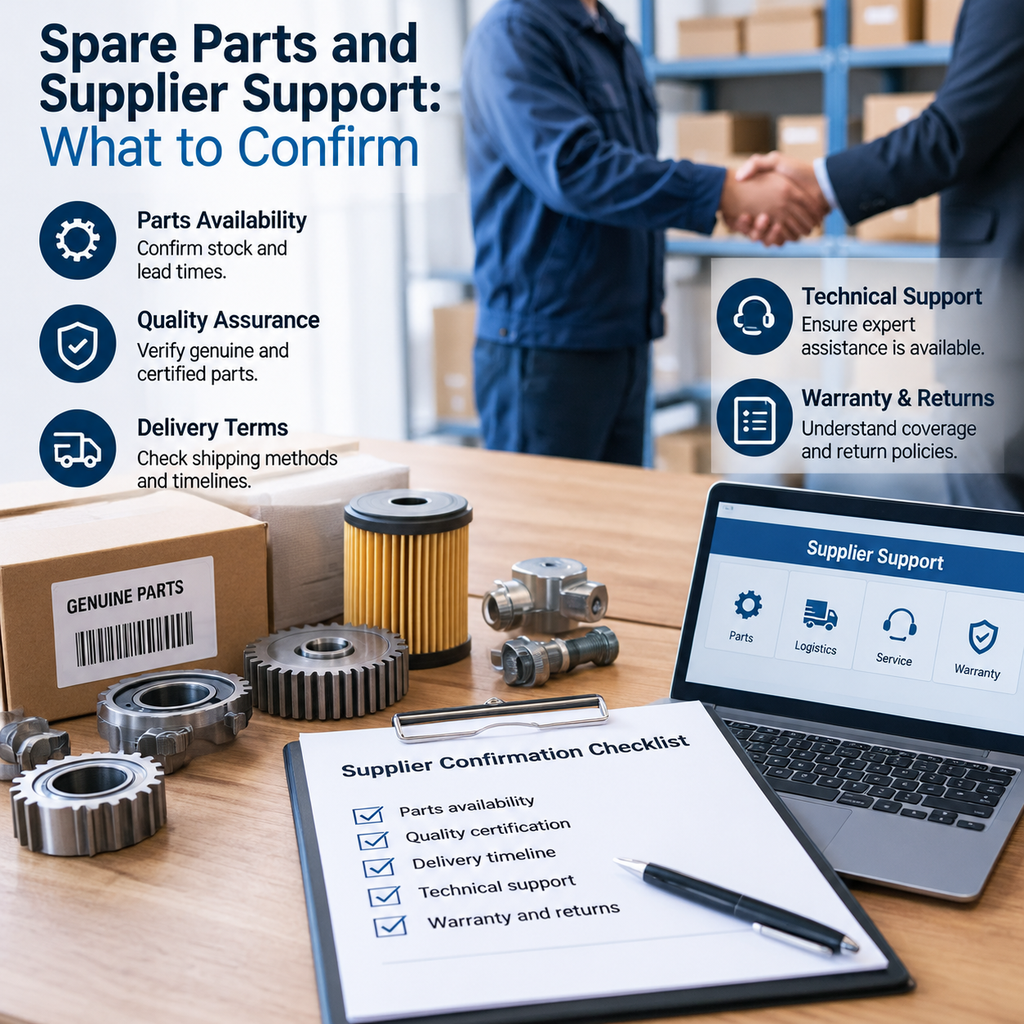
1. Spare Parts Availability

Does the supplier provide a “wear and tear” kit (extra bearings, seals) with the unit? Proprietary parts from budget suppliers can be difficult to source quickly. Ensure standard industrial components are used where possible.

2. Warranty Terms

A standard 1-year warranty is minimum, but check if it covers the motor and gearbox specifically. High-end manufacturers often warrant the core drive train for longer periods.

3. Customization & Branding

For B2B distributors, can the machine be white-labeled? High-end manufacturers often offer OEM services, allowing you to apply your own branding, which builds asset value for your distribution network.

Frequently Asked Questions (FAQ)

What is the typical payback period for a high-end sugarcane machine?

While it varies by location and volume, businesses selling 100+ cups daily typically see a payback period of 3 to 6 months for premium equipment. The increased yield and reduced waste accelerate this timeline compared to cheaper models.

Does a higher extraction rate affect juice quality?

Yes, often positively. High-quality cold press extraction preserves the color and prevents oxidation. However, crushing the cane too aggressively (grinding the skin) can introduce bitterness. High-end machines are calibrated to maximize liquid extraction without crushing the fibrous skin into the juice.

How do I calculate the capacity I need?

Calculate your peak hour demand. If you need to serve 100 customers in an hour, and each drink takes 30 seconds to pour, you need a machine capable of continuous duty cycles. Budget machines often require “cool down” periods after 15-20 minutes of use, which is unacceptable in commercial settings.

Are battery-operated commercial machines worth the investment?

For mobile carts, yes. Modern high-end battery units offer comparable torque to electric units. However, ensure the battery life matches your shift length or that the batteries are swappable to avoid downtime.

Conclusion

The decision to invest in a sugarcane juice machine should be viewed through the lens of a 3- to 5-year business plan. While a budget machine offers a lower barrier to entry, the cumulative costs of lower juice yield, higher labor requirements, and potential downtime quickly erode profit margins. A high-end machine acts as a reliable partner in production, securing consistent quality and maximizing the revenue generated from every stalk of cane.

Ready to upgrade your production capabilities? Contact us today to discuss specifications, request a quote, or learn about our latest high-efficiency models.

Why Are Commercial Sugarcane Juicers So Easy to Use: Engineering & Efficiency

The Shift from Manual Labor to Automated Extraction

For decades, sugarcane juice extraction was a labor-intensive process requiring significant physical effort and manual cane preparation. Today, commercial sugarcane juicers have transformed this workflow, allowing businesses to scale production without increasing labor costs. The ease of use in modern machines is not accidental; it is the result of precise engineering focused on torque, safety, and hygiene.

For B2B buyers—whether sourcing for a beverage chain, a hospitality group, or a distribution network—understanding the mechanisms that make these machines user-friendly is critical. It ensures you select equipment that minimizes operator training time while maximizing output. If you are currently evaluating your options, you might want to review our guide on How to Choose a Sugarcane Juice Machine? to understand the specific specifications that align with your business model.

1. One-Pass Extraction Technology

The primary factor contributing to the ease of use is one-pass extraction. Unlike traditional crushers that require operators to feed the cane through multiple times to extract all the liquid, modern commercial units utilize a multi-roller system (typically 3 or 4 rollers) designed to extract up to 95% of the juice in a single feed.

  • High Torque Gearboxes: These machines employ heavy-duty gear reduction systems. This allows the rollers to crush thick sugarcane stalks effortlessly without stalling, reducing the need for operators to precut or split the cane.
  • Automatic Feeding: The operator simply inserts the cane into the feed inlet. The rollers grip the stalk and pull it through automatically, removing the need for physical pushing or force.

2. Built-in Safety Protocols

In an industrial setting, ease of use is synonymous with safety. If a machine is dangerous, operators will hesitate, slowing down production. Commercial sugarcane juicers incorporate several safety layers to ensure smooth operation:

  • Enclosed Roller Design: Unlike open-wheel crushers, modern commercial units house the crushing mechanism inside a sealed cabinet. This prevents accidental contact with moving parts.
  • Emergency Stop & Reverse Functions: Jams can happen, especially with irregular cane sizes. A dedicated reverse switch allows operators to instantly unclog the machine without disassembly, a feature that significantly reduces downtime.
  • Overload Protection: Motors are often equipped with thermal overload sensors that automatically shut down the machine if it overheats, protecting the asset and the user.

3. Hygiene and Maintenance Simplicity

For food and beverage equipment, “easy to use” must extend to “easy to clean.” Bacterial growth is a major concern with sugary fluids. Commercial designs address this through modular construction.

Food-Grade Materials

Top-tier machines are constructed from 304 stainless steel. This material is resistant to corrosion from acidic cane juice and is easy to wipe down. It does not harbor rust or contaminants, ensuring compliance with international food safety standards.

Detachable Components

Many models feature removable juice trays, filters, and tap assemblies. This allows staff to detach the parts that come into direct contact with the juice and wash them separately at the end of a shift. Efficient cleaning protocols are essential for maintaining equipment longevity and product quality.

4. Comparison: Commercial Electric vs. Manual Juicers

To highlight the operational advantages, the following table compares typical commercial electric models against manual alternatives.

Feature Commercial Electric Juicer Manual / Traditional Juicer
Extraction Efficiency High (One-pass, >90% yield) Moderate (Requires multiple passes)
Operator Effort Minimal (Auto-feed) High (Manual cranking/pushing)
Safety Enclosed, Emergency Stop Exposed gears often pose risks
Throughput 300–600 kg/hour (typical range) 50–100 kg/hour
Cleaning Detachable stainless parts Often difficult to disassemble

5. Operational Scenarios and Applications

Understanding where these machines excel helps in procurement planning. The “plug-and-play” nature of commercial sugarcane juicers makes them suitable for various high-demand environments:

  • Supermarkets & Malls: The low noise operation of electric gear-driven models allows for fresh juice stations directly on the retail floor without disturbing customers.
  • Beverage Processing Plants: For larger scale bottling, the consistency of extraction ensures standardized taste and yield, which is vital for brand reputation.
  • Hotels & Resorts: Aesthetic stainless steel designs fit well in buffet setups, where staff can produce fresh juice on demand with minimal training.

6. Buying Guide: What Simplifies the Workflow?

When selecting a supplier or specific model, look for features that directly impact daily usability. Key specifications to verify include:

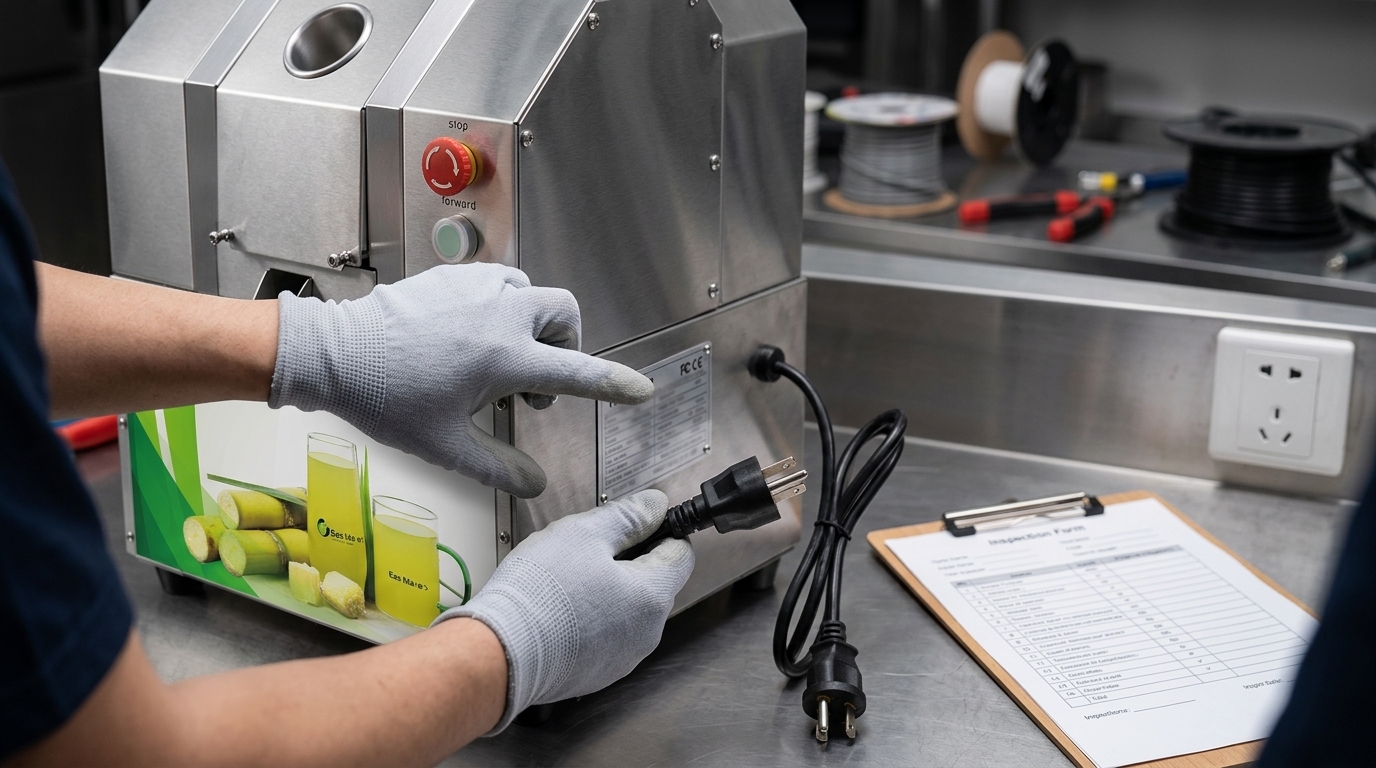
  • Power Supply Compatibility: Ensure the motor voltage matches your local grid or facility standards to avoid the need for external transformers.
  • Integrated Filtration: Some advanced models come with built-in mesh filters that strain the juice as it exits the rollers, removing fiber instantly and saving a processing step.
  • Mobility: Heavy commercial units should be mounted on lockable caster wheels, making it easy to move the unit for floor cleaning or reconfiguration.

For answers to common technical questions regarding shipping, spare parts, and warranty terms, please visit our FAQs page.

Conclusion

Commercial sugarcane juicers are easy to use because they automate the most difficult parts of the process: the crushing force and the filtration. By combining high-torque motors with food-grade stainless steel engineering, these machines turn a physically demanding task into a streamlined, push-button operation. For businesses, this translates to lower labor costs, higher safety standards, and a consistent product.

Ready to upgrade your production line? Contact Easimaker today to request a quote or discuss custom specifications for your market.