
For commercial beverage operations, raw material selection is just as critical as the equipment used to process it. While investing in high-quality extraction machinery is foundational, understanding how different sugarcane varieties interact with your equipment is the key to maximizing juice yield and operational profitability. Variations in fiber density, stalk diameter, and moisture content directly dictate extraction efficiency, machine wear, and ultimately, your bottom line.
This technical guide explores the physical characteristics of common sugarcane species—specifically green and yellow varieties—and analyzes how their unique structural properties impact commercial juicing processes. By aligning your raw material selection with optimal machine settings, operators can minimize downtime, extend equipment lifespan, and achieve superior extraction rates.
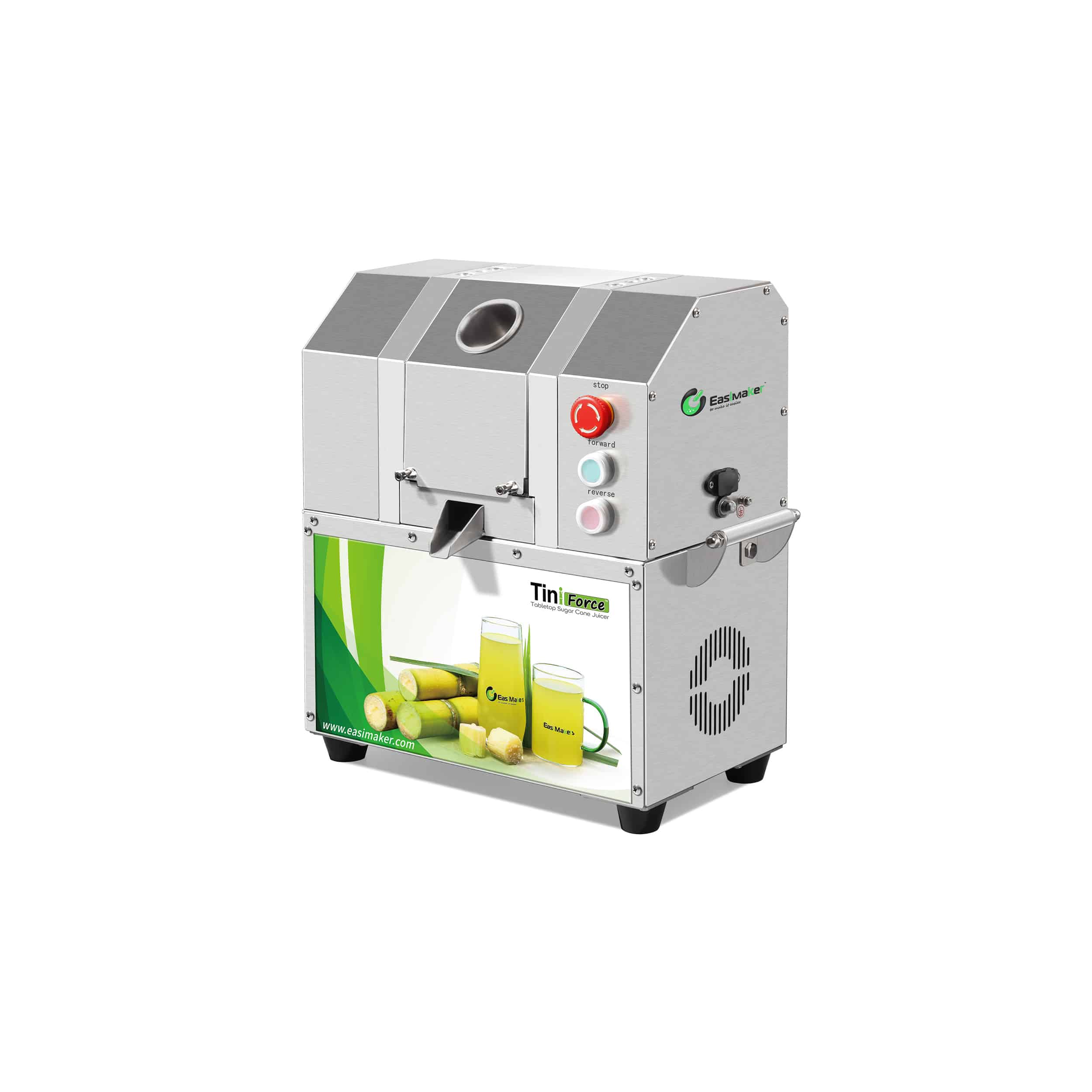
Key Concepts: Fiber Density and Stalk Diameter
Before comparing specific sugarcane varieties, it is essential to understand the primary physical metrics that influence the mechanical extraction process:
- Fiber Density: This refers to the concentration and toughness of the cellulose structures within the cane stalk. High fiber density requires greater mechanical force (torque) to crush the stalk and rupture the juice-bearing cells.
- Stalk Diameter: The thickness of the cane dictates how it interacts with the machine’s feed chute and crushing rollers. Inconsistent diameters can lead to either machine jamming (oversized) or inefficient extraction due to slippage (undersized).
- Moisture vs. Sucrose Content: Moisture content determines the total liquid volume available, while sucrose content (measured in Brix) dictates the sweetness and viscosity of the resulting juice.
Comparing Sugarcane Varieties: Green vs. Yellow
Commercial operators typically choose between variants of green and yellow (or sometimes black/purple) sugarcane. Each presents distinct advantages and mechanical challenges.
Green Sugarcane
Green sugarcane is widely favored in the commercial juicing industry due to its high moisture content and relatively softer rind.
- Physical Profile: Lower fiber density, thinner rind, and moderate-to-large stalk diameter.
- Juice Yield: Generally offers the highest liquid volume per kilogram of raw material. Yields can often exceed 65-70% depending on the efficiency of the juicer.
- Machine Impact: The softer cellular structure requires less torque. This translates to lower power consumption, reduced strain on gearboxes, and minimal wear on the stainless steel crushing rollers.
Yellow and Black Sugarcane
Yellow and darker varieties are often prized for their complex flavor profiles and higher sucrose concentration, making them popular in premium beverage markets.
- Physical Profile: Higher fiber density, thicker and more brittle rind, and often a narrower stalk diameter compared to green varieties.
- Juice Yield: Produces a lower total volume of liquid (typically 55-60%), but the juice features a higher Brix level (sweeter).
- Machine Impact: The dense fiber and tough rind demand robust machine performance. Extracting juice from these varieties increases the mechanical load, requiring high-torque motors and heavy-duty, precision-machined rollers to prevent stalling or jamming.
Technical Impact on Extraction and Machine Settings
Optimizing your commercial juicer requires adjusting operational parameters based on the specific sugarcane variety being processed.
Handling High Fiber Density
When processing high-density varieties (like yellow cane), the resistance against the crushing rollers increases significantly. If the machine lacks sufficient torque, the rollers may stall, leading to motor overheating. Operators should ensure their equipment features gear-driven power transmission rather than simple belt drives when processing tough cane. Additionally, the feed rate must be carefully managed; force-feeding dense cane can overwhelm the extraction chamber.
Adjusting for Stalk Diameter
The gap between the crushing rollers is a critical setting. Many high-end commercial juicers feature self-adjusting or manually adjustable roller gaps.
- Oversized Stalks (>50mm): If the cane diameter exceeds the optimal feed clearance, it must be split longitudinally before feeding. Forcing oversized stalks causes severe stress on the roller bearings and can permanently misalign the crushing mechanism.
- Undersized Stalks (<20mm): Thin stalks may slip through the rollers without being fully crushed, leaving valuable juice trapped in the bagasse (waste fiber). Operators should feed multiple thin stalks simultaneously or adjust the roller gap closer to ensure adequate crushing pressure.
Raw Material Selection for Maximum Profit
Profitability in commercial juicing is a calculation of raw material cost, extraction yield, and operational efficiency. Consider the following strategies:
| Business Model | Recommended Variety | Reasoning |
|---|---|---|
| High-Volume Kiosks & Bottling | Green Sugarcane | Maximizes liquid yield per kg; minimizes machine wear and power consumption; ideal for high-throughput operations. |
| Premium / Artisanal Juicing | Yellow/Black Sugarcane | Provides higher Brix (sweetness) and premium flavor; allows for higher retail pricing to offset lower liquid yield. |
| Blended Operations | Mixed (70% Green / 30% Yellow) | Balances high liquid volume with enhanced sweetness, optimizing both yield and flavor profile while managing machine load. |
Manufacturing, Quality, and Maintenance Considerations
Consistent processing of sugarcane, regardless of variety, requires stringent equipment maintenance. The acidity of sugarcane juice and the abrasiveness of the bagasse necessitate equipment made from food-grade stainless steel (typically 304 or 316 grade) to prevent corrosion and ensure food safety compliance.
Routine QA Checklist for Operators:
- Bagasse Inspection: Regularly inspect the expelled fiber. It should be nearly dry to the touch. If the bagasse is damp, the roller gap is too wide, or the cane diameter is too small, resulting in lost yield.
- Roller Cleaning: High-sucrose varieties leave sticky residues that can harden and affect roller grip. Daily cleaning with hot water and food-safe sanitizers is mandatory.
- Bearing Lubrication: Processing high-density cane accelerates the wear on roller bearings. Follow manufacturer guidelines for regular lubrication using food-grade grease.
Frequently Asked Questions (FAQs)
1. How do I measure the extraction efficiency of my sugarcane juicer?
Extraction efficiency is calculated by weight. Weigh a batch of raw sugarcane, process it, and then weigh the extracted juice. Divide the juice weight by the raw cane weight to find your yield percentage. A highly efficient commercial machine should achieve 60-70% depending on the cane variety.
2. Can I process different sugarcane varieties in the same machine?
Yes, professional-grade machines are designed to handle various types of cane. However, you may need to adjust the feed rate or roller gap (if adjustable) when switching from a soft green cane to a dense yellow cane to maintain optimal extraction.
3. Why does my machine jam when processing certain sugarcane?
Jamming is typically caused by feeding stalks that are too thick for the machine’s clearance, processing extremely dense fiber without sufficient motor torque, or feeding the cane too quickly. Splitting thick stalks and using a machine with an appropriate power rating will resolve this.
4. Does peeling the sugarcane improve juice yield or machine performance?
Peeling does not significantly impact total liquid yield, but it does reduce the mechanical load on the machine by removing the tough outer rind. More importantly, peeling improves the hygiene, color, and flavor of the juice by removing external contaminants and bitter compounds found in the skin.
5. What is the ideal stalk diameter for commercial juicers?
While specifications vary by machine, the ideal stalk diameter for most commercial juicers is between 30mm and 50mm. Stalks within this range provide optimal engagement with the crushing rollers.
Optimize Your Extraction Operations Today
Selecting the right sugarcane varieties and understanding their impact on your equipment is vital for maintaining a profitable, efficient juicing operation. Whether you require high-torque machinery capable of handling dense yellow cane or precision rollers designed for maximum yield from green varieties, having the right equipment makes all the difference.
Ready to upgrade your commercial juicing setup or need expert advice on machine specifications? Request a quote / Get a sample today to find the perfect solution for your raw material requirements.