
Introduction: Sustainable Sugarcane Juice Production
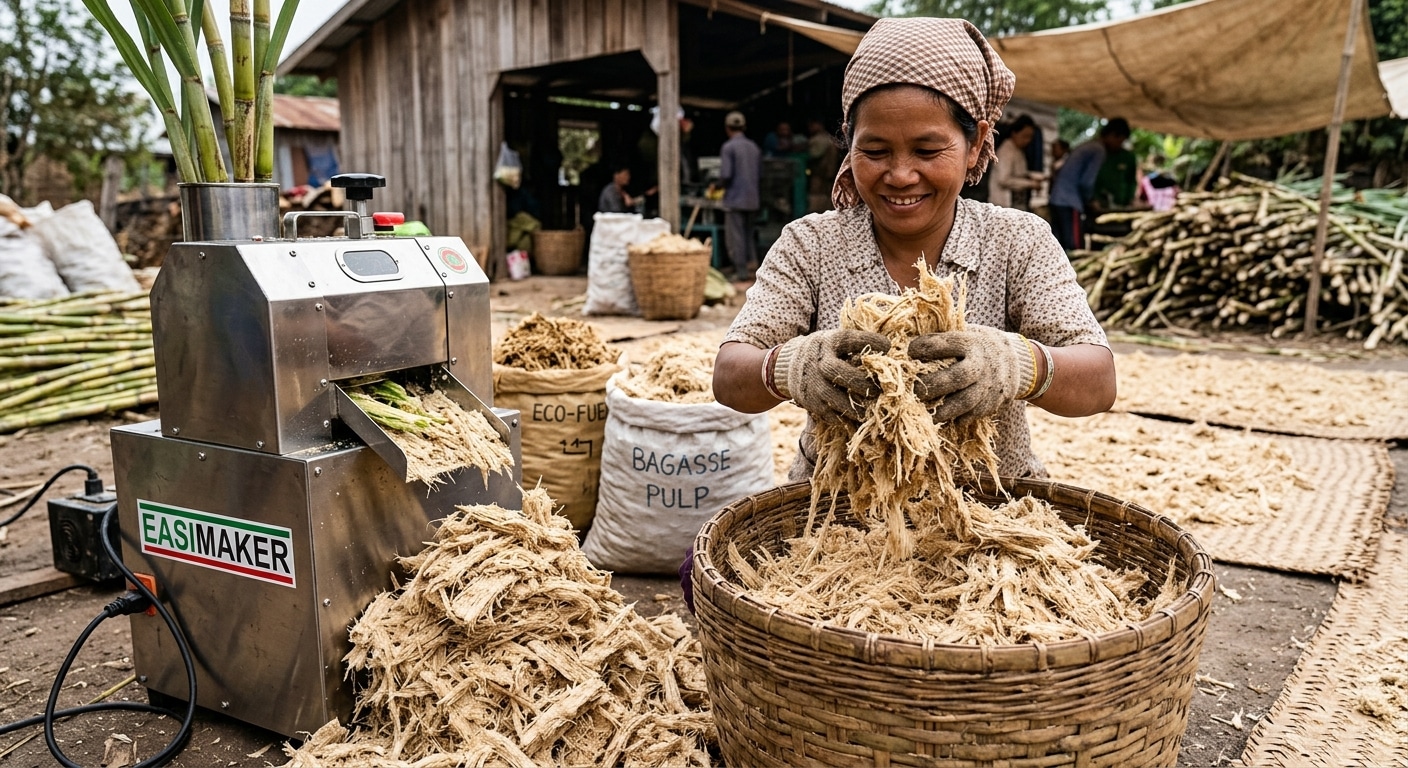
For businesses sourcing natural beverages, understanding the environmental impact of sugarcane juice production is essential. Manufacturers, distributors, and brand owners are increasingly prioritizing eco-friendly practices to reduce their carbon footprint while meeting consumer demand for sustainable products.
Key Concepts in Eco-Friendly Sugarcane Juice Production
Sugarcane juice production involves multiple stages, from farming to processing. The environmental considerations include:
- Sustainable farming methods: Using crop rotation, organic fertilizers, and efficient irrigation reduces soil degradation and water consumption.
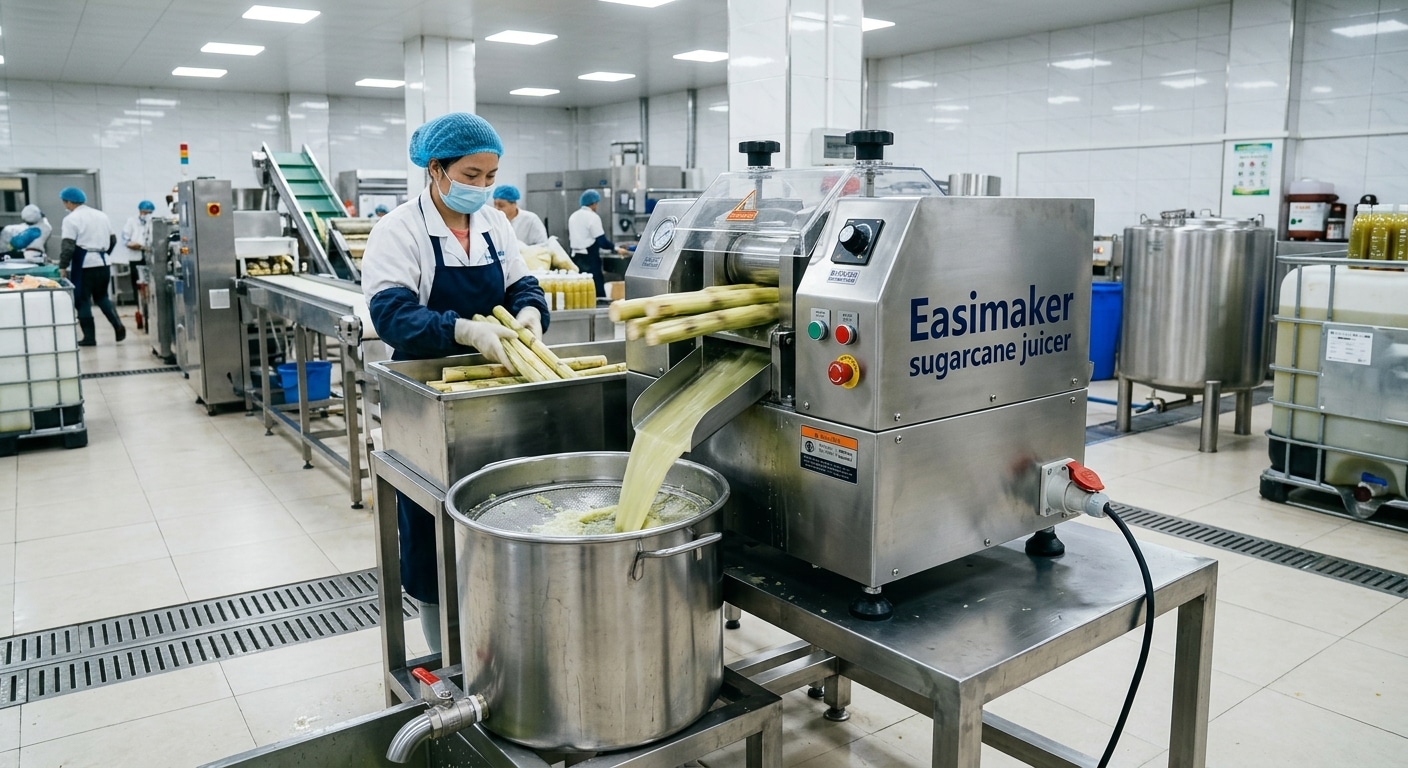
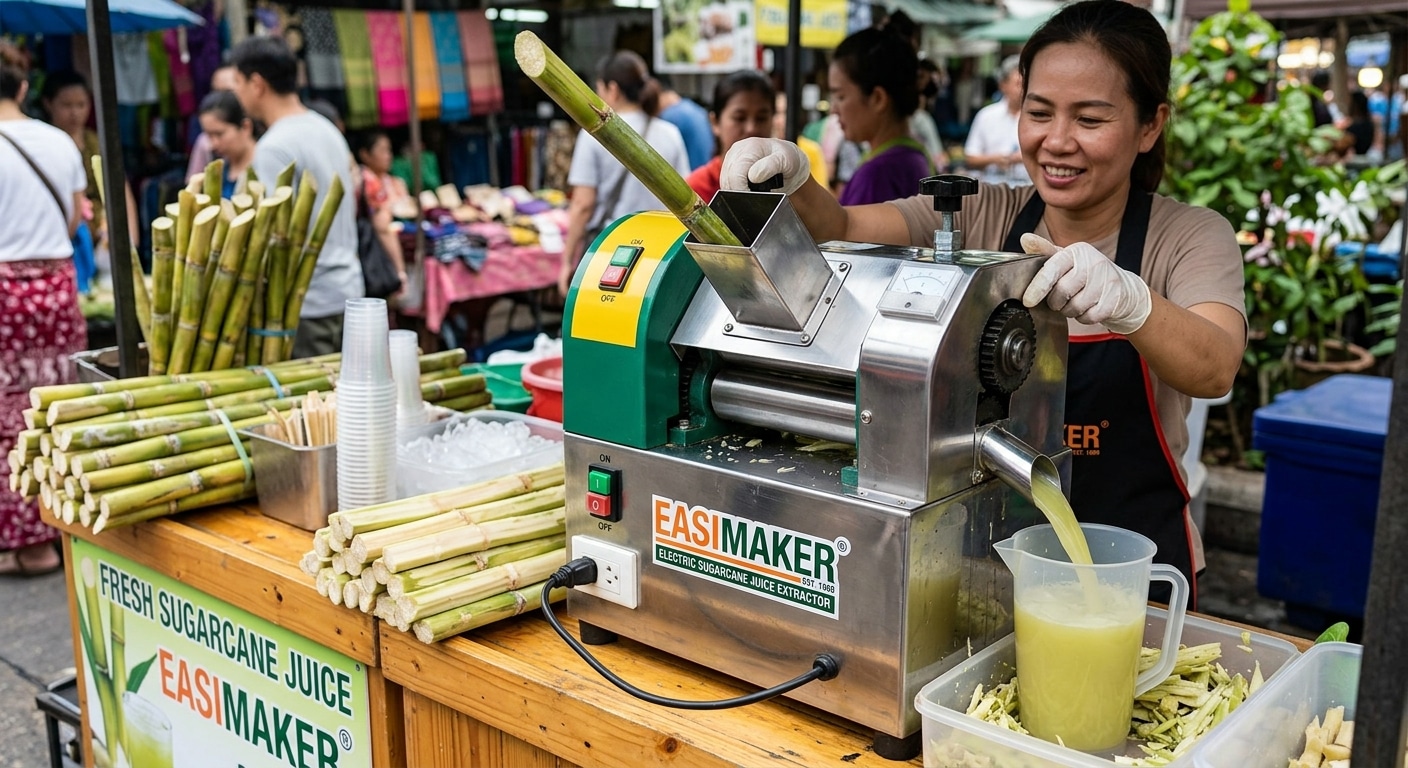
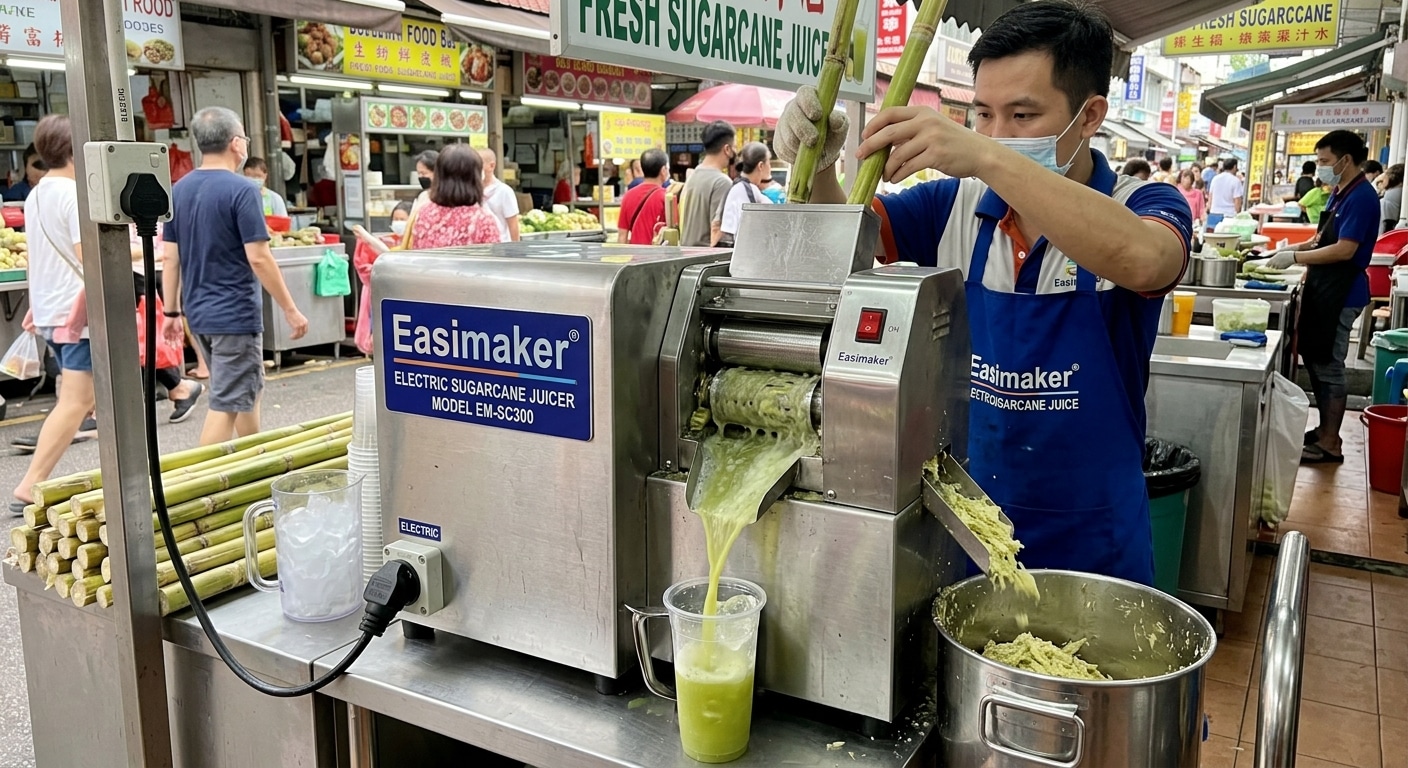
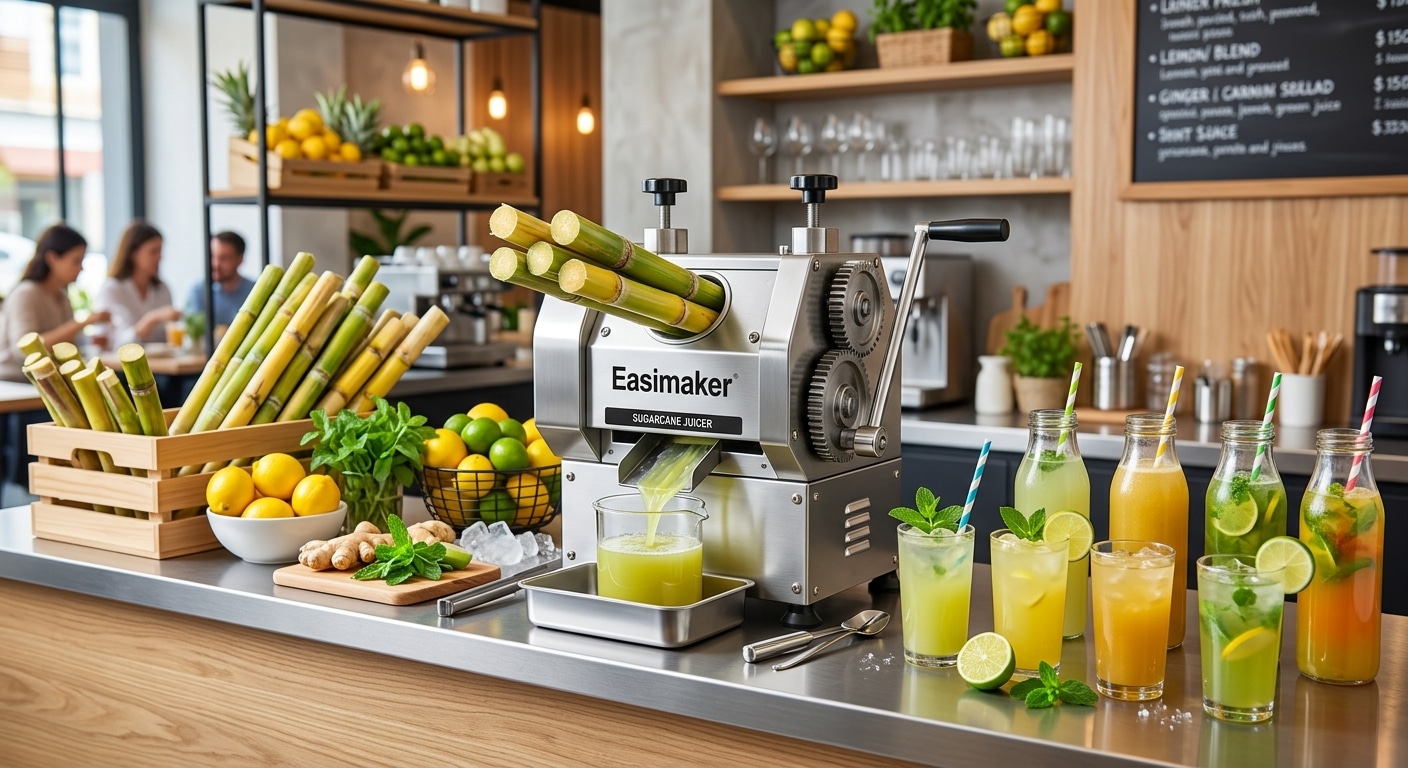
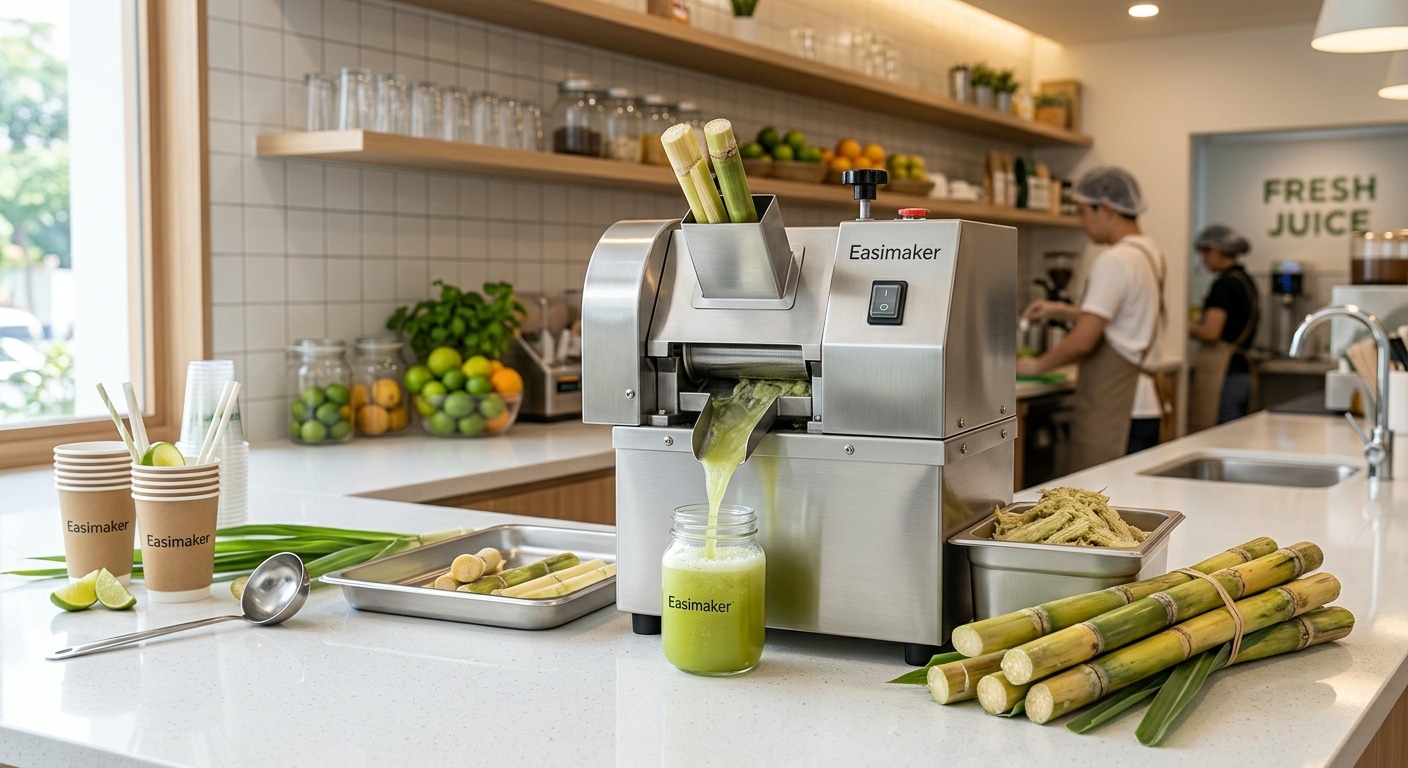
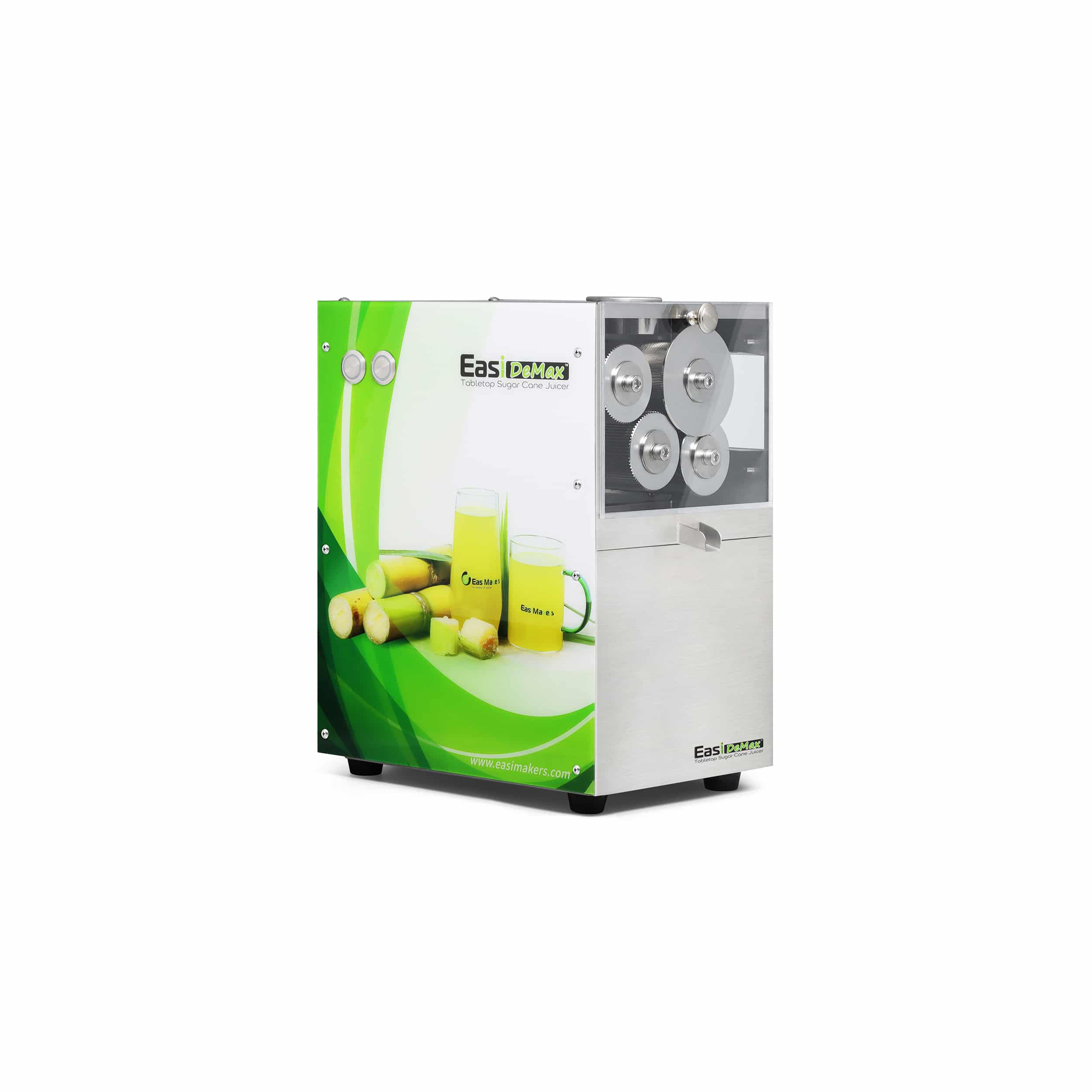
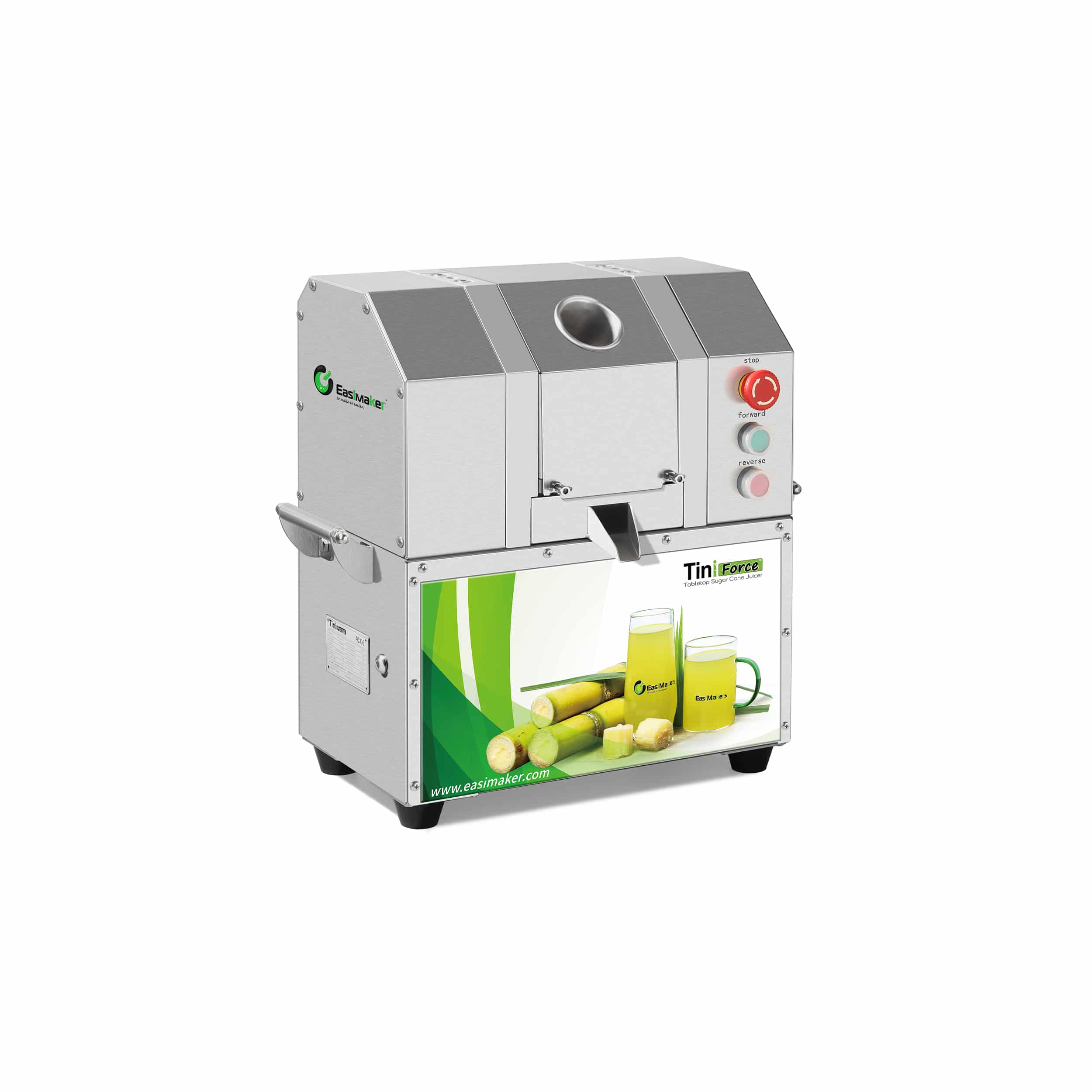
- Energy efficiency: Electric juice extraction systems, such as the Easimaker electric sugarcane juicer, lower energy consumption compared to older mechanical systems.
- Waste management: Byproducts like bagasse can be repurposed for fuel, animal feed, or compost.
Options and Comparisons: Eco-Friendly Practices
Farming Practices
- Conventional farming: Often relies on chemical fertilizers and pesticides; higher yields but larger environmental footprint.
- Organic and regenerative farming: Uses natural fertilizers and maintains soil health; lower chemical runoff and enhanced sustainability.
Juice Extraction Technology
- Electric sugarcane juicers: More energy-efficient, consistent output, and reduced noise. Recommended for mid-to-large scale operations.
- Mechanical systems: Less energy-efficient, may require more maintenance; suitable for small-scale or manual operations.
Technical Factors and Specifications
When selecting production equipment and processes, consider:
- Throughput capacity: typical ranges 50–500 kg/hour for commercial electric juicers.
- Material standards: stainless steel construction for hygiene and corrosion resistance.
- Energy consumption: aim for models with optimized motors to reduce electricity use.
- Integration with waste management: systems that allow bagasse collection and reuse.
Manufacturing, Quality, and Testing Considerations
High-quality sugarcane juice production requires:
- Regular equipment inspection for wear and tear.
- Calibration of juicing pressure to avoid over-processing and minimize pulp waste.
- Consistent monitoring of sugarcane quality to optimize extraction efficiency.
Buying Guide for Industrial Juice Equipment
- MOQ and customization: Typical minimum order quantities vary; discuss with suppliers for custom throughput or dimensions.
- Artwork and labeling: If packaging is involved, ensure eco-friendly materials are selected.
- Sampling and lead times: Request product samples and confirm shipping schedules to align with production plans.
- Integration with waste reduction: Check if the supplier provides options for bagasse handling and composting.
FAQs
- What is the environmental advantage of using electric sugarcane juicers? Reduced energy use, consistent extraction, and quieter operation compared to mechanical systems.
- How can bagasse be utilized sustainably? It can be used for biofuel, composting, or as animal feed.
- Are organic farming methods scalable for industrial juice production? Yes, with proper planning, although yields may be lower than conventional methods.
- How do I ensure compliance with local environmental regulations? Confirm guidelines with local authorities and integrate recommended waste and water management practices.
- What is the typical lifespan of an electric sugarcane juicer? With proper maintenance, high-quality units can last 5–10 years in commercial operations.
- Can I integrate sugarcane juice production into existing beverage lines? Yes, with modular equipment and proper hygiene controls.
- What factors affect juice yield? Cane quality, extraction pressure, and machine throughput all influence yield.
- How can I reduce water usage in juice production? Employ drip irrigation in farming and recycle cleaning water when feasible.
Conclusion and Call to Action
Adopting eco-friendly practices in sugarcane juice production—from sustainable farming to energy-efficient electric juicers and responsible waste management—helps businesses reduce their environmental impact while meeting consumer demand for green products. To explore industrial solutions tailored to your operation, [YABG_LINK:0].
[YABG_LINK:1]