Introduction: The Growing Importance of Sugarcane Juice Businesses
The sugarcane juice industry is gaining traction in emerging markets as local businesses meet the rising demand for natural, refreshing beverages. In developing economies, the industry not only serves as a vital source of income but also plays an essential role in economic growth, job creation, and sustainability. This article delves into the economic impact of sugarcane juice businesses in these regions, shedding light on market trends, investment opportunities, and the positive ripple effects on local economies.
Key Concepts and Definitions
Sugarcane juice is a popular beverage extracted from fresh sugarcane stalks, known for its natural sweetness and nutritional value. The production process typically involves crushing fresh sugarcane to extract juice, which is then served as a refreshing drink in local markets. In emerging markets, sugarcane juice businesses range from small, local vendors to larger processing operations, contributing to both informal and formal sectors of the economy.
Market Trends Driving Growth
Rising Demand for Natural Beverages
As consumers in emerging markets become more health-conscious, the demand for natural, non-sugary beverages is increasing. Sugarcane juice, with its minimal processing and nutritional benefits, is emerging as a go-to option for health-conscious consumers. This trend is especially prevalent in regions like Southeast Asia, Latin America, and parts of Africa, where sugarcane cultivation is abundant, and local populations are seeking healthier alternatives to carbonated soft drinks.
Government Support and Infrastructure Development
Many developing countries have started to recognize the potential of the sugarcane juice industry as a driver for rural development and economic diversification. Government initiatives, such as tax incentives, subsidies, and infrastructure investments, are encouraging the growth of local sugarcane juice businesses. These policies help establish a more sustainable and profitable industry, which, in turn, creates more business opportunities and improves the economic outlook of the region.
Investment Opportunities in the Sugarcane Juice Industry
Small-Scale Enterprises and Vendor Opportunities
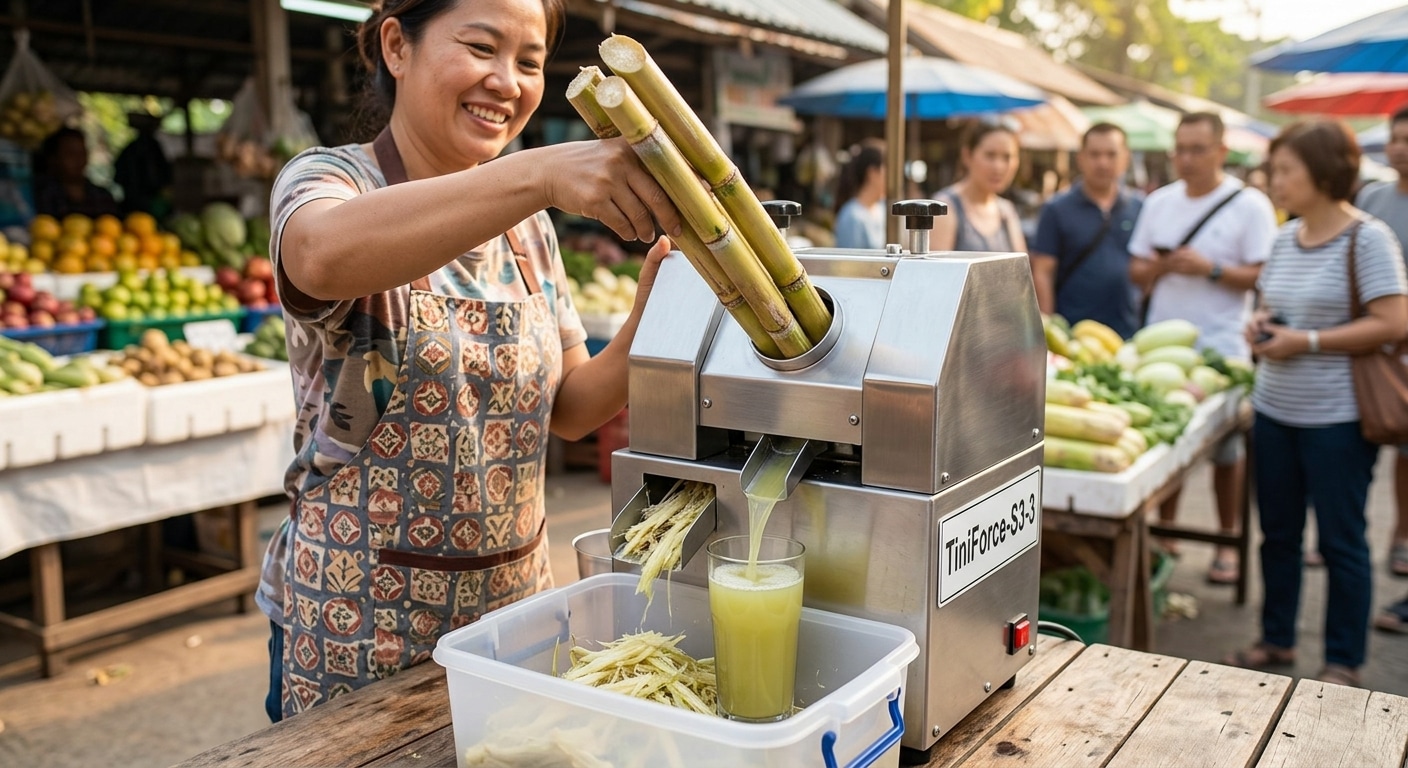
In emerging markets, small-scale sugarcane juice vendors provide an accessible entry point for entrepreneurs and investors. These businesses require minimal capital to start, often only needing basic equipment such as sugarcane crushers and juice dispensers. Due to the low barriers to entry, individuals from rural or underserved communities are particularly well-positioned to enter the market and contribute to its expansion.
Large-Scale Processing and Export Opportunities
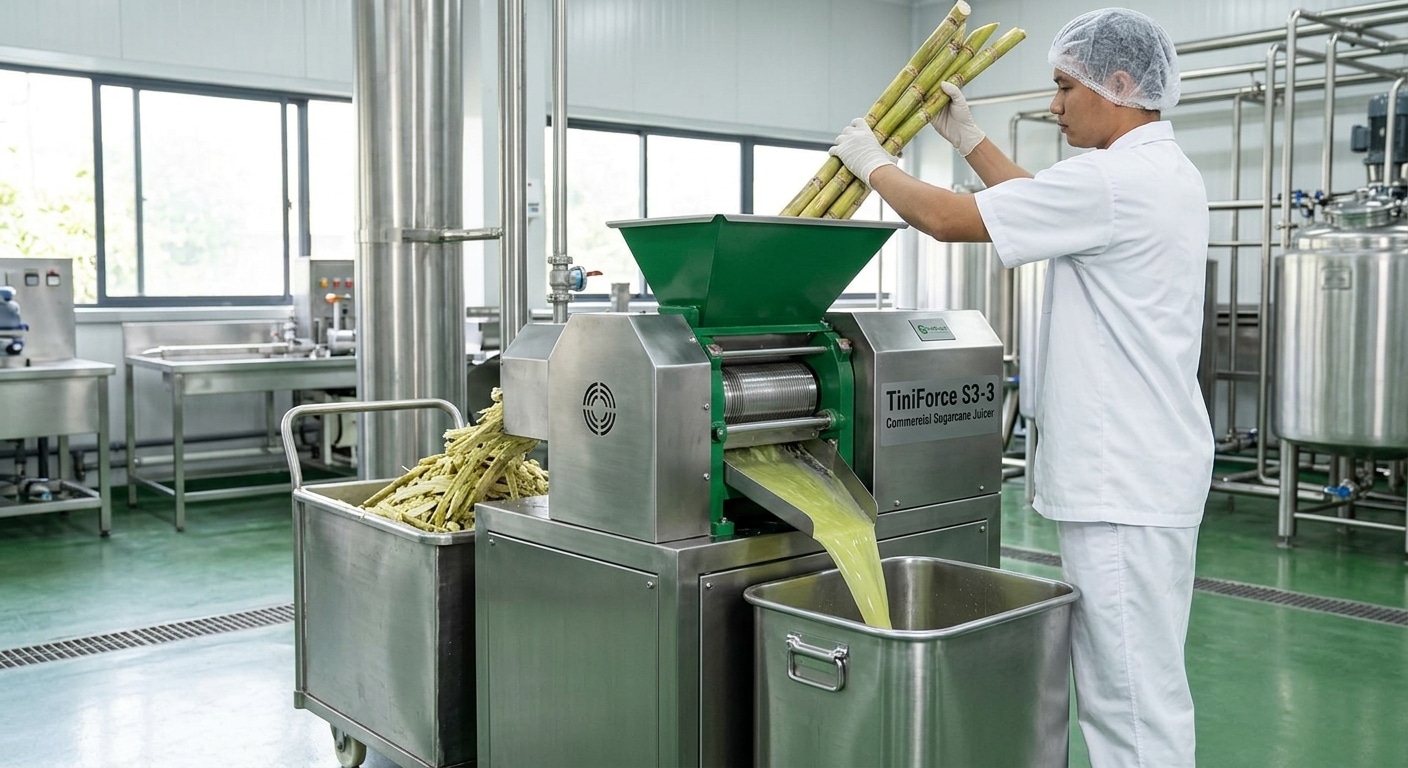
On the other hand, larger-scale sugarcane juice businesses are emerging in the form of processing plants and bottling facilities, particularly in countries with well-established sugarcane industries. These larger operations have the potential to scale and export sugarcane juice products globally, tapping into the growing market for healthy beverages in developed countries. Investment in machinery, automated systems, and logistics infrastructure will be essential for these larger businesses to compete on an international scale.
Positive Economic Impact on Developing Countries
Job Creation and Poverty Reduction
The growth of the sugarcane juice industry directly contributes to job creation in rural and developing areas. From field workers and machine operators to delivery drivers and shop attendants, the industry creates numerous employment opportunities across various skill levels. This job creation, in turn, leads to poverty reduction and improved living standards for communities reliant on agriculture and small businesses.
Boosting Local Economies and Supporting Rural Development
As the sugarcane juice industry expands, local economies benefit from the increased demand for agricultural products and services. Farmers who grow sugarcane and other supporting industries such as logistics, packaging, and retail all experience growth. Moreover, the success of sugarcane juice businesses often leads to the development of supporting infrastructure, such as improved roads, energy access, and water management systems, which further enhances local economic development.
Manufacturing and Quality Considerations
As with any product, ensuring the quality of sugarcane juice is crucial for maintaining consumer trust and growing market share. Businesses must implement stringent quality control measures during the extraction, processing, and packaging stages. These measures include regular product testing, hygiene certifications, and compliance with local health and safety regulations. Additionally, businesses should consider sustainable sourcing practices, such as using eco-friendly packaging and minimizing waste during production, to align with global environmental standards.
Buying Guide: What to Consider Before Investing in Sugarcane Juice Businesses
Minimum Order Quantities (MOQ) and Customization
When considering suppliers for sugarcane juice machinery or ingredients, businesses should be mindful of MOQ requirements and customization options. Smaller vendors may have lower MOQs, making it easier for startups to test the market before committing to larger quantities. Larger suppliers may offer more customization options, such as branding and packaging, which could help differentiate the product in the competitive market.
Sampling and Lead Times
Sampling plays a key role in evaluating product quality and determining whether a supplier is a good fit. Businesses should request samples before placing large orders, ensuring the quality meets their specifications. Lead times for machinery or ingredient delivery can vary depending on the region and supplier. Entrepreneurs should consider the time needed for equipment installation or ingredient sourcing before making their purchasing decisions.
Timelines and Regulatory Compliance
It is essential to consider timelines for product delivery, including any regulatory compliance and certification requirements. Sugarcane juice producers must meet food safety and health regulations in their respective regions. For businesses that plan to export, understanding international standards and compliance is crucial for success in the global market.
FAQs
1. What are the main benefits of investing in sugarcane juice businesses in emerging markets?
Investing in sugarcane juice businesses in developing regions offers numerous benefits, including access to a growing market of health-conscious consumers, low entry costs for small businesses, and potential government support through subsidies and tax incentives. Moreover, it provides job creation and boosts local economies.
2. What are the key challenges of the sugarcane juice industry in emerging markets?
Some challenges include limited access to financing, infrastructure issues, and the need for consistent supply chains. There may also be challenges related to quality control, especially for smaller-scale producers.
3. How can businesses ensure the quality of sugarcane juice products?
Maintaining quality in sugarcane juice production requires stringent quality control processes, regular testing, and adherence to hygiene and safety standards. It’s also crucial to source fresh and high-quality raw materials and invest in reliable production equipment.
4. Is there potential for exporting sugarcane juice to developed countries?
Yes, there is significant potential for exporting sugarcane juice to developed markets, particularly as consumers become more health-conscious and seek natural beverages. However, meeting international standards and ensuring reliable logistics are key to success in export markets.
5. What are the key factors to consider when choosing suppliers for sugarcane juice production equipment?
Key factors to consider include lead times, MOQ, customization options, product quality, and the supplier’s reputation in the market. Businesses should also assess the supplier’s experience in working with emerging markets and their ability to provide local support.
Conclusion
The sugarcane juice industry holds immense potential for economic growth in emerging markets. Whether you’re an investor, entrepreneur, or established business, there are numerous opportunities to contribute to this growing sector. By understanding market trends, investment potential, and key considerations for quality and supply chain management, businesses can harness the economic benefits of this thriving industry.
Request a quote / Get a sample