Introduction: Capitalizing on the Global Natural Beverage Boom
The global beverage industry is witnessing a decisive shift toward natural, unprocessed, and health-conscious options. Among these, fresh sugarcane juice has emerged as a high-margin, high-demand product in markets ranging from Southeast Asia and India to the Americas and Europe. For equipment distributors and entrepreneurs, this trend represents a significant opportunity—not just to sell juice, but to supply the critical infrastructure required to produce it.
However, entering the market with generic, off-the-shelf equipment often leads to price wars and low customer loyalty. The strategic alternative is becoming an OEM (Original Equipment Manufacturer) dealer. By partnering directly with a specialized manufacturer, distributors can offer branded, customized, and technically superior solutions that command better margins and build long-term brand equity.
This comprehensive guide explores the tangible benefits of partnering with a factory for OEM and ODM manufacturing of sugarcane machines. We will examine the economic advantages, technical customization options, and the step-by-step process of building a private label machinery brand.
1. The Business Case: Why Sugarcane Machines?
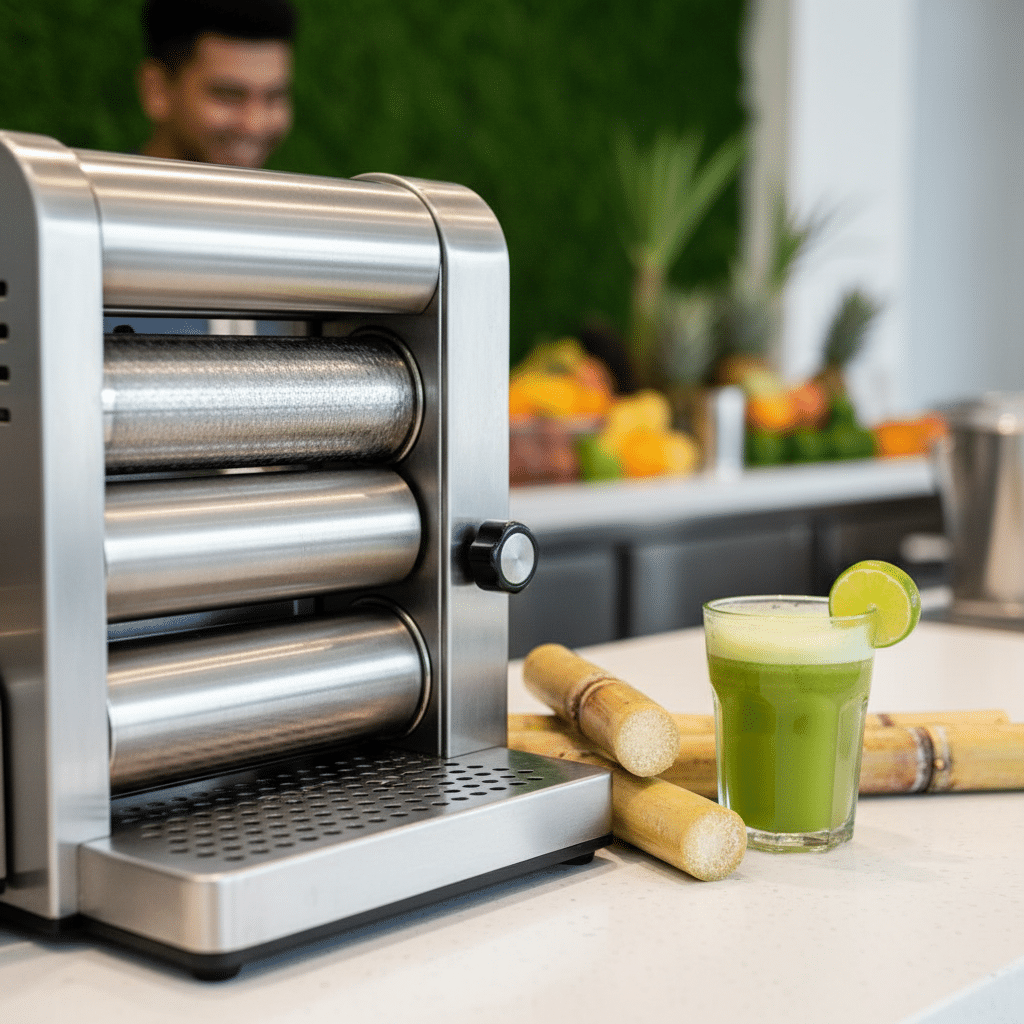
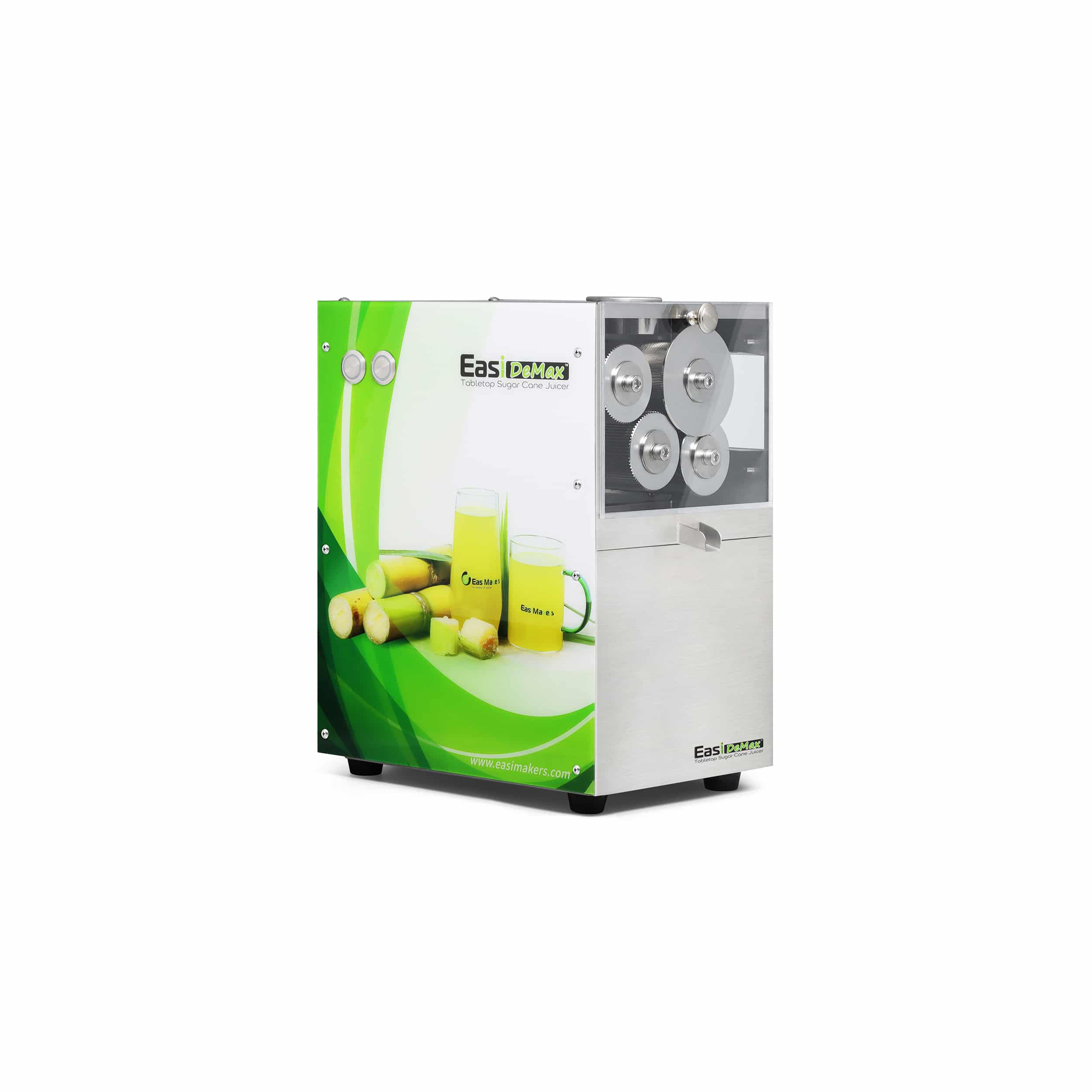
Before diving into the OEM model, it is essential to understand the underlying asset class. Sugarcane juicers are industrial-grade appliances designed for high torque and heavy loads. Unlike standard fruit blenders, these machines must crush fibrous stalks while separating juice from bagasse (dry pulp) instantly.
Market Drivers
- High Profit Margins for End-Users: Sugarcane is an inexpensive raw material. A single stalk can yield significant juice volume, offering high ROI for juice bars, hotels, and street vendors. This makes the machinery an easy sell to B2B end-users.
- Hygiene Standards: Modern consumers demand hygiene. Old-fashioned, open-roller crushers are being replaced by enclosed, stainless steel models that meet international food safety standards.
- Versatility: Machines are now needed in various formats, from heavy-duty floor-standing units for shopping malls to compact battery-operated models for mobile carts.
2. Factory-Direct Pricing and Margin Control
One of the primary motivations for becoming an OEM dealer is the economic advantage of factory-direct sourcing. Buying from wholesalers or intermediaries dilutes profit margins and limits pricing flexibility.
Eliminating the Middleman
By establishing a direct line to the manufacturer, dealers secure the lowest possible unit cost (Landed Cost). This allows for a flexible pricing strategy:
- Competitive Pricing: Undercut competitors who are sourcing through multi-tier distribution channels.
- Higher Margins: Maintain market pricing while retaining a larger percentage of profit to reinvest in marketing and service.
Volume Incentives
Manufacturers reward volume. As your dealership grows, tiered pricing structures typically unlock further discounts, creating a compounding effect on profitability. For established distributors, this financial leverage is critical for sustaining growth in competitive markets.
3. The Power of OEM/ODM Customization
Generic equipment is a commodity; a brand is an asset. OEM and ODM services allow dealers to transform a standard machine into a unique product that reflects their brand’s identity and meets specific local market needs.
Brand Identity and Private Labeling
In the machinery business, trust is conveyed through branding. An OEM partnership allows you to:
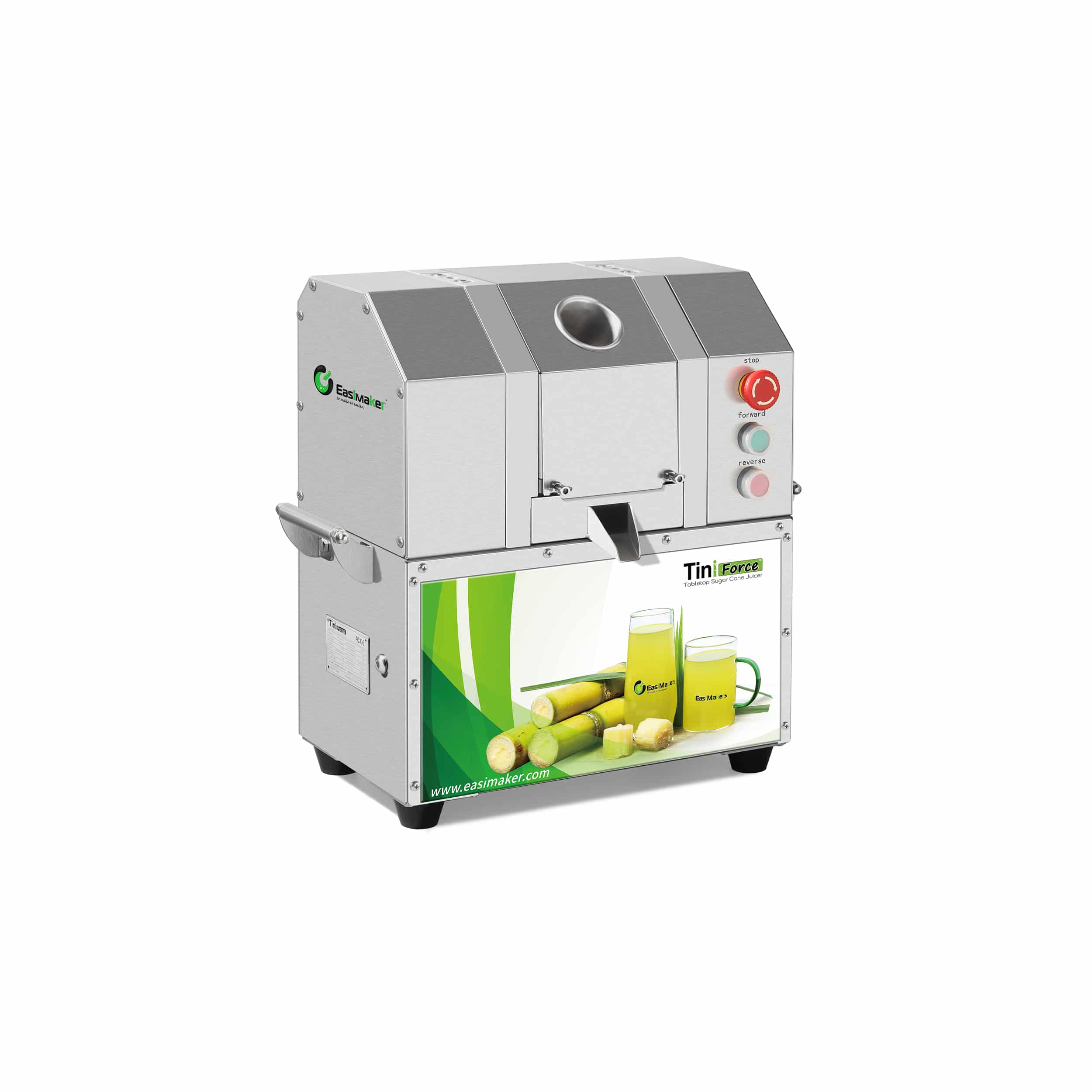
- Logo Placement: Laser-etch or silk-screen your company logo directly onto the stainless steel chassis.
- Custom Packaging: Design full-color boxes and user manuals that carry your contact information, reinforcing customer retention for after-sales service.
- Model Naming: Create your own model numbers and series names to prevent customers from price-shopping your inventory against other sellers.
Technical Adaptation (ODM)
Different regions have distinct technical requirements. A capable manufacturing partner can adapt the machine specifications:
- Voltage and Frequency: Customizing motors for 110V/60Hz (Americas), 220V/50Hz (Europe/Asia), or even DC battery power for mobile vendors.
- Plug Standards: Installing the correct UK, EU, US, or South African plugs at the factory level, eliminating the need for post-import modifications.
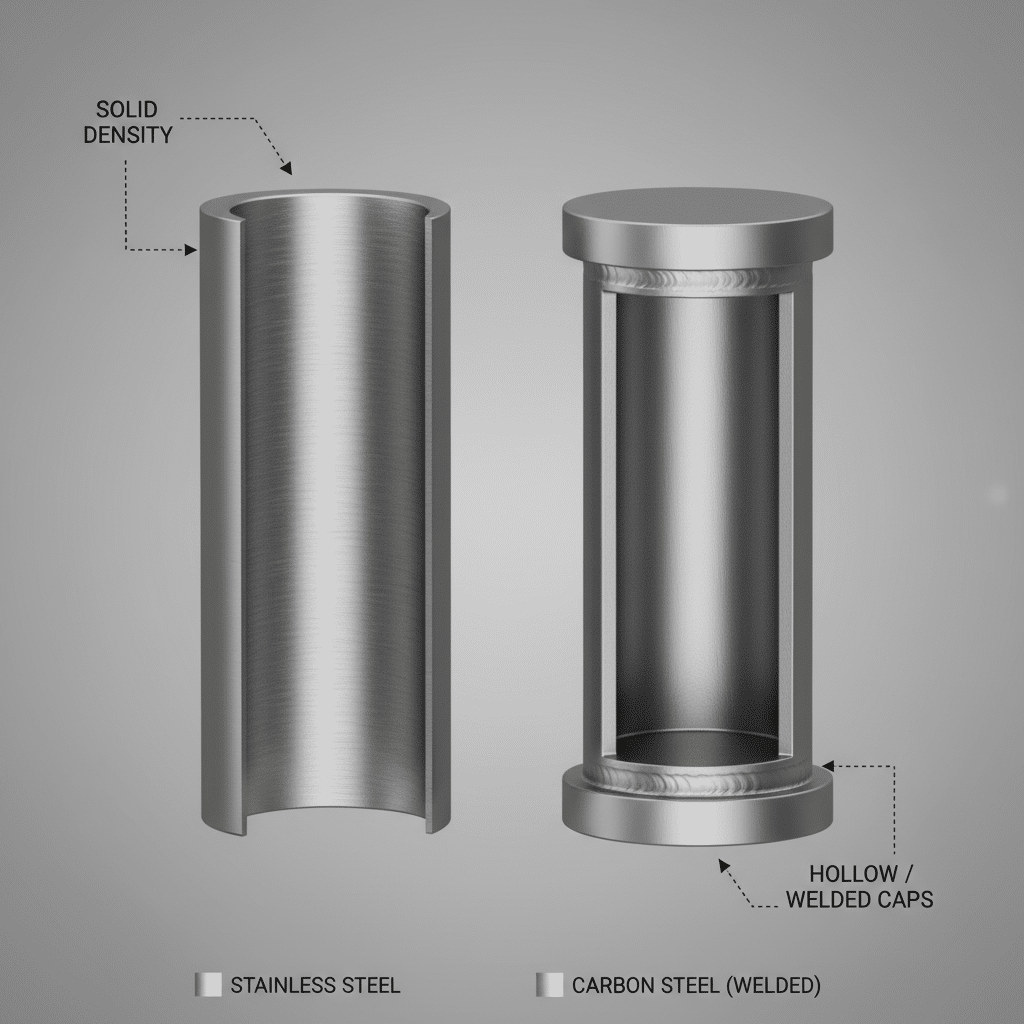
- Material Upgrades: upgrading rollers from SS201 to food-grade SS304 for markets with stricter sanitation regulations.
4. Small MOQ: Lowering the Barrier to Entry
Historically, OEM manufacturing required massive Minimum Order Quantities (MOQs), often filling 40-foot containers. However, modern agile manufacturing has changed this landscape.
Many manufacturers now support Small MOQ initiatives to help new dealers test the market without overcommitting capital. This approach allows distributors to:
- Launch a private label with a manageable initial investment.
- Test different models (e.g., a 3-roller countertop unit vs. a 4-roller heavy-duty unit) to see which performs best.
- Scale up production gradually as demand is validated.
5. Technical Reliability and Quality Assurance
When you sell machinery under your own brand, your reputation hinges on the product’s reliability. Partnering with a reputable OEM ensures that the equipment meets rigorous standards before it leaves the factory floor.
Key Components of Quality Sugarcane Machines
- Gearbox Durability: The gearbox is the heart of the machine. High-quality OEM models utilize heavy-duty gear systems designed to withstand the high torque required to crush cane without slipping or overheating.
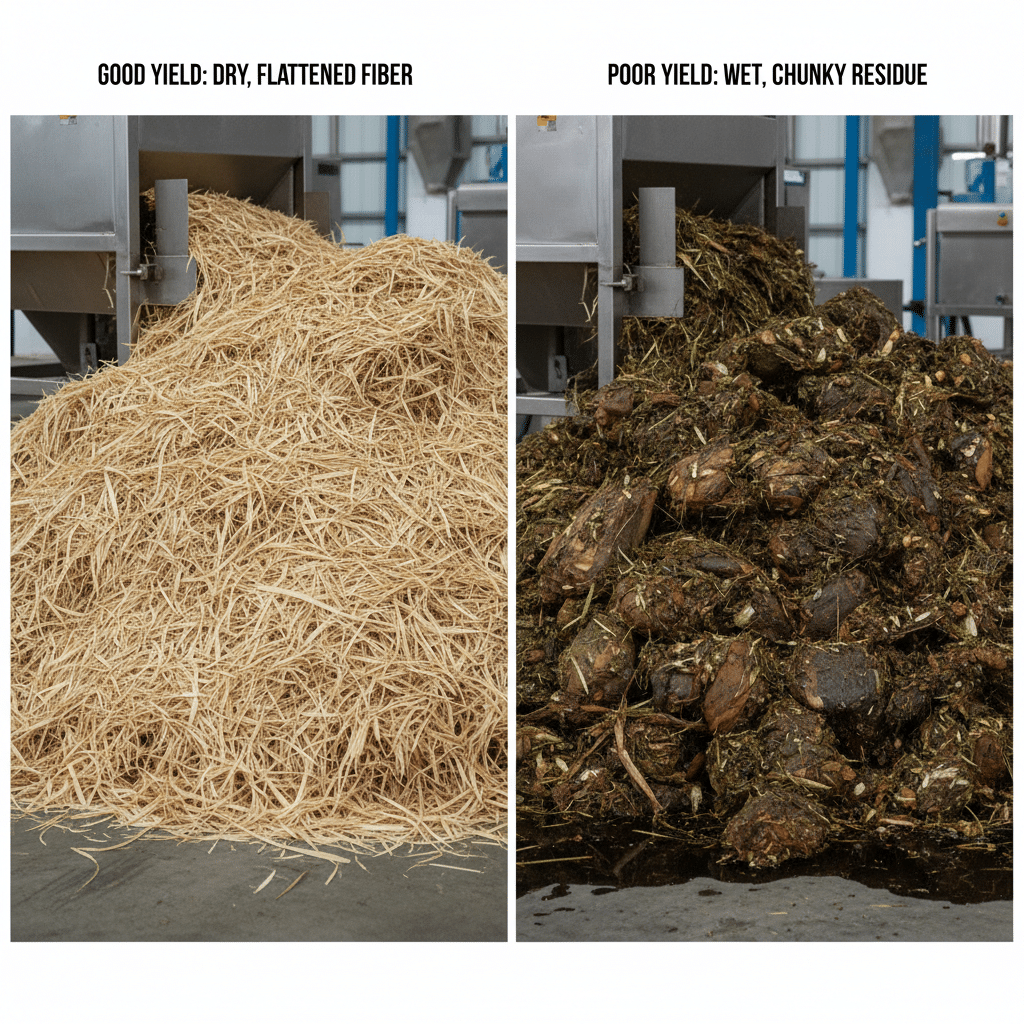
- Roller Precision: The gap between rollers must be precise to maximize juice extraction in a single pass while preventing jamming.
- Motor Efficiency: Copper-wound motors are preferred over aluminum for their longevity and heat dissipation properties.
Factory Testing Protocols
A professional manufacturing process includes multiple QC checkpoints:
- Incoming Material Inspection: Verifying stainless steel grades and motor specs.
- Assembly Line Testing: Running the machine to check for noise, vibration, and alignment.
- Load Testing: Actual juicing tests to ensure extraction efficiency.
- Electrical Safety: Grounding and insulation resistance tests.
6. After-Sales Support and Spare Parts Availability
Machinery requires maintenance. A significant benefit of an official Branch & Dealer partnership is the structured support for after-sales service.
Spare Parts Ecosystem
An OEM partner provides access to a comprehensive catalog of spare parts—gears, bearings, switches, and rollers. Dealers can stock essential wear-and-tear kits to offer immediate repairs to their local customers, a service that purely transactional importers cannot match.
Warranty Assurance
Reliable manufacturers stand behind their products. Understanding the Warranty terms is crucial. Typically, factories provide warranty coverage for core components (motor and gearbox), giving dealers the confidence to offer their own guarantees to end-users.
7. Marketing and Global Market Potential
Manufacturers often support their dealers with high-quality marketing assets. Instead of spending thousands on professional photography and videography, OEM dealers often receive:
- High-resolution product images for e-commerce listings.
- Demonstration videos showing the machine in action.
- Technical datasheets and brochures ready for translation.
This support accelerates the go-to-market timeline, allowing dealers to focus on sales channels rather than content creation.
8. How the OEM Process Works: From Concept to Delivery
Understanding the workflow helps manage expectations and timelines. Here is the typical lifecycle of an OEM order for sugarcane machines:
Phase 1: Requirement Gathering
The process begins with a detailed consultation. You define your target market, preferred models, voltage requirements, and branding elements. Contacting the manufacturer early to discuss feasibility is key.
Phase 2: Sampling and Prototyping
Before mass production, a sample unit is produced. This allows you to verify the build quality, finish, and performance. Any adjustments—such as changing a button placement or upgrading the splash guard—are made at this stage.
Phase 3: Order Confirmation and Deposit
Once the sample is approved, a commercial invoice is issued. Production begins upon receipt of the deposit. Artwork for logos and packaging is finalized and signed off.
Phase 4: Mass Production
The factory sources raw materials and begins fabrication. This involves laser cutting stainless steel sheets, welding chassis, assembling gearboxes, and installing motors.
Phase 5: Quality Control (QC)
Finished units undergo rigorous testing. For sugarcane machines, this often involves a “dry run” to ensure smooth mechanical operation and an electrical safety check.
Phase 6: Packaging and Shipping
Machines are cleaned, wrapped in protective film, and packed into reinforced cartons or wooden crates (essential for heavy machinery to prevent transit damage). The shipment is then handed over to the freight forwarder for export.
9. Buying Guide: Key Considerations for Aspiring Dealers
To maximize the success of your OEM partnership, consider the following factors during procurement:
- Stainless Steel Grades: Clarify whether you need SS201 (standard, lower cost) or SS304 (higher corrosion resistance, often required for food contact zones in strict markets).
- Safety Features: Ensure the machine has an emergency stop button and reverse function (to clear jams). These are critical selling points for safety-conscious buyers.
- Cleaning Mechanism: Machines with removable rollers or easy-access panels are much easier to sell, as cleaning is the biggest pain point for juice bar operators.
- Lead Times: Factor in production time (usually 15–30 days depending on quantity) plus shipping time when planning your inventory.
Frequently Asked Questions (FAQs)
What is the typical MOQ for an OEM sugarcane machine order?
While this varies by model, many manufacturers offer flexible MOQs, sometimes as low as 10–20 units for trial orders, allowing new dealers to enter the market with lower risk.
Can I customize the machine’s appearance?
Yes. OEM services typically allow for custom logo placement, sticker designs, and packaging. ODM services can go further, modifying the chassis shape or adding specific features.
Do sugarcane machines require specific maintenance?
Yes, lubrication of the chain and gears is required periodically. As a dealer, you should stock food-grade grease and basic spare parts like bearings and belts.
How do I handle warranty claims for my customers?
Dealers generally handle the direct relationship with the end-user. The factory supports the dealer by providing free replacement parts for defects covered under the warranty terms.
Is it possible to get a sample before a bulk order?
Absolutely. Requesting a sample is standard procedure and highly recommended to verify quality and performance before committing to a larger investment.
Conclusion: Take the Next Step
Becoming an OEM dealer for sugarcane machines offers a pathway to building a sustainable, scalable business in the growing natural beverage sector. By leveraging factory-direct pricing, customizing products to your market’s needs, and utilizing manufacturer support, you can establish a strong brand presence.
Whether you are an established distributor looking to expand your portfolio or an entrepreneur launching a new brand, the right manufacturing partner is your most valuable asset.
Ready to build your brand? Request a quote today or order a sample to experience the quality firsthand.