The Shift Toward Sustainable Juice Packaging
For fresh sugarcane juice businesses, the transition to sustainable packaging is more than a trend; it is a strategic response to evolving consumer expectations and tightening environmental regulations. Fresh sugarcane juice is a natural, raw product often marketed for its health benefits. Aligning this “pure” product image with eco-friendly branding creates a cohesive brand story that resonates with modern, environmentally conscious consumers.
However, sugarcane juice presents unique packaging challenges. It is highly susceptible to oxidation, which causes the juice to turn from a vibrant green to a dull brown, and it has a high sugar content that can lead to rapid fermentation if not stored correctly. Choosing the right sustainable packaging requires balancing environmental impact with technical performance, specifically regarding oxygen barriers and temperature resistance.
Primary Sustainable Packaging Materials
When selecting materials for a zero waste juice bar or a small-scale bottling operation, several biodegradable and recyclable options are available. Each has distinct advantages depending on the shelf life required and the service model (on-premise vs. retail).
Sugarcane Bagasse Cups
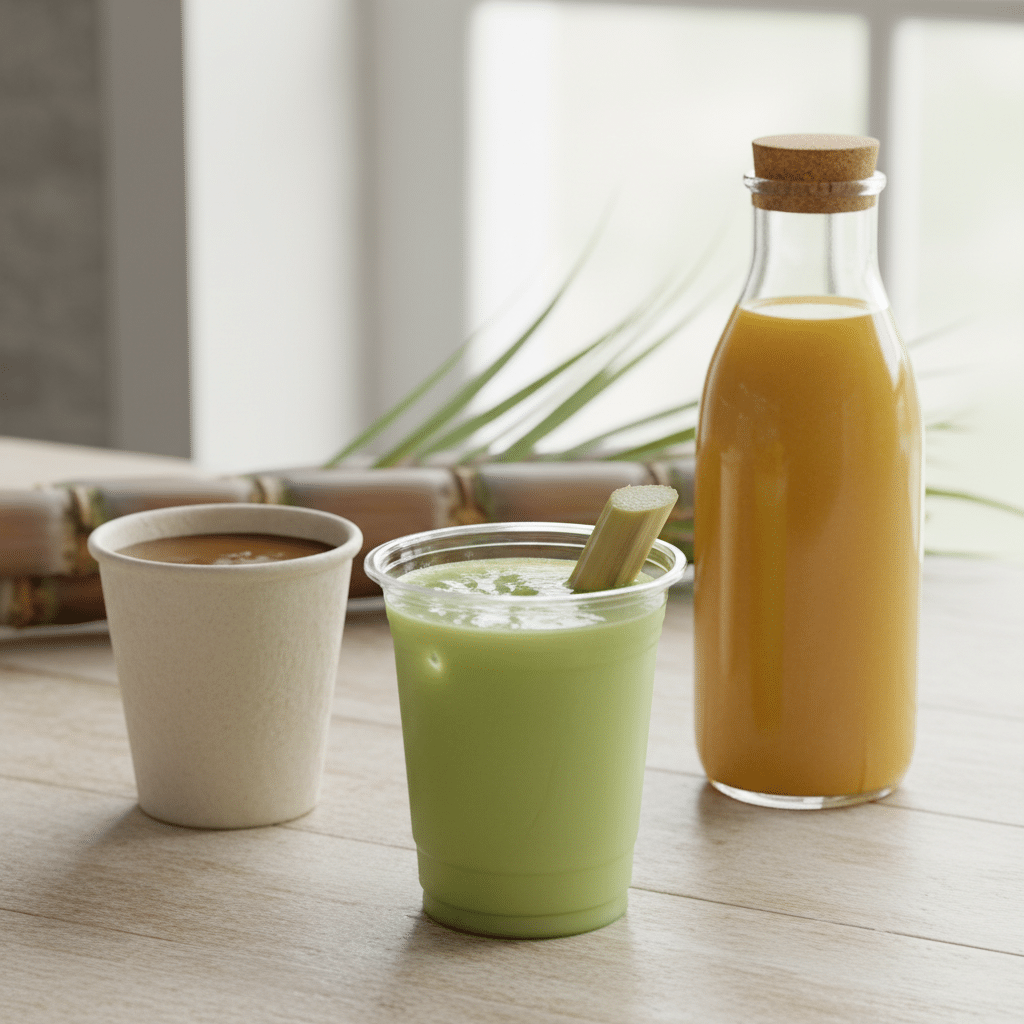
Perhaps the most fitting choice for this industry is bagasse. Bagasse is the fibrous residue left over after sugarcane stalks are crushed to extract their juice. Using bagasse-based biodegradable cups creates a circular economy model. These containers are compostable, sturdy, and naturally grease-resistant. They are ideal for immediate consumption at juice bars but are generally opaque, which may not showcase the juice’s natural color.
PLA (Polylactic Acid) Clear Cups
For businesses that want to highlight the fresh color of the juice, PLA is a popular bioplastic derived from fermented plant starch (usually corn or sugarcane). PLA offers the clarity of traditional plastic but is industrially compostable. It is best suited for cold-pressed juices as it has a low heat-distortion temperature; exposing PLA to high heat can cause the packaging to warp.
Glass Bottling for Premium Retail
Glass remains the gold standard for juice bottling when shelf life and premium positioning are priorities. Glass is 100% recyclable and provides a superior oxygen barrier compared to most bioplastics, significantly slowing the oxidation of fresh sugarcane juice. While heavier and more expensive to transport, the perceived value and reusability of glass often justify the cost for high-end juice brands.
Preserving Freshness: Sugarcane Juice Storage Technicalities
The success of sugarcane juice storage depends heavily on the interaction between the liquid and the container. To maintain the quality of the juice after extraction, consider these technical factors:
- Oxygen Transmission Rate (OTR): High OTR leads to rapid browning. If using bioplastics, look for multi-layer options or those with enhanced barrier properties.
- Thermal Conductivity: Sugarcane juice must be kept at temperatures between 0°C and 4°C (32°F – 39°F). Packaging should be able to withstand rapid cooling (blast chilling) without becoming brittle.
- Sealing Integrity: Whether using a snap-on lid or a heat-induction seal, the closure must be airtight to prevent microbial contamination and leakage during transit.
Branding and Customization for Zero Waste Juice Bars
Sustainable packaging serves as a mobile billboard for your brand. Eco-friendly branding goes beyond the container itself and includes the inks and labels used.
- Soy-based Inks: Traditional petroleum-based inks can hinder the composting process. Soy or vegetable-based inks are safer for the environment and offer vibrant color reproduction.
- Minimalist Labeling: Consider direct-to-container printing to reduce the need for adhesive labels, which are often the most difficult part of a package to recycle.
- QR Codes: Instead of printing extensive nutritional data or brand stories on the bottle, use a small QR code to direct customers to a digital landing page, reducing ink and material usage.
Procurement Guide: Lead Times and MOQs
Transitioning to sustainable materials requires careful supply chain management. B2B buyers should be aware of the following logistics:
| Material Type | Typical MOQ | Lead Time (Standard) | Best Use Case |
|---|---|---|---|
| Bagasse Cups | 10,000 – 50,000 units | 4 – 6 weeks | Over-the-counter service |
| PLA Bottles | 20,000+ units | 6 – 8 weeks | Short-term refrigerated retail |
| Glass Bottles | 5,000 – 10,000 units | 3 – 5 weeks | Premium long-life juice |
Always request samples to test with your specific juice extraction process. Some bioplastics may react differently to the natural acidity or sediment levels in raw sugarcane juice.
Common Pitfalls in Eco-Friendly Transitions
One common mistake is failing to verify the composting requirements of “biodegradable” labels. Many bioplastics require industrial composting facilities and will not break down in a backyard compost bin. Ensure your marketing clearly instructs customers on how to dispose of the packaging based on local waste management capabilities.
Another pitfall is ignoring the weight-to-carbon-footprint ratio. While glass is highly recyclable, the carbon emissions from shipping heavy glass bottles over long distances can sometimes outweigh the benefits if the recycling loop is not localized.
Frequently Asked Questions
How long does fresh sugarcane juice last in biodegradable packaging?
In standard PLA or bagasse packaging, fresh sugarcane juice typically maintains its peak flavor and color for 24 to 48 hours under strict refrigeration. For longer shelf life, specialized barrier coatings or glass are required.
Are biodegradable cups more expensive than plastic?
Generally, yes. Sustainable options can cost 15% to 30% more than traditional PET or PP plastics. However, many businesses offset this by marketing the premium nature of the product or through bulk procurement strategies.
Can I use heat sealing on PLA cups?
Yes, but it requires precision. PLA has a lower melting point than traditional plastics, so heat sealers must be calibrated correctly to ensure a secure bond without melting the rim of the cup.
Does the packaging affect the taste of the juice?
High-quality bagasse and PLA are chemically inert and should not leach flavors into the juice. Always ensure your supplier provides food-grade certifications (such as FDA or EU standards).
Is sugarcane bagasse packaging microwave safe?
While bagasse can typically handle heat, sugarcane juice is a cold-serve product. Heating the juice is not recommended as it alters the flavor and nutritional profile.
Optimize Your Juice Business Today
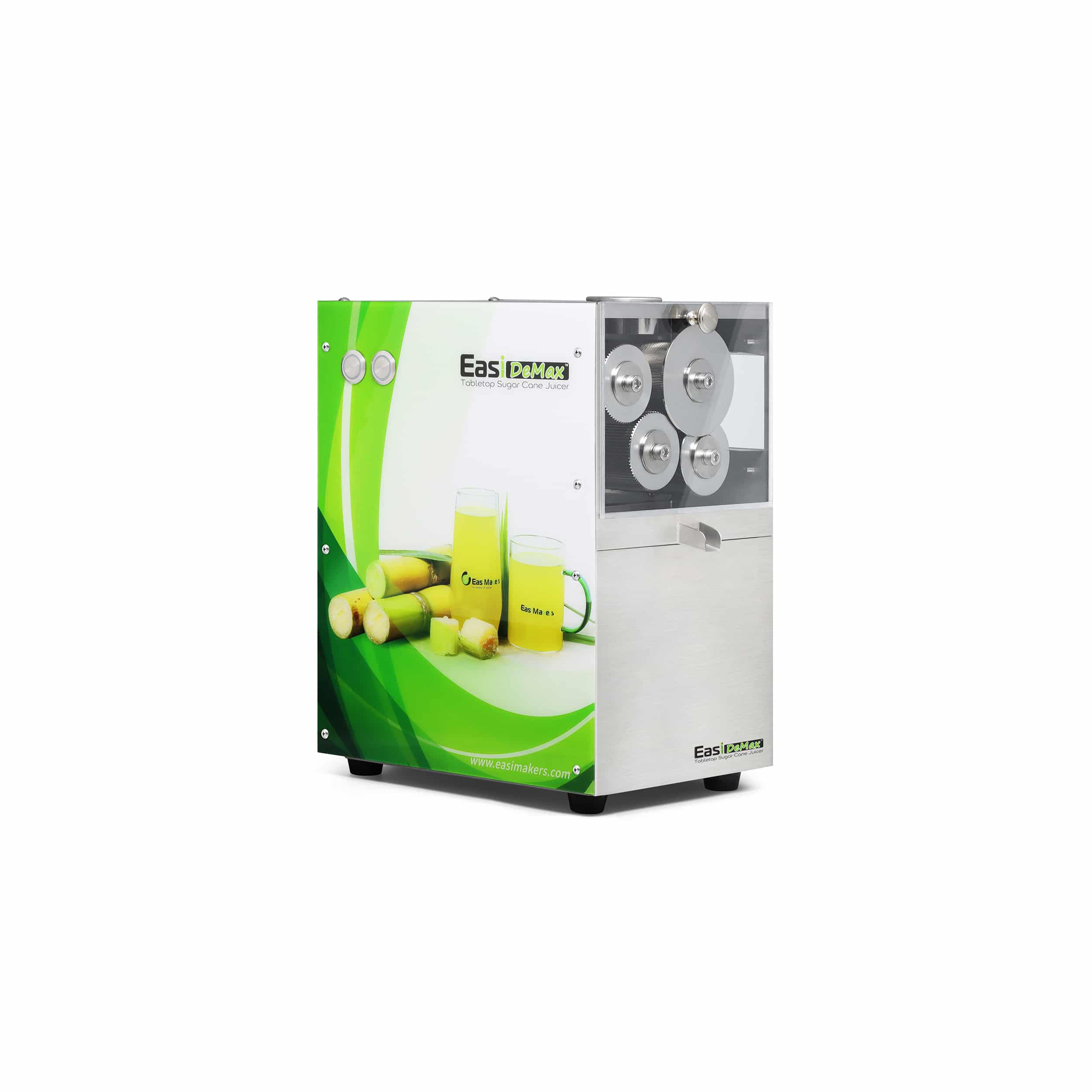
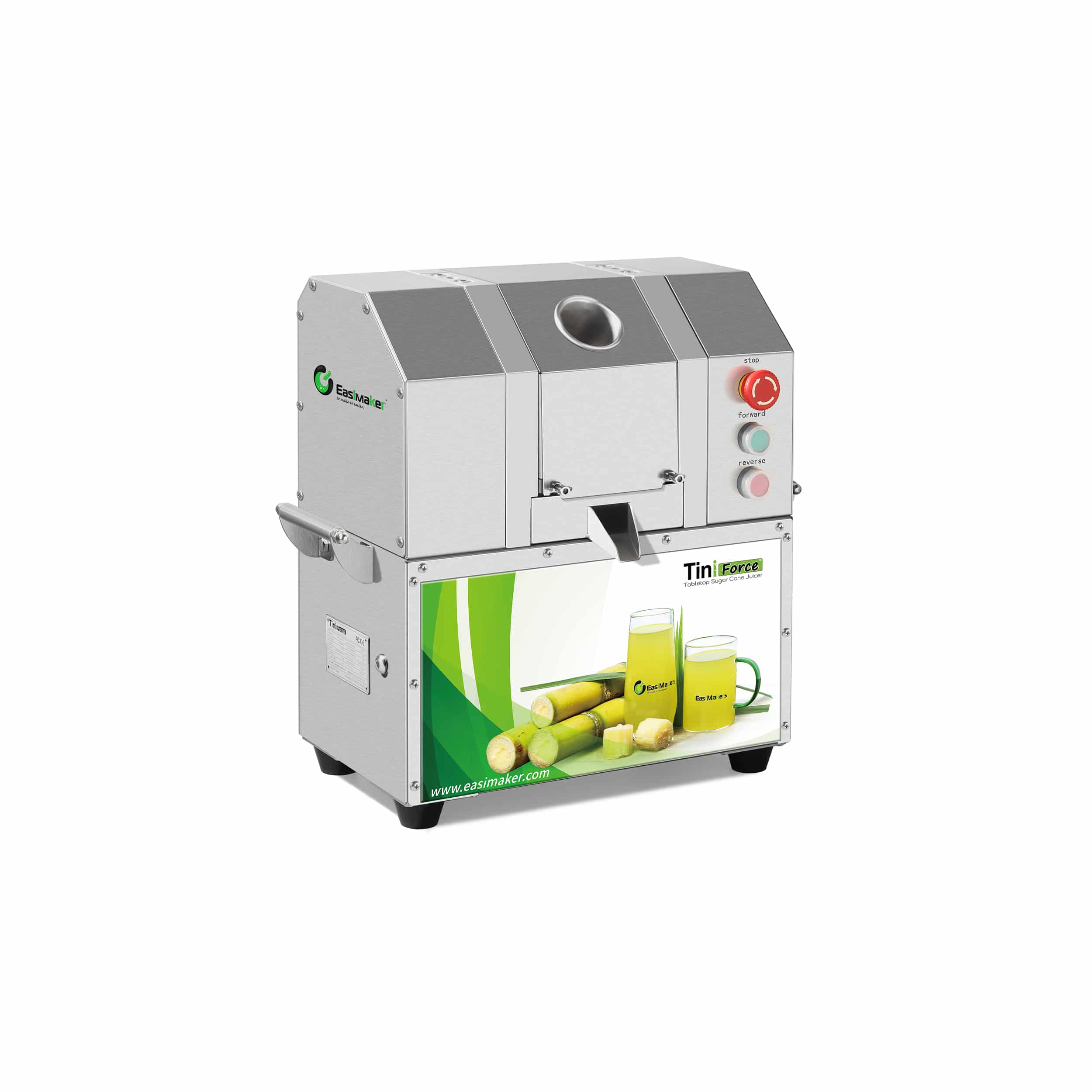
Selecting the right packaging is the final step in a high-quality production line. Once you have extracted high-yield, pure juice using professional-grade machinery, protecting that quality with the right container is essential for customer satisfaction and brand loyalty.
Contact us to discuss how our extraction solutions pair with modern packaging requirements or to request a quote for your next equipment upgrade.