Sugarcane Juice Machine Maintenance: Ensuring Long-Term Durability in Commercial Settings

Sugarcane Juice Machine Maintenance: Ensuring Long-Term Durability in Commercial Settings

In high-traffic juice bars, kiosks, and foodservice operations, a sugarcane juice machine is a revenue-critical asset. Unplanned downtime means lost sales, product waste, and frustrated customers. With structured maintenance and correct daily handling, a quality sugarcane juicer can run reliably for years, even under heavy commercial workloads.

This guide is written for B2B operators, distributors, and purchasing managers who work with commercial sugarcane juice machines and want to maximize machine life, minimize repairs, and protect their investment.

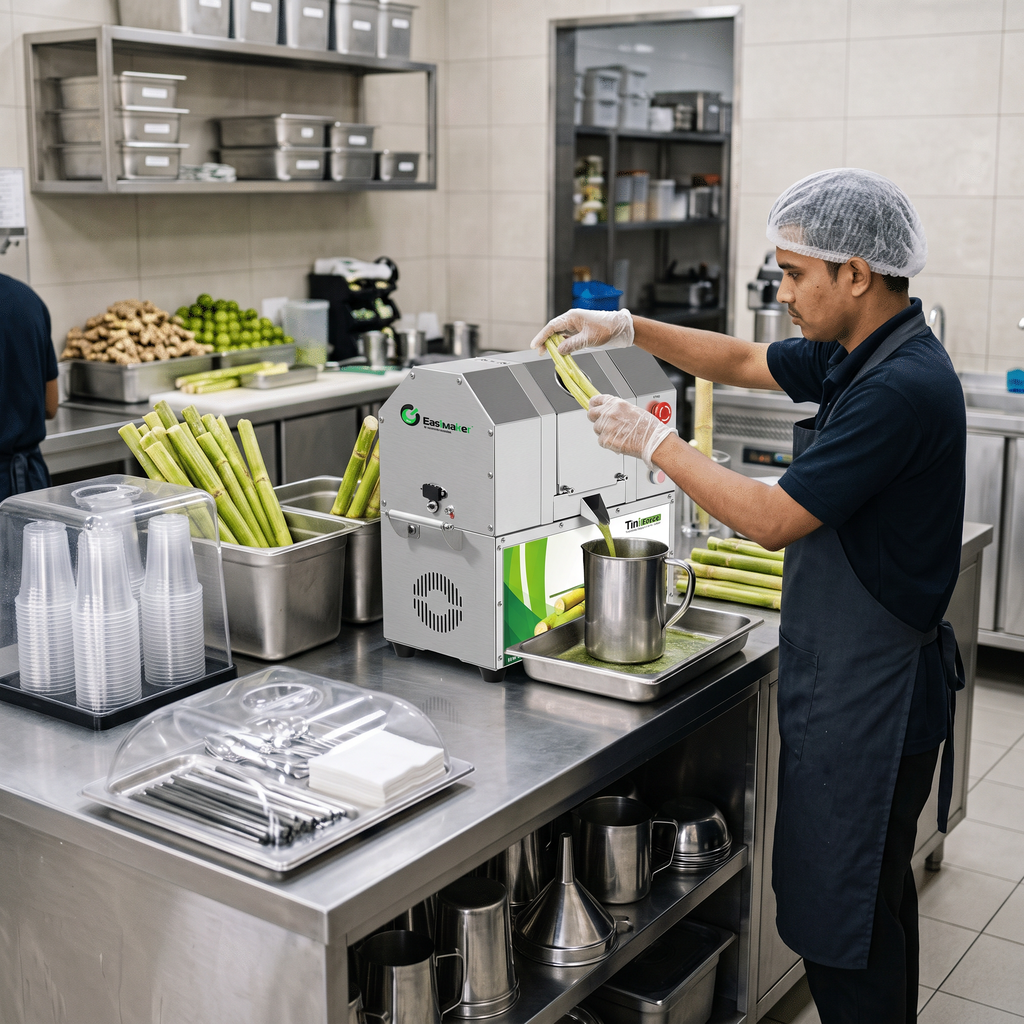
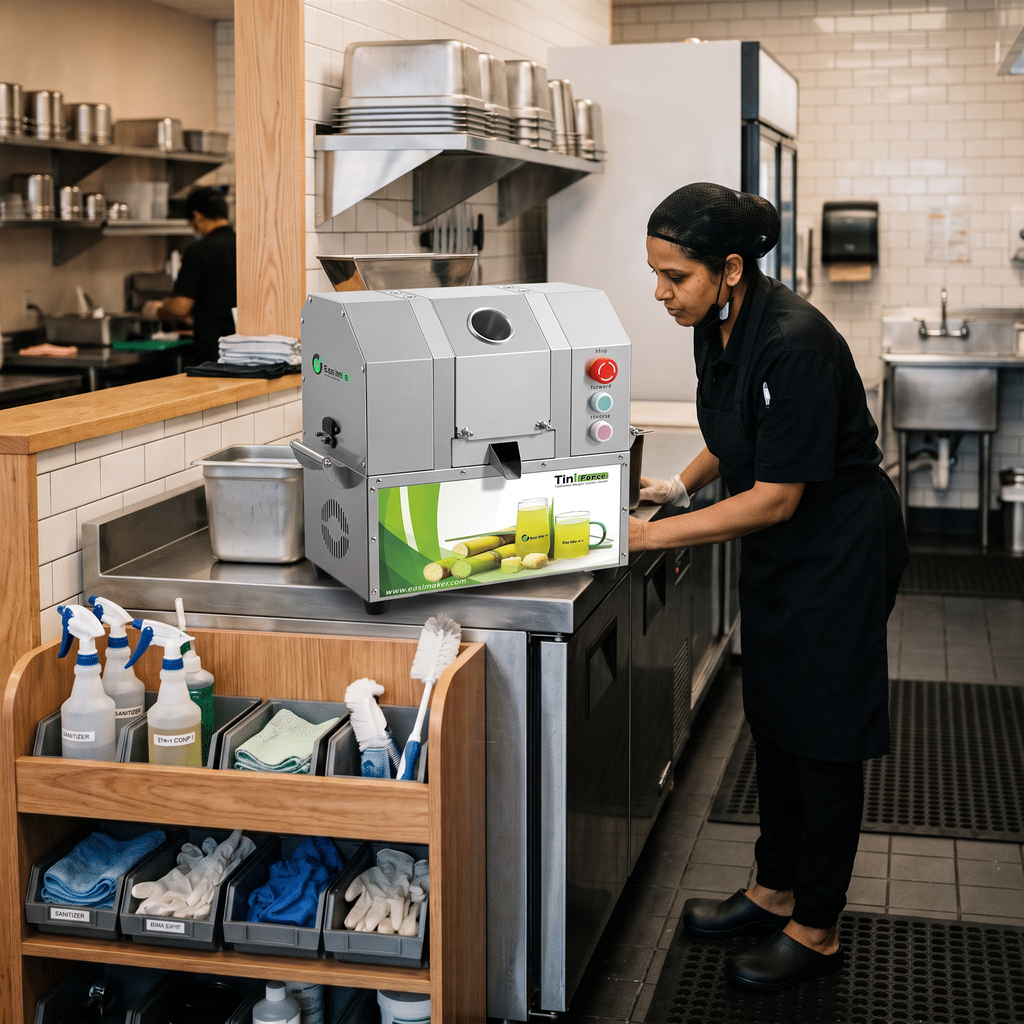
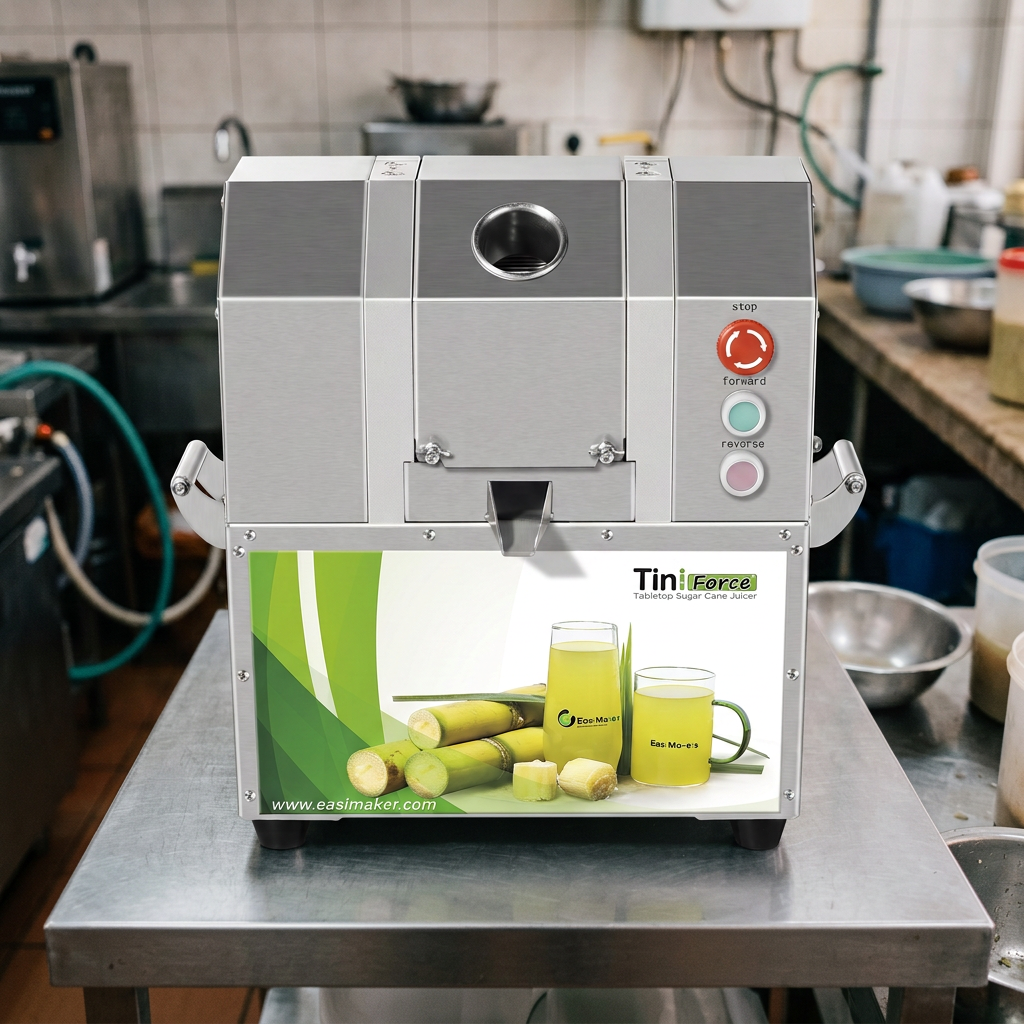
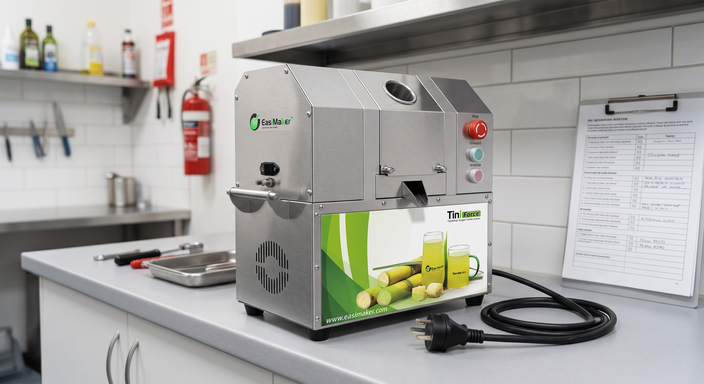
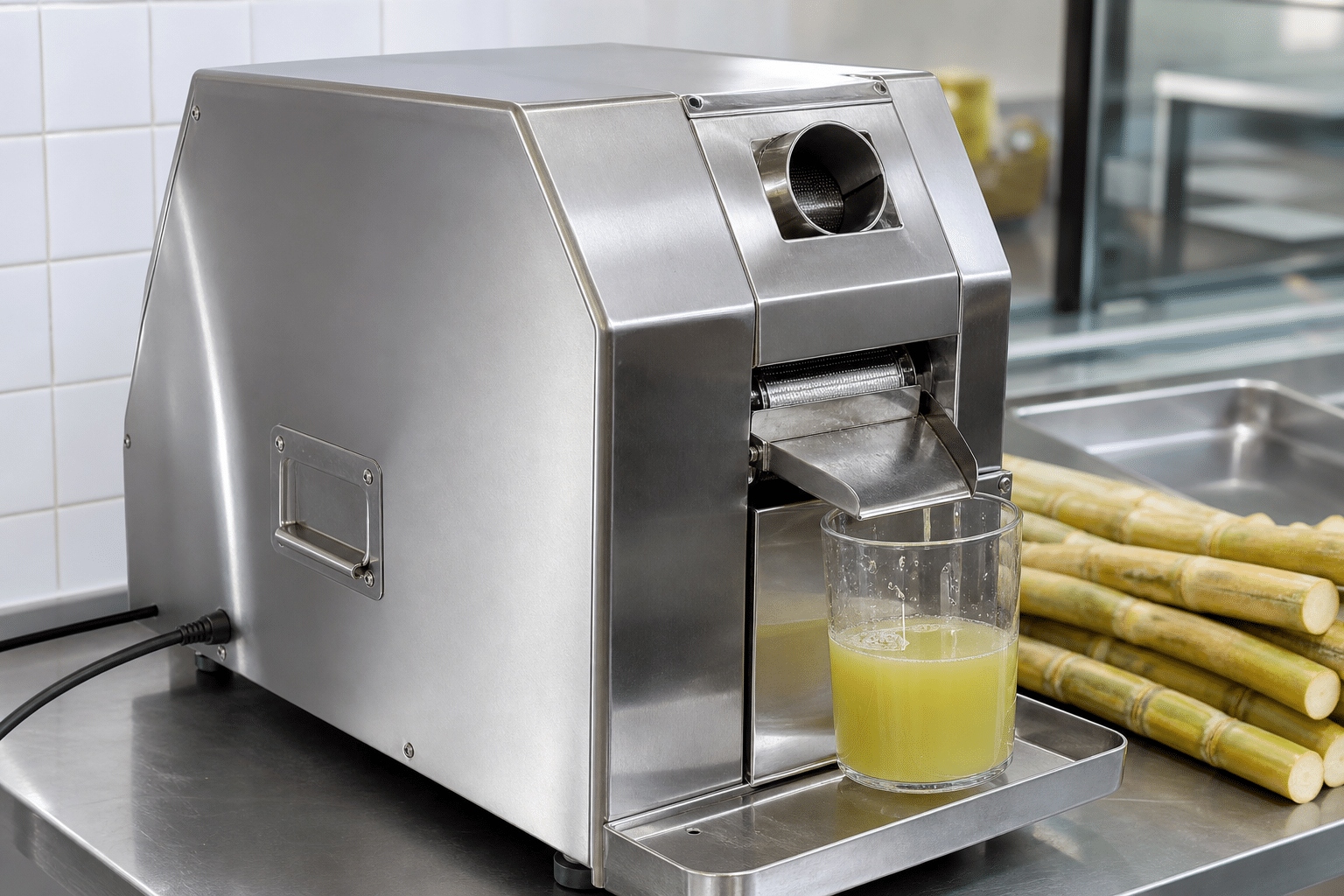
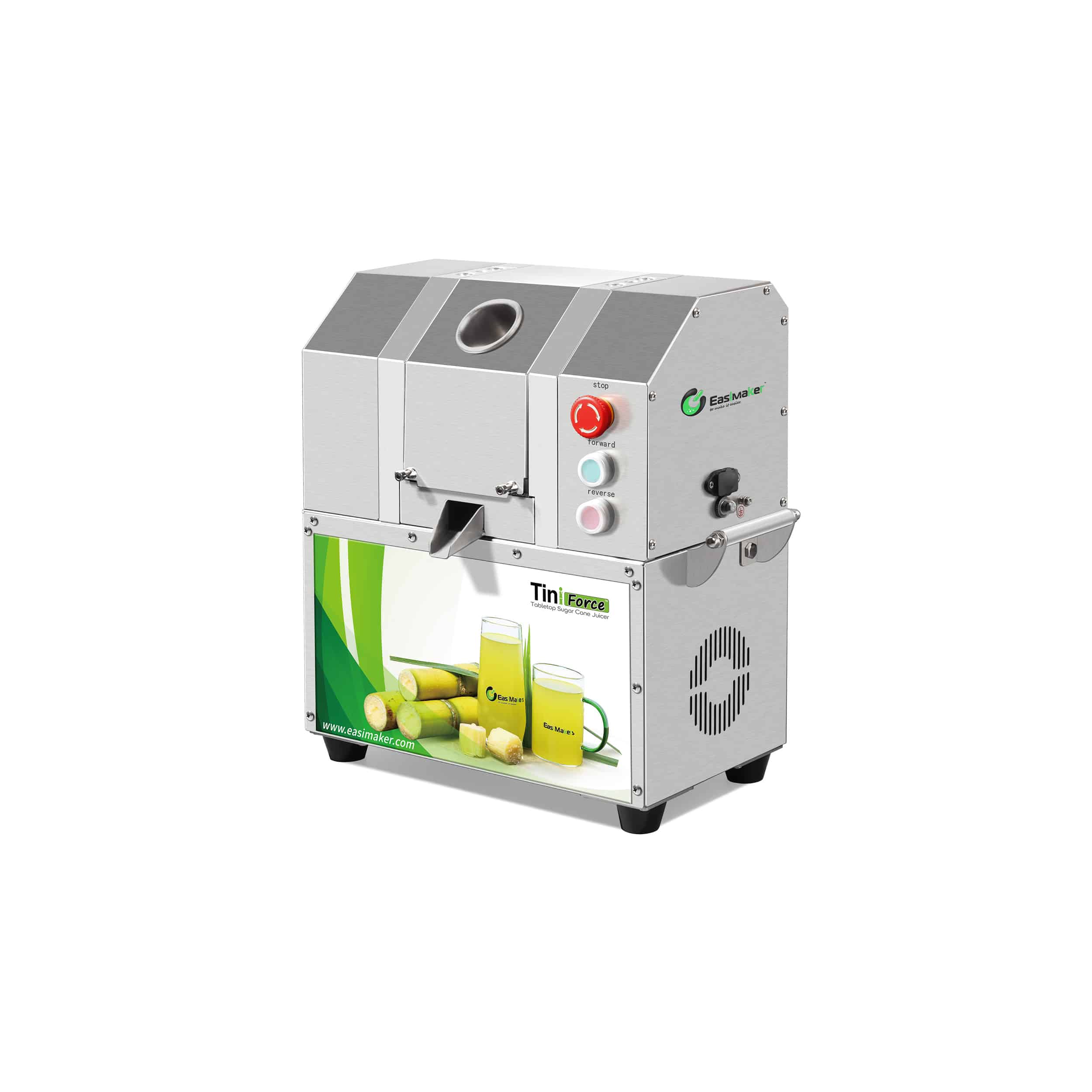
Commercial sugarcane juice machine in stainless steel for foodservice use

1. How Commercial Sugarcane Juice Machines Work (and Why Maintenance Matters)

Most commercial sugarcane juice machines share a similar structure:

  • Food-grade stainless steel housing (commonly 304 or similar grades)
  • Heavy-duty rollers that crush the cane and extract juice
  • Gearbox and drive system (direct drive or chain/belt driven)
  • Motor sized for continuous-duty commercial use
  • Juice outlet and pulp outlet with removable trays

Cane juice is sugary, moist, and slightly acidic. If it remains on metal surfaces, in crevices, or around seals, it can cause:

  • Stickiness and roller slippage
  • Premature wear of moving parts
  • Corrosion of non-stainless components
  • Bacterial growth and hygiene issues

A consistent maintenance routine ensures stable extraction performance, safer operation, and longer machine life.

2. Daily Care Checklist for Commercial Operations

Daily maintenance is the single biggest factor in longevity. The routines below are designed for busy shops running multiple shifts.

2.1 Pre-Shift Checks (Before First Use)

  • Visual inspection: Check housing, covers, and guards are correctly installed and undamaged.
  • Roller area: Ensure no cane fibers, tools, or foreign objects are in the feed area.
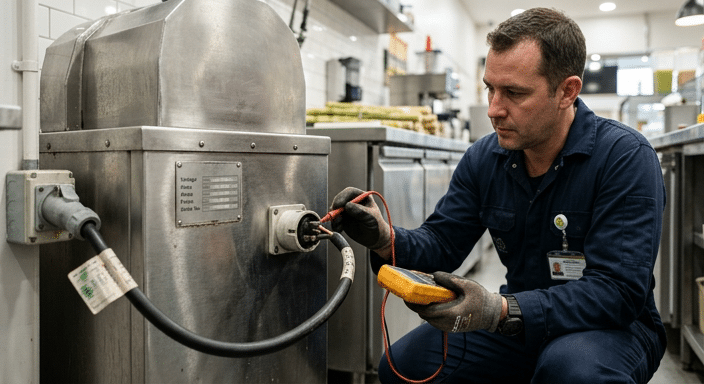
  • Power and cable: Inspect power cord and plug for cuts, burns, or loose connections.
  • Test run: Run the machine for 10–20 seconds without cane, listening for unusual noises (grinding, rattling, or knocking).

2.2 During Operation

  • Avoid overfeeding: Feed cane at a steady rate; overloading increases stress on the motor and gearbox.
  • Use appropriate cane size: If cane is too thick, split it before feeding. Forcing oversized cane can damage rollers or stall the motor.
  • Monitor temperature: If the housing feels excessively hot or a burning smell appears, stop and investigate.
  • Keep the area dry: Wipe spills around the base to prevent moisture from entering electrical components.

2.3 End-of-Day Cleaning Routine

End-of-day cleaning should be non-negotiable in any commercial setting:

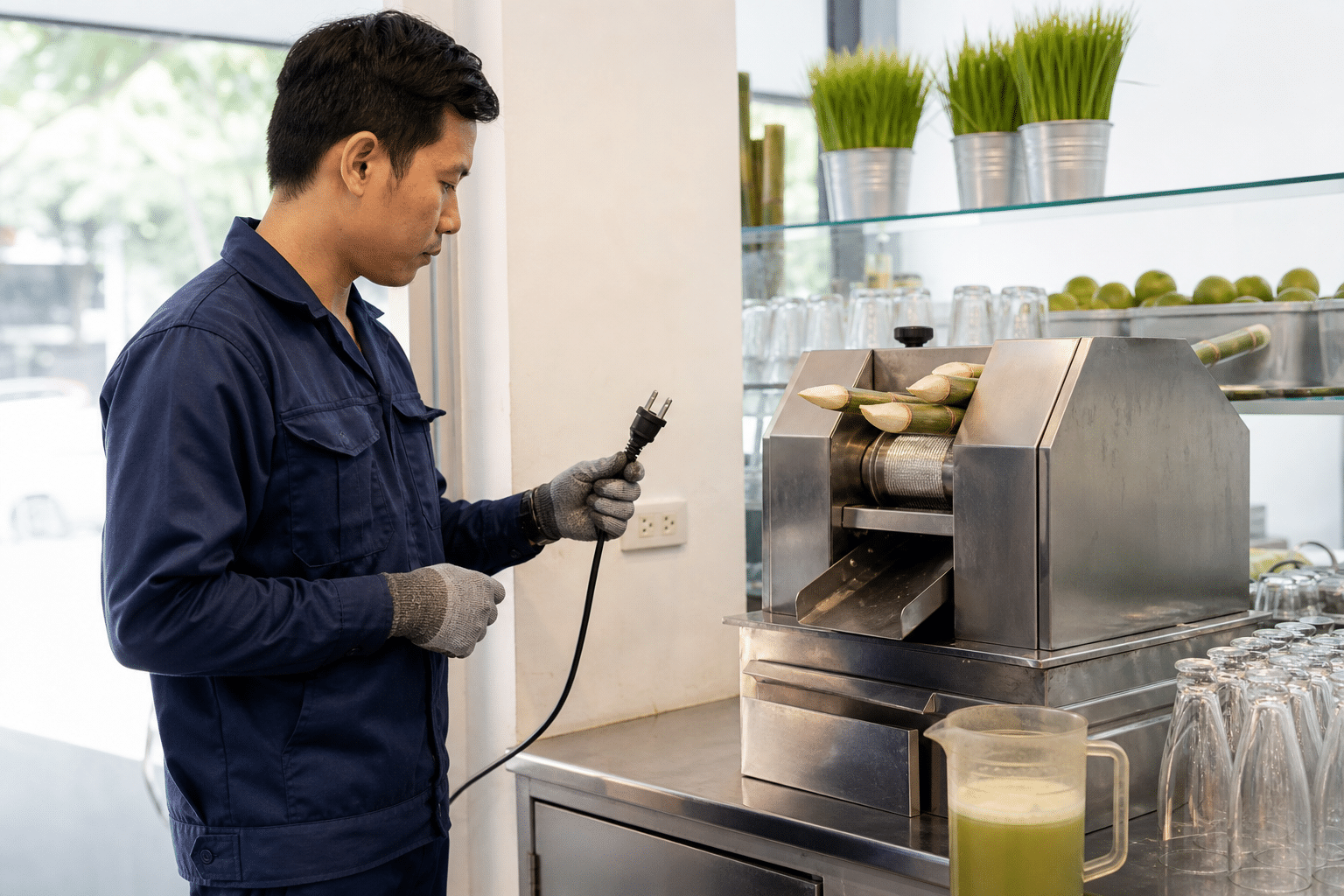
  • Disconnect power: Always unplug before cleaning to avoid electric shock or accidental start-up.
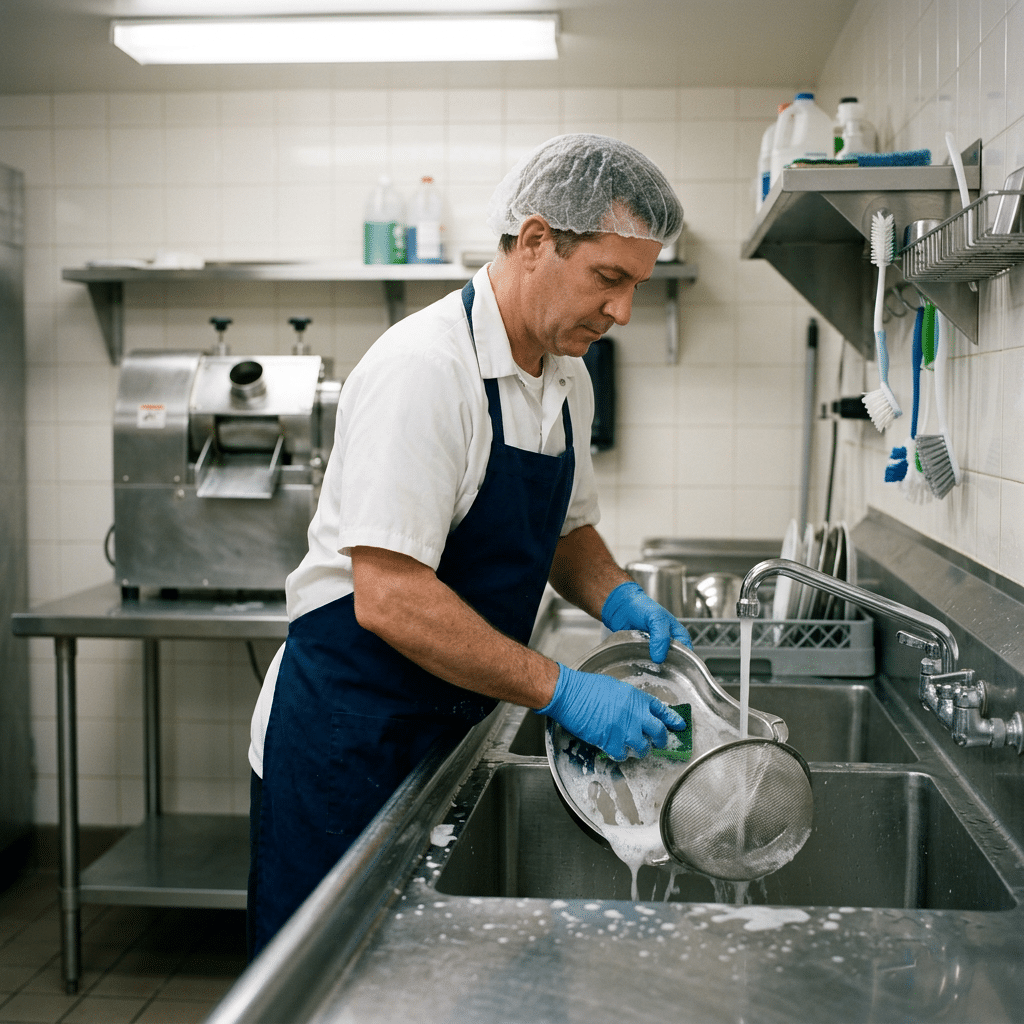
  • Disassemble removable parts: Remove trays, covers, and any detachable juice guides or filters as instructed in the user manual.
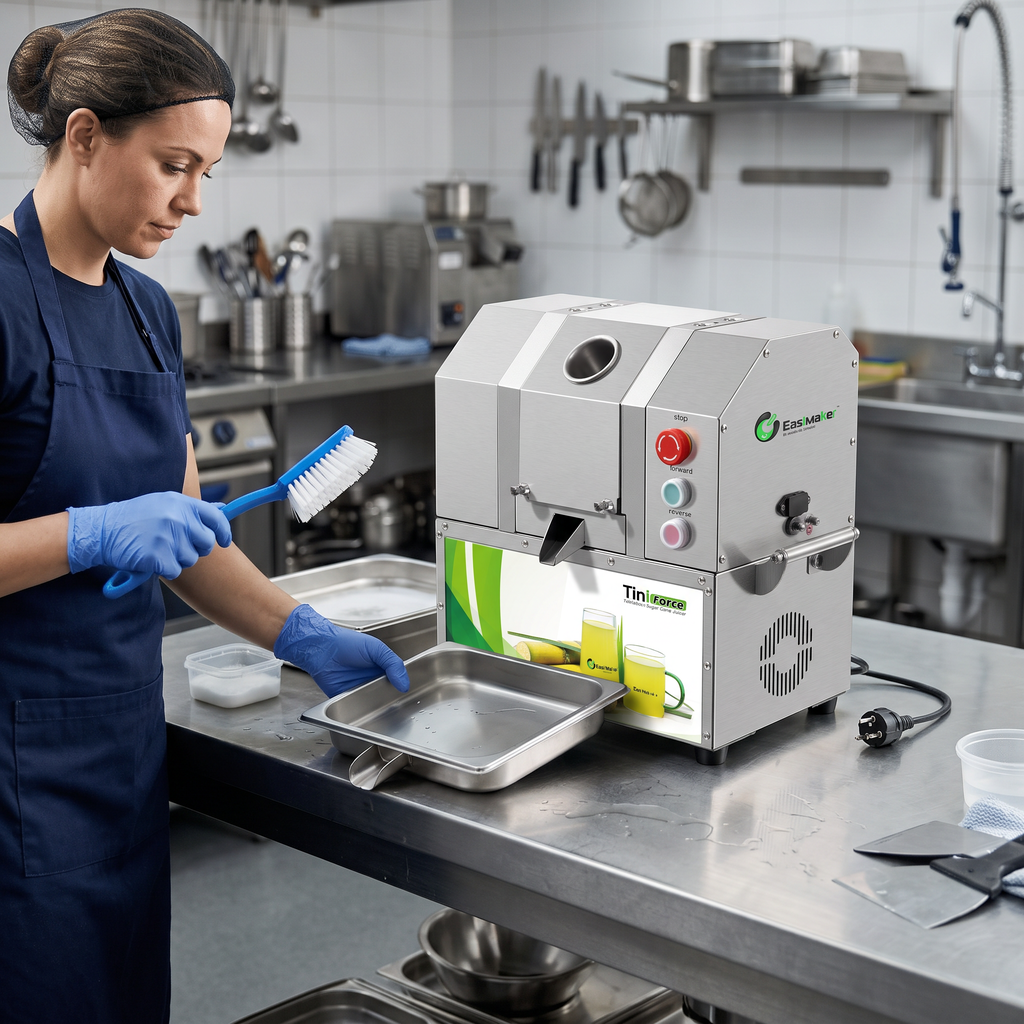
  • Rinse with warm water: Rinse food-contact surfaces to remove cane fibers and sugar residue. Avoid high-pressure jets at electrical sections.
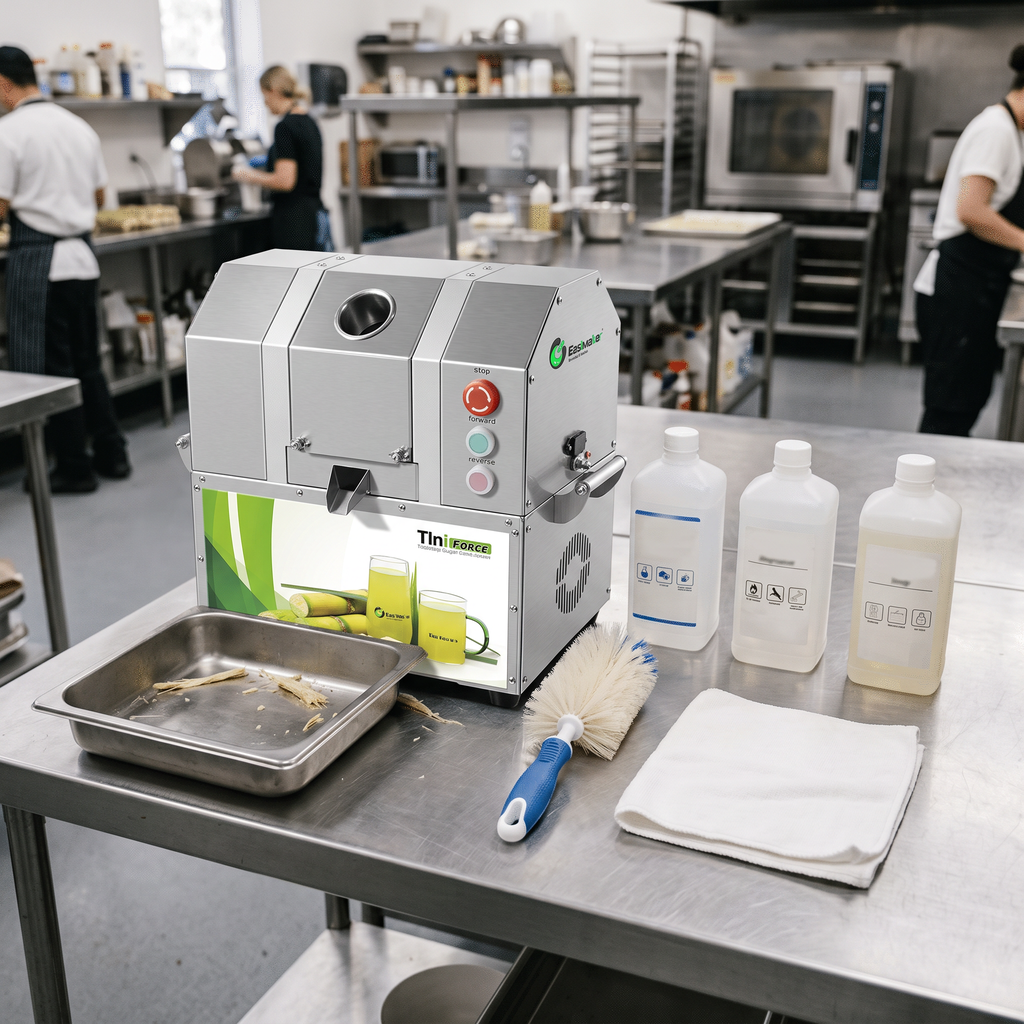
  • Mild detergent only: Use a food-safe, non-corrosive detergent and a soft brush or sponge. Do not use steel wool on stainless surfaces.
  • Rinse thoroughly: Remove all detergent before drying.
  • Dry completely: Wipe with a lint-free cloth and allow air drying where necessary to reduce corrosion risk.
  • Reassemble correctly: Ensure all guards and covers are refitted and secured, following the machine manual.

For distributors and franchise networks, standardizing this daily checklist across outlets can significantly reduce repair calls and warranty issues.

3. Weekly & Monthly Maintenance for Long-Term Durability

In addition to daily cleaning, structured weekly and monthly checks keep the mechanical and electrical systems in good condition.

3.1 Weekly Tasks

  • Deep clean rollers: Inspect rollers for hardened residue or minor rust spots. Clean with warm water and a non-abrasive brush.
  • Check fasteners: Lightly check accessible screws and bolts for looseness (do not overtighten).
  • Inspect seals and gaskets: Look for cracks, deformation, or leaks at juice outlets and covers.
  • Functional test: Run the machine with a small batch of cane and verify normal sound, speed, and juice output.

3.2 Monthly Tasks

Frequency can be adjusted depending on usage (heavy-duty operations may perform these every 2 weeks):

  • Lubrication checks: Where the design allows, inspect recommended lubrication points (e.g., chains, gears, bearings) and apply suitable food-grade lubricant as per the manual.
  • Electrical inspection: Have a qualified technician check connections, plugs, and switches for heat marks or wear.
  • Roller alignment: Check for uneven wear marks or inconsistent squeezing. Misalignment can reduce extraction efficiency and increase stress on the drive system.
  • Drainage and base: Ensure there is no standing liquid around the base or under the machine which can promote corrosion or electrical hazards.

4. Common Problems and Basic Troubleshooting

Proper maintenance reduces issues, but some common problems still appear in commercial environments. Below is a practical overview of symptoms, likely causes, and initial actions.

Symptom Possible Causes Initial Actions (Non-Technical)
Machine does not start Power issue, tripped breaker, safety switch not engaged, loose plug Check plug & outlet, confirm main switch is ON, ensure covers/guards are correctly closed, reset breaker if safe
Motor stalls during crushing Overloading, cane too thick, internal blockage Turn off and unplug, remove cane, reduce cane size, feed more slowly
Unusual noise (grinding, knocking) Foreign object in rollers, loose parts, worn bearings/gears Stop immediately, unplug, inspect visible areas; if noise persists, contact a technician
Reduced juice yield Worn rollers, roller gap too wide, slippage due to sticky residue Perform deep cleaning, check roller surface, avoid overripe/very dry cane; if unresolved, request technical inspection
Minor leaks around juice outlet Damaged gasket, loose fittings, residue buildup Clean thoroughly, check and correctly position gaskets; replace if visibly damaged

For safety and warranty reasons, more complex interventions (gearbox opening, electrical repairs, structural modifications) should be handled by the manufacturer or a qualified service partner.

5. Design and Specification Factors that Impact Maintenance

When selecting a sugarcane juice machine for a commercial project or distribution portfolio, look beyond output capacity and price. Design and material choices will directly affect maintenance effort and long-term durability.

5.1 Material Selection

  • Stainless steel construction: Housing and food-contact parts made of corrosion-resistant stainless steel (often 304 or similar grades) simplify cleaning and extend service life.
  • Food-contact surfaces: Smooth welds, rounded corners, and minimal crevices reduce residue accumulation and make hygiene management easier.
  • Roller material and finishing: Robust, corrosion-resistant rollers with proper surface finishing maintain grip without excessive fiber retention.

5.2 Ease of Disassembly and Cleaning

  • Tool-less or simple-tool access to key areas (rollers, juice tray, pulp outlet) saves time and lowers labor costs.
  • Clear separation between food zones and electrical/drive zones reduces cleaning risk.
  • Accessible drainage to prevent liquid accumulation inside the machine body.

5.3 Drive System and Motor

  • Continuous-duty motor rating: For commercial environments, motors should be chosen for repeated or extended runs, not only intermittent use.
  • Protection features: Overload protection, thermal cut-offs, and emergency stop switches can prevent severe damage under misuse.
  • Enclosed gearbox: Properly sealed gearboxes keep lubrication inside and contaminants out, reducing maintenance frequency.

6. Best Practices to Extend Machine Life in Commercial Use

Beyond routine cleaning, operational discipline and environment management greatly influence durability.

6.1 Train Staff on Correct Usage

  • Provide simple, visual SOPs for starting, operating, and shutting down the machine.
  • Emphasize not forcing objects or oversized cane into the rollers.
  • Remind staff to always unplug the machine before cleaning or removing jammed cane.

6.2 Control the Operating Environment

  • Stable, appropriate power supply: Where power fluctuations are common, consider voltage stabilization to protect the motor and control circuits.
  • Ventilation: Allow sufficient space around the machine so heat can dissipate.
  • Dry placement: Avoid standing water, floor drains directly under the machine, or exposure to rain in outdoor setups.

6.3 Manage Spare Parts and Service Support

  • Keep essential consumables (gaskets, seals, basic fasteners) in stock for multi-outlet operations.
  • Maintain a log of maintenance activities, issues, and replacements; this helps identify patterns and plan preventive servicing.
  • Coordinate with your supplier for recommended service intervals and response times for repairs.

7. Buying & Deployment Considerations for B2B Projects

For distributors, chain accounts, or brand owners planning multiple installations, maintenance should be part of the initial purchasing analysis, not an afterthought.

7.1 Matching Machine Capacity to Usage

  • Estimate peak-hour volume and daily cane throughput.
  • Select a machine model whose capacity comfortably exceeds expected peak demand to avoid constant overloading.

7.2 Installation and Commissioning

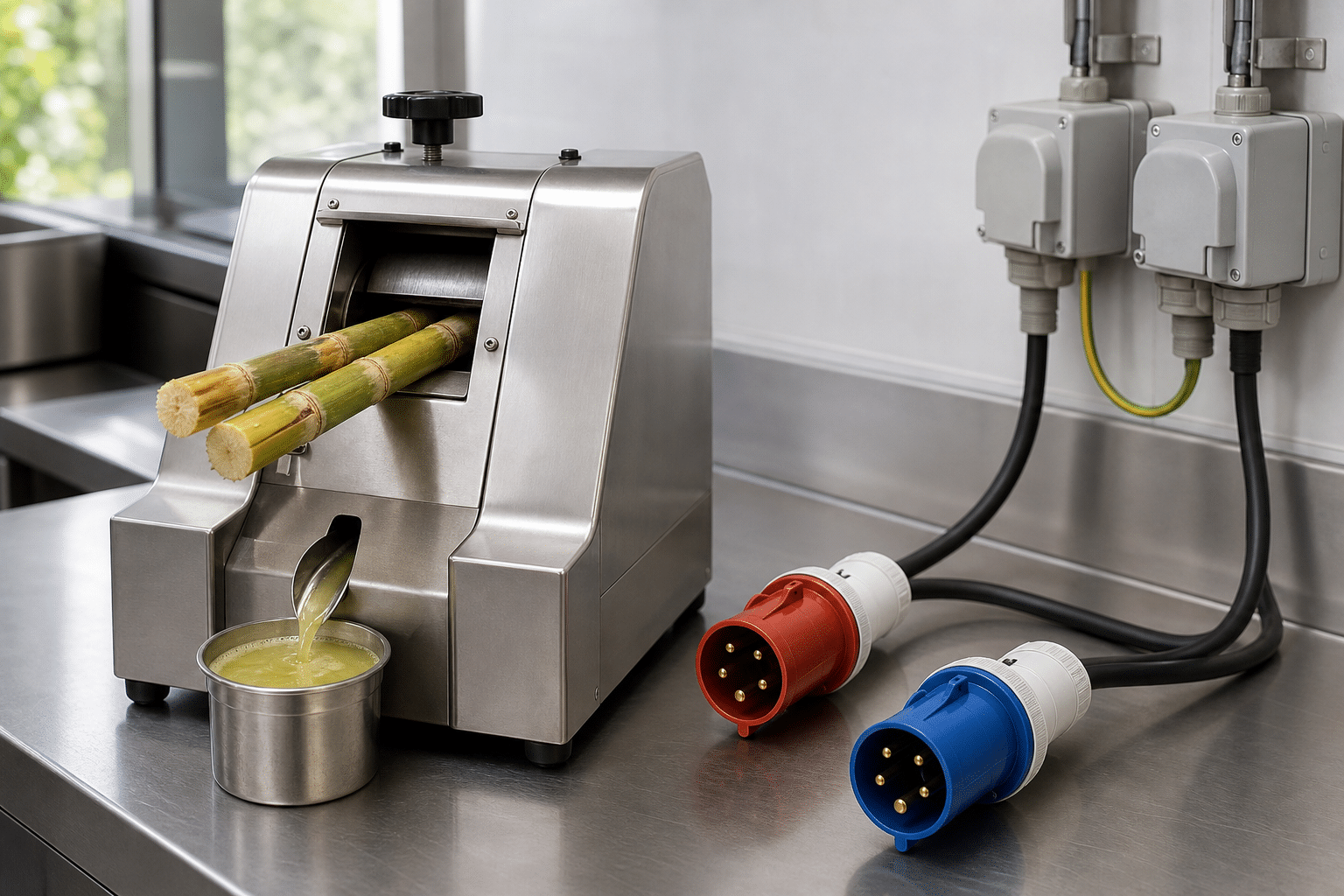
  • Verify that electrical requirements (voltage, frequency, plug type) match local conditions.
  • Ensure the counter or stand can support the machine weight and vibration.
  • Provide staff with initial hands-on training and a maintenance checklist from day one.

7.3 Service Agreements and Warranty

  • Clarify how routine maintenance affects warranty coverage.
  • Agree response times and typical spare parts availability with your supplier.
  • Document serial numbers and installation dates for each machine in your network.

8. FAQs: Sugarcane Juice Machine Maintenance and Longevity

1. How often should a commercial sugarcane juice machine be cleaned?

At minimum, food-contact areas should be cleaned at the end of every operating day. In high-volume or hygiene-sensitive environments, a mid-shift rinse and wipe-down can be added. A deeper cleaning of rollers and internal areas is recommended weekly.

2. Can staff use high-pressure water jets to clean the machine?

High-pressure jets are generally not recommended on or near electrical components and sealed gearboxes, as water ingress can damage internal parts. Use controlled water flow and avoid spraying directly at switches, motors, or ventilation openings.

3. What type of detergent is safe for cleaning?

Use a mild, food-safe detergent that is non-corrosive to stainless steel and suitable for food-contact surfaces. Avoid chlorine-heavy or highly abrasive cleaners unless specifically approved by the equipment manufacturer.

4. When should bearings, rollers, or gaskets be replaced?

Replacement intervals depend on usage intensity, cleaning quality, and the specific machine design. Warning signs include persistent noise, vibration, leaks, or notable reduction in juice extraction efficiency. For multi-unit operations, it is helpful to review these symptoms with the supplier and set preventive replacement guidelines.

5. What should be done if the machine frequently trips the circuit breaker?

Frequent tripping may indicate overloading, a power supply issue, or an electrical fault. Check that cane is not being forced through and that the outlet meets the machine’s power requirements. If the issue continues, have a qualified technician or the supplier inspect the machine and the electrical installation.

6. Is lubrication required, and can regular grease be used?

Some designs include sealed components that do not require user lubrication; others may have specified lubrication points. Only use lubricants recommended by the manufacturer, and where food-contact proximity exists, a suitable food-grade lubricant is typically advised. Avoid general-purpose grease unless clearly approved.

7. How can distributors reduce maintenance issues across multiple locations?

Standardize operating and cleaning procedures, provide consistent training, keep basic spare parts at selected sites, and implement a simple reporting system for issues. Monitoring recurring problems helps refine purchasing decisions and maintenance schedules.

9. Plan for Reliability from Day One

In commercial environments, sugarcane juice machines are expected to deliver consistent performance under demanding conditions. A combination of robust machine design, correct installation, disciplined daily care, and periodic technical checks is the most reliable way to extend service life and protect your return on investment.

If you are planning a new installation, upgrading existing equipment, or building a regional distribution program for sugarcane juice machines, it can be useful to discuss maintenance requirements and long-term durability at the quotation stage.

Ready to specify a sugarcane juice machine for your project?

  • Discuss capacity, duty cycle, and maintenance expectations with a specialist.
  • Review cleaning and service guidelines before placing volume orders.
  • Align spare parts and support plans with your deployment schedule.

Request a quote / Get a sample to evaluate a commercial sugarcane juice machine configuration that matches your operational and maintenance requirements.

Sugarcane Juice Machine Maintenance: Ensuring Long-Term Durability in Commercial Settings

In high-volume juice bars, takeaway kiosks, and foodservice chains, sugarcane juice machines often run for many hours a day. Poor maintenance quickly shows up as lower juice yield, overheating, unexpected breakdowns, and higher operating costs.

This guide is written for operators, procurement teams, and distributors who want to extend the service life of their commercial sugarcane juice machines and protect their investment. It focuses on routine maintenance, troubleshooting, and practical tips to keep machines running reliably in demanding environments.

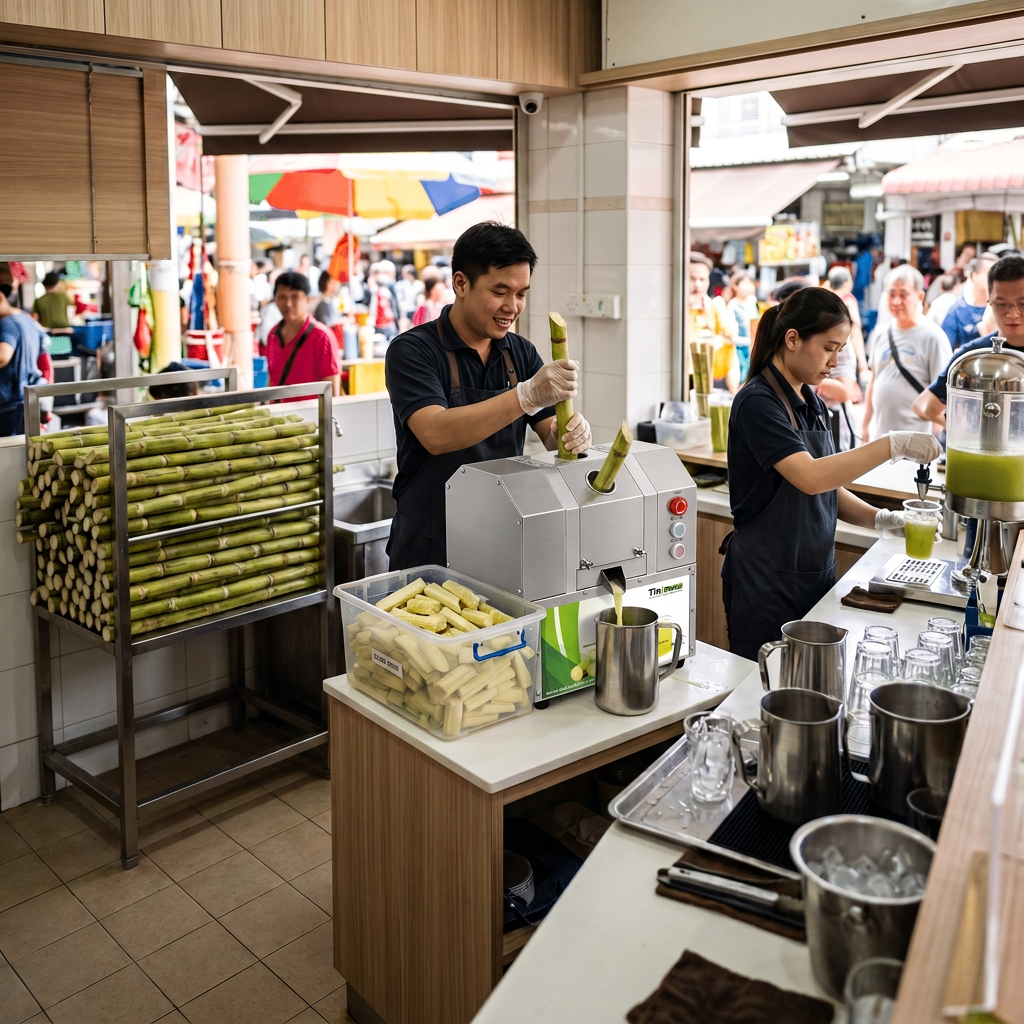
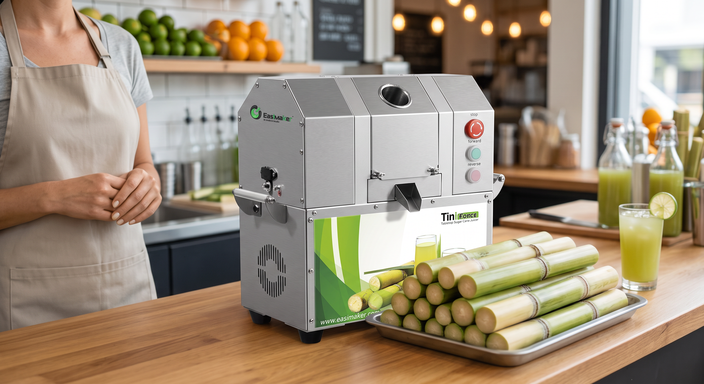
Commercial sugarcane juice machine in stainless steel for retail and foodservice use

1. Why Maintenance Matters for Commercial Sugarcane Juice Machines

A commercial sugarcane juice machine is a compact piece of food-processing equipment that combines mechanical pressing, food-contact surfaces, power transmission, and electrical components in a small footprint. In busy sites, the machine may be started and stopped dozens of times per day and exposed to sugar, moisture, and fine cane fibers.

Consistent maintenance brings clear benefits:

  • Longer equipment life: Proper cleaning and lubrication help reduce wear on rollers, bearings, gears, and motor components.
  • Stable juice yield and quality: Clean, well-aligned rollers maintain good extraction rates and avoid off-flavors caused by residue buildup.
  • Lower downtime: Early detection of abnormal noise, heat, or vibration prevents sudden failures during peak hours.
  • Better hygiene: Regular cleaning supports compliance with local food safety requirements (always confirm with local authorities).

2. Key Components That Affect Durability

Understanding the main wear points helps you design a practical maintenance routine.

2.1 Rollers and Crushing Assembly

Rollers are the core of the machine; they grip and crush the cane to extract juice. In many commercial machines, rollers are made from stainless steel for corrosion resistance and food contact safety.

Key checks:

  • Surface condition: Look for pitting, deep scratches, or visible deformation.
  • Alignment: Misalignment can cause uneven pressing and higher load on the motor.
  • Cleanliness: Fibers and dried sugar on roller surfaces can reduce grip and yield.

2.2 Bearings, Gears, and Drive System

The drive system transfers motor power to the rollers through gears, chains, or couplings. Bearings support the rotating shafts.

Watch for:

  • Unusual noise: Grinding or rattling often indicates bearing or gear wear.
  • Excessive play: Loose chains or worn gear teeth can lead to jerky operation.
  • Lubrication condition: Old grease contaminated by sugar dust or moisture loses effectiveness.

2.3 Motor and Electrical Components

The motor, switches, and wiring are critical for safety and uptime.

  • Motor temperature: Overheating can signal overloading or poor ventilation.
  • Cable and plug condition: Inspect for cuts, burns, or loose connections.
  • Control switches: Check that emergency stop and main switches operate smoothly.

2.4 Food-Contact Surfaces and Housing

Stainless steel housings and food-contact parts are designed for frequent cleaning. However, neglected cleaning can accelerate corrosion, create hygiene risks, and damage seals and gaskets.

3. Daily Maintenance Checklist (End-of-Shift Routine)

A structured daily routine is the simplest way to protect the machine. The following is general guidance; always follow the model-specific manual.

3.1 Pre-Cleaning Safety Steps

  • Switch off the machine and disconnect it from the power supply.
  • Allow hot components to cool before cleaning.
  • Train staff to never reach into the roller area while the machine is powered.

3.2 Cleaning Food-Contact Areas

  • Remove detachable parts (funnels, juice trays, covers) as specified by the manufacturer.
  • Rinse off bulk residue with clean water.
  • Wash with food-safe detergent using soft brushes; avoid abrasive pads that can scratch stainless steel.
  • Rinse thoroughly to remove all detergent.
  • Air-dry or wipe with clean, lint-free towels before reassembly.

3.3 Cleaning Rollers and Crushing Zone

Depending on the machine design, rollers may not be removable by the operator. In such cases:

  • Use a gentle water spray as allowed by the manual, avoiding direct spraying on motor vents or control panels.
  • Use a soft brush to remove attached fibers from accessible areas.
  • Never use sharp tools or metal scrapers on the rollers.

For machines designed for easier access, follow manufacturer instructions for opening guards and cleaning internal surfaces.

3.4 External Surfaces and Work Area

  • Wipe the outer housing with a damp cloth and mild detergent.
  • Dry thoroughly to reduce water spots and potential corrosion.
  • Keep the surrounding floor area clean to reduce dust and sticky residues.

4. Weekly and Monthly Maintenance Tasks

In addition to daily cleaning, schedule deeper checks at least weekly and monthly, depending on usage intensity.

4.1 Weekly Tasks

  • Visual inspection: Check for loose screws, nuts, guards, or covers.
  • Cable and plug check: Inspect for damage or excessive bending.
  • Noise and vibration test: Run the machine empty for a short period and listen for unusual sounds.
  • Roller condition: Inspect as much of the surface as is accessible for buildup or damage.

4.2 Monthly Tasks

  • Lubrication: Where specified by the manufacturer, apply food-grade grease or oil to bearings or chains. Do not over-lubricate; wipe excess to avoid attracting dust and sugar.
  • Fastener tightening: Check key bolts and nuts for tightness to maintain structural integrity.
  • Ventilation check: Confirm that motor vents and cooling openings are dust-free and not blocked by walls or other equipment.
  • Seal and gasket inspection: Check door seals, gaskets, or rubber parts for cracks or hardening and replace where required.

5. Preventive Maintenance Planning for High-Volume Sites

For busy retail or foodservice operations, preventive maintenance should be planned, not reactive.

5.1 Set Operating Hour Intervals

Instead of only using calendar intervals, track machine operating hours where possible. Maintenance at defined hour intervals (for example, every few hundred hours for deeper checks) can be more accurate than monthly or quarterly estimates.

5.2 Standardize Procedures and Training

  • Create a simple, illustrated SOP for daily and weekly tasks.
  • Train all relevant staff during onboarding and repeat periodically.
  • Use a log sheet or digital record for maintenance activities and any issues found.

5.3 Stock Basic Spare Parts

To minimize downtime, keep a small inventory of high-turnover spare parts, such as:

  • Food-contact seals and gaskets
  • Switches or buttons commonly used by staff
  • Fuses (if user-serviceable as per local regulations)

For other components like motors, gear sets, or rollers, coordinate with your supplier on typical lead times and recommended spare strategies for your usage level.

6. Troubleshooting Common Issues

Even with good maintenance, issues can arise. Below is general guidance; specific steps should follow each machine’s manual and local safety regulations.

6.1 Machine Does Not Start

  • Confirm the power source is available and the plug is connected properly.
  • Check that all safety interlocks or covers are correctly closed.
  • Inspect the main switch and any visible fuses (if accessible).
  • If the problem persists, stop troubleshooting at the electrical level and consult a qualified technician or your supplier.

6.2 Low Juice Yield or Poor Extraction

  • Inspect rollers for residue buildup; perform a thorough cleaning.
  • Verify that you are using cane of appropriate size and quality for the machine.
  • Listen for slipping sounds that might indicate loose chains or worn gears.
  • If yield issues continue, request a technical inspection to check alignment or roller wear.

6.3 Excessive Noise or Vibration

  • Stop the machine immediately if noise changes suddenly.
  • Check for foreign objects in the crushing area.
  • Inspect mounting bolts and ensure the machine is on a stable, level surface.
  • Persistent noise may indicate bearing or gear wear and should be reviewed by a technician.

6.4 Overheating or Burning Smell

  • Stop operation at once and disconnect power.
  • Check for blocked ventilation openings or operation in a confined, hot space.
  • Confirm that the machine is not being overloaded with excessively hard or oversized cane.
  • If overheating is recurrent, consult the supplier; continuing to run an overheated motor can cause permanent damage.

7. Operational Practices That Extend Machine Life

How the machine is used day-to-day has as much impact on longevity as the maintenance schedule.

7.1 Respect Capacity and Duty Cycle

  • Do not exceed the recommended cane diameter or feed rate specified in the manual.
  • Avoid continuous operation beyond recommended duty cycles; allow short rest periods during very long shifts when practical.

7.2 Use Proper Cane Preparation

  • Remove stones, dirt, and any foreign materials from cane before feeding.
  • Cut cane to recommended length where applicable; this reduces stress on the crushing mechanism.

7.3 Maintain a Clean Operating Environment

  • Prevent water from pooling under or around the machine.
  • Keep nearby cleaning chemicals away from electrical components.
  • Ensure adequate ventilation around the machine, especially near the motor.

8. Buying Considerations Related to Maintenance and Durability

When specifying sugarcane juice machines for commercial use, maintenance and serviceability should be part of the purchasing decision.

8.1 Material and Build Quality

  • Stainless steel housings and food-contact parts generally offer better corrosion resistance and cleaning performance than painted mild steel.
  • Robust enclosure design and sealed seams help reduce ingress of moisture and sugar dust into the drive system.

8.2 Access for Cleaning

  • Check how easily operators can access the crushing area and food-contact surfaces for cleaning.
  • Consider designs with removable covers, drip trays, and guides that simplify daily hygiene routines.

8.3 Service Support and Spare Parts

  • Confirm availability of key spare parts and typical lead times.
  • Check whether the supplier provides maintenance guidelines, training support, or recommended service intervals.

8.4 Matching Machine Type to Application

Select a machine model that matches your daily volume and operating environment. Different retail formats (street kiosks, shopping malls, restaurants, convenience stores) can have very different patterns of use and cleaning facilities. Discuss your application with the supplier so they can advise on suitable models and maintenance expectations.

9. FAQs: Sugarcane Juice Machine Maintenance

1. How often should a commercial sugarcane juice machine be cleaned?

Most commercial operations benefit from at least one full cleaning at the end of each working day, with light rinsing or wipe-downs during the day as needed. High-volume sites may choose to clean certain parts more frequently. Always follow the machine’s specific instructions and local hygiene requirements.

2. Can I use high-pressure water to clean the machine?

High-pressure cleaning can force water into electrical components and bearings, which may damage the machine. Unless the manufacturer specifically states otherwise, use controlled water flow, soft brushes, and mild detergent, avoiding control panels, motors, and vents.

3. What kind of lubricant should be used?

For any lubrication points that are near food-contact areas, a food-grade lubricant is generally recommended. Check the machine’s manual for the exact specification and re-lubrication interval. Avoid using non-food-grade lubricants where there is any risk of contact with juice or cane.

4. When should rollers or bearings be replaced?

Replacement intervals depend on usage intensity, cleaning practices, and the operating environment. Signs that these parts may need replacement include reduced yield, unusual noise, visible wear, or frequent alignment issues. It is best to consult the supplier or a qualified technician for inspection and recommendations.

5. How can I reduce unexpected breakdowns?

Implement a basic preventive maintenance plan (daily, weekly, monthly tasks), train staff properly, and respond quickly to early warning signs such as noise changes, overheating, or visible leaks. For very busy sites, periodic professional inspection can further reduce unplanned downtime.

6. Are there special considerations for humid or outdoor environments?

In humid or semi-outdoor locations, extra attention to drying after cleaning, protecting electrical components from moisture, and controlling rust is important. Ensure the machine is placed under cover and on a stable, dry surface. Discuss your installation environment with the supplier to select a suitable model and protection measures.

10. Plan for Long-Term Reliability

Well-chosen sugarcane juice machines, combined with disciplined daily maintenance and periodic preventive care, can operate reliably for many years in commercial environments. Small, consistent actions—correct cleaning, proper operation, and early troubleshooting—have a direct impact on total cost of ownership and uptime.

If you are evaluating new machines or planning maintenance for existing equipment, the next step is to align machine selection, spare parts, and service intervals with your actual operating conditions.

Request a Quote or Sample

If you need guidance on selecting sugarcane juice machines suitable for your volume and maintenance capabilities, or you would like to discuss sampling for your project, please contact our team.

Request a quote / Get a sample and we can help you configure the right solution and maintenance plan for your application.

Essential Staff Training Protocols for Operating Commercial Sugarcane Juicers

The Importance of Standardized Training in Commercial Juice Production

Commercial sugarcane juicers are high-torque, heavy-duty machines designed to extract maximum yield from dense, fibrous stalks. While modern equipment is engineered for durability and efficiency, improper operation by untrained staff can lead to severe workplace injuries, mechanical jams, and premature motor failure. For business owners, brand operators, and facility managers, implementing a strict, standardized training protocol is not just a regulatory formality—it is a critical step in protecting your workforce and maximizing the return on your equipment investment.

This comprehensive guide provides a structured checklist for training new employees on safe machine operation, efficient feeding techniques, and rigorous daily shutdown procedures. By standardizing these processes, businesses can significantly reduce downtime, lower maintenance costs, and ensure a consistent, hygienic product.

Comprehensive Staff Training Checklist for Sugarcane Juicers

A robust training program should be divided into distinct phases, ensuring operators understand the mechanics of the equipment before they ever power it on. Use the following checklist as the foundation for your internal training manuals.

Phase 1: Pre-Operation Safety and Setup

Before any sugarcane is processed, operators must verify that the machine and the workspace are safe and ready for production.

  • Personal Protective Equipment (PPE): Ensure operators are wearing cut-resistant gloves (for handling raw cane), safety glasses (to protect against flying debris or juice splatter), and non-slip footwear. Loose clothing, jewelry, and long untied hair must be strictly prohibited near the rotating rollers.
  • Visual Machine Inspection: Train staff to inspect the power cord for fraying and ensure the machine is plugged into a properly grounded outlet.
  • Component Verification: Operators must confirm that the stainless steel rollers are clean, the juice collection tray is properly seated, and the micro-mesh filter is locked in place.
  • Safety Guard Check: Verify that all transparent safety shields and roller guards are securely fastened. The machine should never be operated with exposed gears or missing panels.

Phase 2: Sugarcane Preparation and Efficient Feeding Techniques

How the raw material is introduced to the machine directly impacts juice yield and motor longevity. Improper feeding is the leading cause of equipment jams.

  • Stalk Preparation: Teach staff to inspect sugarcane stalks for excessive dirt or rot. Stalks should be washed, and the ends should be cut at a slight bevel to allow the rollers to grip the cane smoothly.
  • Angle of Insertion: Sugarcane should be fed directly into the intake chute at the angle specified by the manufacturer (typically straight or at a slight downward angle). Forcing cane in at an awkward angle puts uneven pressure on the bearings.
  • Pacing the Feed: Operators must allow the machine to fully process one section of cane before forcefully pushing the next. Overloading the intake can trigger the motor’s thermal overload switch or strip the internal gears.
  • Handling Thick Stalks: If a stalk exceeds the maximum diameter capacity of the juicer (often 2 to 2.5 inches, depending on the model), it must be split lengthwise before feeding.

Phase 3: Safe Machine Operation and Hazard Mitigation

Active operation requires continuous situational awareness. Staff must know exactly how to react if the machine malfunctions.

  • Clearing Jams Safely: If a stalk becomes stuck, operators must never use their hands or a secondary tool to push it through. Train them to immediately use the “Reverse” switch to back the cane out.
  • Emergency Stop Protocol: Every operator must instinctively know the location of the emergency stop (E-stop) button. Conduct physical drills so they can hit the E-stop without looking.
  • Auditory Monitoring: Teach staff to listen to the machine. A smooth, consistent humming indicates normal operation. Grinding, squealing, or sudden drops in motor pitch indicate mechanical stress, requiring immediate shutdown and inspection.

Phase 4: Daily Shutdown and Sanitation Procedures

Sugarcane juice is high in sucrose, making it a prime breeding ground for bacteria if not cleaned promptly. Proper shutdown procedures also protect the machine’s internal components from corrosion.

  • Power Disconnect: Always power down the machine and physically unplug it from the wall (or apply lockout/tagout procedures) before beginning disassembly.
  • Disassembly: Remove the juice tray, filter, and any removable safety guards. Wash these components in a dedicated three-compartment sink using warm, soapy water and food-safe sanitizers.
  • Roller Cleaning: Use a stiff-bristled brush to remove fibrous pulp from the stainless steel rollers. Never spray high-pressure water directly onto the machine housing, as water ingress can permanently damage the motor and electrical relays. Use a damp, sanitized cloth to wipe down the exterior.
  • Lubrication: Train maintenance staff or lead operators to apply food-grade lubricant to the drive chains and gears at the manufacturer-recommended intervals to prevent seizing.

Technical Factors Impacting Equipment Longevity

Understanding the relationship between operator actions and machine mechanics helps reinforce the importance of training. Below is a breakdown of common operational errors and their technical consequences.

Operator Error Mechanical Consequence Preventative Training Action
Forcing oversized cane into the intake Excessive torque strips gear teeth and overheats the motor. Train staff to measure and split large stalks; enforce feed pacing.
Using high-pressure hoses for cleaning Water penetrates bearing seals, causing rust and electrical shorts. Demonstrate proper wipe-down techniques and manual brush cleaning.
Ignoring squeaking noises Unlubricated chains snap or wear down sprockets prematurely. Implement a daily reporting log for unusual machine sounds.
Bypassing safety guards High risk of operator entanglement and severe injury. Zero-tolerance policy for operating without guards; daily safety checks.

Procurement Considerations for Safer Operations

While training is essential, safety begins with the procurement process. When sourcing commercial sugarcane juicers for your facilities, prioritize equipment designed with operator safety in mind. Look for machines featuring fully enclosed gearboxes, easily accessible emergency stop buttons, reverse functionality, and tool-less disassembly for cleaning. Investing in high-quality, well-engineered equipment reduces the learning curve for new staff and minimizes the inherent risks of commercial juice extraction.

Frequently Asked Questions (FAQs)

How long should initial training take for a new operator?

Comprehensive training typically requires 2 to 4 hours of dedicated instruction, followed by a few days of supervised operation. This ensures the operator is comfortable with feeding techniques, jam resolution, and sanitation protocols.

What is the most common cause of sugarcane juicer jams?

Jams are most frequently caused by feeding stalks that are too thick for the machine’s intake capacity, or by feeding multiple stalks too quickly without allowing the rollers to clear the previous batch.

How often should the rollers be sanitized?

Rollers should be thoroughly cleaned and sanitized at the end of every business day. Additionally, if the machine sits idle for several hours during a shift, a mid-day wipe-down is recommended to prevent sticky residue buildup.

Can operators wear standard kitchen gloves?

Operators should wear heavy-duty, cut-resistant gloves when handling raw sugarcane to prevent splinters and cuts. However, gloves must be tight-fitting to ensure they do not get caught in the machine’s intake mechanism.

What should an operator do if the machine makes a grinding noise?

The operator should immediately hit the emergency stop button and disconnect the power. Grinding noises typically indicate a lack of lubrication, a failing bearing, or a foreign object caught in the gears. The machine should not be used until inspected by a qualified technician.

Equip Your Team for Success

Standardized training paired with reliable, high-performance equipment is the key to a safe and profitable juice operation. If you are looking to upgrade your facility with commercial-grade sugarcane juicers engineered for safety, durability, and ease of use, we are here to help. Request a quote / Get a sample today to discover equipment solutions tailored to your operational needs.

Adapting Your Sugarcane Juice Business for Winter and Off-Peak Seasons

For many commercial operators, sugarcane juice is synonymous with summer heat. It is traditionally marketed as the ultimate thirst quencher, served over ice with a splash of lime. However, treating your sugarcane juice extraction equipment as purely seasonal hardware leaves significant revenue on the table during colder months. To maximize the Return on Investment (ROI) of your machinery, it is essential to transition from a seasonal stall mindset to a year-round beverage operation.

Adapting your business for winter requires a strategic shift in menu development, equipment maintenance, and marketing. By introducing warm variations—such as ginger-infused cane juice—and leveraging the health-conscious winter market, operators can maintain steady cash flow even when temperatures drop.

Expanding the Menu: The Warm Sugarcane Strategy

The most effective way to combat the winter slump is to alter the product temperature and flavor profile. Sugarcane juice does not have to be served cold. In many traditional markets, warm sugarcane beverages are a staple for boosting immunity and providing comfort.

1. Warm Ginger-Infused Cane Juice

Ginger is a natural warming agent and a popular flavor during flu season due to its perceived immune-boosting properties. Offering a warm ginger-cane blend allows you to market a product that feels medicinal and comforting rather than just refreshing.

Preparation Tip: Avoid boiling sugarcane juice directly for long periods, as high heat can alter the delicate flavor compounds and cause caramelization. Instead, extract fresh ginger juice using your machine (if compatible) or a separate extractor, mix it with the cane juice, and gently warm the mixture to a drinkable temperature (approx. 60–70°C / 140–158°F) using a beverage warmer or steam wand.

2. Spiced Variants (Kumquat, Turmeric, and Cinnamon)

Winter palates prefer complex, spicy notes. Consider adding:

  • Turmeric: Adds a golden hue and appeals to the health-conscious demographic looking for anti-inflammatory options.
  • Cinnamon & Cloves: These spices transform a tropical drink into a festive holiday beverage.
  • Hot Kumquat Cane: The acidity of kumquat cuts through the sweetness, balancing the drink when served warm.

Operational Adjustments for Cold Weather

Operating sugarcane juicers in colder climates or off-peak seasons requires specific technical considerations regarding raw material storage and machine care.

Raw Material Storage

Sugarcane stalks are sensitive to temperature extremes. In freezing conditions, the liquid inside the stalk can freeze, potentially damaging the fibers or altering the taste. Conversely, storing cane in heated indoor environments without humidity control can cause the stalks to dry out, reducing yield.

  • Best Practice: Store stalks in a cool, distinct area (above freezing but below 15°C/59°F) to maintain freshness.
  • Inventory Management: Reduce bulk orders to align with slightly lower throughput to prevent spoilage, as turnover may be slower than in peak summer.

Preventative Maintenance During Slow Periods

If your volume decreases in winter, use the downtime to perform deep maintenance that is difficult to schedule during the summer rush. This ensures your equipment is in peak condition when demand surges again.

  • Roller Inspection: Check stainless steel rollers for any misalignment or wear.
  • Lubrication: Regrease bearings and chains according to the manufacturer’s manual.
  • Deep Cleaning: Disassemble removable parts to remove any sticky residue build-up that might have accumulated in hard-to-reach areas.

Marketing Health Benefits Over Refreshment

In summer, the marketing hook is “cooling” and “hydration.” In winter, the hook must pivot to “energy” and “immunity.”

Sugarcane juice has a low glycemic index compared to processed sugars and is rich in antioxidants. Positioning your product as a natural energy booster for the winter blues or a vitamin-rich alternative to hot chocolate can attract a different customer segment. Highlight the fresh, raw nature of the juice, emphasizing that it is not pasteurized or heavily processed.

Diversifying Revenue Streams

Off-peak seasons are ideal for exploring B2B opportunities that are less dependent on foot traffic.

Event Catering

Corporate holiday parties and winter festivals often seek unique, non-alcoholic beverage options. A mobile sugarcane juice station offering warm, spiced drinks provides “theater” (the visual of crushing cane) and a premium product.

Bottling for Take-Home Consumption

If your local regulations allow, bottling fresh juice (with proper labeling and shelf-life warnings) allows customers to buy in bulk for home consumption. Since people stay indoors more in winter, offering 1-liter bottles for family consumption can increase average transaction value.

Technical Considerations for Year-Round Equipment

When selecting or upgrading a machine for year-round use, consider versatility and durability.

Feature Summer Benefit Winter Benefit
High Torque Motor Handles high volume/speed. Powers through tougher, potentially drier winter cane stalks.
Stainless Steel Body Corrosion resistance against humidity. Easy to clean and maintains hygiene for warm beverage prep.
Compact Footprint Fits in busy outdoor stalls. Easily moves indoors for winter cafe setups.

FAQs: Winter Sugarcane Operations

Can I put hot water through the sugarcane machine to clean it?

Yes, flushing the rollers with warm water is an excellent way to dissolve sugar residue. However, avoid using boiling water if your machine has plastic components or specific seals that may degrade. Always consult your user manual.

Does heating sugarcane juice destroy nutrients?

Excessive boiling can degrade certain vitamins and enzymes. Gentle warming (pasteurization temperatures or lower) preserves the majority of the nutritional profile while making the drink palatable for cold weather.

How do I prevent the juice from turning dark (oxidation) in winter?

Oxidation happens regardless of the season. Adding a splash of lemon or kumquat during the extraction process lowers the pH and helps maintain the bright green/yellow color, which is even more critical when serving the drink warm in clear cups.

Is ginger the only additive for winter?

No. While ginger is the most popular, you can experiment with black pepper, mint, lemon grass, and even pineapple, which pairs well with warm temperatures.

Conclusion

Treating your sugarcane juice business as a seasonal venture limits your revenue potential. By adapting your menu to include warm, spiced beverages and shifting your marketing focus to health and immunity, you can keep your machines running profitably throughout the winter. Use the slower periods to refine your maintenance protocols and explore catering opportunities, ensuring your business is resilient year-round.

Ready to upgrade your equipment for year-round reliability? Contact us today to request a quote on our heavy-duty sugarcane juicers or to discuss accessories for your beverage business.