
In high-volume juice bars, takeaway kiosks, and foodservice chains, sugarcane juice machines often run for many hours a day. Poor maintenance quickly shows up as lower juice yield, overheating, unexpected breakdowns, and higher operating costs.
This guide is written for operators, procurement teams, and distributors who want to extend the service life of their commercial sugarcane juice machines and protect their investment. It focuses on routine maintenance, troubleshooting, and practical tips to keep machines running reliably in demanding environments.
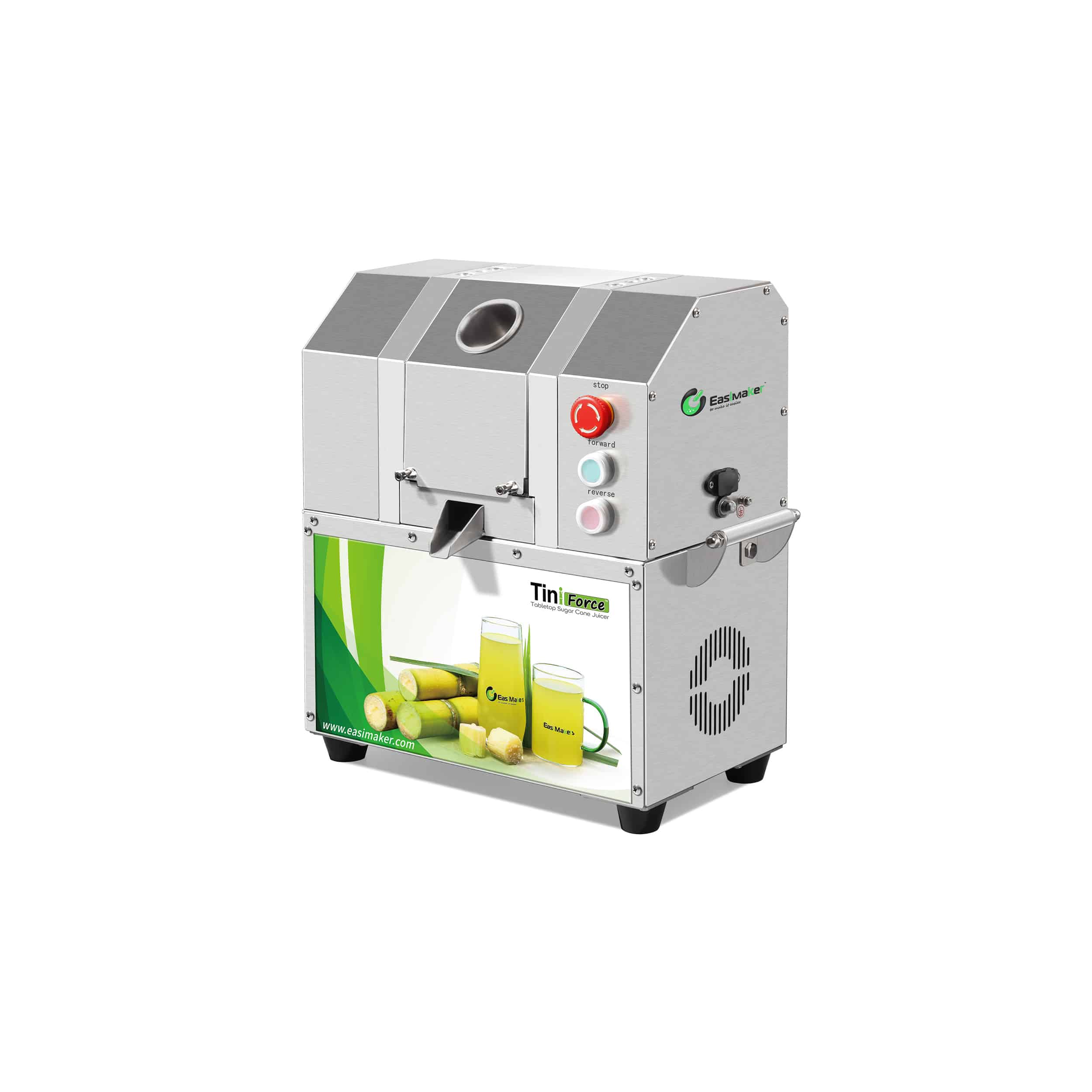
1. Why Maintenance Matters for Commercial Sugarcane Juice Machines
A commercial sugarcane juice machine is a compact piece of food-processing equipment that combines mechanical pressing, food-contact surfaces, power transmission, and electrical components in a small footprint. In busy sites, the machine may be started and stopped dozens of times per day and exposed to sugar, moisture, and fine cane fibers.
Consistent maintenance brings clear benefits:
- Longer equipment life: Proper cleaning and lubrication help reduce wear on rollers, bearings, gears, and motor components.
- Stable juice yield and quality: Clean, well-aligned rollers maintain good extraction rates and avoid off-flavors caused by residue buildup.
- Lower downtime: Early detection of abnormal noise, heat, or vibration prevents sudden failures during peak hours.
- Better hygiene: Regular cleaning supports compliance with local food safety requirements (always confirm with local authorities).
2. Key Components That Affect Durability
Understanding the main wear points helps you design a practical maintenance routine.
2.1 Rollers and Crushing Assembly
Rollers are the core of the machine; they grip and crush the cane to extract juice. In many commercial machines, rollers are made from stainless steel for corrosion resistance and food contact safety.
Key checks:
- Surface condition: Look for pitting, deep scratches, or visible deformation.
- Alignment: Misalignment can cause uneven pressing and higher load on the motor.
- Cleanliness: Fibers and dried sugar on roller surfaces can reduce grip and yield.
2.2 Bearings, Gears, and Drive System
The drive system transfers motor power to the rollers through gears, chains, or couplings. Bearings support the rotating shafts.
Watch for:
- Unusual noise: Grinding or rattling often indicates bearing or gear wear.
- Excessive play: Loose chains or worn gear teeth can lead to jerky operation.
- Lubrication condition: Old grease contaminated by sugar dust or moisture loses effectiveness.
2.3 Motor and Electrical Components
The motor, switches, and wiring are critical for safety and uptime.
- Motor temperature: Overheating can signal overloading or poor ventilation.
- Cable and plug condition: Inspect for cuts, burns, or loose connections.
- Control switches: Check that emergency stop and main switches operate smoothly.
2.4 Food-Contact Surfaces and Housing
Stainless steel housings and food-contact parts are designed for frequent cleaning. However, neglected cleaning can accelerate corrosion, create hygiene risks, and damage seals and gaskets.
3. Daily Maintenance Checklist (End-of-Shift Routine)
A structured daily routine is the simplest way to protect the machine. The following is general guidance; always follow the model-specific manual.
3.1 Pre-Cleaning Safety Steps
- Switch off the machine and disconnect it from the power supply.
- Allow hot components to cool before cleaning.
- Train staff to never reach into the roller area while the machine is powered.
3.2 Cleaning Food-Contact Areas
- Remove detachable parts (funnels, juice trays, covers) as specified by the manufacturer.
- Rinse off bulk residue with clean water.
- Wash with food-safe detergent using soft brushes; avoid abrasive pads that can scratch stainless steel.
- Rinse thoroughly to remove all detergent.
- Air-dry or wipe with clean, lint-free towels before reassembly.
3.3 Cleaning Rollers and Crushing Zone
Depending on the machine design, rollers may not be removable by the operator. In such cases:
- Use a gentle water spray as allowed by the manual, avoiding direct spraying on motor vents or control panels.
- Use a soft brush to remove attached fibers from accessible areas.
- Never use sharp tools or metal scrapers on the rollers.
For machines designed for easier access, follow manufacturer instructions for opening guards and cleaning internal surfaces.
3.4 External Surfaces and Work Area
- Wipe the outer housing with a damp cloth and mild detergent.
- Dry thoroughly to reduce water spots and potential corrosion.
- Keep the surrounding floor area clean to reduce dust and sticky residues.
4. Weekly and Monthly Maintenance Tasks
In addition to daily cleaning, schedule deeper checks at least weekly and monthly, depending on usage intensity.
4.1 Weekly Tasks
- Visual inspection: Check for loose screws, nuts, guards, or covers.
- Cable and plug check: Inspect for damage or excessive bending.
- Noise and vibration test: Run the machine empty for a short period and listen for unusual sounds.
- Roller condition: Inspect as much of the surface as is accessible for buildup or damage.
4.2 Monthly Tasks
- Lubrication: Where specified by the manufacturer, apply food-grade grease or oil to bearings or chains. Do not over-lubricate; wipe excess to avoid attracting dust and sugar.
- Fastener tightening: Check key bolts and nuts for tightness to maintain structural integrity.
- Ventilation check: Confirm that motor vents and cooling openings are dust-free and not blocked by walls or other equipment.
- Seal and gasket inspection: Check door seals, gaskets, or rubber parts for cracks or hardening and replace where required.
5. Preventive Maintenance Planning for High-Volume Sites
For busy retail or foodservice operations, preventive maintenance should be planned, not reactive.
5.1 Set Operating Hour Intervals
Instead of only using calendar intervals, track machine operating hours where possible. Maintenance at defined hour intervals (for example, every few hundred hours for deeper checks) can be more accurate than monthly or quarterly estimates.
5.2 Standardize Procedures and Training
- Create a simple, illustrated SOP for daily and weekly tasks.
- Train all relevant staff during onboarding and repeat periodically.
- Use a log sheet or digital record for maintenance activities and any issues found.
5.3 Stock Basic Spare Parts
To minimize downtime, keep a small inventory of high-turnover spare parts, such as:
- Food-contact seals and gaskets
- Switches or buttons commonly used by staff
- Fuses (if user-serviceable as per local regulations)
For other components like motors, gear sets, or rollers, coordinate with your supplier on typical lead times and recommended spare strategies for your usage level.
6. Troubleshooting Common Issues
Even with good maintenance, issues can arise. Below is general guidance; specific steps should follow each machine’s manual and local safety regulations.
6.1 Machine Does Not Start
- Confirm the power source is available and the plug is connected properly.
- Check that all safety interlocks or covers are correctly closed.
- Inspect the main switch and any visible fuses (if accessible).
- If the problem persists, stop troubleshooting at the electrical level and consult a qualified technician or your supplier.
6.2 Low Juice Yield or Poor Extraction
- Inspect rollers for residue buildup; perform a thorough cleaning.
- Verify that you are using cane of appropriate size and quality for the machine.
- Listen for slipping sounds that might indicate loose chains or worn gears.
- If yield issues continue, request a technical inspection to check alignment or roller wear.
6.3 Excessive Noise or Vibration
- Stop the machine immediately if noise changes suddenly.
- Check for foreign objects in the crushing area.
- Inspect mounting bolts and ensure the machine is on a stable, level surface.
- Persistent noise may indicate bearing or gear wear and should be reviewed by a technician.
6.4 Overheating or Burning Smell
- Stop operation at once and disconnect power.
- Check for blocked ventilation openings or operation in a confined, hot space.
- Confirm that the machine is not being overloaded with excessively hard or oversized cane.
- If overheating is recurrent, consult the supplier; continuing to run an overheated motor can cause permanent damage.
7. Operational Practices That Extend Machine Life
How the machine is used day-to-day has as much impact on longevity as the maintenance schedule.
7.1 Respect Capacity and Duty Cycle
- Do not exceed the recommended cane diameter or feed rate specified in the manual.
- Avoid continuous operation beyond recommended duty cycles; allow short rest periods during very long shifts when practical.
7.2 Use Proper Cane Preparation
- Remove stones, dirt, and any foreign materials from cane before feeding.
- Cut cane to recommended length where applicable; this reduces stress on the crushing mechanism.
7.3 Maintain a Clean Operating Environment
- Prevent water from pooling under or around the machine.
- Keep nearby cleaning chemicals away from electrical components.
- Ensure adequate ventilation around the machine, especially near the motor.
8. Buying Considerations Related to Maintenance and Durability
When specifying sugarcane juice machines for commercial use, maintenance and serviceability should be part of the purchasing decision.
8.1 Material and Build Quality
- Stainless steel housings and food-contact parts generally offer better corrosion resistance and cleaning performance than painted mild steel.
- Robust enclosure design and sealed seams help reduce ingress of moisture and sugar dust into the drive system.
8.2 Access for Cleaning
- Check how easily operators can access the crushing area and food-contact surfaces for cleaning.
- Consider designs with removable covers, drip trays, and guides that simplify daily hygiene routines.
8.3 Service Support and Spare Parts
- Confirm availability of key spare parts and typical lead times.
- Check whether the supplier provides maintenance guidelines, training support, or recommended service intervals.
8.4 Matching Machine Type to Application
Select a machine model that matches your daily volume and operating environment. Different retail formats (street kiosks, shopping malls, restaurants, convenience stores) can have very different patterns of use and cleaning facilities. Discuss your application with the supplier so they can advise on suitable models and maintenance expectations.
9. FAQs: Sugarcane Juice Machine Maintenance
1. How often should a commercial sugarcane juice machine be cleaned?
Most commercial operations benefit from at least one full cleaning at the end of each working day, with light rinsing or wipe-downs during the day as needed. High-volume sites may choose to clean certain parts more frequently. Always follow the machine’s specific instructions and local hygiene requirements.
2. Can I use high-pressure water to clean the machine?
High-pressure cleaning can force water into electrical components and bearings, which may damage the machine. Unless the manufacturer specifically states otherwise, use controlled water flow, soft brushes, and mild detergent, avoiding control panels, motors, and vents.
3. What kind of lubricant should be used?
For any lubrication points that are near food-contact areas, a food-grade lubricant is generally recommended. Check the machine’s manual for the exact specification and re-lubrication interval. Avoid using non-food-grade lubricants where there is any risk of contact with juice or cane.
4. When should rollers or bearings be replaced?
Replacement intervals depend on usage intensity, cleaning practices, and the operating environment. Signs that these parts may need replacement include reduced yield, unusual noise, visible wear, or frequent alignment issues. It is best to consult the supplier or a qualified technician for inspection and recommendations.
5. How can I reduce unexpected breakdowns?
Implement a basic preventive maintenance plan (daily, weekly, monthly tasks), train staff properly, and respond quickly to early warning signs such as noise changes, overheating, or visible leaks. For very busy sites, periodic professional inspection can further reduce unplanned downtime.
6. Are there special considerations for humid or outdoor environments?
In humid or semi-outdoor locations, extra attention to drying after cleaning, protecting electrical components from moisture, and controlling rust is important. Ensure the machine is placed under cover and on a stable, dry surface. Discuss your installation environment with the supplier to select a suitable model and protection measures.
10. Plan for Long-Term Reliability
Well-chosen sugarcane juice machines, combined with disciplined daily maintenance and periodic preventive care, can operate reliably for many years in commercial environments. Small, consistent actions—correct cleaning, proper operation, and early troubleshooting—have a direct impact on total cost of ownership and uptime.
If you are evaluating new machines or planning maintenance for existing equipment, the next step is to align machine selection, spare parts, and service intervals with your actual operating conditions.
Request a Quote or Sample
If you need guidance on selecting sugarcane juice machines suitable for your volume and maintenance capabilities, or you would like to discuss sampling for your project, please contact our team.
Request a quote / Get a sample and we can help you configure the right solution and maintenance plan for your application.