
The Strategic Advantage of a Farm-to-Cup Juice Supply Chain
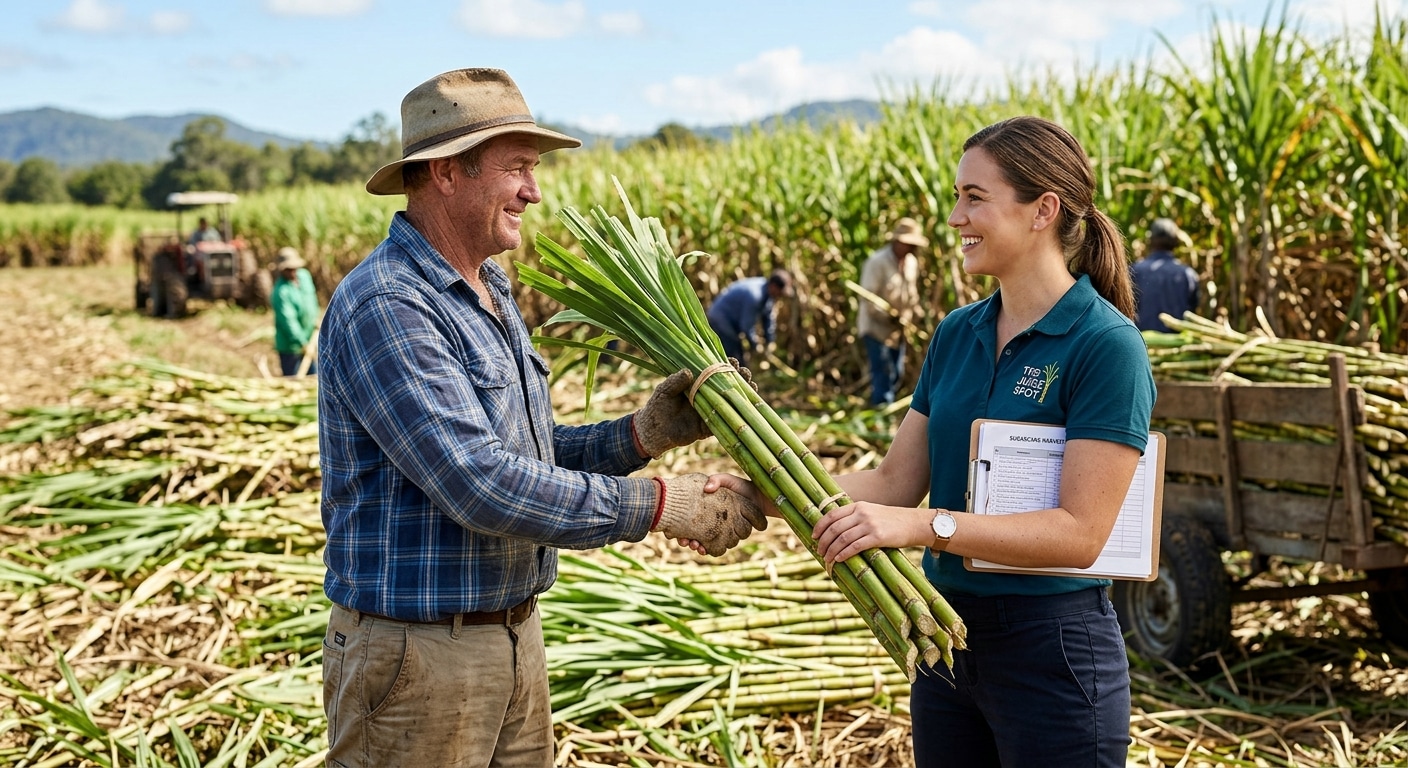
In the competitive beverage industry, consumer preferences are rapidly shifting toward transparency, sustainability, and premium quality. For juice bars, establishing a farm-to-cup supply chain is no longer just a marketing buzzword; it is a strategic operational advantage. By bypassing traditional wholesale networks and directly sourcing local sugarcane, juice bar operators can secure fresher raw materials, reduce carbon footprints, and command premium pricing.
This guide provides a comprehensive roadmap for juice bar owners, procurement managers, and operations directors looking to forge profitable local agriculture partnerships. We will explore how to identify reliable fresh cane suppliers, negotiate steady supply contracts, and optimize your operations to handle raw, locally sourced sugarcane.
Evaluating the Sourcing Model: Direct Farm vs. Wholesale Distributor
Before transitioning your juice bar supply chain, it is critical to understand the operational trade-offs between direct farm partnerships and traditional wholesale distributors.
| Factor | Direct Local Farmer (Farm-to-Cup) | Wholesale Distributor |
|---|---|---|
| Freshness & Yield | Maximum freshness; higher juice yield due to minimal moisture loss during transit. | Variable; stalks may sit in warehouses, reducing water content and overall yield. |
| Cost per Unit | Often lower base cost, but requires direct negotiation and potential minimum order commitments. | Higher markup, but offers flexibility with smaller, on-demand orders. |
| Marketing Value | High. Allows for “locally sourced” branding, storytelling, and premium menu positioning. | Low. Generic commodity sourcing provides little to no brand differentiation. |
| Logistics | Requires coordinating direct pickups or negotiating local delivery schedules. | Streamlined; integrated into existing broadline food service deliveries. |
Identifying and Vetting a Fresh Cane Supplier
Not all sugarcane is cultivated equally. When vetting local agriculture partnerships, procurement teams must evaluate potential suppliers based on agricultural practices, crop varieties, and operational reliability.
1. Sugarcane Varieties and Brix Levels
The sweetness and flavor profile of sugarcane juice depend heavily on the variety grown and the soil conditions. Discuss target Brix levels (a measure of sugar content) with potential farmers. High-quality commercial sugarcane typically ranges between 15 and 20 Brix. Request samples across different harvest windows to ensure consistency.
2. Agricultural Practices
Consumers increasingly demand organic or sustainably farmed products. Clarify the farmer’s use of pesticides, herbicides, and fertilizers. Even if a farm lacks an official organic certification (which can be cost-prohibitive for small operations), transparent, chemical-free farming practices can be a powerful marketing tool for your juice bar.
3. Harvest Capacity and Seasonality
Sugarcane is a seasonal crop, though in tropical and subtropical climates, harvesting can occur year-round. Assess the farm’s total acreage and harvesting schedule. Ensure their yield capacity aligns with your projected weekly volume requirements to prevent stockouts during peak seasons.
Negotiating Steady Supply Contracts
A successful farm-to-cup juice operation relies on predictable inventory. Negotiating a robust supply contract protects both the juice bar and the farmer. Focus on the following key parameters:
- Volume Commitments (MOQ): Establish realistic Minimum Order Quantities. Farmers need guaranteed revenue to justify reserving crops, while juice bars need to avoid over-ordering highly perishable raw materials.
- Delivery Frequency: Once harvested, sugarcane begins to lose moisture and ferment. Negotiate staggered, high-frequency deliveries (e.g., twice weekly) rather than large, infrequent bulk drops.
- Quality Specifications: Define acceptable parameters for stalk diameter, length, and visual condition. Specify rejection criteria for stalks that are split, overly dry, or showing signs of rot.
- Pricing Structures: Consider implementing a tiered pricing model based on volume, or a fixed seasonal rate that protects your margins against sudden market fluctuations.
Operational Integration: Handling and Extraction
Sourcing premium local sugarcane is only half the equation; your back-of-house operations must be equipped to handle it efficiently.
Raw Material Storage
Fresh sugarcane should be stored in a cool, dry, and well-ventilated area. If refrigeration is available, keeping the stalks at around 4°C to 7°C (39°F to 45°F) can significantly extend their shelf life and preserve the Brix levels by slowing down the natural fermentation process.
Optimizing Extraction with Commercial Equipment
To maximize the return on investment from locally sourced cane, juice bars must utilize high-efficiency extraction technology. Manual crushers are entirely inadequate for commercial volumes, leading to massive yield losses and high labor costs.
Operations should invest in heavy-duty, electric sugarcane juicers designed for commercial environments. These machines offer multi-roller systems that extract up to 80-90% of the juice in a single pass. When selecting equipment, prioritize food-grade stainless steel construction, easy-to-clean components (to maintain strict hygiene standards), and robust electric motors capable of continuous operation during peak hours. Efficient electric processing ensures that the premium local cane you source translates directly into maximum liquid yield and profit.
Frequently Asked Questions (FAQs)
How long does fresh sugarcane last after harvest?
Uncut sugarcane can last up to two weeks if stored in a cool, shaded environment. Once cut or peeled, it degrades rapidly and should be processed within 3 to 5 days under refrigeration to prevent fermentation.
Can I freeze sugarcane stalks to extend shelf life?
Freezing whole stalks is not recommended as it alters the cellular structure, making extraction difficult and negatively impacting the flavor and texture of the resulting juice.
How do I market locally sourced sugarcane to my customers?
Highlight the farm’s name and location on your menu and digital signage. Use visual storytelling on social media showing the journey from the local farm to the cup. Transparency builds trust and justifies premium pricing.
What is the typical yield of juice from a kilogram of sugarcane?
Yield depends heavily on the cane variety, freshness, and the efficiency of your electric extractor. Typically, high-quality cane processed through a commercial electric juicer yields between 60% and 75% juice by weight.
Do I need special permits to buy directly from farmers?
Requirements vary by jurisdiction. Generally, you must ensure the farm complies with local agricultural and food safety standards. Always consult with your local health department regarding raw agricultural commodity sourcing.
Ready to Optimize Your Juice Bar Operations?
Building a farm-to-cup supply chain is a powerful way to elevate your brand, support local agriculture, and deliver a superior product. To fully capitalize on fresh ingredients, your extraction equipment must meet commercial demands. Ensure your setup is ready for high-volume, efficient processing.
Request a quote / Get a sample today to learn more about integrating professional extraction solutions into your business.