
The Importance of Advanced Filtration in Commercial Sugarcane Juicing
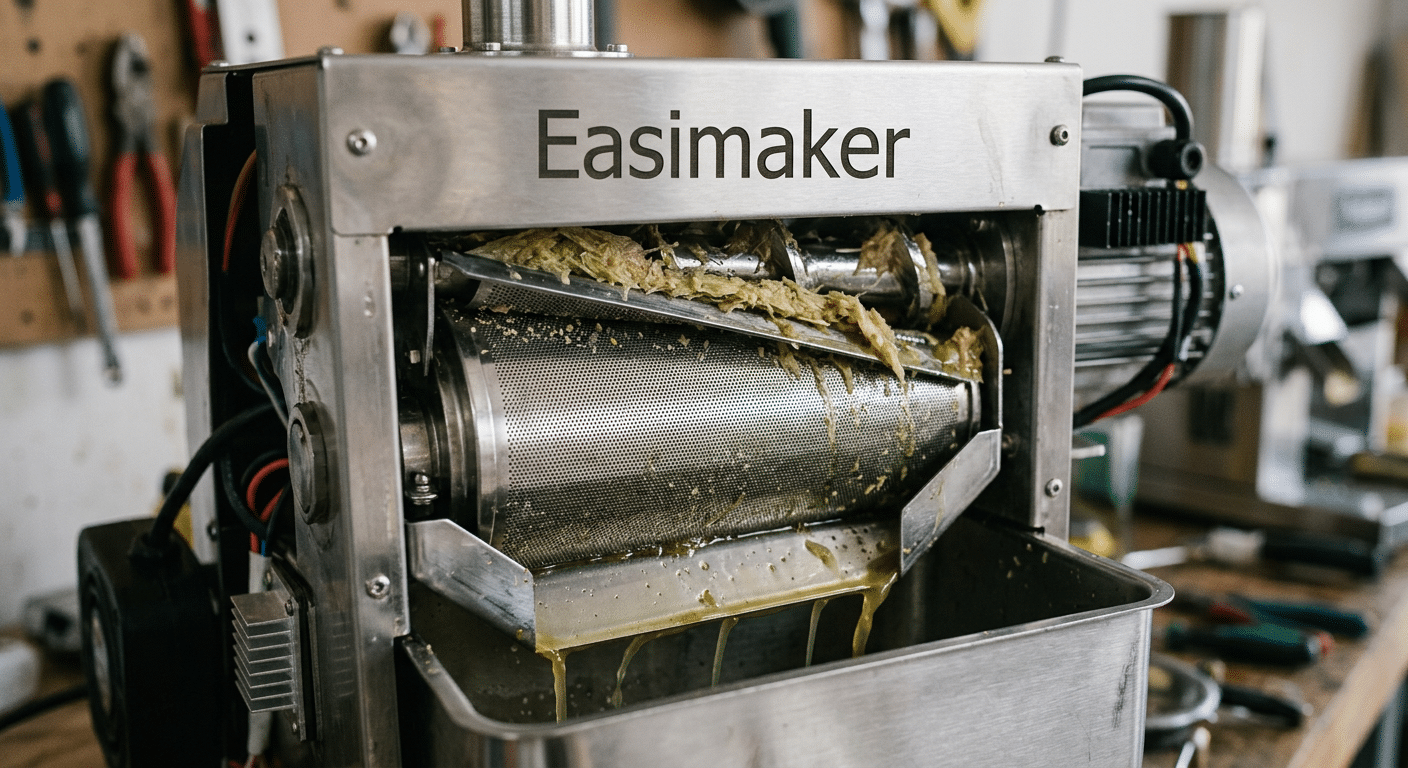
For commercial beverage operators, the quality of sugarcane juice is directly tied to the efficiency of the extraction and filtration process. Raw sugarcane contains dense, fibrous materials that, if not properly separated, result in a cloudy, gritty beverage. A high-quality sugarcane juicer filtration system is critical for producing the smooth, sediment-free juice that commands premium pricing in today’s health-conscious beverage market.
This guide explores the mechanics of built-in filtration systems in electric commercial juicers, detailing how they prevent pulp buildup, reduce maintenance downtime, and help operators deliver a superior product.
Mechanics of Built-In Filtration Systems
Modern electric sugarcane juicers rely on integrated, multi-stage filtration to process high volumes of cane continuously. Unlike manual strainers that require constant operator intervention, engineered built-in systems manage the flow of juice and the expulsion of bagasse (crushed cane fiber) simultaneously.
Primary Coarse Separation
The first stage of filtration occurs immediately after the crushing rollers. As the electric motor drives the rollers to extract the liquid, a coarse stainless steel grate or primary screen catches the large fibers and bulk bagasse. This stage is designed for high-volume throughput, ensuring that the primary juice flow is not obstructed by massive structural fibers.
Secondary Micro-Filtration (Juice Strainer System)
The secondary stage utilizes a fine mesh juice strainer system to capture micro-pulp and fine sediment. Typically constructed from food-grade Stainless Steel 304 or 316, these screens feature precisely engineered perforations—often ranging from 100 to 200 microns. The juice passes through this micro-mesh via gravity or centrifugal force, leaving the fine particulate behind.
How Modern Systems Prevent Pulp Buildup
One of the most significant operational challenges in commercial juicing is pulp buildup. When screens clog, the extraction rate plummets, juice backs up into the crushing chamber, and operators are forced to halt production to clean the machine.
Advanced commercial juicers mitigate this issue through several mechanical design choices:
- Angled Screen Geometry: Rather than sitting flat, the filtration screens are often installed at a calculated downward angle. This allows gravity to assist in pulling the heavy, wet pulp away from the primary filtration pores, directing it toward a designated waste chute.
- Continuous Flow Dynamics: The continuous flow of juice generated by powerful electric motors creates a natural washing effect over the screen, preventing fine fibers from settling and embedding into the mesh.
- Vibration and Agitation: Some high-capacity units utilize the natural vibration of the electric motor to keep the pulp moving across the screen, effectively acting as a passive self-cleaning mechanism.
The Business Case for Sediment-Free Juice
Investing in a machine with an exceptional filtration system directly impacts the bottom line. Buyers evaluating commercial juicers should consider the following economic benefits of producing clear sugarcane juice:
1. Premium Pricing and Brand Perception
Consumers associate clear, brightly colored juice with purity and quality. Sediment-heavy juice oxidizes faster, turning an unappealing brown color. By utilizing a machine that delivers a pristine, sediment-free product, operators can position their beverages as premium, artisanal offerings, justifying higher retail price points.
2. Extended Shelf Life
Pulp and sediment contain enzymes that accelerate oxidation and fermentation. By removing these particulates through effective micro-filtration, the raw juice maintains its flavor profile and visual appeal for a longer period, reducing spoilage and waste for distributors and bottlers.
3. Operational Efficiency
Machines that manage pulp effectively require fewer mid-shift cleaning stops. This continuous operation maximizes hourly yield, allowing high-traffic venues to serve customers faster without bottlenecks.
Buying Guide: Choosing the Right Filtration System
When sourcing electric commercial sugarcane juicers, procurement teams and operations managers should evaluate the following technical specifications regarding the filtration components:
Material Specifications
Ensure that all commercial juicer parts in contact with the juice, especially the filters, are made from SS304 or SS316 stainless steel. These alloys resist the natural acidity of the juice, prevent rust, and comply with international food safety standards.
Ease of Disassembly
Time is money in commercial environments. Look for systems that feature tool-less disassembly for the filtration unit. Screens should slide or unclip easily for end-of-day sanitation. Complex internal filters that require wrenches to remove will inevitably lead to poor maintenance compliance by staff.
Replacement Part Availability
Filtration screens are wear-and-tear items. Even the most robust stainless steel mesh will eventually suffer from metal fatigue or accidental damage. Partner with manufacturers who offer standardized, easily accessible replacement parts to ensure minimal downtime.
Machine Maintenance Best Practices for Filtration Systems
To maximize the lifespan of your juicer’s filtration system and maintain optimal juice clarity, implement a strict machine maintenance protocol:
- Immediate Rinsing: Never allow sugarcane pulp to dry on the stainless steel mesh. Sugarcane sugars act like an adhesive when dry, making the fibers incredibly difficult to remove and potentially damaging the fine mesh during scrubbing.
- Use the Right Brushes: Clean the screens using soft-bristled nylon brushes. Avoid wire brushes or abrasive scouring pads, which can warp the micro-perforations and degrade the filtration efficiency.
- Regular Inspection: Inspect the mesh weekly under a bright light for micro-tears or clogs. A compromised screen will allow sediment to pass through, instantly lowering the quality of the final product.
Frequently Asked Questions (FAQs)
What is the ideal mesh size for a commercial sugarcane juicer?
For most commercial applications aiming for a smooth, drinkable texture without sacrificing flow rate, a mesh size between 100 and 150 microns is ideal. This captures coarse and fine fibers while allowing the natural viscosity of the juice to pass through efficiently.
Why is my sugarcane juice coming out cloudy?
Cloudy juice is typically a sign of a compromised or incorrectly installed filtration screen. It can also occur if the screen is clogged, forcing the juice to bypass the primary filter. Check the screen for damage and ensure it is thoroughly cleaned.
How often should I replace the filtration screen?
In a high-volume commercial setting, screens should be inspected weekly. Depending on the throughput and cleaning practices, a high-quality stainless steel screen typically lasts between 6 to 12 months before requiring replacement.
Can I upgrade the filtration system on my current electric juicer?
This depends on the manufacturer. Some brands offer interchangeable screens with different micron ratings, allowing operators to customize the clarity of their juice. Always consult your equipment supplier for compatible commercial juicer parts.
Does the filtration system affect the juice yield?
A well-designed filtration system should not negatively impact yield. It simply separates the liquid from the solid waste. However, a heavily clogged filter will cause juice to be expelled along with the bagasse, resulting in significant yield loss.
Optimize Your Beverage Operations Today
Delivering a premium, sediment-free product starts with the right equipment. Upgrading to an electric commercial juicer with an advanced, self-clearing filtration system will enhance your product quality, reduce maintenance labor, and increase your operational profitability.
Ready to see the difference high-quality filtration can make in your production line? Request a quote / Get a sample today to explore our range of precision-engineered commercial sugarcane juicers designed for maximum yield and unparalleled juice clarity.