Sugarcane Juice Bar Equipment Checklist for New Operators

Table of Contents

A new sugarcane juice bar needs more than a commercial juicer. Operators should plan the full workflow, including cane preparation, extraction, collection, refrigeration, sanitation, waste handling, utilities, customer service, and maintenance. This sugarcane juice bar equipment checklist covers the essential equipment categories and the practical questions to answer before opening.

Define the Bar Workflow Before Buying Equipment
Sugarcane juice bar workflow from cane preparation to customer service

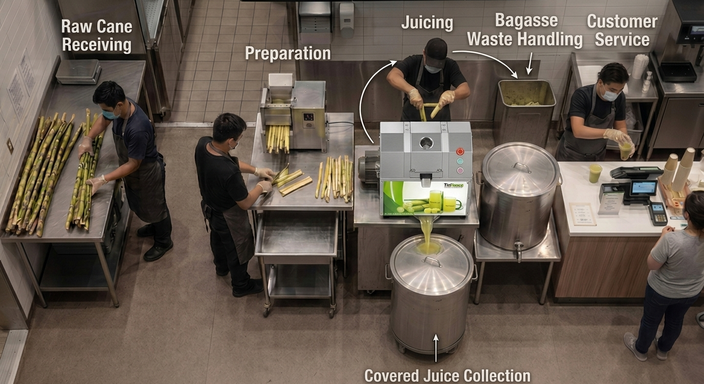
The right sugarcane juice bar equipment checklist starts with the operating workflow. Map the movement of cane from delivery and storage through washing, trimming, crushing, juice collection, serving, cleaning, and waste removal. Equipment should support this sequence without creating cross-contamination risks, unnecessary lifting, or congestion behind the counter.

Before requesting quotations, record the expected service pattern. Consider the number of drinks served during busy periods, the number of operators working at the same time, whether juice is made to order or prepared in batches, and how much space is available. These details affect the required juicer format, preparation area, refrigeration, storage, and cleaning setup.

Also check local requirements for food premises, electrical installation, drainage, water supply, staff hygiene, and waste disposal. Requirements differ by market, so confirm them with the relevant local authority or facility manager rather than relying on a general equipment list.

  • Define the service volume and peak operating period.
  • Measure the available counter, under-counter, and storage space.
  • Confirm the local power supply and plug configuration.
  • Plan separate areas for raw cane, finished juice, cleaning supplies, and waste.
  • Assign responsibility for opening checks, cleaning, and routine maintenance.

Core Sugarcane Juicing Equipment
Commercial sugarcane juice machine on a food-service counter

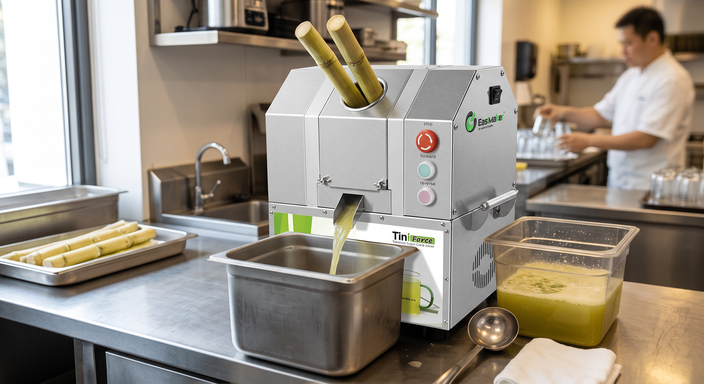
The central item is a commercial sugarcane juice machine designed for repeated operation. It should be selected for the cane format, service pattern, workspace, power supply, cleaning process, and available technical support. A machine that is suitable for a small counter may not be appropriate for a higher-volume location, while an unnecessarily large machine can consume valuable space and complicate installation.

When evaluating a juicer, ask the supplier for the information needed to compare models accurately:

  • Machine dimensions, weight, and required clearance for operation and cleaning.
  • Electrical input, frequency, plug requirements, and any installation conditions.
  • Recommended cane size and preparation requirements.
  • How the extraction components are removed, washed, and reinstalled.
  • Materials used in product-contact areas and the method for inspecting them.
  • Availability of spare parts, operating instructions, troubleshooting support, and service assistance.
  • Noise, vibration, drainage, and splash-control considerations for the proposed location.

Do not compare machines only by a headline capacity figure. Actual service performance depends on cane preparation, operator speed, feeding method, interruptions for cleaning, and the volume of juice required at different times of day. Ask for operating guidance that matches your intended market and product format.

Cane Preparation and Handling Tools
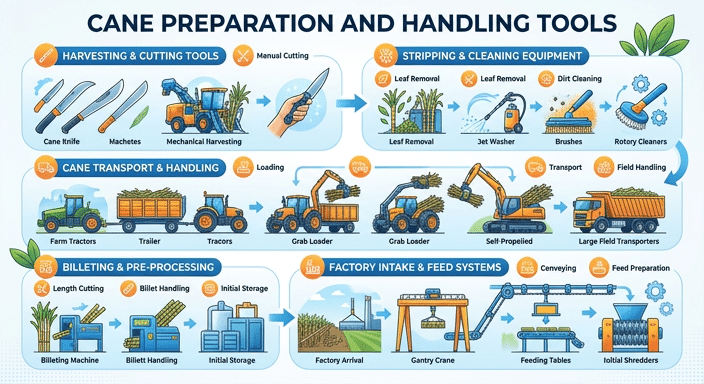
Cane Preparation and Handling Tools

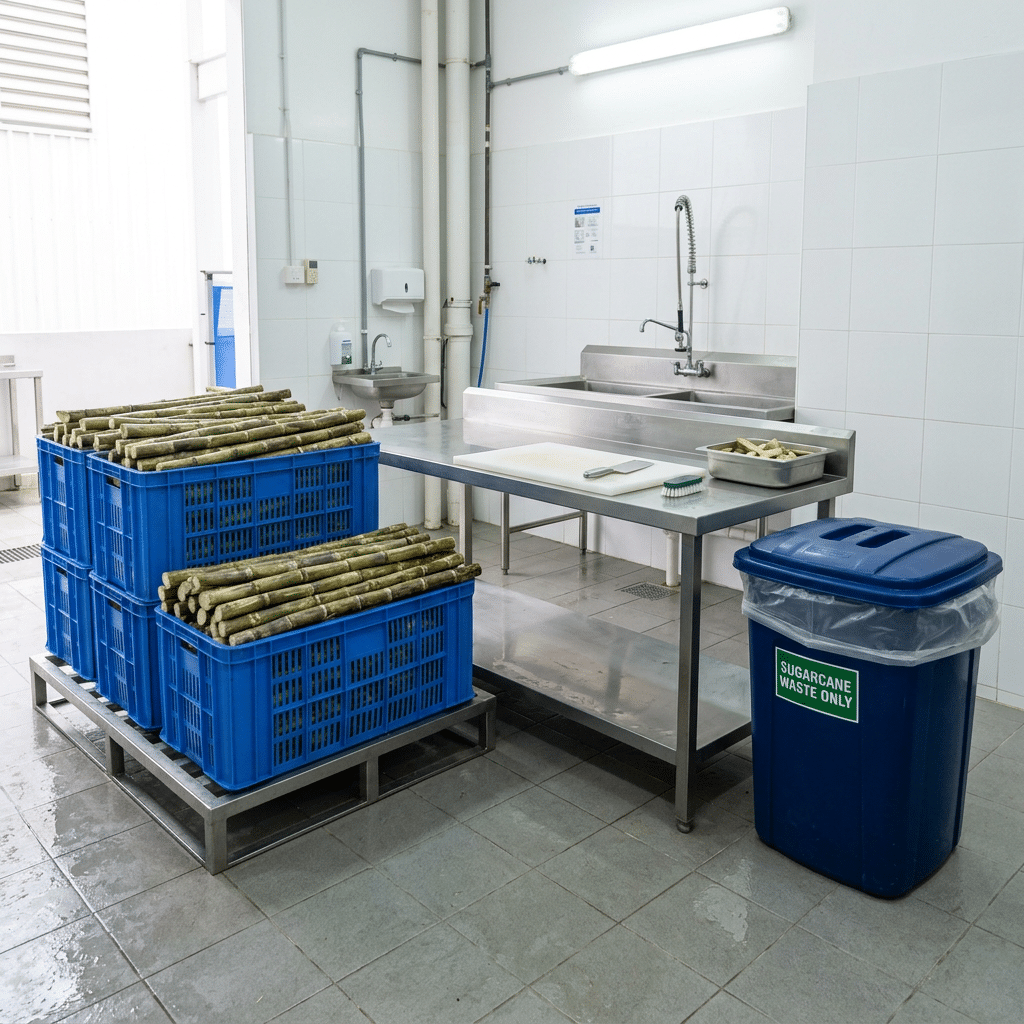
Sugarcane arrives as a raw agricultural product, so the preparation area is an important part of the equipment plan. The exact tools depend on how the cane is supplied and what the selected juicer requires. The goal is to create a controlled process for receiving, inspecting, washing, trimming, and transferring cane to the machine.

Recommended preparation items

  • A food-safe receiving rack, bin, or trolley that keeps cane off the floor.
  • Washable crates or containers for moving prepared cane to the juicing station.
  • A sturdy, cleanable preparation table with enough room for safe handling.
  • Suitable knives, peelers, or cutting tools where trimming is required.
  • A food-safe cutting board or preparation surface that can be cleaned and replaced when worn.
  • A sink or washing station suitable for the site’s approved cleaning process.
  • Labels or containers that distinguish unwashed cane from prepared cane.
  • Protective equipment required by the local risk assessment, such as cut-resistant gloves for suitable preparation tasks.

Keep raw cane storage away from finished cups, lids, straws, and other ready-to-serve items. Avoid storing cane directly on the floor or in a way that blocks access to drains, electrical controls, or emergency routes. Where knives or powered cutters are used, document the handling procedure and train staff before opening.

Juice Collection, Storage, and Service Equipment
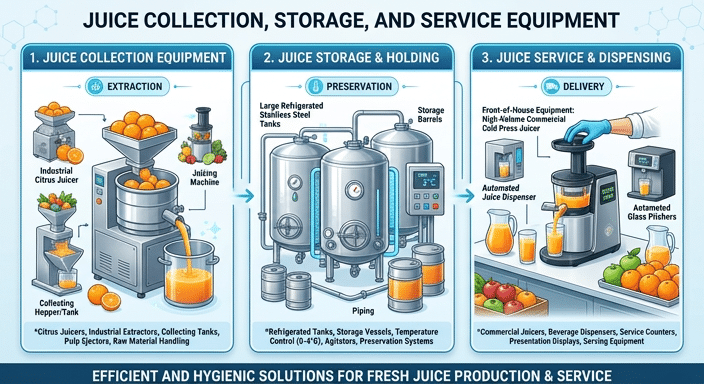
Juice Collection, Storage, and Service Equipment

Juice collection and service equipment should make the handoff from machine to customer clean, consistent, and easy to monitor. The collection container must be compatible with the machine outlet and large enough for the planned serving process without encouraging unnecessary holding time.

  • Food-safe collection containers with smooth, cleanable surfaces.
  • A strainer or filtration component only where it is part of the recipe and approved operating method.
  • Commercial refrigeration or an appropriately sized chilled holding unit when the business requires temporary cold storage.
  • Food-safe cups, lids, straws, stirrers, and serving trays in the required sizes.
  • A dedicated counter area for finished drinks that is separate from raw cane handling.
  • Labels or order controls for drinks with different recipes or service instructions.
  • A thermometer and temperature-recording process where chilled storage or local food rules require them.

Decide whether the bar will serve juice immediately, hold it for a short period, or prepare packaged drinks. Each model affects the required refrigeration, containers, labelling, cleaning frequency, and stock rotation. Follow applicable local food-handling requirements for time and temperature control, and verify the equipment’s operating instructions before placing it into service.

Hygiene and Sanitation Equipment
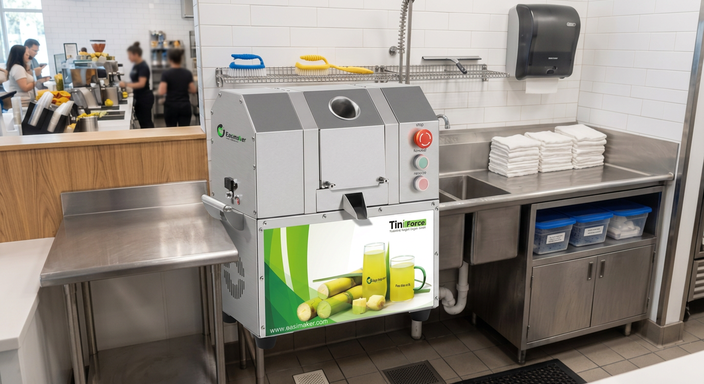
Cleaning and sanitation station beside a commercial sugarcane juicer

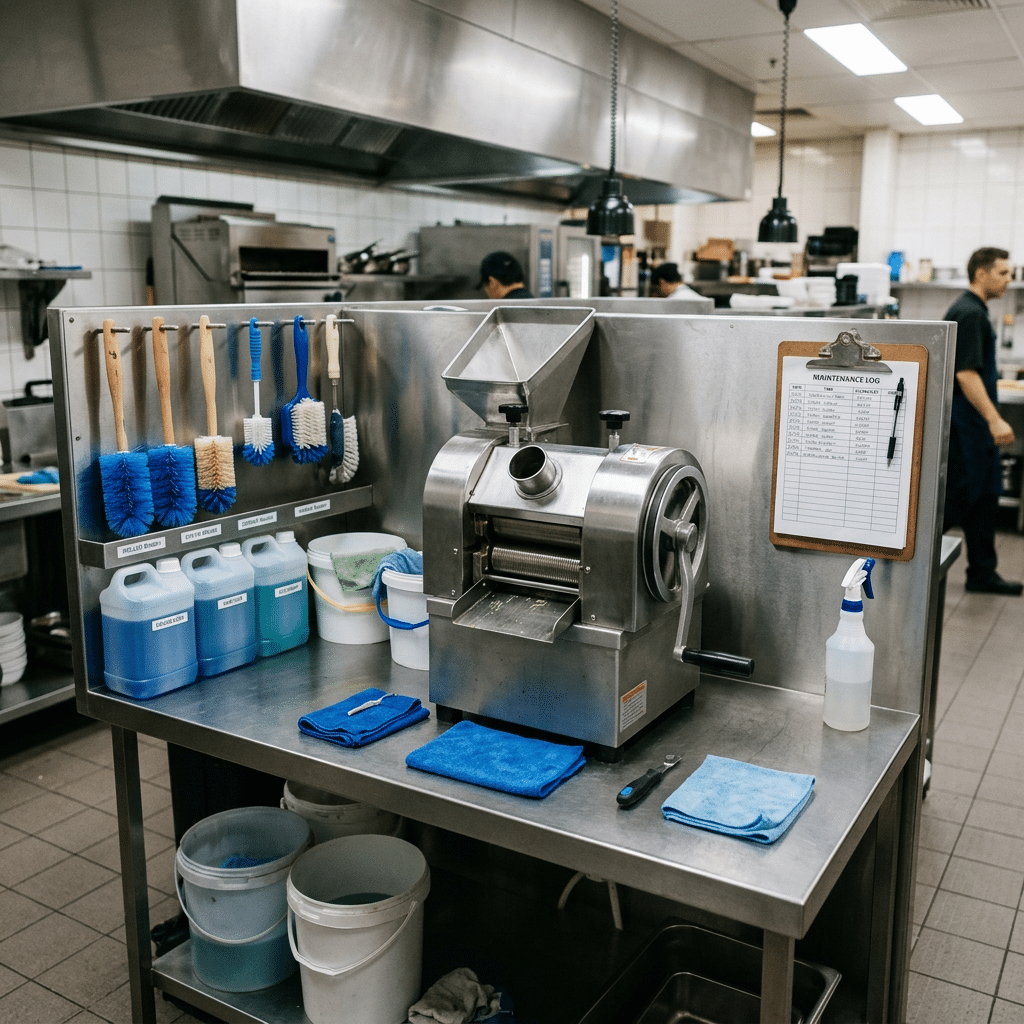
A commercial juice bar needs a sanitation setup that is practical during service and thorough after closing. The machine area should be designed so operators can remove product residues, wash accessible parts, sanitise approved food-contact surfaces, and allow components to dry before reassembly or storage.

  • Handwashing facilities with soap, a suitable drying method, and clear access for staff.
  • Separate cleaning containers or sinks for equipment and general premises cleaning where required.
  • Food-safe detergents and approved sanitising products used according to their labels and local rules.
  • Colour-coded or otherwise controlled brushes, cloths, and cleaning tools.
  • Drain-safe waste containers and a method for removing pulp and cane fibre from the work area.
  • Disposable gloves or other protective items when required by the site’s hygiene procedure.
  • Covered storage for clean, dry machine components and service utensils.
  • A written cleaning checklist showing what is cleaned after each service period and at closing.

Cleaning tools are part of the operating equipment, not an afterthought. Staff should know which components may be removed, which areas must remain dry, which chemicals are suitable, and how to check that the machine is fully reassembled before use. Do not use a cleaning method that conflicts with the machine manual or local food-safety requirements.

Utilities, Countertop Space, and Layout
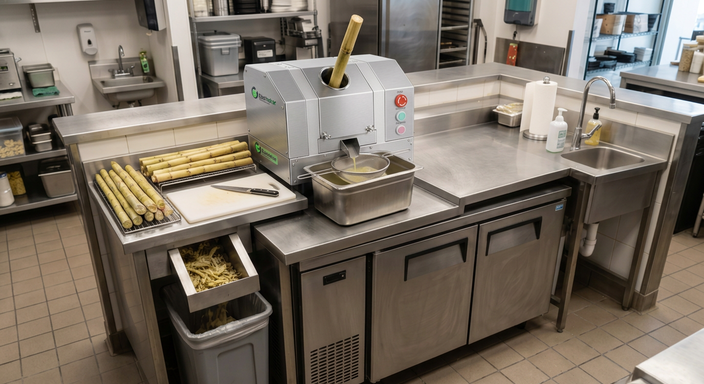
Compact sugarcane juice bar layout with juicer and preparation areas

Many equipment problems begin with an unsuitable installation area. Measure the complete footprint of the machine, including space for feeding cane, collecting juice, opening access panels, removing washable components, and standing safely during operation. The measured footprint should include practical working clearance, not only the dimensions printed on a quotation.

Confirm the following before delivery:

  • Electrical voltage, frequency, socket type, circuit capacity, and grounding requirements.
  • Water access, drainage, and splash control for the proposed cleaning process.
  • Counter strength and stability for the machine’s operating weight.
  • Ventilation and ambient conditions required by the equipment supplier.
  • Clear access for delivery, installation, maintenance, and eventual replacement.
  • Protection from direct exposure to rain, excessive moisture, dust, and nearby heat sources where relevant.

Keep the workflow linear where possible: raw cane receiving, preparation, juicing, finished drink service, and waste removal. A compact bar can still be efficient if tools have assigned locations and operators do not need to cross the clean service area while carrying raw materials or waste.

Waste Handling and Maintenance Planning
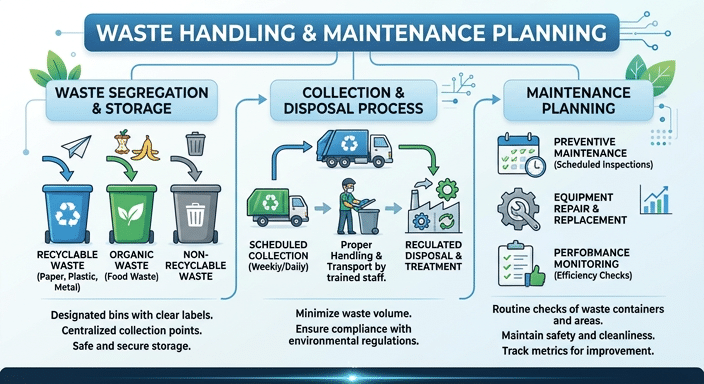
Waste Handling and Maintenance Planning

Cane fibre and other organic waste can accumulate quickly around a juicing station. Provide a covered, washable waste bin with a capacity that matches the collection schedule. The bin should be easy to move, easy to clean, and positioned so staff can remove waste without carrying it through the finished-drink service area.

Maintenance planning should begin before the machine arrives. Keep the operating manual, parts list, supplier contact details, installation record, and warranty information in one accessible location. Identify wear parts and routine inspection points, but replace components according to the supplier’s instructions and observed condition rather than an invented schedule.

Useful maintenance records include:

  • Daily cleaning and end-of-shift checks.
  • Inspection of guards, fasteners, outlets, seals, cables, and accessible product-contact parts.
  • Notes about unusual noise, vibration, leakage, jamming, or changes in operation.
  • Replacement dates for approved wear parts and cleaning tools.
  • Service visits, troubleshooting steps, and parts ordered.
  • Staff training records for operation, cleaning, and basic fault reporting.

Stop using equipment when a fault creates a safety, hygiene, or product-quality concern. Isolate the machine according to the manual and contact qualified service support when the issue cannot be resolved through the approved operating procedure.

Final Pre-Opening Checklist
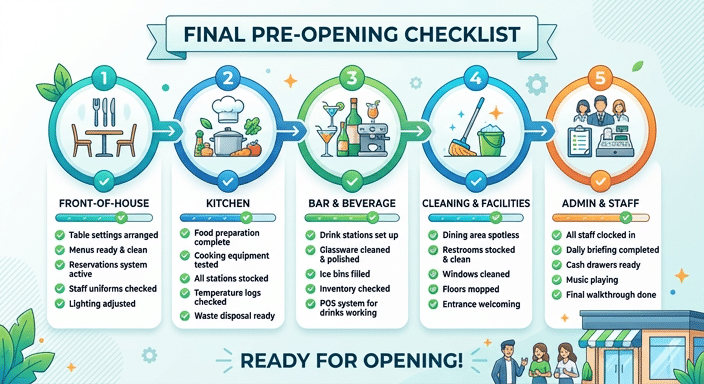
Final Pre-Opening Checklist

Use the following checklist during installation, staff training, and the first test service. Tick each item only after it has been verified at the actual site.

  • The juicer matches the planned service volume, cane preparation method, and workspace.
  • Electrical and installation requirements have been checked by the appropriate person.
  • The machine is stable, accessible for cleaning, and protected from unsuitable environmental conditions.
  • Raw cane receiving and prepared-cane storage areas are ready.
  • Preparation tools are clean, safe, and stored correctly.
  • Juice collection containers and service packaging are available.
  • Refrigeration and temperature controls are ready where required.
  • Handwashing and equipment-cleaning facilities are operational.
  • Cleaning chemicals, brushes, cloths, and drying storage are available.
  • Waste bins and the waste removal process are ready.
  • Staff have practised feeding, stopping, cleaning, and reporting faults.
  • Manuals, spare-parts information, supplier contacts, and warranty documents are accessible.
  • A test run has confirmed the workflow from cane delivery to customer service and end-of-day cleaning.

The checklist should be reviewed after the first week of operation. New operators often discover that the most important adjustments are practical ones, such as relocating a bin, adding a second collection container, changing the position of cleaning tools, or increasing storage for prepared cane and service packaging.
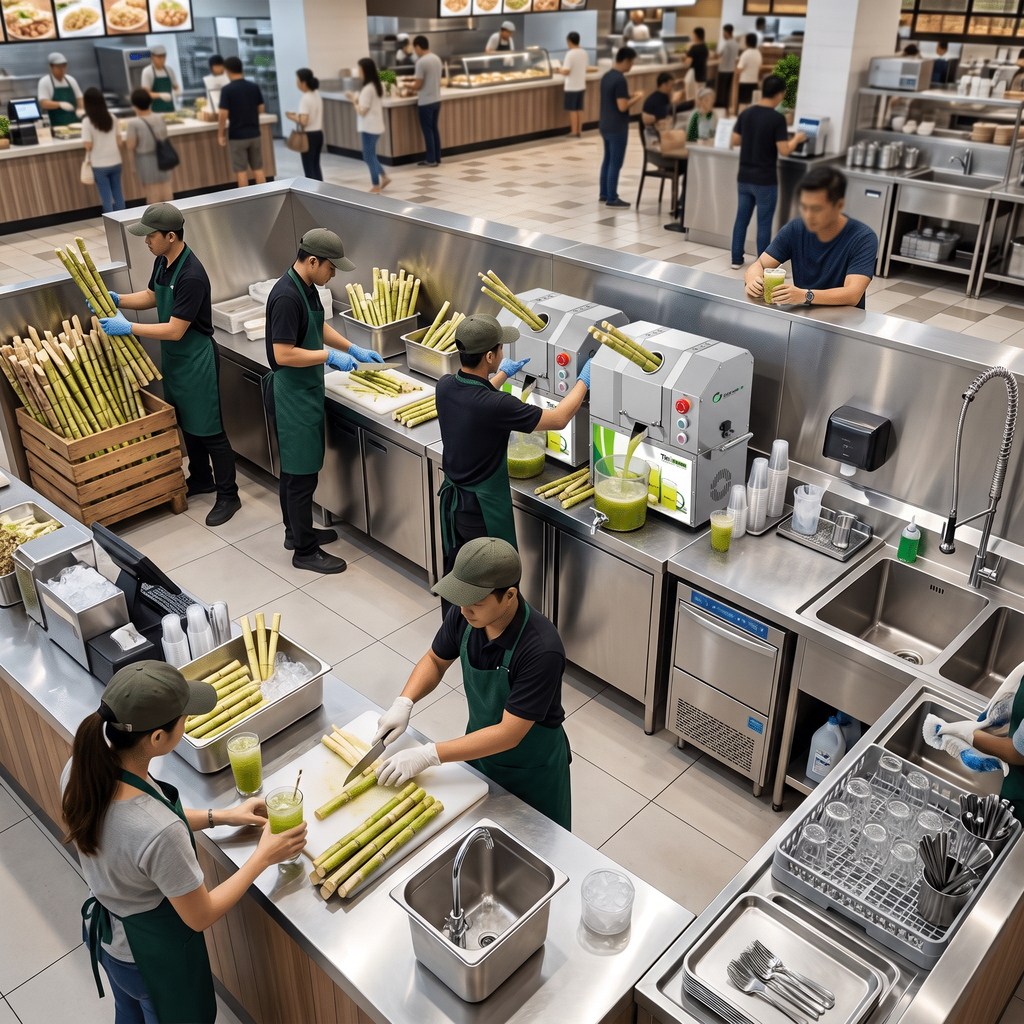
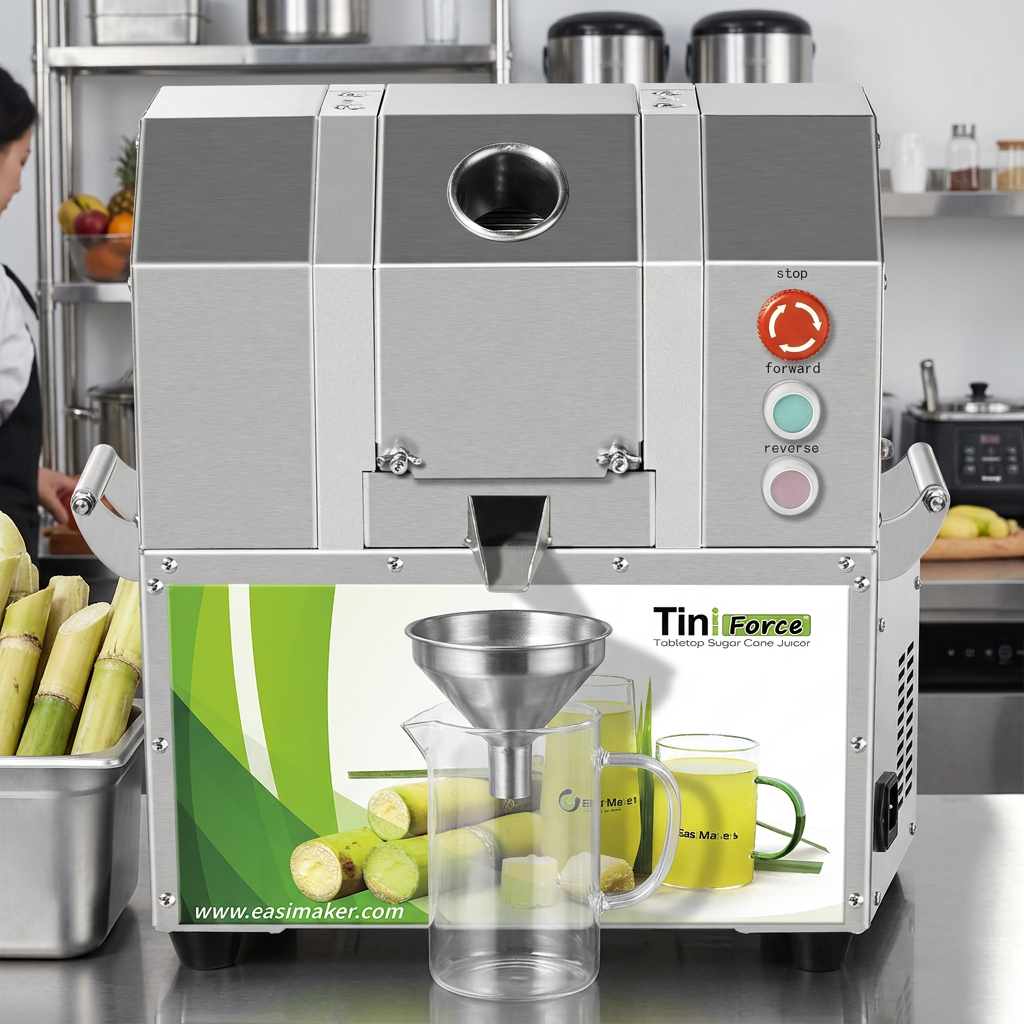
Sugarcane Juice Bar Equipment Checklist for a New Shop

Table of Contents

A new sugarcane juice bar needs more than a commercial cane juicer. This checklist covers the equipment, work zones, hygiene tools, utilities, service supplies, and maintenance provisions needed to build a practical daily operation.

The essential equipment for a new sugarcane juice bar

Sugarcane juice bar workstation organised into preparation, extraction, and service zones

A practical sugarcane juice bar equipment plan starts with a commercial sugarcane juicer, then builds around safe cane preparation, washable work surfaces, cold storage, cleaning tools, packaging, and a layout that lets staff move from receiving to serving without crossing clean and dirty tasks.

For a new shop, do not select equipment only by its purchase price or countertop appearance. The right setup must match your expected order flow, cane dimensions, available floor or counter space, electrical supply, local food-service rules, staff skill level, and cleaning routine. It should also allow room for cane handling, waste collection, handwashing, and stock replenishment during busy periods.

The checklist below separates must-have equipment from items that depend on your menu and service model. Confirm local requirements with the relevant food-safety and building authorities before finalising your layout, drainage, electrical work, or storage plan.

Complete sugarcane juice bar equipment checklist

Use this list as a planning framework. The final quantities and equipment specifications should be based on your menu, operating hours, local regulations, and forecast demand.

Core extraction and preparation

  • Commercial sugarcane juicer suited to the intended duty cycle.
  • Food-safe receiving tubs, crates, or racks for whole sugarcane.
  • Dedicated preparation bench with a cleanable, food-contact surface.
  • Suitable cane trimming or cutting tools where stalk length or condition requires preparation.
  • Food-safe containers for washed and prepared cane.
  • Collection bin or container for bagasse and other solid waste.

Hygiene and cold storage

  • Handwashing point and hand hygiene supplies, as required by local rules.
  • Wash basin or sink arrangement appropriate for produce and utensil washing.
  • Refrigerated storage for perishable ingredients, garnishes, and prepared items when used.
  • Food-safe, lidded containers and date-label supplies.
  • Cleaning brushes, approved cleaning products, sanitising supplies, and disposable towels or clean reusable cloths.

Service and administration

  • Serving cups, lids, straws or alternative drink accessories, and cup storage.
  • Ice handling tools if ice is part of the menu.
  • Point-of-sale device, receipt capability where needed, and a protected area for payment equipment.
  • Menu display, order labels, and storage for dry consumables.
  • Basic first-aid provision and staff personal protective equipment appropriate to the site.

Also allow for tables, shelving, task lighting, waste segregation, and enough free counter space to prevent finished drinks from being placed beside unwashed cane or cleaning chemicals.

Choose the commercial sugarcane juicer first

Commercial sugarcane juicer with room for safe feeding, juice collection, and bagasse handling

The juicer is the centre of the production line, so choose it before fixing the counter design or purchasing supporting equipment. A commercial sugarcane juicer is equipment designed for repeated food-service operation rather than occasional household use. Its suitability still depends on the actual machine configuration, operator practices, cane condition, and service environment.

Before requesting a quotation or approving a model, define the following:

  • Expected workflow: Estimate the number of orders likely to arrive during peak service, rather than relying only on average daily sales.
  • Cane profile: Record typical stalk length, thickness, freshness, and source. These factors affect preparation needs and smooth feeding.
  • Installation space: Check the machine footprint, access around the feeding and collection areas, and room to clean safely.
  • Power supply: Confirm the voltage, frequency, plug arrangement, and circuit requirements available at the site before ordering.
  • Operator access: Ensure staff can feed cane, collect juice, remove waste, and reach cleaning areas without unsafe reaching or crowding.
  • Service support: Ask about operating instructions, cleaning guidance, wear parts, technical support, and the process for obtaining replacement parts.

A low initial price can create higher operating difficulty if the machine is not suited to your workload or if its installation is poorly planned. Include delivery, commissioning, site preparation, consumables, maintenance, and contingency stock in the investment review.

Cane receiving, storage, and preparation equipment

Food-safe sugarcane receiving and preparation area with storage crates and preparation bench

Good extraction begins with orderly cane handling. Your shop needs a defined route for receiving whole stalks, inspecting them, storing them off the floor, washing or trimming them as required by your process, and moving prepared cane to the juicer. Separating these steps helps reduce clutter around the extraction station.

Choose sturdy, food-safe crates, trays, or racks that keep cane organised and permit practical cleaning. A dedicated preparation bench should be positioned near the receiving or preparation zone, not in the finished-drink area. Where cane must be shortened or trimmed, use equipment and methods appropriate to the stalks supplied and train staff in safe handling.

Plan a clearly marked container for bagasse. Bagasse can build up quickly during service and should be removed often enough to keep the work area clear. The container should be easy to empty and clean, but should not interfere with staff movement or access to the juicer.

Thick, uneven, or poorly prepared stalks can disrupt service and increase the chance of feeding difficulties. Define an acceptance standard with suppliers, inspect deliveries, and prepare cane consistently before peak periods. This reduces last-minute preparation at the counter and helps operators work more steadily.

Workstation layout and utility requirements

A compact shop can operate efficiently when the layout follows the product flow: receive cane, store it, prepare it, extract juice, finish the drink, hand it to the customer, then clean and reset. Avoid layouts that require staff to carry unwashed cane through the serving area or carry dirty parts across finished drinks.

Before building counters, measure the full working envelope, not only the juicer base. Include space for feeding cane, a juice collection vessel, bagasse removal, ingredient containers, cleaning access, and safe operator standing room. Confirm that drawers, doors, refrigerator lids, and waste bins can open without blocking the route.

Electrical planning deserves the same attention. A qualified local professional should verify the available supply, circuit protection, outlet position, and compliance with local requirements. Keep cables, plugs, and electrical components protected from splash zones. Water points, drainage, and cleaning sinks should be planned early because retrofitting them after counters are installed can be disruptive.

If the site has limited counter space, create separate zones with visual markings, shelving, or under-counter storage rather than placing every task beside the juicer. Clear zoning supports faster training and makes daily closing checks easier.

Hygiene, handwashing, and cold-holding equipment

Hygiene equipment is operational equipment, not an optional add-on. At minimum, plan the handwashing, utensil washing, cleaning, sanitising, waste handling, and chemical storage arrangements required for your local food-service operation. The exact sink configuration and procedures vary by jurisdiction, so obtain local approval before opening.

Keep cleaning chemicals in a dedicated, labelled area away from food, cups, lids, and prepared ingredients. Use separate brushes or tools for food-contact parts and for floors, drains, or external surfaces. Food-contact equipment should be cleaned and sanitised using products and concentrations appropriate to local requirements and the product instructions.

Cold holding may be needed for ingredients such as citrus, ginger, herbs, prepared garnishes, or other menu additions. Choose refrigerated storage with enough practical space for labelled containers and stock rotation. Do not assume that every component of a sugarcane beverage requires the same handling; define your process according to your recipe, holding time, local food rules, and supplier guidance.

For shops that prepare and sell fresh juice, train staff to clean as they work. Small spills, cane fibres, and sticky surfaces are easier to manage promptly than at the end of a busy period.

Service, packaging, and payment equipment

The service zone should support quick, clean handover without becoming a storage area for cane or cleaning supplies. Start with the actual drink format: cup sizes, lids, straws or other accessories, optional ingredients, ice, and takeaway carriers. Buy packaging that fits the menu and store it where staff can reach it without turning away from the customer line.

Use covered or protected dispensers and containers where appropriate, especially for dry accessories and garnishes. If ice is served, provide a dedicated scoop and a sanitary storage method. Keep payment equipment away from splash-prone areas and create a clear sequence for taking orders, preparing drinks, collecting payment, and handing over finished beverages.

Labelled storage makes daily stock control more reliable. Separate opening stock from reserve stock, and keep a simple count of cups, lids, cleaning products, labels, and other consumables. A juice bar can pause service because of a missing low-cost item just as easily as because of a machine problem.

Finally, consider the customer-facing presentation. A clean counter, uncluttered menu, and visible separation between preparation and service help communicate a professional operating standard without making unsupported product claims.

Cleaning, maintenance, and spare-parts planning

Organised cleaning and maintenance supplies beside a commercial sugarcane juicer workstation

Reliable daily operation depends on a routine that starts before the first order and ends after the last clean-down. Allocate storage for the tools needed to clean the juicer and the surrounding workstation. This usually includes suitable brushes, food-safe cleaning and sanitising products, containers for removable parts where applicable, drying space, and a secure place for the operating manual.

Create a simple written schedule with three levels of work:

  • During service: Keep the outer work area tidy, clear cane fibres and spills promptly, monitor the bagasse container, and avoid allowing waste to obstruct the workstation.
  • At close: Shut down equipment according to the manufacturer instructions, clean accessible food-contact and external surfaces, wash and sanitise removable components as applicable, and leave the area ready for inspection.
  • At planned intervals: Inspect components, fasteners, guards, cable condition, and any designated wear items according to the machine documentation. Record issues before they interrupt service.

Keep a maintenance log that records cleaning completion, inspections, unusual noise or vibration, feeding problems, staff reports, repairs, and replacement parts used. This gives managers a factual record when discussing service needs with the equipment supplier.

Do not improvise repairs, bypass safety features, or use cleaning methods that conflict with the machine manual. If your shop relies heavily on one juicer, discuss an appropriate spare-parts plan and service route before opening.

Pre-opening equipment readiness check

Complete a practical trial before launch rather than discovering workflow issues on the first busy day. Test the route from receiving cane to handing over a finished drink using the actual supplies, cups, cleaning tools, staff positions, and waste containers planned for service.

  • Verify the juicer is installed, accessible, and connected according to applicable requirements and manufacturer instructions.
  • Confirm that staff understand safe feeding, shutdown, cleaning, and reporting procedures.
  • Check that cane storage, preparation, extraction, serving, and cleaning zones are distinct and easy to follow.
  • Confirm that wash, hand hygiene, waste, and chemical storage arrangements meet local requirements.
  • Test whether packaging, labels, ice tools where used, and payment equipment are within easy reach.
  • Make sure manuals, supplier contacts, cleaning instructions, and maintenance records are available to the manager.
  • Review opening stock and reserve stock for consumables, sanitation products, and key service items.

The best checklist is one that becomes part of the daily operating system. Review it after the first weeks of trade, gather feedback from operators, and adjust storage positions or routines where the real workflow shows a weakness.

Plan the right equipment package for your shop

If you are setting up a new sugarcane juice bar, contact Easimaker to discuss the commercial juicer, supporting equipment, operating workflow, and OEM/ODM requirements that fit your intended market and site conditions.

Discuss Your Equipment Plan