
The Unique Pest Control Challenges of Sugarcane Extraction
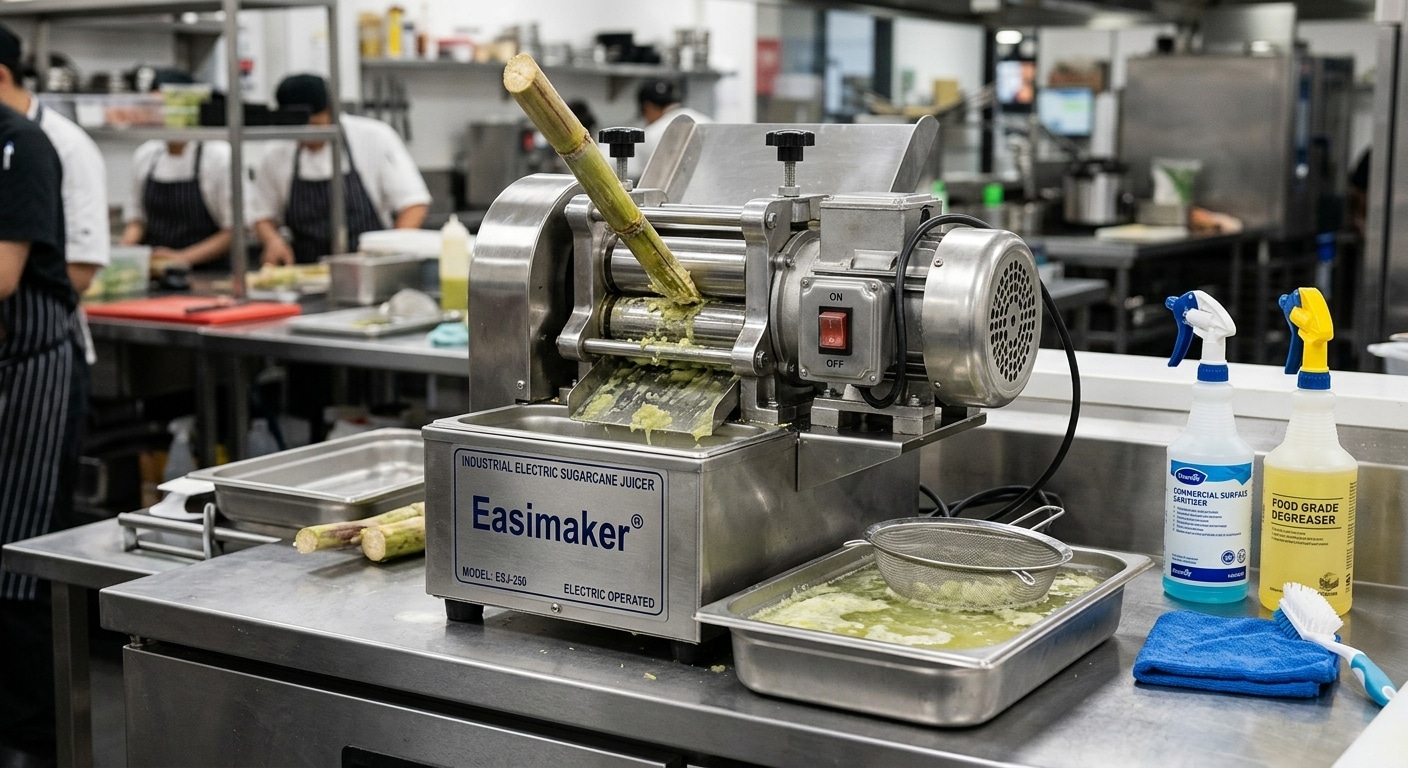
In the commercial beverage industry, managing a sugarcane juice bar presents unique sanitation challenges. Sugarcane juice is densely packed with sucrose, fructose, and glucose. During the extraction process, micro-splatters of this high-brix liquid can coat surrounding surfaces, creating an irresistible attractant for pests, particularly Drosophila melanogaster (fruit flies) and foraging ants.
For operations managers, brand owners, and facility engineers, maintaining a sterile extraction zone is not just about aesthetics; it is a critical regulatory requirement. Failure to implement rigorous pest control best practices can result in health code violations, equipment degradation, and severe brand damage. This guide outlines actionable facility maintenance strategies and daily cleaning protocols to keep your commercial electric sugarcane juicer area sanitary and compliant.
Facility Maintenance Strategies to Deter Fruit Flies and Ants
Effective juice bar pest control relies on proactive facility management rather than reactive extermination. By eliminating attractants and fortifying the physical environment, you can significantly reduce pest pressure.
1. Optimized Waste Management (Bagasse Handling)
The fibrous byproduct of sugarcane extraction, known as bagasse, retains residual sugars and moisture, making it a primary breeding ground for fruit flies.
- Sealed Receptacles: Always dispose of bagasse in heavy-duty, leak-proof bins with tight-fitting lids.
- Frequent Removal: Do not let bagasse sit in the extraction zone for extended periods. Implement a standard operating procedure (SOP) to remove waste to an exterior, climate-controlled dumpster every 2 to 4 hours during peak operation.
2. Airflow and Physical Barriers
Preventing pests from entering the facility is the first line of defense.
- Air Curtains: Install high-velocity air curtains above service windows and exterior doors to create an invisible barrier against flying insects.
- Positive Air Pressure: Adjust HVAC systems to maintain positive air pressure inside the juice bar, which gently pushes air out when doors open, deterring flies from flying in.
3. Drainage Maintenance
Floor drains are notorious safe havens for fruit fly larvae, feeding on the sugary runoff from equipment washdowns.
- Enzyme Treatments: Use commercial-grade bio-enzymatic drain cleaners weekly. These treatments digest the sticky organic matter (zooglea) where flies lay eggs.
- Avoid Standing Water: Ensure floors are properly sloped toward drains and squeegeed dry after cleaning. Pests require moisture to survive.
Daily Cleaning Checklist for Sugarcane Machine Areas
The core of sugarcane machine hygiene lies in the daily breakdown and sanitation of the extraction equipment. Modern electric sugarcane juicers are designed for easier cleaning, but strict adherence to a schedule is mandatory.
During Operating Hours (Interim Cleaning)
- Wipe Down Splatters: Use a food-safe, quaternary ammonium sanitizer to wipe down the exterior of the electric juicer, drip trays, and surrounding countertops every 60 minutes.
- Clear the Chute: Ensure no crushed cane is left resting in the feed chute between customer rushes.
End-of-Shift Sanitation Protocol
- Power Down: Disconnect the electric sugarcane juicer from the power source before cleaning.
- Component Disassembly: Remove all detachable parts, including the juice collection tray, filters, and roller shields.
- Hot Water Flush: Flush the stainless steel rollers with hot water (at least 160°F / 71°C) to dissolve crystallized sugars. Use a stiff-bristled brush to remove stubborn fibers from the roller grooves.
- Sanitize and Air Dry: Submerge removable components in a commercial sanitizing solution. Crucially, allow all parts to air dry completely overnight. Reassembling wet parts can trap moisture and encourage bacterial growth.
- Motor Housing Care: Carefully wipe the exterior motor housing. Never spray water directly onto the electrical components, as this can cause shorts and provide a warm, damp environment for ants.
Weekly Deep Clean and Inspection
- Inspect Seals and Bearings: Check rubber gaskets and bearing seals for wear. Degraded seals can allow sugary juice to seep into the internal mechanics, attracting ants to the electrical housing.
- Wall and Floor Scrub: Scrub the walls behind the juicer and the floors beneath the counters to remove microscopic sugar buildup that standard mopping misses.
Optimizing Equipment Selection for Sanitation
The design of your extraction equipment heavily influences your ability to maintain a pest-free environment. When sourcing commercial electric sugarcane juicers, procurement teams should prioritize hygienic design features:
- Food-Grade Materials: Ensure all contact parts are made from 304 or 316 stainless steel, which resists corrosion and is easy to sanitize.
- Enclosed Gearboxes: Machines with fully enclosed gearboxes prevent juice ingress, protecting the internal mechanics from sticky residues and ant infestations.
- Tool-less Disassembly: Equipment that can be broken down without tools encourages staff to perform thorough daily cleanings without cutting corners.
Frequently Asked Questions (FAQs)
How do I get rid of fruit flies overnight in my juice bar?
Thoroughly clean and dry all surfaces, empty all trash and bagasse bins, and treat floor drains with an enzyme cleaner. You can also deploy commercial UV fly traps away from the immediate prep area to catch remaining adults.
What is the best cleaner for sugarcane residue?
Hot water is the most effective solvent for crystallized sugar. Follow up with a commercial food-safe degreaser or a quaternary ammonium-based sanitizer to eliminate sticky residues and bacteria.
Can ants damage my electric sugarcane juicer?
Yes. If sweet residue seeps into the machine’s casing, ants can nest inside the warm motor housing. This can lead to electrical shorts, chewed wiring, and costly equipment failure. Regular exterior cleaning and inspecting seals are vital.
How often should I deep clean the extraction zone?
While daily breakdown of the juicer is mandatory, a comprehensive deep clean of the surrounding facility (walls, under counters, deep drain scrubbing) should be conducted at least once a week.
Are bleach-based cleaners safe for stainless steel juicers?
Prolonged use of high-concentration chlorine bleach can pit and corrode stainless steel over time. It is recommended to use sanitizers specifically formulated for commercial food equipment and always rinse thoroughly if bleach solutions are used.
Upgrade Your Juice Bar with Sanitary Electric Juicers
Maintaining a spotless, pest-free extraction zone starts with the right equipment and rigorous protocols. Easimaker provides state-of-the-art, commercial electric sugarcane juicers engineered specifically for hygiene, durability, and easy maintenance. With food-grade stainless steel construction and accessible roller designs, keeping your machine area sanitary has never been easier.
Ready to streamline your operations and ensure health code compliance? Request a quote / Get a sample today to see how our equipment can elevate your commercial juice bar.