
Pest Control Best Practices for Sugarcane Juice Bars: Keeping Your Machine Area Sanitary

The Unique Pest Control Challenges of Sugarcane Extraction
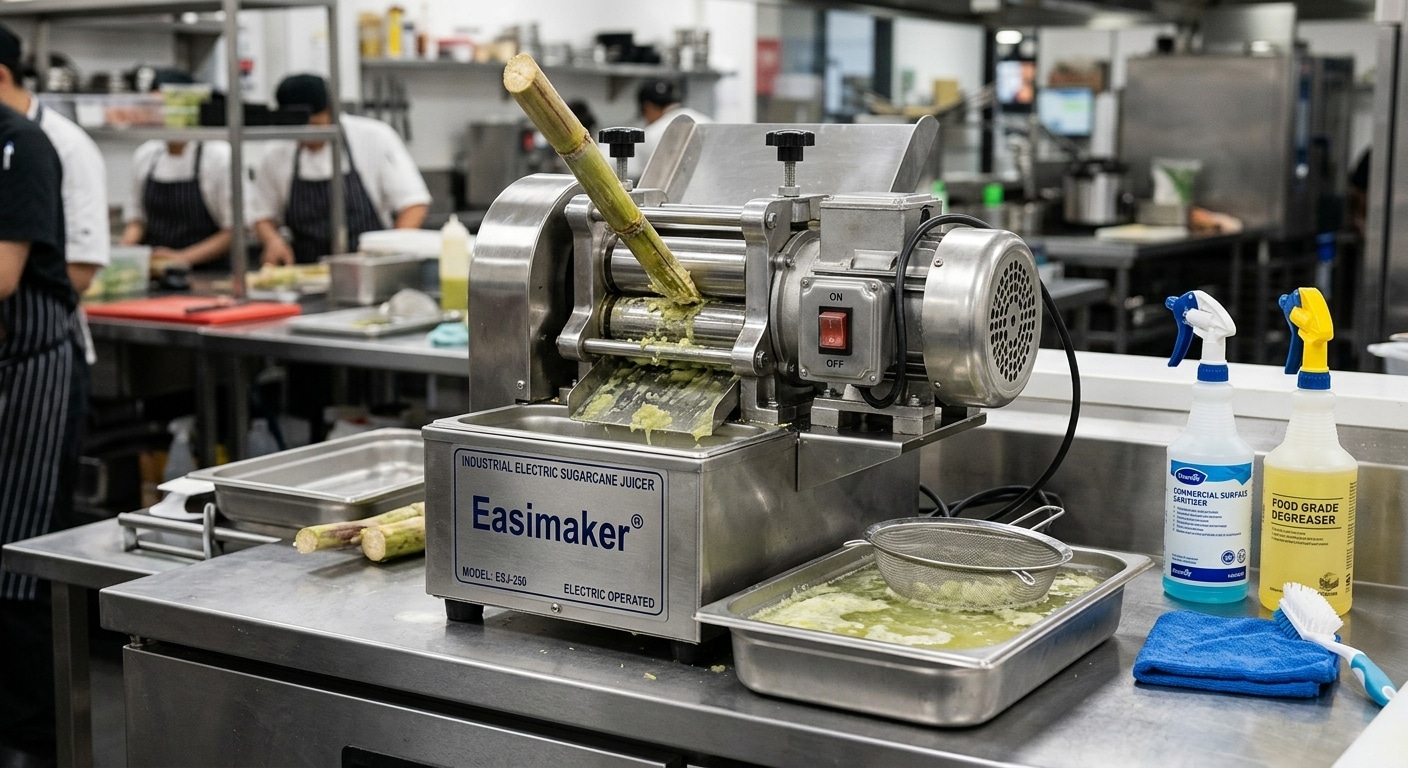
In the commercial beverage industry, managing a sugarcane juice bar presents unique sanitation challenges. Sugarcane juice is densely packed with sucrose, fructose, and glucose. During the extraction process, micro-splatters of this high-brix liquid can coat surrounding surfaces, creating an irresistible attractant for pests, particularly Drosophila melanogaster (fruit flies) and foraging ants.

For operations managers, brand owners, and facility engineers, maintaining a sterile extraction zone is not just about aesthetics; it is a critical regulatory requirement. Failure to implement rigorous pest control best practices can result in health code violations, equipment degradation, and severe brand damage. This guide outlines actionable facility maintenance strategies and daily cleaning protocols to keep your commercial electric sugarcane juicer area sanitary and compliant.

Facility Maintenance Strategies to Deter Fruit Flies and Ants

Effective juice bar pest control relies on proactive facility management rather than reactive extermination. By eliminating attractants and fortifying the physical environment, you can significantly reduce pest pressure.

1. Optimized Waste Management (Bagasse Handling)

The fibrous byproduct of sugarcane extraction, known as bagasse, retains residual sugars and moisture, making it a primary breeding ground for fruit flies.

  • Sealed Receptacles: Always dispose of bagasse in heavy-duty, leak-proof bins with tight-fitting lids.
  • Frequent Removal: Do not let bagasse sit in the extraction zone for extended periods. Implement a standard operating procedure (SOP) to remove waste to an exterior, climate-controlled dumpster every 2 to 4 hours during peak operation.

2. Airflow and Physical Barriers

Preventing pests from entering the facility is the first line of defense.

  • Air Curtains: Install high-velocity air curtains above service windows and exterior doors to create an invisible barrier against flying insects.
  • Positive Air Pressure: Adjust HVAC systems to maintain positive air pressure inside the juice bar, which gently pushes air out when doors open, deterring flies from flying in.

3. Drainage Maintenance

Floor drains are notorious safe havens for fruit fly larvae, feeding on the sugary runoff from equipment washdowns.

  • Enzyme Treatments: Use commercial-grade bio-enzymatic drain cleaners weekly. These treatments digest the sticky organic matter (zooglea) where flies lay eggs.
  • Avoid Standing Water: Ensure floors are properly sloped toward drains and squeegeed dry after cleaning. Pests require moisture to survive.

Daily Cleaning Checklist for Sugarcane Machine Areas

The core of sugarcane machine hygiene lies in the daily breakdown and sanitation of the extraction equipment. Modern electric sugarcane juicers are designed for easier cleaning, but strict adherence to a schedule is mandatory.

During Operating Hours (Interim Cleaning)

  • Wipe Down Splatters: Use a food-safe, quaternary ammonium sanitizer to wipe down the exterior of the electric juicer, drip trays, and surrounding countertops every 60 minutes.
  • Clear the Chute: Ensure no crushed cane is left resting in the feed chute between customer rushes.

End-of-Shift Sanitation Protocol

  • Power Down: Disconnect the electric sugarcane juicer from the power source before cleaning.
  • Component Disassembly: Remove all detachable parts, including the juice collection tray, filters, and roller shields.
  • Hot Water Flush: Flush the stainless steel rollers with hot water (at least 160°F / 71°C) to dissolve crystallized sugars. Use a stiff-bristled brush to remove stubborn fibers from the roller grooves.
  • Sanitize and Air Dry: Submerge removable components in a commercial sanitizing solution. Crucially, allow all parts to air dry completely overnight. Reassembling wet parts can trap moisture and encourage bacterial growth.
  • Motor Housing Care: Carefully wipe the exterior motor housing. Never spray water directly onto the electrical components, as this can cause shorts and provide a warm, damp environment for ants.

Weekly Deep Clean and Inspection

  • Inspect Seals and Bearings: Check rubber gaskets and bearing seals for wear. Degraded seals can allow sugary juice to seep into the internal mechanics, attracting ants to the electrical housing.
  • Wall and Floor Scrub: Scrub the walls behind the juicer and the floors beneath the counters to remove microscopic sugar buildup that standard mopping misses.

Optimizing Equipment Selection for Sanitation

The design of your extraction equipment heavily influences your ability to maintain a pest-free environment. When sourcing commercial electric sugarcane juicers, procurement teams should prioritize hygienic design features:

  • Food-Grade Materials: Ensure all contact parts are made from 304 or 316 stainless steel, which resists corrosion and is easy to sanitize.
  • Enclosed Gearboxes: Machines with fully enclosed gearboxes prevent juice ingress, protecting the internal mechanics from sticky residues and ant infestations.
  • Tool-less Disassembly: Equipment that can be broken down without tools encourages staff to perform thorough daily cleanings without cutting corners.

Frequently Asked Questions (FAQs)

How do I get rid of fruit flies overnight in my juice bar?

Thoroughly clean and dry all surfaces, empty all trash and bagasse bins, and treat floor drains with an enzyme cleaner. You can also deploy commercial UV fly traps away from the immediate prep area to catch remaining adults.

What is the best cleaner for sugarcane residue?

Hot water is the most effective solvent for crystallized sugar. Follow up with a commercial food-safe degreaser or a quaternary ammonium-based sanitizer to eliminate sticky residues and bacteria.

Can ants damage my electric sugarcane juicer?

Yes. If sweet residue seeps into the machine’s casing, ants can nest inside the warm motor housing. This can lead to electrical shorts, chewed wiring, and costly equipment failure. Regular exterior cleaning and inspecting seals are vital.

How often should I deep clean the extraction zone?

While daily breakdown of the juicer is mandatory, a comprehensive deep clean of the surrounding facility (walls, under counters, deep drain scrubbing) should be conducted at least once a week.

Are bleach-based cleaners safe for stainless steel juicers?

Prolonged use of high-concentration chlorine bleach can pit and corrode stainless steel over time. It is recommended to use sanitizers specifically formulated for commercial food equipment and always rinse thoroughly if bleach solutions are used.

Upgrade Your Juice Bar with Sanitary Electric Juicers

Maintaining a spotless, pest-free extraction zone starts with the right equipment and rigorous protocols. Easimaker provides state-of-the-art, commercial electric sugarcane juicers engineered specifically for hygiene, durability, and easy maintenance. With food-grade stainless steel construction and accessible roller designs, keeping your machine area sanitary has never been easier.

Ready to streamline your operations and ensure health code compliance? Request a quote / Get a sample today to see how our equipment can elevate your commercial juice bar.

A Complete Guide to Cleaning and Sanitizing Your Commercial Sugarcane Juicer

In the commercial beverage industry, sugarcane juice presents a unique set of challenges compared to citrus or vegetable juices. Its high sucrose content, low acidity, and the fibrous nature of the raw material create an ideal environment for rapid bacterial growth and yeast fermentation. For juice bar owners and food service operators, maintaining a pristine commercial sugarcane juicer is not just about equipment longevity—it is a critical food safety compliance requirement.

Improper cleaning can lead to flavor contamination (fermented notes), mechanical jams caused by dried bagasse (fiber), and severe health code violations. This guide provides a professional, step-by-step protocol for disassembling, cleaning, and sanitizing your machine to meet industrial hygiene standards.

Why Sanitation is Critical for Sugarcane Equipment

Sugarcane juice is raw and typically unpasteurized at the point of sale. Unlike acidic juices (like lemon or orange) which naturally inhibit some bacterial growth, sugarcane juice has a neutral pH (typically 5.0–5.5). This makes it highly susceptible to spoilage organisms such as Leuconostoc and various yeasts.

Furthermore, the mechanical process of crushing cane generates significant friction and sticky residue. If left on the rollers or in the juice compartment, this residue hardens into a varnish-like coating that can seize bearings and attract pests. A strict sanitation Standard Operating Procedure (SOP) is essential for:

  • Regulatory Compliance: Meeting local health department and HACCP (Hazard Analysis Critical Control Point) standards.
  • Product Quality: Preventing cross-contamination that alters the fresh taste and color of the juice.
  • Asset Protection: preventing corrosion and seal failure caused by acidic fermentation byproducts.

Essential Cleaning Supplies Checklist

Before beginning the sanitation process, ensure your facility is equipped with the correct tools. Avoid using abrasive materials that can scratch stainless steel surfaces, as scratches create microscopic harborage points for bacteria.

  • Food-Grade Detergent: A neutral, non-corrosive degreaser to remove sugar films.
  • Sanitizer: An EPA-registered food-contact sanitizer (e.g., Quaternary Ammonium or Chlorine-based, diluted to manufacturer specs).
  • Nylon Brushes: Various sizes, including long-handle brushes for rollers and small pipe cleaners for spouts. Do not use steel wool.
  • Soft Microfiber Cloths: For drying and polishing.
  • Food-Grade Lubricant: For re-lubricating moving parts post-wash (check machine manual for specifications).
  • PPE: Gloves and eye protection when handling concentrated chemicals.

Step-by-Step Daily Cleaning Protocol

This protocol should be performed at the end of every operational day. For high-volume operations, a “flush” cycle is recommended every 4 hours.

1. Preparation and Safety Lockout

Safety is paramount. Commercial sugarcane juicers have high-torque rollers capable of causing severe injury.

  • Power Down: Turn the machine off and unplug it from the power source.
  • Lockout/Tagout: If hardwired, ensure the breaker is off.
  • Clear Area: Remove any remaining cane stalks from the feed chute.

2. Disassembly and Fiber Removal

Do not attempt to wash the machine while fully assembled. Hidden bagasse accumulation is the primary cause of mold growth.

  • Remove Detachable Parts: Take off the feed tray, juice collection tray, splash guards, and the filter mesh/strainer.
  • Initial Debris Removal: Use a dry brush to sweep away loose bagasse fibers from the rollers and housing. Removing solids before applying water prevents drain clogs and makes the washing phase more effective.

3. Washing and Degreasing

The goal here is to remove visible soil and sugar residue.

  • Soak Removable Parts: Place trays, filters, and guards in a three-compartment sink filled with warm water and detergent. Scrub thoroughly.
  • Clean the Rollers: This is the most critical step. Using a soft sponge or nylon brush with detergent solution, scrub the rollers. Rotate the rollers manually (if the machine design allows manual rotation when unplugged) to reach all surfaces.
  • Clean the Housing: Wipe down the exterior and the juice compartment walls. Pay special attention to the underside of the roller housing where juice often splashes and dries.

4. Sanitization (The Critical Step)

Cleaning removes dirt; sanitizing kills pathogens. This step must be done after the surfaces are visibly clean.

  • Apply Sanitizer: Spray the rollers, housing, and juice path with your food-grade sanitizer solution. Ensure the surface remains wet for the contact time specified on the chemical label (usually 1–2 minutes).
  • Sanitize Removable Parts: Dip the washed trays and filters into a sanitizing solution in the third sink compartment.
  • Do Not Rinse (Unless Specified): Most “no-rinse” food-safe sanitizers are designed to air dry. Rinsing with tap water can reintroduce bacteria.

5. Drying and Reassembly

Moisture is the enemy of stored equipment.

  • Air Dry: Allow all parts to air dry on a clean rack.
  • Reassemble: Once dry, reassemble the machine.
  • Lubrication: Apply a small amount of food-grade lubricant to the roller bearings or gears if required by the manufacturer’s maintenance schedule.

Maintenance Schedule: Daily vs. Deep Cleaning

To ensure operational efficiency, adopt a tiered maintenance schedule.

Frequency Action Items
Every 4 Hours Flush the system with clean water to prevent sugar caramelization on rollers. Wipe down the external feed chute.
Daily (End of Shift) Full disassembly, detergent wash, and sanitization of all food-contact parts.
Weekly Inspect gaskets and seals for wear. Deep clean the machine base and motor vents to remove dust accumulation.
Monthly Check roller alignment and tension. Descale components if water hardness is an issue.

Common Sanitation Mistakes to Avoid

Even experienced operators can make errors that compromise food safety or machine integrity.

  • Using High-Pressure Hoses: Blasting the machine with a high-pressure hose can force water into sealed bearings or the electrical motor housing, leading to failure or short circuits.
  • Ignoring the “Knuckle” Areas: The gaps between the rollers and the side housing are prime locations for bacterial biofilms. If your brush cannot reach these areas, you may need a specialized thin cleaning tool.
  • Using Bleach on Stainless Steel: While bleach is a sanitizer, prolonged exposure can corrode stainless steel (pitting), creating rough surfaces that are harder to clean later. Use Quaternary Ammonium compounds compatible with soft metals and steel.

Buying Considerations: Hygiene-Friendly Design

If you are in the market for a new commercial sugarcane juicer, prioritize “sanitary design” features. Machines constructed from Stainless Steel 304 are the industry standard for corrosion resistance. Look for models with:

  • Removable Rollers: Some advanced models allow the entire roller assembly to be detached for soaking, which drastically improves hygiene levels.
  • Sealed Bearings: Prevents juice from entering the mechanical drive system.
  • Minimal Crevices: Smooth welding and rounded corners prevent debris accumulation.

Frequently Asked Questions (FAQs)

Can I use vinegar to clean my commercial juicer?

While vinegar is a mild acid and can help with mineral deposits, it is generally not considered a broad-spectrum hospital-grade sanitizer for commercial food service environments. It is best to use EPA-approved food-contact sanitizers to ensure compliance with health regulations.

How do I remove sticky residue that won’t wash off?

If sugar residue has hardened, soak the affected parts in warm water (120°F/50°C) with a mild alkaline detergent for 15–20 minutes. This softens the bond between the sugar and the metal, allowing it to be scrubbed off without abrasives.

How often should I replace the filter mesh?

Inspect the filter mesh daily. If you notice fraying, tears, or permanent clogging that cannot be cleaned, replace it immediately. Damaged filters can allow large bagasse particles into the final product, affecting texture and quality.

Is it safe to run water through the machine while it is on?

Only if the manufacturer explicitly states this is a safe “cleaning cycle.” Generally, running water through while the machine is on helps flush internal lines, but it does not replace the need for disassembly and manual scrubbing.

Conclusion

A strict cleaning regimen is the backbone of a successful sugarcane juice operation. By adhering to these sanitation protocols, you protect your customers from foodborne illness and protect your investment from premature wear. A clean machine runs more efficiently, yields more juice, and presents a professional image to your clientele.

Need to upgrade your equipment or source spare parts? Ensure your operation runs smoothly with high-quality, sanitary-grade machinery.