
Ergonomics in Juice Bars: Positioning Your Sugarcane Machine to Prevent Operator Fatigue

The Hidden Cost of Operator Fatigue in Commercial Juice Bars
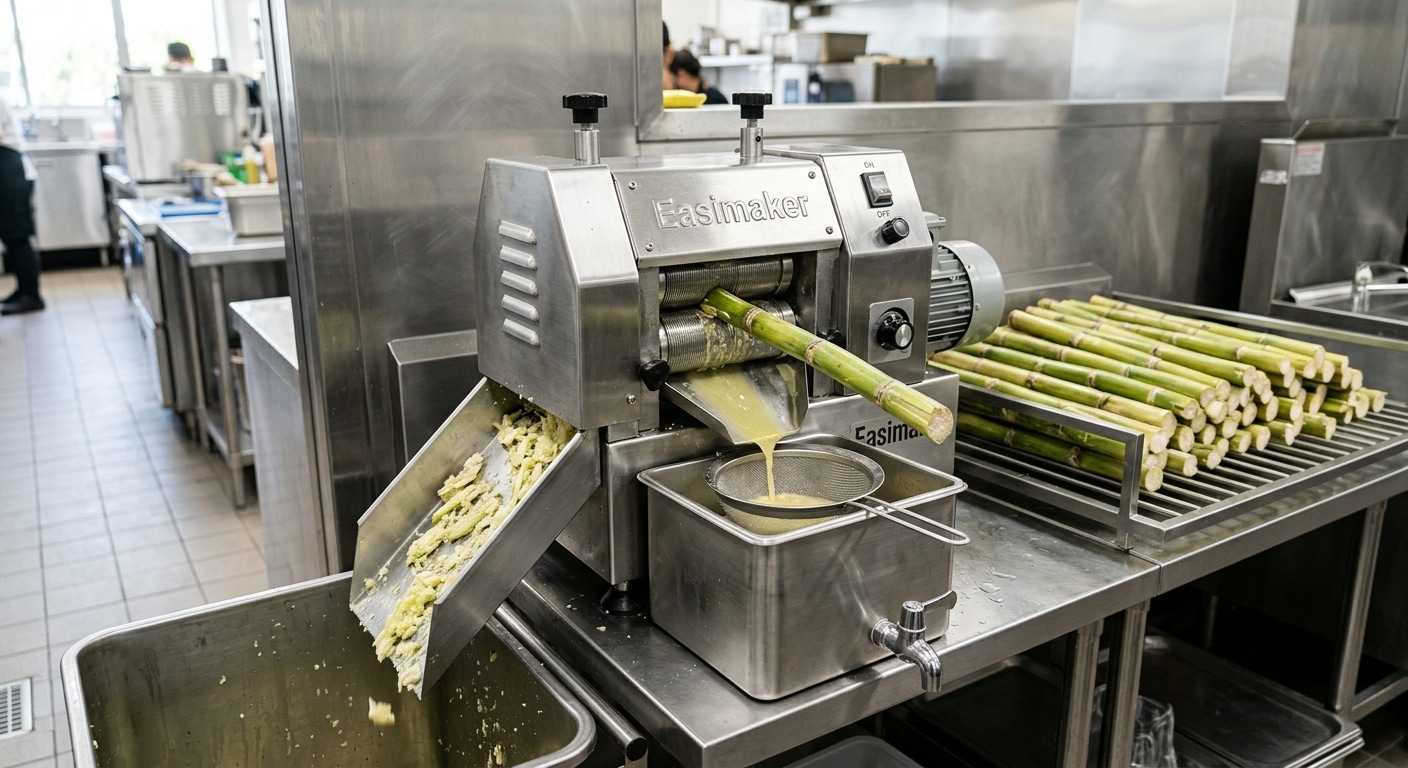
In high-volume commercial beverage operations, throughput is directly tied to operator efficiency. While procurement teams often focus on extraction yield and motor durability when sourcing equipment, the physical interaction between the staff and the machine is frequently overlooked. Poor juice bar ergonomics can lead to operator fatigue, reduced extraction rates during peak hours, and increased staff turnover due to repetitive strain injuries (RSI).

For franchises, distributors, and independent operators, optimizing sugarcane machine placement is not just a matter of comfort—it is a critical operational strategy. A well-designed commercial kitchen layout minimizes unnecessary movement, reduces physical exertion, and ensures a safer, more productive juicing workflow.

Understanding the Physical Toll of High-Volume Juicing

Processing sugarcane requires handling long, heavy stalks and feeding them into a crushing mechanism. Even with high-efficiency electric juicers, operators must repeatedly lift, guide, and sometimes apply slight pressure to initiate the crush. When multiplied by hundreds of servings per shift, this repetitive motion takes a physical toll.

  • Shoulder and Neck Strain: Occurs when the machine’s feeding port is positioned too high, forcing the operator to lift their arms above a natural resting angle.
  • Lower Back Pain: Results from twisting the spine to reach for raw stalks or leaning forward over deep counters to feed the machine.
  • Wrist and Forearm Fatigue: Caused by improper feeding angles that force the wrists out of a neutral alignment.

Designing the Ergonomic Juicing Workflow

To mitigate these risks, brand owners and operations managers must design workstations that adapt to the human body, rather than forcing the body to adapt to the equipment.

Optimal Counter Heights for Sugarcane Machines

Standard commercial stainless steel prep tables are typically 36 inches (91 cm) high. However, commercial sugarcane juicers are often tall, placing the feeding port significantly higher than the counter surface. If an operator has to raise their elbows above 90 degrees to feed the stalk, fatigue will set in rapidly.

Operator Height Range Recommended Feeding Port Height Ideal Counter/Stand Height
5’2″ – 5’6″ (157-167 cm) 36″ – 38″ (91-96 cm) 24″ – 26″ (61-66 cm)
5’7″ – 5’11” (170-180 cm) 39″ – 42″ (99-106 cm) 27″ – 30″ (68-76 cm)
6’0″+ (183 cm+) 43″ – 45″ (109-114 cm) 31″ – 33″ (78-83 cm)

Recommendation: Instead of standard counters, use custom drop-stands or adjustable equipment legs to ensure the machine’s feeding port aligns with the operator’s natural waist-to-elbow “strike zone.”

Machine Feeding Angles and Posture

The operator should be able to stand squarely in front of the feeding port. Positioning the machine at an awkward angle or tucking it into a deep corner forces the operator to twist their torso. The machine should be placed no more than 4 to 6 inches (10-15 cm) from the front edge of the counter to prevent excessive leaning.

Material Flow: Raw Cane to Bagasse Disposal

An ergonomic juicing workflow follows a linear path—typically left-to-right or right-to-left—eliminating the need for the operator to cross their arms or pivot 180 degrees.

  1. Staging Area: Pre-cut, washed sugarcane stalks should be stored in vertical bins or elevated horizontal racks immediately adjacent to the operator’s dominant hand.
  2. Extraction Zone: The electric sugarcane machine is positioned centrally.
  3. Waste Management: Bagasse (crushed cane fiber) must exit the machine smoothly. Position a high-capacity waste bin directly beneath the ejection chute, ideally utilizing a counter drop-hole, so operators do not have to manually clear or sweep heavy, wet bagasse.

Equipment Selection: The Role of Electric Juicers

Manual juicers have no place in a high-volume commercial setting due to the severe ergonomic hazards they present. Investing in robust electric sugarcane juicers is mandatory for operator safety. High-quality electric models handle 100% of the crushing force. The operator’s only physical task should be guiding the stalk into the feed port.

When sourcing machines for your franchise or distribution network, look for models with self-feeding roller designs. Once the stalk engages with the first set of rollers, the machine should pull the cane through automatically, eliminating the need for the operator to push forcefully against the machine.

Best Practices for Repetitive Strain Injury (RSI) Prevention

Beyond machine placement, operational protocols play a vital role in preventing fatigue:

  • Anti-Fatigue Mats: Install commercial-grade, slip-resistant anti-fatigue mats (at least 5/8-inch thick) to reduce lower limb and back stress caused by standing on hard tile or concrete floors.
  • Task Rotation: Implement shift schedules where staff rotate between juicing, POS/cashier duties, and prep work every 2 hours to utilize different muscle groups.
  • Proper Footwear: Mandate supportive, non-slip footwear for all back-of-house staff.

Procurement and Standardization for Franchises

For brand owners and distributors, standardizing the ergonomic layout across multiple locations ensures consistent operational efficiency. When working with equipment manufacturers, discuss bulk ordering (MOQ) for machines alongside custom stainless steel drop-stands designed specifically for those units. Standardizing the equipment package simplifies training, reduces maintenance variables, and guarantees that every location adheres to your ergonomic safety standards.

Frequently Asked Questions (FAQs)

What is the ideal distance between the sugarcane staging area and the juicer?

The raw sugarcane should be within an arm’s reach (approximately 16 to 24 inches from the operator’s center) to prevent overreaching or stepping away from the machine during a rush.

Can we put a commercial sugarcane machine on a standard prep table?

While possible, it is rarely ergonomic. Standard 36-inch tables often elevate the machine’s feeding port too high for average-height operators. A lowered equipment stand is highly recommended.

How do we handle heavy bagasse waste ergonomically?

Use a direct-drop chute system where bagasse falls directly into a rolling bin beneath the counter. This prevents staff from having to manually lift heavy, wet waste bags out of standard trash cans.

Are electric sugarcane machines safer for staff than manual ones?

Yes. Electric machines eliminate the extreme physical exertion required to crank manual gears, drastically reducing the risk of shoulder, back, and wrist injuries in high-volume settings.

How often should staff rotate off the juicing station?

In high-volume environments, rotating staff every 2 to 3 hours is a standard best practice to prevent muscle fatigue and maintain high concentration and safety levels.

Optimize Your Juice Bar Operations Today

Protecting your staff from fatigue directly protects your bottom line. By investing in ergonomic layouts and high-efficiency electric sugarcane processing equipment, you ensure a faster, safer, and more profitable operation. If you are a distributor, franchise owner, or commercial buyer looking to upgrade your beverage equipment, we can help you source the right solutions.

Ready to improve your juicing workflow? Request a quote / Get a sample today to learn more about our commercial electric sugarcane juicers.

Optimizing Cafe Workflow: Integrating Compact Sugarcane Machines into Limited Spaces

Maximizing Revenue Per Square Foot in Small Cafes

For urban cafes and coffee shops, floor space is a premium asset. Every square foot of counter space must generate revenue. While specialty coffee remains the anchor, diversifying into fresh, high-margin beverages like sugarcane juice can significantly increase average ticket size. However, the challenge lies in integration: traditional sugarcane crushers are often bulky, noisy, and industrial-looking, making them unsuitable for a refined cafe atmosphere.

Modern compact sugarcane juicers address this friction. By selecting equipment designed specifically for limited footprints, cafe owners can introduce a lucrative fresh juice menu without compromising the barista’s workflow or the customer experience. This guide explores how to select, position, and operate compact units to maximize efficiency.

The Business Case: Why Sugarcane in a Cafe?

Before altering a layout, it is essential to evaluate the operational value. Sugarcane juice offers distinct advantages over bottled beverages or complex smoothie stations:

  • High Margins: Raw sugarcane is inexpensive compared to the final retail price of fresh juice. The cost-to-profit ratio is typically more favorable than milk-based espresso drinks.
  • Speed of Service: A high-performance compact machine can extract a glass of juice in 10–15 seconds, comparable to pulling an espresso shot.
  • Visual Appeal: The extraction process is mechanical and visual, adding “theater” to the customer experience, similar to watching a barista work.

Workflow ergonomics: The “Zone” Approach

Introducing a juicer should not disrupt the primary coffee workflow. The goal is to create a parallel workstation that allows for simultaneous service without cross-traffic collisions.

1. The Barista Zone (Do Not Disturb)

The area immediately surrounding the espresso machine and grinder is sacred. Adding a juicer here creates bottlenecks. Baristas need unobstructed access to the knock box, milk pitchers, and serving pass.

2. The Cold Beverage Station (Ideal Placement)

Compact sugarcane machines are best situated in a dedicated “wet” zone, distinct from the espresso setup. This station should handle cold drinks, iced teas, and juices. This separation ensures that a second staff member can operate the juicer during peak hours without elbowing the barista.

3. Front-of-House vs. Back-of-House

Because modern compact machines are often designed with aesthetics in mind (stainless steel finishes, enclosed rollers), they are suitable for front-of-house placement. Placing the machine on the front counter signals freshness to the customer. However, if counter depth is less than 60cm (24 inches), a back-bar placement may be safer to prevent accidental bumps.

Selecting the Right Compact Machine

Not all “small” machines are built for commercial cafe environments. When sourcing a compact sugarcane juicer, prioritize the following specifications:

Footprint and Dimensions

A true compact commercial unit should typically fit within a footprint of approximately 40cm x 50cm (16” x 20”). Vertical design is preferable to horizontal design, as it consumes less counter width. Ensure the machine fits under overhead cabinets if applicable; standard clearance is usually 45–50cm.

Noise Levels (Decibels)

Ambiance is critical in a cafe. Industrial crushers often exceed 80dB, which disrupts conversation and music. Look for machines with high-quality gearboxes and motor insulation, rated below 70dB. This allows the machine to operate front-of-house without startling customers.

Safety Features

In a fast-paced environment, safety is non-negotiable. The machine must have:

  • Fully Enclosed Rollers: To prevent finger injuries.
  • Emergency Stop Button: Easily accessible on the front panel.
  • Overload Protection: To prevent motor burnout if a particularly hard stalk is inserted.

Hygiene and Cleaning Efficiency

Sugarcane juice is high in sugar and ferments quickly. The machine must be easy to clean to maintain health standards and workflow speed.

Key feature to look for: Removable rollers and juice compartments. If a staff member has to spend 20 minutes unscrewing parts to clean the machine, it is not suitable for a busy cafe. Ideally, daily cleaning should take less than 10 minutes.

Technical Specifications & Installation

Ensure your facility can support the equipment before purchasing.

Feature Requirement for Cafe Use
Power Supply Standard 110V/220V (Check local standard). Avoid 3-phase requirements for countertop units.
Motor Power Minimum 0.5 HP to handle continuous crushing without stalling.
Material Food-grade 304 Stainless Steel (corrosion resistance is vital due to acidic juice).
Waste Disposal Direct chute to under-counter bin is preferred to manage bagasse (waste fiber) cleanly.

Managing Waste (Bagasse) in Small Spaces

One operational reality of sugarcane juicing is the volume of dry fiber waste (bagasse). In a limited space, this can accumulate quickly.

  • Through-Counter Chutes: Some compact machines allow waste to drop directly through a hole in the counter into a hidden bin below. This is the cleanest solution for small spaces.
  • Side-Ejection: If through-counter isn’t an option, ensure the machine ejects waste into a contained bin, not onto the counter surface.
  • Disposal Strategy: Plan for frequent emptying of the bagasse bin. Bagasse is excellent for composting; partnering with a local community garden can be a sustainable marketing angle for the cafe.

Buying Guide: Sourcing for Reliability

When procuring a compact sugarcane juicer for a commercial setting, consider the following beyond just the price tag:

Warranty and Parts Availability

Commercial equipment endures heavy daily use. Ensure the supplier provides a warranty (typically 1 year for parts) and stocks essential spares like bearings, rollers, and capacitors. Downtime equals lost revenue.

Certifications

Depending on your region, health inspectors may require specific certifications (e.g., CE, NSF, or UL). Verify that the machine meets the electrical and sanitation standards required by your local jurisdiction.

Demonstration and Sampling

If possible, request a video demonstration or a trial. Observe the noise level and the speed of the roller mechanism. A slow machine will cause queues; a loud machine will ruin the atmosphere.

FAQ

How much space do I strictly need for a sugarcane station?

Beyond the machine’s footprint (approx. 40x50cm), allow at least 20cm on the feed side for maneuvering the cane stalks and 20cm on the waste side if using a tabletop bin. A 1-meter section of counter is usually sufficient for the entire station.

Can compact machines handle tough sugarcane varieties?

Yes, high-quality compact machines utilize high-torque gearboxes designed to crush standard sugarcane varieties. However, it is always recommended to split very thick stalks or cut them at an angle to ease the initial feed.

Does the machine require a water connection?

Most compact sugarcane juicers are standalone and do not require plumbing. They are cleaned manually. However, having a sink nearby is essential for rinsing pitchers and cleaning removable parts.

How often does the machine need maintenance?

Daily cleaning is mandatory. Lubrication of the chain or gears (if not sealed) is typically required monthly or quarterly, depending on usage volume. Check the manual for specific grease types (food-grade grease is usually required for exposed components).

Ready to Optimize Your Beverage Station?

Integrating a sugarcane juicer into your cafe can drive significant revenue without expanding your floor plan. By choosing the right compact equipment, you ensure a seamless workflow and a premium customer experience.

Request a quote / Get a sample to discuss which compact model best fits your specific counter layout and volume requirements.