
Maximizing Weekend Profits: A Guide to Selling Sugarcane Juice at Farmers Markets

The Rise of the Weekend Juice Business
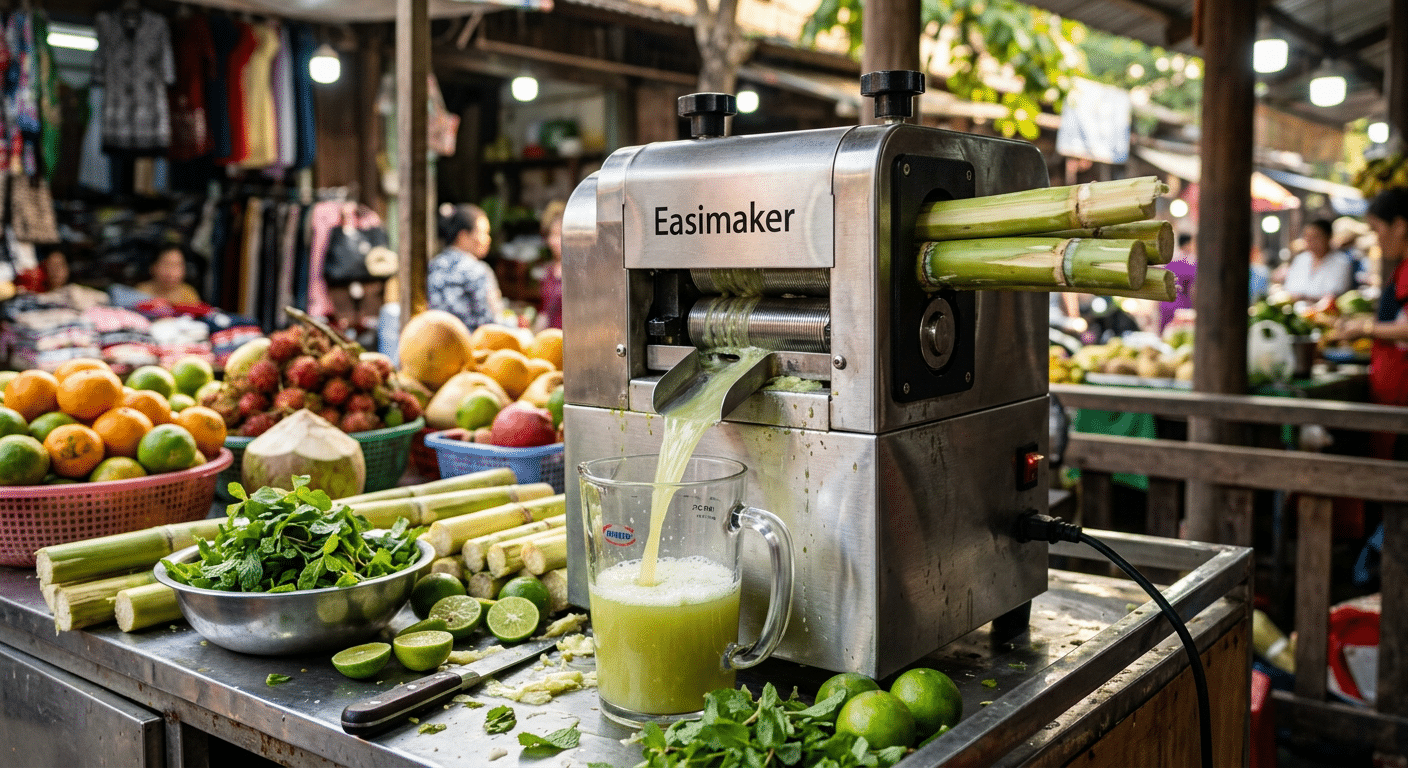
For local market vendors and food entrepreneurs, farmers markets present a highly lucrative opportunity. With foot traffic largely composed of health-conscious local shoppers seeking fresh, organic, and minimally processed foods, a farmers market juice stand is perfectly positioned for success. Among the most profitable and visually engaging options is fresh sugarcane juice.

Unlike pre-packaged beverages, pressing sugarcane on-site offers a transparent, engaging experience. Shoppers can watch the raw ingredient transform into a refreshing, nutrient-dense drink in seconds. However, maximizing weekend profits requires more than just raw cane; it demands the right equipment, efficient power sourcing, and a well-optimized stall setup. This guide outlines how to build a high-yielding, professional mobile sugarcane juice operation.

Choosing the Right Mobile Sugarcane Juicer

The core of your business is your extraction equipment. For a commercial setup, manual presses are inefficient, physically taxing, and yield lower juice volumes. Investing in a commercial-grade electric sugarcane juicer is essential for maintaining throughput during peak market hours.

Key Specifications to Look For

  • High Extraction Rate: Look for machines with a multi-roller system (typically 3 to 4 rollers) that can extract 70% to 80% of the juice in a single pass. This minimizes waste and maximizes your profit margin per stalk.
  • Portability and Footprint: A mobile sugarcane juicer must be compact enough to transport in a standard commercial van or truck, yet robust enough to handle continuous operation. Casters or a tabletop design with manageable weight (typically between 40kg to 70kg) are ideal.
  • Food-Grade Materials: Ensure all components that touch the juice—rollers, filters, and collection trays—are made of 304 stainless steel. This ensures compliance with local health department regulations and prevents corrosion from the acidic juice.
  • Safety Features: Enclosed gearboxes, emergency stop buttons, and reverse switches (to clear jams) protect the operator and ensure smooth weekend operations.

Power Sourcing for Electric Juicers at Outdoor Markets

Since a commercial-grade electric juicer is mandatory for high-volume sales, securing reliable power is a critical logistical step for any local market vendor.

  • Market-Provided Power: Many established farmers markets offer electrical hookups for an additional stall fee. Always verify the voltage and amperage available (most commercial juicers require standard 110V or 220V depending on your region, drawing 400W to 1100W).
  • Portable Generators: If market power is unavailable, an inverter generator is the most reliable solution. Choose a quiet model (under 60 decibels) to avoid disrupting the market atmosphere. Ensure the generator’s continuous wattage rating comfortably exceeds your juicer’s peak startup draw.
  • High-Capacity Power Stations: For a completely silent and eco-friendly setup, industrial lithium-ion power stations can run a 750W juicer for several hours. This appeals heavily to eco-conscious shoppers but requires careful calculation of your total weekend run-time.

Setting Up a High-Yielding Stall

Efficiency dictates profitability. A poorly organized stall leads to long wait times, causing potential customers to walk away. Optimize your layout for a seamless workflow:

1. The Prep Zone: Pre-wash, peel, and cut your sugarcane stalks to uniform lengths before the market opens. Store them in food-safe, covered bins. This eliminates downtime between orders.

2. The Extraction Zone: Place your electric juicer front and center. The visual of the machine effortlessly crushing the cane is your best marketing tool. Ensure the machine is on a stable, level surface.

3. The Service Zone: Keep ice, cups, lids, and optional flavor additions (like fresh ginger, lime, or mint) within arm’s reach of the dispensing spout. A streamlined assembly line allows a two-person team to serve a customer every 30 to 45 seconds.

Engaging Health-Conscious Shoppers

To command a premium price for selling fresh juice, you must communicate its value. Sugarcane juice is naturally rich in antioxidants, electrolytes, and has a lower glycemic index than many processed fruit juices.

Use clear, professional signage to highlight these benefits. Offer small, free samples during slower periods; the unique, refreshing taste is often enough to convert a hesitant passerby into a paying customer. Maintain impeccable hygiene—wear gloves, keep the machine wiped down, and use transparent sneeze guards if required by local codes. Cleanliness signals quality to discerning buyers.

Frequently Asked Questions (FAQs)

What is the typical profit margin for selling fresh juice at a farmers market?

While costs vary by region, profit margins for freshly pressed sugarcane juice typically range from 70% to 85%. The primary costs are the raw sugarcane, cups, and stall fees, while the retail price can be set at a premium due to the fresh, on-demand nature of the product.

Can I use a manual juicer to start?

For a commercial weekend juice business, manual juicers are not recommended. They are too slow for peak market rushes, yield less juice, and cause operator fatigue. An electric juicer is a necessary investment for a viable, scalable business.

How do I clean an electric sugarcane juicer at the market?

Most commercial units feature removable rollers or easy-access panels. At the market, flush the system with clean, potable water from a pressurized portable tank between heavy rushes. A thorough breakdown and sanitization with food-safe cleaners should be done off-site at the end of the day.

How much sugarcane do I need for a weekend market?

This depends on foot traffic and your machine’s extraction rate. On average, 1 kg of raw sugarcane yields roughly 600ml to 700ml of juice with a high-quality electric juicer. Track your sales closely during your first few weekends to optimize your raw material sourcing.

Ready to Launch Your Farmers Market Juice Stand?

Equipping your business with reliable, high-efficiency machinery is the first step toward dominating the weekend market scene. Professional-grade equipment ensures you can meet demand, maintain hygiene standards, and maximize your profit per stalk.

Request a quote / Get a sample today to learn more about our commercial electric sugarcane juicers and start building your high-yielding juice business.
Subscription Models for Fresh Sugarcane Juice Delivery Services: A Strategic Guide

The Business Case for a Juice Delivery Subscription

For a fresh juice business, relying solely on retail foot traffic can lead to unpredictable cash flow and high product waste. Transitioning to a juice delivery subscription model offers a strategic solution. By securing upfront commitments from customers, a recurring revenue juice bar can forecast demand accurately, optimize ingredient procurement, and significantly improve operational efficiency.

Fresh sugarcane juice is a high-margin product, but its short shelf life demands precision in processing and local delivery logistics. This guide outlines how juice bar owners, distributors, and commercial kitchen operators can structure, market, and execute a profitable subscription service.

Defining Your Subscription Models

Not all subscription models serve the same demographic. Structuring your offerings based on volume and delivery frequency is key to maximizing customer retention and managing production schedules.

1. The Daily or Weekly Wellness Drop (B2C Focus)

Targeted at health-conscious consumers, this model delivers smaller, individual-sized bottles (e.g., 250ml – 300ml) directly to homes or local gyms. Deliveries are typically scheduled 2 to 3 times a week to ensure peak freshness, as untreated sugarcane juice oxidizes quickly.

2. The Office / Corporate Bulk Package (B2B Focus)

A highly lucrative model for scaling operations. This involves delivering larger formats (e.g., 1-liter to 5-liter insulated dispensers) to corporate offices, wellness retreats, or local cafes twice a week. This model reduces per-unit delivery costs and secures higher average order values.

Comparing Subscription Options

Model Type Target Audience Delivery Frequency Pros & Cons
Wellness Drop Individual consumers, fitness enthusiasts 2-3 times per week Pros: High profit margin per ml.
Cons: Complex local delivery logistics.
Corporate Bulk Offices, event spaces, boutique cafes 1-2 times per week Pros: Efficient routing, high volume.
Cons: Requires heavy-duty cold chain packaging.

Mastering Local Delivery Logistics and Cold Chain

Sugarcane juice is notorious for rapid oxidation and fermentation if not kept at strict temperatures. A successful juice delivery subscription hinges entirely on flawless cold chain execution.

  • Temperature Control: Juice must be chilled to below 4°C (39°F) immediately after extraction. Use insulated delivery bags with commercial-grade ice packs for transit.
  • Route Optimization: Implement routing software to keep delivery windows under two hours. Establish a strict local delivery radius (e.g., 5-10 miles from the production facility) to guarantee freshness.
  • Packaging Solutions: Utilize UV-blocking glass or high-quality PET bottles. Vacuum-sealing or nitrogen-flushing the headspace in the bottle can dramatically reduce oxidation during transit.

Equipment Specifications: The Engine of Your Operation

Fulfilling recurring orders requires reliable, high-volume processing capabilities. Manual extraction methods are entirely inadequate for a subscription model due to low yields, high labor costs, and hygiene risks.

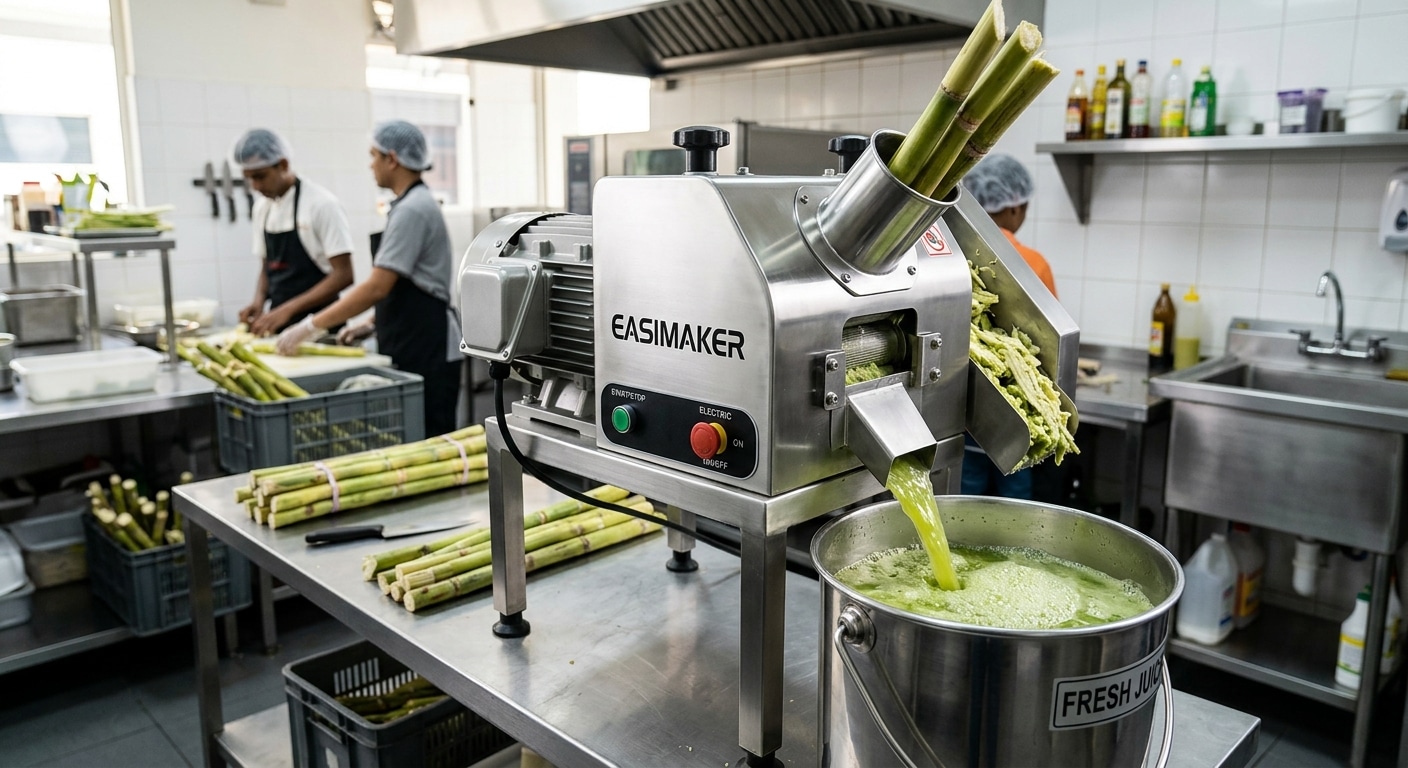
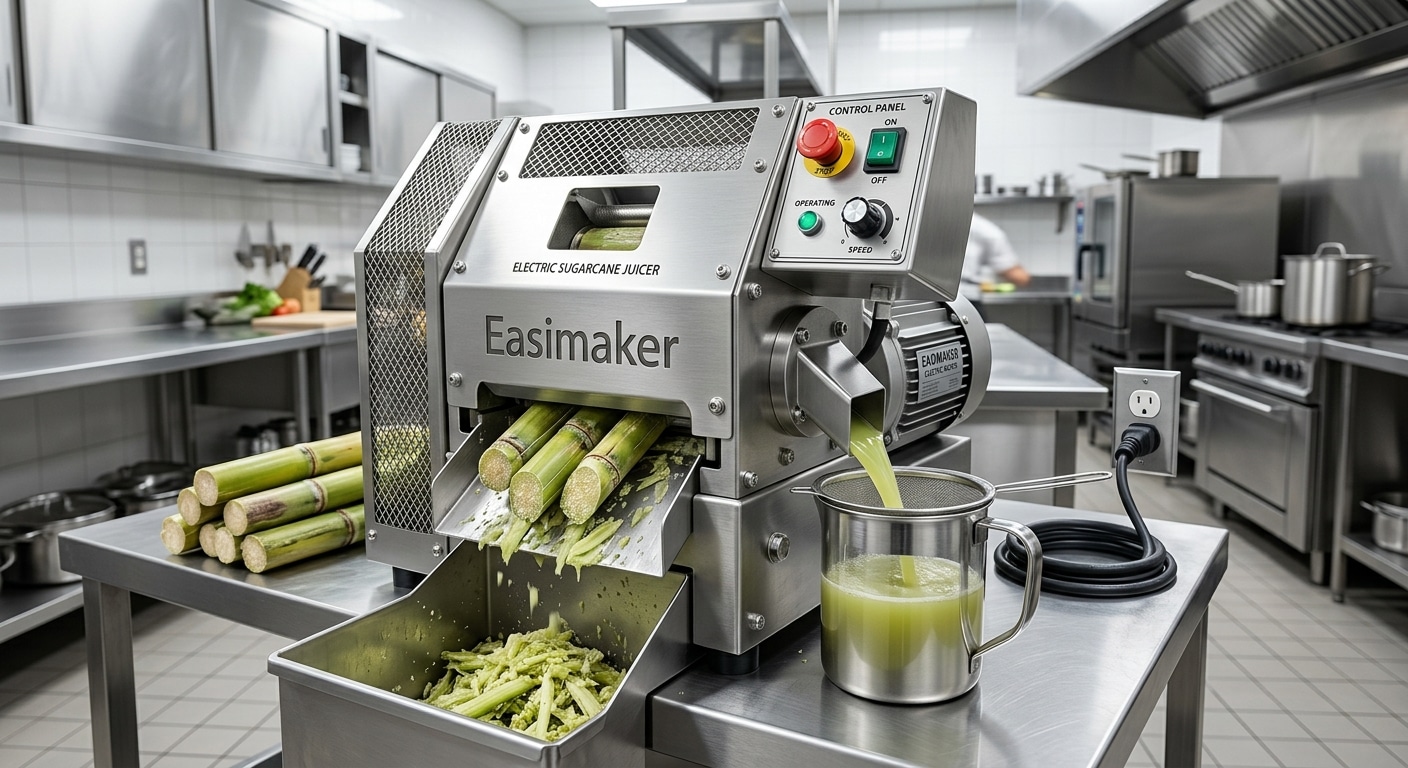
To maintain profitability, invest in a commercial-grade, electric sugarcane juicer. Key specifications to look for include:

  • High Extraction Yield: Multi-roller systems (3 to 5 rollers) that extract maximum juice in a single pass, reducing raw material waste.
  • Food-Grade Materials: 304 or 316 stainless steel construction for all juice-contact parts to ensure compliance with local health department regulations and prevent corrosion.
  • Ease of Cleaning: Removable rollers and accessible extraction chambers. Daily deep cleaning is mandatory to prevent bacterial buildup and cross-contamination.
  • Continuous Operation: Motors equipped with thermal protection and gearboxes designed for continuous, multi-hour operation during peak production windows.

Customer Retention Strategies

Acquiring a subscriber is only the first step; keeping them is where the profit lies. High customer retention in a fresh juice business relies on consistency and engagement.

  • Flexible Pausing: Allow customers to easily pause their subscriptions for vacations. A rigid policy leads to cancellations.
  • Bottle Return Programs: Implement a circular packaging system where customers leave empty glass bottles out for collection. This reduces packaging costs and builds eco-conscious brand loyalty.
  • Surprise and Delight: Occasionally include seasonal flavor infusions (e.g., sugarcane with ginger or calamansi) to keep the menu exciting without overcomplicating your core production line.

Frequently Asked Questions (FAQs)

How long does fresh sugarcane juice last during delivery?

Raw, untreated sugarcane juice should be consumed within 24 to 48 hours if kept strictly under 4°C. For longer shelf life, some commercial producers utilize High Pressure Processing (HPP), though this requires significant capital investment.

What is the ideal delivery radius for a fresh juice business?

For standard cold-bag delivery without refrigerated trucks, a 5 to 10-mile radius from your production hub is recommended to ensure the product remains at a safe temperature.

Can I use a manual juicer to start my subscription service?

It is highly discouraged. Manual juicers are slow, yield less juice, and pose hygiene challenges. An electric sugarcane juicer is essential for the volume, speed, and sanitary standards required for recurring commercial deliveries.

How do I handle missed deliveries?

Clear communication is vital. Require customers to leave insulated cooler bags at their door if they are not home. If no safe drop-off location is available, the delivery should be returned to the facility to prevent spoilage.

What is a good starting Minimum Order Quantity (MOQ) for B2B office deliveries?

A standard B2B starting point is 3 to 5 liters per delivery, delivered twice weekly. This ensures the delivery cost is absorbed by the higher ticket price.

Take the Next Step in Your Production

Scaling a juice delivery subscription requires the right strategy and the right equipment. If you are upgrading your facility to handle higher volumes with maximum efficiency and hygiene, you need reliable commercial processing power.

Ready to optimize your extraction process? Request a quote / Get a sample today to learn more about our high-yield electric sugarcane juicers designed for commercial operations.

Navigating Customs and Import Regulations for Commercial Juicing Equipment

A Strategic Approach to Importing Commercial Juicers

Procuring commercial juicing equipment overseas offers significant cost advantages, scalability, and access to specialized manufacturing. However, importing heavy machinery—such as industrial citrus extractors or high-capacity electric sugarcane juicers—introduces logistical and regulatory hurdles. Delays at customs, unexpected tariffs, or compliance failures can quickly erode profit margins and disrupt operational timelines.

This guide provides procurement managers, engineers, and distributors with a clear roadmap for navigating international shipping, customs documentation, and compliance standards when buying commercial juicers overseas.

Key Customs Concepts and Documentation

Successfully clearing customs requires accurate paperwork. Missing or incorrect documents are the leading cause of port delays and storage fees.

1. Harmonized System (HS) Codes

Every commercial product imported requires an HS code, a standardized numerical method of classifying traded products. Customs authorities use this code to determine the import duties and taxes applied to your machinery.

  • Typical Classification: Commercial juicing machinery generally falls under Chapter 84 of the HS code system (Nuclear reactors, boilers, machinery, and mechanical appliances).
  • Specific Subheadings: Depending on the exact function, equipment often falls under headings like 8438.80 (Machinery for the industrial preparation or manufacture of food or drink).
  • Actionable Tip: Always verify the exact HS code with your manufacturer and your local customs broker. A slight misclassification can lead to higher tariff rates or customs audits.

2. Essential Import Documents

Ensure your overseas supplier provides the following documentation well before the shipment reaches your destination port:

  • Commercial Invoice (CI): Must detail the buyer, seller, exact equipment descriptions, HS codes, unit prices, and total value.
  • Packing List: Outlines the exact dimensions, weight (net and gross), and number of crates. Crucial for heavy machinery logistics.
  • Bill of Lading (BOL) or Airway Bill (AWB): The official shipping contract and receipt of cargo issued by the carrier.
  • Certificate of Origin (COO): Proves where the equipment was manufactured. This is vital if your country has a Free Trade Agreement (FTA) with the exporting nation, which could reduce or eliminate import duties.

Compliance, Safety, and Material Standards

Commercial juicers process consumables, meaning they must adhere to strict food safety and electrical standards. Customs agencies often hold shipments lacking proper certification marks.

Electrical Certifications

Because commercial juicers utilize high-torque motors, electrical safety is paramount. Ensure the machinery matches your local grid specifications (e.g., 110V/60Hz for North America, 220V/50Hz for Europe and Asia).

  • North America: Look for UL (Underwriters Laboratories) or ETL certifications.
  • Europe: CE marking is mandatory for electrical machinery entering the European Economic Area.
  • Global: RoHS compliance ensures the electrical components are free from specific hazardous materials.

Food Contact Materials

Customs and health departments (such as the FDA in the US) may require proof that the machine’s components are safe for food contact.

  • Stainless Steel Grades: High-quality commercial juicers should utilize Food Grade Stainless Steel (SS304 or SS316) for all components touching the juice (rollers, filters, spouts).
  • Certifications: NSF certification or equivalent local health agency approvals are often required for equipment used in commercial kitchens and restaurants.

Shipping Options and Incoterms

Understanding how your equipment will be shipped and who bears the risk is critical for accurate landed-cost calculations.

Choosing the Right Freight Method

Commercial juicers are heavy. A single electric sugarcane juicer can weigh upwards of 50 to 100 kg.

  • Sea Freight (LCL vs. FCL): The most cost-effective method. Less than Container Load (LCL) is ideal for 1-5 units. Full Container Load (FCL) is used for bulk distributor orders. Expect transit times of 20-45 days.
  • Air Freight: Highly expensive due to the weight but necessary for urgent operational needs or sampling. Transit takes 3-7 days.

Incoterms Comparison

Incoterms define the responsibilities of buyers and sellers in international trade. Here are the most common terms used when buying commercial machinery:

Incoterm Seller Responsibility Buyer Responsibility Best For
EXW (Ex Works) Manufactures and packages the goods. Handles all transport, export clearance, and import duties. Buyers with strong logistics networks in the origin country.
FOB (Free on Board) Delivers goods to the origin port and clears them for export. Pays for ocean freight, insurance, and import customs. Most standard B2B machinery purchases.
CIF (Cost, Insurance, Freight) Covers transport to the destination port and maritime insurance. Handles import clearance, duties, and final delivery. Buyers who want the supplier to manage the main transit.
DDP (Delivered Duty Paid) Handles all shipping, export/import duties, and final delivery. Receives the goods at their facility. Buyers wanting a hands-off, all-inclusive price.

Packaging and Logistics Considerations

Heavy machinery requires robust packaging to survive international transit. Ensure your supplier uses heavy-duty, moisture-resistant packaging.

  • ISPM-15 Compliance: If the equipment is shipped in solid wood crates, the wood must be heat-treated or fumigated and stamped with the ISPM-15 mark. Customs will reject and potentially destroy shipments with non-compliant wood packaging.
  • Moisture Protection: Sea freight exposes cargo to high humidity. Machines should be wrapped in anti-rust VCI (Volatile Corrosion Inhibitor) film and include desiccant packs inside the crate.

Pre-Import Checklist for B2B Buyers

Before transferring funds or signing a purchase agreement, follow this checklist:

  1. Confirm Specifications: Verify voltage, plug types, and material grades (e.g., SS304).
  2. Hire a Customs Broker: Engage a licensed broker in your country to handle the import entry and advise on exact duty rates.
  3. Verify Certifications: Request copies of CE, UL, or NSF certificates and verify their validity.
  4. Calculate Landed Cost: Factor in the unit price, freight, insurance, import duties, port handling fees, and final inland delivery.

Frequently Asked Questions (FAQs)

Do I need a special license to import commercial juicing equipment?

In most countries, a specific import license is not required for commercial food machinery. However, you must be a registered business entity with a valid tax identification number (such as an EIN in the US or an EORI number in Europe) to act as the Importer of Record.

How much are import duties on commercial juicers?

Duty rates vary widely depending on the destination country and the country of origin. Rates typically range from 0% to 10%. Check your local tariff schedule using the agreed HS code (e.g., 8438.80) for exact figures.

What happens if my equipment is damaged during shipping?

If you purchased under CIF terms, the supplier’s insurance should cover maritime damage. If you purchased FOB or EXW, you must file a claim with your own cargo insurance provider. Always inspect crates for visible damage before signing the delivery receipt.

Can I order a single unit as a sample before committing to a bulk order?

Yes. Reputable manufacturers encourage sample orders to verify quality, performance, and compliance. Keep in mind that shipping a single heavy unit via air freight will significantly increase the per-unit cost for the sample.

How long does the entire import process take?

Manufacturing lead times typically range from 15 to 30 days. Sea freight adds another 20 to 45 days depending on the route. Customs clearance usually takes 2 to 5 days if all paperwork is in order. Plan for a total lead time of 6 to 10 weeks.

Ready to Upgrade Your Equipment?

Navigating international procurement doesn’t have to be a barrier to growing your business. By understanding the regulations and partnering with an experienced manufacturer, you can secure high-quality machinery efficiently and cost-effectively.

If you are looking for reliable, commercial-grade electric juicing solutions built to international standards, we are here to help. Request a quote / Get a sample today to discuss your specific voltage, capacity, and shipping requirements.