
Capitalizing on the Zero-Proof Trend: Sugarcane Juice in Alcohol-Free Bars

The Evolution of the Zero-Proof Beverage Market
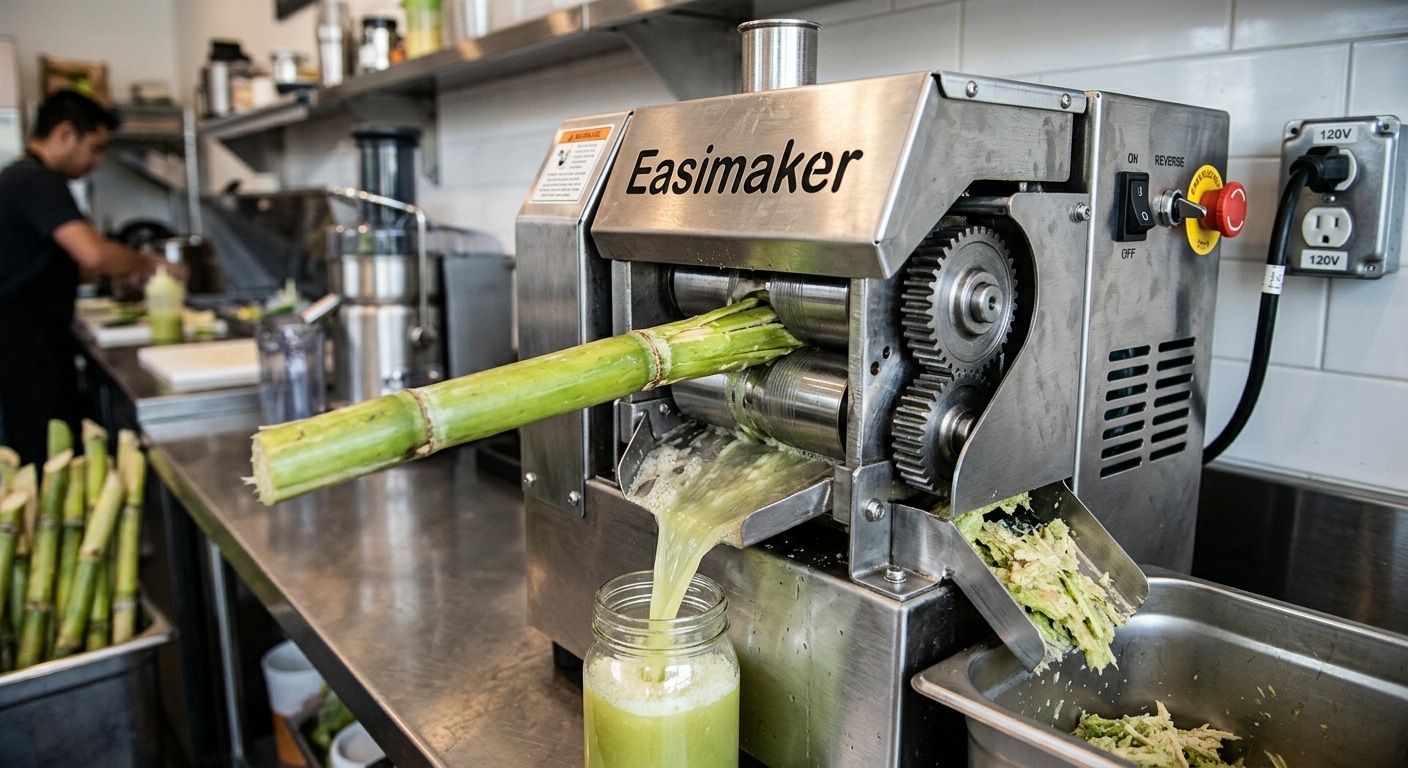
The hospitality industry is experiencing a fundamental shift in consumer drinking habits. The demand for sophisticated, zero-proof drinks has transitioned from a niche dietary preference to a primary driver of revenue in modern nightlife and dining. Consumers visiting alcohol-free bars expect more than standard sodas or overly sweet fruit punches; they demand complex flavor profiles, unique mouthfeels, and premium ingredients that justify a cocktail-level price point.

For bar owners and beverage directors, sourcing the right base ingredients is the most critical step in menu development. Freshly extracted sugarcane juice is rapidly emerging as a high-value, versatile foundation for zero-proof menus. When processed through commercial-grade electric extractors, raw sugarcane yields a naturally sweet, highly mixable liquid that elevates the non-alcoholic drinking experience.

Why Sugarcane Juice is the Ultimate Zero-Proof Base

Integrating sugarcane juice into a commercial juice business or alcohol-free bar offers several distinct operational and culinary advantages.

Flavor Complexity and Viscosity

Unlike refined simple syrups, fresh sugarcane juice possesses a grassy, slightly earthy flavor profile with hints of vanilla. This natural complexity mimics the depth often provided by base spirits. Furthermore, sugarcane juice has a rich, velvety viscosity that gives mocktails a satisfying mouthfeel—a common missing element in zero-proof drinks.

Health-Conscious Appeal

Modern consumers scrutinize ingredients. Fresh sugarcane juice is unrefined and retains natural trace minerals like calcium, magnesium, and potassium. Positioning drinks as containing “100% fresh-pressed sugarcane” rather than “added sugars” aligns perfectly with the wellness-oriented mindset of the zero-proof demographic.

Developing Your Sugarcane Juice Mocktail Menu

To maximize the profitability of sugarcane juice mocktails, operators should focus on balancing the natural sweetness of the cane with acidic, bitter, or spicy elements. Below is a foundational pairing guide for recipe development:

Flavor Profile Complementary Ingredients Application in Zero-Proof Bars
Acidic & Citrus Calamansi, Yuzu, Lime, Passionfruit Cuts through the sweetness, creating a refreshing, Margarita-style or Mojito-style base.
Spicy & Earthy Fresh Ginger, Turmeric, Jalapeño Adds the “bite” or burn typically associated with alcohol, perfect for Mule alternatives.
Bitter & Herbal Matcha, Gentian Root, Rosemary, Mint Provides aromatic depth and a dry finish, ideal for sophisticated, slow-sipping mocktails.

Commercial Equipment: Selecting an Electric Sugarcane Juicer

The operational viability of a sugarcane-based menu relies entirely on the equipment used. For a high-volume alcohol-free bar, manual presses are completely unsuited due to excessive labor costs, slow processing times, and low extraction yields. Operators must invest in heavy-duty, commercial electric sugarcane juicers.

Key Specifications to Look For

  • Extraction Yield: High-quality electric machines should offer a single-pass extraction rate of 70% to 80%. This maximizes the ROI on raw sugarcane and minimizes waste.
  • Material and Food Safety: The rollers and juice-contact surfaces must be constructed from food-grade stainless steel (typically 304 grade) to resist corrosion and ensure compliance with health department regulations.
  • Motor Power and Gear Systems: Look for machines with robust gear-driven motors. A powerful electric motor ensures the machine can handle thick, hard cane stalks without jamming, which is crucial during peak service hours.
  • Noise Levels: In a bar environment, ambiance is critical. Select an electric juicer engineered for quiet operation so that it does not disrupt the customer experience.
  • Ease of Cleaning: Sanitation is a daily requirement. Machines with easily removable rollers or accessible washing ports drastically reduce end-of-shift labor.

Operational Workflow and Sourcing

Implementing a new raw ingredient requires a streamlined operational workflow. Raw sugarcane stalks must be sourced from reliable agricultural distributors. Upon delivery, the cane should be washed, peeled (if required by the specific machine or recipe), and cut into manageable lengths.

Freshly extracted sugarcane juice oxidizes rapidly, changing color from vibrant green to brown. To maintain visual appeal and optimal flavor, it is highly recommended to press the juice to order, or batch it in small quantities mixed immediately with an acidic component (like lime juice) to stabilize the color during a busy service shift.

Frequently Asked Questions (FAQs)

1. What is the shelf life of fresh sugarcane juice?

For the best flavor and visual appeal, sugarcane juice should be consumed immediately after extraction. If batched, it can be stored in a sealed container under refrigeration for up to 24 hours, though color degradation may occur without the addition of ascorbic acid or citrus.

2. Can I use a standard centrifugal juicer for sugarcane?

No. Sugarcane is extremely dense and fibrous. Standard fruit and vegetable juicers will break if used for sugarcane. You must use a specialized commercial electric sugarcane juicer with heavy-duty stainless steel rollers.

3. Are electric sugarcane juicers difficult to maintain?

Modern commercial electric juicers are designed for easy maintenance. Daily cleaning involves flushing the extraction chamber with water and sanitizing the rollers. Regular lubrication of the gears and chains (depending on the model) is required for long-term durability.

4. What is the typical profit margin on sugarcane juice mocktails?

Because raw sugarcane is relatively inexpensive when purchased wholesale, the cost per ounce of juice is low. When crafted into a premium zero-proof cocktail, profit margins often exceed 80%, rivaling or surpassing traditional alcoholic beverages.

5. Do I need to peel the sugarcane before juicing?

This depends on your equipment. High-end commercial electric juicers can process unpeeled cane, provided it has been thoroughly washed and sanitized. However, some operators prefer to peel the cane to achieve a brighter green juice and a slightly cleaner flavor profile.

Elevate Your Zero-Proof Menu Today

Transitioning to a highly profitable, innovative zero-proof menu requires the right strategy and the right equipment. By leveraging the natural complexity of fresh sugarcane juice and investing in reliable, commercial-grade electric extraction technology, your bar can capture the growing demographic of conscious consumers.

Ready to upgrade your beverage program? Request a quote / Get a sample today to discover how our premium electric sugarcane juicers can transform your operations and boost your bottom line.
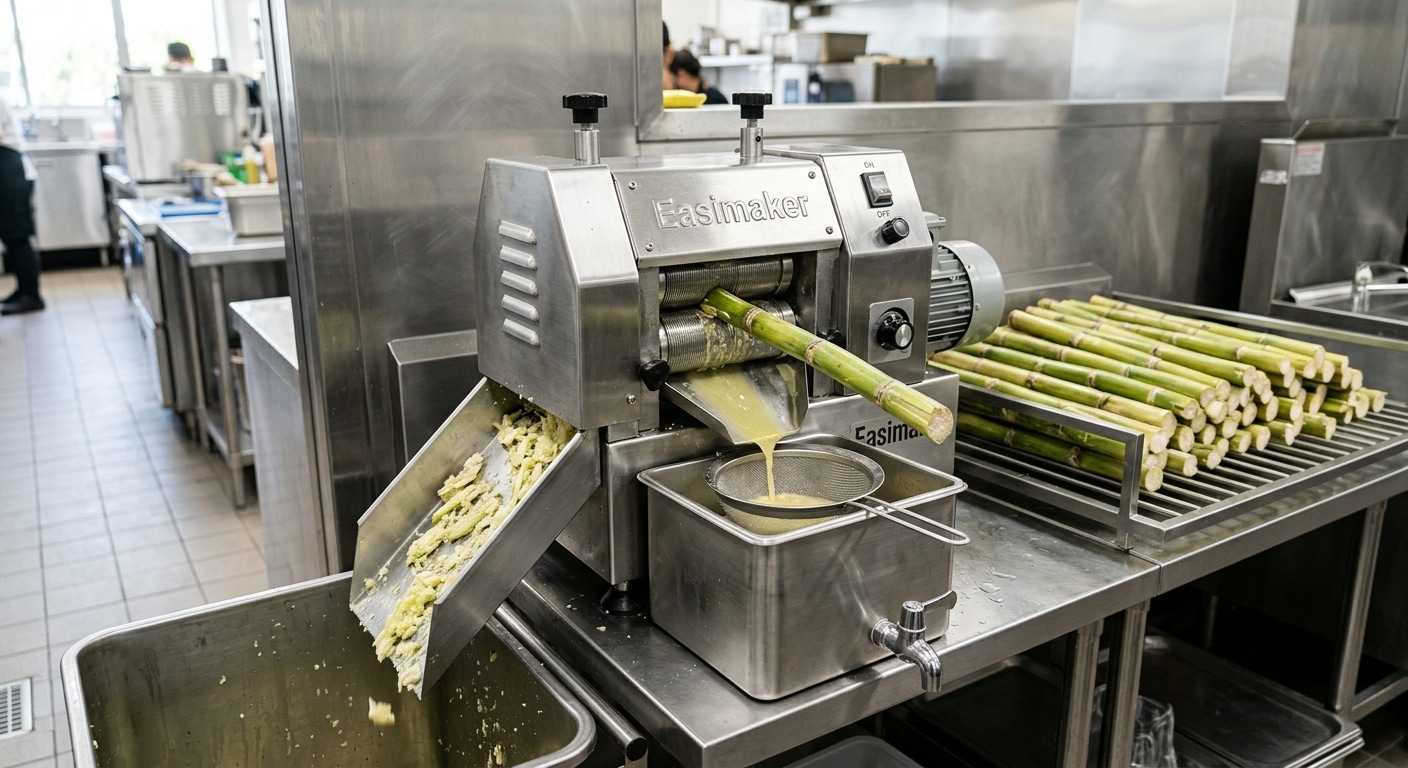
Ergonomics in Juice Bars: Positioning Your Sugarcane Machine to Prevent Operator Fatigue

The Hidden Cost of Operator Fatigue in Commercial Juice Bars

In high-volume commercial beverage operations, throughput is directly tied to operator efficiency. While procurement teams often focus on extraction yield and motor durability when sourcing equipment, the physical interaction between the staff and the machine is frequently overlooked. Poor juice bar ergonomics can lead to operator fatigue, reduced extraction rates during peak hours, and increased staff turnover due to repetitive strain injuries (RSI).

For franchises, distributors, and independent operators, optimizing sugarcane machine placement is not just a matter of comfort—it is a critical operational strategy. A well-designed commercial kitchen layout minimizes unnecessary movement, reduces physical exertion, and ensures a safer, more productive juicing workflow.

Understanding the Physical Toll of High-Volume Juicing

Processing sugarcane requires handling long, heavy stalks and feeding them into a crushing mechanism. Even with high-efficiency electric juicers, operators must repeatedly lift, guide, and sometimes apply slight pressure to initiate the crush. When multiplied by hundreds of servings per shift, this repetitive motion takes a physical toll.

  • Shoulder and Neck Strain: Occurs when the machine’s feeding port is positioned too high, forcing the operator to lift their arms above a natural resting angle.
  • Lower Back Pain: Results from twisting the spine to reach for raw stalks or leaning forward over deep counters to feed the machine.
  • Wrist and Forearm Fatigue: Caused by improper feeding angles that force the wrists out of a neutral alignment.

Designing the Ergonomic Juicing Workflow

To mitigate these risks, brand owners and operations managers must design workstations that adapt to the human body, rather than forcing the body to adapt to the equipment.

Optimal Counter Heights for Sugarcane Machines

Standard commercial stainless steel prep tables are typically 36 inches (91 cm) high. However, commercial sugarcane juicers are often tall, placing the feeding port significantly higher than the counter surface. If an operator has to raise their elbows above 90 degrees to feed the stalk, fatigue will set in rapidly.

Operator Height Range Recommended Feeding Port Height Ideal Counter/Stand Height
5’2″ – 5’6″ (157-167 cm) 36″ – 38″ (91-96 cm) 24″ – 26″ (61-66 cm)
5’7″ – 5’11” (170-180 cm) 39″ – 42″ (99-106 cm) 27″ – 30″ (68-76 cm)
6’0″+ (183 cm+) 43″ – 45″ (109-114 cm) 31″ – 33″ (78-83 cm)

Recommendation: Instead of standard counters, use custom drop-stands or adjustable equipment legs to ensure the machine’s feeding port aligns with the operator’s natural waist-to-elbow “strike zone.”

Machine Feeding Angles and Posture

The operator should be able to stand squarely in front of the feeding port. Positioning the machine at an awkward angle or tucking it into a deep corner forces the operator to twist their torso. The machine should be placed no more than 4 to 6 inches (10-15 cm) from the front edge of the counter to prevent excessive leaning.

Material Flow: Raw Cane to Bagasse Disposal

An ergonomic juicing workflow follows a linear path—typically left-to-right or right-to-left—eliminating the need for the operator to cross their arms or pivot 180 degrees.

  1. Staging Area: Pre-cut, washed sugarcane stalks should be stored in vertical bins or elevated horizontal racks immediately adjacent to the operator’s dominant hand.
  2. Extraction Zone: The electric sugarcane machine is positioned centrally.
  3. Waste Management: Bagasse (crushed cane fiber) must exit the machine smoothly. Position a high-capacity waste bin directly beneath the ejection chute, ideally utilizing a counter drop-hole, so operators do not have to manually clear or sweep heavy, wet bagasse.

Equipment Selection: The Role of Electric Juicers

Manual juicers have no place in a high-volume commercial setting due to the severe ergonomic hazards they present. Investing in robust electric sugarcane juicers is mandatory for operator safety. High-quality electric models handle 100% of the crushing force. The operator’s only physical task should be guiding the stalk into the feed port.

When sourcing machines for your franchise or distribution network, look for models with self-feeding roller designs. Once the stalk engages with the first set of rollers, the machine should pull the cane through automatically, eliminating the need for the operator to push forcefully against the machine.

Best Practices for Repetitive Strain Injury (RSI) Prevention

Beyond machine placement, operational protocols play a vital role in preventing fatigue:

  • Anti-Fatigue Mats: Install commercial-grade, slip-resistant anti-fatigue mats (at least 5/8-inch thick) to reduce lower limb and back stress caused by standing on hard tile or concrete floors.
  • Task Rotation: Implement shift schedules where staff rotate between juicing, POS/cashier duties, and prep work every 2 hours to utilize different muscle groups.
  • Proper Footwear: Mandate supportive, non-slip footwear for all back-of-house staff.

Procurement and Standardization for Franchises

For brand owners and distributors, standardizing the ergonomic layout across multiple locations ensures consistent operational efficiency. When working with equipment manufacturers, discuss bulk ordering (MOQ) for machines alongside custom stainless steel drop-stands designed specifically for those units. Standardizing the equipment package simplifies training, reduces maintenance variables, and guarantees that every location adheres to your ergonomic safety standards.

Frequently Asked Questions (FAQs)

What is the ideal distance between the sugarcane staging area and the juicer?

The raw sugarcane should be within an arm’s reach (approximately 16 to 24 inches from the operator’s center) to prevent overreaching or stepping away from the machine during a rush.

Can we put a commercial sugarcane machine on a standard prep table?

While possible, it is rarely ergonomic. Standard 36-inch tables often elevate the machine’s feeding port too high for average-height operators. A lowered equipment stand is highly recommended.

How do we handle heavy bagasse waste ergonomically?

Use a direct-drop chute system where bagasse falls directly into a rolling bin beneath the counter. This prevents staff from having to manually lift heavy, wet waste bags out of standard trash cans.

Are electric sugarcane machines safer for staff than manual ones?

Yes. Electric machines eliminate the extreme physical exertion required to crank manual gears, drastically reducing the risk of shoulder, back, and wrist injuries in high-volume settings.

How often should staff rotate off the juicing station?

In high-volume environments, rotating staff every 2 to 3 hours is a standard best practice to prevent muscle fatigue and maintain high concentration and safety levels.

Optimize Your Juice Bar Operations Today

Protecting your staff from fatigue directly protects your bottom line. By investing in ergonomic layouts and high-efficiency electric sugarcane processing equipment, you ensure a faster, safer, and more profitable operation. If you are a distributor, franchise owner, or commercial buyer looking to upgrade your beverage equipment, we can help you source the right solutions.

Ready to improve your juicing workflow? Request a quote / Get a sample today to learn more about our commercial electric sugarcane juicers.

The Visual Appeal of Live Juicing: Designing a Front-of-House Station for Impulse Sales

Turning Process into Profit: The Front-of-House Shift

In the competitive beverage industry, the barrier between production and consumption is disappearing. Historically, commercial juicing—particularly for tough ingredients like sugarcane—was relegated to back-of-house kitchens due to noise, mess, and the industrial appearance of the machinery. Today, the trend has inverted. Operators are moving preparation to the front counter, transforming juice extraction from a hidden chore into a visual sales driver.

For B2B buyers, including juice bar owners, hospitality procurement managers, and food retail designers, this shift requires a strategic approach to equipment selection and station layout. A well-designed front-of-house (FOH) station does more than make juice; it leverages the “theater” of preparation to validate freshness, build trust, and trigger impulse purchases.

The Psychology of Transparent Preparation

Consumers are increasingly skeptical of pre-packaged beverages and hidden preparation methods. “Live juicing” addresses this skepticism by offering total transparency. When a customer watches a stalk of sugarcane being crushed and the juice flowing instantly into a cup, the value proposition is immediate and undeniable.

Building Trust Through Visibility

Transparent equipment designs allow customers to inspect the hygiene and freshness of the product without asking a single question. A machine featuring a clear viewing window or a transparent chassis demonstrates that the raw ingredients are natural and the rollers are clean. This visual proof is often more persuasive than any “100% Natural” label.

Triggering Impulse Buys

Impulse purchasing is driven by sensory cues. A static menu board relies on reading; a live juicing station relies on sight and sound. The rhythmic crushing of sugarcane and the vibrant color of the juice create a sensory hook. By placing an aesthetic, transparent machine on the counter, operators convert passive foot traffic into active customers who are drawn in by the activity.

Selecting Equipment for Front-of-House Operations

Not all commercial juicers are suitable for the countertop. Moving equipment FOH introduces new constraints regarding aesthetics, noise, and safety. When sourcing sugarcane machines for display, prioritize the following specifications:

1. Aesthetic and Material Finish

The machine is now part of the interior design. Industrial cast iron or painted metal often looks out of place in modern cafes or hotel buffets.

  • Preferred Material: Food-grade Stainless Steel 304. It offers a sleek, professional appearance, resists corrosion from acidic juices, and is easy to polish.
  • Transparency: Look for models with polycarbonate or tempered glass viewing windows that showcase the roller mechanism safely.

2. Acoustic Engineering

Noise pollution can ruin the customer experience. A machine running at 80dB+ will disrupt conversation and annoy staff. High-quality FOH juicers utilize precision-machined gearboxes and insulated motor housings to operate quietly, typically under 65-70dB, allowing the machine to run continuously without becoming a nuisance.

3. Safety and Hygiene

Open-roller machines are generally prohibited in customer-facing areas due to injury risks. FOH machines must be fully enclosed. Additionally, the design should prevent juice splatter. A sealed juicing compartment ensures the counter remains sticky-free, which is critical for maintaining a premium image.

Layout Tips for Maximizing the “Theater”

Placing a machine on a counter is not enough. The station layout must facilitate workflow while maximizing visibility.

The “Zone of Attention”

Position the juicer at eye level or slightly below, within the customer’s immediate line of sight upon entry. Avoid placing it behind high sneeze guards or POS terminals that obstruct the view of the extraction process. The movement of the machine should be visible from the queue.

Workflow Efficiency

Speed of service is critical for impulse sales—customers will not wait long for a “convenience” drink. Design the workflow to minimize operator movement:

  • Input Zone: Keep pre-washed, pre-cut sugarcane stalks in a clean, chilled display vessel next to the machine.
  • Processing Zone: The machine sits centrally. Ensure the waste chute feeds directly into an under-counter bin to hide the fibrous bagasse immediately.
  • Output Zone: Cups, ice, and garnishes should be within arm’s reach of the juice spout to ensure a pour-to-serve time of under 30 seconds.

Lighting and Signage

Use focused track lighting to illuminate the machine and the fresh ingredients. Warm light enhances the natural color of sugarcane juice. Simple signage such as “Pressed Fresh on Order” reinforces the visual narrative.

Manufacturing and Quality Considerations

For distributors and procurement officers, vetting the manufacturing quality of FOH machines is essential to prevent downtime and reputational damage.

Component What to Look For Why It Matters
Rollers Solid Stainless Steel 304 Durability against hard cane fibers; prevents metal shavings/contamination.
Motor Copper winding, high torque Ensures consistent crushing power without overheating during peak hours.
Chassis Reinforced frame Reduces vibration and movement on the counter.
Seals Double-sealed bearings Prevents juice from leaking into the motor compartment (a common failure point).

Buying Guide: Sourcing Your Station Equipment

When requesting quotes for live juicing equipment, consider the following logistics and customization options:

  • Customization (OEM/ODM): If you are a franchise or brand, ask if the manufacturer can customize the machine housing color or apply laser-etched logos to align with your store aesthetic.
  • Spare Parts Availability: Ensure the supplier provides a kit of common wear parts (gaskets, fuses) to avoid downtime.
  • Cleaning Protocols: Ask for a demonstration of the cleaning process. FOH machines must be cleaned frequently; a system that requires tools to disassemble is impractical for busy staff. Look for “tool-free” removal of rollers and juice trays.
  • Certifications: Verify that the equipment meets local electrical safety and sanitation standards (e.g., CE, ETL, or NSF equivalent where applicable).

Frequently Asked Questions

How much space does a commercial sugarcane juicer require?

Compact countertop models typically require a footprint of approximately 40cm x 50cm (16″ x 20″). However, you should allocate an additional 30cm (12″) on either side for ingredient handling and airflow.

Is live juicing noisy?

It depends on the machine. Industrial models are loud, but modern FOH-specific units are designed with noise reduction technology. Always check the decibel (dB) rating in the spec sheet; aim for <70dB.

How often should the machine be cleaned?

For hygiene and visual appeal, the external surfaces should be wiped down constantly. The internal juicing components should be rinsed every few hours (or per local health code) and deep cleaned at the end of every shift.

Can these machines handle different sizes of sugarcane?

Yes, most professional machines have self-adjusting rollers or a feed inlet designed to accommodate standard cane diameters (usually up to 50mm). For very thick cane, splitting it in half may be required depending on the motor power.

What is the typical ROI for a live juicing station?

While variable, the margin on sugarcane juice is typically high due to low raw material costs. Adding the “live” element often allows operators to charge a premium for freshness, shortening the payback period for the equipment.

Enhance Your Beverage Service

Implementing a live juicing station is a strategic investment in customer experience and sales volume. By choosing equipment that balances industrial durability with retail aesthetics, you create a focal point that drives revenue.

Ready to upgrade your front-of-house operations?

Is TiniForce S3 Performance Better Than Traditional Manual Equipment? A Comprehensive B2B Comparison

Introduction: The Evolution of Commercial Sugarcane Juicing

For decades, the image of sugarcane juicing has been defined by heavy, hand-cranked iron wheels and manual labor. In many markets, traditional manual equipment remains a staple due to its low entry cost and simplicity. However, as the global demand for fresh, hygienic, and efficiently produced natural beverages grows, the limitations of manual extraction are becoming operational bottlenecks for modern businesses.

For B2B buyers—ranging from beverage equipment distributors to commercial kitchen procurement managers—the choice between maintaining traditional manual setups and upgrading to electric tabletop solutions is driven by data: yield efficiency, labor costs, hygiene compliance, and customer experience. The TiniForce S3 has emerged as a significant contender in this space, offering a compact, electric alternative that challenges the dominance of manual presses.

This article provides an in-depth technical and operational comparison between the TiniForce S3 electric tabletop sugarcane machine and traditional manual equipment. We will analyze performance metrics, hygiene standards, return on investment (ROI), and suitability for different business models.

1. The Mechanics of Extraction: Manual vs. Electric Engineering

Traditional Manual Equipment: The Physics of Leverage

Manual sugarcane juicers rely entirely on mechanical advantage generated by human effort. They typically feature a large flywheel connected to a gear system that rotates two or three heavy rollers.

  • Force Application: The operator must physically turn a wheel or crank. The torque applied to the sugarcane depends on the operator’s strength and stamina.
  • Consistency Issues: As operators fatigue, the speed of rotation and the force applied often decrease, leading to inconsistent crushing and lower juice extraction rates over time.
  • Mechanical Simplicity: These machines have fewer electrical components to fail but rely heavily on open gears and bearings that require frequent greasing.

TiniForce S3: Precision Electric Drive

The TiniForce S3 represents the modern approach to extraction, utilizing an electric motor and a precision gearbox system designed for consistent torque delivery.

  • Constant Torque: Unlike manual operation, the electric motor delivers consistent power regardless of the cane’s thickness or hardness. This ensures that the rollers maintain optimal crushing pressure from the first stalk to the last.
  • Tabletop Compact Design: The engineering focuses on reducing the footprint without sacrificing power, making it a compact sugarcane juice machine suitable for indoor counters where space is at a premium.
  • Automated Feeding: The roller geometry is designed to grab and pull the cane through automatically, removing the need for the operator to force-feed the stalk.

2. Performance Analysis: Speed, Yield, and Efficiency

When evaluating TiniForce S3 performance against manual options, three key metrics define the winner: throughput (speed), extraction rate (yield), and operational continuity.

Output Speed and Throughput

In a commercial setting, time is revenue. Manual machines are inherently limited by human speed.

  • Manual Speed: A skilled operator might process 1-2 stalks per minute, but this rate drops significantly after 15-20 minutes of continuous labor due to fatigue.
  • Electric Speed: The TiniForce S3 operates at a consistent RPM optimized for extraction. It can run continuously without slowing down, allowing for a predictable output calculation (e.g., liters per hour) that is essential for high-volume service environments.

Juice Extraction Rate (Yield)

Yield is defined by the percentage of juice weight extracted from the raw cane weight. This is where the difference between manual and electric becomes financially significant.

Manual machines often suffer from “operator variance.” If the operator is tired, they may not tighten the rollers sufficiently or may pass the cane through fewer times. In contrast, the TiniForce S3 utilizes fixed or spring-loaded roller gaps that apply consistent, high pressure. This results in a “dry bagasse” (waste) after a single pass, maximizing the juice yield per kilogram of cane purchased. Over a year, a 5-10% increase in yield can translate to significant savings in raw material costs.

3. Hygiene and Food Safety: The Critical Differentiator

For B2B buyers in regulated markets (Europe, North America, premium Asian markets), hygiene is not optional—it is a legal requirement. This is the area where traditional manual machines face their biggest challenges.

The “Open Gear” Problem of Manual Machines

Most traditional manual juicers feature exposed gears and chains. To keep these moving parts functional, operators must apply grease and oil regularly.

  • Contamination Risk: There is a high risk of lubricants dripping onto the rollers or into the juice collection tray.
  • Cleaning Difficulty: The open design allows dust, insects, and cane debris to settle in hard-to-reach crevices. Thoroughly cleaning a heavy cast-iron manual machine is labor-intensive and rarely done to a food-grade standard daily.

The Sanitary Design of TiniForce S3

The TiniForce S3 is engineered as a cleaner/hygienic accessible surface machine.

  • Enclosed Drive System: The motor and gearbox are sealed away from the juicing area. There is zero contact between the mechanical lubricants and the food zone.
  • Food-Grade Materials: The rollers and juice contact parts are typically made from SS304 stainless steel, which is resistant to corrosion and easy to sanitize.
  • Removable Components: Modern electric designs often allow for quick disassembly of the juicing compartment, enabling operators to wash components in a sink or dishwasher at the end of a shift.

4. Operational Environment: Noise and Aesthetics

Where the machine is placed determines which technology is superior. For a roadside stall, noise may not matter. For a hotel buffet or a quiet café, it is paramount.

Noise Levels

  • Manual: Generally silent in terms of motor noise, but the mechanical squeaking of gears and the physical exertion of the operator can be disruptive.
  • Standard Electric: Older industrial electric machines are notoriously loud, often resembling the sound of a lawnmower.
  • TiniForce S3: Marketed as a quiet sugarcane juicer, the S3 utilizes precision-machined gears and a high-quality motor to operate at ultra-low decibels. This allows it to be used front-of-house without interrupting customer conversations.

Aesthetics and Branding

A rusty, hand-cranked machine conveys a “rustic” feel that may work for specific street food themes but often signals “low hygiene” to premium consumers. The TiniForce S3 features a sleek, modern enclosure that aligns with professional kitchen equipment standards. It signals to the customer that the establishment prioritizes quality and cleanliness.

5. Labor Economics and ROI

When deciding between manual vs electric sugarcane juicers, the initial purchase price is only one part of the equation.

The Hidden Cost of Manual Operation

While a manual machine is cheaper upfront, it requires a dedicated operator who is physically capable of strenuous labor.
1. Labor Cost: You are paying a staff member to act as a motor. Their productivity is capped by physical limits.
2. Injury Risk: Repetitive strain injuries (RSI) from hand-cranking are common, leading to staff downtime.
3. Multitasking: An operator cranking a machine cannot simultaneously handle payments, serve customers, or prep other drinks.

The Efficiency of Electric Automation

The TiniForce S3 allows for “hands-free” extraction once the cane is fed.
1. Multitasking: The operator can feed the cane and immediately turn to prepare a cup or take payment while the machine processes the stalk.
2. Lower Skill Barrier: Any staff member can operate the machine with minimal training and zero physical strength requirements.
3. Throughput Revenue: The ability to serve more customers per hour during peak times directly increases revenue potential.

6. Comparison Table: TiniForce S3 vs. Manual Press

Feature Traditional Manual Machine TiniForce S3 (Electric Tabletop)
Power Source Human Effort (Manual Crank) Electric Motor
Throughput Consistency Variable (Declines with fatigue) High & Constant
Juice Yield Medium (Depends on operator strength) High (Precision roller gap)
Hygiene Low (Exposed gears, grease risk) High (Sealed drive, SS304 parts)
Noise Level Silent (except mechanical squeaks) Ultra-Low Noise
Operator Effort High (Physically demanding) Minimal (Automatic feeding)
Space Requirement Large (Needs leverage space) Compact Tabletop
Ideal Setting Remote areas (No electricity) Hotels, Juice Bars, Cafés, Malls

7. Technical Specifications & Manufacturing Quality

For distributors and engineers, understanding the build quality is essential. The TiniForce S3 is not just a consumer appliance; it is a small commercial cane juice machine built for durability.

Materials and Durability

Manual machines are often cast from iron, which is heavy and prone to rust if the paint chips. The TiniForce S3 typically utilizes a stainless steel body and rollers. Stainless steel 304 is the industry standard for food contact, offering resistance to the acidic nature of sugarcane juice.

Motor and Gearbox

The reliability of an electric juicer lies in its transmission. The TiniForce S3 is designed to handle the high-torque requirements of crushing fibrous cane without stalling. High-quality bearings and heavy-duty gears ensure a long service life, provided routine maintenance is followed.

8. Buying Guide: Factors for B2B Buyers

If you are considering adding the TiniForce S3 to your distribution portfolio or upgrading your kitchen equipment, consider the following:

Volume Requirements

If your business processes hundreds of liters per day, you may need a heavy-duty floor-standing unit. However, for most juice bars, restaurants, and hotels, the TiniForce S3 offers the perfect balance of output and size.

Electricity Availability

The only scenario where a manual machine wins is in locations with absolutely no access to electricity (e.g., remote mobile carts). For all other scenarios, the electric option offers superior ROI.

Maintenance Capabilities

While the TiniForce S3 requires less daily tinkering than a manual machine, it does require adherence to a cleaning schedule to protect the seals and ensure hygiene. Ensure your staff is trained on proper cleaning procedures.

9. Frequently Asked Questions (FAQs)

Is the TiniForce S3 suitable for commercial use?

Yes, despite its compact size, the TiniForce S3 is engineered as a commercial-grade unit capable of continuous operation in juice bars, restaurants, and hotels.

Can the TiniForce S3 crush different sizes of sugarcane?

Yes, the machine is designed to handle various cane diameters. However, for extremely thick stalks, it is sometimes recommended to split the cane or peel the hard knots to extend the roller life.

How does the noise level compare to a blender?

The TiniForce S3 is significantly quieter than a commercial blender. It operates with a low hum rather than a high-pitched whine, making it appropriate for front-of-house use.

Is it difficult to clean?

No. Unlike manual machines with fixed rollers and exposed gears, the TiniForce S3 usually features removable parts or easily accessible flushing points, allowing for full sanitization in minutes.

Where can I buy the TiniForce S3?

You can purchase the machine directly through Easimaker. Visit our contact page to request a quote or discuss distribution opportunities.

Conclusion

While traditional manual sugarcane pressers have served the industry for decades, they struggle to meet modern standards of efficiency, hygiene, and aesthetics. For businesses operating in competitive environments where speed, cleanliness, and labor costs are critical, the TiniForce S3 offers a clear performance advantage.

By upgrading to an electric tabletop solution, businesses can increase juice yield, ensure food safety compliance, and provide a better experience for both staff and customers. The TiniForce S3 proves that high performance can come in a compact package.

Ready to upgrade your operation?

Contact Easimaker today to request a quote or get a sample of the TiniForce S3 and see the difference for yourself.