
Introduction: The Search for Higher Yields in the Beverage Sector
For investors, cafe owners, and commercial beverage operators, maximizing return on investment (ROI) requires a careful analysis of Cost of Goods Sold (COGS) versus retail pricing. While traditional offerings like freshly squeezed orange and apple juices remain staples in the hospitality sector, their profit margins are increasingly squeezed by volatile commodity prices, high volume requirements per serving, and intense market competition.
To secure superior financial returns, forward-thinking operators are diversifying their menus with high-yield, premium-priced alternatives. Sugarcane juice has emerged as a frontrunner in this category. This article compares the raw material costs, extraction yields, and retail markups of sugarcane juice against standard citrus and apple juices, demonstrating why adding commercial sugarcane juicing to your operations can significantly elevate your bottom line.
Raw Material Costs and Extraction Yields
The foundation of any juice business ROI lies in the efficiency of raw material conversion. How much juice can you extract from a single kilogram of produce, and what does that produce cost?
Citrus (Oranges)
- Extraction Yield: Typically 40% to 50% by weight, depending on the juicing technology and fruit variety.
- Raw Material Cost: Citrus prices are highly susceptible to seasonal changes, weather events (like frosts), and transportation costs. A standard 250ml (8.5 oz) serving often requires 3 to 4 medium-sized oranges.
- Cost per Serving: Moderate to high. The sheer volume of fruit required per cup inherently limits gross margins.
Apple Juice
- Extraction Yield: Generally higher than citrus, averaging 55% to 65% when using commercial centrifugal or cold-press equipment.
- Raw Material Cost: Apples are heavily commoditized, making baseline costs relatively stable. However, to command a premium retail price, operators often must source organic or heritage varieties, which drives up COGS.
- Cost per Serving: Moderate. While extraction is efficient, the perceived value of apple juice is lower, capping the maximum retail price.
Sugarcane
- Extraction Yield: High. When processed through a commercial-grade electric sugarcane juicer, yields can reach 60% to 75% by weight.
- Raw Material Cost: Sugarcane is a high-density, fast-growing crop. In many regions, bulk purchasing of cleaned sugarcane stalks offers a significantly lower cost per kilogram compared to premium fruits.
- Cost per Serving: Very low. A single meter of quality sugarcane can often yield multiple servings, driving the raw material cost per cup down to a fraction of that of citrus.
Retail Markups and Gross Margin Comparison
To illustrate the financial impact, consider the typical metrics for a standard 250ml (8.5 oz) serving in a mid-tier urban cafe or juice bar. Note: Prices vary by region and supply chain; the following represents industry averages for comparative purposes.
| Beverage Type | Est. Cost per Serving (COGS) | Average Retail Price | Estimated Gross Margin |
|---|---|---|---|
| Fresh Orange Juice | $0.70 – $1.10 | $4.00 – $5.00 | 72% – 82% |
| Fresh Apple Juice | $0.50 – $0.80 | $3.50 – $4.50 | 82% – 85% |
| Fresh Sugarcane Juice | $0.20 – $0.40 | $4.50 – $6.00 | 88% – 95% |
As the data suggests, sugarcane juice not only boasts a lower cost per serving but also commands a premium retail price. Consumers increasingly view sugarcane juice as an exotic, functional beverage rich in natural energy and electrolytes, allowing operators to position it as a high-value wellness drink.
The Role of Commercial Equipment in Maximizing ROI
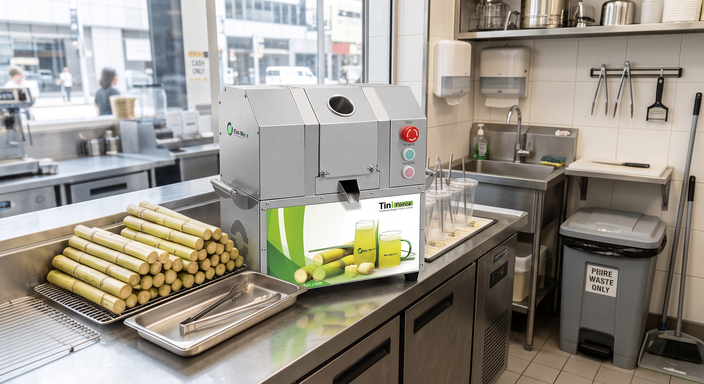
Achieving a 90%+ profit margin on sugarcane juice is entirely dependent on the equipment used. Unlike citrus, which is soft and easy to press, sugarcane is highly fibrous and demands robust engineering.
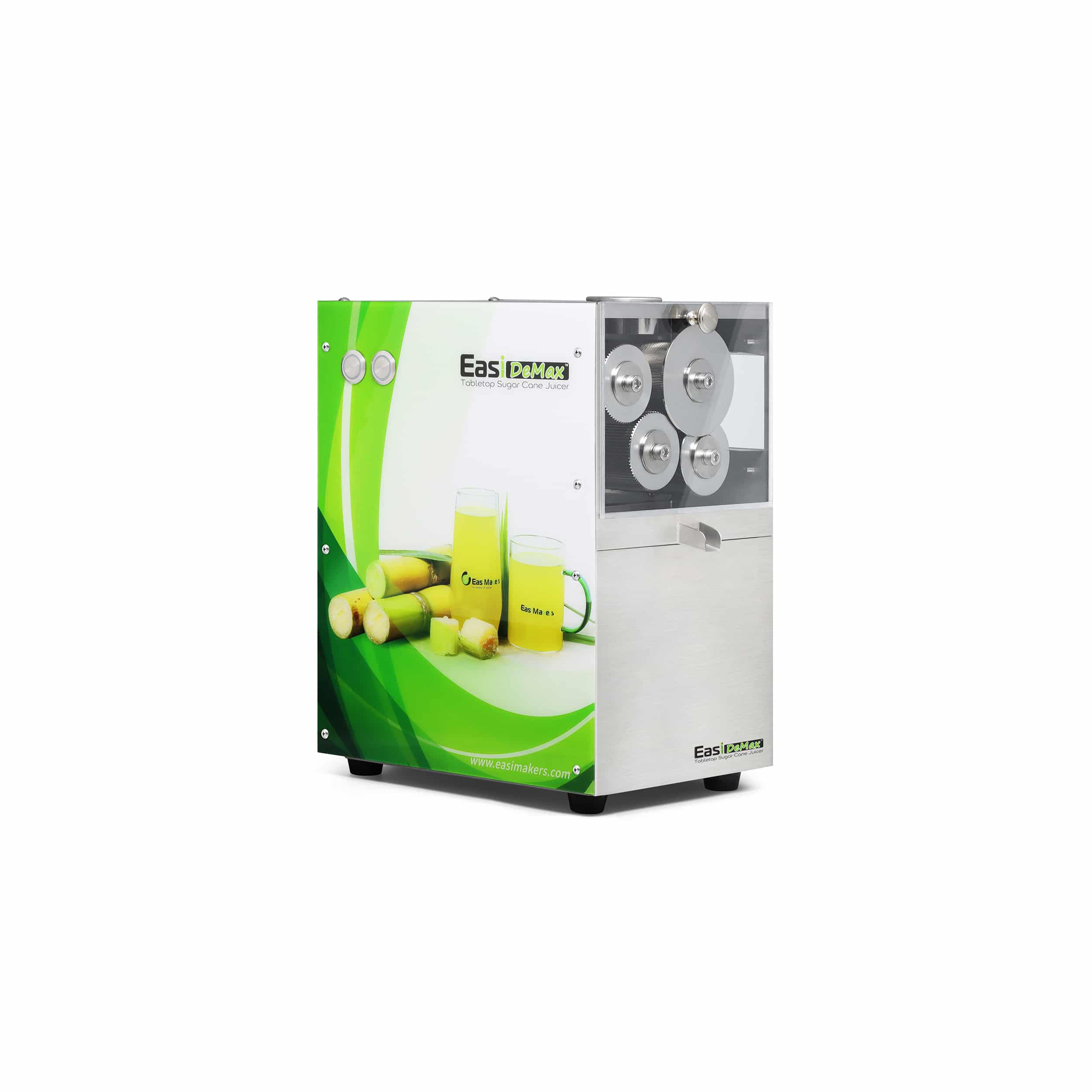
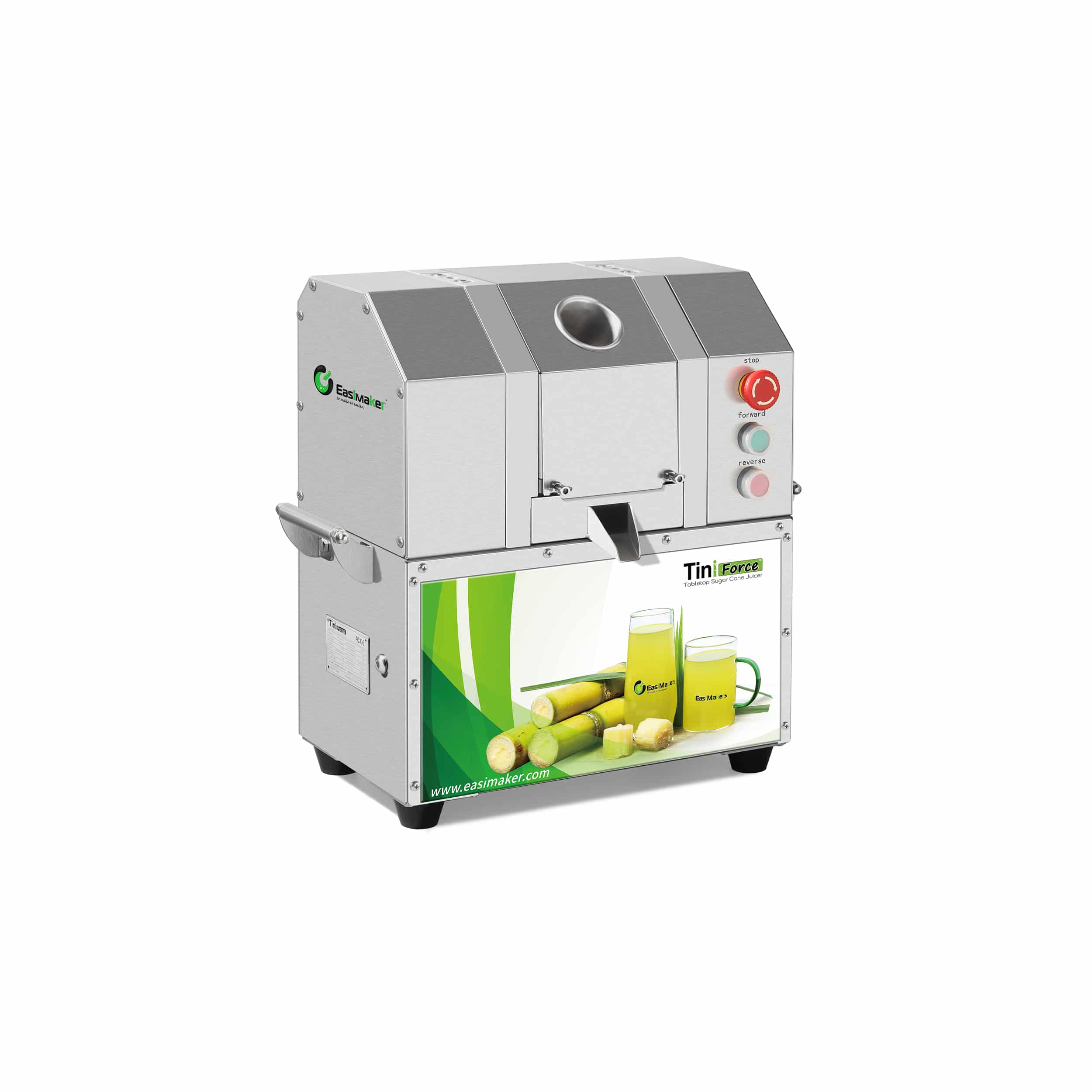
- Extraction Efficiency: Subpar machines may only extract 40% of the juice, leaving profits in the waste bin. High-performance electric juicers utilize multi-roller systems (often 3 to 5 rollers) to crush the stalk completely in a single pass, maximizing yield.
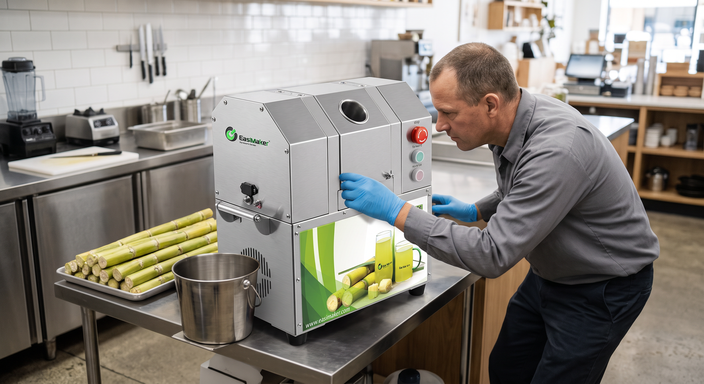
- Labor Costs: Manual or inefficient machines require multiple passes, slowing down service times and increasing labor costs. Fully electric, automated commercial juicers streamline operations, allowing staff to serve high volumes during peak hours.
- Durability and Maintenance: Commercial environments require machines built from food-grade stainless steel (e.g., SUS304) with heavy-duty gearboxes to prevent downtime and costly repairs.
Why Investors and Cafe Owners Should Pivot
Adding sugarcane juice to a commercial beverage portfolio offers several distinct advantages beyond just the raw numbers:
- Market Differentiation: While every cafe sells orange and apple juice, fresh sugarcane juice provides a unique selling proposition (USP) that attracts foot traffic.
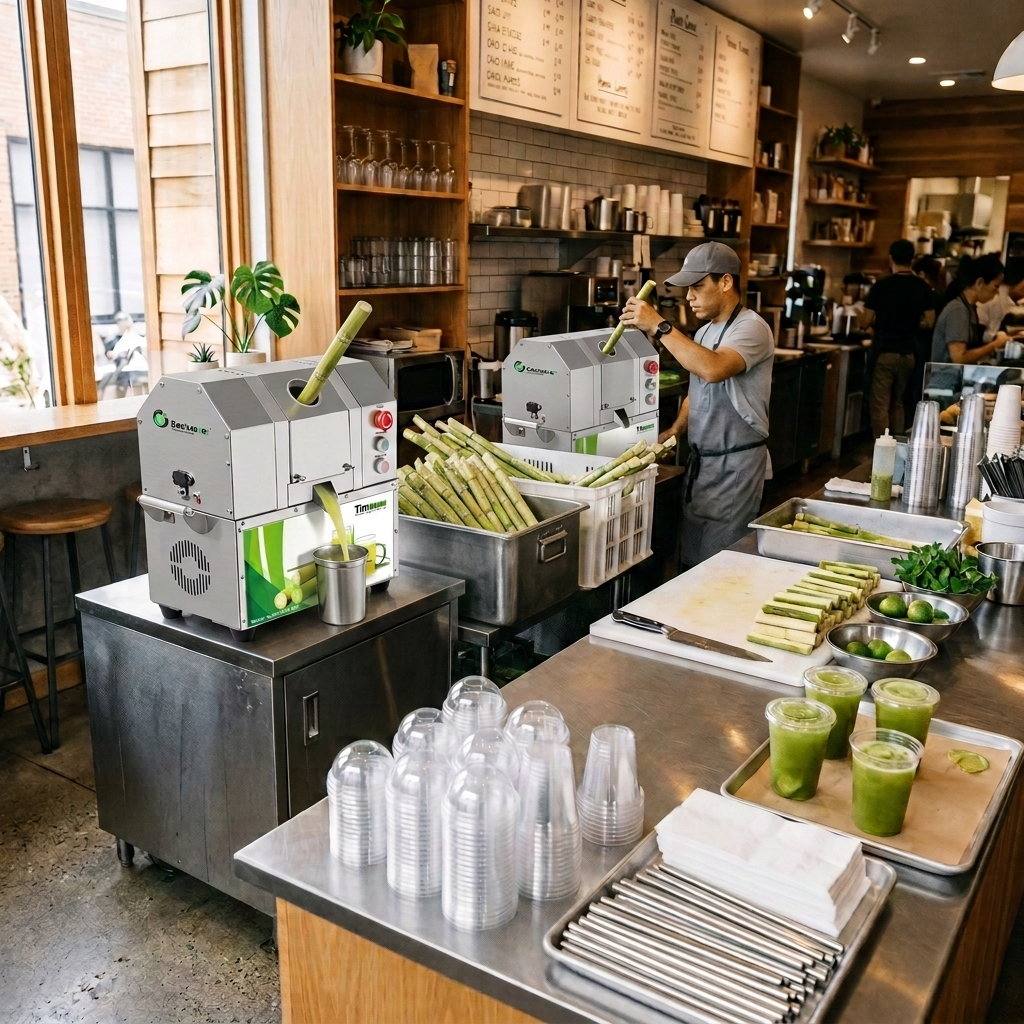
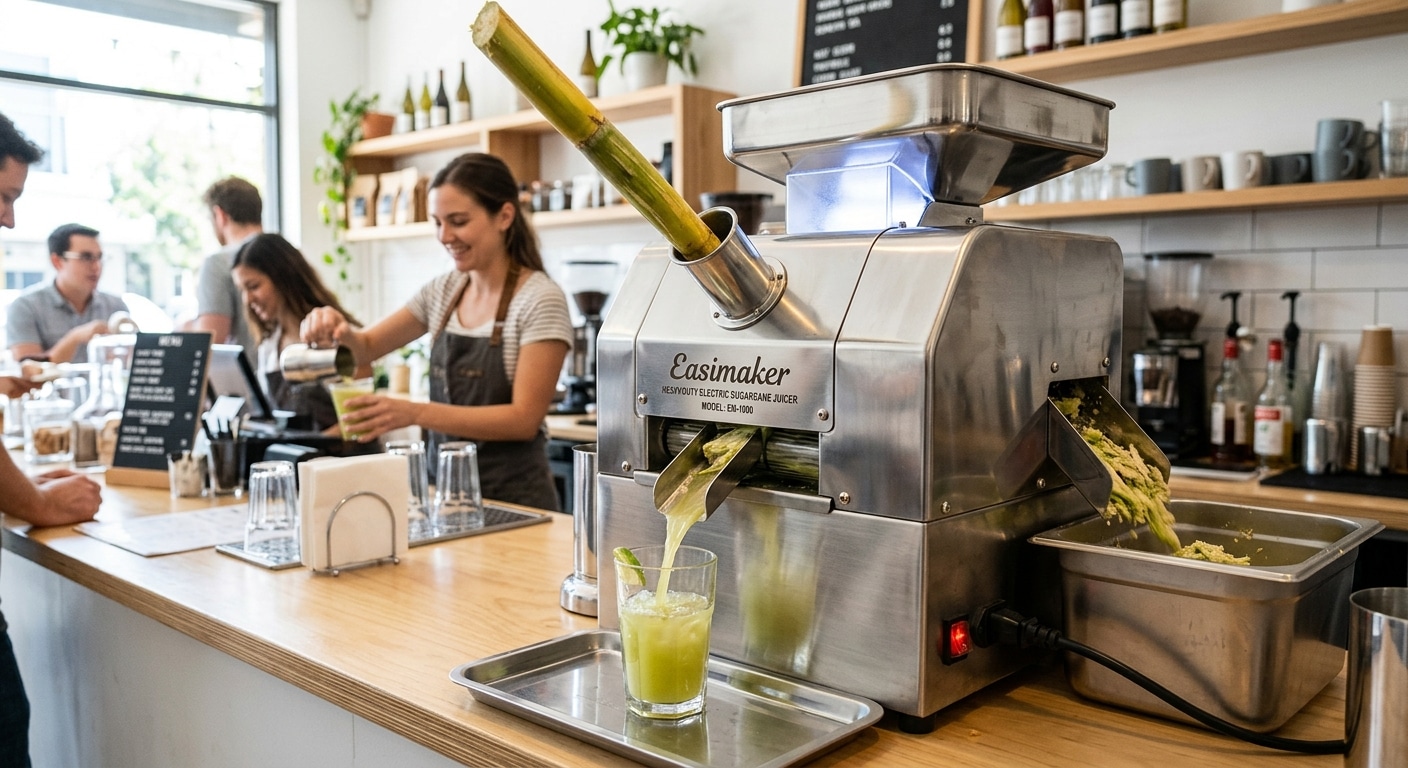
- Theatrical Appeal: The visual process of feeding a whole stalk into an electric juicer provides an engaging, authentic customer experience that justifies premium pricing.
- Versatility: Sugarcane juice acts as an excellent natural sweetener and base for mocktails, smoothies, and mixed juices (e.g., sugarcane with ginger and lime), allowing for menu expansion without adding complex inventory.
Frequently Asked Questions (FAQs)
1. Is it difficult to source raw sugarcane for commercial use?
While historically limited to tropical regions, specialized agricultural distributors now supply vacuum-sealed, pre-washed, and pre-cut sugarcane stalks globally, specifically catering to the commercial juice bar industry.
2. What is the typical ROI timeline for a commercial electric sugarcane juicer?
Due to the exceptionally high profit margins of the juice, operators selling just 20 to 30 cups a day can often recoup the capital expenditure of a high-quality electric juicer within 2 to 3 months.
3. How does the shelf life of sugarcane compare to apples and oranges?
Whole, uncut sugarcane stalks can last several weeks when stored in a cool, dry place. Pre-peeled and cut stalks require refrigeration and typically have a shelf life of 7 to 14 days. Proper inventory management is required, similar to other fresh produce.
4. Can sugarcane juice be bottled for wholesale?
Fresh sugarcane juice oxidizes quickly. For wholesale or retail bottling, operators must implement rapid chilling, high-pressure processing (HPP), or add natural antioxidants (like citric acid/lime juice) to stabilize the color and flavor.
5. What maintenance is required for commercial sugarcane juicers?
Daily cleaning is mandatory to prevent sugar buildup and ensure food safety. High-end electric machines feature removable rollers and accessible crushing chambers that can be cleaned with hot water and food-safe sanitizers in under 10 minutes.
Take the Next Step in Beverage Profitability
Upgrading your beverage program with high-yield, high-margin options is a proven strategy for sustainable business growth. To achieve these returns, investing in reliable, efficient, and heavy-duty electric extraction equipment is essential.
Ready to elevate your operational margins? Request a quote / Get a sample today to learn more about integrating commercial sugarcane juicing solutions into your business model.