
Scaling Your Juice Business for Local Retail
Transitioning from a made-to-order juice stand to a wholesale distributor requires a fundamental shift in operations. Bottling sugarcane juice for local retail—such as grocers, cafes, and health food stores—introduces new challenges in extraction efficiency, shelf life management, and cold chain logistics. For juice business owners looking to scale, mastering these operational steps is the key to expanding market reach without compromising product quality.
This guide outlines the critical steps for commercial juicing, bottling, and local distribution to help you successfully place your sugarcane juice on retail shelves.
Step 1: Upgrading to Commercial Extraction
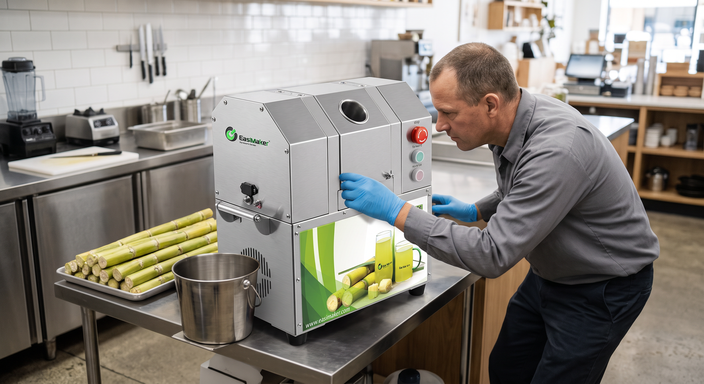
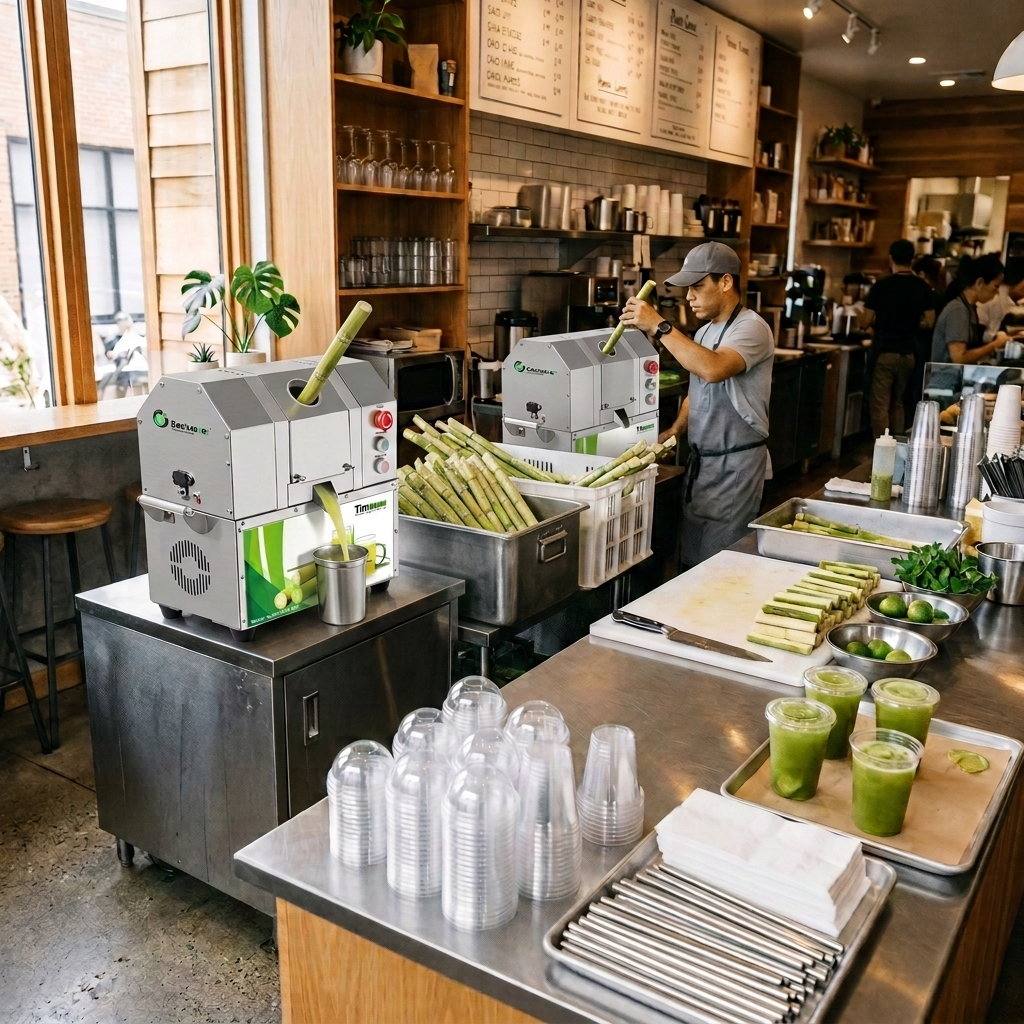
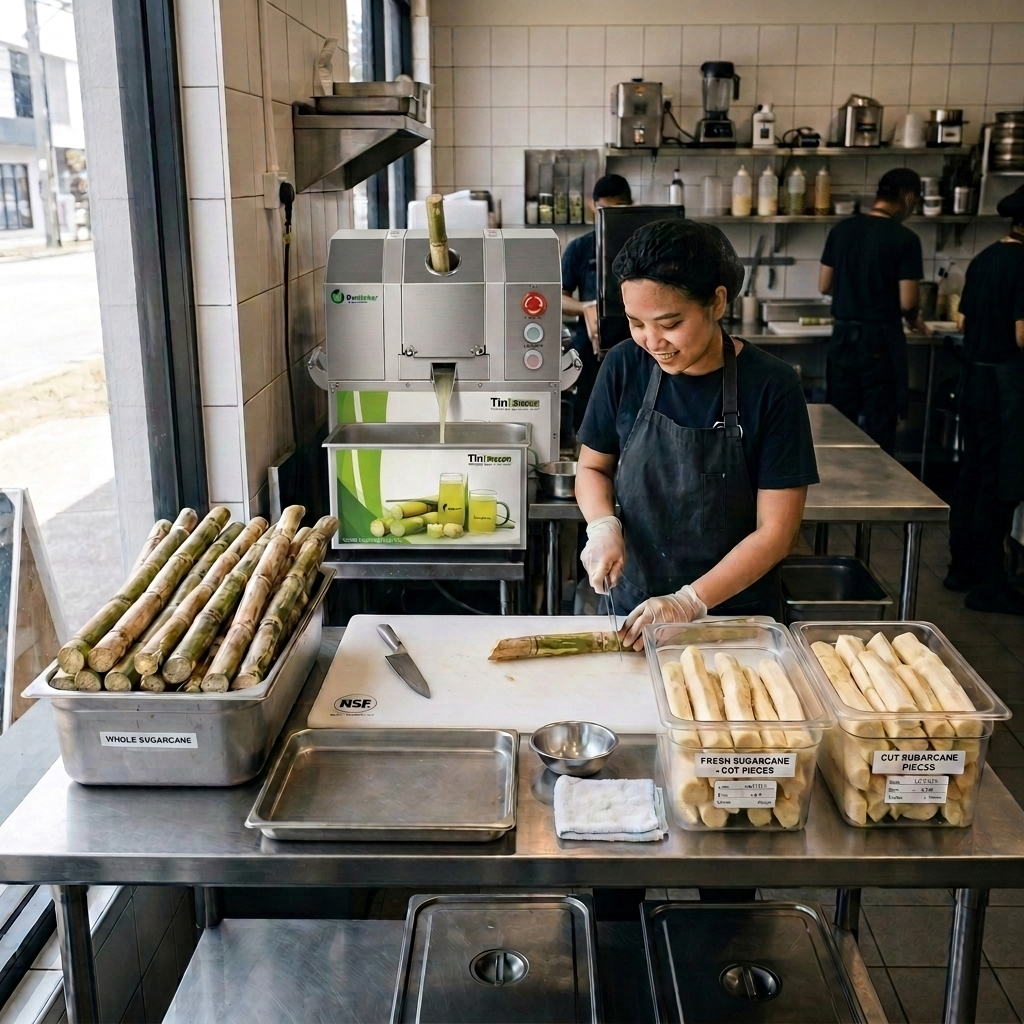
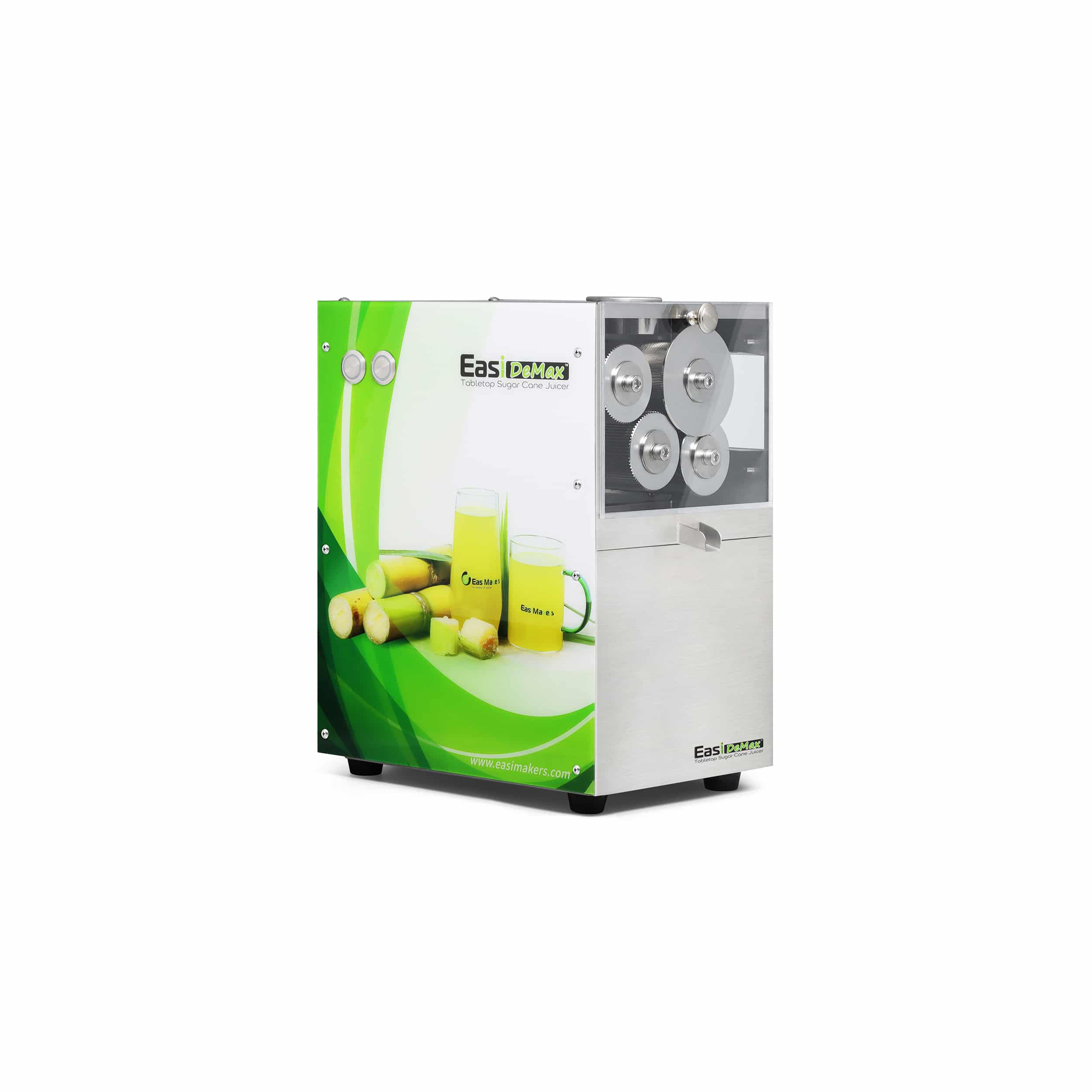
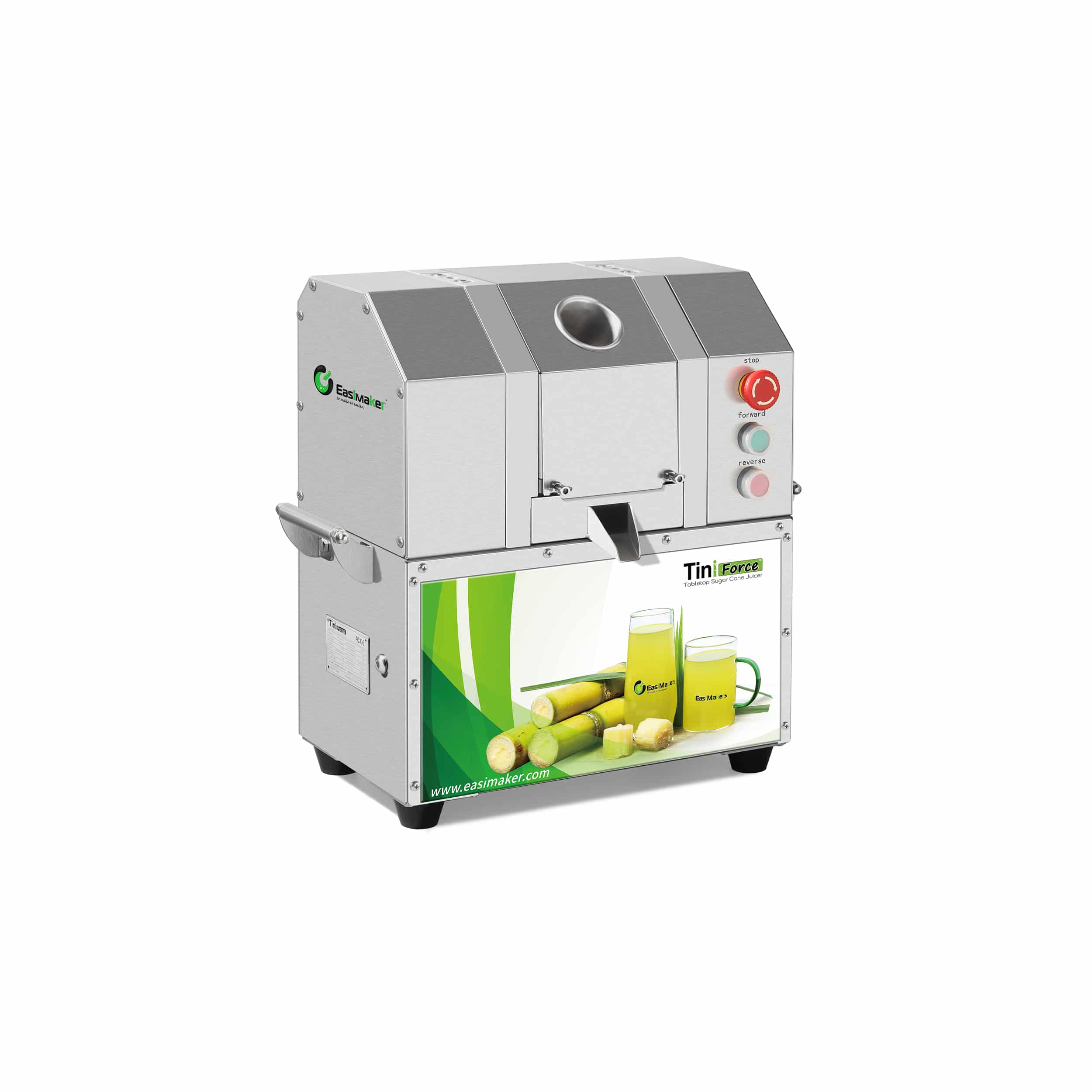
When scaling up, manual or low-capacity juicers become a bottleneck. To meet the volume demands of local retail, you must invest in high-efficiency, electric commercial extraction equipment.
Equipment Specifications
- Electric Power & Yield: Look for heavy-duty electric sugarcane juicers capable of processing high volumes per hour. High extraction rates (often above 70% yield) reduce raw material waste and lower your cost per bottle.
- Food-Grade Materials: Ensure all contact parts (rollers, juice trays, filters) are made from 304 or 316 stainless steel to comply with commercial food safety standards and prevent corrosion.
- Filtration Systems: Commercial machines should feature integrated micro-mesh filters to remove fine bagasse particles, ensuring a smooth mouthfeel that retail consumers expect.
Step 2: Managing Shelf Life and Oxidation
Fresh sugarcane juice oxidizes rapidly, turning brown and spoiling within hours if left untreated. Extending shelf life while maintaining a “fresh-pressed” flavor profile is the most critical hurdle in bottling sugarcane juice.
Preservation Techniques
- Ascorbic Acid Addition: Adding natural citrus (like lemon, lime, or calamansi) or food-grade ascorbic acid immediately after extraction lowers the pH and slows down enzymatic browning.
- Rapid Chilling: The juice must be flash-chilled to below 4°C (39°F) immediately after extraction. This significantly slows bacterial growth and oxidation.
- High Pressure Processing (HPP): For businesses looking to achieve a 30-to-45-day shelf life without thermal pasteurization, HPP is the industry standard. It uses extreme cold water pressure to inactivate pathogens while preserving the raw flavor and nutritional profile.
- Mild Pasteurization: Alternatively, Flash Pasteurization (HTST – High Temperature Short Time) can extend shelf life but may slightly alter the raw flavor profile.
Step 3: Bottling and Packaging Solutions
Your packaging must protect the juice from light and oxygen while appealing to retail consumers.
Material Selection
- PET Plastic vs. Glass: PET (Polyethylene Terephthalate) is lightweight, shatterproof, and ideal for HPP processing. Glass offers a premium feel and excellent oxygen barrier properties but is heavier and more fragile during transport.
- Tamper-Evident Closures: Retailers require tamper-evident caps or shrink bands to guarantee product safety and integrity.
- Labeling Compliance: Ensure your labels meet local food authority regulations. This typically includes an ingredient list, nutritional facts, a “Keep Refrigerated” warning, net volume, and a clear expiration or “Best By” date.
Step 4: Local Retail Distribution and Cold Chain
Once bottled, the product must remain within a strict temperature range until it reaches the consumer’s hands.
Logistics Planning
- Cold Chain Integrity: Maintain a continuous cold chain (typically 1°C to 4°C). This requires refrigerated storage at your facility, refrigerated transport vehicles, and verifying the temperature of the retailer’s display cases.
- Delivery Routing: For local retail, establish efficient, localized delivery routes to minimize transit times. Frequent, smaller deliveries often work best to ensure grocers always stock the freshest product.
- Retailer Partnerships: Provide retailers with clear handling instructions. Sugarcane juice will spoil quickly if left on loading docks or un-refrigerated aisles.
Manufacturing Quality Control (QC)
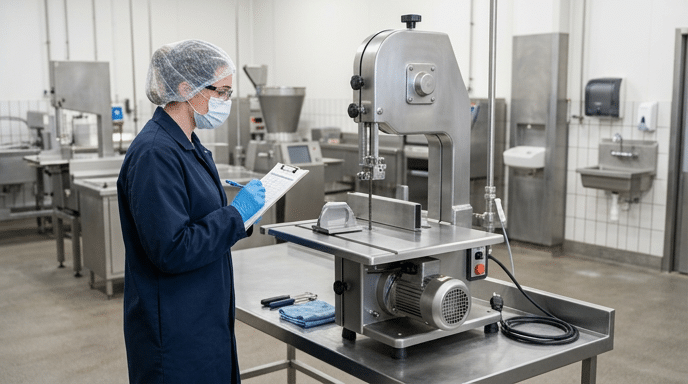
Consistency is vital for brand trust. Implement strict QC protocols for every batch:
- Brix Testing: Use a refractometer to measure the sugar content (Brix level) of the incoming sugarcane. Blending different stalks may be necessary to maintain a consistent sweetness profile.
- pH Monitoring: Regularly test the pH of the final blended juice to ensure it falls within your target range for safety and flavor balance.
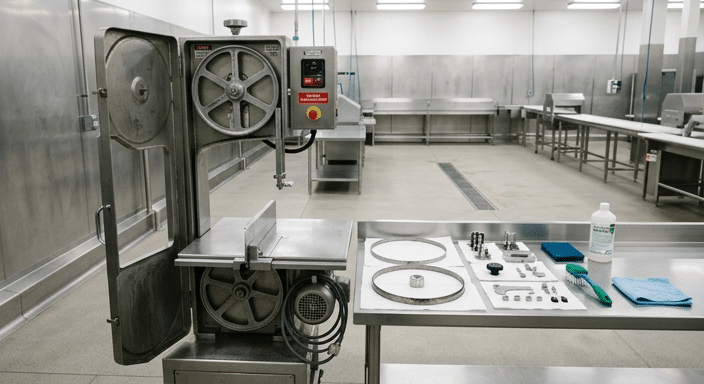
- Sanitation (CIP): Implement rigorous Clean-In-Place (CIP) protocols for your electric juicers, holding tanks, and bottling lines to prevent microbial contamination.
Frequently Asked Questions (FAQs)
How long does bottled raw sugarcane juice last?
Without processing, raw sugarcane juice lasts 1-2 days under strict refrigeration. With the addition of ascorbic acid and HPP treatment, shelf life can be extended to 30-45 days while maintaining the raw profile.
Why does my bottled sugarcane juice turn brown?
Browning is caused by polyphenol oxidase, an enzyme in sugarcane that reacts with oxygen. You can mitigate this by minimizing oxygen exposure during bottling, adding citrus/ascorbic acid, and keeping the juice strictly refrigerated.
Do I need FDA or local health department approval to wholesale?
Yes. Transitioning from retail to wholesale distribution typically subjects your business to stricter commercial food manufacturing regulations, including HACCP plans and facility inspections. Always verify requirements with your local health authorities.
What is the typical MOQ for custom printed bottles?
If you are sourcing custom-printed PET or glass bottles, manufacturers typically require Minimum Order Quantities (MOQs) ranging from 10,000 to 50,000 units. For smaller operations, using blank bottles with custom adhesive rolls is a more cost-effective starting point.
Ready to Scale Your Juice Business?
Expanding into local retail requires reliable equipment and precise operational planning. If you are upgrading your extraction line and need robust, commercial-grade electric juicers designed for high-yield production, we are here to help. Request a quote / Get a sample today to discuss your equipment needs and take the next step in your business expansion.