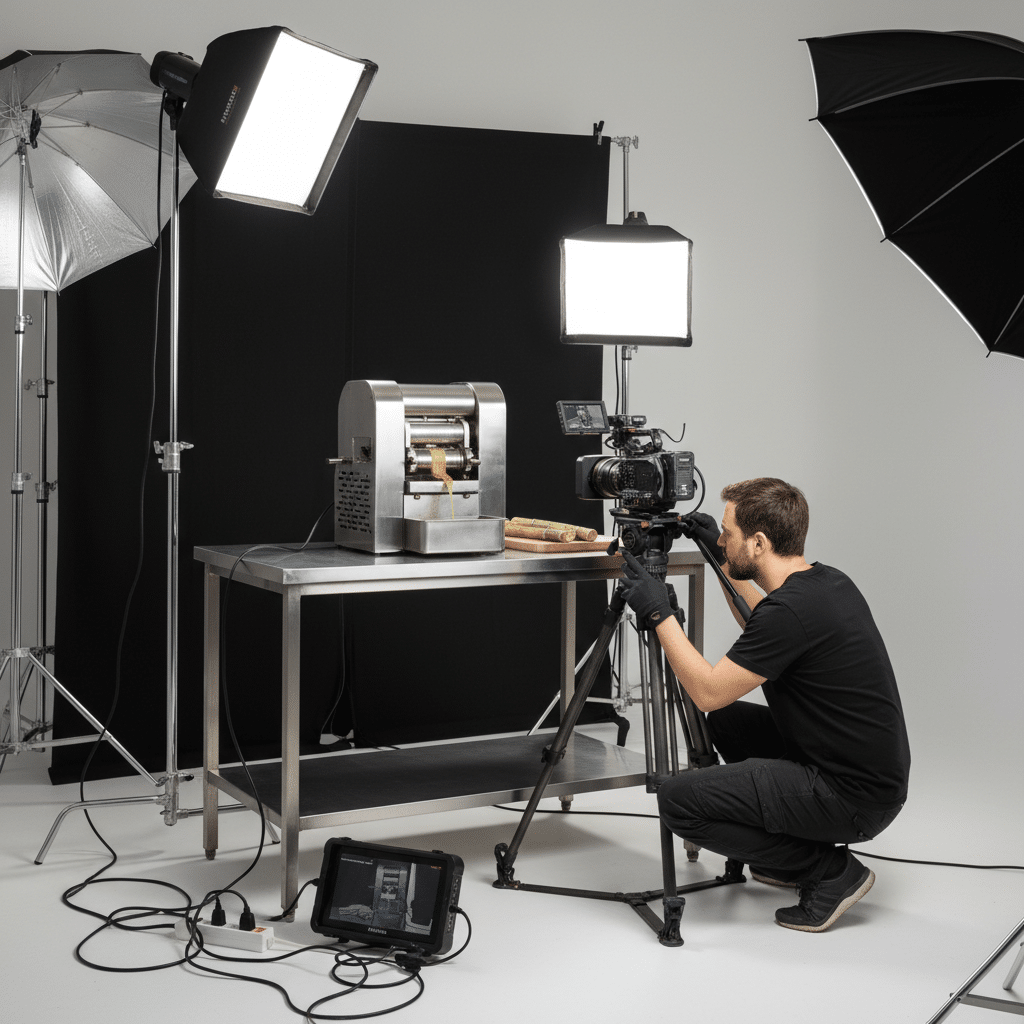
 For B2B equipment dealers and distributors, selling industrial machinery often comes down to one critical factor: trust. When a potential buyer is evaluating a commercial sugarcane juicer, they aren’t just buying a machine; they are investing in their business’s daily workflow, hygiene standards, and profit margins. In an online environment where buyers cannot physically touch the equipment, a high-quality demo video is the most powerful tool in your sales arsenal.
Static images and spec sheets are necessary, but they rarely close the deal on their own. Buyers need to see the torque, hear the motor, and witness the extraction efficiency firsthand. This guide outlines how to create and leverage effective demo videos to convert leads into confident buyers of high-performance sugarcane machines.
Why Video is Critical for Selling Juice Equipment
Industrial food processing equipment is technical. Buyers—whether they are supermarket procurement managers, juice bar owners, or hospitality directors—have specific concerns that text cannot fully address. Video bridges the gap between digital browsing and a physical showroom experience.
Effective video marketing does three things:
- Validates Claims: It proves that the “high yield” specifications on the datasheet are real.
- Demonstrates Usability: It shows operators how easy the machine is to load, operate, and clean.
- Reduces Perceived Risk: It allows the buyer to assess build quality and noise levels before committing capital.
5 Essential Elements of a High-Converting Demo
To maximize sales, your videos must go beyond simple promotional footage. They need to answer the technical questions your customers are asking. Ensure your video content covers these five pillars.
1. Visual Proof of Yield Efficiency
The primary ROI metric for any juice business is yield—how much juice can be extracted from a specific weight of cane. Don’t just show juice flowing into a cup; make it scientific. Weigh the raw sugarcane before feeding it into the machine, and weigh the juice output afterward. This calculation provides undeniable proof of the machine’s profitability.
2. The “Dry Pulp” Test
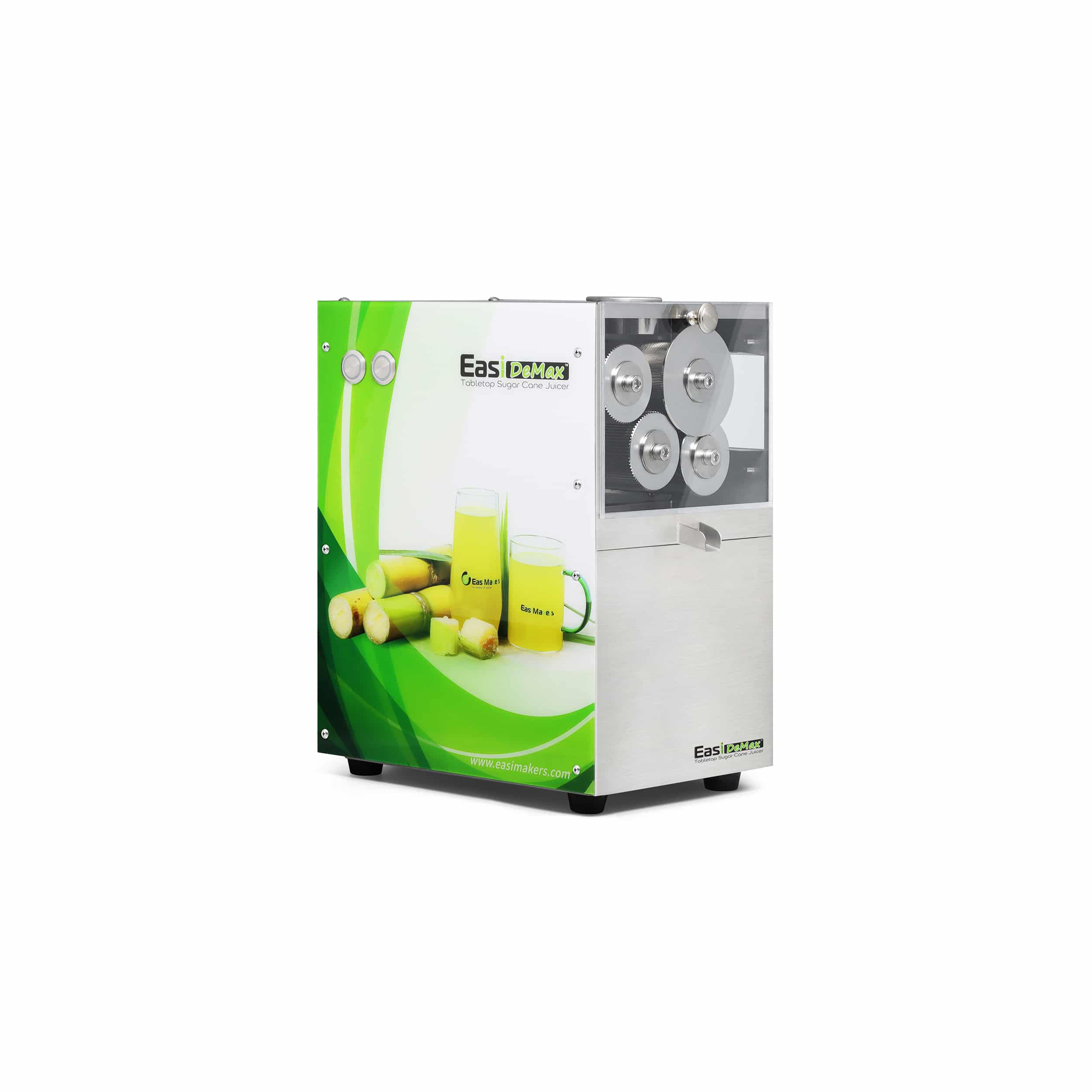
Experienced buyers judge a machine not by the juice, but by the waste. If the leftover bagasse (crushed cane) is wet, the machine is losing money. Include a segment where you take the crushed pulp and squeeze it or tear it open to show how dry it is. This is a powerful visual indicator of roller efficiency and pressure precision, particularly for heavy-duty models like the Easidemax S4.
3. Hygiene and Cleaning Workflows
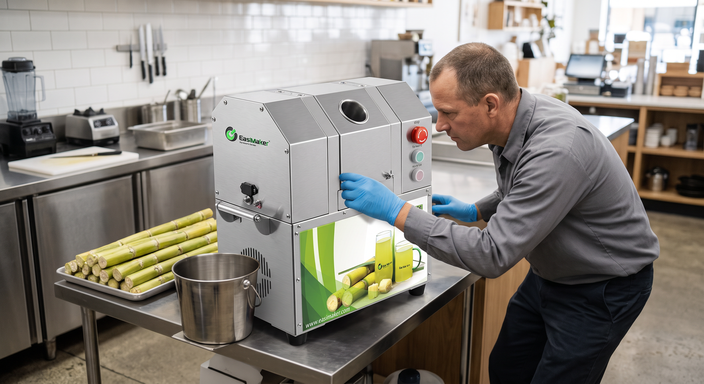
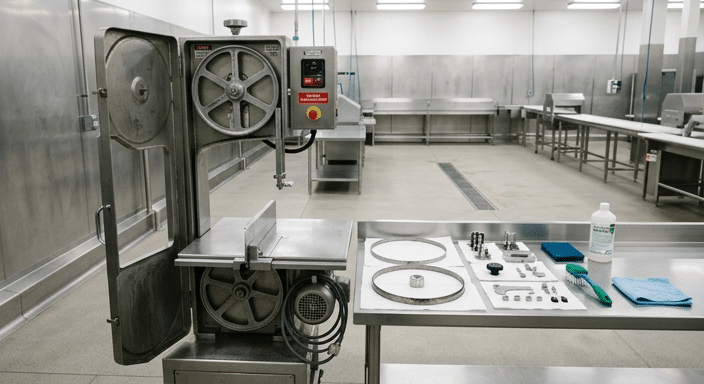
Sanitation is a top priority in the food and beverage industry. A common barrier to purchase is the fear that a machine will be difficult to clean, leading to bacterial growth or high labor costs. Dedicate a portion of your video to the disassembly and cleaning process. Show how easily components can be removed and washed. Demonstrating a 5-minute cleaning cycle can be the deciding factor for a busy juice bar owner.
4. Noise Level Demonstrations
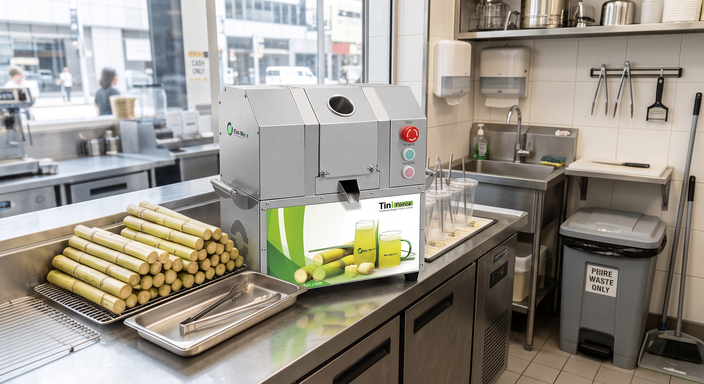
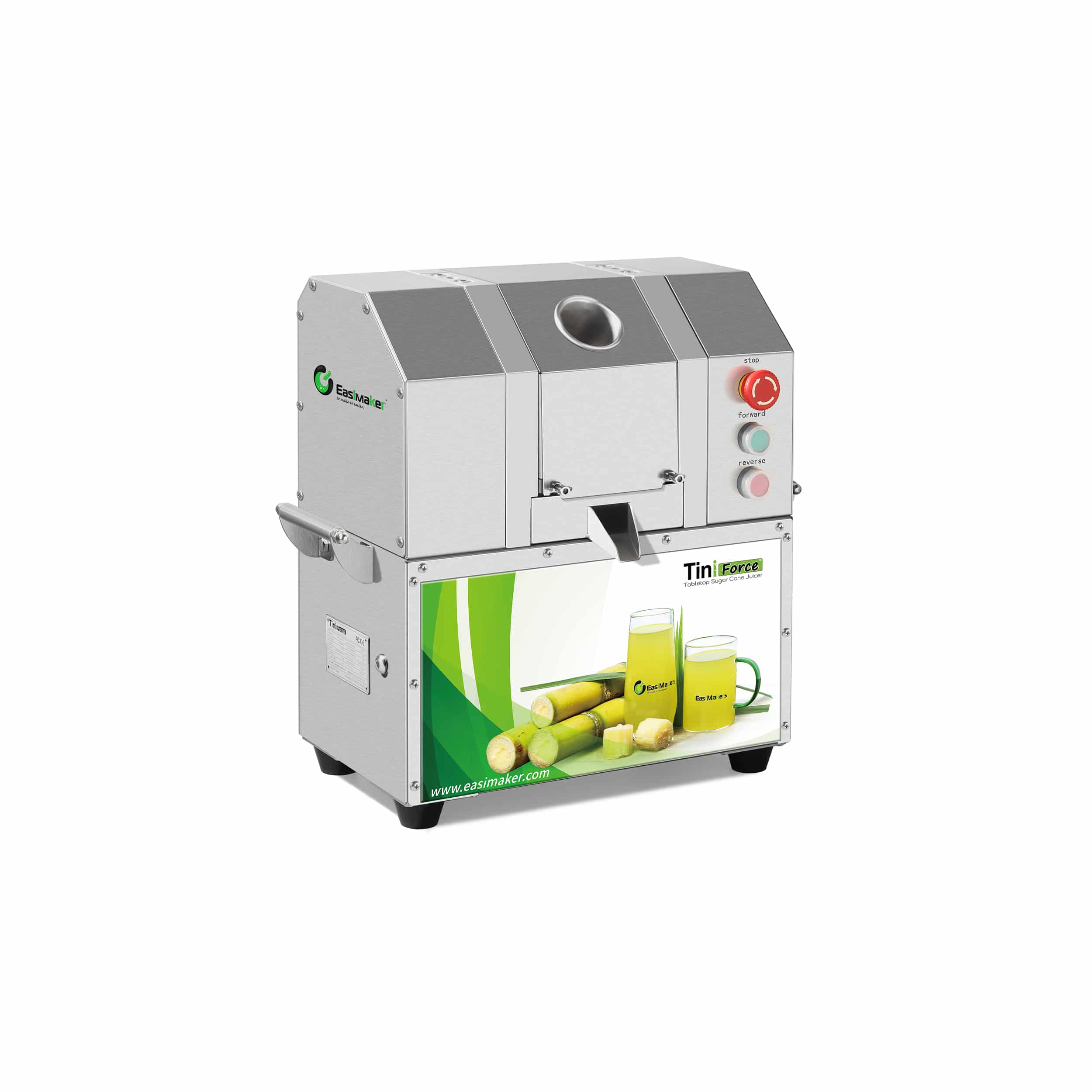
For commercial venues like shopping malls or hotels, noise pollution is a dealbreaker. Record a segment with natural audio (no background music) to demonstrate the machine’s operating volume. If you are showcasing a compact unit like the Tiniforce S3, highlight how its quiet operation allows for normal conversation nearby, making it ideal for customer-facing environments.
5. Build Quality Close-Ups
Zoom in. Use close-up shots to highlight the materials used. Focus on the stainless steel grade, the thickness of the casing, the robustness of the rollers, and the quality of the welding. These details signal durability and justify the investment in professional-grade equipment.
Choosing the Right Format: Short vs. Long Demos
Different stages of the buying funnel require different video formats. A successful dealer strategy uses a mix of both.
Short-Form Clips (15–60 Seconds)
Goal: Awareness and engagement.
Platform: Instagram Reels, TikTok, YouTube Shorts, WhatsApp Status.
Content: Focus on the “satisfaction” factor—the visual appeal of cane crushing, the stream of juice, or a quick before/after of the pulp. These clips grab attention and should direct viewers to your product page.
Deep-Dive Walkthroughs (3–10 Minutes)
Goal: Education and conversion.
Platform: YouTube, Website Product Pages, Email Quotations.
Content: These are comprehensive reviews. They should cover unboxing, setup, operation, safety features, and troubleshooting. For inspiration, review the library of content on the Easimaker Reviews & Videos page to see how professional demonstrations are structured.
Video Script Outline for Dealers
If you are filming your own content to support your local sales, use this simple script structure to ensure you hit the key selling points:
- The Hook (0:00–0:30): Introduce the specific problem (e.g., “Struggling with low juice yield?” or “Need a silent juicer for your cafe?”). Introduce the machine model as the solution.
- The Feature (0:30–1:30): Highlight 1–2 key technical features (e.g., 3-roller system, planetary gear motor).
- The Demo (1:30–3:00): Run the machine. Feed different sizes of cane. Show the juice flow and the dry pulp. Keep the audio natural here.
- The Maintenance (3:00–4:00): Briefly show how to clean it.
- Social Proof/Testimonial (4:00–4:30): Mention a type of client successfully using this unit (e.g., “Perfect for high-volume kiosks”).
- Call to Action (4:30+): Tell them exactly what to do next. “Click the link for a quote” or “Contact us for a live WhatsApp demo.”
Leveraging Dealer Resources
You do not always need to produce every video from scratch. Partnering with a manufacturer that provides strong marketing support is essential. Easimaker offers resources to help authorized distributors succeed. If you are interested in becoming a certified distributor, explore the Branch Dealer Program to access marketing assets, spare parts support, and technical training.
Conclusion
Video is no longer optional in the B2B machinery market; it is a requirement for building trust and closing sales remotely. By focusing on yield, hygiene, and build quality, you can create assets that answer buyer objections before they are even raised.
Ready to see these principles in action or need specific footage for your clients? Contact the Easimaker team today to request a quote, schedule a live demo, or discuss dealership opportunities.